Daily Archives

2 Articles

Green Beans: Your Natural Ally for Stable Blood Sugar

Posted by darrell on
0
Consumer Health and Nutrition
Green Beans: Your Natural Ally for Stable Blood Sugar

Green beans stand as a powerful ally in the battle for stable blood sugar levels, offering a unique combination of fiber, protein, and essential nutrients that work together to prevent sudden glucose spikes. These vibrant legumes boast a remarkably low glycemic index of just 15, making them an ideal choice for anyone monitoring their blood sugar levels. Whether steamed, sautéed, or enjoyed raw in salads, green beans deliver a satisfying crunch while providing crucial magnesium and chromium – minerals that play vital roles in insulin sensitivity and glucose metabolism.

Recent research from the American Diabetes Association confirms that incorporating fiber-rich vegetables like green beans into daily meals can reduce post-meal blood sugar fluctuations by up to 20%. For those seeking natural ways to manage their blood sugar, green beans offer a delicious solution that aligns perfectly with both traditional wisdom and modern nutritional science. Their versatility in the kitchen, combined with year-round availability and affordable price point, makes them an accessible option for anyone looking to maintain healthy blood sugar levels through diet.

The Blood Sugar-Friendly Profile of Green Beans

Fiber Content and Glycemic Impact

Green beans are a fantastic ally in maintaining healthy blood sugar levels, thanks to their impressive fiber content. Like other digestive benefits of legumes, green beans pack both soluble and insoluble fiber, working together to create a powerful blood sugar-regulating effect.

The soluble fiber forms a gel-like substance in your digestive system, which slows down the absorption of sugars into your bloodstream. This gradual release helps prevent sudden spikes in blood sugar levels. Meanwhile, the insoluble fiber adds bulk to your meal, helping you feel fuller longer and naturally reducing the overall amount of carbohydrates consumed.

With approximately 4 grams of fiber per cup, organic green beans are particularly effective at maintaining steady blood sugar levels. Their natural fiber matrix remains intact, unlike heavily processed foods, making them an excellent choice for anyone looking to manage their blood sugar naturally. This fiber content, combined with their low glycemic index of around 32, makes green beans a smart addition to any blood sugar-conscious meal plan.
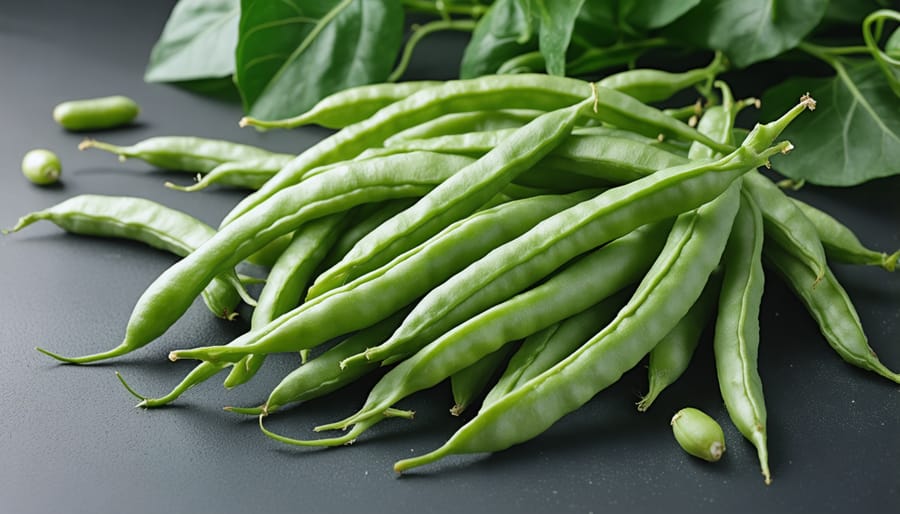
Close-up of fresh green beans split open showing natural fiber content
Fresh organic green beans with visible fiber strands when split open

Key Nutrients That Support Blood Sugar Balance

Green beans pack a powerful punch when it comes to blood sugar-supporting nutrients. These crisp, vibrant vegetables contain chromium, a mineral that plays a crucial role in insulin function and glucose metabolism. Just one cup of green beans provides about 6% of your daily chromium needs.

Magnesium, another essential mineral found in green beans, helps your body process insulin more effectively. This mineral works alongside fiber to slow down sugar absorption in your bloodstream, preventing sudden spikes in blood glucose levels.

The vitamin B6 content in green beans supports enzyme reactions involved in carbohydrate metabolism, while vitamin C helps reduce oxidative stress that can affect blood sugar balance. These beans also contain manganese, which aids in the production of insulin and helps maintain stable blood sugar levels throughout the day.

What makes organic green beans particularly special is their higher mineral content compared to conventionally grown varieties. When grown in nutrient-rich, organic soil, these beans can develop a more complete nutritional profile, maximizing their blood sugar-balancing benefits.

Comparison between organic and conventional green beans highlighting color and texture differences
Side-by-side comparison of organic vs conventional green beans showing visual differences

Organic vs. Conventional Green Beans

Enhanced Nutrient Density in Organic Varieties

Recent studies have revealed that organic green beans pack a more powerful nutritional punch compared to their conventionally grown counterparts. The benefits of organic vegetables extend beyond just being pesticide-free, particularly when it comes to blood sugar management.

Research from the Journal of Agricultural and Food Chemistry shows that organic green beans contain up to 20% higher levels of antioxidants and minerals that help regulate blood sugar. These include chromium, which enhances insulin sensitivity, and magnesium, a crucial mineral for glucose metabolism.

What makes organic green beans special is the soil they’re grown in. Rich, organic soil teeming with beneficial microorganisms helps plants develop stronger nutrient uptake systems. This results in beans with higher concentrations of fiber, which slows down sugar absorption, and polyphenols that support healthy blood sugar levels.

Local organic farmer Sarah Thompson shares, “We’ve noticed that customers who switch to our organic green beans often report feeling more satisfied after meals and experience more stable energy levels throughout the day.”

Reduced Chemical Exposure Benefits

Choosing organic green beans isn’t just about avoiding pesticides – it’s an investment in your metabolic health. Conventional green beans are often treated with multiple pesticides that can interfere with hormone function and metabolism. These chemical residues may impact how our bodies process sugars and maintain healthy blood glucose levels.

Organic green beans, grown without synthetic pesticides, offer a cleaner option that supports both blood sugar management and overall wellness. Research suggests that certain pesticides can affect insulin sensitivity and potentially contribute to metabolic disorders. By opting for organic varieties, you reduce your exposure to these concerning chemicals while still getting all the blood sugar-friendly nutrients green beans naturally provide.

Local organic farmers often use natural pest management methods like companion planting and beneficial insects to protect their crops. These practices not only keep harmful chemicals out of our food but also support a healthier ecosystem. Many farmers report that their organic green beans develop more intense flavors and higher nutrient concentrations when grown in well-maintained, chemical-free soil.

For optimal benefits, consider growing your own organic green beans or purchasing them from local organic farmers who can share their growing practices.

Incorporating Green Beans Into Your Blood Sugar-Friendly Diet

Optimal Preparation Methods

To maximize the blood sugar benefits of green beans, proper preparation is key. Steaming is one of the best methods, as it preserves nutrients while maintaining the beans’ natural fiber content that helps regulate blood sugar levels. A quick 5-7 minute steam ensures the beans stay crisp-tender and retain their vibrant green color.

Another excellent option is light stir-frying in heart-healthy olive oil, which helps maintain the beans’ beneficial properties while adding healthy fats that can further slow down sugar absorption. Keep cooking time brief, around 3-4 minutes, to preserve the nutrients that support blood sugar management.

Blanching green beans briefly in boiling water (2-3 minutes) followed by an ice bath is perfect for meal prep. This method maintains their crunch and nutritional benefits while making them ready for quick reheating later. Avoid overcooking, as this can reduce the fiber content and alter the beans’ glycemic impact.

For those monitoring blood sugar, consider pairing green beans with protein or healthy fats. Try tossing steamed beans with sliced almonds, or adding them to a salad with olive oil dressing. These combinations can help create a balanced meal that supports stable blood sugar levels.

Raw green beans are also an option – just ensure they’re fresh and thoroughly washed. They make a great low-glycemic snack and can be enjoyed with hummus or other healthy dips.

Steaming fresh green beans in a healthy kitchen environment with other vegetables
Steam cooking green beans in a healthy meal preparation setting

Meal Timing and Portion Recommendations

To make the most of green beans’ blood sugar benefits, timing and portion control are essential. Like other blood sugar balancing legumes, green beans work best when incorporated strategically into your meals.

For optimal blood sugar management, try consuming 1 to 1½ cups of green beans with your main meals, particularly lunch or dinner. This portion size provides enough fiber and nutrients to help slow down glucose absorption without overwhelming your digestive system.

Consider eating green beans as part of your first course. Studies suggest that consuming fiber-rich vegetables before other meal components can help moderate post-meal blood sugar spikes. If you’re growing your own beans, harvest them in the morning and enjoy them the same day for maximum nutritional benefits.

For those monitoring blood sugar levels closely, try spacing your green bean servings throughout the day rather than consuming them all at once. A half-cup serving at lunch and another at dinner can help maintain steadier blood sugar levels compared to larger, single portions.

Fresh green beans from your garden or local farmer’s market are ideal, but frozen organic options work well too. Just remember to avoid overcooked beans, as this can reduce their blood sugar-moderating benefits. Light steaming or quick sautéing preserves both nutrients and flavor.

Growing Your Own Organic Green Beans

Growing your own organic green beans is a rewarding way to ensure a fresh, chemical-free supply of these nutritious vegetables. Start by selecting a sunny spot in your garden with well-draining soil. Bush beans are perfect for beginners, while pole beans are great if you’re looking to maximize vertical space.

Prepare your soil in early spring by adding compost and organic matter. Plant seeds directly in the ground once soil temperatures reach 65°F (18°C), spacing them about 2 inches apart and 1 inch deep. For pole beans, install trellises or supports before planting.

Water consistently but avoid overwatering, as green beans prefer slightly moist soil. Mulch around plants to retain moisture and suppress weeds. Consider companion planting with carrots, corn, or marigolds to naturally deter pests and enhance growth.

For organic pest control, use neem oil or introduce beneficial insects like ladybugs. Harvest beans when they’re young and tender, typically 50-65 days after planting. Pick regularly to encourage continued production.

Save some pods to dry for next season’s seeds, selecting the healthiest plants. Store fresh beans in the refrigerator for up to a week, or blanch and freeze them for longer storage. By growing your own, you’ll have access to the freshest possible green beans while knowing exactly how they were grown.

Green beans are truly a remarkable addition to any blood sugar-conscious diet, offering a perfect balance of nutrients and health benefits. Their low glycemic index, combined with high fiber content and essential minerals, makes them an excellent choice for maintaining stable blood sugar levels throughout the day.

By choosing organic green beans, you’re not only supporting your health but also contributing to sustainable farming practices that protect our soil and environment. The absence of synthetic pesticides and fertilizers means you’re getting the purest form of these nutritious vegetables while supporting local organic farmers.

Consider incorporating organic green beans into your meals at least 2-3 times per week. Whether steamed, sautéed, or added to stir-fries, these versatile vegetables can enhance both the nutritional value and flavor of your dishes. Remember to pair them with other low-glycemic foods for optimal blood sugar management.

Start small by adding a serving of organic green beans to your dinner, and gradually increase your intake as you discover new, delicious ways to prepare them. Your body – and your blood sugar levels – will thank you for making this healthy choice.

Essential Organic Livestock Standards: What Your CSA Farm Must Know

Posted by darrell on
0
Organic Farming and Cultivation
Essential Organic Livestock Standards: What Your CSA Farm Must Know

Raising organic livestock demands strict adherence to organic certification requirements that fundamentally transform traditional farming practices. Animals must have year-round access to outdoor areas, pastures, and shelter designed for natural behaviors like grazing and roosting. Feed must be 100% organic, produced without synthetic fertilizers, pesticides, or genetically modified ingredients. Preventive health care focuses on stress reduction, appropriate housing, and balanced nutrition rather than routine antibiotics. These standards ensure livestock welfare while producing high-quality organic meat, dairy, and eggs that meet growing consumer demand for sustainable, ethically-raised animal products. For farmers transitioning to organic practices, understanding these requirements early helps create effective implementation strategies and avoid costly mistakes during certification.

Living Conditions and Animal Welfare Requirements

Organic cattle grazing on lush green pasture with visible paddock divisions
Aerial view of a well-managed organic pasture with cattle grazing and visible rotational grazing sections

Pasture Access Requirements

Access to pasture is a cornerstone of organic livestock management, with specific requirements designed to ensure animals can express their natural behaviors. The USDA organic standards mandate that ruminant animals must have access to pasture throughout the entire grazing season, which must last at least 120 days annually.

During this grazing period, animals must obtain at least 30% of their dry matter intake from pasture grazing. Farmers need to maintain detailed records of grazing days and feed intake to demonstrate compliance. The pastures themselves must be managed organically, without the use of synthetic fertilizers or prohibited pesticides.

While temporary confinement is allowed for specific circumstances like severe weather or health treatments, these instances must be documented and justified. Farmers often rotate pastures to maintain grass quality and prevent overgrazing, which helps ensure sustainable land management and optimal nutrition for the animals.

Many successful organic farmers extend their grazing season beyond the minimum requirements by implementing strategies like stockpiling forage and using varied grass species that mature at different times. This approach not only meets certification requirements but also promotes animal welfare and soil health.

Shelter and Housing Standards

Proper shelter and housing are crucial elements in organic livestock management, ensuring animal welfare and compliance with certification requirements. Animals must have sufficient space to move freely, express natural behaviors, and maintain good health. For example, dairy cows need clean, dry bedding areas and access to the outdoors, while organic poultry standards require adequate perching space and nesting boxes.

Housing structures should provide protection from extreme weather conditions while ensuring proper ventilation to maintain air quality and prevent respiratory issues. Barns and shelters must be constructed with non-toxic materials and maintained regularly to prevent injury risks. Each animal type has specific space requirements – sheep need at least 1.5 square meters per adult animal indoors, while pigs require access to rooting areas.

Temperature regulation is essential, particularly in regions with extreme climates. Farmers should implement proper insulation and ventilation systems while avoiding overcrowding, which can lead to stress and health issues. Natural lighting should be available, supplemented by artificial light when necessary to maintain normal day/night cycles.

Feed and Nutrition Guidelines

Organic Feed Standards

Organic livestock must be fed 100% organic feed throughout their entire lives, starting from birth or hatching. This includes pasture, hay, grains, and supplements that have been certified organic. During grazing season, ruminants like cattle and sheep must obtain at least 30% of their nutrition through pasture grazing on organic land.

All feed components must be grown and processed without synthetic fertilizers, pesticides, or genetically modified organisms (GMOs). Farmers can grow their own organic feed or purchase it from certified organic suppliers. Common organic feed ingredients include corn, soybeans, wheat, barley, and various grasses.

While synthetic supplements and additives are generally prohibited, there are some approved natural minerals and vitamins that can be added to ensure complete nutrition. Salt and trace minerals are permitted, as are natural vitamin supplements when needed.

Local farmer Sarah Miller shares, “Sourcing organic feed was challenging at first, but connecting with nearby organic grain farmers has made it much more manageable. Plus, my animals thrive on the diverse, natural diet.”

Keep records of all feed purchases and feeding practices, as these will be reviewed during organic certification inspections.

Various organic livestock feed components displayed on wooden surface
Close-up of organic feed ingredients including grains, hay, and natural supplements

Supplement and Additive Rules

Organic livestock feed supplements must come from natural sources and comply with strict regulations. Permitted supplements include vitamins and minerals from natural origins, probiotics, and enzyme supplements that support animal health and digestion. Farmers can use organic molasses, kelp, and other natural trace mineral sources to ensure their animals receive proper nutrition.

However, several additives are strictly prohibited in organic livestock production. These include synthetic growth promoters, antibiotics (unless prescribed by a veterinarian for illness), animal by-products, and synthetic preservatives. Urea and other synthetic nitrogen compounds are also not allowed as feed supplements.

Many successful organic farmers enhance their animals’ nutrition through diverse pasture management and seasonal rotations rather than relying heavily on supplements. For example, Sarah Miller, an organic dairy farmer in Vermont, maintains healthy herds by cultivating mineral-rich pastures with diverse plant species that naturally provide many essential nutrients.

Remember that all feed supplements must be approved by your organic certifier and properly documented in your organic system plan. When in doubt, always consult with your certifier before introducing new supplements to your livestock’s diet.

Health Care Management

Preventive Health Practices

Organic livestock farming emphasizes natural preventive health measures over reactive treatments. Farmers maintain animal wellness through a combination of strategic practices, including rotational grazing, balanced nutrition, and stress reduction techniques. Regular exercise and access to fresh air help build strong immune systems, while proper housing with adequate ventilation prevents respiratory issues.

Herbal remedies and probiotics play a crucial role in supporting animal health naturally. Many farmers incorporate medicinal herbs into pastures or provide herbal supplements to boost immunity. Regular monitoring allows early detection of potential health issues before they become serious problems.

Clean, spacious living conditions and proper sanitation are fundamental to disease prevention. Farmers also carefully select breeding stock for natural resistance to common ailments, creating hardier herds over time. This holistic approach to animal wellness reduces the need for conventional treatments while promoting long-term herd health.

Approved Treatment Options

In organic livestock management, farmers must prioritize preventive healthcare through proper nutrition, stress reduction, and maintaining clean living conditions. When medical treatment becomes necessary, organic standards allow several natural alternatives before considering conventional medications. Approved treatments include herbal remedies, homeopathic medicines, and natural supplements like probiotics and essential oils.

If an animal becomes ill, organic farmers can use vaccines and biologics to prevent disease spread. While antibiotics are generally prohibited, they must be used if necessary to save an animal’s life or prevent suffering. However, treated animals cannot be sold as organic and must be permanently identified and separated from the organic herd.

Other acceptable interventions include physical treatments like acupuncture, massage therapy, and hydrotherapy. Many farmers successfully manage their herds using rotational grazing, botanical treatments, and mineral supplements to boost immunity naturally. The key is maintaining detailed health records and working closely with veterinarians who understand organic protocols.

Farmer using tablet for record keeping while inspecting organic livestock
Farmer examining healthy organic livestock while maintaining digital records on a tablet

Record-Keeping Requirements

Maintaining detailed records is crucial for organic livestock certification and ongoing compliance. Farmers must keep comprehensive documentation of all animal-related activities, from birth or purchase through to sale or processing. This includes maintaining records of animal origins, health treatments, feed purchases, grazing rotations, and production outputs.

Essential records include birth records, breeding histories, and animal identification systems that track each animal throughout its lifecycle. Feed records must document all purchased feeds, supplements, and additives, along with verification of their organic status. Medical treatment logs should detail any health issues, veterinary visits, and medications administered, including withdrawal periods when applicable.

Many successful organic farmers use digital record-keeping systems or specialized software to streamline this process. For example, Sarah Miller, an organic dairy farmer in Vermont, uses a mobile app to track her herd’s grazing patterns and health records in real-time. “Good record-keeping isn’t just about certification,” she says. “It helps me make better management decisions for my animals.”

Required documentation must be maintained for at least five years and be readily available for inspection. This includes purchase receipts, organic certificates for inputs, health records, and production logs. Having organized, accessible records not only ensures compliance but also provides valuable data for improving farm operations and maintaining organic integrity.

Remember to update records regularly and keep backup copies of important documents. Many certifying agents provide templates and checklists to help farmers develop effective record-keeping systems.

Success Story: Local CSA Farm Transition

The Green Valley Family Farm’s journey to organic certification stands as an inspiring example of successful transition in the local farming community. Sarah and Mike Peterson, third-generation farmers, decided to convert their conventional dairy operation to organic practices in 2018 after noticing increasing demand from their CSA members.

The Petersons began by transitioning their 40-acre pasture to organic management, eliminating synthetic fertilizers and pesticides while implementing rotational grazing practices. They worked closely with a certification specialist to develop a three-year conversion plan for their 25-head dairy herd.

During the transition, they faced challenges like sourcing organic feed and adapting to natural pest management methods. However, their CSA community proved invaluable, with members prepaying for future shares to help fund necessary infrastructure improvements, including a new mobile shade structure for pasture rotation.

By 2021, Green Valley achieved full organic certification. Their success metrics are impressive: soil organic matter increased by 2%, milk production maintained steady levels while reducing veterinary costs by 30%, and their CSA membership grew from 50 to 125 families.

The Petersons now host monthly farm tours and workshops, sharing their experience with other farmers considering organic transition. Their story demonstrates how community support, careful planning, and dedication to organic principles can create a thriving, sustainable farming operation.

Embracing organic livestock practices isn’t just about meeting certification requirements – it’s about fostering a sustainable future for agriculture. By providing animals with organic feed, appropriate living conditions, and humane treatment, farmers create healthier environments that benefit both livestock and consumers. These practices help maintain soil fertility, reduce environmental impact, and produce higher-quality products that consumers can trust. Whether you’re a seasoned farmer or just starting your organic journey, remember that sustainable livestock management is an investment in our planet’s future. By following these guidelines and continuously educating ourselves about best practices, we can build a more resilient food system that supports both animal welfare and environmental stewardship. Together, we can make organic livestock farming the standard rather than the exception.