

Community kitchens are shared spaces that bring people together to cook, learn, and grow. More than just places to prepare food, these kitchens serve as vibrant hubs that nourish both bodies and souls. By providing access to healthy ingredients, cooking equipment, and culinary education, community kitchens empower individuals to take control of their diets and well-being. But the impact goes far beyond the plate – these kitchens also foster a sense of belonging, breaking down barriers and strengthening the social fabric of our neighborhoods. In this article, we’ll explore the transformative power of community kitchens and discover how they’re reshaping the way we connect with our food and each other.
What is a Community Kitchen?
Shared Cooking Facilities
Community kitchens are equipped with a wide range of shared cooking equipment and resources, making it easy for members to prepare meals without investing in their own supplies. Typically, you’ll find large commercial-grade appliances like ovens, stovetops, and refrigerators, as well as essential tools such as pots, pans, utensils, and cutting boards. Many kitchens also offer specialized equipment like blenders, food processors, and mixers for creating diverse dishes. Additionally, community kitchens often provide ample storage space, including shelving and lockers, allowing members to safely store their ingredients and personal items while using the facilities. With these shared resources, community kitchens empower individuals to cook nutritious meals in a well-equipped and inclusive environment.
Bringing People Together
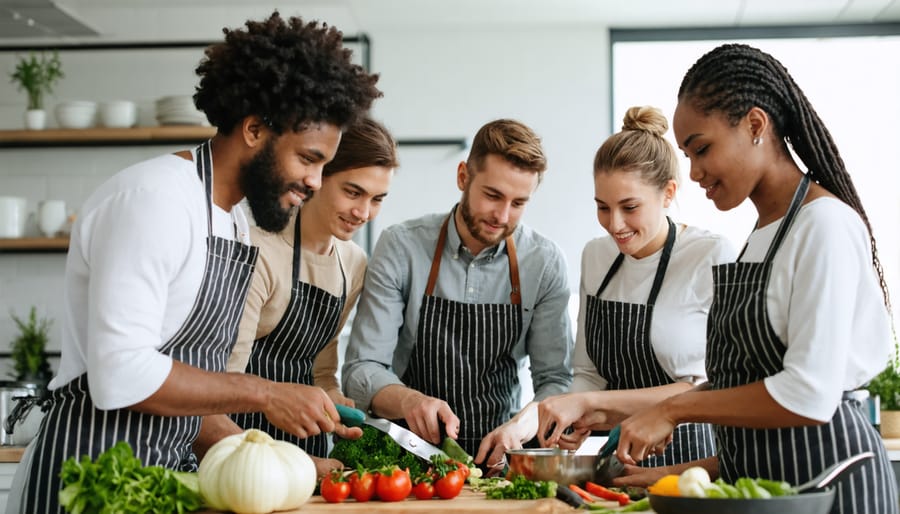
Community kitchens are more than just places to prepare meals – they are vibrant hubs that bring people together. By providing a welcoming space for individuals from all walks of life to cook, learn, and share experiences, community kitchens foster a sense of belonging and create opportunities for social interaction. Participants often work together to prepare meals, exchanging recipes, techniques, and stories along the way. This collaborative environment encourages the formation of new friendships and strengthens existing relationships within the community. Through shared meals and conversations, community kitchens break down barriers and promote understanding among diverse groups, ultimately contributing to a more connected and inclusive society.
Benefits of Community Kitchens
Access to Healthy Food
Community kitchens play a crucial role in improving access to healthy, nutritious, and affordable meals, particularly for individuals and families facing food insecurity. By pooling resources, sharing cooking responsibilities, and utilizing donated or low-cost ingredients, these kitchens can provide wholesome meals at a fraction of the cost of eating out or purchasing prepared foods. Community kitchens often partner with local farms, food banks, and grocery stores to source fresh, high-quality ingredients, ensuring that participants have access to a variety of nutrient-dense foods. Additionally, by teaching participants cooking skills and providing recipes, community kitchens empower individuals to make healthier food choices and stretch their food budgets further. These shared spaces not only nourish bodies but also foster a sense of community and support, helping to alleviate the stress and isolation that often accompany food insecurity.

Skill Building and Education
Community kitchens provide a fantastic opportunity for individuals to enhance their cooking skills and expand their knowledge of nutrition and food safety. These shared spaces often host workshops and classes taught by experienced chefs, nutritionists, and food safety experts. Participants can learn how to prepare healthy, delicious meals using fresh, locally sourced ingredients while also gaining a deeper understanding of the importance of a balanced diet. Additionally, community kitchens emphasize proper food handling and storage techniques, helping to ensure that meals are not only nourishing but also safe to consume. By engaging in these educational opportunities, individuals can develop a newfound confidence in the kitchen and a greater appreciation for the role that wholesome, well-prepared food plays in promoting overall health and well-being. Moreover, the skills and knowledge gained in community kitchens can be shared with family and friends, fostering a ripple effect of positive change in the wider community.
Strengthening Community Bonds
Community kitchens serve as vibrant hubs that bring people together, fostering a strong sense of belonging and social cohesion. These shared spaces provide opportunities for individuals from diverse backgrounds to connect, share experiences, and learn from one another. As people gather to prepare meals, they engage in conversations and build relationships that extend beyond the kitchen walls. Community kitchens also promote cultural exchange, as participants share traditional recipes and cooking techniques, celebrating the rich tapestry of flavors and traditions within the community. By creating an inclusive and welcoming environment, these kitchens help break down barriers and strengthen the bonds that unite us as a community.
How to Get Involved
Finding a Community Kitchen Near You
Finding a community kitchen in your area is easier than you might think. Start by searching online directories such as the Community Kitchen Directory or The Kitchn’s Community Kitchen database, which list shared cooking spaces across the United States. You can also reach out to local community organizations, such as food banks, churches, and neighborhood associations, as they often have connections to or host their own community kitchens. Additionally, consider checking with your local parks and recreation department or public library, as some offer community kitchen programs or can point you in the right direction. With a little research and outreach, you’ll be on your way to discovering a vibrant community kitchen near you, where you can cook, learn, and connect with others who share your passion for good food and community building.
Volunteer Opportunities
Volunteering at a community kitchen is a rewarding way to make a tangible difference in your local community. Whether you have a passion for cooking, a knack for organization, or simply a desire to lend a helping hand, there are numerous opportunities to get involved. You can assist with meal preparation, serve food to guests, or help with clean-up duties. If you have specialized skills, such as nutrition knowledge or experience working with vulnerable populations, you can contribute by leading workshops or providing one-on-one support to kitchen users. Additionally, community kitchens often rely on volunteers for administrative tasks, fundraising efforts, and outreach initiatives. By dedicating your time and skills to a community kitchen, you’ll play a vital role in promoting food security, fostering social connections, and strengthening the resilience of your community.
Donating to Community Kitchens
Donating to community kitchens is a powerful way to support their mission and expand their reach. Financial contributions help cover operational costs, such as rent, utilities, and staff salaries. Food donations, including fresh produce, pantry staples, and specialty ingredients, ensure that kitchens have the resources to prepare nutritious meals. Donating gently used or new kitchen equipment, like pots, pans, utensils, and appliances, can improve the efficiency and capacity of these spaces. By giving to community kitchens, you directly contribute to the well-being of individuals and families who rely on these services, while also strengthening the social fabric of your local community.
Conclusion
Community kitchens are powerful spaces that nourish both bodies and spirits. They provide access to healthy meals, foster skill sharing, and cultivate a sense of belonging. By bringing people together around the shared experience of cooking and eating, community kitchens break down barriers and strengthen social bonds. They serve as vital resources for individuals facing food insecurity, offering not only sustenance but also dignity and empowerment. As we’ve seen, these inclusive spaces have the potential to transform lives and communities. So let’s embrace the magic of community kitchens – volunteer, donate, or simply spread the word about their incredible impact. Together, we can ensure that everyone has a place at the table.
