Daily Archives

2 Articles

Smart CSA Yield Predictions: How Data Patterns Transform Farm Planning

Posted by darrell on
0
Seasonal Planning and Management
Smart CSA Yield Predictions: How Data Patterns Transform Farm Planning

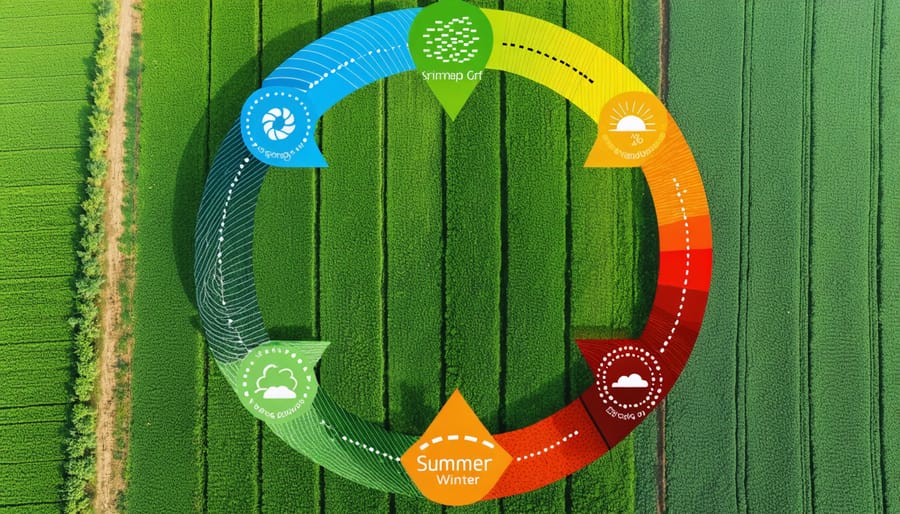
Data seasonality shapes every harvest cycle, driving critical decisions from seed selection to market timing. Just as nature follows predictable patterns of growth and dormancy, CSA farm data reveals recurring trends that smart farmers leverage for success.

Understanding these natural rhythms in your farm’s data unlocks powerful insights. Track weekly harvest volumes from previous seasons to predict future yields. Monitor temperature patterns alongside crop performance to optimize planting schedules. Map customer preferences across seasons to align crop planning with peak demand periods.

For CSA farmers, this seasonal intelligence transforms raw numbers into actionable strategy. Early spring seedling data predicts summer abundance. Summer harvest records forecast fall storage needs. Fall membership renewals indicate spring planting volumes. Each season’s data flows naturally into the next, creating a continuous cycle of informed decision-making that grows stronger year after year.

This practical approach to seasonal data empowers farmers to work in harmony with natural cycles while building more resilient and profitable operations.

Understanding Data Seasonality in Agriculture

Natural Cycles vs. Data Patterns

Just as nature follows predictable cycles of growth and dormancy, data patterns in farming often mirror these natural rhythms. Consider how tomatoes flourish in summer’s warmth while winter squash peaks in autumn – these natural growing seasons create corresponding patterns in harvest data, sales figures, and resource allocation.

For CSA farmers, understanding these cycles is crucial. Spring typically shows a surge in member signups, while late summer brings an abundance of produce variety and quantity. These patterns affect everything from labor needs to storage capacity planning.

Weather patterns, too, play a vital role in shaping data seasonality. Annual rainfall cycles, frost dates, and temperature patterns create predictable trends that smart farmers can use to their advantage. By tracking these natural cycles alongside their farm data, growers can better anticipate needs, optimize planting schedules, and improve crop planning efficiency.
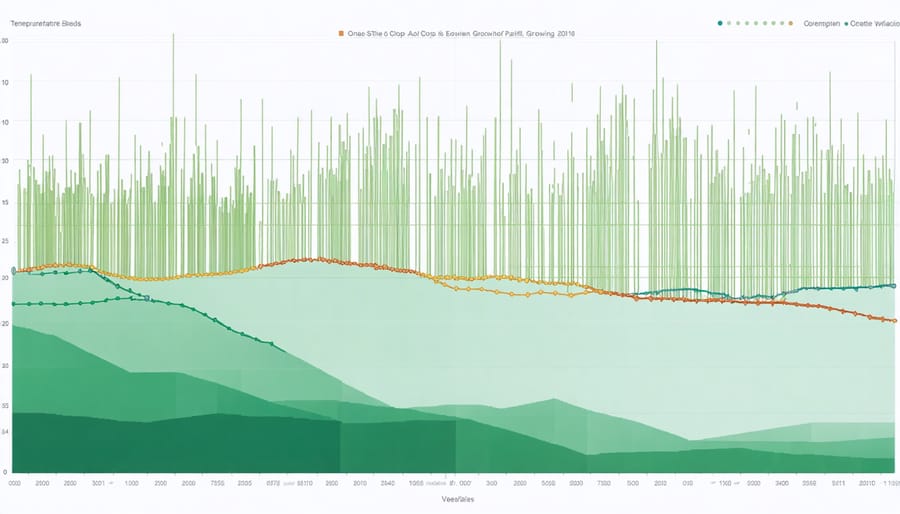
Seasonal data chart showing correlation between weather patterns and crop yields
Data visualization showing temperature and rainfall patterns across a growing season with overlaid crop yield trends

Key Seasonal Data Points for CSA Farms

Successful CSA farms rely on several key data points that fluctuate with the seasons. Soil temperature and moisture levels serve as primary indicators for optimal planting times, while frost dates help determine both early spring and late fall harvesting windows. Growing degree days (GDD) track heat accumulation throughout the season, helping farmers predict crop maturity dates with greater accuracy.

Weather patterns, including rainfall and temperature trends, directly impact crop development and yield potential. Many CSA farmers maintain detailed records of germination rates, harvest quantities, and crop quality across different seasons to fine-tune their planning. Disease and pest pressure data often show seasonal patterns, allowing farmers to implement preventive measures at crucial times.

Customer preference data also follows seasonal trends, with certain crops gaining popularity during specific times of the year. Tracking these patterns helps farmers adjust planting schedules to meet member expectations while maintaining diverse crop offerings throughout the growing season.

Farmer collecting digital field data with modern agricultural technology
Farmer using tablet to record crop data while standing in field, with visible weather station in background

Collecting Seasonal Farm Data

Essential Weather Metrics

Tracking weather patterns throughout the growing season is crucial for successful crop planning and yield prediction. Temperature variations, including daily highs and lows, help farmers anticipate frost risks and heat stress periods that could affect plant growth. Rainfall measurements give insights into natural irrigation patterns and help plan supplemental watering schedules.

Solar radiation levels influence photosynthesis rates and crop development, while humidity affects disease pressure and plant stress. Wind speed and direction data are essential for protecting crops and planning windbreak placement. Soil temperature readings, particularly in spring, guide optimal planting times for different crops.

Many successful CSA farmers maintain detailed weather logs, recording these metrics daily. Some use simple rain gauges and thermometers, while others invest in weather stations that automatically track multiple data points. By comparing current conditions with historical weather patterns, farmers can better predict harvest times and adjust their planting schedules.

Remember that local microclimates can create significant variations, so it’s important to collect data specific to your growing area rather than relying solely on regional forecasts.

Crop Performance Tracking

Monitoring crop performance throughout different seasons is essential for successful CSA farming. Start by establishing baseline measurements for each crop variety, including growth rates, yield patterns, and harvest timing. Keep detailed records using modern seasonal data analysis tools that can help track multiple variables like plant height, fruit development, and overall health.

Create weekly photo documentation of your crops, noting any significant changes or challenges. This visual record becomes invaluable when planning future growing seasons. Record weather patterns alongside crop development to identify correlations between environmental conditions and plant performance.

Pay special attention to key growth stages: germination rates, flowering times, and fruit set periods. Note which varieties thrive in specific seasonal conditions and which may need additional support. Track harvest quantities and quality metrics to help refine crop selection and timing for upcoming seasons.

Consider using a simple scoring system (1-5) for different aspects of crop performance, making it easier to compare data across seasons and share insights with other CSA farmers in your network.

Making Predictions Work for Your CSA

Creating Reliable Forecasting Models

Building reliable forecasting models for your CSA farm starts with consistent data collection throughout your growing seasons. By tracking planting dates, harvest quantities, and weather patterns, you’ll develop a strong foundation for predicting future yields. The key is to maintain detailed records of how different crops perform as you work to maximize seasonal yields.

Start by creating a simple spreadsheet that tracks weekly harvest amounts for each crop. Include columns for weather conditions, temperature ranges, and any unusual events that might affect growth. After collecting data for at least two full growing seasons, you can begin identifying patterns and correlations.

Look for recurring trends in your data, such as peak harvest times for specific crops or how weather patterns affect yield. Pay special attention to crops that consistently over or underperform your expectations – these variations often reveal important seasonal patterns.

Consider using basic statistical tools to analyze your data. Moving averages can help smooth out short-term fluctuations and highlight longer-term trends. Many farmers find success using simple forecasting formulas that account for both historical performance and seasonal factors.

Remember that your model should be flexible enough to adapt to changing conditions. Review and update your predictions regularly, incorporating new data and adjusting for any shifts in weather patterns or growing conditions. This dynamic approach ensures your forecasting remains accurate and reliable throughout the seasons.

Adjusting CSA Share Planning

Data-driven forecasting can revolutionize your CSA planning process, helping you create more balanced and satisfying share offerings throughout the season. By analyzing historical harvest data alongside weather patterns and member feedback, you can fine-tune your planting schedule and share contents to better meet member expectations.

Start by reviewing past seasons’ production data to identify peak harvest periods and potential gaps. This information helps you adjust crop varieties and planting dates to ensure consistent weekly shares. For example, if your data shows a consistent dip in produce variety during late July, you might introduce heat-tolerant crops or implement succession planting strategies to maintain diversity.

Many successful CSA farmers use simple spreadsheets to track their seasonal patterns, noting which crops performed well during specific weeks and adjusting their plans accordingly. Sarah Miller, a Vermont-based CSA farmer, increased member satisfaction by 40% after implementing data-based planning: “Looking at our harvest trends helped us realize we needed more early-season greens and late-summer root vegetables to balance our shares.”

Consider creating flexible share options based on your seasonal data. Some farms offer “peak season” shares during high-production months and “shoulder season” shares when variety might be limited. This transparency helps manage member expectations while maximizing farm efficiency and reducing waste.

Real Farm Success Stories

Green Acres CSA in Vermont transformed their operation by implementing data seasonality tracking in 2019. Owners Sarah and Mike Thompson noticed they were consistently overplanting certain crops while falling short on others. By analyzing three years of their sales data, they identified clear patterns in customer preferences across seasons. This led them to adjust their crop planning, resulting in a 30% reduction in waste and a 25% increase in member satisfaction.

In California, Desert Sun Farm’s journey with data seasonality began when they started losing members due to unpredictable harvest quantities. Owner Maria Rodriguez implemented a simple spreadsheet system to track weekly harvest yields alongside weather patterns. After two growing seasons, she could accurately predict harvest volumes within a 15% margin, allowing her to better manage member expectations and maintain consistent CSA box values throughout the year.

Perhaps the most inspiring story comes from Family Roots Farm in Ohio. The Andersons, a family of fourth-generation farmers, were struggling to compete with larger operations until they embraced data seasonality. They created detailed records of planting dates, harvest yields, and market demand patterns. This information helped them identify optimal planting windows for each crop and adjust their succession planting schedule. The result? Their CSA membership doubled in two years, and they now maintain a waiting list for new members.

These success stories share a common thread: starting small with basic data collection, maintaining consistent records, and using that information to make informed decisions about planting schedules and crop varieties. The farms’ experiences show that understanding data seasonality doesn’t require complex systems – just dedication to tracking and analyzing patterns over time.

Side-by-side comparison of predicted and actual CSA produce boxes
Split image comparing predicted vs actual CSA harvest boxes, showing accuracy of data-driven planning

Understanding and leveraging data seasonality is crucial for successful CSA farming operations. By tracking and analyzing seasonal patterns in your crop yields, member preferences, and market demands, you can make more informed decisions that benefit both your farm and your community.

Remember that successful data management isn’t just about collecting numbers – it’s about telling the story of your farm through the seasons and using that knowledge to grow sustainably. Start small by tracking basic metrics like weekly harvest quantities and member satisfaction, then gradually expand your data collection as you become more comfortable with the process.

Many successful CSA farmers have found that understanding their seasonal patterns has led to better crop planning, reduced waste, and more satisfied members. Take Sarah from Green Meadows Farm, who used three years of seasonal data to optimize her planting schedule and increase member retention by 30%.

Don’t wait for the perfect system – begin documenting your seasonal patterns today. Whether you use a simple spreadsheet or specialized farm management software, the insights you gain will prove invaluable for your farm’s future growth and sustainability. Your journey toward data-driven farming starts with that first seasonal observation.

Faith & Food: How Religious Communities Are Transforming Local Agriculture

Posted by darrell on
0
Community Partnerships and Networks
Faith & Food: How Religious Communities Are Transforming Local Agriculture

Faith-based organizations transform local food systems through innovative CSA partnerships that merge spiritual values with sustainable agriculture. By connecting congregations directly with local farmers, these programs create meaningful pathways for fresh, affordable produce while building stronger community bonds. Religious institutions across North America increasingly embrace their role as vital food security hubs, utilizing church grounds for community gardens, hosting farmers’ markets in parking lots, and organizing volunteer networks for food distribution. This grassroots movement demonstrates how faith communities channel their missions of service into tangible agricultural initiatives that nourish both body and soul, while supporting local farmers and environmental stewardship. From small parish vegetable plots to large-scale farming cooperatives, faith-based agricultural programs offer practical solutions to food access challenges while fostering deeper connections between congregants, farmers, and the land they share.

How Faith Communities Support Local Agriculture

Church-Hosted CSA Pickup Sites

Churches across the country are increasingly opening their doors as convenient pickup locations for Community Supported Agriculture programs, creating natural gathering points for both congregation members and the wider community. These faith-based distribution sites typically utilize their existing facilities, such as fellowship halls or community rooms, to host weekly or bi-weekly produce pickups.

Many churches offer their spaces free of charge to local farmers, seeing it as an extension of their community service mission. These locations often feature ample parking, wheelchair accessibility, and flexible hours that accommodate various schedules. Some churches enhance the pickup experience by organizing volunteers to help sort produce and assist members during distribution times.

The arrangement benefits both farmers and subscribers – farmers gain a reliable, central distribution point, while members enjoy the convenience of picking up their shares at a familiar location. Several churches have expanded these partnerships to include educational workshops about seasonal cooking, food preservation, and sustainable living practices, creating a deeper connection between faith communities and local food systems.

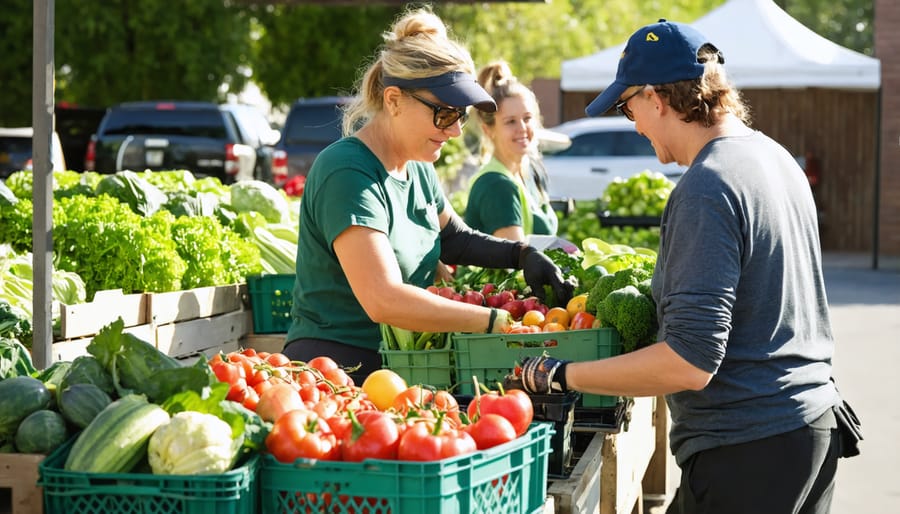
Church volunteers organizing fresh vegetables and fruits for CSA distribution
Volunteers sorting fresh produce at a church-based CSA pickup location

Faith-Based Farm Initiatives

Religious organizations across the country are embracing sustainable agriculture through faith-based farming initiatives. The Anathoth Community Garden in Cedar Grove, North Carolina, operates as a ministry of the Cedar Grove United Methodist Church, providing fresh produce and agricultural education to the local community. Similarly, the JustLiving Farm in Washington state, run by Lutheran volunteers, combines organic farming practices with spiritual reflection.

Many monasteries and convents maintain working farms that serve both practical and spiritual purposes. The Franciscan Earth Literacy Center in Ohio operates a certified organic farm while offering educational programs about sustainable agriculture. The Catholic Rural Life organization supports numerous farming projects nationwide, helping congregations establish community gardens and small-scale agricultural operations.

These faith-based farms often incorporate prayer gardens, meditation spaces, and outdoor worship areas alongside their agricultural activities. They frequently donate portions of their harvest to local food banks and operate CSA programs that connect congregation members with fresh, locally grown produce. Through these initiatives, religious communities demonstrate their commitment to environmental stewardship while addressing food security concerns in their communities.

Connecting Faith and Food Security

Multi-generational group tending to vegetables in a faith-based community garden
Diverse group of faith community members working in a community garden

Food Justice Programs

Faith-based food justice programs are actively reshaping local food networks by bridging the gap between fresh produce and underserved communities. Religious organizations across the country have established innovative programs that combine community gardens, food banks, and educational initiatives to address food insecurity.

These programs often partner with local farmers to create subsidized CSA shares, making organic produce accessible to families regardless of income level. Many congregations maintain their own gardens, where volunteers grow fresh vegetables and fruits for distribution through food pantries and community meals.

Some standout initiatives include “Harvest for the Hungry” programs, where congregation members grow extra rows of produce specifically for donation, and “Pay-What-You-Can” farm stands operated on house of worship grounds. These programs not only provide nutritious food but also offer practical gardening education and cooking classes to help families make the most of fresh ingredients.

The success of these programs demonstrates how faith communities can create sustainable solutions to food access challenges while building stronger neighborhood connections.

Subsidized Share Programs

Many faith-based organizations are making fresh, local produce more accessible through subsidized CSA share programs. These initiatives typically partner with local farms to offer reduced-cost or sliding-scale memberships to community members in need. Congregations often contribute to a scholarship fund that helps cover the difference between the full share price and what participants can afford to pay.

Some religious communities have developed innovative payment models, such as “pay-what-you-can” options or volunteer work exchange programs. Members can contribute time in the gardens or help with distribution to offset share costs. These arrangements benefit both the farmers, who receive fair compensation for their produce, and families who might otherwise struggle to afford fresh, organic vegetables.

Several successful programs combine food assistance with educational workshops on cooking, nutrition, and sustainable living. This holistic approach helps ensure that participants not only receive healthy food but also develop lasting skills for maintaining a nutritious diet. Many organizations report that these programs strengthen community bonds while addressing food insecurity in alignment with their faith-based mission of service.

Community Building Through Faith-Based CSAs

Faith-based CSA programs do more than just provide fresh produce – they create vibrant community connections rooted in shared values and stewardship of the land. These programs bring together people from diverse backgrounds who share common beliefs about caring for creation and supporting local food systems.

Many congregations report that their CSA programs have become natural gathering points for fellowship. Members often share recipes, cooking tips, and break bread together during harvest celebrations and community meals. Some programs organize regular potlucks where participants bring dishes made with their CSA ingredients, fostering both spiritual and culinary connections.

The community aspect extends beyond just sharing meals. Many faith-based CSAs incorporate volunteer opportunities, allowing members to work alongside farmers, learn about sustainable agriculture, and develop deeper appreciation for food production. Children’s education programs teach young people about growing food while connecting these lessons to religious teachings about environmental stewardship.

These programs also create meaningful bridges between urban and rural communities. City congregations partner with rural farmers, building relationships that help both groups better understand each other’s challenges and perspectives. Some programs even organize farm visits and harvest festivals that bring urban families to experience farm life firsthand.

The social benefits ripple outward as many faith-based CSAs include charitable components. Extra produce is often donated to local food pantries, and some programs offer subsidized shares to low-income families. This approach to food justice helps strengthen the broader community while putting faith into action through sustainable agriculture.

Starting a Faith-Based CSA Partnership

Faith-based organizations are uniquely positioned to build thriving CSA partnerships that serve both their congregation and the broader community. Here’s how to get started:

Begin by forming a core team of dedicated volunteers who share a passion for sustainable agriculture and community service. This team should include members with diverse skills, from gardening expertise to organizational management.

Connect with local farmers who align with your organization’s values and vision. Many farmers welcome the opportunity to partner with religious institutions, as it provides them with a stable customer base and supports their sustainable farming practices.

Survey your congregation to gauge interest and commitment levels. Understanding potential participation helps determine the size and scope of your CSA program. Consider offering flexible payment options and sponsorship opportunities for families who may need assistance.

Create a distribution system that works with your facility’s schedule. Many faith-based CSAs distribute shares after services or during weekly community gatherings, making it convenient for members to collect their produce.

Develop educational programs that connect faith teachings with sustainable agriculture. This might include:
– Garden-based youth programs
– Cooking classes using seasonal produce
– Scripture studies relating to environmental stewardship
– Community meals featuring CSA harvests

Consider starting small with a pilot program. Partner with an established CSA farm for the first season to learn the ropes before expanding. Some organizations begin with a church garden plot before scaling up to full CSA operations.

Establish clear communication channels between farmers, volunteers, and members. Regular updates about harvest schedules, volunteer opportunities, and community events keep everyone engaged and informed.

Include social justice initiatives in your program design. Many faith-based CSAs reserve shares for food banks or offer sliding-scale pricing to ensure fresh, healthy food is accessible to all community members.

Remember to celebrate your community’s achievements with harvest festivals, shared meals, and thanksgiving ceremonies that honor both the spiritual and agricultural aspects of your program.

Visual diagram of 5 key steps for establishing a faith-based CSA partnership
Infographic showing steps to start a faith-based CSA program

Faith-based CSA partnerships have proven to be powerful catalysts for positive change in communities across the country. These programs not only provide fresh, locally grown produce to congregations and community members but also create meaningful connections between farmers, faith communities, and families. By bridging the gap between sustainable agriculture and spiritual fellowship, these initiatives nourish both body and soul while supporting local food systems.

Whether you’re a congregation leader, farmer, or community member, getting involved in a faith-based CSA program can make a lasting difference. Start by reaching out to local religious organizations or farmers to explore partnership opportunities. Together, we can build stronger, healthier communities while stewarding the land and supporting sustainable agriculture. The seeds planted through these programs continue to grow into lasting relationships and resilient local food systems that benefit everyone involved.