
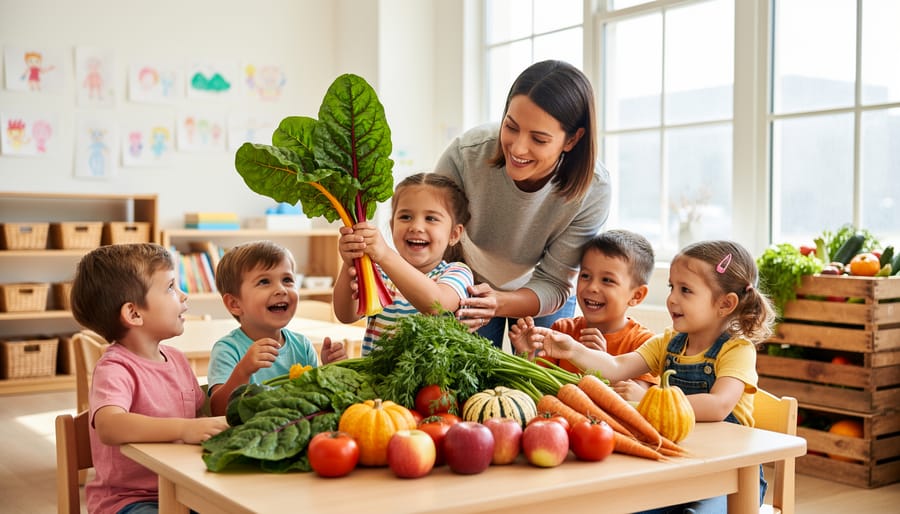
UCLA’s pioneering partnership between Community Supported Agriculture programs and Head Start centers is transforming how young children connect with fresh, organic food while supporting local farmers. This innovative model brings farm-fresh produce directly into early childhood classrooms, creating powerful learning opportunities that shape healthy eating habits from the earliest ages.
Picture a four-year-old excitedly identifying rainbow chard in their classroom, then watching their teacher transform it into a colorful snack they actually want to eat. This scene plays out weekly in Head Start programs partnering with local organic farms through UCLA’s research-backed initiative. The program tackles two critical challenges simultaneously: providing nutritious food access to low-income families while creating stable revenue streams for small-scale farmers committed to sustainable practices.
The benefits extend far beyond nutrition. Children develop agricultural literacy by exploring seasonal produce, tasting vegetables many have never encountered, and participating in simple food preparation. Teachers receive curriculum support connecting farm visits to early learning standards. Parents gain access to affordable organic produce while learning preparation techniques for unfamiliar vegetables. Meanwhile, participating farmers secure consistent customers and meaningful community connections.
This comprehensive approach demonstrates how educational institutions can anchor local food systems while advancing child development goals. The model proves especially valuable for communities seeking practical ways to integrate farm-to-school programming into existing early childhood services, creating lasting impact for children, families, and farmers alike.
What Makes UCLA’s Early Childhood Education Program Different
UCLA’s early childhood education program stands out by weaving agriculture and nutrition into the fabric of learning, creating an experience that goes far beyond traditional classroom walls. Instead of simply teaching children about healthy eating through books and posters, this innovative approach lets young learners get their hands dirty in gardens, discover where their food comes from, and develop a genuine connection to sustainable food systems.
The program’s philosophy centers on experiential learning that engages all the senses. Children participating in UCLA’s Head Start programs connected with Community Supported Agriculture initiatives learn math by counting seeds, explore science through composting, and develop fine motor skills while harvesting vegetables. This integration creates meaningful learning moments that children actually remember and apply throughout their lives.
What truly sets UCLA apart is how it bridges academic excellence with practical life skills. The program recognizes that understanding food systems isn’t just about nutrition—it’s about environmental stewardship, community building, and developing responsible citizens. Children learn that the choices we make about food affect our health, our communities, and our planet.
Through partnerships with local organic farms and farm-based education networks, UCLA creates a living laboratory where education becomes tangible. Parents often share success stories about how their children become enthusiastic advocates for healthy eating at home, requesting fresh vegetables and showing genuine excitement about trying new foods they’ve grown themselves.
This approach prepares children not just for kindergarten, but for life. They develop critical thinking skills, learn about cause and effect through growing cycles, and understand their role in creating a more sustainable future—all while having fun and building confidence in a nurturing educational environment.
The Power of CSA-Early Childhood Education Partnerships
How Head Start Programs Connect Kids with Local Farms
These partnerships create hands-on learning experiences that bring farms directly into children’s daily lives. The framework operates through three main touchpoints that transform how young learners understand their food.
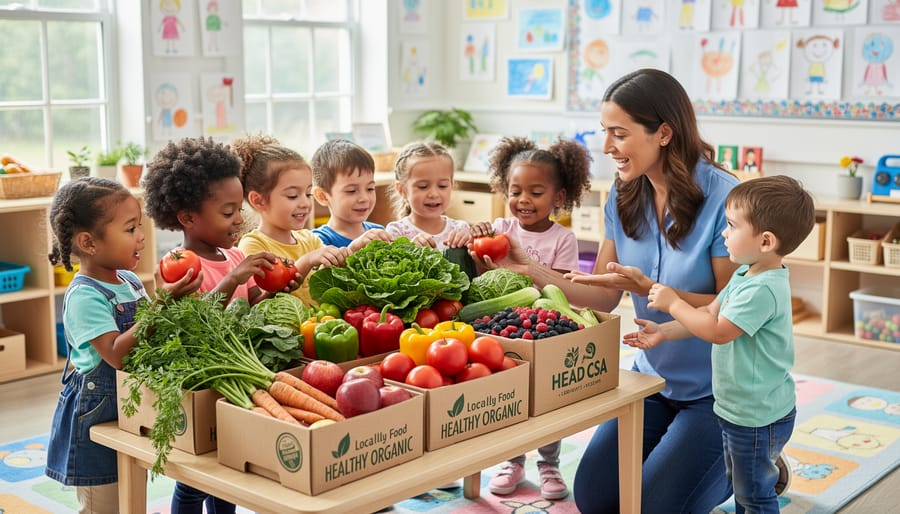
Weekly produce deliveries form the foundation of these programs. Local farms pack colorful boxes of seasonal vegetables and fruits that arrive at Head Start centers each week. Children gather around as teachers unpack the boxes, introducing them to vegetables they might never encounter otherwise. A child who’s never seen a purple carrot or touched a fresh fennel bulb gets to explore these foods through sight, smell, and touch before incorporating them into classroom activities or taking some home.
Farm field trips offer another crucial connection. Small groups of children visit partner farms where they walk through rows of growing vegetables, meet the farmers who tend them, and sometimes help with age-appropriate tasks like harvesting cherry tomatoes or collecting eggs. These visits make abstract concepts concrete—suddenly, children understand that carrots actually grow in the ground and need soil, water, and sunshine.
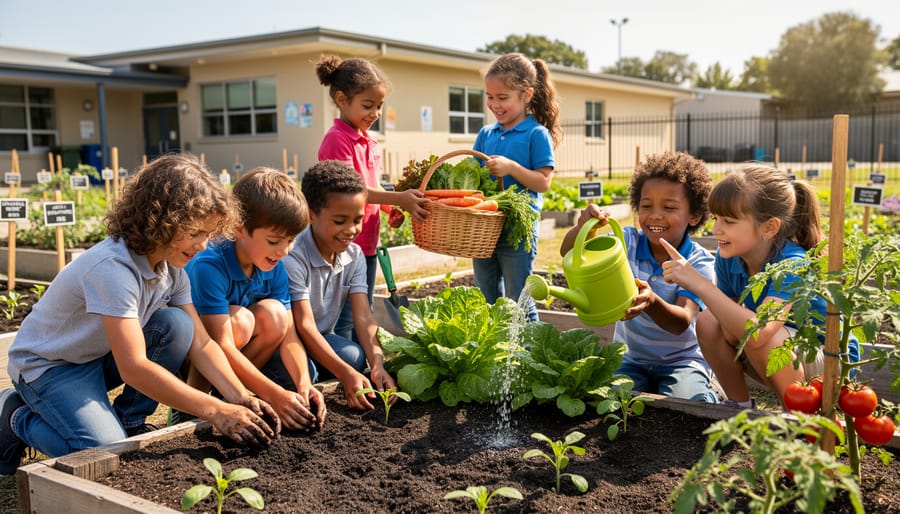
Classroom gardens complete the circle. Many participating Head Start centers maintain small garden beds or container gardens where children plant seeds, water seedlings, and watch their own food grow. This ongoing care teaches patience and responsibility while reinforcing lessons about plant lifecycles.
Together, these elements create an immersive educational experience that goes far beyond traditional nutrition lessons. Children develop genuine excitement about fresh produce while building foundational knowledge about sustainable food systems that will serve them throughout their lives.
Real Results: Children’s Health and Learning Outcomes
When UCLA researchers partnered with local CSA farms and Head Start programs, they discovered something remarkable. Children who participated in farm-based learning showed measurable improvements across multiple areas of development. Teachers reported that farm-fresh food transforms early learning by increasing children’s willingness to try new vegetables by up to 70 percent.
The hands-on experience of planting seeds, tending gardens, and harvesting produce sparked genuine curiosity about nutrition. Kids who previously refused vegetables became excited to taste tomatoes they’d watched grow from tiny seedlings. Parents shared stories of children requesting salads at home and teaching younger siblings about where food comes from.
Cognitive benefits extended beyond nutrition. The program enhanced problem-solving skills, vocabulary development, and scientific thinking. Children learned to observe seasonal changes, measure plant growth, and understand cause-and-effect relationships in nature. This practical, sensory-rich learning created lasting connections between healthy eating and academic success, proving that sustainable agriculture naturally supports early childhood development.
Bringing the Garden into the Classroom
At UCLA’s early childhood education centers, garden beds become outdoor classrooms where children explore everything from counting seeds to understanding plant lifecycles. Educators weave agricultural activities into daily lessons, transforming composting into science experiments and harvest time into collaborative math sessions.
During morning activities, preschoolers might sort vegetables by color and size, practicing early math skills while preparing produce for their classroom cooking projects. Teachers guide children through measuring soil depth, counting earthworms, and tracking plant growth on colorful charts. These hands-on experiences make abstract concepts tangible, helping young learners grasp measurement, data collection, and basic scientific observation.
The composting station serves as a living laboratory where children learn about decomposition, waste reduction, and nutrient cycling. Teachers explain how yesterday’s snack scraps become tomorrow’s garden fertilizer, introducing environmental stewardship in age-appropriate ways. Kids take ownership of the composting process, developing responsibility while understanding their role in creating healthier soil.
Seasonal eating lessons connect classroom activities to the broader food system. When harvesting tomatoes in summer or greens in fall, educators discuss why certain crops grow during specific times. Children participate in simple food preparation, washing vegetables and assembling salads from their garden bounty. These experiences build food literacy and encourage adventurous eating habits.
Social skills flourish through collaborative garden work. Children learn patience while waiting for seeds to sprout, cooperation when sharing watering duties, and problem-solving when addressing garden challenges. Similar to school gardens across California, UCLA’s program demonstrates how agricultural education nurtures both cognitive development and emotional growth, creating well-rounded learners who understand where their food comes from and appreciate the effort behind sustainable farming practices.
Success Stories from Partner Farms and Schools
When Maria Santos partnered her small organic farm with a local Head Start program through UCLA’s early childhood education initiative, she didn’t expect the profound impact it would have on both the children and her business. “Seeing four-year-olds get excited about radishes and snap peas changed everything,” Maria shares. Her weekly CSA deliveries to the preschool became interactive learning sessions where children helped unpack produce boxes and learned where their food comes from. The partnership increased her farm’s visibility in the community, leading to twenty new family subscriptions within the first season.
At Greenfield Organic Farm, owner James Chen discovered that working with early childhood programs opened unexpected doors. His farm now supplies three Head Start centers with fresh seasonal vegetables, and he visits classrooms monthly to teach simple gardening concepts. “The kids ask better questions than most adults,” James laughs. “They want to know why worms matter and how seeds know which way to grow.” This hands-on engagement has strengthened community connections beyond what traditional CSA models offered.
Teacher Rebecca Morrison from Westside Early Learning Center reports remarkable changes since incorporating farm partnerships into their curriculum. Children who were previously reluctant eaters now eagerly try new vegetables during snack time. “When kids have met the farmer who grew their carrots and watched those carrots go from seed to harvest, they develop a genuine connection to healthy food,” she explains. The program has also enhanced social-emotional learning, as children work together in their classroom garden and share the excitement of harvest days.
These partnerships create ripple effects throughout communities. Parents become more interested in supporting local agriculture after seeing their children’s enthusiasm. Farmers gain stable income streams and meaningful purpose beyond profit. Most importantly, young children develop foundational knowledge about sustainable food systems that will shape their choices for years to come. These stories demonstrate how farm-to-school connections benefit everyone involved while nurturing the next generation of environmentally conscious citizens.
How Your Local CSA Can Support Early Childhood Programs
Creating meaningful connections between local schools and CSAs starts with reaching out to your community’s early childhood programs. Parents can begin by speaking with Head Start directors or preschool administrators about establishing partnerships with nearby organic farms. Share the benefits these collaborations bring, from fresh produce for meals to hands-on learning experiences that teach children where food comes from.
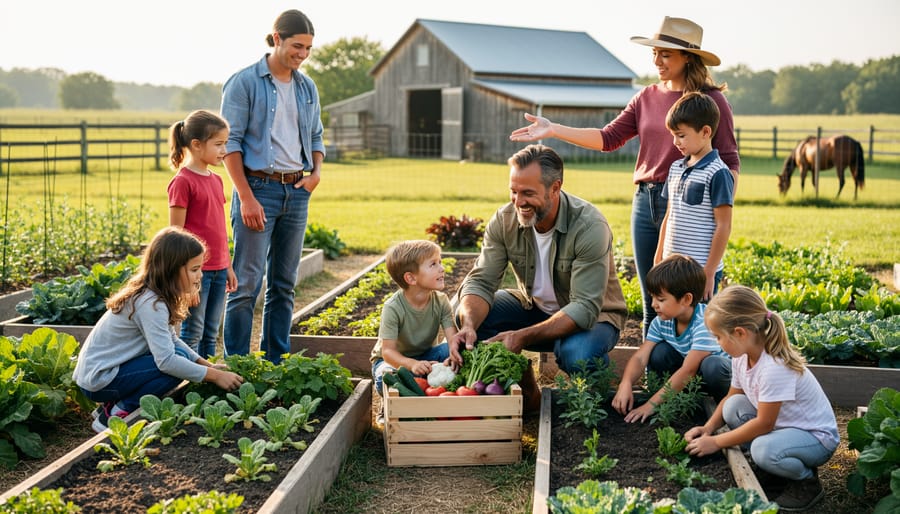
Farmers interested in supporting early education can contact local Head Start programs or childcare centers to propose CSA partnerships. Many programs have nutrition budgets that can support regular produce deliveries, creating a reliable market for your farm while nourishing young minds and bodies. Consider offering educational farm visits where children can see crops growing, meet farm animals, and participate in age-appropriate activities like harvesting strawberries or collecting eggs.
Community members can advocate for these partnerships by connecting farmers with educators and exploring funding opportunities. Organizations like the USDA Farm to School Grant Program provide financial support for establishing these connections. Local foundations and community development groups often fund initiatives that promote child nutrition and environmental education.
Starting a simple school garden offers another accessible entry point. Even a few raised beds can transform outdoor spaces into living classrooms. Parents and volunteers can help maintain gardens, teaching children basic planting and care while growing vegetables for classroom snacks or family take-home bags.
The key is starting small and building relationships. One farmer partnering with one classroom can grow into a thriving program that enriches entire communities. These grassroots efforts create lasting impact, connecting children with nature while supporting local agriculture and fostering healthy eating habits that last a lifetime.
Integrating sustainable agriculture into early childhood education creates ripples of positive change that extend far beyond the classroom. When programs like UCLA’s Head Start partner with local farms through CSA models, they’re nurturing not just healthier children, but stronger communities and more resilient food systems. These partnerships teach young minds where their food comes from while supporting local farmers who dedicate themselves to organic, sustainable practices.
The benefits are remarkable and long-lasting. Children develop healthy eating habits early, gaining knowledge that shapes their choices for years to come. Local farmers secure steady income and community connections, helping them thrive in an increasingly challenging agricultural landscape. Meanwhile, families gain access to fresh, organic produce and valuable nutrition education.
Ready to make a difference? Explore CSA options in your community and consider how your local early childhood programs might benefit from farm partnerships. Talk to educators, reach out to nearby organic farms, and advocate for these initiatives with program administrators. Whether you’re a parent, teacher, or community member, you have the power to help create these transformative connections. By supporting farm-to-school programs, you’re investing in children’s health, sustainable farming practices, and a more connected, resilient food future for everyone.
