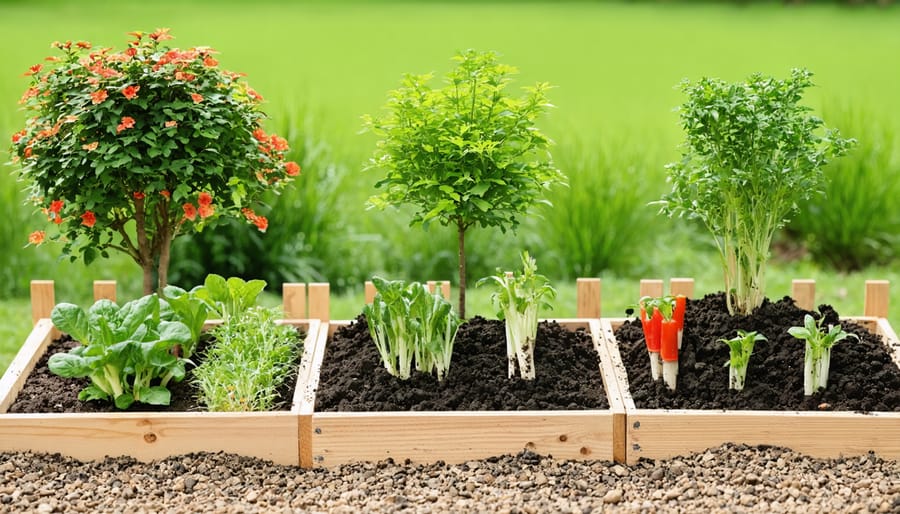
How T.E.A.C.H. Homeschool Groups Transform Farm Learning Into Living Classrooms
 darrell on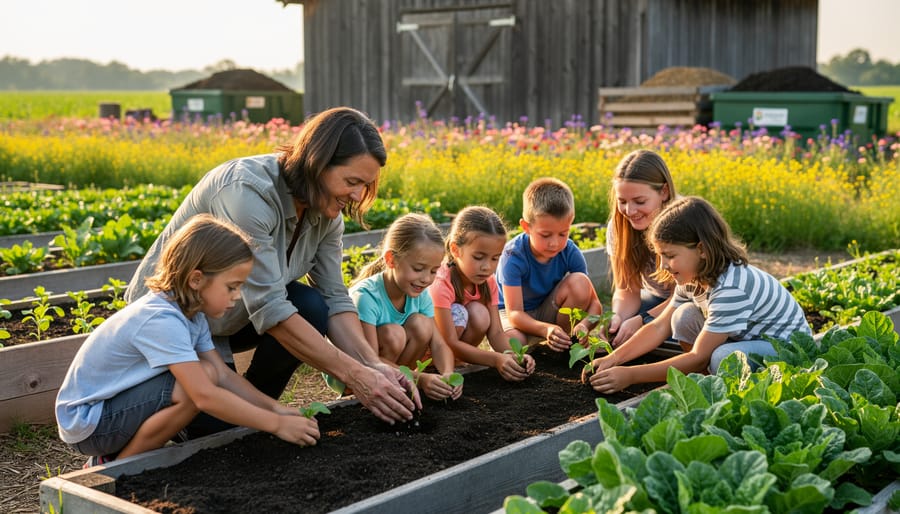
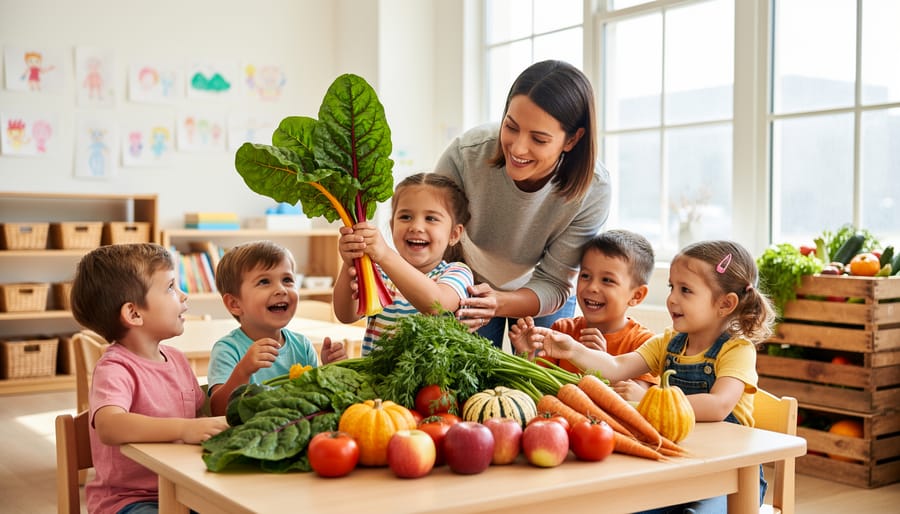
Transform your homeschool experience by joining a T.E.A.C.H. group—a community-driven approach where families pool resources to create enriching educational experiences centered on hands-on learning. These groups typically partner with local CSA farms to provide children with authentic connections to food systems, seasonal rhythms, and sustainable agriculture practices.
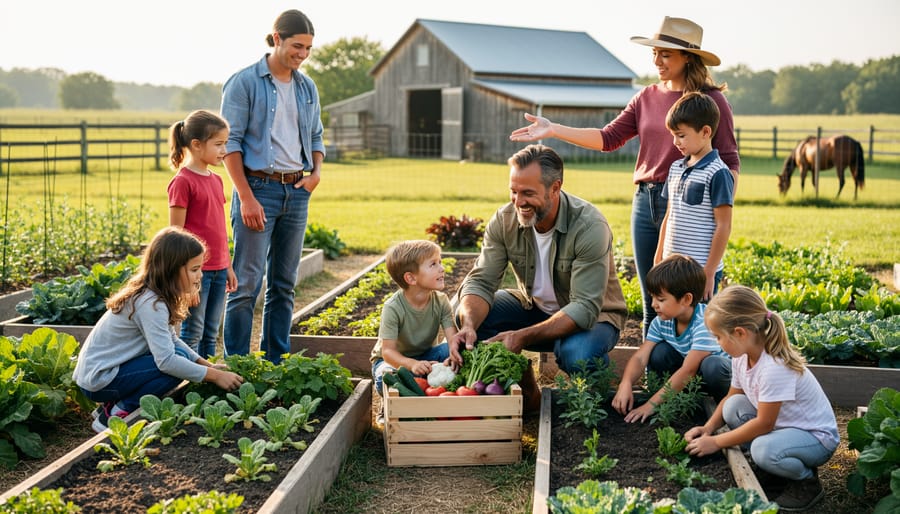
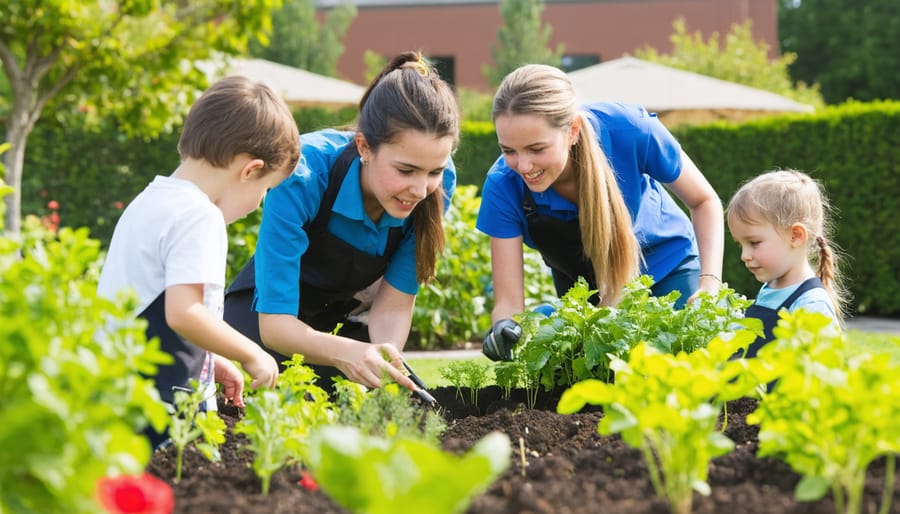
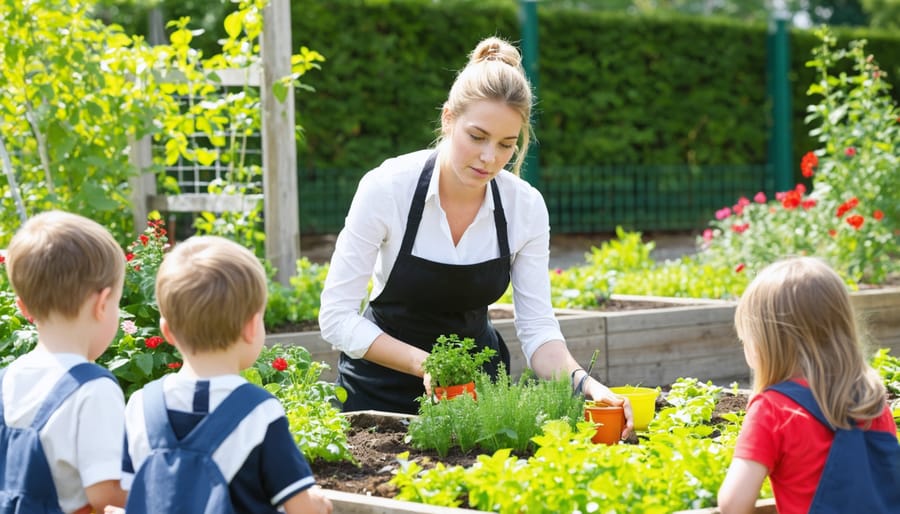
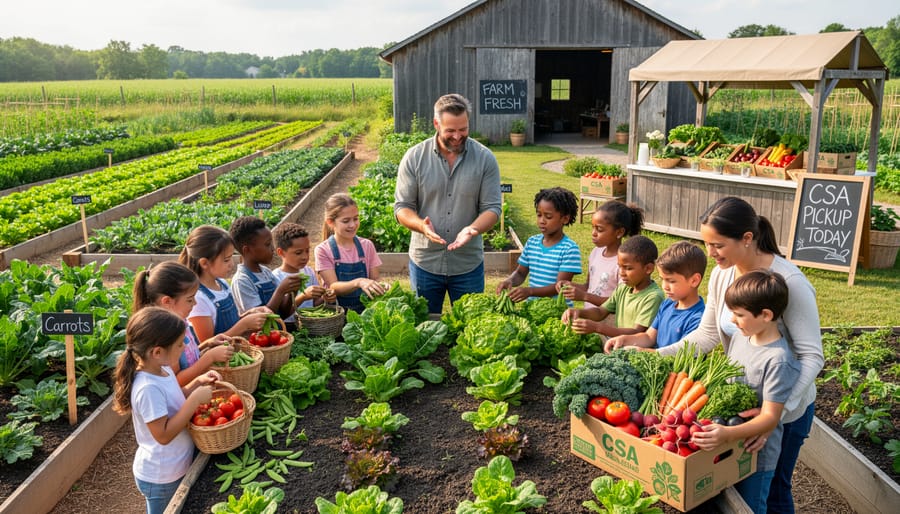
Start by connecting with three to five like-minded homeschooling families in your area who share your values around experiential learning and environmental stewardship. Establish a regular meeting schedule at a partner CSA farm or rotating host locations, where children engage in activities like planting seedlings, observing pollinator habitats, composting workshops, and harvest celebrations that align with your curriculum goals.
T.E.A.C.H. groups thrive within farm-based education networks because they offer flexibility while maintaining structure—parents share teaching responsibilities based on individual strengths, whether that’s leading nature journaling sessions, teaching soil science basics, or organizing community service projects at your local farm partner.
Create a simple framework that includes monthly farm visits, weekly co-op meetings for academic subjects, and quarterly field trips to related destinations like farmers markets or conservation areas. Many CSA farms welcome these partnerships because they foster the next generation of conscious consumers and potential farmers while providing steady community support for their operations. The beauty of this model lies in its adaptability—your group shapes the learning experience to match your children’s interests and developmental needs while building lasting relationships with both the land and your local farming community.
What Makes T.E.A.C.H. Homeschool Groups Different
T.E.A.C.H. homeschool groups bring a refreshing approach to education by connecting children directly with the land and the people who cultivate it. The acronym stands for Teaching through Experiential Agriculture in a Community of Homeschoolers, and it perfectly captures the philosophy behind these innovative learning networks.
At the heart of T.E.A.C.H. is the belief that children learn best through hands-on experiences rather than textbooks alone. Instead of reading about photosynthesis in a classroom, students witness it firsthand while tending vegetable gardens at local CSA farms. Rather than memorizing the life cycle of insects, they observe pollinators moving between crop rows and discover why biodiversity matters to food production.
What truly sets T.E.A.C.H. groups apart is their partnership model with Community Supported Agriculture farms. These collaborations create win-win situations where homeschool families gain access to outdoor classrooms and real-world agricultural education, while CSA farms welcome enthusiastic young learners who develop into the next generation of conscious consumers and environmental stewards.
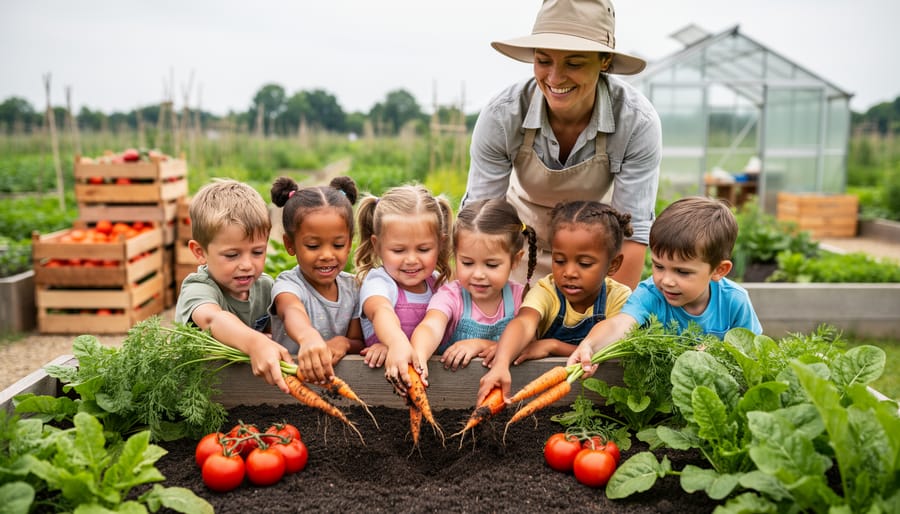
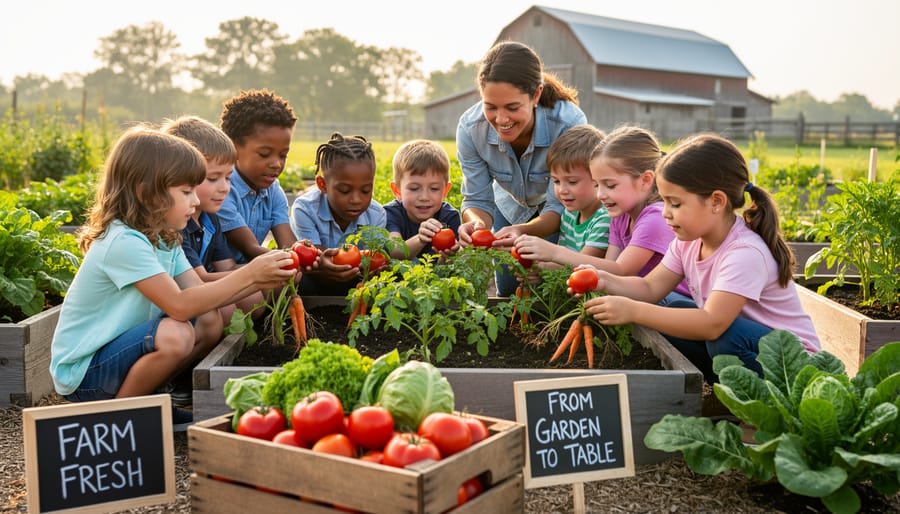
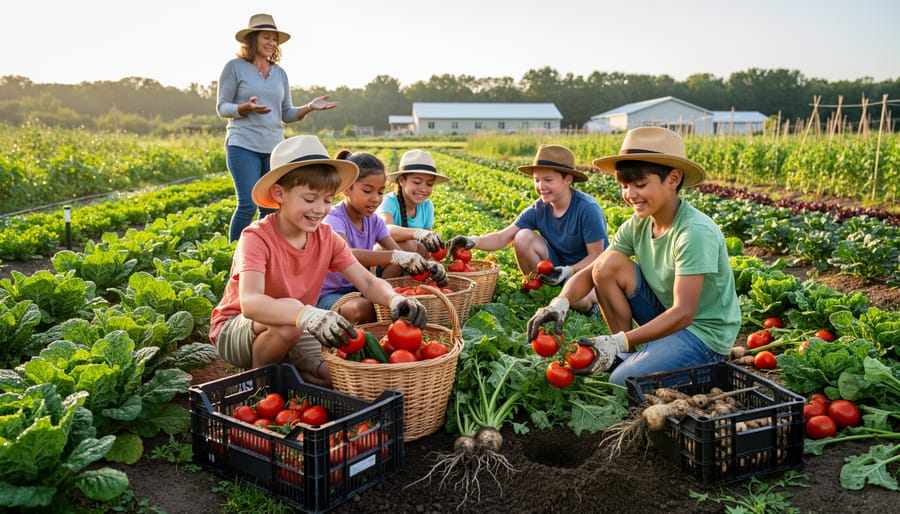
The experiential focus means students don’t just visit farms as tourists. They participate in seasonal activities like planting seeds, harvesting vegetables, composting, and even helping farmers prepare produce for weekly CSA distributions. Through these authentic experiences, children develop practical skills while understanding where their food comes from and the dedication required to grow it sustainably.
T.E.A.C.H. groups also emphasize community building among homeschooling families. Parents share teaching responsibilities, pool resources, and support one another while their children form lasting friendships rooted in shared outdoor adventures. This collaborative approach reduces the isolation some homeschool families experience while creating a supportive network centered around sustainable living values.
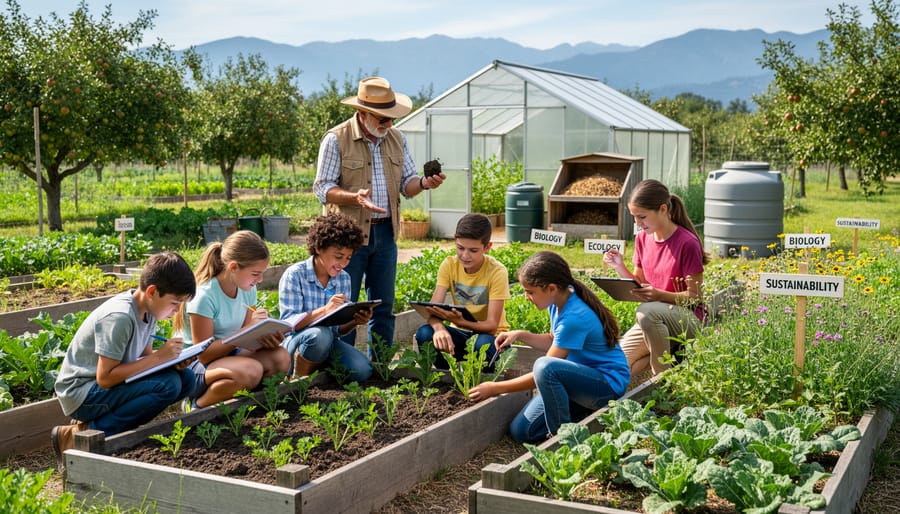
The agriculture-centered curriculum naturally integrates multiple subjects, from biology and ecology to mathematics, economics, and even social studies, as students explore farming heritage and food systems.
The CSA Farm Connection: Where Learning Grows Naturally
What Kids Actually Learn at the Farm
The hands-on learning at CSA farms transforms abstract classroom concepts into memorable real-world experiences. Children naturally absorb biology lessons as they observe plant life cycles, from seed germination to harvest. They discover how pollinators work, examine soil composition, and understand the relationships between insects, plants, and weather patterns.
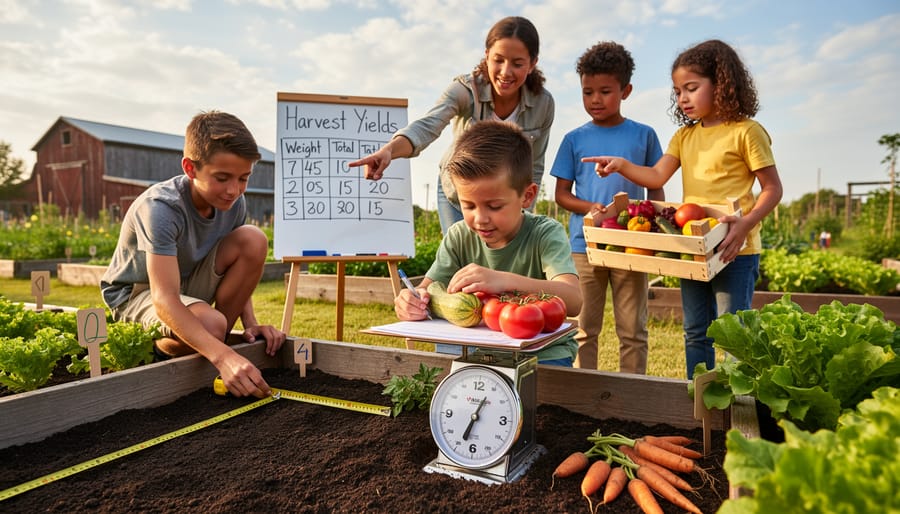
Math becomes tangible when kids weigh produce, calculate harvest yields, and measure garden bed dimensions. They practice fractions while dividing crops for distribution shares and develop estimation skills when sorting vegetables. One homeschool parent shared how her daughter finally grasped percentages after calculating the proportion of heirloom tomatoes in their weekly harvest basket.
Economics comes alive through farm-to-table commerce. Children learn about supply and demand, seasonal pricing, and the true cost of food production. They understand why organic strawberries cost more than conventional ones and grasp the value of supporting local agriculture. Some groups even help with CSA logistics, tracking member shares and managing distribution schedules.
Science extends beyond textbooks as students test soil pH, monitor composting processes, and identify beneficial organisms. They learn sustainable farming techniques like crop rotation, companion planting, and natural pest management. Geography lessons emerge from understanding growing zones and seasonal harvests.
These experiences also develop soft skills. Kids build responsibility through regular farm commitments, strengthen teamwork during harvest days, and gain confidence as they master new abilities. The connection between their efforts and the food on their table creates a profound understanding of agriculture that no worksheet can replicate.
Beyond the Textbook: Real-World Agriculture Education
T.E.A.C.H. homeschool groups transform traditional learning through immersive farm experiences that engage all the senses. Students don’t just read about photosynthesis—they plant heirloom tomato seedlings, monitor their growth, and harvest the vibrant fruits at season’s peak. These hands-on activities naturally align with science, math, and environmental studies curricula while fostering genuine connections to food systems.
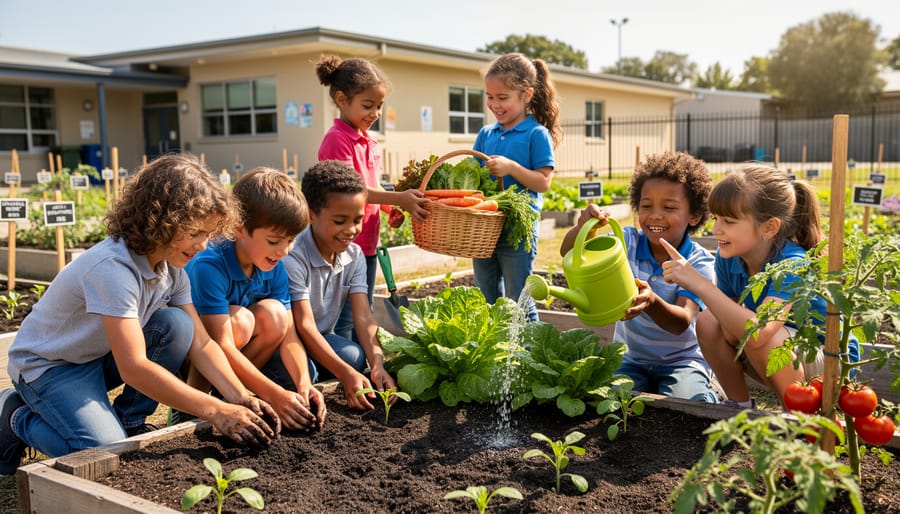
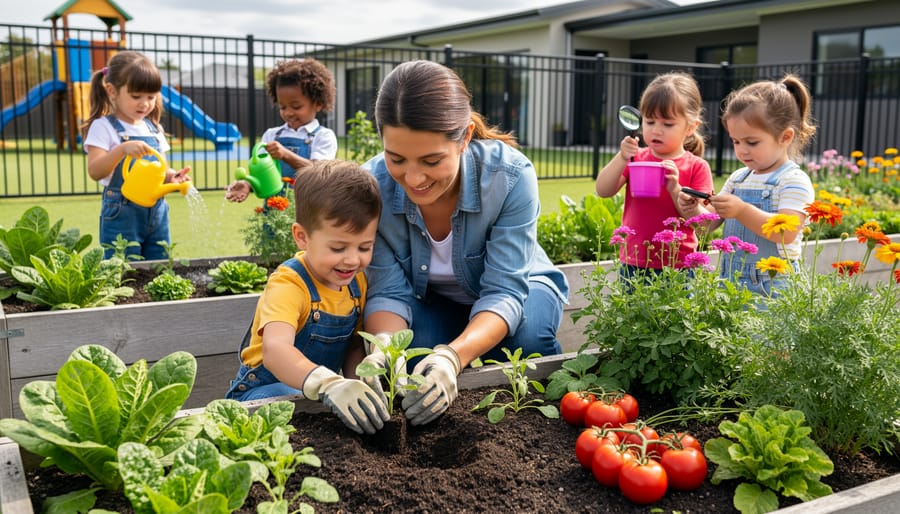
During spring sessions, children prepare garden beds, learning about soil composition, beneficial microorganisms, and proper spacing for optimal plant health. Math skills develop as they calculate seed quantities, measure garden plots, and track germination rates. Composting lessons demonstrate nutrient cycles and waste reduction, empowering young learners to become environmental stewards.
Animal care activities introduce responsibility and biology concepts simultaneously. Students collect eggs, observe chicken behavior, and understand the role livestock plays in sustainable farm ecosystems. One homeschool parent shared how her daughter’s confidence bloomed after successfully caring for rabbits throughout summer, developing patience and observational skills that transferred to her academic work.
Seasonal farm work follows nature’s rhythm, teaching children about regional growing patterns and food preservation. Fall harvests become celebrations of their summer efforts, with students processing pumpkins, pressing apple cider, and preparing crops for winter storage. These CSA educational partnerships create memorable learning moments that textbooks simply cannot replicate, building foundations for lifelong appreciation of sustainable agriculture and local food systems.
Success Story: A T.E.A.C.H. Group in Action
When the Riverside T.E.A.C.H. homeschool group partnered with Green Valley Farm, a certified organic CSA operation just outside Portland, neither the families nor farmer Elena Martinez anticipated how transformative the experience would become.
Starting in spring 2023, twelve homeschooling families committed to weekly farm visits as part of their curriculum. The students, ranging from ages 6 to 14, participated in hands-on activities that brought their lessons to life. They planted heirloom tomato seedlings while learning about plant biology, calculated harvest yields for their math lessons, and documented seasonal changes through nature journals.
“My daughter struggled with traditional textbook learning,” shares parent Jennifer Collins. “But when she was kneeling in the soil, transplanting lettuce starts and watching butterflies pollinate the flowers, everything clicked. She suddenly understood ecosystems in a way no worksheet could teach.”
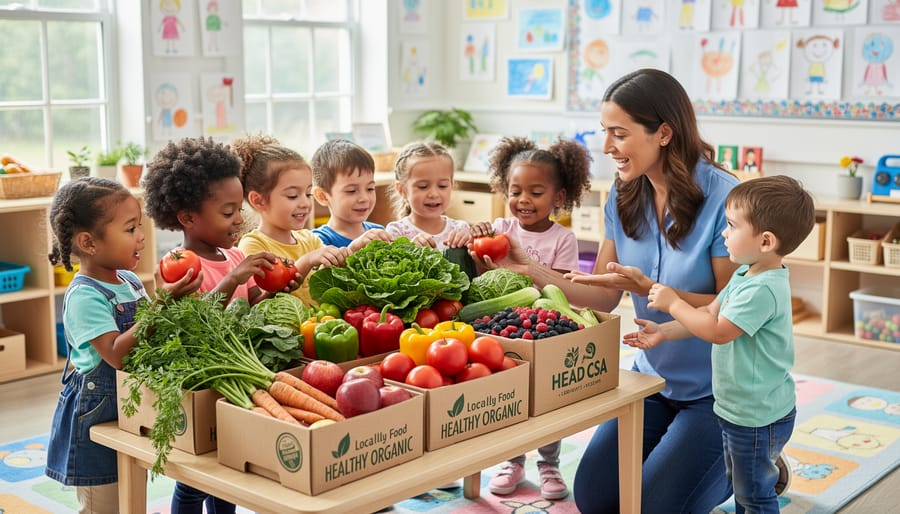
The partnership extended beyond simple farm visits. Students helped with actual farm operations, learning to identify beneficial insects, practice crop rotation planning, and even assisted with CSA box packing on distribution days. They gained real-world skills in food production while developing a profound appreciation for where their meals originate.
For farmer Elena, the arrangement brought unexpected benefits. “These kids became my most passionate advocates,” she explains. “They went home and convinced their families to eat vegetables they’d never tried before. My CSA membership actually grew because of their enthusiasm.”
The group also tackled a service project, building raised garden beds for a local food bank using sustainable materials and organic growing methods they’d learned at Green Valley Farm.
Student participant Marcus, age 11, summed it up perfectly: “I used to think farming was boring. Now I know it’s like being a scientist, a problem-solver, and a chef all at once. Plus, carrots taste way better when you grow them yourself.”
The Riverside group continues to thrive, proving that T.E.A.C.H. partnerships create meaningful connections between children, communities, and the land that sustains us all.
Starting Your Own T.E.A.C.H. Partnership with a Local CSA
Finding the Right Farm Partner
Finding the right farm partner starts with researching local CSA farms that share your educational values. Look for farmers who already demonstrate community engagement through farm tours, workshops, or volunteer days. These growers are typically more open to creative partnerships.
When evaluating potential partners, consider the farm’s accessibility, safety features, and willingness to accommodate groups. Organic and sustainable operations often align best with educational goals, as they can teach children about soil health, beneficial insects, and chemical-free growing methods.
Approach farmers during their off-season when they have more time to consider new opportunities. Start by visiting the farm as a regular CSA member to build rapport. When proposing the partnership, emphasize mutual benefits: your group provides volunteer labor during peak seasons while gaining hands-on learning experiences.
Prepare a simple proposal outlining your group’s size, age range, and educational objectives. Be flexible and respectful of farm schedules, understanding that weather and crop needs come first. Many farmers have successfully partnered with homeschool groups, discovering that young learners bring enthusiasm and fresh perspectives to their operations while helping with tasks like planting, weeding, and harvesting.
Setting Up Your Learning Schedule
Creating a balanced learning schedule around farm life requires flexibility and respect for both nature’s rhythms and educational objectives. The beauty of homeschooling through a farm-based program is that you can align lessons with seasonal activities, making education naturally immersive and relevant.
Start by identifying your farm’s busiest seasons. Spring planting and fall harvest typically demand more hands-on participation, offering incredible experiential learning opportunities. During these peak times, structure core academics like math and reading for early mornings before farm chores begin, leaving afternoons for agricultural education that doubles as farm work. Winter months, when farm activities slow down, provide ideal windows for more intensive academic work and planning next season’s projects.
Consider block scheduling, dedicating full days to specific subjects rather than fragmenting each day. This approach works wonderfully when coordinating with other homeschooling families, allowing you to share teaching responsibilities. One family might lead a science session on soil composition while another guides children through farm business calculations.
Include buffer days in your schedule for weather disruptions or unexpected farm emergencies. Farming families who’ve successfully implemented T.E.A.C.H. programs recommend planning for about 80 percent capacity, leaving 20 percent flexibility for those inevitable surprises that come with agricultural life.
Remember, education happens everywhere on the farm. Tracking chicken egg production teaches data collection, while calculating feed costs reinforces practical math skills. Embrace this integrated approach, and you’ll discover that farm life naturally supports comprehensive learning without rigid classroom constraints.
Why CSA Farms Welcome Homeschool Groups
For organic farmers, partnering with T.E.A.C.H. homeschool groups creates meaningful connections that extend far beyond a single farm visit. These collaborations offer multiple benefits that strengthen both the farm’s mission and its long-term sustainability.
Community building sits at the heart of what makes these partnerships valuable. When families visit regularly throughout the growing season, genuine relationships form between farmers and children. These young learners ask thoughtful questions, share observations about plant growth, and develop deep appreciation for where their food comes from. Many organic farmers entered this profession because they’re passionate about sustainable agriculture education, making homeschool groups ideal partners who share that educational vision.
From a practical standpoint, enthusiastic young helpers provide extra hands during busy harvest seasons. While teaching children to pick strawberries or wash vegetables, farmers accomplish real work while nurturing the next generation of conscious consumers and potential farmers. Sarah Chen, who runs Green Valley Farm, notes that her former homeschool volunteers now include three college students studying agriculture and several families who became CSA members.
These relationships also cultivate future customer development. Children who spend time on farms naturally become advocates for local, organic food. They influence family purchasing decisions and often return as adult customers, creating lasting loyalty that benefits the farm for years to come. For farmers committed to building resilient local food systems, investing time in homeschool education pays dividends that ripple through entire communities.
T.E.A.C.H. homeschool groups offer families a remarkable opportunity to transform education through hands-on agricultural experiences within CSA partnerships. By connecting children directly with the sources of their food, these programs cultivate environmental stewardship, practical skills, and a deep appreciation for sustainable farming practices. The beauty of this approach lies in its accessibility—you don’t need to create something elaborate to get started. Begin by exploring local CSA farms in your area and initiating conversations with farmers about educational opportunities. Many are eager to share their knowledge and welcome enthusiastic young learners. The CSA Farm Directory provides valuable resources to help you locate participating farms nearby and discover communities already embracing this enriching educational model. Whether you’re starting fresh or joining an existing group, the journey toward experiential, farm-based learning promises rewards that extend far beyond the classroom, nurturing both healthy bodies and curious minds while supporting your local food system.