Daily Archives

5 Articles

Smart CSA Farm Planning: Your Field-Tested 5-Year Crop Rotation Blueprint

Posted by darrell on
0
Seasonal Planning and Management
Smart CSA Farm Planning: Your Field-Tested 5-Year Crop Rotation Blueprint

Transform your farm’s productivity and soil health with a strategic 5-year crop rotation plan that maximizes yields while minimizing pest and disease pressures. Thoughtful CSA planning through rotation creates resilient, sustainable growing spaces that naturally suppress weeds and build organic matter. By rotating plant families through distinct growing zones, your soil becomes richer each season, supporting stronger crops and more abundant harvests.

This comprehensive guide breaks down the essential components of a 5-year rotation system, designed specifically for market gardeners and small-scale farmers looking to optimize their land use. Whether you’re managing a quarter-acre or twenty acres, these time-tested rotation principles help balance soil nutrients, break pest cycles, and maintain consistent production throughout the growing season. Learn how to group compatible crops, schedule successions, and plan cover crop windows that keep your soil working year-round while meeting your CSA members’ diverse produce needs.

The Foundation of Successful CSA Crop Rotation

Plant Family Groups

To effectively plan your crop rotation, start by grouping your vegetables according to their botanical families. The main plant families include Solanaceae (nightshades like tomatoes, peppers, and potatoes), Brassicaceae (cabbage family including broccoli, kale, and radishes), Fabaceae (legumes such as peas and beans), Cucurbitaceae (squash family including cucumbers and melons), and Amaryllidaceae (onion family).

These family groupings are crucial because related plants often share similar nutrient needs and are susceptible to the same pests and diseases. For example, all nightshades are heavy feeders and vulnerable to similar soil-borne diseases, while legumes help fix nitrogen in the soil.

Create a simple chart with these family groups, listing all the crops you plan to grow under their respective families. This organization makes it easier to move entire groups through your rotation schedule, ensuring that related crops don’t return to the same plot for several years. When planning, remember that some families, like brassicas, need more space than others, so factor this into your rotation blocks.

Visual diagram of plant families organized by groups for crop rotation planning
Color-coded diagram showing major plant families grouped in rotating circles

Nutrient Needs Assessment

Different crops have varying nutrient requirements and impact soil health in distinct ways. Understanding these needs is crucial for implementing effective sustainable farming practices through crop rotation. Heavy feeders like tomatoes and corn deplete significant nitrogen from the soil, while legumes like peas and beans actually enrich the soil by fixing nitrogen from the air.

Root vegetables typically need more phosphorus and potassium, while leafy greens require abundant nitrogen. By alternating these different types of crops, you maintain a natural balance in your soil’s nutrient profile. For example, following heavy feeders with nitrogen-fixing legumes helps restore soil fertility naturally.

Consider conducting annual soil tests to track nutrient levels and adjust your rotation plan accordingly. Pay attention to signs your plants give you – yellowing leaves might indicate nitrogen deficiency, while purple-tinged foliage could suggest phosphorus depletion. This knowledge helps you make informed decisions about which crops to plant where and when, ensuring long-term soil health and abundant harvests.

Five-year crop rotation cycle diagram showing progression from heavy feeders to legumes
Infographic showing the 5-year rotation cycle with representative crops for each year

Your Year-by-Year Rotation Plan

Year 1: Heavy Feeders

The first year of your crop rotation cycle focuses on heavy feeders – those nutrient-hungry plants that thrive in rich, fertile soil. These crops form the foundation of many successful market gardens and typically include favorites like tomatoes, peppers, corn, and brassicas (cabbage family). Start by preparing your soil with plenty of compost and well-rotted manure in early spring.

Tomatoes and peppers should take center stage, as they’re not only heavy feeders but also high-value crops that CSA members love. Plant these alongside eggplants and potatoes, grouping your nightshade family together. Dedicate another section to sweet corn, which benefits from being planted in blocks for better pollination. Reserve space for Brussels sprouts, cabbage, and broccoli, timing them for fall harvest.

Remember to mulch heavily around these demanding crops to retain moisture and suppress weeds. Consider interplanting with companion flowers like marigolds and nasturtiums to attract beneficial insects and add visual appeal to your garden beds. By focusing on these heavy feeders in year one, you’re setting up a strong foundation for your rotation cycle while maximizing soil nutrients from your initial fertility investments.

Year 2: Light Feeders

After the heavy feeders have enriched your soil in year one, it’s time to transition to crops that require fewer nutrients. Light feeders are perfect for this second-year phase, helping maintain soil balance while still producing bountiful harvests. These crops typically include root vegetables like carrots, beets, and turnips, as well as aromatic herbs such as sage, thyme, and oregano.

During this phase, focus on crops that thrive in slightly less fertile soil conditions. Onions, garlic, and leeks are excellent choices, as they help naturally suppress soil-borne diseases while requiring minimal nutrients. Consider adding flowers like marigolds or nasturtiums, which not only beautify your plot but also serve as natural pest deterrents.

Light feeders are generally easier to maintain than heavy feeders, requiring less frequent fertilization and maintenance. This gives your soil a chance to recover while still producing valuable crops. Many CSA farmers find this year particularly rewarding, as these crops often store well and provide variety in weekly shares throughout the season.

To maximize success, maintain regular but light compost applications and consider using mulch to retain moisture and suppress weeds. This approach helps preserve soil structure while preparing for the next rotation phase.

Year 3: Soil Builders

Year three focuses on soil-building powerhouses that naturally enrich your garden’s fertility. Cover crops like clover, vetch, and alfalfa take center stage during this phase, working their magic below ground. These nitrogen-fixing champions pull nutrients from the air and convert them into food for future plantings.

Buckwheat serves as an excellent summer cover crop, with its deep roots breaking up compacted soil while attracting beneficial pollinators. Consider adding dynamic accumulators like comfrey and yarrow, which pull minerals from deep in the soil and make them available to other plants.

To maximize soil improvement, try interplanting these cover crops with soil-building vegetables like fava beans and field peas. When these crops finish their cycle, chop and drop them directly onto the soil as green manure, creating a nutrient-rich foundation for next year’s heavy feeders.

Many CSA farmers report that dedicating a full year to soil building initially feels counterintuitive, but the long-term benefits in reduced fertilizer costs and improved crop health make it worthwhile. One Vermont farmer noted her tomato yields doubled after implementing this strategy in her rotation plan.

Year 4: Root Crops

Year four focuses on your root vegetables, which are heavy feeders that benefit from the soil-building work of previous years. Plant potatoes, carrots, beets, parsnips, turnips, and other root crops in this section of your rotation. These vegetables thrive in the loose, nutrient-rich soil that’s been cultivated through previous seasons of cover crops and leaf vegetables.

Root vegetables require deep, well-draining soil to develop properly. Before planting, double-dig the beds to create loose soil that allows roots to grow straight and strong. Adding aged compost will provide the nutrients these hungry crops need while maintaining good soil structure.

Consider companion planting herbs like dill and fennel alongside your root crops – their shallow root systems won’t compete with the deeper-growing vegetables, and they help deter some common pests. Onions and garlic can also be included in this year’s rotation, as they share similar soil requirements.

For optimal harvests, maintain consistent soil moisture and avoid over-fertilizing with nitrogen, which can cause forking in root vegetables. Many root crops can be succession planted throughout the season, providing a continuous harvest for your CSA members.

Year 5: Legumes

The final year of the rotation cycle brings us to the nitrogen-fixing powerhouses: legumes. These crops work as natural soil enrichers, forming a symbiotic relationship with beneficial bacteria to capture nitrogen from the air and store it in the soil. Popular choices include peas, beans, and cover crops like clover or alfalfa.

This year serves a dual purpose: you’ll harvest nutritious legumes while naturally preparing the soil for the next rotation cycle. Bush beans and pole beans are excellent options for CSA shares, providing a steady harvest throughout the season. Consider succession planting every two weeks to maintain consistent production for your members.

For maximum soil benefits, plant a mix of different legumes. Sugar snap peas can start the season, followed by green beans in summer, and finishing with dry beans for fall harvest. After the main harvest, plant a winter cover crop of crimson clover or hairy vetch to continue building soil fertility through the cold months.

Remember to save some dry beans for seed saving – it’s a great way to develop varieties perfectly adapted to your farm’s conditions while reducing input costs for next season.

Adapting Your Rotation Plan

Comparison photograph showing soil quality difference between rotated and non-rotated fields
Side-by-side comparison of healthy rotated soil vs depleted non-rotated soil

Climate Considerations

Local weather patterns play a crucial role in the success of your crop rotation plan. Understanding and adapting to your region’s climate helps build climate resilience while maximizing yields throughout your five-year rotation cycle.

Start by tracking your area’s frost dates, rainfall patterns, and growing season length. These factors will influence when you plant and harvest specific crops. For instance, in regions with shorter growing seasons, you might need to adjust your rotation to prioritize cold-hardy crops during challenging periods.

Consider creating micro-climate zones within your farm by using natural features or implementing structures like windbreaks. This strategy allows you to expand your growing options and protect sensitive crops during extreme weather events.

Pay attention to seasonal transitions and be prepared to shift planting dates as needed. Many farmers find success by maintaining a flexible approach – having backup plans for both early and late plantings. Keep detailed records of weather patterns and crop performance to fine-tune your rotation schedule over time.

Remember that soil moisture retention varies by season. Plan moisture-loving crops during naturally wet periods and drought-resistant varieties during drier months. This approach helps reduce irrigation needs while maintaining healthy crop development throughout your rotation cycle.

Market Demand Integration

Creating a successful crop rotation plan means striking a delicate balance between soil health and member satisfaction. By implementing collaborative CSA planning strategies, you can ensure your rotation meets both agricultural and market demands.

Start by surveying your CSA members about their produce preferences and consumption patterns. This valuable feedback helps shape your rotation while maintaining crop diversity. For example, if your members show strong interest in heirloom tomatoes and leafy greens, allocate appropriate space within each rotation year while ensuring these crops move through different fields to maintain soil health.

Consider creating themed rotation blocks that align with member interests. A “salad garden” rotation might include lettuce, cucumbers, and radishes, while a “soup garden” rotation could feature root vegetables, alliums, and herbs. This approach makes it easier to market your shares while maintaining proper plant family succession.

Remember to factor in storage crops that members value throughout the winter months. Root vegetables, winter squash, and storage onions can be strategically placed within your rotation to provide year-round value. Keep some flexibility in your plan to adjust for changing member preferences and market trends while staying true to sound rotation principles.

Many successful CSA farmers maintain a small test plot outside their main rotation to trial new varieties and crops that members express interest in. This allows for experimentation without disrupting the established rotation sequence.

Troubleshooting Common Rotation Challenges

Even the most carefully planned rotation systems can face challenges, but most common issues have straightforward solutions. If you notice decreased yields in certain plots, consider conducting a soil test to identify potential nutrient deficiencies. Many farmers find success by incorporating cover crops or adding organic amendments to restore soil health.

Space constraints can create rotation difficulties, especially in smaller gardens. Combat this by using intensive planting methods or implementing vertical growing techniques for compatible crops. Some farmers split larger crop families across different rotation blocks when space is limited.

Timing misalignments often occur when transitioning between seasons. Create a detailed planting calendar and include buffer periods to account for weather variations and harvest windows. Having a flexible backup plan for each rotation block helps manage unexpected delays or crop failures.

Disease persistence in soil can disrupt rotation plans. If you encounter this issue, consider extending the rotation period for affected plant families or introducing disease-resistant varieties. Some farmers successfully incorporate “cleaning crops” like marigolds or mustard greens to help suppress soil-borne pathogens.

Remember that rotation plans may need adjustment based on your specific climate and soil conditions. Keep detailed records of what works and what doesn’t, and don’t hesitate to modify your rotation schedule while maintaining the basic principles of crop family separation and soil health management. Many successful farmers report that their current rotation systems evolved through years of trial and error.

A well-planned 5-year crop rotation system is your gateway to healthier soil, reduced pest problems, and more abundant harvests. By following the principles we’ve discussed, you’ll be better equipped to create a sustainable and productive growing space that works in harmony with nature. Remember that while this rotation plan serves as an excellent framework, don’t be afraid to adapt it to your specific needs and local conditions. Start small if needed, keep detailed records of your successes and challenges, and learn from each growing season. Whether you’re managing a small garden or a larger farm, implementing crop rotation is one of the most powerful tools you have for long-term agricultural success. Take that first step today – your soil, your crops, and future harvests will thank you for it.
Climate Change Is Reshaping CSA Farming (Here’s What You Need to Know)

Posted by darrell on
0
Educational Programs and Partnerships
Climate Change Is Reshaping CSA Farming (Here’s What You Need to Know)

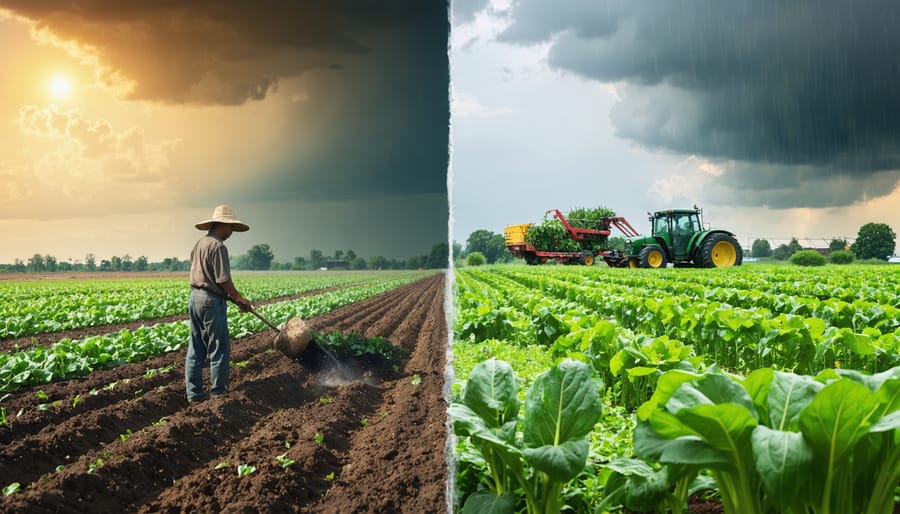
Climate change is radically reshaping modern agriculture, threatening food security for billions while forcing farmers to adapt centuries-old growing practices. From shifting growing seasons and unpredictable rainfall patterns to emerging pest pressures and extreme weather events, farmers worldwide face unprecedented challenges in maintaining crop yields and food quality. Small-scale organic farmers and large agricultural operations alike must navigate these new realities, implementing innovative solutions from drought-resistant crop varieties to advanced irrigation systems. Yet within these challenges lie opportunities for agricultural transformation – including the adoption of regenerative farming practices that not only help farms survive climate impacts but potentially help mitigate climate change itself through carbon sequestration and reduced emissions. Understanding these evolving dynamics is crucial for farmers, consumers, and policymakers as we work to build a more resilient and sustainable food system for future generations.

How Climate Change Affects Your Local CSA Farm

Shifting Growing Seasons

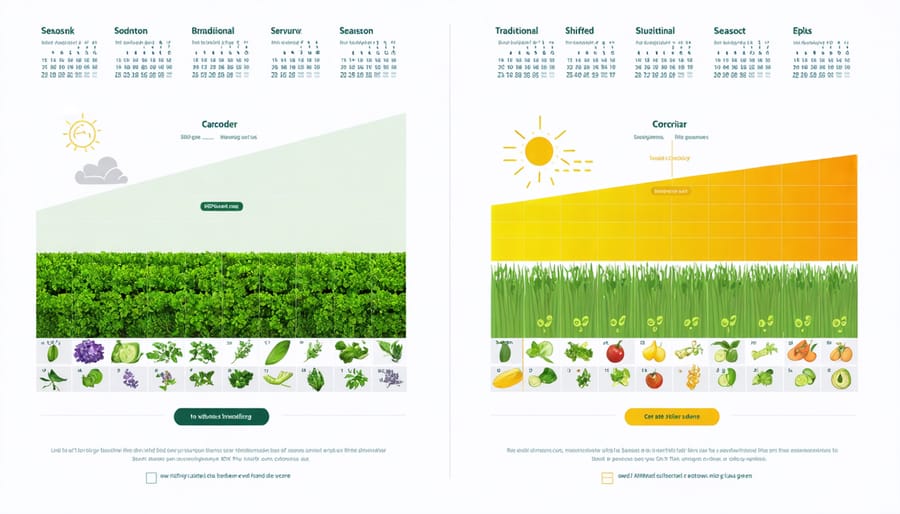
As our climate continues to warm, farmers are experiencing significant local food supply changes due to shifting growing seasons. Spring arrives earlier, fall extends longer, and traditional planting calendars no longer align with actual weather patterns. While this might sound promising at first, these changes bring unique challenges for farmers.

Many crops now require earlier planting dates, sometimes by several weeks compared to just a decade ago. However, this earlier start comes with risks – late frosts can still damage tender young plants, forcing farmers to replant and potentially disrupting harvest schedules. Summer crops like tomatoes and peppers may need to be planted later to avoid spring cold snaps, while fall crops might extend well into what used to be considered winter months.

These seasonal shifts also affect crop planning and succession planting, requiring farmers to adapt their growing schedules constantly. Some farmers are experimenting with season extension techniques, using row covers and high tunnels to protect crops from unpredictable weather patterns. This flexibility in planting and harvesting dates helps ensure a steady supply of fresh produce throughout the changing growing season.

Visual comparison of traditional growing season timeline versus climate-changed growing season timeline
Split-screen comparison showing traditional vs. shifted growing seasons with calendar overlays

Water Challenges

Climate change has dramatically altered traditional rainfall patterns, creating significant challenges for farmers worldwide. Many regions now experience extended dry spells followed by intense downpours, making it difficult to maintain consistent crop growth cycles. These irregular patterns often lead to either water scarcity or flooding, both of which can devastate crops and soil health.

Farmers are increasingly facing longer and more severe drought periods, forcing them to adapt their growing practices. Some have reported needing to drill deeper wells or invest in expensive irrigation systems just to maintain basic crop production. In traditionally rain-fed farming areas, unpredictable rainfall has led to decreased crop yields and, in some cases, complete crop failure.

The impact extends beyond just plant growth – water stress affects soil microbial activity, nutrient absorption, and overall soil structure. Many farmers have started implementing water-conservation techniques like drip irrigation, mulching, and drought-resistant crop varieties. While these solutions help, they often require significant investment and careful planning to implement effectively.

Community support becomes especially crucial during these challenging times, with CSA members understanding that seasonal yields may vary based on water availability.

Innovative Adaptations in CSA Farming

Climate-Resilient Crop Selection

As climate patterns shift, farmers are increasingly turning to sustainable farming practices that include selecting crops better suited to changing conditions. Many CSA farmers are experimenting with drought-resistant varieties and heat-tolerant cultivars that can withstand extreme weather events.

Popular climate-resilient choices include heritage tomato varieties, heat-loving sweet potatoes, and drought-resistant legumes like cowpeas. These crops not only survive challenging conditions but also help maintain soil health and biodiversity. Some farmers are incorporating indigenous crops that have naturally adapted to local conditions over centuries.

Success stories from CSA farms show that diversifying crop selection helps buffer against climate uncertainties. For example, the Parker Family Farm in Vermont switched to growing more heat-tolerant berry varieties and saw a 30% increase in summer yields despite rising temperatures.

Modern plant breeding has also developed new varieties specifically designed for climate resilience. These include vegetables that require less water, fruits with enhanced disease resistance, and greens that can tolerate temperature fluctuations. Many CSA farmers are finding success with these adaptable varieties while maintaining organic growing methods.

For CSA members, this shift means access to exciting new produce options while supporting farms that actively address climate challenges through thoughtful crop selection.

CSA farmer examining climate-resilient vegetables in experimental growing plots
Farmer inspecting drought-resistant crop varieties in a test field

Smart Water Management

As climate change brings more unpredictable weather patterns, smart water management has become crucial for farm sustainability. Modern farmers are embracing innovative irrigation techniques that maximize water efficiency while maintaining crop health. Drip irrigation systems, for instance, deliver water directly to plant roots, reducing waste through evaporation and ensuring optimal moisture levels.

Soil moisture sensors and weather monitoring systems now allow farmers to make data-driven irrigation decisions. These smart devices communicate real-time information about soil conditions and weather forecasts, helping farmers adjust watering schedules accordingly. Some farms have even implemented automated systems that respond to these readings, providing precise amounts of water exactly when needed.

Water conservation extends beyond irrigation technology. Many farmers are adopting drought-resistant crop varieties and implementing water-retention strategies like mulching and cover cropping. Rainwater harvesting systems, including collection ponds and storage tanks, help capture precious rainfall for later use during dry spells.

Success stories abound, like Sarah’s Green Acres in Colorado, which reduced water consumption by 40% after installing a smart irrigation system combined with soil moisture monitoring. They maintained crop yields while significantly lowering their water bills and environmental impact. These water-smart practices not only help farms survive during drought conditions but also contribute to long-term environmental sustainability.

Efficient drip irrigation system watering vegetable rows with water conservation technology
Modern drip irrigation system in action on a small CSA farm

What This Means for CSA Members

Changes in Share Contents

Climate change is reshaping what grows in our fields and gardens, directly impacting the variety of produce in CSA shares throughout the seasons. Farmers are adapting by introducing heat-tolerant varieties and experimenting with new crops that thrive in changing conditions. For example, many Northeast farms now successfully grow traditionally Southern crops like sweet potatoes and okra, while some cool-weather crops like spinach and peas require additional planning and protection.

These shifts mean CSA members might notice changes in their weekly shares compared to previous years. While some familiar favorites may become less frequent, members often discover exciting new varieties and learn to embrace seasonal adaptations. Many farmers are turning this challenge into an opportunity by introducing members to diverse heritage varieties that show better resilience to extreme weather events.

To maintain consistent share contents, farmers are implementing innovative solutions like high tunnels, shade cloth, and improved irrigation systems. These adaptations help extend growing seasons and protect sensitive crops, ensuring members continue receiving diverse, nutrient-rich produce despite climate challenges. The evolving share contents reflect not just environmental changes, but also the remarkable adaptability of local food systems.

Supporting Farm Resilience

Supporting your local CSA farm in building climate resilience starts with understanding and embracing sustainable living practices. Consider flexible harvest expectations and be open to trying new crop varieties that your farmer introduces as they adapt to changing conditions. Participate in farm events and workdays to help with climate-smart projects like installing rain catchment systems or building high tunnels for weather protection.

Financial support through early-season payments and multi-year CSA commitments gives farmers the security to invest in climate adaptation strategies. Share feedback about crop preferences and storage methods, helping farmers adjust their growing plans. Consider volunteering during extreme weather events when extra hands are needed for harvest or protection of crops.

Join your farm’s community forums or social media groups to stay informed about climate challenges and adaptation efforts. Many CSA farms also welcome member input on resilience planning and appreciate help spreading awareness about local food system challenges and solutions. Your engagement and support make a real difference in building stronger, more resilient farms for the future.

As we’ve explored throughout this article, climate change poses significant challenges to farming communities worldwide, but Community Supported Agriculture (CSA) programs continue to demonstrate remarkable resilience and adaptability. Through innovative farming practices, seasonal crop diversification, and strong community partnerships, CSA farmers are finding creative solutions to weather-related challenges while maintaining their commitment to sustainable agriculture.

The success of CSA farms in adapting to climate change relies heavily on continued community support and engagement. By participating in CSA programs, members not only secure access to fresh, locally grown produce but also contribute to a more climate-resilient food system. Each share purchased helps farmers invest in adaptive technologies, implement sustainable practices, and maintain the financial stability needed to weather uncertain growing conditions.

Looking ahead, the role of CSA farming in building climate resilience will only become more crucial. Through education, collaboration, and shared responsibility, CSA communities are proving that small-scale, sustainable agriculture can thrive even in the face of environmental challenges. Whether you’re a current CSA member or considering joining a program, your support helps create a more sustainable and resilient local food system for future generations.

Together, we can continue to nurture and grow the CSA movement while adapting to our changing climate. Every season brings new lessons and opportunities for innovation, making this an exciting time to be part of the local food movement.

Transform Your CSA Box: Smart Farming Methods That Make Your Produce Last Longer

Posted by darrell on
0
Culinary and Food Preservation
Transform Your CSA Box: Smart Farming Methods That Make Your Produce Last Longer

Sustainable farming revolutionizes modern agriculture by working in harmony with nature rather than against it. From regenerative soil practices to water conservation methods, farmers worldwide are discovering that environmental stewardship and profitable farming aren’t mutually exclusive – they’re intrinsically linked. These earth-friendly approaches not only protect our planet’s resources but also produce healthier, more nutrient-dense foods while building resilient agricultural systems that can withstand climate challenges.

Today’s sustainable farmers combine time-tested wisdom with cutting-edge innovation, using methods like crop rotation, companion planting, and integrated pest management to create thriving farm ecosystems. By minimizing chemical inputs and maximizing natural processes, these practices ensure food security for future generations while preserving biodiversity and soil health. The growing movement toward sustainable agriculture represents a crucial shift in how we think about food production, proving that we can feed the world without compromising our environmental legacy.

How Sustainable Farming Enhances Your CSA Produce

Soil Health Management

Healthy soil is the foundation of successful organic farming practices, acting as a living ecosystem that supports plant growth and nutrient density. By implementing natural composting, crop rotation, and cover cropping, farmers can build soil that’s rich in beneficial microorganisms and organic matter. These practices create a self-sustaining cycle where plants develop stronger root systems and naturally resist pests and diseases.

Well-managed soil directly impacts the quality and shelf life of produce. Fruits and vegetables grown in nutrient-rich soil typically contain higher levels of vitamins, minerals, and antioxidants. They also tend to stay fresh longer after harvest, as plants grown in balanced soil develop stronger cell structures and natural preservation compounds.

Local farmer Sarah Thompson shares, “Since switching to organic soil management five years ago, we’ve seen our tomatoes last nearly twice as long on the counter, and customers rave about the improved flavor of our leafy greens.” Simple practices like adding compost tea, maintaining proper pH levels, and minimizing soil disturbance can dramatically improve both soil and crop quality.

Close-up of healthy soil being examined by farmer's hands, showing earthworms and organic material
Farmer examining rich, dark soil with visible organic matter and earthworms

Water Conservation Techniques

Smart irrigation practices are at the heart of sustainable farming, helping conserve our precious water resources while producing healthy, flavorful crops. Drip irrigation systems deliver water directly to plant roots, reducing waste through evaporation and ensuring each drop counts. These systems can reduce water usage by up to 70% compared to traditional sprinkler methods, while improving produce quality through consistent moisture levels.

Many sustainable farmers complement their irrigation systems with moisture sensors and weather monitoring technology to optimize watering schedules. Mulching plays a crucial role too, helping retain soil moisture and reducing watering frequency. Natural materials like straw or wood chips create a protective layer that keeps roots cool and hydrated.

Rainwater harvesting systems capture nature’s bounty for later use, while greywater recycling gives household water a second life in the garden. Some farmers are even experimenting with drought-resistant crop varieties and companion planting techniques that naturally conserve water. These methods not only save water but also result in stronger plants that produce more flavorful, nutrient-rich harvests.

By implementing these water-smart techniques, farmers can maintain productive yields while being responsible stewards of our water resources.

Storage Solutions Inspired by Farm-Fresh Methods

Root Vegetable Storage

Root vegetables are nature’s perfect storage crops, and with these proven food storage techniques, you can keep your harvest fresh throughout the winter months. The key to successful storage lies in maintaining the right temperature and humidity levels while preventing spoilage.

Create a root cellar environment by selecting a cool, dark space with good ventilation. Ideal temperatures range between 32-40°F (0-4°C) with 90-95% humidity. Your basement or garage can work well with some modifications. Layer clean, dry root vegetables in boxes filled with slightly damp sand or sawdust, making sure the vegetables don’t touch each other.

Different root vegetables have specific storage needs. Carrots, beets, and parsnips store best in perforated plastic bags with a bit of moisture. Potatoes need darkness to prevent greening and should be kept separate from onions, which prefer drier conditions. Sweet potatoes require warmer temperatures around 55-60°F (13-16°C).

Check your stored vegetables weekly for signs of spoilage and remove any that show damage. This prevents one spoiled vegetable from affecting the entire batch. With proper storage, root vegetables can last 3-6 months, providing nutritious, home-grown produce well into the winter season.

Remember to harvest on a dry day and cure your vegetables in a well-ventilated area before storage. This extra step helps develop a protective skin that extends storage life significantly.

Traditional root cellar showing organized storage of various root vegetables in wooden crates
Root cellar storage setup with properly stored vegetables in crates and bins

Leafy Green Preservation

Preserving leafy greens starts right at harvest time, with careful handling and proper timing being key factors in extending their shelf life naturally. The best time to harvest most leafy greens is during the cool morning hours when they’re well-hydrated and at their crispest. Gently shake off excess moisture and remove any damaged leaves before storage.

One effective preservation method is the towel roll technique. After washing your greens, gently pat them dry and lay them on a clean cotton kitchen towel. Roll the towel up loosely with the greens inside, creating a humidity-controlled environment that keeps leaves fresh without promoting bacterial growth. This method can extend shelf life by up to two weeks.

Another natural preservation approach involves creating a makeshift crisper using a glass jar or container. Place cleaned and dried greens in the container with a slightly damp paper towel, then seal with a lid. This maintains optimal humidity while allowing enough airflow to prevent spoilage. For larger quantities, consider using food-grade mesh bags that promote air circulation while protecting the greens.

Temperature control plays a crucial role too. Store your leafy greens in the refrigerator between 32-40°F (0-4°C), but keep them away from fruits that produce ethylene gas, which can cause premature wilting. By combining these preservation methods with proper storage conditions, you can significantly reduce food waste and maintain the nutritional value of your harvest.

From Farm to Kitchen: Sustainable Cooking Practices

Zero-Waste Cooking Techniques

Making the most of your farm-fresh produce isn’t just about cooking delicious meals – it’s about honoring the hard work that went into growing it by using every part possible. Start by storing vegetables properly to extend their life: keep root vegetables in a cool, dark place and leafy greens wrapped in slightly damp cloth in the refrigerator.

When preparing vegetables, save the trimmings! Carrot tops make excellent pesto, while potato peels can become crispy chips when tossed with olive oil and baked. Broccoli stems, often discarded, can be spiralized into noodles or diced for stir-fries. Even onion skins and herb stems have their place in homemade vegetable stock.

Create a “stock bag” in your freezer for vegetable scraps like celery ends, mushroom stems, and tomato cores. When full, simmer these bits with water for a flavorful base for soups and sauces. Overripe fruits can be frozen for smoothies or baked into breads and muffins, while wilted greens work perfectly in soups or sautéed dishes.

Preserve excess produce through fermentation, pickling, or dehydrating. Kimchi and sauerkraut are excellent ways to use surplus cabbage, while sun-dried tomatoes and dried herbs can flavor dishes throughout the year. Even citrus peels can be candied or zested and frozen for future use.

Remember to compost any truly inedible parts, completing the cycle by returning nutrients to the soil. By implementing these zero-waste techniques, you’re not just saving money – you’re participating in a more sustainable food system that respects both farmers and the environment.

Chef preparing meal using whole vegetables including stems, leaves, and peels
Kitchen scene showing creative use of vegetable parts normally discarded

Seasonal Cooking Strategies

Adapting your cooking methods to match the seasonal rhythm of your produce not only enhances flavor but also supports sustainable farming practices. By developing your farm-to-table cooking skills, you’ll maximize the value of each harvest while reducing food waste.

Spring calls for light cooking techniques that highlight tender greens and early vegetables. Try quick sautéing for asparagus and pea shoots, or enjoy fresh salads with baby lettuce and microgreens. As summer arrives, embrace methods that preserve peak freshness – think quick pickle techniques for cucumbers and light grilling for zucchini and tomatoes.

Fall vegetables often benefit from roasting, which concentrates flavors and brings out natural sweetness in root crops and winter squash. Create hearty soups and stews that can be portioned and frozen for later use. Winter storage crops like potatoes, onions, and hardy greens need cooking methods that maximize their staying power – slow cooking, braising, and fermentation are excellent choices.

Consider batch cooking when specific vegetables are abundant. Blanch and freeze excess green beans at their peak, or turn tomato gluts into sauce for year-round use. Learning to properly store each vegetable type is crucial – some need humidity (leafy greens), while others require dry conditions (garlic and onions).

Remember that seasonal eating isn’t just about preservation – it’s about celebrating each ingredient at its prime. Keep recipes flexible and learn to substitute similar vegetables based on availability. This approach not only supports sustainable farming but also brings variety and excitement to your kitchen throughout the year.

Sustainable farming isn’t just a trend – it’s a vital pathway to securing our food future while protecting our planet. By embracing methods like crop rotation, composting, and water conservation, we can create resilient agricultural systems that benefit both farmers and consumers. These practices not only yield healthier, more flavorful produce but also help maintain soil fertility for generations to come.

Throughout this guide, we’ve explored various sustainable farming techniques that anyone can implement, whether you’re managing acres of land or tending to a small backyard garden. Remember that every choice matters – from selecting native plants to implementing natural pest control solutions. Even small changes in our farming practices can create ripple effects that positively impact our environment and communities.

We encourage you to start small and gradually incorporate these sustainable methods into your farming or gardening routine. Share your experiences with others, connect with local farmers, and continue learning about new eco-friendly techniques. Together, we can cultivate a more sustainable and healthy food system for everyone while preserving our precious natural resources for future generations.

How School Gardens and CSA Programs Are Transforming Education

Posted by darrell on
0
Educational Programs and Partnerships
How School Gardens and CSA Programs Are Transforming Education

Transform your school’s agricultural education by integrating Community Supported Agriculture (CSA) principles directly into classroom learning. Connect students with local farmers through farm-based education networks to create hands-on learning experiences that bring sustainable agriculture to life. From soil science to business planning, CSA curriculum bridges core academic subjects with real-world farming practices, creating meaningful connections between students and their food system.

Develop cross-disciplinary lessons that combine math (crop planning, budget management), science (plant biology, ecosystem studies), and entrepreneurship (marketing, distribution) through practical farm experiences. This integrated approach not only meets educational standards but cultivates environmental stewardship and food literacy among young learners.

Students participate in every aspect of the growing cycle – from seed selection to harvest – while learning crucial sustainability concepts and developing life-long healthy eating habits. This experiential learning model transforms abstract classroom concepts into tangible skills that benefit both individual development and community food security.

Building Bridges Between Farms and Classrooms

Creating Meaningful Farm-School Partnerships

Building strong farm-school partnerships begins with identifying schools that share your vision for sustainable agriculture education. Start by reaching out to local schools already involved in school garden programs or those expressing interest in experiential learning opportunities.

Communication is key to successful partnerships. Schedule initial meetings with school administrators and teachers to discuss mutual goals, expectations, and potential collaboration opportunities. Consider creating a formal agreement that outlines responsibilities, schedules, and safety protocols.

Develop age-appropriate activities that align with curriculum standards while showcasing farm operations. These might include seasonal farm visits, hands-on planting workshops, or cooking demonstrations using fresh produce. Ensure activities support both educational objectives and farm operations.

Maintain regular communication through newsletters, progress reports, and periodic check-ins. Consider appointing a dedicated liaison from both the farm and school to streamline coordination efforts. Remember to celebrate successes together and remain flexible in adapting programs based on feedback and changing needs.

To sustain the partnership, document outcomes and share success stories with the broader community. This helps build support and potentially attract funding for program expansion.

Elementary school students and farmer working together in educational garden setting
Students working alongside a farmer in a school garden, planting seedlings

Aligning with Educational Standards

CSA curriculum activities naturally align with core academic standards across multiple subjects, making them valuable tools for experiential learning. In science classes, students can explore plant biology, soil composition, and ecological systems through hands-on garden work. Mathematics comes alive as students calculate crop yields, plan garden spaces, and manage CSA share distributions.

Language arts standards are met through activities like maintaining garden journals, creating newsletters for CSA members, and developing recipe cards. Social studies integration occurs naturally when students learn about local food systems, agricultural history, and community economics through the CSA model.

Teachers can easily incorporate state and national standards by designing lesson plans that use the CSA garden as an outdoor classroom. For example, younger students might practice measurement skills while planning garden beds, while older students analyze data from crop yields and weather patterns. These real-world applications help students retain information while developing practical skills.

The flexibility of CSA-based learning allows educators to adapt activities to meet specific grade-level requirements while maintaining student engagement through meaningful, hands-on experiences.

Hands-On Learning Opportunities

Science and Environmental Studies

CSA curriculum seamlessly integrates farming concepts into science education, creating hands-on learning opportunities that bring textbook concepts to life. Students explore fundamental scientific principles through practical agricultural experiences, fostering environmental stewardship through farming activities.

The science curriculum typically covers soil composition analysis, plant biology, and ecosystem interactions. Students learn about photosynthesis by monitoring plant growth, understand weather patterns through seasonal farming activities, and study biodiversity by observing beneficial insects and pollinators in the garden.

Environmental studies naturally complement these scientific concepts, as students investigate sustainable farming practices, water conservation, and organic pest management. They conduct experiments comparing different growing methods, measure rainfall and soil moisture levels, and document the impact of various environmental factors on crop yields.

This integrated approach helps students develop critical thinking skills while gaining practical knowledge about food systems and environmental conservation. They learn to appreciate the delicate balance between agricultural productivity and ecological preservation, preparing them to become informed consumers and environmental advocates.

Math and Business Skills

CSA operations provide an excellent platform for teaching practical math and business skills through real-world applications. Students learn basic accounting by tracking farm expenses, sales, and member payments. They practice percentages when calculating crop yields and planning harvest distributions, while area calculations come into play when designing garden beds and planning crop rotations.

Business concepts become tangible as students participate in CSA marketing, member communications, and pricing strategies. They learn to create budgets, forecast expenses, and calculate break-even points for farm operations. Through weekly share planning, students develop skills in inventory management and logistics.

The hands-on nature of CSA operations makes abstract mathematical concepts concrete. Students might calculate the cost per member share, determine appropriate pricing tiers, or analyze seasonal profit margins. These real-world applications help students understand the practical value of mathematics while developing essential business acumen that serves them well beyond the classroom.

Middle school students practicing math skills by weighing and calculating CSA produce shares
Students using produce scales and calculators to learn math with harvested vegetables

Nutrition and Cooking Classes

Nutrition and cooking classes form a vital bridge between farm-fresh produce and healthy eating habits. Students learn to identify, prepare, and appreciate seasonal vegetables and fruits straight from their CSA shares. These hands-on sessions typically combine basic nutrition education with practical cooking skills, allowing participants to transform raw ingredients into delicious, wholesome meals.

Local chefs and nutrition experts often collaborate with CSA programs to demonstrate creative ways to use unfamiliar vegetables and herbs. Students discover how to make everything from kale chips to butternut squash soup, building confidence in the kitchen while developing healthy eating habits. Recipe cards, food preservation techniques, and meal planning strategies help families maximize their CSA shares throughout the season.

The classes also emphasize the nutritional benefits of eating fresh, locally grown produce and teach students about the farm-to-table journey. This interactive approach helps create lasting connections between agriculture, nutrition, and daily food choices.

Diverse group of students preparing healthy meals with farm-fresh produce
Students in a school kitchen learning to cook with fresh CSA vegetables

Implementation Success Stories

Elementary School Case Study

Green Valley Elementary School in Burlington, Vermont, demonstrates how a successful CSA curriculum can transform students’ understanding of food systems and sustainable agriculture. The school partnered with nearby Sunshine Organic Farm to create a year-round program that integrates hands-on farming experiences with core academic subjects.

Students participate in seasonal activities, from seed starting in late winter to harvest celebrations in fall. Third-graders apply math skills by calculating crop yields and planning garden spaces, while fourth-graders study plant biology through direct observation and experimentation in the school’s greenhouse.

The program’s success is evident in its outcomes. After two years, student surveys showed a 65% increase in willingness to try new vegetables, and 80% of participating families reported more conversations about healthy eating at home. Teachers noted improved student engagement in science lessons and better understanding of environmental concepts.

The school’s initiative has become a model for other districts, featuring monthly farmer visits, cooking demonstrations, and family CSA pickup events. Parent volunteers help maintain the school garden during summer months, ensuring continuous learning opportunities and fresh produce availability for the cafeteria.

Middle School Integration Model

Middle school students at Valley Grove Middle School demonstrate how CSA curriculum integration can successfully engage young learners while meeting core educational standards. Through their “Farm to Future” program, students participate in hands-on learning experiences that combine science, math, and social studies with sustainable agriculture practices.

Students spend one class period per week working in the school’s greenhouse and garden beds, where they apply mathematical concepts to plan planting schedules and calculate crop yields. Science lessons come alive as students study soil composition, plant biology, and local ecosystems. The social studies component explores food systems, agricultural history, and community impact.

What makes this model particularly effective is its integration with the school’s cafeteria program. Students help grow vegetables that are used in school lunches, creating a direct connection between their learning and daily life. They also manage a small CSA program, distributing weekly produce boxes to participating faculty members.

Teachers report increased student engagement and improved understanding of core subjects when lessons are connected to tangible farming activities. The program has become so successful that neighboring schools are now implementing similar models, creating a network of student-driven agricultural education initiatives.

Getting Started: Your Action Plan

Ready to launch a CSA curriculum program? Start by building connections between local farmers and educators. Reach out to nearby farms that already run CSA programs and schedule initial meetings to discuss collaboration possibilities. Many farmers are eager to share their knowledge and experience with students.

Create a planning committee that includes teachers, administrators, and farm representatives. Together, develop clear objectives that align with both educational standards and agricultural seasons. Consider starting small with a pilot program focused on one grade level or classroom to test and refine your approach.

Design hands-on activities that complement classroom learning. This might include monthly farm visits, gardening projects on school grounds, or cooking demonstrations using seasonal produce. Document these activities to create a resource bank for future programs.

Establish a timeline that follows the natural farming calendar. Fall is perfect for harvest-related activities, while winter can focus on planning and seed starting. Spring activities might include planting and soil preparation, leading to summer growing projects.

Don’t forget to involve parents and the broader community. Host information sessions to explain the program’s benefits and gather support. Consider creating volunteer opportunities for parents to assist with farm visits or in-class activities.

Remember to build evaluation methods into your plan. Regular feedback from students, teachers, and farmers helps refine the program and demonstrate its value to stakeholders.

A CSA curriculum offers tremendous benefits for students, educators, and local farming communities alike. By integrating hands-on agriculture education with core academic subjects, students gain practical skills while developing a deeper understanding of sustainable food systems. This innovative approach not only enhances student engagement but also creates meaningful connections between schools and local farms. Whether you’re an educator looking to enrich your teaching or a farmer interested in community outreach, implementing a CSA curriculum can spark positive change. Take the first step by reaching out to local farms or educational institutions to explore partnership opportunities. Together, we can cultivate a new generation of environmentally conscious citizens who understand and appreciate the importance of sustainable agriculture in our communities.

Farm-Fresh Flavors: Your Month-by-Month Organic Produce Calendar

Posted by darrell on
0
Culinary and Food Preservation
Farm-Fresh Flavors: Your Month-by-Month Organic Produce Calendar

Transform your kitchen and dining experience by mastering the art of cooking with seasonal ingredients. Nature’s calendar delivers peak-flavor produce throughout the year, offering superior nutrition and value when you align your meals with each season’s harvest. From crisp spring asparagus to summer’s sun-ripened tomatoes, autumn’s hearty squashes, and winter’s robust root vegetables, eating seasonally connects you directly to local food systems while reducing environmental impact. This guide helps you navigate the changing bounty of each season, ensuring you always know what’s at its prime and how to make the most of nature’s perfectly timed offerings. Whether you’re a passionate home cook, sustainability advocate, or simply looking to elevate your cooking game, understanding seasonal availability is your key to fresher, more flavorful, and more sustainable meals.

Annual calendar wheel displaying seasonal fruits and vegetables organized by month
Colorful array of fresh seasonal produce arranged in a calendar wheel showing different vegetables and fruits for each month

Why Seasonal Eating Matters

Peak Flavor and Nutrition

When you eat produce at its seasonal peak, you’re not just getting the best flavors Mother Nature has to offer – you’re also maximizing your nutritional intake. Seasonal fruits and vegetables are harvested at their prime ripeness, allowing them to develop their full spectrum of nutrients and flavors naturally. Unlike off-season produce that’s often picked early and ripened during transport, seasonal items can mature on the plant until the perfect moment.

The organic produce benefits are even more pronounced when eaten in season. Studies show that seasonal produce can contain up to 50% more vitamins and minerals compared to their out-of-season counterparts. This nutritional advantage comes from optimal growing conditions – the right amount of natural sunlight, appropriate temperatures, and proper rainfall all contribute to producing the most nutrient-dense crops.

Local seasonal produce also reaches your plate faster, meaning less nutrient loss during transportation and storage. Plus, the enhanced flavors of seasonal produce can encourage us to eat more fruits and vegetables naturally, contributing to a healthier diet overall. When you bite into a sun-ripened summer tomato or enjoy fresh spring asparagus, you’re experiencing food exactly as nature intended.

Supporting Local Food Systems

When you choose to eat seasonally, you’re not just treating yourself to the freshest, most flavorful produce – you’re also supporting your local food ecosystem. Local farmers rely on community support to maintain their operations, and purchasing seasonal produce directly from farms or farmers’ markets helps create a sustainable local economy.

These farmers often use sustainable growing practices that protect soil health and biodiversity while reducing transportation emissions. By buying seasonal produce locally, you’re helping to preserve farmland in your community and supporting families who have often farmed for generations.

Many local farms offer CSA (Community Supported Agriculture) programs, where members receive regular boxes of seasonal produce throughout the growing season. This model provides farmers with stable income and helps them plan their crops more effectively. It also creates a direct connection between consumers and their food source, fostering a deeper understanding of agricultural cycles and seasonal eating patterns.

Supporting local food systems also strengthens community bonds through farmers’ markets, harvest festivals, and farm-to-table events. These gatherings celebrate local agriculture while educating people about the importance of seasonal eating and sustainable farming practices.

Spring Bounty (March-May)

Early Spring Greens

As winter’s chill begins to fade, early spring brings a burst of fresh, tender greens to our gardens and local farms. These first crops of the season are nature’s way of helping us transition from heavy winter fare to lighter spring meals. Lettuce varieties, from crisp romaine to delicate butter lettuce, emerge early and offer a welcome crunch to salads and sandwiches.

Spinach, a nutritional powerhouse, thrives in the cool spring temperatures and provides deep green leaves perfect for both raw and cooked preparations. Other early risers include peppery arugula, nutrient-rich watercress, and tender baby kale. These leafy greens are particularly sweet and tender when harvested in early spring, as the cool temperatures prevent them from becoming bitter.

Asian greens like bok choy, tatsoi, and mizuna also make their appearance, adding variety to stir-fries and salads. Many of these early spring crops can be harvested as “baby greens” when their flavors are mild and textures are most delicate.

For the best flavor and nutrition, harvest these greens in the morning when they’re crisp with dew. Store them wrapped loosely in slightly damp paper towels inside a plastic bag in the refrigerator, where they’ll stay fresh for about a week. Remember, these early spring greens are rich in vitamins A and C, making them perfect for boosting immunity after winter.

Late Spring Vegetables

As the last frost melts away, late spring brings a bounty of tender, flavorful vegetables that celebrate the season’s awakening. Asparagus leads the charge, with its crisp stalks emerging from the warming soil. These nutrient-rich spears are at their peak from April through May, offering a versatile ingredient that shines in everything from simple grilled dishes to elegant quiches.

Sweet peas follow closely behind, their delicate pods bursting with bright, fresh flavor. Sugar snap peas and snow peas can be enjoyed whole, while English peas offer their tender seeds for countless spring dishes. Look for firm, vibrant green pods that snap crisply when bent.

Other late spring stars include tender young spinach, crisp radishes, and fresh herbs like mint and chives. Baby lettuce varieties thrive in the mild temperatures, producing sweet, tender leaves perfect for spring salads. Artichokes also make their appearance, with their meaty hearts and tender leaves offering rich flavor and texture.

For the best flavor and nutritional value, harvest these vegetables in the morning when their water content is highest. Store them unwashed in the crisper drawer of your refrigerator, using them within a few days of purchase to enjoy their peak freshness.

Summer’s Peak (June-August)

Early Summer Fruits

Early summer brings a burst of vibrant flavors with the arrival of sweet, juicy berries and the first stone fruits of the season. Strawberries lead the parade, offering their perfectly ripe sweetness from late spring into early summer. These ruby gems are followed closely by raspberries, blackberries, and blueberries, each bringing their unique combination of sweet and tart notes to the table.

Stone fruits begin their season with cherries, both sweet and tart varieties, making their anticipated appearance. Early apricots follow, offering their delicate, honey-like sweetness that’s best enjoyed when locally sourced and tree-ripened. By mid-June, early varieties of peaches and nectarines start showing up at farmers’ markets, their fragrant aroma signaling the height of summer’s approach.

These early summer fruits are not only delicious but also pack a nutritional punch. They’re rich in antioxidants, vitamins, and fiber, making them as healthy as they are tasty. For the best flavor and maximum nutritional benefit, look for fruits that are fully ripe and ideally picked within the last day or two. Local farmers’ markets and CSA shares are excellent sources for these seasonal treasures, as they often offer varieties that are too delicate for long-distance shipping but boast superior flavor and sweetness.

Mid-Summer Vegetables

Mid-summer brings an explosion of vibrant flavors and colors to our gardens and farmers’ markets. Sun-ripened tomatoes take center stage, offering an incredible variety from sweet cherry tomatoes to meaty heirlooms bursting with complex flavors. These garden gems are at their peak, perfect for fresh salads, homemade sauces, or simply enjoying with a sprinkle of salt.

Peppers of all varieties flourish during this time, from sweet bell peppers to spicy jalapeños and specialty varieties like shishitos. Their crisp texture and bright flavors add depth to summer dishes, while their high vitamin C content provides excellent nutritional value.

Other mid-summer stars include tender green beans, prolific zucchini and summer squash, sweet corn at its sweetest, and fragrant basil. Eggplants reach their prime now, with their glossy purple skin indicating perfect ripeness. Cucumbers come in abundance, offering refreshing crunch to summer meals.

For the best flavor and nutrition, harvest these vegetables in the early morning or late evening. Store tomatoes at room temperature and use them within a few days for optimal taste. Most other summer vegetables keep well in the crisper drawer of your refrigerator, though basil should be treated like fresh flowers and stored in water at room temperature.

Fall Harvest (September-November)

Root Vegetables

Root vegetables are nature’s underground treasures, offering incredible versatility and nutrition throughout the year. These hardy crops include familiar favorites like potatoes, carrots, parsnips, turnips, and beets, all of which can be harvested in abundance during fall and kept through winter with proper storing winter vegetables techniques.

What makes root vegetables particularly special is their ability to store natural sugars and nutrients, acting as the plant’s personal pantry. Carrots become sweeter after the first frost, while potatoes develop their best flavor when properly cured. These vegetables are true kitchen workhorses, forming the foundation of countless comfort dishes from hearty stews to roasted medleys.

Most root crops prefer cooler growing conditions and can be planted in early spring or late summer for fall harvest. They’re incredibly forgiving for home gardeners and typically require minimal maintenance beyond keeping the soil loose and well-drained. Their long storage life makes them excellent choices for sustainable eating year-round.

For the best flavor and texture, look for firm vegetables without soft spots or sprouting. Local farmers often offer these sturdy staples well into winter, making them reliable choices for seasonal eating even in colder months.

Summer farmers market display featuring fresh tomatoes, peppers, and seasonal vegetables
Vibrant farmers market stall in summer showing abundance of colorful tomatoes, peppers, and summer squash

Fall Fruits

As the air turns crisp and leaves begin to change, fall brings a bountiful harvest of delicious fruits. Apples take center stage during this season, with varieties ranging from sweet Honeycrisp and Fuji to tart Granny Smith and versatile Gala. These versatile fruits are perfect for pies, cider, or simply enjoying fresh off the tree.

Pears are another autumn favorite, offering a delicate sweetness and butter-soft texture when perfectly ripe. Look for Bartlett, Bosc, and Anjou varieties at your local farmers’ market. Asian pears provide a unique crisp texture and honey-like flavor that sets them apart from their European cousins.

Late-season fruits like persimmons and quince make special appearances during fall. The bright orange persimmons come in two main varieties: the sweet, tomato-shaped Fuyu that can be eaten while firm, and the astringent Hachiya that needs to fully soften before enjoying. Quince, though too hard and tart to eat raw, transforms into a fragrant, rose-colored treat when cooked.

Don’t forget about fall berries! Late-season raspberries and blackberries often produce a second crop during early autumn, offering a final taste of summer’s sweetness before winter arrives.

Assortment of winter vegetables including squash, root vegetables, and leafy greens
Collection of winter root vegetables and squash arranged with hardy greens

Winter Selections (December-February)

Storage Crops

Storage crops are nature’s gift to year-round local eating, offering sustenance through the coldest months. Winter squash varieties like butternut, acorn, and kabocha can last up to six months when stored properly in a cool, dry place. Their sweet, nutty flavors actually develop and improve during storage, making them perfect for hearty soups and roasted dishes.

Root vegetables like onions, garlic, potatoes, and carrots are storage champions, thriving in dark, well-ventilated spaces around 40-50°F. Many farmers build special root cellars to maintain ideal conditions, but home storage is possible in basements or cool pantries. These vegetables can last anywhere from 3-8 months when properly cured and stored.

Cabbage family crops, including regular and storage cabbages, are another winter staple. These hardy vegetables can stay fresh for months in the refrigerator or root cellar. For best results, wrap them loosely in newspaper and check periodically for any spoilage.

Remember to check your storage crops regularly and use them in rotation, following the “first in, first out” principle to minimize waste and enjoy these nutritious vegetables throughout the winter months.

Winter Greens

When winter’s chill settles in, hardy greens take center stage in the seasonal produce lineup. Kale and collards aren’t just survivors; they actually develop sweeter, more complex flavors after exposure to frost. These cold-weather champions are packed with vitamins A, C, and K, making them nutritional powerhouses during the winter months.

Dark, crinkly Lacinato kale (also known as dinosaur kale) and its curly-leafed cousins thrive in temperatures as low as 20°F. Collard greens, a Southern staple, stand tall through winter’s challenges, their broad leaves becoming increasingly tender with each frost. Swiss chard, with its rainbow-colored stems, adds both nutrition and visual appeal to winter gardens and plates.

Other winter-hardy greens include spinach, which continues producing sweet leaves even under snow cover, and mustard greens, which offer a peppery kick to winter meals. These greens are versatile ingredients that shine in everything from warming soups to fresh salads, proving that eating seasonally doesn’t mean compromising on variety or nutrition during the coldest months.

For best results, harvest these greens in the morning after temperatures have risen above freezing. Their flavor is often sweetest after a light frost, making winter the perfect time to enjoy these nutritional powerhouses.

Embracing seasonal eating isn’t just about following a produce calendar – it’s about connecting with nature’s rhythm and supporting local food systems. By choosing seasonal produce, you’re not only getting the freshest, most flavorful fruits and vegetables at their peak nutritional value, but you’re also contributing to a more sustainable food future.

Remember that seasonal eating looks different depending on your location, so get to know your local farmers and markets. Start small by incorporating one or two seasonal items into your weekly meal planning, and gradually build your knowledge of what grows when in your area.

The rewards of seasonal eating extend beyond your plate. You’ll likely save money by buying produce when it’s most abundant, reduce your environmental impact by supporting local agriculture, and discover new favorite foods along the way. Many seasonal eating enthusiasts find joy in preserving summer’s bounty through canning, freezing, and fermenting to enjoy throughout the year.

Let this guide be your starting point for a more connected, sustainable approach to eating. Your taste buds – and the planet – will thank you.