How Farmers Markets Are Transforming Juneteenth Celebrations Into Vibrant Food and Culture Festivals
 darrell on
Transform your local farmers market into a vibrant Juneteenth celebration by weaving together African American agricultural heritage, modern sustainable farming, and community traditions. Cultural festivals at farmers markets create unique opportunities to honor Black farmers’ contributions while supporting today’s local growers. Black-owned farms showcase heirloom crops like okra, collard greens, and black-eyed peas alongside educational displays about their historical significance. Live demonstrations of traditional cooking methods, storytelling sessions, and hands-on agricultural workshops connect visitors to generations of farming wisdom. Local artisans display handcrafted goods inspired by African American cultural traditions, while food vendors serve soul food classics made with fresh, market-sourced ingredients. This powerful combination of commerce, culture, and community celebration helps preserve agricultural heritage while building a more sustainable, equitable food system for future generations.
The Perfect Blend: Local Agriculture Meets Cultural Heritage
Farm-to-Festival Food Traditions
Juneteenth celebrations have always centered around food that tells the story of African American resilience and creativity. Local farmers play a vital role in providing fresh ingredients for traditional dishes like barbecued meats, black-eyed peas, collard greens, and sweet potato pie. These dishes, deeply rooted in African American culinary heritage, gain extra significance when prepared with locally grown produce.
Modern Juneteenth festivals often feature collaborations between local Black farmers and community chefs, who work together to create farm-fresh versions of traditional recipes. Festival-goers can enjoy dishes made with ingredients harvested just days before the celebration, adding an authentic farm-to-table experience to the historical significance of the meal.
Popular festival offerings include freshly picked okra for gumbo, vine-ripened tomatoes for seasonal salads, and locally grown strawberries for red drinks – a Juneteenth tradition symbolizing perseverance and resilience. Many festivals now include educational components where farmers share growing techniques and the historical significance of certain crops in African American agriculture, creating a meaningful connection between past and present food traditions.
Supporting Black Farmers and Artisans
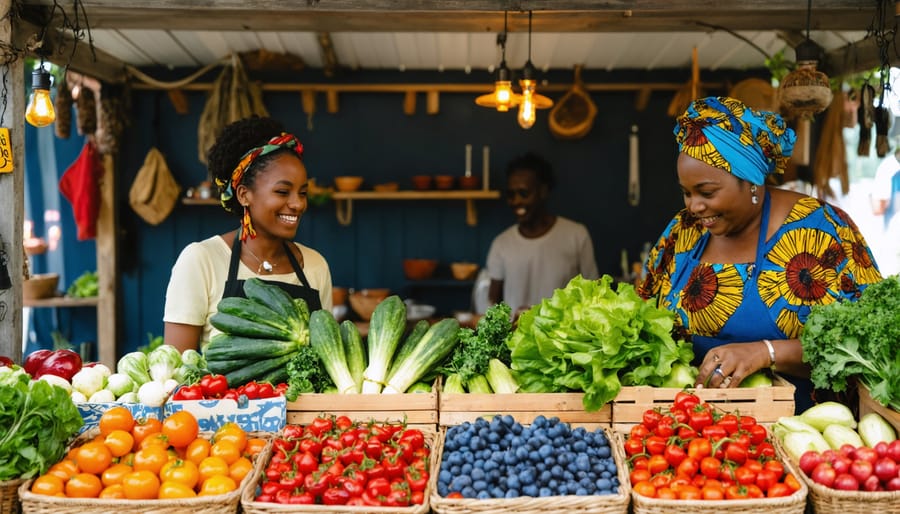
Farmers markets at Juneteenth festivals serve as vibrant showcases for Black-owned farms and agricultural businesses, carrying forward a rich legacy of African American farming traditions. These marketplaces offer festival-goers the opportunity to purchase fresh, locally grown produce while directly supporting Black farmers who often face unique challenges in the agricultural industry.
Local farmers bring an abundance of seasonal offerings, from heritage vegetables to traditional crops like okra, collard greens, and sweet potatoes. Many vendors also feature value-added products like honey, preserves, and handcrafted items that reflect generations of agricultural expertise and cultural traditions.
Beyond just selling produce, these markets create valuable networking opportunities for Black farmers to connect with their communities, share sustainable farming practices, and educate visitors about the historical significance of Black land ownership and agriculture. Festival organizers often pair market activities with educational workshops on organic farming techniques and food preservation methods passed down through generations.
The presence of artisans alongside farmers adds another layer of cultural richness, offering handmade crafts, textiles, and artwork that celebrate African American heritage and creativity. This combination of fresh, local produce and artistic expression makes these markets essential gathering spaces during Juneteenth celebrations.
Creating Community Connections Through Food
Educational Opportunities
The educational component of the Juneteenth Cultural Festival offers enriching experiences that celebrate African American agricultural heritage and culinary traditions. Visitors can participate in hands-on workshops exploring traditional farming techniques, from seed saving to sustainable growing practices that have been passed down through generations.
Popular cooking demonstrations showcase soul food preparation using locally sourced ingredients, with expert chefs sharing family recipes and the historical significance behind traditional dishes. Festival-goers learn about the crucial role of Black farmers in American agriculture while gaining practical skills they can apply in their own gardens and kitchens.
The agricultural education program features interactive stations where participants discover heritage crops like black-eyed peas, okra, and sweet potatoes. Master gardeners offer guidance on urban farming techniques, composting, and maintaining small-space gardens, making sustainable agriculture accessible to city dwellers.
Children’s workshops combine storytelling with hands-on planting activities, teaching young people about their cultural heritage while fostering an early appreciation for growing food. The festival also highlights modern African American farmers and their contributions to sustainable agriculture, creating a bridge between historical traditions and contemporary farming practices.

Cross-Cultural Exchange
The Juneteenth Cultural Festival serves as a vibrant hub where diverse communities converge through the universal language of food and farming. Local Black farmers share heritage crops like black-eyed peas, okra, and collard greens, offering festival-goers a taste of history alongside cultivation tips passed down through generations. These farmers often collaborate with growers from other cultural backgrounds, exchanging sustainable farming techniques and traditional agricultural wisdom.
Food vendors at the festival represent various cultural traditions, creating a unique fusion of flavors that honors both Juneteenth’s historical significance and modern multicultural connections. Visitors can sample soul food classics alongside dishes from Latino, Asian, and Indigenous communities, all prepared with locally sourced ingredients.
The festival’s farming demonstrations bring together agricultural experts from different backgrounds, showcasing how various cultural approaches to sustainable farming can complement each other. Workshop leaders share methods for crop rotation, companion planting, and natural pest control that have been refined across different farming traditions.
Community garden representatives highlight successful collaborations between diverse neighborhood groups, demonstrating how shared growing spaces foster cross-cultural understanding and mutual support. These gardens often become year-round gathering spots where cultural knowledge and farming practices continue to blend and evolve.
Sustainable Celebration Planning
Vendor Partnership Tips
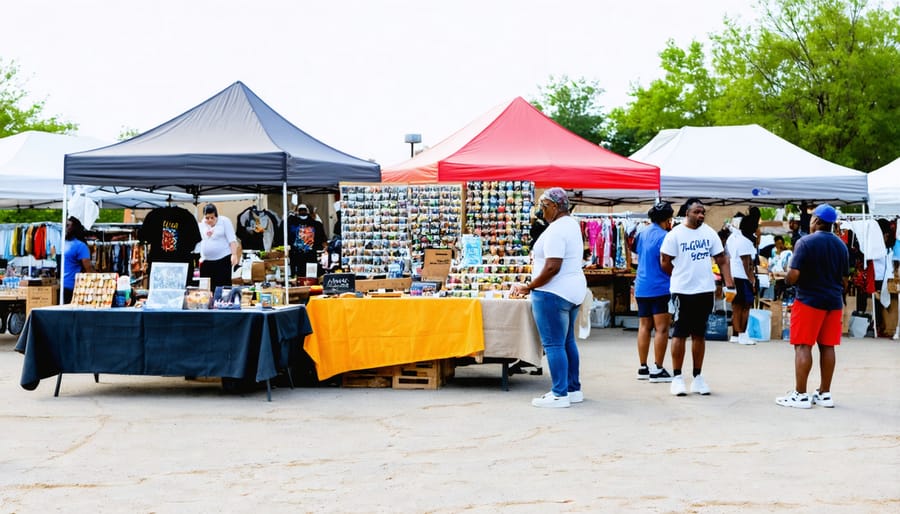
For vendors looking to participate in the Juneteenth Cultural Festival’s marketplace, success starts with understanding and embracing the celebration’s significance. We encourage vendors to incorporate educational elements about Black agricultural heritage and sustainable farming practices into their displays. Consider creating effective market display strategies that highlight both your products and their cultural connections.
Prospective vendors should submit applications at least two months before the festival. Priority consideration goes to Black-owned farms and businesses, local organic producers, and artisans offering handcrafted goods. Your booth should feature clear signage sharing your story and connection to sustainable agriculture.
We recommend preparing sample-sized portions of your products when applicable, and creating engaging demonstrations that showcase traditional farming techniques or cooking methods. Interactive elements help create meaningful connections with festival attendees.
Required documentation includes:
– Current business license
– Proof of insurance
– Health department certificates (for food vendors)
– Photos of previous market displays
– List of sustainable practices implemented
Vendors are encouraged to participate in pre-festival workshops focused on cultural competency and sustainable business practices. These sessions provide valuable networking opportunities and ensure all participants contribute to an authentic, respectful celebration of Juneteenth’s agricultural legacy.
Community Engagement Strategies
Successful Juneteenth cultural festivals thrive on authentic community engagement and strategic partnerships. Start by forming a diverse planning committee that includes local Black-owned businesses, farmers, artists, and community leaders. Reach out to neighborhood associations, churches, and cultural organizations to build a strong foundation of support and participation.
Create opportunities for local vendors and farmers to showcase their products through dedicated marketplace areas. Partner with agricultural organizations to highlight African American farming heritage and sustainable growing practices. Consider implementing a mentorship program where experienced farmers can share knowledge with aspiring growers.
Engage local schools and youth organizations by organizing educational workshops about Juneteenth history and sustainable agriculture. Encourage participation through interactive activities like seed-starting demonstrations, cooking classes featuring traditional recipes, and hands-on gardening workshops.
Utilize social media and community bulletin boards to spread awareness, and consider creating a festival ambassador program where community members can help promote the event. Partner with local media outlets to share stories about participating farmers and vendors, highlighting their contributions to the community’s food system.
Remember to make the festival accessible to all by offering free admission areas and providing transportation options from underserved neighborhoods. This inclusive approach ensures the celebration reaches its full potential as a community-building event.
The blending of Juneteenth celebrations with local agricultural festivals has created a powerful ripple effect throughout communities nationwide. These combined events have helped strengthen connections between local farmers and residents while preserving important cultural traditions. Many farmers report increased customer relationships that extend well beyond the festival season, leading to year-round support for their organic farming operations.
The impact on local agriculture has been particularly noteworthy. Small-scale farmers have found new markets for their produce, while community members have gained better access to fresh, sustainably grown food. These festivals have also inspired a new generation of gardeners and farmers, with many attendees starting their own backyard gardens or joining community farming initiatives after participating in the events.
Perhaps most significantly, these celebrations have created lasting bridges between different community groups, fostering understanding and appreciation of both African American cultural heritage and sustainable farming practices. The success of these combined festivals demonstrates how cultural celebration and agricultural sustainability can work together to create more resilient, connected, and environmentally conscious communities for future generations.