Category Archives

48 Articles

How Civic Center Farmers Market Became San Francisco’s Community Hub

Posted by darrell on
0
Market Events and Community Engagement
How Civic Center Farmers Market Became San Francisco’s Community Hub

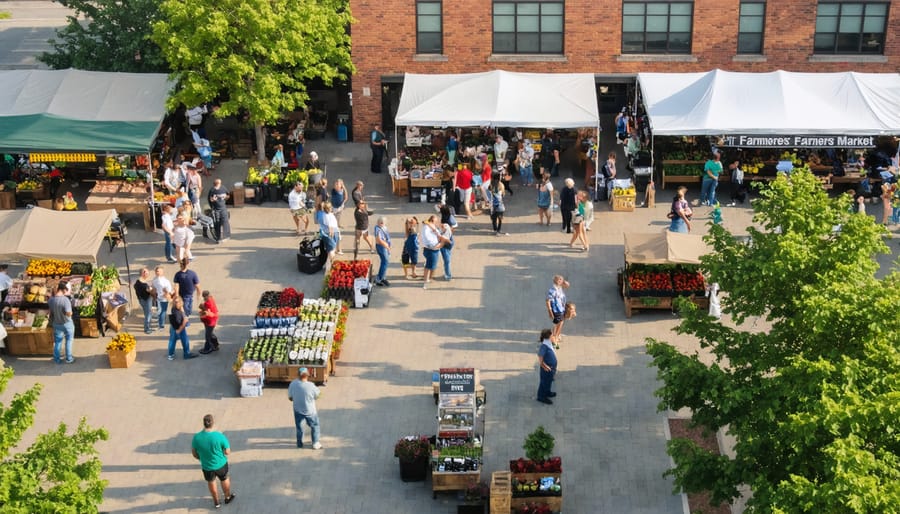
Visit the Civic Center Farmers Market every Wednesday and Sunday at United Nations Plaza, positioned between Hyde and Market Streets, where you’ll discover one of San Francisco’s most vibrant intersections of fresh food, community connection, and sustainable agriculture. Operating year-round from 7 AM to 5 PM on Wednesdays and 10 AM to 4 PM on Sundays, this Heart of the City Farmers Market serves as more than a shopping destination—it’s a living example of how local food systems can strengthen communities while supporting small-scale organic farmers.

Arrive early to secure the best seasonal selections from over 25 regional vendors who bring everything from heirloom tomatoes and Asian greens to fresh-caught fish and artisan breads. The market accepts CalFresh/EBT and offers a Market Match program that doubles nutrition assistance dollars, making organic produce accessible to all income levels. Chat directly with farmers like those from Full Belly Farm and Tierra Vegetables, who eagerly share growing practices, recipe suggestions, and tips for storing your weekly haul.

This isn’t just about filling your shopping bags. The Civic Center market embodies civic engagement through food, creating a weekly gathering space where neighbors from diverse backgrounds connect over shared meals and sustainable values. You’ll witness how supporting local agriculture builds food security, reduces carbon footprints, and preserves farmland—transforming simple transactions into meaningful participation in a healthier, more resilient food system.

The Heart of San Francisco: Understanding Civic Center Farmers Market

Nestled in the heart of one of San Francisco’s most iconic neighborhoods, the Civic Center Farmers Market has become a beloved gathering place where community, sustainability, and fresh organic produce converge. Located at the UN Plaza on Fulton Street between 7th and 8th Streets, this vibrant market operates every Wednesday and Sunday, rain or shine, bringing the bounty of Northern California’s farms directly to city dwellers.

Since its establishment, the market has grown into more than just a place to shop for groceries. It serves as a vital link between urban consumers and the hardworking farmers who practice sustainable agriculture throughout the region. What sets this market apart from San Francisco’s many other farmers markets is its incredible diversity, both in the products offered and the people who gather there. You’ll find everything from heirloom tomatoes and seasonal stone fruits to artisanal cheeses, fresh-cut flowers, and prepared foods that showcase the region’s culinary creativity.

The atmosphere buzzes with energy as vendors share their farming stories and offer samples of their latest harvest. Many farmers here have inspiring journeys of transitioning to organic methods, discovering that regenerative practices not only produce healthier food but also revitalize the soil for future generations. These conversations help shoppers understand where their food comes from and the care required to grow it sustainably.

For the Civic Center neighborhood, the market provides accessible fresh produce in an area that might otherwise lack such options. It’s become a weekly ritual for residents, office workers, and visitors alike, fostering connections that strengthen the community fabric while supporting local agriculture and environmental stewardship.

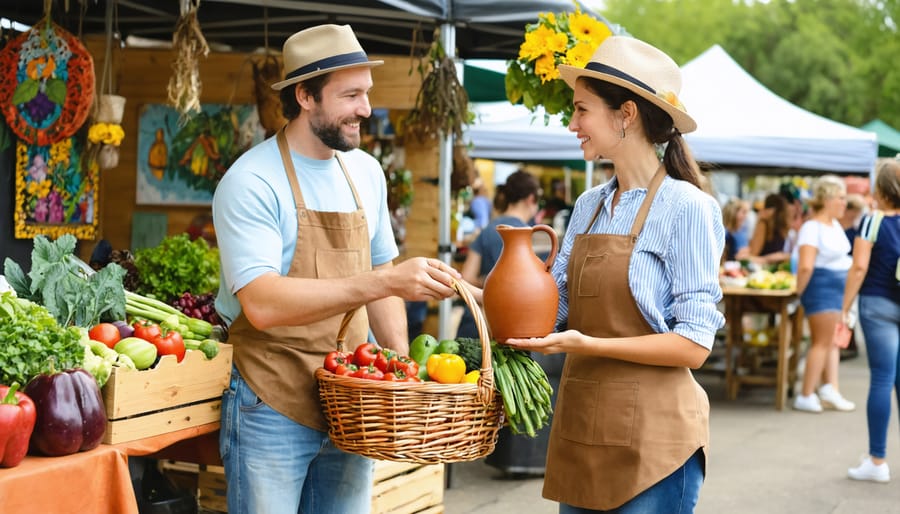
Overhead view of diverse hands exchanging fresh vegetables at farmers market stall
Community connections flourish at Civic Center Farmers Market where local farmers and residents exchange fresh, sustainable produce.

Where Community Meets Commerce: Civic Engagement Partnerships in Action

Food Access Programs That Make a Difference

The Civic Center Farmers Market stands out for its commitment to making fresh, organic produce accessible to everyone, regardless of income level. The market proudly accepts EBT and CalFresh cards at all vendor stands, ensuring that participants in federal nutrition assistance programs can purchase wholesome, locally grown food directly from farmers.

One of the market’s most impactful food access initiatives is the Market Match program, which doubles the value of CalFresh dollars spent at the market. When shoppers use their EBT card, they receive matching tokens up to a specific amount, effectively stretching their grocery budget while supporting local farmers. This dollar-for-dollar match means a family can purchase twice the amount of organic strawberries, leafy greens, or seasonal vegetables.

Local farmer Maria Santos shares how these programs have transformed her business: “Market Match brings new customers to my stand who might not otherwise afford organic produce. I love seeing families fill their bags with nutritious food, and it helps my small farm thrive.”

The market also partners with community organizations to distribute fresh produce vouchers to seniors and low-income families. Information booths provide guidance on using benefits and selecting seasonal produce, creating a welcoming environment where healthy eating is achievable for all San Franciscans. These thoughtful programs demonstrate that farmers markets can be inclusive spaces that nourish entire communities while supporting sustainable agriculture.

Farmers market vendor processing EBT payment with fresh produce display in background
Food access programs like EBT acceptance and Market Match make fresh organic produce accessible to all community members regardless of income level.

Educational Partnerships and Cooking Demonstrations

The Civic Center Farmers Market goes beyond simply selling produce by creating a vibrant learning hub where community members can deepen their knowledge of sustainable food systems. Throughout the market season, local chefs, nutritionists, and food educators offer free cooking demonstrations that transform seasonal ingredients into delicious, accessible meals.

These hands-on cooking demos typically feature chefs who source ingredients directly from market vendors, showing shoppers creative ways to prepare unfamiliar vegetables or make the most of abundance during peak harvest times. You might watch a chef turn rainbow chard into a simple sauté or demonstrate how to preserve summer tomatoes for winter enjoyment. The demonstrations are designed to be approachable, with recipes that home cooks can easily replicate in their own kitchens.

Registered dietitians and nutritionists also host regular workshops focusing on the health benefits of eating seasonally and locally. These sessions help visitors understand why organic produce contains more nutrients and how to build balanced meals around what’s available at the market. Parents especially appreciate learning how to introduce children to new vegetables in fun, engaging ways.

Farm education programs bring the story of sustainable agriculture to life. Local farmers share their experiences, explaining organic growing methods and answering questions about everything from composting to crop rotation. These conversations help bridge the gap between urban consumers and rural growers, fostering appreciation for the hard work behind every bunch of carrots or basket of strawberries. Many attendees leave feeling inspired to start their own container gardens or support Community Supported Agriculture programs, carrying the market’s mission of sustainable living into their daily routines.

Meet the Farmers: Stories from the Stalls

The Civic Center Farmers Market thrives because of dedicated farmers who bring exceptional produce and genuine passion to their stalls each week. These vendors represent the heart of sustainable agriculture in the Bay Area, and their local farmer success stories inspire everyone who visits.

Maria Gonzalez has been bringing her family’s heirloom tomatoes and peppers from Sonoma County for over eight years. Her farm, Valle Verde, practices dry farming techniques that reduce water usage by relying on natural moisture retention in the soil. This method produces incredibly flavorful tomatoes with concentrated sugars and nutrients. Maria explains that dry farming is an ancient technique her grandfather used in Mexico, now perfectly suited to California’s climate challenges. She grows over twenty varieties of tomatoes, from deep purple Cherokee Purples to striped Green Zebras, all certified organic. Her connection with regular customers goes beyond transactions. She shares recipes, growing tips, and even saves seeds for aspiring gardeners in the community.

Jim and Susan Park of Fogline Farm travel from Santa Cruz with their renowned salad greens and edible flowers. Their two-acre farm operates on biodynamic principles, treating the farm as a complete ecosystem. They use composting, cover cropping, and companion planting to maintain soil health without synthetic fertilizers. The Parks grow specialty greens like mizuna, tatsoi, and rainbow chard that chefs and home cooks eagerly await. What sets them apart is their commitment to education. They regularly host farm tours and offer workshops on composting and season extension techniques, helping market visitors understand where their food comes from.

These farmers demonstrate that sustainable agriculture is more than a farming method. It is a lifestyle that builds community connections and environmental stewardship. Their dedication to organic practices, soil health, and customer relationships creates the vibrant atmosphere that makes Civic Center Farmers Market special. By supporting these vendors, shoppers invest in local ecosystems, preserve agricultural knowledge, and enjoy produce grown with care and intention. Every purchase supports farmers who prioritize sustainability over shortcuts, quality over quantity.

Farmer arranging colorful heirloom tomatoes at Civic Center Farmers Market stall
Local farmers bring sustainable, organic produce directly from their farms to Civic Center, sharing their passion for regenerative agriculture with the community.

What You’ll Find: Seasonal Bounty and Beyond

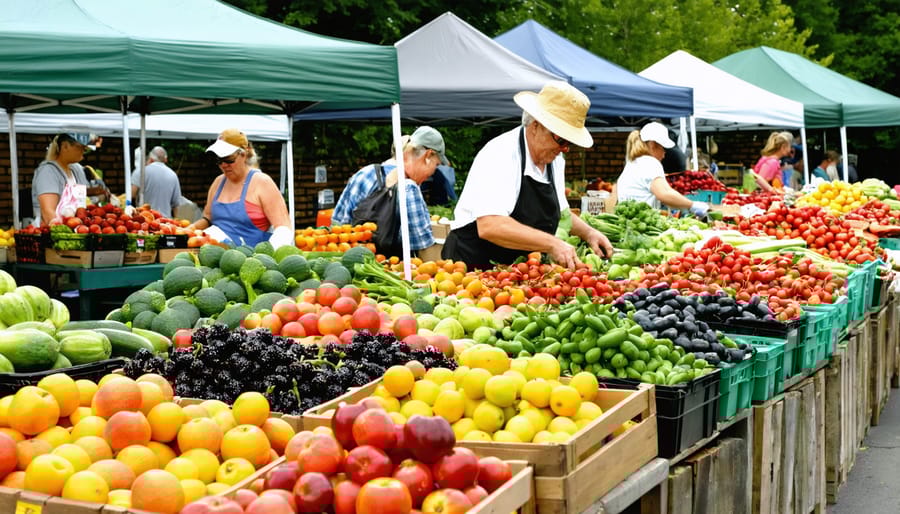
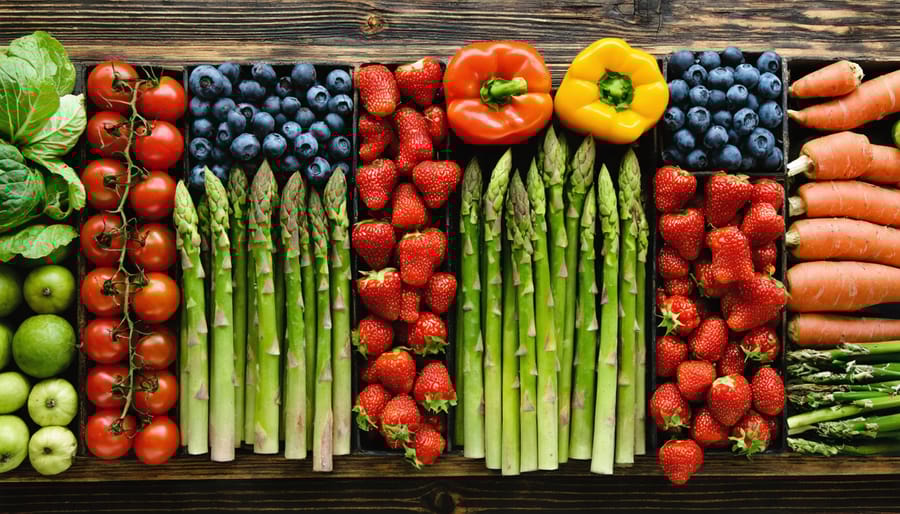
The Civic Center Farmers Market transforms with the seasons, offering an ever-changing showcase of Northern California’s agricultural bounty. Spring brings tender greens, sweet strawberries, and vibrant asparagus, while summer explodes with heirloom tomatoes, stone fruits, and colorful peppers. As autumn arrives, expect hearty root vegetables, crisp apples, and winter squashes. Even in cooler months, you’ll find citrus fruits, leafy greens, and cruciferous vegetables thriving in the region’s mild climate.

Beyond fresh produce, the market features artisan goods that reflect the area’s commitment to quality craftsmanship. Browse handcrafted cheeses from small-scale dairies, fresh-baked sourdough from local bakeries, and pasture-raised meats from family farms. You’ll also discover specialty items like raw honey, preserves, fresh-cut flowers, and prepared foods perfect for a quick lunch while exploring the city.

For the best selection, arrive early in the morning when vendors have fully stocked displays and popular items haven’t sold out yet. However, late afternoon shoppers often find reduced prices as farmers prefer selling remaining inventory over transporting it back. Bring reusable bags and cash, though many vendors now accept credit cards.

Make the most of your visit by talking directly with farmers. These conversations provide invaluable insights about growing methods, seasonal availability, and recipe suggestions. Many vendors, like the Martinez family who’ve been selling certified organic vegetables for over a decade, love sharing their knowledge about sustainable farming practices and can guide you toward peak-season items.

Consider planning your weekly meals around what’s fresh at the market rather than arriving with a rigid shopping list. This approach connects you more deeply with seasonal eating patterns while supporting farmers who’ve carefully tended these crops. Sample when offered, ask questions freely, and don’t hesitate to request cooking tips. The market experience extends beyond transactions, fostering genuine connections between growers and eaters while promoting environmental stewardship through reduced food miles and chemical-free agriculture.

Getting Involved: How You Can Support Civic Engagement

The Civic Center Farmers Market offers numerous ways to deepen your connection to sustainable food systems beyond your weekly shopping trips. Consider volunteering with the market organization, where you can help with setup, assist vendors, or support educational programs that teach children about organic farming. Many volunteers find this hands-on experience both rewarding and educational, gaining insights directly from farmers about seasonal growing practices.

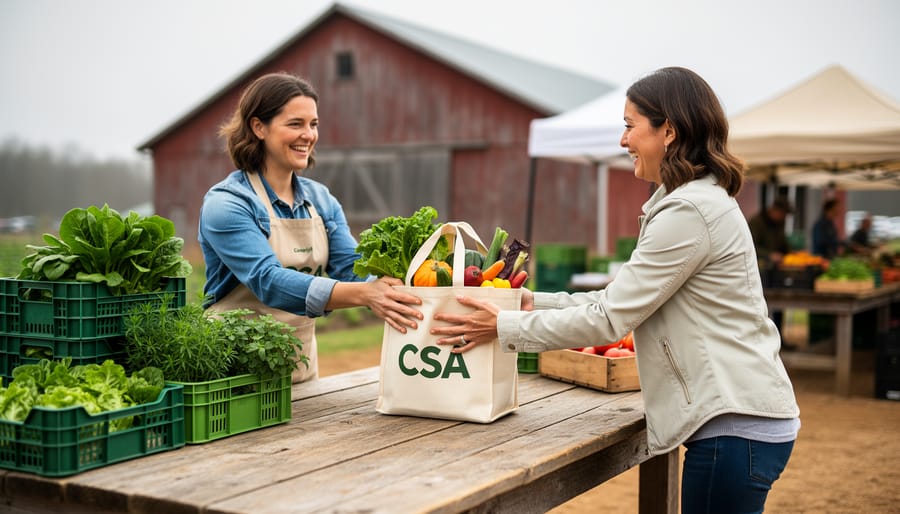
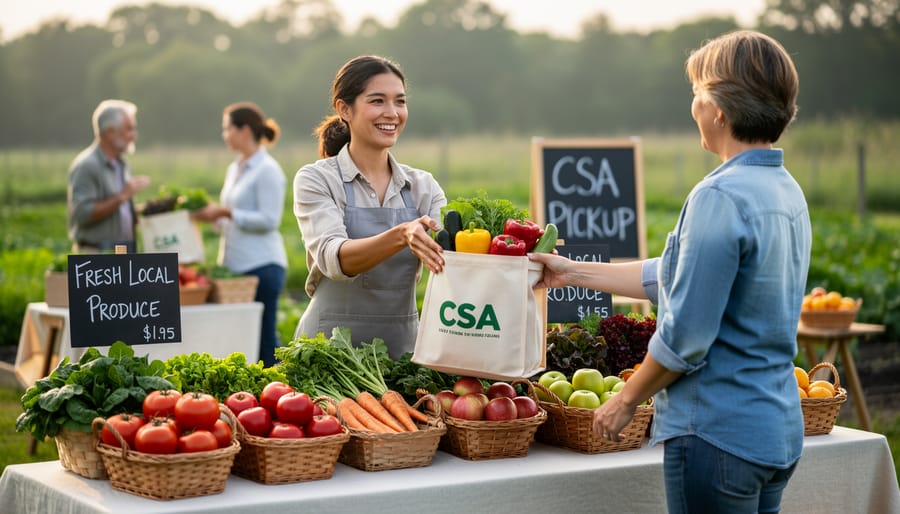
Connect with local CSA programs that have booths at the market. These farm-direct subscription services offer weekly produce boxes and often provide volunteer opportunities at their farms, giving you firsthand experience with organic cultivation methods. It’s a wonderful way to understand where your food comes from while supporting small-scale farmers.

The market regularly hosts community events, cooking demonstrations, and workshops focused on food preservation and sustainable living. Attend these gatherings to expand your knowledge and meet like-minded individuals passionate about organic agriculture.

Support food justice initiatives at the market by participating in programs that accept CalFresh benefits and market incentive programs. These efforts ensure fresh, organic produce reaches all community members regardless of economic circumstances. You might also consider donating to gleaning programs that collect excess produce for local food banks, turning potential waste into nourishment for those in need. Every contribution, whether time, resources, or knowledge-sharing, strengthens our collective commitment to sustainable, accessible food systems.

The Civic Center Farmers Market stands as a shining example of what happens when communities come together around sustainable agriculture and food justice. This vibrant marketplace demonstrates that farmers markets can be so much more than simple commercial exchanges—they’re powerful platforms for civic engagement, education, and meaningful change. By supporting local organic farmers here, you’re not just purchasing fresh produce; you’re investing in a healthier food system, preserving farmland, and ensuring that nutritious food reaches neighbors who need it most.

We encourage you to visit this remarkable market and experience the energy firsthand. Talk with the farmers who grow your food, learn about their sustainable practices, and discover seasonal varieties you’ve never tried before. Whether you’re seeking the freshest organic vegetables, artisan products, or simply want to connect with like-minded community members, you’ll find a welcoming space that celebrates local agriculture. By becoming part of this community-driven movement, you’re joining thousands of others who believe that everyone deserves access to wholesome, sustainably grown food—and that together, we can build a more equitable and environmentally responsible future.

Why Your Local Farmers Market Is the Perfect Place for Seniors to Thrive

Posted by darrell on
0
Market Events and Community Engagement
Why Your Local Farmers Market Is the Perfect Place for Seniors to Thrive

Transform your local farmers market into a vibrant community hub for seniors by scheduling weekly morning hours specifically for elderly visitors when crowds are lighter and vendors have time for conversation. Partner with local farms offering CSA boxes to create dedicated pickup times where seniors can socialize while collecting fresh produce, turning a simple transaction into a meaningful weekly gathering.

Design accessible walking routes through your market with clearly marked rest areas featuring seating and shade, allowing older adults to comfortably browse seasonal offerings at their own pace. Organize hands-on activities like herb planting workshops or simple pickling demonstrations that connect seniors with sustainable growing practices while fostering social connections among participants.

Establish volunteer ambassador programs pairing tech-savvy younger community members with elderly market-goers who want to learn about organic produce selection, seasonal eating, or how to join local farm programs. These intergenerational partnerships create lasting relationships while helping seniors navigate the sometimes overwhelming variety of fresh vegetables and fruits.

Coordinate transportation solutions by connecting with senior centers, retirement communities, and volunteer driver networks to ensure mobility challenges don’t prevent participation. Many successful markets have discovered that providing reliable access dramatically increases elderly attendance and strengthens the entire community fabric.

Farmers markets naturally serve as ideal venues for senior engagement because they combine physical activity, sensory stimulation, social interaction, and access to nutritious local food. When organizers intentionally design programming around elderly needs and interests, these weekly gatherings become essential anchors in seniors’ lives while supporting local agriculture and fostering meaningful connections across generations.

The Natural Connection Between Seniors and Farmers Markets

Farmers markets create an ideal gathering space for older adults, offering a welcoming environment that naturally accommodates their preferences and lifestyle. Unlike bustling shopping centers or crowded grocery stores, these outdoor venues operate at a comfortable, unhurried pace that allows seniors to browse, chat, and make thoughtful purchasing decisions without feeling rushed.

The multigenerational atmosphere stands as one of the market’s greatest strengths. Grandparents often bring grandchildren to explore the farmers market treasures together, creating opportunities for sharing food knowledge and family traditions. Young farmers connect with older customers who remember when most food came from local sources, sparking meaningful conversations that bridge generational gaps. These interactions combat social isolation while fostering a sense of community belonging.

Sensory experiences at farmers markets provide unique engagement opportunities for seniors. The vibrant colors of fresh produce, the earthy aroma of just-harvested vegetables, and the chance to touch and examine food before purchasing create memorable moments. For those experiencing cognitive changes, these sensory connections can trigger positive memories and stimulate mental engagement. The opportunity to taste samples and smell fresh herbs offers therapeutic benefits that extend beyond simple shopping.

Many older adults grew up closer to agriculture, whether through family farms, victory gardens, or simply a time when local food was the norm rather than the exception. Farmers markets reconnect them with these agricultural traditions, offering a nostalgic link to their past while celebrating sustainable practices they may have practiced themselves. This connection to heritage makes market visits particularly meaningful for seniors who value traditional food systems.

The accessibility features many markets now incorporate—including shaded seating areas, smooth walking paths, and convenient parking—demonstrate recognition of senior needs. Combined with the genuine relationships formed between elderly customers and farmers, these elements transform a simple shopping trip into an enriching social experience that nourishes both body and spirit.

Elderly woman examining fresh tomatoes at farmers market stand
Seniors find meaningful engagement and fresh produce connections at local farmers markets.

Health Benefits That Keep Older Adults Coming Back

Fresh, Organic Produce for Better Nutrition

Farmers markets offer seniors incredible access to fresh, seasonal produce that directly supports their unique nutritional needs. Unlike supermarket options that travel long distances, locally grown vegetables and fruits reach market stalls within hours of harvest, preserving vital nutrients that naturally diminish over time. This freshness matters especially for older adults who need nutrient-dense foods to maintain bone health, immune function, and energy levels.

Seasonal eating through farmers markets means seniors enjoy produce at peak ripeness when nutritional content is highest. Spring greens provide folate and vitamin K for cognitive health, summer berries deliver antioxidants, fall squashes offer beta-carotene, and winter root vegetables supply essential minerals. Many vendors grow heirloom varieties with deeper flavor profiles and diverse nutrient compositions compared to commercial produce.

The organic produce benefits extend beyond nutrition. Farmers gladly share preparation tips and recipe ideas tailored to dietary restrictions common among seniors, like low-sodium or diabetic-friendly cooking methods. This personal connection transforms shopping into an educational experience, empowering older adults to make informed choices about their meals while building relationships with growers who truly care about community health.

Gentle Physical Activity in a Low-Pressure Environment

Farmers markets offer the perfect setting for gentle movement that doesn’t feel like traditional exercise. As older adults stroll from vendor to vendor, they naturally accumulate steps while browsing colorful produce displays and handcrafted goods. The leisurely pace allows for frequent rest stops to chat with farmers about their growing practices or sample fresh strawberries. Carrying a reusable bag with a few tomatoes or a bunch of leafy greens provides light resistance training without strain. Unlike gym environments that can feel intimidating, markets create a low-pressure atmosphere where physical activity happens organically. The varied terrain—navigating around displays, stepping up to vendor tables, and walking on grass or pavement—helps maintain balance and coordination. Many seniors find they walk significantly more at markets than during their usual routines, all while enjoying the sunshine and social connections that make the effort feel effortless and rewarding.

Mental Stimulation Through Social Interaction

Farmers markets naturally spark meaningful conversations that keep older adults mentally sharp and socially connected. When seniors chat with farmers about growing techniques, seasonal varieties, or recipe suggestions, they’re engaging in dynamic exchanges that stimulate memory and learning. These interactions differ from casual small talk—discussing heirloom tomato varieties or learning about crop rotation practices requires active listening and cognitive engagement. Fellow shoppers often share cooking tips or reminisce about gardens from their past, creating spontaneous connections that combat the isolation many seniors face. Regular market visits establish familiar relationships with vendors who remember preferences and past conversations, fostering a sense of belonging. The multisensory environment—vibrant produce displays, sampling opportunities, and the bustling atmosphere—provides additional mental stimulation. For seniors living alone or with limited social circles, these weekly encounters offer consistent opportunities for purposeful interaction while supporting local agriculture and healthy eating habits.

Successful Community Programs That Welcome Seniors

Senior-Specific Market Days and Discount Programs

Many farmers markets now recognize that seniors benefit tremendously from flexible shopping options designed with their needs in mind. Early bird hours, typically starting 30 minutes before regular market times, allow older adults to browse stands when crowds are lighter and parking is more accessible. These quieter morning periods make it easier to chat with vendors about produce selection and preparation tips.

Special discount programs help stretch fixed incomes further. Some markets offer Senior Day pricing with 10-20% off purchases, while others partner with nutrition assistance programs that double the value of benefits when spent on fresh fruits and vegetables. Several successful programs provide vouchers specifically for purchasing locally grown organic produce, helping seniors access nutrient-dense foods that support healthy aging.

Market managers have found that partnering with senior centers creates win-win situations. Transportation services bring groups to markets, transforming shopping into a social outing. One inspiring example comes from a Colorado farmer who started a “Greens for Grays” program, setting aside portions of his harvest specifically for senior nutrition programs at wholesale pricing. His success demonstrates how small adjustments in market operations can significantly improve community health while supporting local agriculture.

Contact your local farmers market to inquire about senior-friendly shopping times and available discount programs in your area.

Volunteer and Mentorship Opportunities

Seniors bring decades of wisdom and practical skills to farmers markets, making them invaluable volunteers and mentors. Many markets welcome older adults who want to share their expertise while staying socially connected. From greeting visitors at information booths to helping with setup and breakdown, these roles keep seniors active without being physically demanding.

Garden mentorship programs pair experienced senior gardeners with younger community members eager to learn organic growing techniques. These relationships flourish at market garden demonstrations where elders teach companion planting, natural pest control, and seed saving traditions passed down through generations. One 78-year-old volunteer at a community market garden spends Saturday mornings sharing her knowledge of heirloom varieties with families starting their first vegetable patches.

Cooking demonstrations offer another perfect venue for seniors to shine. Grandmothers and grandfathers showcase traditional recipes using seasonal market produce, teaching younger generations about food preservation and preparing meals with minimal waste. These sessions often turn into storytelling opportunities where elders share memories of victory gardens and farm-to-table living before it became trendy.

Market coordinators seeking senior volunteers should create flexible schedules and provide seating at volunteer stations. The exchange benefits everyone—seniors gain purpose and community connection while markets receive dedicated helpers who genuinely care about sustainable agriculture and supporting local farmers.

Educational Workshops Tailored for Older Adults

Educational workshops at farmers markets create wonderful opportunities for older adults to learn new skills while connecting with their community. Cooking classes featuring seasonal, organic produce teach seniors how to prepare nutritious meals that support healthy aging. These hands-on sessions often focus on simple recipes using fresh vegetables and herbs, making farm-to-table eating accessible and enjoyable.

Gardening workshops prove especially popular, offering techniques for container gardening, raised beds, and small-space cultivation that work well for those with limited mobility. Participants learn about companion planting, soil health, and organic pest management methods they can apply at home. Many seniors find these sessions rewarding as they gain confidence growing their own herbs, tomatoes, and leafy greens.

Food preservation workshops teach valuable techniques like canning, pickling, and drying herbs—skills many older adults remember from their youth but haven’t practiced in years. These classes foster intergenerational connections when seniors share their own preservation stories while learning updated safety methods for today’s guidelines.

Multigenerational group attending cooking demonstration at outdoor farmers market
Educational cooking demonstrations at farmers markets create intergenerational connections while teaching practical food skills.

Creating Age-Friendly Farmers Market Experiences

Physical Accessibility Improvements

Creating welcoming spaces at farmers markets starts with thoughtful physical improvements that allow seniors to enjoy everything from fresh produce to community connections. Comfortable seating stations positioned throughout the market give older adults natural rest points where they can pause, chat with neighbors, and soak in the vibrant atmosphere without fatigue. These designated areas work best when placed near popular vendor stalls selling organic vegetables and artisan goods.

Accessible parking spots located close to market entrances make a tremendous difference for those with mobility challenges. Clear, level pathways wide enough for walkers and wheelchairs ensure everyone can browse produce stands safely. Consider incorporating accessible market design principles that prioritize smooth surfaces free from trip hazards and adequate spacing between vendor booths.

Shade structures provide essential protection from sun exposure, particularly during warmer months when heat can pose health risks for elderly visitors. Pop-up canopies, permanent pavilions, or even strategically placed mature trees create comfortable zones where seniors can shop for locally grown organic produce without overheating. Many successful markets also install benches beneath these shaded areas, transforming them into welcoming gathering spots that encourage longer visits and deeper community engagement.

Elderly couple walking through accessible farmers market with wide pathways and seating areas
Accessible pathways, seating areas, and thoughtful layout make farmers markets comfortable spaces for older adults to navigate and enjoy.

Communication and Customer Service Tips

Creating a welcoming environment for senior visitors starts with patience and genuine warmth. Train your market staff and volunteers to speak clearly and maintain eye contact, allowing extra time for questions and conversation. Many elderly attendees appreciate unhurried interactions where they can share gardening memories or ask about growing techniques.

Clear communication extends beyond words. Install signage with larger fonts (at least 18-point) and high contrast colors for easy reading. Position signs at eye level and use simple, direct language to indicate prices, product origins, and special senior offerings.

Building lasting relationships with regular senior customers enriches your farmers market community. Remember their names, recall their favorite seasonal items, and ask about their families. These personal connections transform weekly shopping trips into meaningful social occasions. Consider creating a welcome table specifically for first-time senior visitors, offering market maps and introducing them to vendors who can accommodate their specific dietary needs or mobility considerations. When seniors feel valued and understood, they become your most loyal supporters and enthusiastic ambassadors within their communities.

Timing and Schedule Considerations

Planning events with older adults in mind means thinking carefully about when and how long activities should run. Morning hours between 9 AM and noon work beautifully for farmers market visits, as many seniors prefer starting their day early when energy levels peak and the weather stays cooler. This timing also means quieter crowds and more relaxed browsing through fresh produce stands.

Consider scheduling community events to last 90 minutes to two hours maximum. This sweet spot allows enough time for meaningful social connection and market exploration without causing fatigue. Building in natural rest breaks works wonders—set up comfortable seating areas near vendor booths where participants can take a breather while enjoying the vibrant market atmosphere.

For multi-week programs, weekly gatherings create wonderful anticipation without overwhelming schedules. One successful approach includes pairing farmers market tours with seasonal cooking demonstrations, giving seniors hands-on experience with organic vegetables they’ve just purchased. Remember to avoid extreme weather periods and plan indoor alternatives when needed, ensuring your elderly community members can participate comfortably year-round while discovering the joys of locally grown, sustainable food.

Building Intergenerational Connections Through Market Activities

Farmers markets naturally transform into vibrant intergenerational classrooms where life experience meets youthful curiosity. Seniors bring decades of accumulated wisdom about growing, preserving, and preparing food—knowledge that’s increasingly valuable as younger generations rediscover the importance of sustainable living and self-sufficiency.

At these weekly gatherings, you’ll often find older community members sharing practical gardening advice with young families exploring organic growing methods. They discuss which heirloom tomato varieties thrive in local soil, demonstrate proper techniques for selecting ripe produce, and reveal time-tested preservation methods that minimize food waste. These spontaneous mentoring moments create meaningful connections that extend beyond simple transactions.

Many successful programs formalize these interactions through “Heritage Recipe Exchange” events where seniors demonstrate traditional cooking techniques using seasonal ingredients. Young parents learn how to prepare nutritious meals from basic ingredients while children discover that food comes from soil, not just supermarket shelves. One farmer shared how an 82-year-old regular at his market stall taught dozens of customers her grandmother’s method for turning surplus vegetables into flavorful fermented pickles—knowledge that might have disappeared without this community space.

Garden clubs frequently recruit senior volunteers to lead workshops on composting, seed saving, and companion planting. Their hands-on demonstrations provide practical education that books and videos can’t replicate. These teaching moments validate seniors’ lifetime of agricultural experience while helping younger generations develop skills for sustainable living.

The beauty of market-based intergenerational programs lies in their organic nature. Unlike structured activities that might feel forced, these connections develop naturally around shared interests in fresh food, environmental stewardship, and community resilience. Everyone leaves enriched—seniors feel valued for their contributions while younger participants gain irreplaceable wisdom from those who remember when seasonal eating wasn’t trendy but simply how life worked.

Getting Started: How Seniors Can Become Regular Market-Goers

Starting your farmers market journey as a senior is easier than you might think, and the rewards are well worth the effort. Begin by locating your nearest market through community center bulletin boards or a quick online search. Most markets operate weekly during growing season, making them perfect for establishing a comfortable routine.

Before your first visit, prepare a reusable shopping bag, a small wheeled cart for heavier purchases, and cash in small bills since some vendors may not accept cards. Arrive early for the best selection and cooler temperatures, or come later if you prefer a quieter atmosphere. Wear comfortable shoes and bring a water bottle, especially during summer months.

Budgeting becomes simpler once you understand seasonal pricing patterns. Spring greens and summer tomatoes are abundant and affordable during peak harvest. Consider buying larger quantities of seasonal favorites to preserve through freezing or canning, stretching your budget throughout the year. Many vendors offer end-of-day discounts, so don’t hesitate to ask.

Building relationships with farmers creates wonderful opportunities. Chat with vendors about their growing practices, ask for recipe suggestions, and let them know you’re a regular customer. These connections often lead to friendly advice about upcoming harvests and occasional extras added to your bag.

Complement your market visits with local CSA partnerships, which provide weekly produce boxes directly from farms. This combination ensures consistent access to fresh, organic ingredients while supporting sustainable agriculture. Many CSA programs offer senior discounts or flexible payment plans, making farm-fresh eating accessible on fixed incomes. Start small with occasional visits, then gradually increase frequency as you discover your favorite vendors and seasonal treasures.

Farmers markets stand as vibrant community hubs where older adults discover meaningful connections, improved health, and renewed purpose while supporting local sustainable agriculture. These weekly gatherings offer far more than fresh produce—they create spaces where seniors become valued participants in their local food systems, contributing wisdom and enthusiasm to the sustainable farming movement.

For older adults seeking engagement, farmers markets present accessible opportunities to socialize, stay active, and make informed choices about nutrition. Whether volunteering to support market operations, mentoring new organic farmers, or simply enjoying conversations with familiar faces, seniors find their involvement enriching on multiple levels. The sensory experience of handling fresh vegetables, smelling herbs, and tasting seasonal fruits stimulates both physical and cognitive well-being.

Market organizers play a crucial role in welcoming older community members by offering seating areas, providing transportation assistance, and creating senior-friendly programs like cooking demonstrations or farm tours. These thoughtful accommodations transform markets into inclusive spaces where everyone belongs.

The beautiful synergy between generations at farmers markets strengthens entire communities. Young farmers gain perspective from seniors who remember traditional growing methods, while older adults learn about innovative organic practices and CSA models that make local food more accessible.

Whether you’re a senior looking for purposeful activity or an organizer seeking to enhance community connections, farmers markets offer meaningful opportunities. Explore your local market this week—you’ll discover that supporting sustainable agriculture nourishes far more than just the body. It feeds the soul and strengthens the community fabric that connects us all.

How Farmers Markets Became Your Community’s Best Health Resource

Posted by darrell on
0
Market Events and Community Engagement
How Farmers Markets Became Your Community’s Best Health Resource

Farmers markets and CSA pick-up locations are transforming into vibrant health hubs where fresh produce meets preventive care. Picture a Saturday morning where families selecting heirloom tomatoes can also get their blood pressure checked, learn about nutrition from registered dietitians, or participate in cooking demonstrations using seasonal vegetables. These community health partnerships create powerful synergy—health professionals gain access to motivated audiences already invested in wellness, while farmers and market organizers attract diverse crowds and reinforce their role as cornerstones of healthy communities.

The model works remarkably well because it meets people where they already gather for nourishment. A Vermont farmers market increased foot traffic by 40% after partnering with a local clinic to offer free health screenings, while participating farmers reported higher sales of leafy greens following on-site nutrition workshops. Similarly, a California CSA farm hosting monthly wellness events saw member retention rates jump significantly as subscribers felt more connected to both their food source and their neighbors.

Creating these partnerships requires minimal investment but delivers measurable impact for everyone involved—from the organic farmer building customer loyalty to the community member discovering that eating well starts with knowing their grower.

Why Market Events Are Perfect for Community Health Initiatives

The Natural Connection Between Fresh Food and Wellness

Farmers markets naturally draw people who prioritize wellness and mindful eating choices. These shoppers are already taking active steps toward better health by seeking fresh, locally grown produce and supporting sustainable agriculture. This creates a unique opportunity to expand health conversations beyond what’s on the plate.

When someone chooses organic tomatoes over conventional ones, they’re demonstrating an interest in how food impacts their wellbeing. This mindset makes market visitors particularly receptive to broader health information, from preventive screenings to mental health resources. The relaxed, community-focused atmosphere of farmers markets removes many barriers that prevent people from engaging with healthcare providers in traditional clinical settings.

Consider the success story of Green Valley Farm, where the farmer noticed market customers asking not just about growing practices, but about preparing nutritious meals for specific health conditions. This sparked a partnership with a local nutritionist who now offers free consultations at their booth. The result has been increased customer loyalty and a genuine sense of serving community health needs.

The connection between fresh food and total wellness is intuitive to market-goers, making these venues ideal for introducing services like blood pressure checks, nutrition education, and stress management workshops alongside the season’s harvest.

Building Trust Through Familiar Faces

When Maria, a nurse practitioner, first set up her blood pressure screening booth at the weekly farmers market, she noticed something remarkable. Vendors she’d been buying tomatoes from for months became her most enthusiastic health advocates, encouraging their customers to stop by for a quick check. This illustrates the magic of market-based health events: trust grows naturally through repeated, face-to-face connections.

Regular market-goers already know the farmers who grow their food and the artisans who craft their goods. When health professionals become part of this familiar community fabric, they shed the intimidating clinical atmosphere that keeps many people away from traditional healthcare settings. A vendor who shares gardening tips one week might comfortably refer someone to a diabetes screening the next. These ongoing relationships transform health education from a formal lecture into a conversation between neighbors who genuinely care about each other’s wellbeing, making people far more receptive to important health information and preventive screenings.

What Community Health Events Actually Look Like at Markets

Quick Health Screenings That Fit Market Day

Integrating health screenings into your farmers market creates a welcoming atmosphere where shoppers can prioritize wellness without interrupting their Saturday morning routine. Blood pressure checks take just minutes and require minimal space—a small table with two chairs works perfectly near the market entrance or exit. Many health partners provide portable equipment and trained volunteers who can perform these screenings while chatting with visitors about their favorite seasonal produce.

BMI measurements and basic wellness consultations fit naturally into the market environment. Consider setting up a health station between vendor rows where a nurse or health educator can offer quick assessments, answer nutrition questions, and connect people with local resources. Sarah Martinez, who manages a successful organic vegetable farm and hosts monthly market health days, shares that these brief interactions often spark conversations about eating more fresh vegetables and supporting local growers.

Keep screenings simple and non-invasive. Glucose testing, cholesterol checks, and hydration assessments work well because they’re fast and provide immediate results that participants can discuss with their healthcare providers. Offering these services free or low-cost removes barriers and demonstrates your market’s commitment to community wellbeing beyond just selling produce.

Healthcare worker performing blood pressure check for community member at farmers market booth
Health screenings at farmers markets provide convenient preventive care while community members shop for fresh produce.

Cooking Demonstrations That Teach and Inspire

Live cooking demonstrations transform market events into interactive learning experiences that bridge the gap between farm-fresh ingredients and everyday meals. These hands-on sessions feature local chefs or nutritionists preparing simple, nutritious dishes using produce available at the market that day, showing attendees exactly what’s possible with seasonal ingredients.

Demonstrations focus on practical skills like preparing vegetables kids will actually eat, budget-friendly meal planning, and time-saving techniques for busy families. One farmer at a community market in Oregon shared how cooking demos increased his vegetable sales by 40 percent after attendees discovered new ways to prepare unfamiliar items like kohlrabi and Swiss chard.

The demonstrations emphasize that healthy eating doesn’t require expensive ingredients or complicated techniques. Participants receive recipe cards, learn proper knife skills, and discover how to maximize nutrition while minimizing food waste. Many markets offer free samples, allowing people to taste before committing to purchases. This accessible approach helps break down barriers to healthy eating, showing families that fresh, organic produce fits naturally into their cooking routines and budgets while supporting local farmers.

Chef demonstrating healthy cooking techniques with fresh vegetables at farmers market
Live cooking demonstrations connect market shoppers directly with nutritious meal preparation using seasonal local produce.

Kids’ Activities That Plant Health Seeds Early

Engaging kids in farm-based activities creates lifelong connections to healthy eating and sustainable agriculture. Many farmers markets now incorporate youth programming as part of their creative market events, helping children understand where food comes from while having fun.

Garden education stations let kids get their hands dirty planting seeds and learning about soil health. Interactive taste testing booths introduce young palates to fresh vegetables they might otherwise avoid at home. Nutrition-focused games turn learning about vitamins and minerals into playful competition, while scavenger hunts teach children to identify different produce varieties.

Farm-to-fork demonstrations show the complete journey from seed to plate, often featuring young farmer success stories that inspire the next generation. Cooking classes designed for children teach basic food preparation skills using seasonal ingredients. These hands-on experiences plant seeds of understanding about organic growing practices and environmental stewardship, creating informed consumers who value locally grown food and sustainable farming methods from an early age.

Success Stories: Partnerships That Are Making a Difference

A Small Farm That Partnered With Local Nurses

When Greenleaf Farm, a 12-acre CSA operation in Vermont, noticed their members often skipped annual health checkups due to busy schedules, owner Maria Chen saw an opportunity. She reached out to a local community health clinic and proposed a simple idea: bring basic health screenings directly to the farm during monthly pickup days.

The partnership launched in spring 2022 with blood pressure checks and diabetes screenings offered in a quiet corner of the barn. Within six months, three members discovered previously undetected high blood pressure, while another caught early warning signs of pre-diabetes. The nurse practitioners found that farmers market settings created a relaxed atmosphere where people felt more comfortable discussing health concerns than in clinical environments.

Maria learned valuable lessons through this initiative. First, consistency matters—holding screenings on the same Saturday each month helped members plan ahead. Second, privacy is essential, so they converted a storage area into a dedicated screening space. Third, clear communication about available services helped overcome initial hesitation.

The program’s success attracted attention from neighboring farms interested in replicating the model, demonstrating how successful farm partnerships can address both food security and healthcare access simultaneously. Today, Greenleaf’s health screening days see an average of 25 participants monthly, proving that small farms can make significant impacts on community wellness.

How One Market Increased Fresh Food Access for Seniors

At Riverside Farmers Market in Oregon, organizers noticed a troubling pattern: their senior neighbors were rarely shopping for fresh produce despite living just blocks away. Rather than accept this disconnect, market manager Elena Rodriguez partnered with the local Area Agency on Aging to create the Senior Fresh Food Initiative, a program that now serves over 200 elderly residents monthly.

The program provides eligible seniors with $40 monthly vouchers redeemable at any market vendor. But the real magic happens beyond the financial assistance. Volunteer “market buddies” meet participants at designated pickup points, offering rides and companionship during shopping trips. Once at the market, nutrition educators host informal cooking demonstrations featuring seasonal vegetables, sharing simple recipes that accommodate dietary restrictions and limited mobility.

Local farmer Tom Hendricks credits the program with transforming his customer base. “I’ve learned so much from our senior shoppers about food preservation and old-variety vegetables their grandparents grew,” he shares. “They’re teaching the younger generation while discovering new greens they’ve never tried.”

The initiative also addresses food waste, as farmers donate produce nearing peak ripeness specifically for senior meal prep workshops held twice monthly. Transportation volunteers report that many participants now attend independently, having gained confidence navigating the market and forming friendships with vendors who reserve their favorite items.

Senior woman with shopping bag of fresh vegetables talking with farmer at market stand
Programs connecting seniors with fresh market produce and nutrition support strengthen community health outcomes.

Starting Health Programming at Your Local Market

Finding the Right Health Partners in Your Community

Start by reaching out to your local public health department, as they often welcome opportunities to connect with communities through farmers markets and agricultural events. These departments typically offer free health screenings, educational materials, and nutrition expertise that perfectly complement fresh produce offerings. Hospitals and healthcare systems in your area may have community wellness programs actively seeking partnership opportunities for health promotion initiatives.

Look for registered dietitians who specialize in nutrition education and might be excited to demonstrate seasonal recipe ideas using market produce. Local wellness organizations, yoga studios, and fitness centers often appreciate collaborative opportunities that align with their mission. When approaching potential partners, emphasize the mutual benefits: they gain access to health-conscious audiences already interested in wholesome food, while you enhance your market’s value to the community.

The key to successful building community markets lies in finding partners who share your values around sustainable living and community health. Start conversations early, be clear about your goals, and remain flexible in designing programming that works for everyone involved.

Keeping It Simple: Start Small and Grow

You don’t need a massive budget or complex infrastructure to launch community health events at your market. Start with something simple, like setting up an informational table staffed by a local nutritionist or nurse practitioner who can answer basic wellness questions. One farmer shared how his market began with just monthly blood pressure screenings, then gradually added seasonal cooking demonstrations and farm-to-table nutrition workshops as relationships with healthcare partners strengthened. This small-steps approach lets you test what resonates with your community while building confidence and connections. Consider piloting a single event, perhaps a harvest-season wellness fair or a spring gardening-for-health workshop, before committing to regular programming. As you gain experience and see what your customers value most, you can thoughtfully expand offerings without overwhelming your resources or volunteers. Remember, sustainable growth mirrors good farming practices—nurture carefully, observe what thrives, and cultivate accordingly.

Funding and Resources You Might Not Know About

Many funding opportunities exist that you might not have discovered yet. The USDA’s Farmers Market Promotion Program offers grants up to $500,000 specifically for market-based community health initiatives. State departments of agriculture and public health often provide smaller grants perfect for pilot programs.

SNAP incentive programs like Double Up Food Bucks can transform your market’s accessibility while bringing additional funding. These programs match SNAP benefits spent on fresh produce, effectively doubling customers’ purchasing power. Regional healthcare systems and insurers increasingly partner with farmers markets, viewing preventive nutrition as cost-effective medicine. Reach out to local hospitals about sponsorship opportunities.

Community foundations and regional food banks frequently fund nutrition education programs. Consider applying for grants from organizations like the Wholesome Wave Foundation, which specializes in supporting healthy food access. Local businesses, especially health-focused retailers and restaurants, often welcome sponsorship opportunities that connect them with community wellness efforts. One successful farmer shared how a small regional healthcare grant allowed his market to launch cooking demonstrations that tripled their customer base within six months, proving that even modest funding creates significant impact.

Making Sure Everyone Feels Welcome

Health events succeed when they truly serve everyone in your community. Start by offering inclusive market programming that accommodates different languages, physical abilities, and cultural backgrounds. Partner with local organizations that already serve diverse populations to understand specific needs and build trust.

Remove practical barriers by choosing accessible locations, offering services at no cost or on a sliding scale, and scheduling events at varied times. Respect cultural food traditions by ensuring health screenings and nutrition education honor different dietary practices. One farmer’s market in Ontario partnered with refugee support services to provide translated materials and culturally familiar produce samples, resulting in 40% higher participation from newcomers. Simple changes like adding wheelchair-accessible pathways and visual signage create welcoming spaces where everyone feels valued and supported.

The Bigger Picture: Markets as Community Health Cornerstones

When farmers markets partner with health organizations, they become powerful engines for community transformation that ripples far beyond individual wellness checks. These collaborations address some of our most pressing social challenges while nurturing the environmental connections that sustain us all.

Food security takes center stage at these events. By accepting SNAP benefits, offering produce prescription programs, and providing nutrition education, markets bridge the gap between fresh, organic food and families who might otherwise struggle to access it. One Oregon farmer shared how partnering with a local health clinic’s produce prescription program increased his low-income customer base by 40 percent while introducing entire families to the joys of seasonal eating.

The preventive healthcare aspect cannot be overstated. Regular screenings catch conditions early, when they’re most treatable and least costly. Instead of waiting for emergency room visits, community members develop relationships with healthcare providers in comfortable, familiar settings. This approachable model particularly resonates with populations who might avoid traditional clinical environments.

Social connection forms another vital thread in this tapestry. Markets become gathering places where neighbors meet, isolated seniors find conversation, and newcomers discover community roots. These relationships combat loneliness while building the social fabric that supports mental health and resilience.

Perhaps most exciting is how these partnerships strengthen sustainable agriculture. When health professionals recommend locally grown organic produce, they validate farmers’ commitment to chemical-free practices. Insurance companies and health systems increasingly recognize that investing in preventive nutrition programs, including farmers market partnerships, reduces long-term healthcare costs.

This creates a beautiful cycle: healthy soil grows nutritious food, nourishing both people and planet. Farmers gain stable markets, communities gain health resources, and everyone benefits from reduced environmental impact. These partnerships prove that individual wellness and ecological sustainability aren’t separate goals but interconnected realities strengthening our collective future.

The partnership between farmers markets and health initiatives represents more than just programming—it’s a movement toward accessible wellness for everyone. When communities embrace these collaborations, they’re creating spaces where fresh, organic produce meets preventive care, where nutritional education connects directly with the people growing your food, and where health equity becomes a shared responsibility rather than a distant goal.

Whether you’re a market organizer ready to bring health screenings to your venue, a farmer eager to share knowledge about nutrient-dense crops, a health professional looking for meaningful community engagement, or simply someone who believes everyone deserves access to good food and quality care—you have a role to play. Start small: attend your local farmers market, ask vendors about their growing practices, participate in cooking demonstrations, or volunteer at community health days.

These partnerships thrive because ordinary people take extraordinary steps to support their neighbors. Together, we’re proving that sustainable agriculture and community wellness aren’t separate goals—they’re intertwined paths leading to stronger, healthier communities. Your involvement matters. The transformation begins when we recognize that fresh food and accessible healthcare aren’t privileges—they’re fundamental rights worth cultivating together.

Why Your Farmers Market Booth Isn’t Selling (And How to Fix It)

Posted by darrell on
0
Market Events and Community Engagement
Why Your Farmers Market Booth Isn’t Selling (And How to Fix It)

Track your customer conversations at every market by keeping a simple tally sheet marking how many people stop at your booth, how many ask questions, and how many make purchases. This three-number system reveals your engagement funnel immediately and shows exactly where you’re losing potential customers.

Position yourself in front of your table rather than behind it. Standing behind creates a barrier that signals “vendor mode” while being beside your display invites genuine conversation. Small farms thrive on relationships, not transactions, and your physical positioning communicates whether you’re open to connection or simply waiting for sales.

Ask one authentic question to every person who slows down near your booth. “Have you tried golden beets before?” or “What’s your favorite way to cook kale?” transforms browsers into engaged customers. These conversations provide instant feedback about what resonates with your community while building the personal connections that turn first-time buyers into loyal CSA members.

Observe which products people touch, pick up, or ask about most frequently, even if they don’t buy. This touch-rate data matters as much as sales figures because it reveals genuine interest. When three people ask about your tomatoes but nobody buys, you’ve discovered a pricing issue, a timing problem, or an opportunity to offer samples next week.

Document one specific interaction or observation after each market while details remain fresh. Sarah from Main Street loved your lettuce mix. The elderly couple always arrives at 9 AM. Parents with kids gravitate toward strawberries. These patterns become your roadmap for improving engagement, adjusting inventory, and creating the welcoming atmosphere that transforms casual market-goers into your farming community.

What Market Engagement Really Means for Your Farm

Customers browsing and interacting with vendor at colorful farmers market produce booth
Successful farmers market booths create inviting spaces that encourage customers to stop, engage, and connect with vendors.

The Three Levels of Customer Connection

Understanding how customers engage with your farm stand helps you meet them where they are and gently guide them toward deeper connections. Think of customer engagement as a journey with three distinct levels, each requiring different approaches from you as a farmer.

Passive interest represents your browsing visitors—those wandering past your booth, pausing to admire your tomato display, or picking up a product to examine. These folks are curious but not yet committed. They might snap photos of your beautiful produce or read your signage about growing practices. Don’t mistake their silence for disinterest. These browsers are gathering information and building familiarity with your farm. Make their experience welcoming by ensuring clear pricing, attractive displays, and visible information about your farming methods.

Active interaction marks a significant step forward. These customers ask questions about your pest management strategies, request recipe suggestions for kohlrabi, or sample your cherry tomatoes. They’re testing the waters, building trust, and considering a purchase. A farmer friend of mine, Maria, says this level is where relationships truly begin. She keeps recipe cards handy and trains herself to read body language—knowing when someone wants detailed conversation versus a quick answer. Active engagers need your attention and expertise to move forward.

Committed engagement represents your farm’s foundation—customers making purchases, signing up for CSA shares, following your social media, and most importantly, returning week after week. These loyal supporters often bring friends, leave positive reviews, and become ambassadors for your farm. They’ve moved beyond transaction into relationship. Nurturing this level means remembering their names, asking about last week’s vegetables, and occasionally surprising them with a bonus bunch of herbs. This is where sustainable farm businesses thrive.

Signs Your Market Engagement Needs Work

Empty farmers market booth with minimal display as customers walk past without stopping
Poor booth setup and lack of visual appeal cause potential customers to walk past without stopping to engage.

When Customers Walk Past Without Stopping

You’ve set up your beautiful display of organic tomatoes and fresh herbs, but potential customers keep walking right past your booth without a second glance. This common scenario at farmers markets usually points to three underlying issues that are easier to fix than you might think.

The first culprit is visual clutter or, conversely, an underwhelming presentation. When your booth looks chaotic with mismatched containers, unclear pricing, or produce hidden in boxes on the ground, shoppers can’t quickly grasp what you’re offering. Their eyes need somewhere to land, and without a focal point or cohesive visual appeal, they’ll simply move on to the next vendor.

Poor positioning and accessibility also deter engagement. If customers can’t easily approach your table or if you’re standing behind barriers that create a psychological wall, they’ll feel unwelcome. Similarly, a vendor buried in their phone or looking unapproachable sends the message that interaction isn’t desired.

The most critical mistake, however, is failing to communicate your farm’s unique story. Without clear signage explaining what makes your produce special, whether it’s your certified organic practices, heirloom varieties, or regenerative growing methods, you’re just another vegetable stand. Customers at farmers markets aren’t just buying food; they’re investing in values and relationships.

Take Sarah from Greenview Farm, who doubled her foot traffic simply by adding a vibrant sign reading “Pesticide-Free Since 2015” and positioning sample cherry tomatoes at the front edge of her table. Small changes in visual storytelling create big differences in engagement.

When They Stop But Don’t Buy

You’ve caught their eye, they’ve paused at your booth, touched your heirloom tomatoes, and lingered over your honey display. But then they walk away empty-handed. Sound familiar?

This frustrating gap between interest and purchase often reveals fixable issues in your market setup. The most common culprit? Missing price transparency. When customers can’t quickly see what items cost, they’re less likely to ask. Many people feel uncomfortable inquiring about prices, especially if they’re worried your organic produce might exceed their budget. Clear, visible price signs eliminate this barrier immediately.

Another obstacle is unclear product benefits. That beautiful purple cauliflower might intrigue shoppers, but if they don’t know how to prepare it or understand its nutritional advantages, they’ll stick with familiar choices. Brief signs explaining taste profiles, cooking methods, or health benefits can transform curiosity into sales.

Lack of sampling opportunities creates another disconnect. When customers can taste your strawberry jam or sample your specialty lettuce blend, the sensory experience often seals the deal. Consider how Sarah Mitchell, a small-scale berry farmer, doubled her preserves sales simply by offering samples with crackers at her market table.

Finally, booth atmosphere matters more than you might think. An intimidating setup with the farmer buried behind stacks of produce, appearing too busy to chat, or seeming unapproachable discourages questions and connection. Remember, farmers market shopping isn’t just transactional; it’s about building relationships with the people growing your food. Creating an inviting, welcoming space where customers feel comfortable asking questions transforms browsers into buyers.

How to Measure What’s Actually Working

Simple Tracking Methods Any Farmer Can Use

You don’t need fancy software or expensive analytics tools to understand how well you’re connecting with customers at your market booth. Some of the most valuable insights come from simple, hands-on tracking methods that fit naturally into your market routine.

Start by keeping a small notebook or using your phone to count meaningful conversations. Not every interaction deserves a tally mark, but when someone asks detailed questions about your growing practices, shares a recipe idea, or tells you why they’re seeking out organic produce, that’s a conversation worth noting. These deeper exchanges often signal genuine interest that can lead to loyal customers.

Tracking repeat customers is equally straightforward. You’ll naturally start recognizing faces, but consider keeping a simple list or making mental notes. When someone returns week after week, they’re voting with their feet. Sarah, a vegetable farmer from Vermont, noticed that customers who asked about her composting methods became her most reliable regulars, which led her to create informational handouts about her soil practices.

Pay attention to which products spark curiosity. If your heirloom tomatoes generate twice as many questions as your peppers, there’s valuable information in that pattern. These products often become your best conversation starters and community builders.

Observe how long people linger at your booth. Someone who rushes past differs dramatically from a visitor who examines your produce, reads your signs, and seems genuinely interested in learning more.

Finally, create a simple email sign-up sheet. Offer a seasonal recipe collection or growing tips in exchange for contact information. The number of sign-ups each week provides concrete data about engagement levels while building your direct marketing list for future CSA seasons.

The Questions That Tell You Everything

Simple questions during market interactions reveal surprisingly deep insights about your farm’s reach and reputation. Start with the basics: “How did you hear about us?” Listen carefully—responses like “I saw your Instagram post” indicate effective social media engagement, while “My neighbor recommended you” suggests strong word-of-mouth, the gold standard for CSA farms.

Next, ask “What brought you to our booth today?” Someone seeking specific produce shows high intent, while browsers offer valuable opportunities to convert curiosity into loyalty through meaningful customer conversations. Take note of their answers to identify patterns.

The follow-up “Have you tried our produce before?” separates new prospects from returning customers. First-timers need education about your growing practices and value proposition, while repeat visitors provide feedback gold. When someone says “I always buy your tomatoes,” dig deeper: “What brings you back?” Their answers—flavor, freshness, farming methods—tell you exactly what’s working.

Track these responses informally throughout the day. Martha, a Vermont CSA farmer, noticed most new customers heard about her through the farmers market directory, prompting her to update her listing with better photos and descriptions. Within weeks, she saw increased foot traffic.

These brief exchanges don’t require clipboards or surveys. Just genuine curiosity and mental notes. You’ll quickly spot whether people find you through digital channels, personal recommendations, or chance encounters—each revealing different engagement strengths to leverage.

Five Changes That Boost Engagement Immediately

Make Your Booth Inviting, Not Intimidating

Your booth should feel like a welcoming garden gate, not a fortress wall. Start by creating clear pathways that invite customers in rather than forcing them to squeeze past tables or products. Position your displays at angles that open toward foot traffic, leaving at least three feet of entry space.

Eye-level displays work wonders for engagement. Place your most vibrant produce and signage between hip and eye height, where shoppers naturally look first. Clear, friendly signage helps tremendously—use simple descriptions like “Just Picked This Morning” or “Ask Me About Our Growing Methods” to spark conversations.

Your body language speaks volumes before you say a word. Stand beside your table rather than behind it, creating an approachable presence. Make eye contact, smile genuinely, and keep your arms uncrossed. Sarah from Green Valley Farm increased her Saturday sales by 40% simply by repositioning herself at the corner of her booth, making it easier to greet passersby naturally.

Consider implementing proven booth display strategies that draw people in without overwhelming them. Keep your setup uncluttered—less is often more. Remember, customers who feel comfortable entering your space are far more likely to ask questions, sample products, and ultimately become loyal supporters of your farm.

Tell Your Farm’s Story Visually

Pictures speak louder than words at busy farmers markets. Create visual displays that tell your farm’s story while customers browse. Set up a photo board showing your fields, composting system, or beneficial insects at work. These images give shoppers an immediate connection to where their food comes from.

Use simple, attractive signs explaining your organic practices. A small placard next to your tomatoes might read “No synthetic pesticides—hand-picked daily” with a photo of you harvesting. This builds trust without lengthy conversations while you’re helping other customers.

Display your certification documents prominently, even if it’s just a printed statement about your growing methods. Transparency creates confidence, especially for environmentally conscious consumers who value sustainable agriculture.

Consider creating a visual timeline showing seed to harvest for seasonal crops. Mount before-and-after photos of your soil improvement efforts or succession plantings. One farmer increased sales by 30% after adding a simple photo display showing her chickens fertilizing between crop rotations.

Keep displays clean, weatherproof, and positioned where customers naturally pause. Your visual story becomes a silent salesperson, educating shoppers about your values and methods while you focus on personal interactions with those ready to buy.

Create Natural Conversation Starters

Your booth setup can do half the work of starting conversations if you give people something interesting to ask about. Think of your display as an invitation to engage rather than just a sales counter.

Start with the unexpected. Feature that purple cauliflower, watermelon radishes, or heirloom tomatoes in unusual colors right at the front of your table. These eye-catching varieties naturally prompt questions like “How do you cook that?” or “What does it taste like?” One farmer found that displaying kohlrabi prominently increased customer interactions by simply making people curious enough to approach.

Recipe cards positioned near specific produce create perfect conversation bridges. When customers pick up a card for roasted beet salad, you’ve got an opening to share cooking tips or suggest complementary items. Keep the recipes simple and seasonal to match what’s currently abundant.

Prepare samples during market hours whenever possible. The sound of chopping, the aroma of fresh herbs, or watching you slice a melon draws people in. It transforms your booth from a static display into a dynamic experience that invites participation.

Seasonal highlights deserve special attention too. Create small signs that say “Just harvested this morning” or “Last of the season” to spark urgency and interest. These authentic details give customers reasons to stop, ask questions, and connect with the story behind their food.

Farmer offering fresh vegetable samples to customer at farmers market booth
Offering samples creates natural opportunities for conversation and helps hesitant customers engage with your products.

Offer Small Commitments First

Not everyone is ready to commit to a full CSA share immediately, and that’s perfectly okay. Lower the barrier to entry by offering smaller commitments that let curious customers test the waters. Start with free samples at your market booth—a handful of cherry tomatoes or a small bag of salad greens speaks volumes about your product quality. Consider selling individual items or small mixed bags before promoting larger shares. Email newsletter sign-ups are excellent first steps, keeping you connected without financial commitment. Farm tour invitations work wonderfully too, allowing potential customers to see your growing practices firsthand and build trust. One farmer shared how offering $10 starter boxes converted 40% of those buyers into full share members within three months. These gentle entry points respect customer hesitation while demonstrating your value, ultimately creating more confident, committed members for your CSA program.

Build Recognition Through Consistency

Showing up consistently builds the foundation for deeper customer relationships. When you occupy the same booth location week after week, shoppers know exactly where to find you, creating a sense of reliability. Your regular presence signals commitment to the community and your craft. Maintain a recognizable booth setup with consistent signage and displays so customers can spot you immediately. Stock your signature products reliably—nothing disappoints more than arriving for your famous heirloom tomatoes only to find them unavailable. This predictability builds trust, encouraging shoppers to plan their market trips around your offerings and transforming casual buyers into loyal supporters who genuinely care about your farm’s success.

Real Farmers, Real Results

The stories of successful CSA farmers show that small, strategic changes in market engagement can create remarkable results. Here are three real-world examples that demonstrate the power of intentional connection with customers.

Sarah Chen from Green Valley Farm in Ontario struggled with stagnant CSA membership numbers for two years, hovering around 45 members. She decided to transform her market booth from a simple produce display into an interactive experience. Sarah added a weekly tasting station featuring recipes using that week’s harvest and started keeping a visitor sign-up sheet to follow up with interested shoppers. Within six months, her CSA membership jumped to 78 members, a 73 percent increase. The key? She discovered that people needed to taste the difference in fresh, organic produce and receive gentle follow-up reminders about joining the farm family.

Tom and Maria Rodriguez of Sunset Ridge Farm in British Columbia faced a different challenge: low customer retention at their Saturday farmers market booth. They implemented a simple customer recognition system, keeping notes about regular visitors’ preferences and family details. Maria started greeting returning customers by name and remembering conversations from previous weeks. They also created a loyalty punch card offering a free dozen eggs after ten visits. Their repeat customer rate climbed from 30 percent to 67 percent within one growing season, and their weekly market sales increased by $400 on average.

Meanwhile, Derek Patterson of Riverbend Organic Farm in Alberta transformed his entire approach to pre-season recruitment. Instead of relying solely on social media posts, he hosted three intimate farm dinners in early spring, inviting prospective members to meet the land and hear his farming story firsthand. Each dinner accommodated just fifteen guests, creating meaningful conversations around the table. This personal touch converted 62 percent of attendees into CSA members, compared to his previous 8 percent conversion rate from online marketing alone. Derek filled his 95-member CSA spots three weeks earlier than any previous year, allowing him to plan his growing season with confidence and financial security.

Beyond the Market: Turning Engagement into Lasting Relationships

The real magic of market engagement happens when those Saturday morning conversations transform into lasting connections that extend far beyond your booth. When you genuinely engage with customers at markets, you’re not just making sales—you’re building a community that supports your farm year-round.

Take Sarah’s experience at Green Valley Farm. After consistently sharing her farming stories and offering taste samples at markets, she noticed something remarkable. Customers started asking about visiting the farm, inquiring about volunteering opportunities, and requesting to join her email list. Within six months, her farmers market connections resulted in twelve families converting customers into CSA members, a 40% increase in her farm event attendance, and a social media following that grew by 300%.

Strong market engagement creates multiple relationship pathways. Customers who feel connected to you and your farming practices become natural ambassadors. They tag your farm in Instagram posts, recommend your produce to neighbors, and bring friends to the market. These word-of-mouth referrals carry incredible weight because they come from trusted sources rather than advertisements.

Your engaged customers also become your farm event attendees—showing up for harvest festivals, farm-to-table dinners, and educational workshops. They follow your seasonal updates on social media, creating a digital community that stays connected even during off-market months.

The key is recognizing that every meaningful interaction at the market plants seeds for deeper relationships. When you share the story behind your heirloom tomatoes or explain your soil-building practices, you’re inviting people into your farming journey. That invitation often grows into partnerships that sustain your farm through all seasons.

Farmer and customer shaking hands at farmers market booth showing relationship building
Strong market engagement builds lasting relationships that transform one-time customers into loyal CSA members and community advocates.

Here’s the truth about market engagement: it’s not about being pushy or transforming into a salesperson overnight. The most successful farmers at markets are simply those who’ve mastered the art of genuine connection. When you share your farm’s story, invite customers to sample fresh produce, or remember someone’s tomato preferences from last week, you’re building relationships that strengthen both your business and your local food community.

Start small and stay authentic. Choose just one or two strategies from this article to implement at your next market. Maybe it’s asking one conversation-starting question to each customer, or perhaps it’s creating simple signage that tells your growing story. Pay attention to how people respond. Do they linger longer at your booth? Are they asking more questions? These small shifts often lead to meaningful change.

Remember, every farmer who excels at market engagement started exactly where you are now. The difference is they took that first step toward connection. Your community needs the food you grow, but they also need the knowledge, passion, and authenticity you bring. By engaging more thoughtfully with your customers, you’re not just selling vegetables—you’re cultivating a movement toward sustainable, local agriculture that benefits everyone involved.

How Co-Designing Your Farmers Market Brings the Community Together

Posted by darrell on
0
Market Events and Community Engagement
How Co-Designing Your Farmers Market Brings the Community Together

Design communications transforms how farmers markets and local food events come to life—bridging the gap between vendor needs, community desires, and organizer capabilities through intentional dialogue and shared decision-making.

Gather your core stakeholders around visual planning tools like sketch maps and seasonal calendars to spark conversations about market layout, product variety, and event timing. This hands-on approach helps farmers who grow heirloom tomatoes communicate their peak harvest windows to organizers, while community members identify gaps in available produce. Include CSA farmers, local artisans, and regular shoppers in early planning sessions to ensure everyone’s voice shapes the final event structure.

Create simple feedback loops using comment boards at existing markets, digital surveys, or harvest-time listening sessions where growers share what worked last season. One Massachusetts farmers market increased vendor participation by 40 percent after implementing monthly co-design meetings where farmers sketched ideal booth arrangements and discussed traffic flow challenges together.

Document decisions through accessible formats—photo documentation of setup preferences, one-page vendor guides with community input highlights, and shared online folders tracking seasonal adjustments. These communication artifacts become living resources that new vendors and community members can reference, ensuring your collaborative vision stays intact as your market grows. When everyone understands not just what happens but why specific choices were made, your local food system strengthens through genuine partnership rather than top-down planning.

What Community Co-Design Really Means for Your Local Market

Community co-design flips the script on how farmers markets and local food events come together. Instead of a single organizer or committee making all the decisions behind closed doors, everyone who participates in the market gets a seat at the table. This means farmers share what crops they’re planning to grow, vendors voice their space needs, shoppers express what they’d love to see, and nearby residents weigh in on timing and location.

Traditional top-down planning often misses the mark because decisions happen in isolation. A market coordinator might schedule an event that conflicts with harvest season, or choose a location that’s tough for elderly shoppers to reach. Community co-design prevents these disconnects by bringing diverse voices into conversation from the very start.

Here’s what this looks like in practice: A community meeting where Maria, an organic vegetable farmer, mentions she’ll have an abundance of tomatoes in August. Local chef Devon suggests a sauce-making workshop. Parent volunteers offer to organize kids’ activities around the tomato theme. The result? An event that draws on real resources, meets actual community interests, and creates genuine connections.

The beauty of this approach lies in shared ownership. When people help design an event, they become invested in its success. They spread the word, show up with enthusiasm, and contribute their unique skills. A retired teacher might volunteer to lead garden education sessions. A local musician offers to perform. These organic collaborations emerge naturally when everyone has input.

This collaborative spirit doesn’t just create better events. It builds stronger community bonds, supports local farmers more effectively, and ensures your market truly serves the people it’s meant to nourish. Everyone wins when diverse perspectives shape the gathering spaces that feed our neighborhoods.

Diverse group of community members discussing farmers market planning at outdoor table
Community members, farmers, and vendors collaborate to shape their local farmers market through inclusive planning conversations.

The Heart of Co-Design: Design Communications

Creating Spaces for Everyone’s Voice

True co-design means everyone gets a seat at the table, not just those who can attend evening meetings or navigate complex online platforms. When Sarah’s Farm Market in Ontario wanted to redesign their monthly events, they discovered their most valuable feedback came from unexpected places.

Start with community meetings held at various times and locations. Morning coffee sessions at the market attract different voices than evening gatherings at the community center. Consider hosting quick 15-minute check-ins during market hours when farmers and customers are already present. These informal conversations often surface insights that formal meetings miss.

Feedback stations work beautifully at busy market days. Set up a simple table with comment cards, suggestion boxes, and visual boards where people can stick notes about what they’d like to see. One market used a “dream board” where children and adults sketched their ideal market layout, generating creative ideas nobody had considered.

Digital platforms expand participation beyond geography and schedules. Simple online surveys reach customers who shop early and leave, while social media polls engage younger community members. However, always pair digital tools with in-person options to avoid excluding those without internet access.

These community engagement strategies helped Sarah’s market increase participation from 12 regular voices to over 100 contributors. Local food banks, school groups, and senior organizations all shared perspectives that shaped more inclusive, vibrant events. Remember, the goal isn’t perfection but creating multiple pathways for genuine participation.

Visual Tools That Bridge Different Perspectives

Pictures really do speak louder than words when you’re bringing together farmers, customers, community members, and local officials to plan market events. Visual tools create a shared language that everyone can understand, regardless of their background or expertise.

Simple hand-drawn sketches of market layouts help everyone envision where vendor booths, food trucks, and customer gathering spaces might work best. A farm stand owner who’s never attended a planning meeting can quickly point to a shaded area and say, “That’s where I’d love to set up my lettuce display.” These informal drawings invite participation in ways that formal blueprints never could.

Vendor maps showing who sells what and where they’re located help identify gaps in product offerings and prevent duplication. Maybe you’ll notice there’s no one selling herbs or honey, sparking a conversation about recruiting new farmers to fill those niches.

Event calendars displayed visually make seasonal planning intuitive. Color-coding harvest seasons, community festivals, and school schedules helps everyone spot potential conflicts or opportunities for collaboration at a glance.

Photo documentation from past markets serves double duty. New vendors see exactly how others have created attractive displays, while organizers can point to specific examples when discussing what worked well or needs improvement. These images become success stories that inspire and educate, making abstract ideas tangible and achievable for everyone involved in strengthening your local food community.

Overhead view of multiple hands collaborating over market planning sketches and notes
Visual planning tools like sketches, maps, and collaborative notes help diverse stakeholders contribute to market design decisions.

Building Trust Through Transparent Conversations

Trust flourishes when everyone involved in planning market events feels heard and valued. Start by creating regular opportunities for vendors, customers, and community members to share their perspectives openly. Monthly planning meetings or informal coffee chats can work wonders for understanding what farmers need to thrive, what shoppers want to find, and how the market can better serve the neighborhood.

When facilitating these conversations, ask open-ended questions like “What would make this market more accessible for your family?” or “What challenges do you face getting your produce to customers?” Listen actively without judgment, and make sure quieter voices get opportunities to speak. One successful approach is breaking larger groups into smaller circles where different stakeholders mix together, preventing any single group from dominating the discussion.

Document these conversations and share updates on how feedback shapes decisions. When a vendor suggests adding prepared food options and the community agrees, explain the steps being taken to make it happen. This transparency shows everyone that their input matters, building genuine buy-in and creating a collaborative atmosphere where the market truly reflects collective vision rather than top-down planning.

Real Stories: Markets Transformed by Community Input

When farmers and market organizers truly listen to their communities, amazing transformations happen. Here are real examples of how design communications created meaningful change at local markets.
The Riverside Farmers Market in Oregon faced declining attendance until organizer Maria Chen implemented a simple feedback system. Through comment cards and informal conversations at vendor booths, she discovered families wanted more engagement for their children. The community asked for hands-on activities that would teach kids about food sources. Within two months, Maria introduced “Little Farmers Corner,” featuring weekly planting workshops and farm animal visits. Attendance jumped 40% as families started treating Saturday market trips as educational outings rather than quick shopping stops. Vendor sales increased proportionally, and the market became a genuine community gathering place.

Over in Vermont, CSA farmer Tom Bradley struggled with low turnout at his farm stand despite quality produce. He started hanging a large poster board asking customers what would make their market experience better. The responses surprised him. People wanted to understand organic growing methods but felt intimidated asking questions during busy checkout times. Tom responded by scheduling monthly “Walk and Talk” sessions where customers could tour his fields and learn about crop rotation, composting, and pest management organically. These educational demos transformed casual shoppers into committed members who appreciated the work behind their food. His CSA membership grew by 65% that season.

The Greenwood Community Market in Michigan discovered through surveys that working parents couldn’t attend their Saturday morning hours. Market manager James Wu adjusted operating times to include Wednesday evenings during summer months. He also incorporated themed market events based on community suggestions, like “Harvest Festival Night” with live music and cooking demonstrations using seasonal produce. Evening markets became their most successful sessions, proving that listening and adapting to community needs creates sustainable growth.

These stories share a common thread: small changes based on genuine community input created significant positive impacts for everyone involved.

Practical Steps to Start Co-Designing Your Market Events

Starting Small: Your First Community Feedback Session

Starting your first community feedback session doesn’t require fancy equipment or elaborate planning. Begin with simple conversations at your market stand. As customers browse your produce, ask open-ended questions like “What would make your market experience better?” or “What events would bring you here more often?” These casual chats often reveal genuine insights you might miss in formal surveys.

Consider placing a suggestion box at your booth with colorful cards and pencils. Make it inviting with a sign that says “Help Us Grow Together!” You’ll be surprised how many people share creative ideas when given an easy, no-pressure option.

Quick polls work wonderfully too. Create a simple poster board asking one question with three possible answers, and let people vote with stickers or tally marks. For example: “What time works best for our harvest festival? Morning, Afternoon, or Evening?”

Local farmer Maria started with just a clipboard and smile, asking five questions during Saturday markets. Within a month, she’d gathered ideas that led to a wildly successful “Kids Garden Workshop” series. Remember, the goal isn’t perfection but connection. Your community wants to be heard, and even these small gestures show you’re listening and value their partnership in creating meaningful market experiences.

Tools and Templates for Better Communication

Getting started with design communications doesn’t require fancy software or expensive consultants. Simple, accessible tools can transform how your community plans farmers markets and local food events together.

For gathering input, free survey platforms like Google Forms or SurveyMonkey help you collect ideas from vendors, customers, and community members about event timing, activities, or vendor preferences. Keep surveys short with 5-7 questions maximum to boost participation.

Physical community bulletin boards at your market or local library create low-tech touchpoints where people without internet access can share feedback on comment cards. Consider a “suggestion box” approach where farmers and shoppers drop ideas throughout the season.

Social media offers powerful engagement opportunities. Create a Facebook group or Instagram account dedicated to your market planning process. Post photos from planning meetings, share vendor stories, and ask simple questions like “What workshop topics interest you?” Response rates improve when you post consistently and reply to comments within 24 hours.

For in-person meetings, use basic facilitation techniques: distribute a simple agenda beforehand, assign a note-taker, and employ the “round-robin” method where everyone shares one idea without interruption. Sticky notes and large poster paper help capture everyone’s thoughts visually. Maria, who organizes a thriving CSA market in Vermont, swears by rotating meeting locations between member farms, making participation feel more inclusive and building stronger connections among growers.

Turning Feedback Into Action

Collecting feedback is just the beginning—the real magic happens when you turn those conversations into meaningful improvements. Start by organizing community input into themes: What ideas came up repeatedly? Which suggestions align with your market’s values and capacity? Create a simple spreadsheet to track feedback and note which changes are feasible now versus later.

Prioritize quick wins that make immediate impact, like adjusting vendor placement or adding shade structures. For bigger changes requiring time or resources, set realistic timelines and communicate them clearly. Send updates through newsletters, social media posts, or community boards showing exactly how feedback shaped decisions. When farmers at one Ontario market requested better signage, organizers didn’t just add signs—they invited vendors to help design them, strengthening ownership and engagement.

Close the loop by celebrating implemented changes with the people who suggested them. Thank contributors publicly, share before-and-after photos, and invite ongoing dialogue. This transparency builds trust and encourages continued participation in building stronger community markets. Remember, even when you can’t implement every idea, explaining your reasoning shows respect for community voices and maintains positive momentum for future collaboration.

The Ripple Effects: Why Co-Design Matters Beyond the Market

When communities come together to co-design their farmers markets, the benefits extend far beyond improved vendor layouts and efficient traffic flow. These collaborative planning processes create lasting positive impacts that strengthen the entire local food ecosystem.

One of the most significant outcomes is the deepening of relationships between farmers and consumers. When market-goers participate in planning discussions, they gain insight into the challenges farmers face and develop genuine appreciation for the work behind their food. Sarah Chen, who grows heirloom tomatoes in British Columbia, noticed this shift after involving customers in redesigning her market stall. “People who helped plan our space now stop by every week to see how specific crops are doing,” she shares. “They’ve become invested in our farm’s success, not just our products.”

This authentic community engagement also drives measurable increases in market attendance. When people feel ownership over their local market’s design and operations, they become ambassadors who invite friends and neighbors. Markets that embrace collaborative planning typically see 20-30% growth in both vendor participation and customer visits within the first year.

The ripple effects strengthen support for sustainable agriculture practices too. Co-design conversations naturally include discussions about organic growing methods, soil health, and environmental stewardship. These educational moments inspire shoppers to prioritize sustainably grown food and encourage more farmers to adopt eco-friendly practices.

Perhaps most importantly, collaborative market design builds community resilience. Markets become gathering places where neighbors connect, share knowledge about gardening and cooking, and support each other through challenges. This social infrastructure proves invaluable during difficult times, creating networks of mutual aid that extend well beyond Saturday morning shopping trips.

Busy farmers market with families, vendors, and community members engaging at colorful produce stalls
Co-designed farmers markets create vibrant community gathering spaces that serve diverse needs and strengthen local food connections.

Your local farmers market is more than a place to buy vegetables—it’s a living collaboration waiting for your voice. Whether you’re the farmer who knows which varieties thrive in local soil, the shopper who understands what families need on busy weeknights, or the organizer juggling logistics, your perspective matters deeply. Design communications isn’t just a planning tool; it’s an ongoing practice of listening, sharing, and building together.

The most vibrant markets emerge when everyone contributes their unique insights. That vendor who suggests adjusting booth layouts? She’s practicing design communications. The customer who shares feedback about parking? He’s co-designing too. These conversations shape markets that truly serve their communities.

We encourage you to join the planning conversations happening in your area. Attend organizer meetings, share your experiences, and listen to others’ stories. Your observations about what works—and what doesn’t—help create markets that flourish. Remember, sustainable community building happens through small, consistent contributions. Start a conversation with your market organizer this week, offer one idea for improvement, or simply ask how you can participate. Together, we’re cultivating not just better produce, but stronger, more connected communities rooted in collaboration and care.

Why Event Ambassadors Are Your CSA’s Secret Weapon for Growth

Posted by darrell on
0
Market Events and Community Engagement
Why Event Ambassadors Are Your CSA’s Secret Weapon for Growth

Event ambassadors transform how CSA farms and farmers markets connect with their communities by serving as trained volunteer representatives at local events, festivals, and gatherings. These passionate advocates share your farm’s story, distribute samples, sign up new members, and answer questions about sustainable agriculture—all while you focus on growing great food.

Build your ambassador program by identifying enthusiastic existing customers who already love your produce and believe in your mission. Look for natural communicators at your farm stand or pickup locations who ask thoughtful questions and engage with other members. Train them with a simple one-page guide covering your farm’s story, growing practices, membership details, and common questions about organic methods or seasonal availability.

Equip ambassadors with branded materials like tent cards, sign-up sheets, and sample bags to create professional presence at community events. Provide them with fresh produce samples that showcase your farm’s quality—heirloom tomatoes, crisp salad greens, or specialty items that spark conversation. Track their impact by using unique discount codes or referral links so you can measure member acquisition and recognize top performers.

Sustain engagement through appreciation strategies like free CSA shares, exclusive farm tours, or early access to specialty crops. Share their success stories in newsletters and social media, celebrating the connections they create. This recognition keeps ambassadors motivated while demonstrating to potential volunteers the meaningful role they play in strengthening local food systems.

What Makes an Event Ambassador Different from Regular Volunteers

While traditional farm volunteers typically spend their time planting, weeding, and harvesting, event ambassadors take on a distinctly different but equally valuable role. Think of them as the storytelling arm of your farm’s volunteer program, serving as the welcoming face that connects your CSA with the broader community.

Event ambassadors specialize in representing your farm at public gatherings like farmers markets, food festivals, and community fairs. Rather than getting their hands dirty in the fields, they’re sharing your farm’s story, explaining your growing practices, and helping curious shoppers understand what makes locally grown organic produce special. They’re natural conversationalists who can translate farming concepts into relatable terms for people who’ve never set foot on a farm.

The distinction goes beyond location. While field volunteers need physical stamina and agricultural knowledge, event ambassadors shine through their communication skills and enthusiasm for sustainable living. They’re comfortable answering questions about seasonal availability, explaining CSA membership benefits, and creating genuine connections with potential members. Many successful event ambassadors have shared that their passion for environmental stewardship matters more than their farming expertise.

Consider Maria, a retired teacher who became an event ambassador for Greenfield Organics. Though she’d never worked in agriculture, her friendly demeanor and ability to engage families at community events helped the farm sign up 47 new CSA members in one season. She didn’t need to know how to operate a tractor, but her genuine enthusiasm for organic food and sustainable practices made her invaluable.

This distinction allows farms to tap into diverse volunteer pools, welcoming community members who want to support local agriculture without the physical demands of farm work.

Event ambassador engaging with shoppers at farmers market booth
Event ambassadors create personal connections at farmers markets, converting curious shoppers into committed CSA members through authentic conversations.

The Real Impact Event Ambassadors Have on Your Farm Community

Building Trust Through Personal Connections

The magic happens when event ambassadors share their own journey with the farm. Rather than reciting rehearsed sales pitches, successful ambassadors connect through personal experiences—describing the crispness of that morning’s lettuce harvest or how their family’s eating habits transformed after joining the CSA. These genuine moments resonate deeply with curious shoppers who appreciate authenticity.

Ambassadors excel at community engagement by listening first and responding with relevant stories. When someone mentions concerns about vegetable variety, an ambassador might share how they discovered kohlrabi through their share and now can’t imagine summer without it. This storytelling approach creates emotional connections that factsheets simply cannot achieve.

The most effective ambassadors embody enthusiasm without pressure. They invite questions, acknowledge that CSA membership represents a commitment, and help potential members envision themselves as part of the farm community. By sharing farmer success stories and practical tips for sustainable living, they paint a picture of belonging rather than just purchasing produce. This relationship-centered approach transforms casual conversations into meaningful connections, naturally guiding interested shoppers toward membership while building lasting relationships that strengthen the entire farm community.

Extending Your Reach Beyond the Farm Stand

Event ambassadors shine brightest when they venture beyond your farm stand to share your story with the wider community. These dedicated volunteers become your voice at farmers markets in neighboring towns, food festivals, and sustainability fairs where you simply can’t be in multiple places at once. Picture an ambassador setting up a colorful display at a weekend Earth Day celebration, handing out samples of your heritage tomatoes while explaining your no-till practices to curious families.

Schools offer particularly rewarding opportunities. Ambassadors visit classrooms to teach children about where food comes from, bringing seed packets and photos of your farm to make the connection tangible. They might staff a table at a parent-teacher night, signing up new CSA members while you’re busy with evening chores.

Local libraries, community centers, and wellness expos provide additional venues where ambassadors distribute information about your farm, answer basic questions about organic growing methods, and collect contact information from interested supporters. One small farm in Vermont found that their ambassadors at a local hospital’s wellness fair brought in fifteen new CSA members in a single afternoon. By equipping ambassadors with attractive materials, basic talking points, and genuine enthusiasm for your mission, you create a network of passionate representatives multiplying your community presence exponentially.

Finding Your Perfect Event Ambassador Match

Where to Find Enthusiastic Food Advocates

Your most enthusiastic food advocates are already gathering in places where sustainable agriculture matters. Start with your existing CSA membership—these are folks who’ve already committed to supporting local farming and often become natural ambassadors. They understand your mission firsthand and can speak authentically about the farm experience.

Farmers markets are goldmines for recruitment. Regular shoppers who visit your booth weekly demonstrate genuine interest in what you grow. Strike up conversations and gauge their passion for local food systems.

Don’t overlook gardening clubs and community garden networks. Members already appreciate the work that goes into growing food and often love sharing their knowledge with others. They bring credibility and hands-on expertise to conversations about organic practices.

Environmental organizations and sustainability groups house advocates who align perfectly with your values. These communities actively seek ways to support eco-friendly initiatives, making them ideal partners for spreading your farm’s message at community events, school programs, and local festivals.

The Qualities That Make Great Ambassadors

The most effective event ambassadors share several key characteristics that make them natural representatives for your farm or farmers market. Look for individuals who are genuine people-persons—those who light up when sharing stories and connecting with others. Natural communicators who can explain the benefits of organic farming in simple, relatable terms prove invaluable at community events.

Passion matters tremendously. Seek out volunteers who already love organic produce, practice home gardening, or actively support sustainable agriculture. Their authentic enthusiasm becomes contagious, making conversations with potential customers feel genuine rather than scripted.

Community connections offer another significant advantage. Ambassadors with established local networks—whether through schools, neighborhood associations, or community groups—can amplify your reach exponentially. They already have trusted relationships that translate into credibility for your farm.

Don’t overlook individuals with teaching backgrounds or experience in customer service. These skills transfer beautifully to answering questions about growing practices, explaining CSA memberships, and helping newcomers feel welcomed into the local food movement. The ideal ambassador combines warmth, knowledge, and a sincere commitment to supporting organic farming in their community.

Setting Up Your Event Ambassador Program for Success

Farmer training volunteer event ambassadors in vegetable field
Training sessions equip event ambassadors with knowledge about farm practices and seasonal crops while building their connection to the mission.

Training That Empowers Without Overwhelming

Your event ambassadors don’t need to become farming experts overnight, but they do need core knowledge to represent your farm confidently. Start with the essentials: your farm’s story, what makes your growing practices special, and how your CSA model works. Break this information into bite-sized training sessions rather than overwhelming volunteers with everything at once.

Create a simple welcome packet that covers your seasonal crop highlights, sustainability initiatives like composting or water conservation, and answers to common questions visitors ask. Consider short video tours of your farm or virtual walkthroughs that ambassadors can watch on their own schedule. This flexible approach respects their time while ensuring they’re prepared.

Many successful farms have found that pairing new ambassadors with experienced ones creates natural mentorship. Emily Chen, who coordinates ambassadors for Riverside Farm, shares, “Our buddy system helps newcomers feel supported while learning the ropes. They shadow for one event before going solo, which builds confidence naturally.”

Include quick reference cards ambassadors can keep in their pockets during events, listing key talking points about your farm’s practices and current harvest items. Remember, authenticity matters more than perfection. Encourage ambassadors to share what excites them personally about your farm rather than memorizing scripts. This genuine enthusiasm resonates far more with potential customers than rehearsed presentations ever could.

Creating a Support System That Keeps Ambassadors Engaged

A well-supported ambassador feels confident representing your farm and stays engaged throughout the season. Start by creating comprehensive event kits that include essential materials: product samples, farm brochures, signup sheets, and attractive display items that showcase your produce. Include clear talking points about your farming practices, CSA program details, and answers to frequently asked questions. This preparation helps ambassadors handle conversations naturally without feeling overwhelmed.

Establish regular communication channels to keep ambassadors connected and informed. Send weekly email updates highlighting what’s growing, upcoming events, and seasonal farming stories they can share. Consider creating a private social media group where ambassadors can swap experiences, ask questions, and celebrate wins together. This builds community among your volunteer team.

Provide ongoing resources like updated pricing sheets, harvest schedules, and simple scripts for handling common objections. Share farmer success stories that ambassadors can relay to potential customers—people love hearing about real experiences and the journey behind their food. When your ambassadors feel like insiders with special knowledge about your farm’s sustainable practices, they become more authentic and enthusiastic advocates.

Schedule monthly check-ins to gather feedback, address concerns, and recognize achievements. This two-way communication ensures ambassadors feel valued while giving you insights to improve the program continuously.

Making Events Work: Practical Tips from Successful CSA Programs

Successful CSA farms have discovered that strategic event planning makes all the difference in turning ambassadors into membership-generating powerhouses. Here’s what works in the real world.

Start by choosing events where your ideal members already gather. Green Valley Farm found their sweet spot at farmers markets, library sustainability fairs, and community garden workshops rather than spreading thin across every local event. Focus on quality over quantity—three well-staffed events often outperform ten rushed appearances.

Deploy ambassadors in pairs whenever possible. Riverside CSA learned this after noticing that two-person teams handle busy periods better and provide moral support during slower moments. They also created simple rotation schedules, ensuring no ambassador feels overwhelmed by committing to every event.

Preparation matters tremendously. Provide ambassadors with attractive, professional materials including colorful brochures featuring your farm’s story, sign-up sheets with clear pricing tiers, and sample produce when seasonally appropriate. Harmony Acres created a portable display kit with photos of happy members, harvest baskets, and laminated farm maps that ambassadors could set up in fifteen minutes.

The conversation starter that consistently works? Fresh samples. Nothing beats letting people taste the difference that organic, locally grown produce makes. Simple sliced tomatoes or crisp snap peas generate more genuine interest than any sales pitch.

Post-event follow-up separates good programs from great ones. Within 48 hours, send personalized emails to everyone who expressed interest. Mountain View Farm assigns each ambassador responsibility for following up with their own conversations, creating accountability and personal connection. They provide email templates but encourage ambassadors to add personal touches referencing specific discussions.

Track which events generate the most sign-ups and member retention. This data helps you invest ambassador energy wisely, building a sustainable outreach program that grows your community year after year.

Keeping Your Ambassadors Motivated and Appreciated

Your event ambassadors dedicate their time and energy to extending your farm’s reach into the community, and showing genuine appreciation strengthens their commitment while building a thriving volunteer culture. The good news? Meaningful recognition doesn’t require a large budget—it’s about creating authentic connections that align with your farm’s values.

Start with simple, heartfelt gestures. Handwritten thank-you notes mentioning specific contributions make volunteers feel truly seen. “Thank you for explaining our growing practices to curious visitors at the Earth Day festival” resonates far more than generic appreciation. Consider creating an “Ambassador Spotlight” in your monthly newsletter or social media, sharing their story and why they’re passionate about supporting local agriculture.

Farm-based rewards naturally fit your mission and budget. Offer ambassadors first pick of seasonal produce, exclusive farm tours showcasing new growing techniques, or invitations to special harvest celebrations. These experiences deepen their understanding of your operation while creating memorable moments they’ll share with friends and family.

The same engagement strategies that work for CSA members apply to volunteers too. Host quarterly appreciation gatherings where ambassadors connect with each other and your farm team. Share impact stories showing how their event participation increased CSA sign-ups or introduced hundreds of people to sustainable farming.

Build a sense of belonging by involving ambassadors in decision-making. Ask for their input on upcoming events or new community outreach ideas. When volunteers feel like valued partners rather than just helpers, their enthusiasm becomes contagious, inspiring others to join your mission.

Volunteer ambassador displaying fresh CSA vegetables at community event
Passionate ambassadors extend the farm’s reach by representing CSA programs at community events where farmers cannot always be present.

The beauty of event ambassadors lies in their multiplier effect—each enthusiastic representative reaches dozens of potential members, sharing your farm’s story in ways that resonate far beyond traditional marketing. These authentic connections transform curious market-goers into committed CSA members who become part of your farm’s extended family. The ripple effect continues as new members share their experiences with friends and neighbors, organically expanding your community network.

If you’re feeling overwhelmed, remember that you don’t need a large team to make an impact. Starting with just one or two dedicated ambassadors can yield remarkable results. What matters most isn’t the size of your program, but the genuine relationships your ambassadors build within the community. Their personal stories about why they love your farm carry more weight than any advertisement ever could.

As you consider launching or expanding your ambassador program, think of it as investing in the local food movement itself. Together, we’re creating a more sustainable, connected food system—one conversation, one farmers market booth, and one passionate advocate at a time. Your farm’s ambassadors aren’t just promoting produce; they’re cultivating community and nurturing the future of local agriculture.

GMOs and Food Security: How Local Farmers Markets Bridge the Gap

Posted by darrell on
0
Market Events and Community Engagement
GMOs and Food Security: How Local Farmers Markets Bridge the Gap

As global population surges toward 10 billion by 2050, the intersection of GMO technology and food security stands at a critical crossroads. Genetically modified organisms have emerged as both a promising solution and a subject of intense debate in our quest to feed a hungry planet. While traditional farming methods struggle to keep pace with growing demand, GMOs offer potential advantages in crop yield, pest resistance, and nutrient enhancement – key factors in achieving sustainable food security.

Yet this technological advancement raises important questions about biodiversity, environmental impact, and long-term sustainability. Modern agricultural systems must balance innovation with responsibility, considering both immediate food production needs and future ecological consequences. From drought-resistant corn varieties to vitamin-enriched rice, GMO technologies are reshaping our approach to food security while prompting crucial discussions about safety, accessibility, and the future of farming.

This complex relationship between genetic engineering and global food security demands a nuanced understanding of both the opportunities and challenges ahead, as we work to create resilient food systems that can nourish an expanding world population.

Understanding Food Security in Modern Agriculture

Local vs. Global Food Systems

Local and global food systems each play crucial roles in ensuring food security, though they operate quite differently. Local food systems, characterized by farmers markets, community gardens, and regional distribution networks, offer fresh, seasonal produce with minimal transportation needs. These systems support local economies, reduce food miles, and provide communities with greater control over their food supply.

Global food systems, on the other hand, leverage economies of scale and international trade to feed large populations. They can efficiently distribute food across vast distances and help regions access products they couldn’t grow locally. This worldwide network also provides crucial backup when local systems face challenges like natural disasters or crop failures.

The key to robust food security lies in finding the right balance between these approaches. While global systems ensure year-round availability and help stabilize prices, local systems enhance food sovereignty and resilience. Many communities are now adopting hybrid models, combining the benefits of both systems – maintaining connections to global supply chains while strengthening local food networks through initiatives like urban farming and regional food hubs.

The Role of GMOs in Food Production

Genetically modified organisms (GMOs) play a significant role in modern food production, offering both opportunities and challenges for global food security. These crops are engineered to resist pests, tolerate drought, or provide enhanced nutritional content, helping farmers increase yields and reduce crop losses. For example, pest-resistant corn varieties have helped farmers in developing regions protect their harvests while reducing pesticide use.

Many GMO crops also feature improved shelf life and transportation durability, which helps reduce food waste throughout the supply chain. This is particularly important in regions where proper storage facilities are limited. Additionally, some GMO varieties are designed to thrive in challenging conditions, such as drought-prone areas or regions with poor soil quality, extending farming possibilities to previously unsuitable locations.

However, it’s important to recognize that GMOs are just one tool in the broader food security toolkit. They work alongside other approaches like traditional breeding methods, sustainable farming practices, and local food systems to help ensure food availability. Success stories from farmers worldwide show that integrating GMO crops with responsible agricultural practices can contribute to more reliable food production while supporting environmental sustainability.

Farmers market stalls with colorful displays of fresh produce and vegetables
Local farmers market vendors display fresh, diverse produce highlighting the connection between farmers and consumers.

Farmers Markets: A Natural Solution

Direct-to-Consumer Benefits

Farmers markets serve as vital community hubs that directly connect consumers with fresh, local produce while strengthening food security at the grassroots level. These markets make nutritious food more accessible by bringing farmers and consumers together in convenient locations, often accepting food assistance programs and offering competitive prices that benefit both producers and shoppers.

The direct interaction between farmers and consumers creates opportunities for education about seasonal eating, cooking tips, and sustainable farming practices. Many markets now feature mobile payment options, extended hours, and delivery services, making healthy food more accessible to diverse communities. This accessibility is particularly important in urban food deserts where traditional grocery stores may be scarce.

Markets also help reduce food waste through shorter supply chains and direct sales. When produce doesn’t need to meet strict cosmetic standards for grocery stores, more food stays in the distribution system, contributing to better food security. Additionally, the variety of heritage crops and traditional varieties often found at farmers markets helps preserve agricultural biodiversity, making our food system more resilient.

Supporting Local Food Diversity

Local farming plays a vital role in preserving crop diversity and strengthening food security. When farmers grow various traditional and heirloom varieties, they help maintain the genetic diversity that’s crucial for our food system’s resilience. Unlike large-scale industrial farms that often focus on a single crop variety, local farms typically cultivate multiple varieties of fruits, vegetables, and grains.

This diversity serves as nature’s insurance policy against crop failures, pests, and changing climate conditions. For example, if one variety struggles with drought, another might thrive, ensuring a more stable food supply for the community. Many local farmers also save and exchange seeds, preserving rare varieties that might otherwise disappear from our food system.

Consider Maria’s Farm in Vermont, where over 30 varieties of tomatoes grow alongside diverse bean varieties passed down through generations. This approach not only provides customers with unique flavor options but also helps preserve agricultural heritage and genetic resources for future farming innovations.

Local food diversity also supports beneficial insects, promotes soil health, and creates more sustainable local food networks that can better withstand supply chain disruptions.

Various colorful heirloom tomatoes held in farmer's weathered hands
Heritage vegetable varieties showcase the genetic diversity preserved through traditional farming methods.

Bridging Traditional and Modern Agriculture

Farmers markets and traditional agriculture don’t have to be at odds – in fact, they can work together beautifully to create a more resilient food system. Local markets serve as vital bridges between small-scale organic farmers and their communities, while larger agricultural operations ensure stable food supplies year-round.

This complementary relationship is evident in how many conventional farmers are now incorporating sustainable practices learned from small-scale organic growers. Meanwhile, innovative programs like consumer supported agriculture help small farmers maintain stable income while providing fresh, seasonal produce to local communities.

Take Sarah Miller’s farm in Ontario, for example. She grows organic vegetables for the local farmers market while also supplying select produce to regional distributors. This hybrid approach allows her to maintain sustainable farming practices while ensuring financial stability through diverse revenue streams.

Farmers markets also serve as educational hubs where consumers learn about seasonal eating, food preservation, and sustainable agriculture. This knowledge exchange helps build food literacy and encourages support for both local and conventional farming systems, contributing to overall food security.

By embracing both traditional and modern approaches, we create a more flexible and resilient food system that can better respond to changing environmental conditions and consumer preferences while ensuring consistent food availability for all.

Modern greenhouse structure with traditional farmland visible through glass panels
Modern greenhouse facilities alongside traditional field farming illustrate the coexistence of different agricultural approaches.

As we’ve explored throughout this article, ensuring food security requires a thoughtful blend of different agricultural approaches. While GMOs have played a significant role in increasing crop yields and developing resistant varieties, they represent just one tool in our agricultural toolbox. The path forward lies in embracing a diverse range of farming methods, from conventional agriculture to organic practices, each contributing unique benefits to our food system.

Success stories from local farmers demonstrate that sustainable practices, crop rotation, and traditional farming methods can work alongside modern agricultural innovations. Small-scale organic farms, community gardens, and urban agriculture projects complement larger agricultural operations, creating a more resilient and adaptable food system.

Looking ahead, the key to achieving lasting food security lies in our ability to balance technological advancement with ecological wisdom. By supporting both innovation and tradition, we can build a food system that not only feeds our growing population but also preserves our environmental resources for future generations. The most effective approach combines the best of all methods while remaining responsive to local needs and conditions.

How Food Security Agriculture Is Transforming Local Food Systems

Posted by darrell on
0
Market Events and Community Engagement
How Food Security Agriculture Is Transforming Local Food Systems

Food security agriculture stands at the intersection of sustainable farming practices and global food accessibility, representing our most powerful tool in the fight against hunger. By combining traditional agricultural wisdom with modern innovation, farmers and communities worldwide are revolutionizing how we grow, distribute, and ensure access to nutritious food for all populations.

Local food systems form the backbone of food security, with small-scale farmers producing over 70% of the world’s food supply through sustainable, climate-resilient methods. These agricultural practices not only enhance food availability but also protect biodiversity, improve soil health, and strengthen community resilience against environmental and economic challenges.

The movement toward secure food systems encompasses diverse strategies: from vertical farming in urban centers to regenerative agriculture in rural communities, from community-supported agriculture (CSA) programs to innovative storage solutions that reduce post-harvest losses. This comprehensive approach ensures that communities can produce, access, and maintain stable food supplies year-round.

As climate change threatens traditional farming methods, food security agriculture adapts through water-efficient irrigation systems, drought-resistant crop varieties, and integrated pest management techniques. These solutions demonstrate how sustainable agriculture can simultaneously address food security, environmental protection, and economic development goals.

Through collaborative efforts between farmers, researchers, and communities, food security agriculture continues to evolve, offering hope for a future where nutritious food is accessible to all while preserving our planet’s resources for generations to come.

Building Resilient Local Food Systems

Direct-to-Consumer Networks

Direct-to-consumer networks have emerged as powerful tools for enhancing food security while supporting local agriculture. Local farmers markets provide vibrant community hubs where consumers can purchase fresh produce directly from growers, creating meaningful connections between farmers and their neighbors. These markets not only ensure access to nutritious, seasonal food but also help farmers receive fair compensation for their work.

Community Supported Agriculture (CSA) programs offer another innovative approach to direct food distribution. Members purchase shares of a farm’s harvest in advance, receiving weekly boxes of fresh, locally grown produce throughout the growing season. This model provides farmers with stable income and helps them plan their crops more effectively, while giving consumers access to ultra-fresh produce and a deeper understanding of seasonal eating patterns.

Both these distribution channels strengthen local food systems by cutting out middlemen, reducing transportation costs, and ensuring that more food dollars stay within the community. They also serve as educational platforms, helping consumers understand farming practices and seasonal availability while building lasting relationships between producers and consumers.

Local farmers market with colorful vegetable displays and customers interacting with vendors
Vibrant farmers market scene showing diverse local produce and community interaction

Year-Round Production Methods

Modern farming techniques have revolutionized how we think about year-round food availability, making local produce accessible beyond traditional growing seasons. Greenhouses and high tunnels create protected environments where crops flourish even during colder months, while hydroponic systems allow for indoor cultivation regardless of weather conditions.

Smart farmers are combining these methods with season-appropriate crop selection. Cold-hardy vegetables like kale, spinach, and root crops thrive in winter greenhouses, while heat-loving plants flourish in summer. Deep winter growing techniques, pioneered by innovative farmers in cold climates, use passive solar heating and thermal mass to maintain growing temperatures naturally.

Vertical farming is gaining traction in urban areas, maximizing space efficiency while providing fresh produce year-round. These systems often incorporate LED grow lights and automated climate control, ensuring optimal growing conditions throughout the seasons. Storage crops and preservation methods complement these production techniques, creating a robust local food system that supports community food security throughout the year.

Sustainable Farming Practices for Food Security

Diverse agricultural field showing crop rotation and variety with different vegetables and grains
Split image showing multiple crop varieties in different growth stages

Crop Diversity and Planning

Growing a diverse range of crops is like creating a living insurance policy for your food security. When you plant different varieties of vegetables, fruits, and grains, you’re not just ensuring a more interesting harvest – you’re protecting against crop failure and building a more resilient food system.

Smart farmers know that if one crop faces challenges from pests or weather conditions, others may still thrive. For example, while your tomatoes might struggle during an unusually wet season, your root vegetables could flourish in those same conditions. This diversity helps maintain a steady food supply throughout the growing season.

Succession planting takes this strategy even further by staggering crop plantings throughout the season. Instead of planting all your lettuce at once, you might plant small amounts every two weeks. This approach ensures a continuous harvest and prevents the feast-or-famine cycle that often happens with single-planting methods.

Consider Sarah, a small-scale farmer in Vermont, who transformed her farm’s productivity by implementing a diverse crop rotation system. She now grows over 30 different varieties of vegetables year-round, supplying her local community with fresh produce even during the winter months through careful planning and greenhouse cultivation.

To get started with crop diversity:
– Choose plants that mature at different times
– Mix quick-growing crops with longer-season varieties
– Include both common and unusual varieties
– Plan for seasonal transitions
– Consider companion planting to maximize space and yield

Soil Health Management

Healthy soil is the foundation of successful food production and long-term agricultural sustainability. By implementing proper soil management techniques, farmers and gardeners can maintain fertile growing conditions that support consistent crop yields year after year.

One key practice is crop rotation, which involves changing the types of crops grown in a particular area each season. This natural approach helps prevent soil depletion while reducing pest and disease problems. For example, following nitrogen-hungry corn with nitrogen-fixing legumes helps restore soil nutrients naturally.

Regular soil testing is essential for understanding your soil’s needs. Testing reveals nutrient levels, pH balance, and organic matter content, allowing farmers to make informed decisions about amendments and fertilizers. Many local extension offices offer affordable soil testing services and guidance on interpreting results.

Adding organic matter through composting and cover cropping helps build soil structure and fertility. Compost provides slow-release nutrients while improving water retention and beneficial microbial activity. Winter cover crops like clover or rye protect soil from erosion while adding organic material when tilled under in spring.

Minimal tillage practices help preserve soil structure and beneficial organisms. Many successful farmers use no-till or reduced tillage methods, only disturbing the soil when necessary for planting. This approach maintains natural soil layers while reducing erosion and compaction.

Proper irrigation management prevents soil degradation from excess water or drought stress. Drip systems and moisture monitors help farmers provide consistent water while avoiding oversaturation that can wash away nutrients.

Community Impact and Engagement

Education and Skills Development

Education plays a vital role in building sustainable food security through agriculture. Farmers markets and community gardens often serve as living classrooms, offering hands-on learning experiences for both aspiring farmers and curious community members.

Many successful programs combine traditional classroom learning with practical field experience. Participants learn essential skills like soil preparation, crop rotation, pest management, and sustainable irrigation techniques. These programs also emphasize the importance of seasonal growing, seed saving, and organic farming methods that support long-term food security.

Nutritional education is equally important, teaching communities about the value of fresh, locally grown produce and how to incorporate it into healthy meals. Cooking demonstrations at farmers markets show visitors how to prepare seasonal vegetables, while workshop series help families learn about food preservation and storage techniques.

Youth education programs are particularly effective, introducing children to farming through school gardens and agricultural clubs. These initiatives help create the next generation of informed consumers and potential farmers while fostering an appreciation for sustainable food systems.

Skills development extends beyond farming to include business management, marketing, and food safety certification. This comprehensive approach ensures that participants can not only grow food but also create viable agricultural enterprises that contribute to community food security.

Success stories from program graduates who now run their own farms or lead community initiatives serve as inspiring examples of how education can transform food systems from the ground up.

Diverse group of people participating in hands-on agricultural training in a community garden
Community garden workshop with people learning farming techniques

Economic Benefits

Food security agriculture brings substantial economic benefits to local communities, creating a ripple effect that strengthens the entire regional economy. When farmers sell directly to consumers through farmers markets and community-supported agriculture programs, they retain a larger share of food dollars compared to conventional distribution channels. This increased profit margin allows farmers to reinvest in their operations and hire local workers, contributing to job creation and economic growth.

Local food systems also help keep money circulating within the community. Studies show that every dollar spent at local farms generates approximately twice as much income for the local economy compared to shopping at large chain stores. This multiplier effect supports other local businesses, from farm supply stores to restaurants featuring locally-sourced ingredients.

Farmers markets and food security initiatives often attract tourism and enhance community vitality, bringing additional revenue streams to rural areas. These markets become social hubs where people gather, shop, and connect with local producers, fostering a sense of community while driving economic activity.

The economic resilience of diversified small farms also helps protect communities from large-scale agricultural market fluctuations. By growing various crops and serving local markets, farmers can better weather economic downturns and maintain stable income streams throughout the year. This stability translates into more reliable employment opportunities and consistent support for auxiliary businesses in the agricultural sector.

Success Stories from Local Farms

The heartening stories of successful local farm initiatives across the country demonstrate how food security agriculture can transform communities. Take the story of Green Meadows Farm in Vermont, which started as a small family operation and now feeds over 200 families through their CSA program. By implementing innovative crop rotation techniques and greenhouse farming, they’ve extended their growing season to 10 months of the year.

In California’s Central Valley, the Rodriguez Family Farm has become a model of water conservation and drought-resistant farming. Their transition to drip irrigation and drought-tolerant crop varieties has reduced water usage by 40% while maintaining robust yields. They now share their knowledge with neighboring farms, creating a ripple effect of sustainable practices throughout the region.

Urban farming success stories are equally inspiring. The Detroit Urban Farming Initiative transformed vacant city lots into productive gardens, providing fresh produce to food desert neighborhoods. Their network of 12 urban farms now supplies local food banks and runs educational programs for school children, teaching the next generation about sustainable food production.

In rural Montana, the Prairie Partners Cooperative shows how small farms can thrive through collaboration. Ten family farms joined forces to share equipment, coordinate crop planning, and establish a stronger market presence. Their combined efforts have reduced operational costs by 30% and increased each farm’s income by establishing direct-to-consumer marketing channels.

The Rising Sun Farm in Minnesota demonstrates how technology integration can enhance food security. Using smart sensors and automated irrigation systems, they’ve optimized resource use while increasing crop yields by 25%. Their success has inspired other local farms to embrace similar technologies, creating a more resilient local food system.

These success stories share common elements: community engagement, sustainable practices, and innovative problem-solving. Each farm has found unique ways to address local food security challenges while building economically viable operations. Their experiences prove that small-scale farming can significantly impact food security when supported by community involvement and modern agricultural practices.

Food security agriculture is not just about large-scale farming operations – it starts in our own communities. By supporting local farmers markets, participating in community gardens, and choosing locally grown produce, we each play a vital role in building a more resilient food system. Whether you’re growing herbs on your windowsill or shopping at your neighborhood farm stand, every action contributes to stronger food security.

Consider joining a CSA program, volunteering at a community garden, or starting your own backyard vegetable patch. Share growing tips with neighbors, support policies that protect local farmland, and educate others about the importance of sustainable agriculture. Together, we can create a future where fresh, nutritious food is accessible to all while supporting the farmers who make it possible.

Remember, food security begins at the local level, and your participation makes a difference. Let’s work together to cultivate a more sustainable and secure food future for our communities.

How Local Artists Transform Farmers Markets Into Community Celebrations

Posted by darrell on
0
Market Events and Community Engagement
How Local Artists Transform Farmers Markets Into Community Celebrations

Transform farmers markets into vibrant community gathering spaces by strategically blending local commerce with engaging entertainment. Live music from regional artists creates an inviting atmosphere while keeping shoppers browsing longer, while interactive cooking demonstrations showcase fresh produce and educate visitors about seasonal ingredients. Children’s activities, from face painting to educational gardening workshops, turn market days into family events that build lasting community connections. Street performers, artisan demonstrations, and pop-up workshops add layers of engagement that distinguish successful markets from simple vendor rows. This dynamic approach to market entertainment doesn’t just attract crowds—it cultivates a sustainable local food culture where commerce, education, and community celebration intersect naturally. The result is a weekly festival that celebrates local agriculture while creating meaningful experiences for vendors and visitors alike.

Beyond Fresh Produce: The Cultural Heart of Modern Markets

Creating the Perfect Market Atmosphere

The right blend of music and art can transform a simple marketplace into a vibrant community gathering space. Live acoustic performances, whether from local musicians or wandering buskers, create an inviting atmosphere that encourages shoppers to linger and explore. These musical elements have become essential components of popular market events, setting the perfect backdrop for a morning of fresh discoveries.

Local artists displaying their work add visual appeal and cultural depth to the market experience. From painters capturing the market scene in real-time to craftspeople demonstrating their skills, these artistic elements create engaging focal points throughout the space. Strategic placement of performers and artists helps guide foot traffic and creates natural gathering spots where community connections flourish.

Consider incorporating seasonal themes into your entertainment choices – perhaps classical music during harvest season or upbeat folk tunes during spring plantings. The key is maintaining a balance where the entertainment enhances rather than overwhelms the shopping experience, creating an atmosphere where both vendors and customers feel energized and welcomed.

Supporting Local Creative Economy

Farmers markets serve as vibrant platforms for local creative talent, fostering a thriving artistic ecosystem within the community. Musicians, from folk singers to jazz ensembles, find opportunities to perform for appreciative audiences while earning income through tips and merchandise sales. Local artisans showcase their handcrafted jewelry, pottery, and artwork alongside fresh produce, creating a diverse marketplace that celebrates both agricultural and creative endeavors.

These markets often become launching pads for emerging artists, helping them build a loyal following and connect with potential customers. The symbiotic relationship between farmers, artists, and musicians creates a unique cultural experience that draws larger crowds and keeps visitors engaged longer. This creative presence not only enhances the market atmosphere but also generates additional revenue streams for the local economy, supporting sustainable livelihoods for artists and performers while enriching the community’s cultural fabric.

Musical Elements That Make Markets Sing

Folk musician playing guitar at an outdoor farmers market while people shop
Local musician performing acoustic guitar at a bustling farmers market with shoppers and vendors in background

Popular Market Music Styles

Music at farmers markets should strike a balance between creating ambiance and not overwhelming shoppers’ conversations with vendors. Acoustic folk music tends to be a market favorite, featuring guitars, banjos, and fiddles that create a warm, rustic atmosphere. These stripped-down performances complement the natural, farm-fresh environment without dominating it.

Jazz combos, particularly those featuring light instrumental arrangements, work wonderfully in market settings. Their improvisational nature and smooth rhythms help create a relaxed shopping experience. Bluegrass music, with its traditional American roots and upbeat energy, often resonates well with market-goers and reflects the agricultural heritage many markets celebrate.

World music performers add cultural diversity and interesting flavors to the market atmosphere. From Latin guitar to African drums, these genres can transport shoppers while they browse local produce. Classical string quartets or solo performers can add an elegant touch, especially at upscale markets or during special events.

For maximum effect, volume levels should allow for easy conversation between vendors and customers while still providing pleasant background entertainment. Many successful markets rotate between these styles to maintain variety and appeal to different audience preferences throughout the season.

Setting Up Performance Spaces

Creating effective performance spaces at farmers markets requires thoughtful planning and arrangement. Start by identifying areas with natural shade or setting up canopies to protect performers and audiences from the elements. Position entertainment zones away from high-traffic vendor areas to prevent congestion while ensuring they’re still visible to market-goers.

Consider the acoustics of your chosen space – brick walls and hard surfaces can help amplify sound naturally, while open areas might require basic amplification equipment. Set up seating in a semi-circle arrangement using hay bales, portable chairs, or picnic blankets to create a welcoming atmosphere that encourages people to stay and enjoy the performances.

Ensure there’s adequate space for performers to set up their equipment and move comfortably. A flat, stable surface is essential – wooden platforms or sturdy ground covers work well. Include clear signage displaying performance schedules and leave enough room for people to easily walk past without disrupting the show.

For safety and convenience, keep electrical outlets or generators nearby for sound equipment, and establish clear pathways for emergency access. Remember to position entertainment areas where the music won’t overwhelm vendor-customer interactions.

Visual Arts and Crafts Integration

Live Art Demonstrations

Live art demonstrations bring an exciting visual element to farmers markets, transforming them into open-air studios where creativity flourishes alongside fresh produce. Local artists set up their easels, pottery wheels, and craft stations, offering visitors a chance to witness the artistic process in real-time. These demonstrations often feature watercolor painters capturing the vibrant colors of fresh produce, sculptors molding clay into functional pottery, and sketch artists creating quick portraits of market-goers.

Many artists encourage audience participation, offering mini-workshops where visitors can try their hand at simple techniques. Children particularly enjoy these interactive sessions, which might include painting vegetables, creating nature-inspired crafts, or learning basic sketching skills. Some markets even coordinate themed art activities that align with seasonal produce or local cultural celebrations.

The presence of working artists not only entertains but also supports the local creative community. Many demonstrating artists offer their completed works for sale, providing another avenue for sustainable local commerce while adding to the market’s diverse atmosphere. These demonstrations help create memorable experiences that keep visitors returning week after week.

Artist creating watercolor artwork while market visitors observe the process
Artist doing live painting demonstration with gathered crowd watching at market stall

Artisan Vendor Success Stories

Meet Sarah Chen, whose handcrafted jewelry booth has become a market favorite in Portland. Starting with just a small display of wire-wrapped pendants, she now draws crowds with live demonstrations of her craft. “People love watching pieces come to life,” she explains. “It’s not just about selling; it’s about sharing the artistic process.”

In Austin, the Martinez family turned their traditional Mexican paper flower making into an interactive experience. Visitors can watch Maria Martinez create intricate blooms while her daughter teaches simple folding techniques to children. Their booth has become so popular that they now offer scheduled workshops during market hours.

Bob Wilson, a woodworker from Seattle, found his niche by combining craftsmanship with storytelling. He carves small items while sharing tales about sustainable forestry and local wood species. His engaging approach has tripled his sales and earned him a loyal following.

These success stories share a common thread: they’ve transformed static displays into dynamic experiences that educate and entertain, creating lasting connections with market-goers while boosting their businesses.

Planning Market Entertainment

Overhead view of farmers market entertainment zone with stage and audience seating area
Aerial view of farmers market layout showing designated performance area with seating

Seasonal Programming Tips

Align your entertainment schedule with the natural rhythm of the seasons to create memorable market experiences. Spring calls for acoustic musicians and children’s performances celebrating new beginnings. Feature local dance troupes and cooking demonstrations highlighting fresh produce during summer’s peak harvest.

As autumn approaches, incorporate harvest-themed activities like pumpkin carving demonstrations and folk music that captures the cozy atmosphere. Winter markets benefit from carolers, holiday craft workshops, and storytelling sessions that bring warmth to chilly days.

Consider weather conditions when planning outdoor performances and always have a backup indoor location ready. Schedule shorter sets during extreme temperatures and longer entertainment blocks during mild weather. Partner with local schools and community groups whose availability often matches the seasonal calendar.

Remember to rotate performers regularly to maintain variety and keep the entertainment fresh throughout the year. This helps create unique experiences that keep visitors returning regardless of the season.

Community Engagement Strategies

Building a vibrant farmers market entertainment program starts with implementing effective community engagement strategies to connect with local talent. Start by reaching out to nearby music schools, art centers, and performing arts organizations to create partnerships. Consider establishing a rotating schedule that gives various artists regular opportunities to showcase their talents.

Create an open application process where performers can easily submit their interest in participating. This might include street musicians, dance troupes, face painters, or storytellers. Encourage diversity in performances by featuring different cultural groups and artistic styles throughout the market season.

Develop a mentorship program where experienced performers can guide newcomers, fostering a supportive artistic community. Consider organizing special themed events that align with seasonal produce or cultural celebrations, allowing performers to create targeted programming that resonates with market visitors.

Remember to maintain clear communication channels with your entertainment providers and gather feedback from market visitors to continuously improve the entertainment offerings.

Entertainment at farmers markets goes far beyond mere amusement – it’s the heartbeat that transforms a simple marketplace into a vibrant community gathering space. When local musicians fill the air with melodies, children laugh at puppet shows, and cooking demonstrations bring people together, markets become destinations that draw visitors back week after week.

These engaging elements create lasting memories and forge meaningful connections between farmers, artisans, and consumers. They encourage families to spend more time exploring local produce, learning about sustainable farming practices, and supporting their community’s agricultural heritage.

Successful markets have shown that entertainment doesn’t just increase foot traffic – it builds a sense of belonging and shared purpose. Whether it’s through seasonal festivals, educational workshops, or regular live performances, these activities make the market experience richer and more meaningful for everyone involved.

By investing in quality entertainment, farmers markets can secure their place as essential community hubs where commerce, culture, and connection flourish together. The result is a thriving local food system supported by engaged, loyal customers who value both the products and the experience.

Fresh From Oregon’s Fields: Your Month-by-Month Farmers Market Shopping Guide

Posted by darrell on
0
Market Events and Community Engagement
Fresh From Oregon’s Fields: Your Month-by-Month Farmers Market Shopping Guide

Unlock Oregon’s agricultural bounty with our comprehensive farmers market calendar, designed to help you eat locally and seasonally throughout the year. From Hood River’s succulent berries in summer to Willamette Valley’s hearty winter squash, Oregon’s diverse growing regions offer an ever-changing feast of fresh, local produce. This seasonal guide empowers you to make informed choices at markets, plan your garden plantings, and support local farmers while enjoying peak-flavor fruits and vegetables. Whether you’re a home cook passionate about farm-to-table dining, a market vendor planning your growing schedule, or simply someone who loves fresh, nutritious food, understanding Oregon’s seasonal rhythms helps you make the most of each month’s harvest. Our color-coded chart breaks down availability by month, making it simple to track when your favorite local produce reaches its prime.

Spring Bounty (March-May)

Fresh spring vegetables from Oregon including bright green asparagus stalks, spring onions, and mixed salad greens
Vibrant display of Oregon spring produce including fresh asparagus, spring onions, and leafy greens arranged on a rustic wooden table

Early Spring Favorites

As winter’s chill gives way to spring warmth, Oregon’s farms burst into life with the first harvests of the season. Asparagus leads the charge, pushing through warming soil with tender spears that signal nature’s awakening. These fresh stalks offer a sweet, grassy flavor that’s unmatched by store-bought varieties, perfect for grilling or quick-steaming.

Spring onions follow close behind, delivering a milder, more delicate taste than their mature counterparts. These versatile alliums add a gentle bite to salads and stir-fries, with both bulbs and green tops being equally delicious. Local farmers often harvest them young, ensuring peak flavor and tenderness.

Early greens transform Oregon’s markets into a celebration of verdant flavors. Look for baby spinach, tender leaf lettuce, and peppery arugula – all thriving in the cool spring temperatures. These greens grow particularly well in Oregon’s climate, often appearing first in hoop houses before transitioning to open fields. Watercress and young kale varieties also make their debut, offering nutrient-rich options for health-conscious shoppers.

Remember to handle these delicate spring vegetables with care, as their tender nature requires gentle treatment from market to table.

Late Spring Treasures

As spring transitions into early summer, Oregon’s fields and gardens burst with some of the season’s most anticipated treasures. Sweet, ruby-red strawberries take center stage, with Hood River and Willamette Valley farms producing some of the most flavorful berries you’ll ever taste. These local strawberries, smaller and more intensely flavored than their commercial counterparts, are perfect for fresh eating, preserving, or adding to desserts.

Tender peas emerge in abundance during this time, including snow peas, sugar snap peas, and traditional English peas. Fresh from the vine, they offer a crisp sweetness that celebrates the season. Many Oregon farmers use sustainable trellising methods to grow their peas, maximizing space while ensuring optimal flavor development.

The mild spring weather also brings forth an explosion of fresh herbs. From fragrant basil and cilantro to hardy oregano and thyme, these aromatic plants thrive in Oregon’s climate. Local farmers markets overflow with bundles of these culinary essentials, perfect for adding fresh flavors to your spring dishes. For the best results, look for bright, perky leaves and strong stems when selecting your herbs.

Summer’s Peak Season (June-August)

Berry Bonanza

Oregon’s summer bounty reaches its peak with an explosion of vibrant berries and stone fruits. From June through September, local farms burst with sweet treasures like strawberries, blackberries, and marionberries – a unique Oregon variety that perfectly captures our region’s terroir. Blueberries typically arrive in July, offering antioxidant-rich snacking opportunities well into August.

Stone fruits join the party in mid-summer, with cherries leading the charge in June, followed by succulent peaches, plums, and nectarines in July and August. Many local orchards offer U-pick experiences, allowing families to connect directly with their food source while enjoying a memorable day out.

For the best berry experience, visit farmers markets early in the morning when produce is freshest. Local tip: freeze excess berries at peak ripeness for year-round enjoyment. Most berries freeze beautifully and retain their nutritional benefits, making them perfect for smoothies, baking, or topping your winter oatmeal. Remember that availability can vary slightly based on weather conditions and specific microclimates throughout the state.

Assorted fresh Oregon summer berries and fruits arranged in wooden baskets
Colorful array of summer berries and stone fruits from Oregon farms, featuring strawberries, blueberries, raspberries, and cherries

Garden Vegetables

Oregon’s warm summer months bring an abundance of vibrant garden vegetables to local markets and farm stands. Tomatoes take center stage from July through September, with heirloom varieties offering rich flavors and stunning colors you won’t find in grocery stores. Cherry tomatoes typically appear first, followed by beefsteaks and paste tomatoes perfect for canning.

Peppers flourish during the same period, with sweet bell peppers available in green, red, yellow, and orange varieties. For heat lovers, local farmers grow everything from mild jalapeños to scorching hot habaneros. Many Oregon farmers also cultivate specialty peppers like shishitos and Jimmy Nardellos, adding unique options to the seasonal mix.

Summer squash starts producing early and continues through fall. Look for tender yellow crookneck squash, versatile zucchini, and decorative patty pan varieties. These prolific plants often lead to abundant harvests, making them excellent value at farmers markets. For best flavor and texture, choose smaller squash with bright, unblemished skin and firm flesh.

These garden favorites peak during August when days are longest and temperatures highest, offering optimal growing conditions in Oregon’s climate.

Autumn harvest display of diverse squash varieties, pumpkins, and root vegetables from Oregon
Collection of Oregon fall harvest vegetables showcasing various squash varieties, pumpkins, and root vegetables

Fall Harvest (September-November)

Root Vegetables

Oregon’s rich soil and diverse climate create ideal conditions for growing a variety of root vegetables throughout the year. Potatoes thrive in the state’s volcanic soil, with peak harvest occurring from July through October. Look for distinctive varieties like Russian Banana fingerlings and All-Blue potatoes at local markets.

Carrots are available nearly year-round, with the sweetest crops harvested in fall after the first frost. Winter storage varieties keep well through spring, making them a reliable local staple. Other root vegetables that flourish in Oregon include parsnips, turnips, and rutabagas, which are typically harvested from late summer through winter.

Beets deserve special mention, offering both their flavorful roots and nutritious greens. They’re available from June through December, with peak season in fall. For the freshest root vegetables, look for firm texture and bright, unblemished skin. Many Oregon farmers practice crop rotation with root vegetables to maintain soil health and ensure sustainable production.

Storage tip: Most root vegetables keep best in cool, dark places with good air circulation. Remove leafy tops before storing to extend freshness.

Winter Squash and Pumpkins

Oregon’s rich soil and climate create ideal conditions for growing a variety of winter squash and pumpkins, typically harvested from late September through November. Popular varieties include the sweet and versatile Butternut squash, the compact and flavorful Acorn squash, and the uniquely shaped Delicata with its edible skin. Sugar Pie pumpkins are a local favorite for making homemade pies and seasonal treats.

These hardy vegetables are excellent storage crops, often lasting several months when kept in cool, dry conditions between 50-55°F. Most winter squash varieties will keep for 3-6 months, while properly stored pumpkins can last up to 4 months. Look for squash and pumpkins with hard, unblemished rinds and intact stems for the longest storage life.

Local farmers markets typically offer the freshest selection in early fall, though stored varieties remain available through winter. Beyond their culinary uses, these nutritious vegetables are rich in vitamins A and C, fiber, and antioxidants. Try roasting them with local honey and herbs, or incorporate them into hearty soups and stews during Oregon’s chilly months.

Winter Offerings (December-February)

Oregon’s winter months bring a surprising abundance of hardy produce and storage crops that keep local food systems thriving even during the coldest season. Root vegetables take center stage, with locally grown carrots, parsnips, turnips, and potatoes offering hearty nutrition throughout the winter. These underground treasures are joined by winter squash varieties like butternut, acorn, and delicata, which store beautifully when harvested in fall.

Leafy greens continue to grace our plates thanks to cold-hardy varieties and greenhouse cultivation. Kale, collards, and Swiss chard actually become sweeter after exposure to frost, while spinach and arugula thrive in protected growing environments. Brussels sprouts stand tall against winter storms, often improving in flavor as temperatures drop.

Storage onions, garlic, and shallots provide essential flavoring components, while local mushrooms flourish in Oregon’s damp winter conditions. You’ll find wonderful varieties of oyster, shiitake, and lion’s mane mushrooms at winter farmers markets across the state.

Don’t forget about preserved items that bridge the seasonal gap. Many farms offer dried herbs, frozen berries, and value-added products like pickles and preserves. Fresh microgreens and sprouts, grown year-round in indoor facilities, add bright flavors and vital nutrients to winter meals.

For the best winter shopping experience, look for farms that utilize season extension techniques like hoop houses and cold frames. These methods help extend the growing season and ensure a steady supply of fresh, local produce even during Oregon’s chilliest months.

Shopping Tips for Market Success

To make the most of Oregon’s seasonal bounty, timing your market visits is crucial. Early morning shopping ensures the best selection, while late afternoon might offer better deals. Bring reusable bags and cash, as some vendors may not accept cards. Before making purchases, take a lap around the market to compare prices and quality, noting which vendors have the freshest produce and most appealing seasonal market displays.

Don’t hesitate to ask vendors about their growing practices and request storage tips for specific items. Many farmers are happy to share recipes and preparation suggestions. For the best value, consider buying in bulk when your favorite items are at peak season – many vendors offer case discounts. You can preserve extras through freezing, canning, or dehydrating.

Build relationships with regular vendors; they often reserve premium produce for loyal customers and may alert you when special items become available. Shopping with a flexible menu in mind allows you to take advantage of unexpected finds and weekly specials, maximizing both savings and seasonal eating opportunities.

Shopping seasonally in Oregon not only guarantees the freshest, most flavorful produce but also supports our local farming community. By choosing seasonal fruits and vegetables, you’ll enjoy better prices, superior taste, and the satisfaction of reducing your environmental footprint. Remember, every seasonal purchase helps sustain Oregon’s rich agricultural heritage and keeps our local farmers thriving for generations to come. Make your next shopping trip count by choosing what’s in season!