Daily Archives

2 Articles

Choose Your Perfect CSA Share: How Flexible Memberships Save Money and Reduce Waste

Posted by darrell on
0
CSA Fundamentals and Benefits
Choose Your Perfect CSA Share: How Flexible Memberships Save Money and Reduce Waste

Community Supported Agriculture has evolved far beyond the one-size-fits-all boxes that once defined the movement. Today’s CSAs recognize that your Tuesday evening soccer practice, your family of two, and your aversion to kohlrabi all matter when it comes to getting fresh, local produce into your kitchen.

Modern CSA programs now offer customizable share sizes, flexible pickup schedules, and swap options that eliminate the guesswork and food waste that previously deterred many potential members. You can pause deliveries during vacation, exchange unfamiliar vegetables for staples you actually cook, and adjust your share as your household needs change throughout the season.

This flexibility transforms the CSA experience from a rigid commitment into a partnership that adapts to your life. Local farmers benefit from the financial security and planning advantages of CSA memberships, while you gain access to peak-season organic produce without sacrificing convenience or ending up with a fridge full of wilted greens.

The result is a sustainable food system that works for real people with real schedules, proving that supporting local agriculture doesn’t require compromising your lifestyle or wasting money on produce you won’t use.

What CSA Customization Actually Means

Gone are the days when joining a CSA meant surrendering all control over what arrives in your weekly box. Modern CSA programs have evolved dramatically, offering customization options that make them far more practical for today’s busy households.

So what does CSA customization actually look like? It starts with portion sizes. Many farms now offer half-shares for singles or couples, full shares for average families, and even large shares for big households or avid home cooks. This flexibility means you’re not drowning in vegetables you can’t possibly use before they spoil.

Product selection has also become increasingly flexible. While traditional CSAs gave you whatever was harvested that week (hello, endless kohlrabi!), many programs now let you swap items you won’t use for ones you love. Some farms offer choice-based models where you select from available produce each week, almost like shopping at a farmers market but with the convenience of pre-ordering.

Delivery schedules represent another major area of customization. Beyond choosing your pickup day, some CSAs allow you to skip weeks when you’re traveling, pause your subscription during busy seasons, or switch between home delivery and farm pickup based on your schedule. A few innovative programs even let you adjust delivery frequency, opting for bi-weekly boxes instead of weekly commitments.

This flexibility transforms CSAs from rigid obligations into partnerships that genuinely work with your lifestyle, making fresh, local produce accessible without the stress of waste or inconvenience.
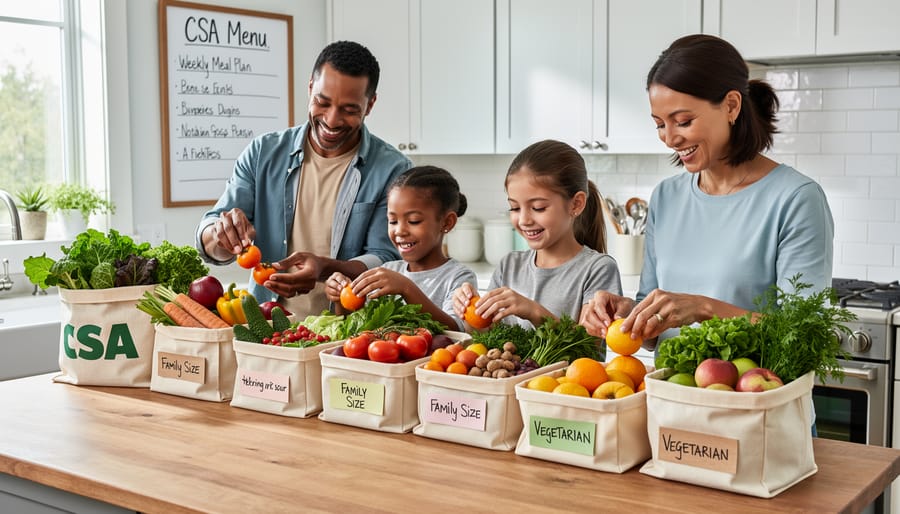
Family unpacking fresh vegetables from CSA delivery bag in home kitchen
Families can customize their CSA shares to match their household size and dietary preferences, ensuring nothing goes to waste.

Get Only What You’ll Actually Eat

Right-Sizing Your Share

Gone are the days of one-size-fits-all CSA boxes that leave you drowning in kale or wasting precious produce. Modern CSA programs recognize that every household is unique, offering share sizes and customization options that actually fit your life.

Most farms now provide multiple share tiers, from single-person portions to family-sized boxes. Planning a vacation? Many CSAs let you pause deliveries or donate your share to local food banks. Some even offer add-ons like eggs, honey, or flowers, so you can supplement your vegetables without overcommitting to a full share.

If you’re worried about unfamiliar vegetables going to waste, look for CSAs that allow swaps at pickup or provide recipe suggestions. When you choose the right share size and learn to store produce properly, you’ll maximize freshness and minimize waste. This flexibility means you can enjoy local, organic produce without the stress of forced consumption or guilt over spoiled food.

Saying No to What You Won’t Use

One of the most appealing aspects of modern CSAs is the freedom to customize your share. Unlike traditional boxes where you’re stuck with everything that arrives, many CSAs now let you skip vegetables you know your family won’t eat or swap them for items you’ll actually use. This flexibility is a game-changer for reducing food waste and stretching your grocery budget further.

Imagine receiving kohlrabi when you have no idea how to prepare it. Instead of letting it languish in your fridge, you can exchange it for extra carrots or greens your kids love. Some CSA programs even allow you to pause deliveries when you’re traveling, ensuring you’re not paying for produce that will go bad while you’re away. This practical approach means every dollar spent goes toward food your household will genuinely enjoy, making the CSA investment worthwhile and stress-free.

Work With Your Schedule, Not Against It
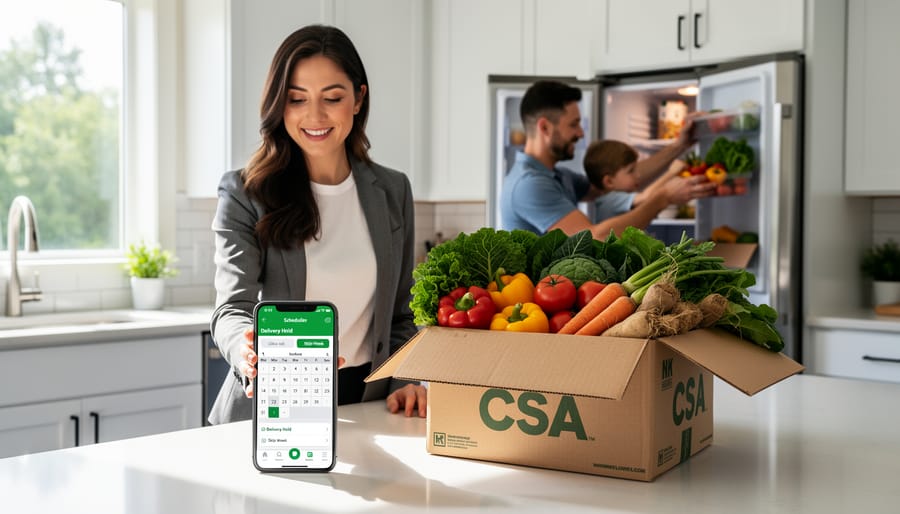
Person managing CSA delivery schedule on smartphone with fresh produce box at doorstep
Modern CSA programs offer flexible scheduling options including delivery holds and skip weeks to accommodate busy lifestyles.

Pause Without Penalty

Life happens, and modern CSAs understand that. Many programs now offer vacation holds that let you pause deliveries when you’re traveling or dealing with unexpected circumstances. Instead of letting shares pile up or go to waste, you can simply notify your farmer and resume when you’re ready. Some farms even allow you to donate your paused week’s share to local food banks, turning a potential loss into community support.

Flexible scheduling takes this further by letting members swap pickup days or choose delivery frequencies that match their household consumption. Whether you’re going through a busy work season or adjusting to a new routine, these options prevent the dreaded fridge overflow that leads to food waste. Sarah, a CSA member from Vermont, shares: “Being able to skip our summer vacation weeks meant we actually ate everything we received. No more guilt about wasted produce.” This flexibility transforms CSA membership from a rigid commitment into an adaptable partnership that respects your real life.

Delivery Options That Fit Your Life

Modern CSAs understand that one-size-fits-all doesn’t work for everyone’s schedule. That’s why many farms now offer multiple pickup and delivery options to match your lifestyle.

Farm pickup remains popular for those who enjoy the experience of visiting the farm, meeting farmers face-to-face, and connecting with where their food grows. It’s a wonderful weekend activity for families wanting to teach kids about agriculture firsthand.

For busy professionals, designated pickup locations at community centers, workplaces, or parking lots provide convenient alternatives. Drop by on your commute home and grab your weekly share without extra trips.

Home delivery has become increasingly available, especially for members with mobility challenges or packed schedules. Some farms partner with delivery services or create neighborhood routes, bringing fresh produce right to your doorstep.

Many successful farmers have shared that offering flexible delivery options actually strengthens their CSA membership retention. When members feel accommodated rather than burdened, they’re more likely to continue their subscription year after year, creating stable income for the farm while enjoying stress-free access to organic produce.

Explore New Foods at Your Own Pace

One of the most exciting aspects of CSA membership is the opportunity to expand your culinary horizons without the pressure of committing to large quantities of unfamiliar produce. Many modern CSAs recognize that not everyone is ready to dive headfirst into cooking with kohlrabi or celeriac, and that’s perfectly okay.

With customizable shares, you can gradually introduce new vegetables into your routine while maintaining a foundation of familiar favorites. Start with mostly staples like tomatoes, lettuce, and carrots, then swap in one adventurous item each week. This approach transforms your CSA box into a gentle culinary classroom rather than an overwhelming challenge.

Take Sarah, a farmer at Green Valley CSA, who noticed members were initially intimidated by unusual items. She began including simple recipe cards with each share, featuring quick preparation methods and flavor profiles. “We want our members to feel excited, not stressed,” she explains. “If someone isn’t ready for bok choy this week, they can choose extra zucchini instead and try something new next month.”

This flexibility dramatically reduces food waste, a common concern among potential CSA members. You’re not stuck with vegetables you don’t know how to prepare or ingredients your family won’t eat. Instead, you control the pace of exploration, building confidence with each successful dish. Many members find themselves naturally gravitating toward more variety as they discover that unfamiliar vegetables are often easier to prepare than expected, turning initial hesitation into genuine enthusiasm for seasonal eating.
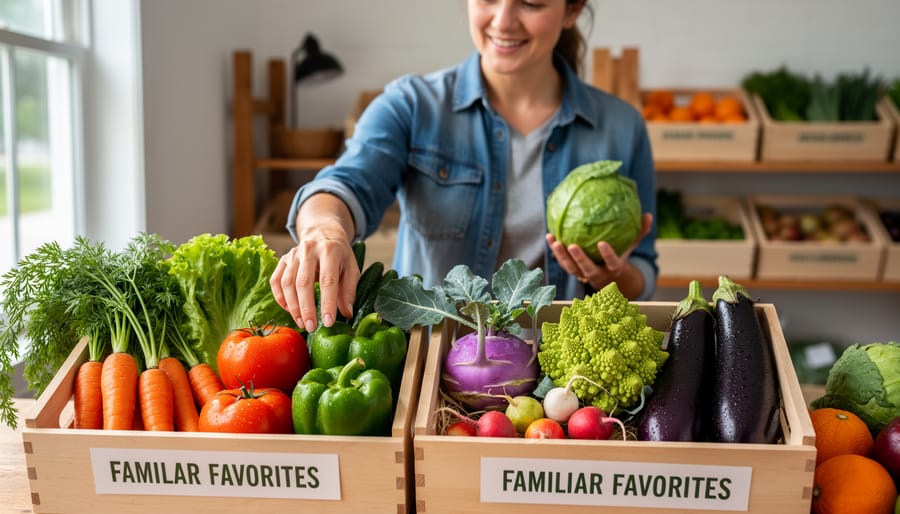
Farmer offering variety of colorful heirloom vegetables to CSA member at pickup location
CSA members can gradually explore unfamiliar vegetables at their own pace while maintaining access to familiar favorites.

Real Members Share Their Experience

Nothing beats hearing from people who’ve experienced the transformation firsthand. Here are real stories from farmers and members who’ve discovered how customizable CSA shares make all the difference.

Sarah Chen, a working mother of two in Portland, was hesitant to join a CSA after a previous experience left her overwhelmed. “I used to throw away half my share because I couldn’t keep up with all the unfamiliar greens,” she admits. “But when I found a CSA that let me customize my box and swap items through their online portal, everything changed. Now I choose what my family actually eats, and our food waste has dropped to almost zero. We’ve been members for three years now.”

Green Valley Farm in Vermont saw their retention rate jump from 60% to 89% after introducing flexible share options. Farm owner Michael Rodriguez explains: “We started offering small, medium, and large shares with optional add-ons like eggs and bread. Members can also pause deliveries when they’re on vacation. It seemed risky at first, but it actually made our planning easier and kept families coming back season after season.”

For recent college graduate Jamie Liu, a customizable half-share was the perfect entry point. “I live alone in a small apartment, so a full traditional share would have been too much. Being able to select a smaller portion and skip weeks when I’m traveling made joining feel manageable rather than overwhelming. I’ve learned to cook with seasonal produce, and it’s actually saved me money compared to buying organic at the grocery store.”

These experiences highlight a common theme: when CSAs adapt to individual lifestyles, everyone wins. Members enjoy fresh produce without the guilt of waste, while farmers build loyal, long-term relationships with their community.

Finding a CSA That Offers Flexibility

Not all CSAs are created equal when it comes to flexibility, so finding the right fit requires asking the right questions upfront. Start by contacting farms directly and inquiring about their specific policies. Can you skip weeks or pause your share during vacations? Do they offer multiple pickup locations or delivery options? What happens if you can’t make your scheduled pickup time?

Review the CSA agreement carefully before committing. Look for clear policies on share swaps, substitutions, and refunds. Some farms allow you to customize your box weekly through an online portal, while others provide a standard selection. Understanding these details helps you avoid surprises down the road.

Consider the farm’s communication style too. Flexible CSAs typically maintain active email lists or apps that keep members informed about what’s coming in their shares. This transparency lets you plan meals effectively and reduces food waste.

Ask about trial periods or smaller commitment options. Progressive farms might offer month-to-month memberships or half-season shares, letting you test the waters before committing to a full year. This approach works especially well for first-time CSA members still learning their preferences.

Talk to current members if possible. They’ll share honest feedback about how flexible the program truly is in practice versus what’s advertised. Many farms also showcase member testimonials on their websites, offering valuable insights into real experiences.

For more details on evaluating different programs, check out our comprehensive guide to CSA. Remember, the best CSA matches your lifestyle while supporting local farmers sustainably.

The beauty of today’s CSA landscape is that customizable shares have transformed what was once a one-size-fits-all model into a flexible, personalized experience. Gone are the days when joining a CSA meant committing to large boxes of unfamiliar vegetables or rigid pickup schedules that didn’t match your lifestyle. Modern CSA programs understand that every household is different, and they’ve adapted to meet you where you are.

Whether you’re a single professional, a family of five, or someone just beginning their journey with organic produce, there’s a CSA share designed to fit your needs and budget. By offering options to adjust delivery frequency, customize box contents, swap out items, and choose convenient pickup times, these programs have removed the traditional barriers that kept many people from experiencing farm-fresh, locally grown food.

Ready to discover a CSA that works for your lifestyle? Take a moment to explore the flexible CSA options in your area and find a farmer who’s ready to welcome you into their community. Your perfect share is out there waiting.
How Co-Designing Your Farmers Market Brings the Community Together

Posted by darrell on
0
Market Events and Community Engagement
How Co-Designing Your Farmers Market Brings the Community Together

Design communications transforms how farmers markets and local food events come to life—bridging the gap between vendor needs, community desires, and organizer capabilities through intentional dialogue and shared decision-making.

Gather your core stakeholders around visual planning tools like sketch maps and seasonal calendars to spark conversations about market layout, product variety, and event timing. This hands-on approach helps farmers who grow heirloom tomatoes communicate their peak harvest windows to organizers, while community members identify gaps in available produce. Include CSA farmers, local artisans, and regular shoppers in early planning sessions to ensure everyone’s voice shapes the final event structure.

Create simple feedback loops using comment boards at existing markets, digital surveys, or harvest-time listening sessions where growers share what worked last season. One Massachusetts farmers market increased vendor participation by 40 percent after implementing monthly co-design meetings where farmers sketched ideal booth arrangements and discussed traffic flow challenges together.

Document decisions through accessible formats—photo documentation of setup preferences, one-page vendor guides with community input highlights, and shared online folders tracking seasonal adjustments. These communication artifacts become living resources that new vendors and community members can reference, ensuring your collaborative vision stays intact as your market grows. When everyone understands not just what happens but why specific choices were made, your local food system strengthens through genuine partnership rather than top-down planning.

What Community Co-Design Really Means for Your Local Market

Community co-design flips the script on how farmers markets and local food events come together. Instead of a single organizer or committee making all the decisions behind closed doors, everyone who participates in the market gets a seat at the table. This means farmers share what crops they’re planning to grow, vendors voice their space needs, shoppers express what they’d love to see, and nearby residents weigh in on timing and location.

Traditional top-down planning often misses the mark because decisions happen in isolation. A market coordinator might schedule an event that conflicts with harvest season, or choose a location that’s tough for elderly shoppers to reach. Community co-design prevents these disconnects by bringing diverse voices into conversation from the very start.

Here’s what this looks like in practice: A community meeting where Maria, an organic vegetable farmer, mentions she’ll have an abundance of tomatoes in August. Local chef Devon suggests a sauce-making workshop. Parent volunteers offer to organize kids’ activities around the tomato theme. The result? An event that draws on real resources, meets actual community interests, and creates genuine connections.

The beauty of this approach lies in shared ownership. When people help design an event, they become invested in its success. They spread the word, show up with enthusiasm, and contribute their unique skills. A retired teacher might volunteer to lead garden education sessions. A local musician offers to perform. These organic collaborations emerge naturally when everyone has input.

This collaborative spirit doesn’t just create better events. It builds stronger community bonds, supports local farmers more effectively, and ensures your market truly serves the people it’s meant to nourish. Everyone wins when diverse perspectives shape the gathering spaces that feed our neighborhoods.

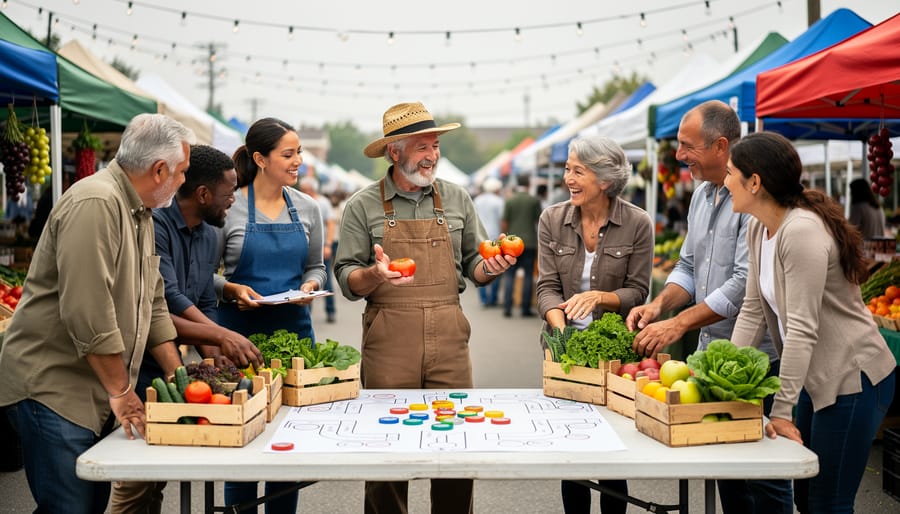
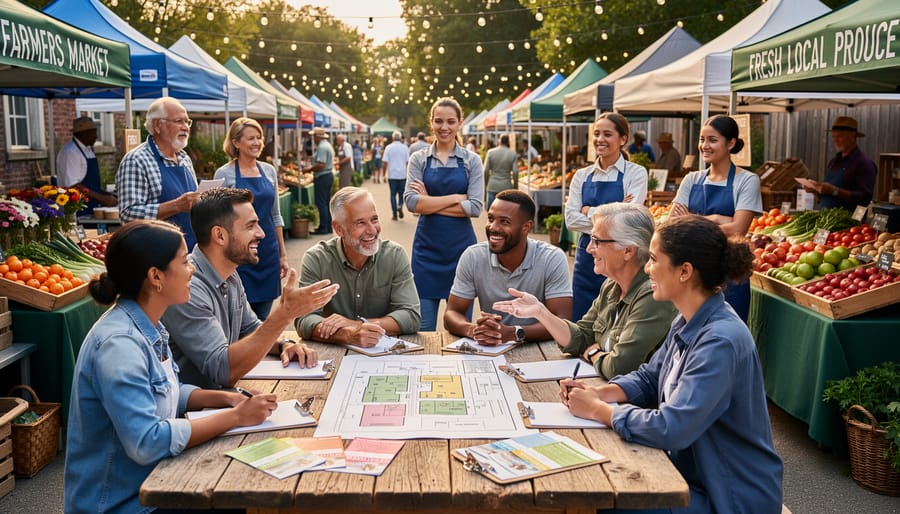
Diverse group of community members discussing farmers market planning at outdoor table
Community members, farmers, and vendors collaborate to shape their local farmers market through inclusive planning conversations.

The Heart of Co-Design: Design Communications

Creating Spaces for Everyone’s Voice

True co-design means everyone gets a seat at the table, not just those who can attend evening meetings or navigate complex online platforms. When Sarah’s Farm Market in Ontario wanted to redesign their monthly events, they discovered their most valuable feedback came from unexpected places.

Start with community meetings held at various times and locations. Morning coffee sessions at the market attract different voices than evening gatherings at the community center. Consider hosting quick 15-minute check-ins during market hours when farmers and customers are already present. These informal conversations often surface insights that formal meetings miss.

Feedback stations work beautifully at busy market days. Set up a simple table with comment cards, suggestion boxes, and visual boards where people can stick notes about what they’d like to see. One market used a “dream board” where children and adults sketched their ideal market layout, generating creative ideas nobody had considered.

Digital platforms expand participation beyond geography and schedules. Simple online surveys reach customers who shop early and leave, while social media polls engage younger community members. However, always pair digital tools with in-person options to avoid excluding those without internet access.

These community engagement strategies helped Sarah’s market increase participation from 12 regular voices to over 100 contributors. Local food banks, school groups, and senior organizations all shared perspectives that shaped more inclusive, vibrant events. Remember, the goal isn’t perfection but creating multiple pathways for genuine participation.

Visual Tools That Bridge Different Perspectives

Pictures really do speak louder than words when you’re bringing together farmers, customers, community members, and local officials to plan market events. Visual tools create a shared language that everyone can understand, regardless of their background or expertise.

Simple hand-drawn sketches of market layouts help everyone envision where vendor booths, food trucks, and customer gathering spaces might work best. A farm stand owner who’s never attended a planning meeting can quickly point to a shaded area and say, “That’s where I’d love to set up my lettuce display.” These informal drawings invite participation in ways that formal blueprints never could.

Vendor maps showing who sells what and where they’re located help identify gaps in product offerings and prevent duplication. Maybe you’ll notice there’s no one selling herbs or honey, sparking a conversation about recruiting new farmers to fill those niches.

Event calendars displayed visually make seasonal planning intuitive. Color-coding harvest seasons, community festivals, and school schedules helps everyone spot potential conflicts or opportunities for collaboration at a glance.

Photo documentation from past markets serves double duty. New vendors see exactly how others have created attractive displays, while organizers can point to specific examples when discussing what worked well or needs improvement. These images become success stories that inspire and educate, making abstract ideas tangible and achievable for everyone involved in strengthening your local food community.

Overhead view of multiple hands collaborating over market planning sketches and notes
Visual planning tools like sketches, maps, and collaborative notes help diverse stakeholders contribute to market design decisions.

Building Trust Through Transparent Conversations

Trust flourishes when everyone involved in planning market events feels heard and valued. Start by creating regular opportunities for vendors, customers, and community members to share their perspectives openly. Monthly planning meetings or informal coffee chats can work wonders for understanding what farmers need to thrive, what shoppers want to find, and how the market can better serve the neighborhood.

When facilitating these conversations, ask open-ended questions like “What would make this market more accessible for your family?” or “What challenges do you face getting your produce to customers?” Listen actively without judgment, and make sure quieter voices get opportunities to speak. One successful approach is breaking larger groups into smaller circles where different stakeholders mix together, preventing any single group from dominating the discussion.

Document these conversations and share updates on how feedback shapes decisions. When a vendor suggests adding prepared food options and the community agrees, explain the steps being taken to make it happen. This transparency shows everyone that their input matters, building genuine buy-in and creating a collaborative atmosphere where the market truly reflects collective vision rather than top-down planning.

Real Stories: Markets Transformed by Community Input

When farmers and market organizers truly listen to their communities, amazing transformations happen. Here are real examples of how design communications created meaningful change at local markets.

The Riverside Farmers Market in Oregon faced declining attendance until organizer Maria Chen implemented a simple feedback system. Through comment cards and informal conversations at vendor booths, she discovered families wanted more engagement for their children. The community asked for hands-on activities that would teach kids about food sources. Within two months, Maria introduced “Little Farmers Corner,” featuring weekly planting workshops and farm animal visits. Attendance jumped 40% as families started treating Saturday market trips as educational outings rather than quick shopping stops. Vendor sales increased proportionally, and the market became a genuine community gathering place.

Over in Vermont, CSA farmer Tom Bradley struggled with low turnout at his farm stand despite quality produce. He started hanging a large poster board asking customers what would make their market experience better. The responses surprised him. People wanted to understand organic growing methods but felt intimidated asking questions during busy checkout times. Tom responded by scheduling monthly “Walk and Talk” sessions where customers could tour his fields and learn about crop rotation, composting, and pest management organically. These educational demos transformed casual shoppers into committed members who appreciated the work behind their food. His CSA membership grew by 65% that season.

The Greenwood Community Market in Michigan discovered through surveys that working parents couldn’t attend their Saturday morning hours. Market manager James Wu adjusted operating times to include Wednesday evenings during summer months. He also incorporated themed market events based on community suggestions, like “Harvest Festival Night” with live music and cooking demonstrations using seasonal produce. Evening markets became their most successful sessions, proving that listening and adapting to community needs creates sustainable growth.

These stories share a common thread: small changes based on genuine community input created significant positive impacts for everyone involved.

Practical Steps to Start Co-Designing Your Market Events

Starting Small: Your First Community Feedback Session

Starting your first community feedback session doesn’t require fancy equipment or elaborate planning. Begin with simple conversations at your market stand. As customers browse your produce, ask open-ended questions like “What would make your market experience better?” or “What events would bring you here more often?” These casual chats often reveal genuine insights you might miss in formal surveys.

Consider placing a suggestion box at your booth with colorful cards and pencils. Make it inviting with a sign that says “Help Us Grow Together!” You’ll be surprised how many people share creative ideas when given an easy, no-pressure option.

Quick polls work wonderfully too. Create a simple poster board asking one question with three possible answers, and let people vote with stickers or tally marks. For example: “What time works best for our harvest festival? Morning, Afternoon, or Evening?”

Local farmer Maria started with just a clipboard and smile, asking five questions during Saturday markets. Within a month, she’d gathered ideas that led to a wildly successful “Kids Garden Workshop” series. Remember, the goal isn’t perfection but connection. Your community wants to be heard, and even these small gestures show you’re listening and value their partnership in creating meaningful market experiences.

Tools and Templates for Better Communication

Getting started with design communications doesn’t require fancy software or expensive consultants. Simple, accessible tools can transform how your community plans farmers markets and local food events together.

For gathering input, free survey platforms like Google Forms or SurveyMonkey help you collect ideas from vendors, customers, and community members about event timing, activities, or vendor preferences. Keep surveys short with 5-7 questions maximum to boost participation.

Physical community bulletin boards at your market or local library create low-tech touchpoints where people without internet access can share feedback on comment cards. Consider a “suggestion box” approach where farmers and shoppers drop ideas throughout the season.

Social media offers powerful engagement opportunities. Create a Facebook group or Instagram account dedicated to your market planning process. Post photos from planning meetings, share vendor stories, and ask simple questions like “What workshop topics interest you?” Response rates improve when you post consistently and reply to comments within 24 hours.

For in-person meetings, use basic facilitation techniques: distribute a simple agenda beforehand, assign a note-taker, and employ the “round-robin” method where everyone shares one idea without interruption. Sticky notes and large poster paper help capture everyone’s thoughts visually. Maria, who organizes a thriving CSA market in Vermont, swears by rotating meeting locations between member farms, making participation feel more inclusive and building stronger connections among growers.

Turning Feedback Into Action

Collecting feedback is just the beginning—the real magic happens when you turn those conversations into meaningful improvements. Start by organizing community input into themes: What ideas came up repeatedly? Which suggestions align with your market’s values and capacity? Create a simple spreadsheet to track feedback and note which changes are feasible now versus later.

Prioritize quick wins that make immediate impact, like adjusting vendor placement or adding shade structures. For bigger changes requiring time or resources, set realistic timelines and communicate them clearly. Send updates through newsletters, social media posts, or community boards showing exactly how feedback shaped decisions. When farmers at one Ontario market requested better signage, organizers didn’t just add signs—they invited vendors to help design them, strengthening ownership and engagement.

Close the loop by celebrating implemented changes with the people who suggested them. Thank contributors publicly, share before-and-after photos, and invite ongoing dialogue. This transparency builds trust and encourages continued participation in building stronger community markets. Remember, even when you can’t implement every idea, explaining your reasoning shows respect for community voices and maintains positive momentum for future collaboration.

The Ripple Effects: Why Co-Design Matters Beyond the Market

When communities come together to co-design their farmers markets, the benefits extend far beyond improved vendor layouts and efficient traffic flow. These collaborative planning processes create lasting positive impacts that strengthen the entire local food ecosystem.

One of the most significant outcomes is the deepening of relationships between farmers and consumers. When market-goers participate in planning discussions, they gain insight into the challenges farmers face and develop genuine appreciation for the work behind their food. Sarah Chen, who grows heirloom tomatoes in British Columbia, noticed this shift after involving customers in redesigning her market stall. “People who helped plan our space now stop by every week to see how specific crops are doing,” she shares. “They’ve become invested in our farm’s success, not just our products.”

This authentic community engagement also drives measurable increases in market attendance. When people feel ownership over their local market’s design and operations, they become ambassadors who invite friends and neighbors. Markets that embrace collaborative planning typically see 20-30% growth in both vendor participation and customer visits within the first year.

The ripple effects strengthen support for sustainable agriculture practices too. Co-design conversations naturally include discussions about organic growing methods, soil health, and environmental stewardship. These educational moments inspire shoppers to prioritize sustainably grown food and encourage more farmers to adopt eco-friendly practices.

Perhaps most importantly, collaborative market design builds community resilience. Markets become gathering places where neighbors connect, share knowledge about gardening and cooking, and support each other through challenges. This social infrastructure proves invaluable during difficult times, creating networks of mutual aid that extend well beyond Saturday morning shopping trips.

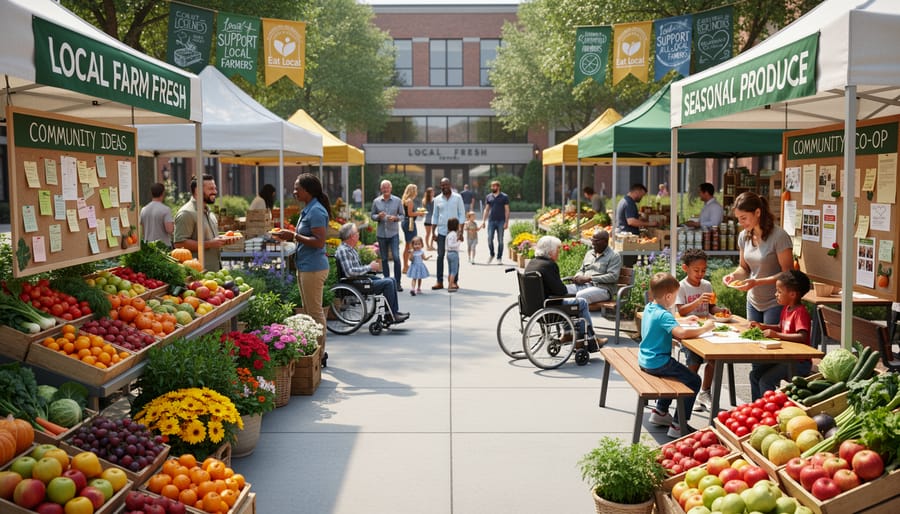
Busy farmers market with families, vendors, and community members engaging at colorful produce stalls
Co-designed farmers markets create vibrant community gathering spaces that serve diverse needs and strengthen local food connections.

Your local farmers market is more than a place to buy vegetables—it’s a living collaboration waiting for your voice. Whether you’re the farmer who knows which varieties thrive in local soil, the shopper who understands what families need on busy weeknights, or the organizer juggling logistics, your perspective matters deeply. Design communications isn’t just a planning tool; it’s an ongoing practice of listening, sharing, and building together.

The most vibrant markets emerge when everyone contributes their unique insights. That vendor who suggests adjusting booth layouts? She’s practicing design communications. The customer who shares feedback about parking? He’s co-designing too. These conversations shape markets that truly serve their communities.

We encourage you to join the planning conversations happening in your area. Attend organizer meetings, share your experiences, and listen to others’ stories. Your observations about what works—and what doesn’t—help create markets that flourish. Remember, sustainable community building happens through small, consistent contributions. Start a conversation with your market organizer this week, offer one idea for improvement, or simply ask how you can participate. Together, we’re cultivating not just better produce, but stronger, more connected communities rooted in collaboration and care.