Daily Archives

2 Articles

Why Your CSA Farm’s Digital Systems Are More Vulnerable Than You Think

Posted by darrell on
0
Technology and Innovation
Why Your CSA Farm’s Digital Systems Are More Vulnerable Than You Think

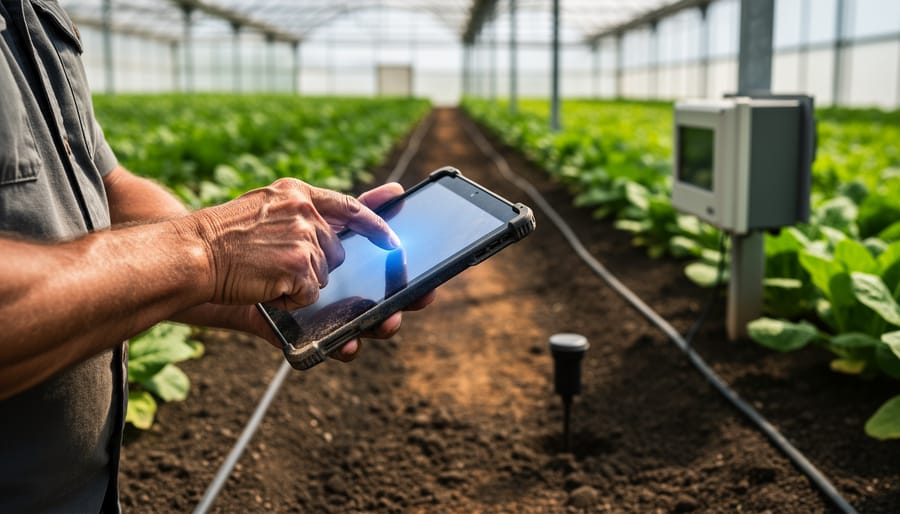
Your CSA farm’s online ordering system, customer database, and automated irrigation controls need protection just like your crops need fencing against deer. Modern farming operations increasingly depend on digital tools—from payment processors and email marketing platforms to soil sensors and climate monitoring apps—making cybersecurity as essential as crop rotation or pest management.

The eight cybersecurity domains provide a comprehensive framework for protecting digital assets on small-scale farms. Originally developed for large corporations, these domains translate surprisingly well to agricultural settings where a single data breach could expose customer payment information, delete years of planting records, or compromise automated growing systems. Think of them as different aspects of farm security: just as you protect your physical infrastructure through fences, locks, and insurance, you protect digital infrastructure through layered defenses.

Small farms face unique cybersecurity challenges. Unlike corporations with dedicated IT departments, most CSA operators manage technology alongside countless other responsibilities. You’re vulnerable to the same threats as larger operations—ransomware, phishing emails, stolen customer data—but with fewer resources to respond. A hacker doesn’t care whether you’re managing 5 acres or 500; they see an opportunity.

Understanding these eight domains empowers you to make informed decisions about farm technology without becoming a cybersecurity expert. Each domain addresses a specific aspect of digital protection, from controlling who accesses your systems to planning recovery after equipment failure. Together, they create a practical roadmap for securing your farm’s digital future while you focus on what matters most: growing healthy food for your community.

What Are the 8 Cybersecurity Domains?

If you’re running a Community Supported Agriculture operation, you might wonder what cybersecurity has to do with growing fresh, organic vegetables. The truth is, modern farms rely on digital tools more than ever before. From online payment systems and customer databases to automated irrigation controls and social media marketing, your farm’s digital infrastructure needs protection just like your crops need proper care.

The 8 cybersecurity domains originated from information security professionals who needed a comprehensive framework to protect sensitive data and systems. Think of these domains as eight different garden beds in your farm’s security garden—each one requires attention and specific care to keep your entire operation healthy and thriving.

These domains cover everything from securing your physical equipment to protecting customer information and responding to potential threats. For CSA operators, understanding these areas means safeguarding member payment details, protecting harvest planning data, and ensuring your farm management software stays reliable during critical growing seasons.

The framework might sound technical, but it’s surprisingly practical for farmers. Just as you rotate crops and maintain soil health using proven agricultural principles, these eight domains provide time-tested methods for keeping your digital operations secure. Whether you’re managing a small family farm or a larger cooperative, these guidelines help you protect the trust your community places in you while keeping your systems running smoothly season after season.

Farmer using smartphone and laptop for farm management with fresh vegetables on table
Modern CSA farms rely on digital systems to manage customer data, payments, and communications, making cybersecurity essential to farm operations.

Security and Risk Management: Protecting Your Farm’s Foundation

Think of your farm’s digital foundation like the soil you tend—it needs protection to thrive. Security and risk management starts with knowing exactly what you’re protecting. Your CSA operation likely manages customer databases with names, addresses, and payment information, online payment processing systems, your website with product listings and blog content, and perhaps email marketing platforms. Each of these represents a digital asset that needs safeguarding.

Start by creating a simple inventory. List every system where customer information lives, from your farm management software to that spreadsheet you use for delivery routes. Next, assess your risks. What would happen if your customer database disappeared overnight? Could you fulfill orders without access to your digital records? Small farms face unique vulnerabilities—limited IT budgets, shared devices among staff, and often, one person managing everything.

Creating basic security policies doesn’t require a law degree. Begin with fundamentals: require strong passwords that mix letters, numbers, and symbols. Establish who can access what information—your harvest crew doesn’t need payment system access. Schedule regular backups of critical data, storing copies both online and on an external drive kept safely off-site.

Green Valley Farm in Vermont learned these lessons the hard way. In 2022, a ransomware attack locked their customer database right before spring share sign-ups. Thanks to weekly backups they’d started just months earlier, they restored operations within 48 hours. Owner Maria Chen now conducts quarterly security reviews and trains each team member on data protection. “We thought cybersecurity was for big corporations,” she shares. “Protecting our members’ trust became as important as protecting our crops from pests.”

Asset Security: Safeguarding Your Member Information

When you’re running a CSA operation, you’re collecting valuable information from your members—names, addresses, email contacts, and payment details. Think of this data like the seeds in your greenhouse: it needs proper protection and careful handling to maintain trust with your community.

Asset security starts with understanding what information you have and how sensitive it is. Member payment information requires the highest level of protection, while your weekly newsletter list might need less intensive security. Create a simple classification system—perhaps using labels like “public,” “member-only,” and “highly sensitive”—to organize your digital assets appropriately.

For payment processing, never store credit card numbers on your personal computer or spreadsheets. Instead, use reputable payment processors that handle this responsibility for you. These services are designed specifically to meet legal requirements and protect financial data, giving you peace of mind while you focus on growing food.

Store member contact lists in password-protected files, and limit access to only those team members who truly need it. Consider using encrypted cloud storage services rather than keeping everything on a single laptop that could be lost or stolen. Regular backups are essential—treat your digital records with the same care you’d give to your heirloom seed collection.

Remember that in most regions, you have legal obligations around personal data protection. These laws exist to protect your members’ privacy, and compliance builds the trust that makes your CSA community thrive. When members know their information is safe, they’re more likely to recommend your farm to friends and remain loyal subscribers season after season.

Security Architecture: Building Strong Digital Defenses

Think of your farm’s digital security like the physical barriers you use to protect your crops and livestock. Just as you wouldn’t leave your greenhouse unlocked or your chicken coop gate open, your digital infrastructure needs similar protection layers.

Security architecture is about building strong defenses around your farm’s technology systems. Start with your network setup—the digital equivalent of a perimeter fence. When you install wifi at your farm stand or farmers market booth, use strong, unique passwords and separate networks for business and guest access. Consider your public wifi like a viewing area where visitors can connect safely without accessing your private operations.

Your point-of-sale systems require special attention. These devices handle sensitive customer payment information, making them attractive targets. Always use encrypted connections (look for the padlock symbol in your browser), update software regularly, and never process payments over public wifi networks. Many small farms have experienced payment fraud simply because their systems weren’t properly secured.

For farms using IoT farm systems like automated irrigation or temperature monitors, create separate network segments. This prevents a compromised smart sensor from giving hackers access to your customer database—similar to how you’d separate different livestock areas to prevent disease spread.

Basic infrastructure protection includes using firewalls (digital gatekeepers that filter incoming traffic), regularly backing up your data to external drives, and positioning routers in secure locations. One successful organic farm owner compares her layered security approach to companion planting—each element supports and protects the others, creating a resilient ecosystem that’s harder for threats to penetrate.

Communication and Network Security: Keeping Your Connections Safe

Your farm’s digital communications are just as important as the locks on your barn. Whether you’re emailing CSA members about weekly harvest updates or coordinating with suppliers during the busy season, protecting these connections keeps your farm business running smoothly.

Start with secure email practices. Use strong, unique passwords for your farm email accounts and enable two-factor authentication whenever possible. When sending member information like payment details or addresses, consider using encrypted email services. During harvest season when you’re rushing between the field and your inbox, it’s tempting to check emails on public Wi-Fi at the farmers market—resist this urge or use a VPN to protect sensitive communications.

Social media has become essential for farm marketing, but it requires careful handling. When posting about your farm, avoid sharing details that reveal security vulnerabilities like vacation dates or exact locations of expensive equipment. Implement a secure social media marketing strategy by using separate business accounts, enabling privacy settings, and reviewing what information is publicly visible.

For sharing files with members—like recipe collections or farm newsletters—use reputable cloud services with built-in security features rather than emailing large attachments. Services like Google Drive or Dropbox offer password-protected sharing options.

One successful organic farmer shared how establishing a communication protocol during harvest season prevented a phishing attempt: “We created a rule that any payment changes must be verified by phone call. When a suspicious email arrived requesting new banking details, our team immediately caught it.”

Remember, protecting your digital communications protects your community’s trust and your farm’s reputation.

Identity and Access Management: Controlling Who Sees What

Think of Identity and Access Management as the key ring for your farm’s digital spaces. Just like you wouldn’t give everyone keys to your equipment shed, you need to control who accesses your farm’s online accounts and what they can do there.

Start with password basics. Create unique, strong passwords for each farm account using a password manager like LastPass or 1Password. These tools securely store your login information, so you’re not tempted to reuse the same password across multiple platforms. A good password combines letters, numbers, and symbols—think “RedTomato#2024Farm!” rather than “password123.”

Multi-factor authentication is your second line of defense. When you enable this feature on accounts like your CSA management platform, online store, or email, anyone trying to log in needs both your password and a second verification method, typically a code sent to your phone. Sarah Chen, who runs a 10-acre organic operation in Vermont, shared that adding multi-factor authentication stopped three unauthorized login attempts last season alone.

For team management, assign access based on actual job needs. Your volunteer helping with harvest doesn’t need administrative access to your accounting software. Create different permission levels—maybe your farm manager gets full access while seasonal helpers only see the harvest schedule.

Protect administrative accounts especially carefully. These master accounts control everything, so limit who has this access, never share these credentials, and review permissions quarterly as staff roles change. When someone leaves your operation, immediately remove their access to all farm systems.
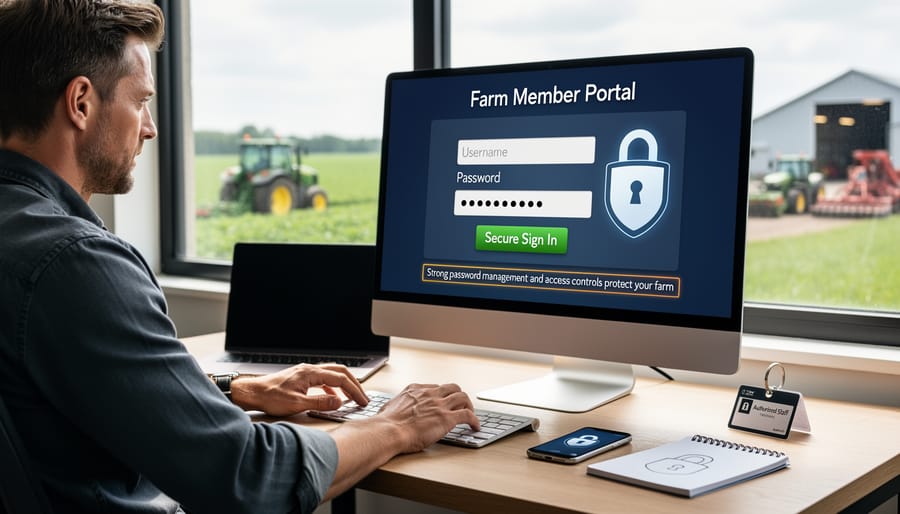
Person typing secure password on laptop keyboard in farm office setting
Strong password management and access controls form the foundation of protecting farm member information and business systems.

Security Assessment and Testing: Regular Check-Ups for Your Systems

Think of security testing like checking your greenhouse for pests – regular inspections prevent small problems from becoming catastrophic. For your CSA’s digital systems, you don’t need expensive consultants to conduct basic security check-ups.

Start with simple monthly audits you can perform yourself. Review who has access to your systems, check for software updates you might have missed, and verify that backups are running properly. Many farmers find Sunday evenings perfect for this quick 30-minute routine, much like planning the week’s harvest schedule.

Several free tools make security testing accessible. Password managers like Bitwarden help identify weak passwords across your systems. Google’s free Security Checkup reviews your account vulnerabilities. For your website, tools like Sucuri SiteCheck scan for malware and security issues without cost.

Create a seasonal security checklist aligned with your farm rhythm. Before spring planting season, update all passwords and review customer data access. Mid-summer, test your backup restoration process. Fall harvest time calls for reviewing payment processing security before your busiest sales period. Winter months are ideal for comprehensive system reviews and planning security improvements.

One Vermont CSA operator shares how quarterly security check-ups revealed an outdated plugin vulnerable to attacks, preventing potential customer data exposure. These regular inspections became as routine as maintaining their tractors, protecting both their digital presence and member trust.

Security Operations: Day-to-Day Protection Practices

Your farm’s digital security isn’t just about setting up protections and walking away—it requires daily attention, much like tending your crops. Establishing simple, consistent routines makes all the difference in catching threats before they become disasters.

Start each day with a quick 10-minute security check. Review overnight alerts from your farm management software, check for unusual login attempts, and scan email for suspicious messages before clicking anything. This morning ritual becomes second nature, like checking weather forecasts before heading to the fields.

Monitor your systems throughout the day for red flags: unexpected slowdowns, programs behaving strangely, or unfamiliar pop-ups. Trust your instincts—if something feels off, investigate immediately rather than waiting for a full-blown crisis.

Backup strategies are your insurance policy. Follow the 3-2-1 rule: maintain three copies of critical data (customer lists, financial records, crop planning documents), on two different types of storage, with one copy stored offsite. Automate daily backups during off-peak hours, and test restoration monthly to ensure backups actually work when needed.

Farmer Success Story: Maria Rodriguez of Sunrise Valley Farm implemented a simple daily checklist after a close call with ransomware. Her routine includes checking system logs, verifying backups completed successfully, and reviewing access permissions weekly. When a phishing attempt targeted her CSA coordinator, Maria’s monitoring caught the suspicious activity within hours, preventing data loss. “Five minutes daily protects years of customer relationships,” she says. Her proactive approach saved countless hours and maintained customer trust during a vulnerable moment.

Backup hard drives and storage devices on farm office desk with laptop and paperwork
Regular backups of critical farm data ensure business continuity and protect against ransomware attacks or system failures.

Software Development Security: Choosing and Using Farm Software Safely

Choosing the right farm software is like selecting seeds for your garden—quality matters from the start. When evaluating CSA management software, prioritize vendors who take security seriously.

Ask potential software providers key questions: Do they encrypt your data? How often do they release security updates? Where are your farm records stored, and who has access? Can you export your data if you switch systems? Reputable vendors will answer these confidently and provide documentation about their security practices.

Before adopting any third-party app or tool, research the company’s reputation. Read reviews from other farmers, check how long they’ve been in business, and verify they comply with privacy regulations. Avoid downloading apps from unofficial sources.

Keep all software updated regularly. Those update notifications aren’t just annoying—they often patch security vulnerabilities that hackers exploit. Enable automatic updates when possible.

Success story: Green Valley Farm switched to a vendor-supported platform after their homemade spreadsheet system became unwieldy. The farm manager now spends less time troubleshooting and more time connecting with members, knowing their customer data is professionally protected.

Remember, free software isn’t always the best deal if it compromises your farm’s security. Investing in reliable, secure tools protects both your business and your members’ trust.

Building Your Farm’s Cybersecurity Action Plan

Ready to strengthen your farm’s digital defenses? Start small and build momentum. First, assess where you are today by making a simple checklist of your current digital assets—from your customer database to your website login credentials. This inventory helps you prioritize what needs protection most urgently.

For small CSA operations, begin with quick wins that deliver immediate protection. Change default passwords on all devices, enable two-factor authentication on email accounts, and set up automatic backups for your customer database. These foundational steps cost nothing but time and dramatically reduce your vulnerability to common attacks.

Medium-sized farms might invest in password management software like Bitwarden (free version available) and create a basic incident response plan—essentially a one-page document outlining who to call if something goes wrong. The Cybersecurity and Infrastructure Security Agency offers free resources specifically designed for small businesses, including downloadable guides and security assessments.

Think of cybersecurity as similar to sustainable farming practices—both require ongoing attention, seasonal reviews, and continuous learning. Just as you wouldn’t skip soil testing or crop rotation, don’t skip monthly password updates or quarterly security reviews.

Connect with other CSA farmers through agricultural networks to share experiences and solutions. Many have faced similar challenges and discovered affordable tools that work for farm-scale operations. Consider scheduling a “digital health day” each season to review your security practices, update software, and train any team members on new protocols.

Remember, protecting your farm’s digital infrastructure protects your customers’ trust and your community’s food security. Start today, even if it’s just one small step forward.

Protecting your farm’s digital infrastructure isn’t just about technology—it’s about safeguarding the relationships and trust you’ve built with your community. As more CSA operations embrace digital local food systems, cybersecurity becomes an essential part of farm resilience, right alongside soil health and crop rotation.

The good news? You don’t need to tackle all eight domains at once. Start with the basics: create strong passwords, back up your member data regularly, and have honest conversations with your team about online safety. These small steps create a foundation that protects not just your business information, but also the personal details your members trust you with every season.

Consider the story of Green Valley Farm, which started by simply implementing two-factor authentication and regular software updates. Within six months, they’d prevented a phishing attack that could have compromised hundreds of member email addresses. Their commitment to digital security strengthened member confidence and became part of their farm’s reputation for reliability.

Remember, sustainable agriculture extends beyond organic practices and regenerative farming—it includes building systems that can withstand modern challenges. By taking practical steps to secure your digital operations, you’re investing in your farm’s future, protecting your community’s privacy, and contributing to a more resilient local food movement. Start small, stay consistent, and watch your digital security grow alongside your crops.

Why Some Seeds Die When You Store Them (And How to Save Them Anyway)

Posted by darrell on
0
Seed Preservation and Biodiversity
Why Some Seeds Die When You Store Them (And How to Save Them Anyway)

Not all seeds play by the rules. While most vegetable and grain seeds can sit patiently in jars or packets for years, recalcitrant seeds refuse to cooperate with conventional storage methods. These stubborn survivors—including avocado, mango, oak, and tropical crops like cacao—die within weeks or months if dried and frozen using standard preservation techniques.

This quirk poses a serious challenge for biodiversity. As climate change accelerates and wild habitats shrink, we’re losing irreplaceable genetic diversity from species that simply can’t be tucked away in seed banks. For farmers and gardeners committed to preserving heritage varieties and regional food traditions, understanding recalcitrant seeds isn’t just academic—it’s essential for keeping rare cultivars alive.

The solution requires rethinking preservation entirely. Instead of drying these seeds down to minimal moisture content, they must remain plump and metabolically active. This means maintaining specific humidity levels, preventing fungal growth, and sometimes even keeping seeds embedded in their fruit tissue. Some farmers have discovered that mimicking natural conditions—like storing acorns in slightly moist sand in a cool basement—extends viability far beyond expectations.

What makes this work worthwhile? Consider the breadfruit trees in Hawaii or the rambutans in Florida backyard orchards, each representing generations of careful selection. These living libraries of agricultural knowledge depend on understanding what makes recalcitrant seeds tick and adapting our preservation strategies accordingly.

What Makes a Seed Recalcitrant?

Seeds You Can’t Just Jar and Forget

If you’re growing your own food or managing a CSA operation, you’ll want to know which seeds need special attention. Recalcitrant seeds are more common than you might think, especially if you’re working with diverse crops.

Among familiar garden favorites, beans can surprise you. Lima beans and runner beans don’t store well long-term, unlike their cousin the dried navy bean. Chestnuts, walnuts, and hickory nuts are also recalcitrant, which is why you won’t find them in typical seed catalogs. If you’re passionate about saving native trees, oaks and maples fall into this category too, requiring immediate planting or specialized storage.

For those growing tropical or subtropical crops, avocados, mangoes, lychees, and cacao seeds lose viability quickly once removed from their fruit. Citrus seeds also prefer moist storage conditions. Many native wetland plants like willow and cottonwood produce recalcitrant seeds that naturally germinate within days of falling.

Even some perennial vegetables join this list. Horseradish and ginger roots, while not technically seeds, require similar fresh-storage approaches. Understanding which crops you’re working with helps you plan preservation strategies before harvest time arrives, ensuring you’re ready to act quickly when those precious seeds are ready.

Why These Seeds Are So Picky

Unlike most seeds that hunker down for winter, recalcitrant seeds never learned to take a nap. These seeds contain exceptionally high moisture content, often 30-50% or more, which keeps their internal systems running continuously. Think of them like marathon runners who can’t stop moving—their cells remain active and alive from the moment they leave the parent plant.

This constant activity creates a real challenge. Most seeds we’re familiar with enter dormancy, essentially hitting pause on their biological processes. They dry out, their metabolism slows to a crawl, and they can wait patiently for the right conditions. Recalcitrant seeds skip this survival strategy entirely. They’re programmed to germinate quickly, which makes sense in their native tropical and subtropical environments where conditions stay relatively stable year-round.

Temperature sensitivity adds another layer of pickiness. These seeds are accustomed to consistent warmth and can’t tolerate the cold storage that preserves conventional seeds. Drop them below a certain temperature—often around 50°F—and their cellular structure begins breaking down. Similarly, letting them dry out damages their delicate internal machinery irreversibly. It’s this combination of high moisture needs, active metabolism, and temperature sensitivity that makes preserving biodiversity of species like avocado, mango, and many native oak varieties such a delicate balancing act.

Close-up of halved avocado seed with visible moisture and emerging root held in hands
Recalcitrant seeds like avocado maintain high moisture content and begin germinating quickly, making traditional storage methods ineffective.

Why Preserving These Seeds Matters for Your Local Farm

The Heirloom Varieties We’re Losing

Each year, we’re quietly losing precious heirloom varieties that carry recalcitrant seeds. Think about the tropical breadfruit trees that once sustained entire Pacific Island communities, or the mangosteen varieties cherished across Southeast Asia. Closer to home, native chestnuts and certain oak species that fed both wildlife and people are becoming increasingly rare.

These losses hit especially hard for regional food systems. When a local mango variety disappears from a Caribbean island, it takes with it generations of culinary traditions and farmers’ knowledge. The flavor profiles, disease resistance, and climate adaptations developed over centuries vanish too.

Many Indigenous communities are particularly affected, as traditional food plants with recalcitrant seeds often form the backbone of their food sovereignty. Without these varieties, we lose not just genetic diversity but entire cultural food traditions. Small-scale farmers who’ve built their livelihoods around unique local fruits face economic challenges when these irreplaceable crops decline. The solution lies in supporting community-based growing networks and living seed banks where these precious varieties can continue thriving in their natural environments.

Proven Strategies to Keep Recalcitrant Seeds Viable

The Controlled Moisture Method

Unlike orthodox seeds that can be dried and frozen, recalcitrant seeds need a goldilocks approach to moisture – not too wet, not too dry, but just right. These sensitive seeds, like avocado, mango, and many tropical species, will die if they dry out below 30-50% moisture content. This makes them tricky to preserve using conventional seed storage methods.

The controlled moisture method involves maintaining seeds at their natural moisture level while preventing germination and decay. Here’s how to implement it successfully:

First, you’ll need breathable containers like mesh bags or perforated plastic boxes, slightly damp sphagnum moss or vermiculite, and a cool storage area maintaining 10-15°C. Check seeds weekly for any signs of mold or sprouting.

Begin by cleaning freshly harvested seeds gently, removing any fruit pulp without damaging the seed coat. Mix your storage medium with just enough water so it feels barely damp when squeezed. Layer seeds in your container, separating them with the moistened medium to prevent direct contact.

Store the container in a cool, dark location with good air circulation. This could be a basement corner, root cellar, or dedicated refrigerator set at the warmer end of the temperature range.

Sarah, a CSA farmer in British Columbia, successfully preserved rare pawpaw seeds this way for three months, achieving an 80% germination rate when spring planting arrived. Regular monitoring is your secret weapon – catching problems early makes all the difference in preserving these botanical treasures for future growing seasons.

Seed storage area showing various preservation methods including controlled moisture containers
Proper storage of recalcitrant seeds requires maintaining moisture levels and cool temperatures, contrasting with the dry storage methods used for orthodox seeds.

Cool Storage Without Freezing

Finding the sweet spot for recalcitrant seed storage means keeping them cool enough to slow metabolism, but warm enough to avoid cold damage. Most recalcitrant seeds thrive between 50-59°F (10-15°C), though some tropical species prefer slightly warmer conditions around 60-68°F (15-20°C).

A simple basement or root cellar often provides ideal conditions naturally. Check your space with a reliable thermometer throughout different seasons to ensure it stays within range. For those without access to naturally cool areas, a wine cooler can work wonderfully since these appliances are designed to maintain steady temperatures in that perfect zone.

Sarah Chen, who manages a community seed bank in Oregon, transformed an insulated garden shed into a storage haven. She installed a small ventilation system and keeps a digital thermometer with alerts to monitor temperature fluctuations. This DIY approach has successfully preserved avocado and mango seeds for her educational programs.

Remember to keep seeds in breathable containers like paper bags or mesh pouches rather than sealed plastic, which can trap moisture and encourage mold. Place containers away from walls and floors where temperature variations are greatest. Check your stored seeds weekly for any signs of sprouting, decay, or drying out, adjusting conditions as needed to maintain that crucial balance.

Cryopreservation for the Dedicated Seed Saver

For seed savers determined to preserve recalcitrant varieties like avocado, mango, or cacao, cryopreservation offers a cutting-edge solution. This technique involves storing seeds or embryos at ultra-cold temperatures, typically in liquid nitrogen at minus 196 degrees Celsius, essentially pausing all biological activity.

While this sounds like science fiction, cryopreservation is becoming more accessible to dedicated growers. Small-scale operations can explore partnerships with university research programs or botanical gardens that maintain cryo-storage facilities. Some regional seed banks now accept contributions of rare recalcitrant varieties, helping preserve genetic diversity while making the technology more available.

Is it worth considering? If you’re working with endangered heirloom varieties or regionally significant crops that can’t be stored conventionally, absolutely. The initial investment and technical learning curve are significant, but the payoff is long-term genetic preservation.

Start by connecting with your local agricultural extension office or conservation organizations. Many offer workshops on advanced seed saving techniques. Maria Rodriguez, a California avocado grower, partnered with a nearby university to cryopreserve tissue cultures from her century-old trees, ensuring their unique genetics survive for future generations.

For most home gardeners, simpler recalcitrant seed strategies work beautifully. But for those special varieties worth extraordinary effort, cryopreservation represents hope for genuine biodiversity conservation.

Living Collections and Continuous Planting

When traditional storage fails for recalcitrant seeds, maintaining living collections becomes your best preservation strategy. This approach means keeping the actual plants growing continuously, either in your garden, greenhouse, or through partnerships with other growers in your community.

Think of living collections as a botanical insurance policy. Instead of relying on stored seeds that might lose viability, you’re cultivating mother plants that produce fresh seeds regularly. Many tropical fruit trees, avocados, and certain root crops with recalcitrant seeds thrive under this system. One Georgia farmer shared how she maintains a thriving cacao collection by dedicating greenhouse space to parent plants, harvesting fresh seeds whenever she needs them for propagation or sharing.

Crop rotation plays a crucial role here too. By staggering your plantings throughout the growing season, you ensure a continuous supply of viable seeds. Plant a new generation every few months so you always have mature plants ready to produce seeds when others finish their cycle.

Community seed-sharing networks amplify these efforts beautifully. When multiple gardeners in your area each maintain different varieties of recalcitrant-seeded plants, you create a distributed preservation system that’s resilient and accessible. Local seed swaps and CSA partnerships make it easy to exchange cuttings, fresh seeds, or even young plants.

Consider starting small with just a few varieties that matter most to your garden or farm. Document your planting schedules and connect with neighbors who share your passion for preserving agricultural biodiversity. Together, you’re not just growing plants but safeguarding living genetic diversity for future generations.

What CSA Farmers Are Doing Right Now

Across the country, innovative CSA farmers are tackling the challenge of recalcitrant seed preservation head-on, developing creative solutions that benefit both their farms and the broader agricultural community.

At Green Valley Farm in Oregon, farmer Maria Rodriguez has built a thriving collaboration with her local university’s agricultural department. Together, they’ve established a small-scale cryogenic storage system specifically for her heritage avocado varieties. Maria discovered that by carefully timing seed collection at peak viability and using liquid nitrogen preservation, she could maintain germination rates above 70 percent for seeds that typically lose viability within weeks. She shares her protocols freely with other farmers through regional workshops, demonstrating that preservation technology doesn’t have to be prohibitively expensive. Her system, adapted from research methods, costs less than $2,000 to set up and has helped preserve six rare avocado cultivars that were on the verge of disappearing from the region.

Meanwhile, in Florida, Riverside Community Farm took a different approach by creating a living seed bank. Farmer James Chen maintains multiple generations of tropical fruit trees with recalcitrant seeds, including mango, lychee, and jackfruit varieties passed down through immigrant communities. Rather than storing seeds, he keeps mother trees healthy and coordinates with neighboring farms to ensure genetic diversity. James has organized a quarterly seed swap focused exclusively on recalcitrant species, where farmers share fresh seeds and grafting materials within 48 hours of harvest. This rapid exchange network has preserved 23 rare varieties that members’ grandparents brought from their home countries.

In Vermont, Meadowbrook CSA farmer Sarah Thompson focuses on native nut trees like hickory and black walnut. She’s mastered the art of stratification timing, planting seeds in carefully monitored outdoor beds that mimic natural conditions. Sarah documents everything, sharing her detailed growing calendars with other farmers online, creating a valuable resource for those working with temperate recalcitrant seeds. Her success rate has inspired fifteen other farms to establish their own native nut tree nurseries.

Practical Tips for Home Gardeners and Small Farms

Start Simple: What You Can Do This Season

Good news: you probably already have recalcitrant seeds in your garden! Start by identifying them. Common examples include avocados, chestnuts, acorns, citrus seeds, and many tropical fruits. Unlike tomatoes or beans that you can dry and store, these seeds need to stay moist and viable for only a short window.

This season, take these simple steps. First, plant recalcitrant seeds immediately after harvesting. Don’t let them sit on your counter drying out. If you can’t plant right away, store them in slightly damp sand or peat moss in a cool spot, checking weekly for mold or drying. Second, connect with your local seed library or gardening club to share fresh seeds with others who can plant them quickly.

Consider expanding your seed-saving practices by focusing on easy-to-store seeds first while learning these special techniques for temperamental varieties. Even small efforts help preserve biodiversity in your community garden ecosystem.

Community members exchanging seeds and plants at outdoor gathering table
Community seed-saving networks enable farmers and gardeners to share the responsibility of preserving challenging varieties through living collections and knowledge exchange.

Building a Seed-Saving Network in Your Community

Preserving recalcitrant seeds becomes much easier when you’re not doing it alone. Start by connecting with fellow gardeners through local garden clubs, farmers’ markets, or online community groups focused on seed saving. These connections create opportunities to share both the workload and the knowledge that makes preserving challenging varieties more successful.

Consider establishing or joining community seed libraries in your area. These collaborative spaces allow members to borrow seeds, grow them out, and return fresh seeds while sharing preservation techniques specific to difficult varieties. You might organize seasonal workshops where experienced seed savers demonstrate proper collection and short-term storage methods for recalcitrant seeds like avocados or chestnuts.

Create a neighborhood network where different members take responsibility for specific recalcitrant varieties based on their growing conditions and availability. One gardener might focus on oak species while another maintains a small orchard of tropical fruits. Regular meetups allow you to exchange seedlings, cuttings, and successful strategies.

Many communities have found success establishing “seed guardian” programs where volunteers commit to growing and propagating one or two challenging species, ensuring these valuable genetics remain available locally for future generations.

Resources and Where to Learn More

Ready to dive deeper into recalcitrant seed conservation? The Global Crop Diversity Trust offers comprehensive resources on seed preservation strategies and their importance for food security. Connect with Seed Savers Exchange, a grassroots organization maintaining a diverse collection of heirloom seeds and providing education on preservation techniques. The Millennium Seed Bank Partnership shares research and practical guidance on conserving plant diversity worldwide. For hands-on learning, check with your local botanical gardens, many of which run seed-saving workshops and community programs. Join online communities like GardenWeb’s Seed Exchange forum to swap seeds and preservation tips with fellow gardeners. The USDA National Genetic Resources Program provides scientific information about seed storage and germplasm conservation. Your local agricultural extension office can also connect you with regional seed-saving networks and offer location-specific advice for preserving native and heritage varieties that matter most to your community’s biodiversity.

Preserving recalcitrant seeds isn’t just about saving plant varieties—it’s about safeguarding our food future and protecting the incredible diversity that makes resilient agricultural systems possible. Every seed you save, every connection you make with fellow growers, contributes to a living library of genetic diversity that benefits us all.

You don’t need to be an expert to make a difference. Start small by choosing just one recalcitrant seed variety that grows well in your region. Connect with your local Community Supported Agriculture (CSA) farm to learn which varieties they’re working to preserve. Many farmers are eager to share knowledge and even seeds with dedicated gardeners who want to help maintain rare varieties.

Seek out seed-saving groups in your area—these communities are treasure troves of practical wisdom and often organize seed swaps where you can access unusual varieties while contributing to collective preservation efforts. Your participation, no matter how modest, strengthens the network of growers committed to biodiversity.

The seeds we save today become the resilient crops that will feed future generations. By taking that first step, you’re joining a movement of people who understand that sustainable agriculture starts with preserving the diversity we already have. What variety will you champion?