

Digital communities are revolutionizing sustainable agriculture, connecting farmers, gardeners, and food enthusiasts across continents in ways previously unimaginable. From bustling Facebook groups sharing organic growing tips to specialized platforms like The Farmer’s Network and Growing Together, these virtual spaces have become vital hubs for knowledge exchange and mutual support.
Today’s digital agricultural communities range from intimate WhatsApp groups coordinating local CSA deliveries to massive online forums with thousands of members discussing everything from seed saving to soil health. These platforms aren’t just chat rooms – they’re dynamic learning environments where experienced farmers mentor newcomers, gardeners trade regional growing advice, and food activists organize real-world initiatives.
Whether you’re a seasoned organic farmer seeking innovative solutions, a backyard gardener looking for companion planting tips, or simply someone passionate about sustainable food systems, there’s a digital community waiting to welcome you. Join us as we explore some of the most impactful online spaces where sustainable agriculture enthusiasts gather, share, and grow together.
Farm-to-Table Digital Networks
CSA Management Platforms
Modern CSA management tools have revolutionized how farmers connect with their members and streamline distribution processes. Platforms like Harvie, Farmigo, and Small Farm Central offer comprehensive solutions for managing member subscriptions, processing payments, and organizing weekly deliveries. These digital tools help farmers create customizable share options, track inventory, and communicate directly with members through automated newsletters and updates.
Many platforms now include features like member portals where subscribers can pause deliveries, swap items, or access recipes for their weekly produce. Some systems even integrate with accounting software and offer route optimization for efficient delivery planning. For farmers, these platforms reduce administrative work, allowing more time to focus on growing food.
Members benefit from user-friendly interfaces that make it easy to manage their subscriptions, view upcoming harvests, and participate in farm events. Some platforms also include community forums where members can share cooking tips and connect with other local food enthusiasts, creating a stronger sense of community around their CSA participation.
Local Food Apps
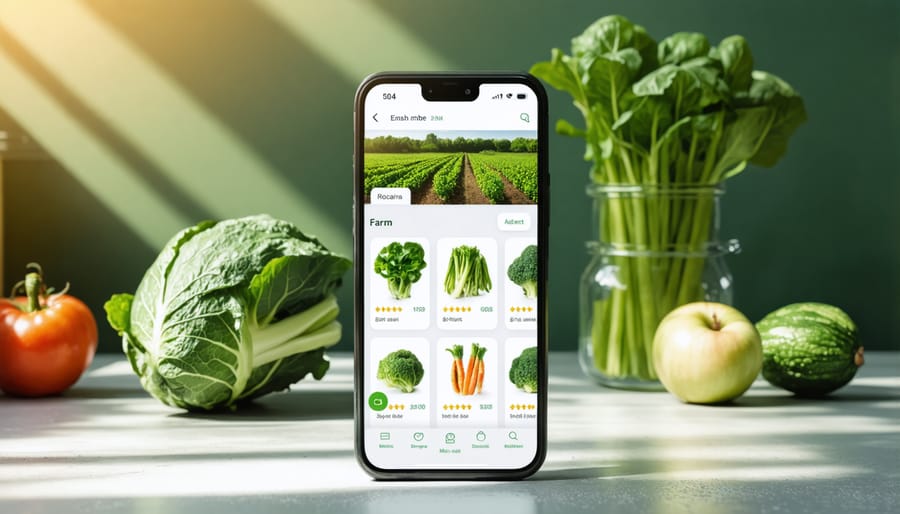
Local food apps are revolutionizing the way consumers connect with nearby farmers and food producers, creating vibrant digital communities centered around sustainable agriculture. Popular platforms like Local Harvest, Farmish, and REKO rings enable direct farmer-to-consumer relationships, making it easier than ever to source fresh, organic produce. These apps serve as virtual farmers’ markets, where growers can showcase their products and implement effective digital marketing for farms while building lasting connections with their customer base.
Many of these platforms feature interactive maps, real-time availability updates, and in-app messaging systems that facilitate seamless communication between producers and buyers. Users can browse seasonal offerings, place orders for pickup or delivery, and even participate in community-supported agriculture (CSA) programs through these digital platforms. Some apps have added social features where users can share recipes, growing tips, and success stories, fostering a sense of community among local food enthusiasts.
The rise of these digital platforms has made supporting local agriculture more accessible while helping small-scale farmers reach broader markets and build sustainable businesses.
Online Gardening Communities
Social Media Garden Groups
Social media platforms have become vibrant hubs for gardening enthusiasts to share their green-thumb journeys. Facebook groups like “Organic Gardening for Beginners” and “Urban Homesteaders United” offer spaces where members exchange growing tips, troubleshoot plant problems, and celebrate their harvests. These communities often feature daily threads for specific topics, from seed starting to composting techniques, creating organized discussions that benefit both novice and experienced gardeners.
Instagram has equally flourishing gardening communities, with hashtags like #GardenersOfInstagram and #GrowYourOwn connecting millions of plant lovers worldwide. Popular gardening accounts combine beautiful photography with practical advice, creating visual inspiration alongside learning opportunities. Many Instagram gardening communities organize virtual plant swaps, seasonal growing challenges, and live Q&A sessions with expert gardeners.
What makes these social media garden groups particularly valuable is their real-time interaction capability. Members can quickly get answers to urgent plant care questions, share local weather warnings affecting crops, and build lasting friendships with fellow gardeners in their area.

Garden Planning Forums
Garden planning forums serve as vibrant digital meeting places where green thumbs of all experience levels gather to share knowledge, solve problems, and celebrate their growing successes. Popular platforms like GardenWeb and Houzz’s Gardening Forum host thousands of active members who discuss everything from soil composition to seasonal planting schedules.
These forums typically feature specialized subforums dedicated to specific topics like vegetable gardening, permaculture, or urban farming. Members can post photos of their garden challenges, seeking advice from more experienced growers who’ve faced similar issues. The collective wisdom often helps troubleshoot common problems like pest infestations or nutrient deficiencies.
What makes these communities particularly valuable is their local focus, with regional subforums where gardeners can connect with others in similar climate zones. This leads to highly relevant discussions about frost dates, native species, and local growing conditions. Many forums also feature seed and plant exchange programs, allowing members to share heirloom varieties and unusual specimens while building lasting connections with fellow gardening enthusiasts in their area.
Sustainable Farming Education Platforms
Online Course Communities
Online learning platforms have revolutionized how sustainable agriculture knowledge is shared and cultivated. Popular platforms like Coursera and Udemy host comprehensive courses on organic farming, permaculture, and regenerative agriculture practices, creating vibrant communities of learners who share experiences and insights through discussion forums.
The Sustainable Agriculture & Food Systems course community on edX brings together students worldwide, fostering collaboration through group projects and peer reviews. Participants often form study groups on platforms like Discord or WhatsApp, extending their learning beyond the virtual classroom.
Many successful farmers started their journey through these online communities. Sarah Chen, an urban farmer in Seattle, credits her thriving rooftop garden to the connections she made in a permaculture design course community. “The ongoing support from fellow students helped me overcome early challenges and experiment with new techniques,” she shares.
These platforms typically include features like live Q&A sessions with experienced farmers, collaborative problem-solving spaces, and resource-sharing networks. Some even organize virtual field trips to sustainable farms, making hands-on learning accessible to everyone, regardless of location.

Farmer-to-Farmer Networks
Farmer-to-farmer networks have revolutionized how agricultural knowledge spreads in the digital age. Platforms like FarmHack and AgriFind connect farmers across continents, enabling them to share sustainable farming techniques, crop management strategies, and innovative solutions to common challenges. These online communities often feature discussion forums, photo galleries of farm projects, and video tutorials demonstrating everything from soil preparation to harvest techniques.
Popular networks like The Farmers Network and Growing Together facilitate mentor-mentee relationships between experienced farmers and newcomers, creating valuable learning opportunities. Members can participate in virtual farm tours, join live Q&A sessions with agricultural experts, and access databases of region-specific farming wisdom.
Many of these platforms also include marketplace features where farmers can exchange seeds, equipment, and organic supplies. Some networks have integrated weather alerts, crop planning tools, and pest management databases, making them comprehensive resources for sustainable agriculture. The sense of community these platforms foster has proven especially valuable during challenging seasons, with farmers supporting each other through shared experiences and practical advice.
Recipe Sharing Communities
Recipe sharing communities have blossomed into vibrant digital spaces where food enthusiasts connect over their love of seasonal, sustainable cooking. These platforms go beyond simple recipe exchanges, creating genuine connections between home cooks, professional chefs, and food activists passionate about using locally sourced ingredients.
Sites like Food52 have pioneered the concept of collaborative cooking communities, featuring user-submitted recipes alongside thoughtful discussions about seasonal ingredients and preservation techniques. Their active forums buzz with members sharing tips for using CSA box ingredients and creative ways to reduce food waste.
Instagram has become a hub for recipe sharing through hashtag communities like #SeasonalCooking and #FarmToTable, where users showcase their creations using fresh, local ingredients. These visual platforms help inspire others to experiment with unfamiliar vegetables and traditional preservation methods.
Reddit’s r/Cooking and r/WhatShouldICook communities offer real-time support for home cooks seeking advice on using seasonal produce. Members often share success stories and troubleshooting tips, creating a supportive environment for learning and experimentation.
Local Harvest’s community forums connect cooks directly with farmers, fostering discussions about seasonal availability and creative uses for heritage varieties. This direct connection helps members understand the farming cycle and adapt their cooking to support local agriculture.
Facebook Groups dedicated to specific dietary preferences or cooking methods, such as “Plant-Based Seasonal Cooking” or “Fermentation Enthusiasts,” provide focused spaces for sharing recipes and techniques. These communities often organize virtual cooking classes and seasonal recipe swaps.
The rise of digital recipe communities has democratized cooking knowledge, making it easier for people to learn traditional food preservation techniques and develop cooking skills that support sustainable food systems. Whether you’re looking to master water bath canning or need creative ideas for your latest farmers market haul, these online spaces offer both practical support and inspiring connections.
Digital communities have become the backbone of modern sustainable agriculture, creating powerful connections that transcend geographical boundaries. These virtual spaces enable farmers, gardeners, and food enthusiasts to share knowledge, solve problems collectively, and build lasting relationships that strengthen local food systems. Through social media groups, online forums, and specialized platforms, sustainable agriculture practitioners can access real-time advice, discover innovative growing techniques, and find support during challenging times.
The impact of these digital communities extends beyond simple information exchange. They’ve become catalysts for local food movements, helping small-scale farmers find markets, connecting consumers with fresh produce, and fostering a deeper understanding of sustainable farming practices. Success stories from farmers who’ve found mentors, markets, and meaningful partnerships through these platforms demonstrate their transformative potential.
As we look to the future of sustainable agriculture, digital communities will continue to play a vital role in educating new generations of farmers, promoting ecological practices, and building resilient food systems that benefit both people and the planet.
