How Farmers Markets Became Your Community’s Best Health Resource
 darrell on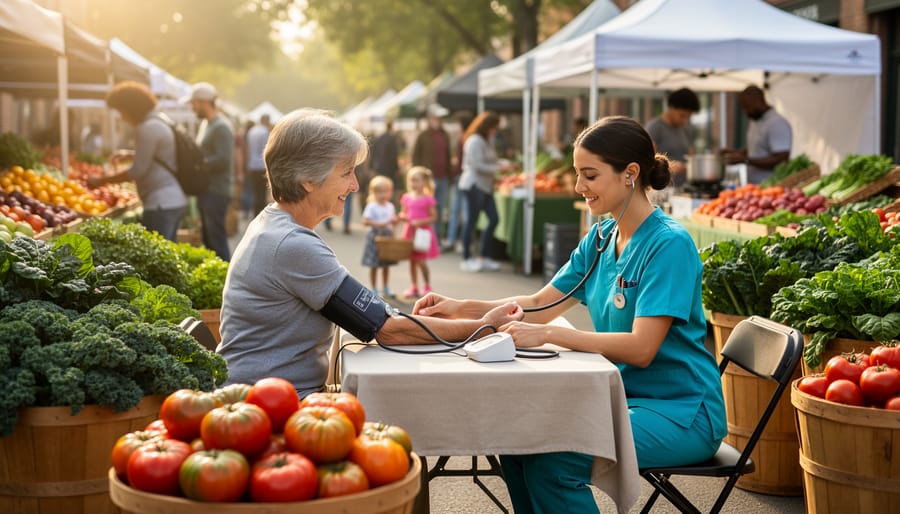
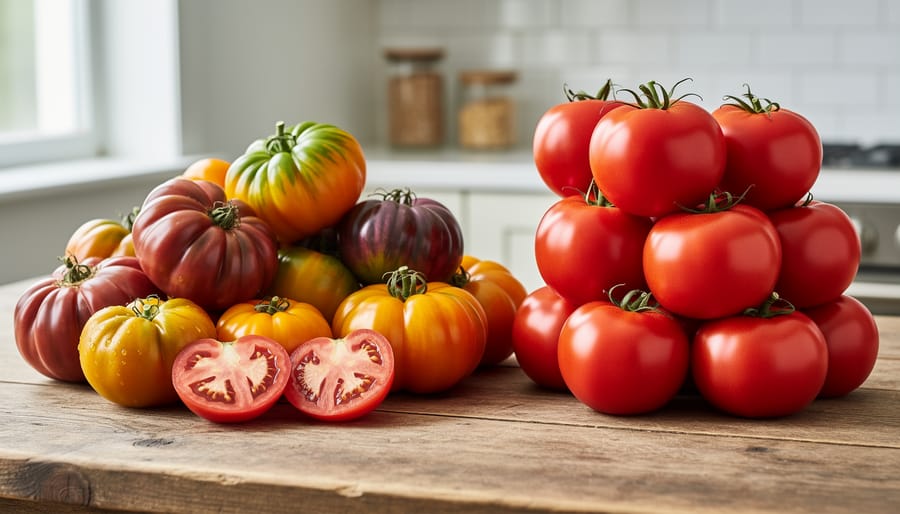
Farmers markets and CSA pick-up locations are transforming into vibrant health hubs where fresh produce meets preventive care. Picture a Saturday morning where families selecting heirloom tomatoes can also get their blood pressure checked, learn about nutrition from registered dietitians, or participate in cooking demonstrations using seasonal vegetables. These community health partnerships create powerful synergy—health professionals gain access to motivated audiences already invested in wellness, while farmers and market organizers attract diverse crowds and reinforce their role as cornerstones of healthy communities.
The model works remarkably well because it meets people where they already gather for nourishment. A Vermont farmers market increased foot traffic by 40% after partnering with a local clinic to offer free health screenings, while participating farmers reported higher sales of leafy greens following on-site nutrition workshops. Similarly, a California CSA farm hosting monthly wellness events saw member retention rates jump significantly as subscribers felt more connected to both their food source and their neighbors.
Creating these partnerships requires minimal investment but delivers measurable impact for everyone involved—from the organic farmer building customer loyalty to the community member discovering that eating well starts with knowing their grower.
Why Market Events Are Perfect for Community Health Initiatives
The Natural Connection Between Fresh Food and Wellness
Farmers markets naturally draw people who prioritize wellness and mindful eating choices. These shoppers are already taking active steps toward better health by seeking fresh, locally grown produce and supporting sustainable agriculture. This creates a unique opportunity to expand health conversations beyond what’s on the plate.
When someone chooses organic tomatoes over conventional ones, they’re demonstrating an interest in how food impacts their wellbeing. This mindset makes market visitors particularly receptive to broader health information, from preventive screenings to mental health resources. The relaxed, community-focused atmosphere of farmers markets removes many barriers that prevent people from engaging with healthcare providers in traditional clinical settings.
Consider the success story of Green Valley Farm, where the farmer noticed market customers asking not just about growing practices, but about preparing nutritious meals for specific health conditions. This sparked a partnership with a local nutritionist who now offers free consultations at their booth. The result has been increased customer loyalty and a genuine sense of serving community health needs.
The connection between fresh food and total wellness is intuitive to market-goers, making these venues ideal for introducing services like blood pressure checks, nutrition education, and stress management workshops alongside the season’s harvest.
Building Trust Through Familiar Faces
When Maria, a nurse practitioner, first set up her blood pressure screening booth at the weekly farmers market, she noticed something remarkable. Vendors she’d been buying tomatoes from for months became her most enthusiastic health advocates, encouraging their customers to stop by for a quick check. This illustrates the magic of market-based health events: trust grows naturally through repeated, face-to-face connections.
Regular market-goers already know the farmers who grow their food and the artisans who craft their goods. When health professionals become part of this familiar community fabric, they shed the intimidating clinical atmosphere that keeps many people away from traditional healthcare settings. A vendor who shares gardening tips one week might comfortably refer someone to a diabetes screening the next. These ongoing relationships transform health education from a formal lecture into a conversation between neighbors who genuinely care about each other’s wellbeing, making people far more receptive to important health information and preventive screenings.
What Community Health Events Actually Look Like at Markets
Quick Health Screenings That Fit Market Day
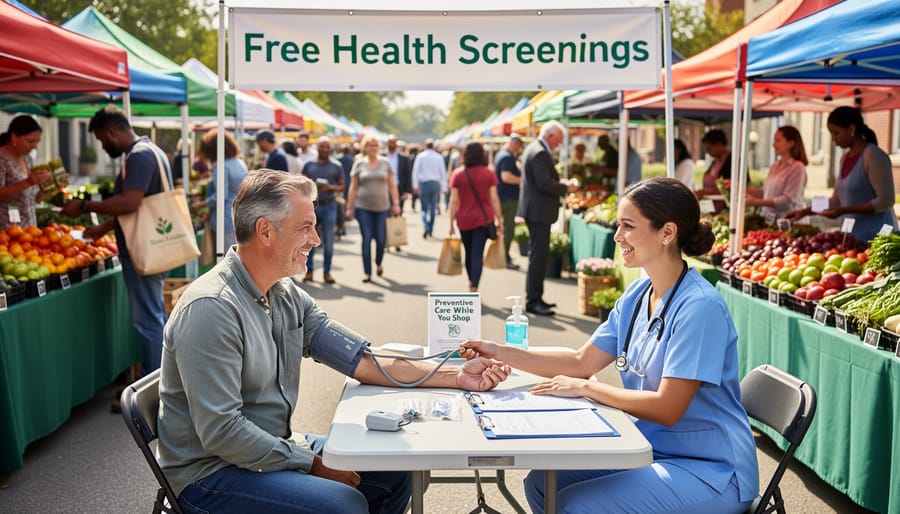
Integrating health screenings into your farmers market creates a welcoming atmosphere where shoppers can prioritize wellness without interrupting their Saturday morning routine. Blood pressure checks take just minutes and require minimal space—a small table with two chairs works perfectly near the market entrance or exit. Many health partners provide portable equipment and trained volunteers who can perform these screenings while chatting with visitors about their favorite seasonal produce.
BMI measurements and basic wellness consultations fit naturally into the market environment. Consider setting up a health station between vendor rows where a nurse or health educator can offer quick assessments, answer nutrition questions, and connect people with local resources. Sarah Martinez, who manages a successful organic vegetable farm and hosts monthly market health days, shares that these brief interactions often spark conversations about eating more fresh vegetables and supporting local growers.
Keep screenings simple and non-invasive. Glucose testing, cholesterol checks, and hydration assessments work well because they’re fast and provide immediate results that participants can discuss with their healthcare providers. Offering these services free or low-cost removes barriers and demonstrates your market’s commitment to community wellbeing beyond just selling produce.
Cooking Demonstrations That Teach and Inspire
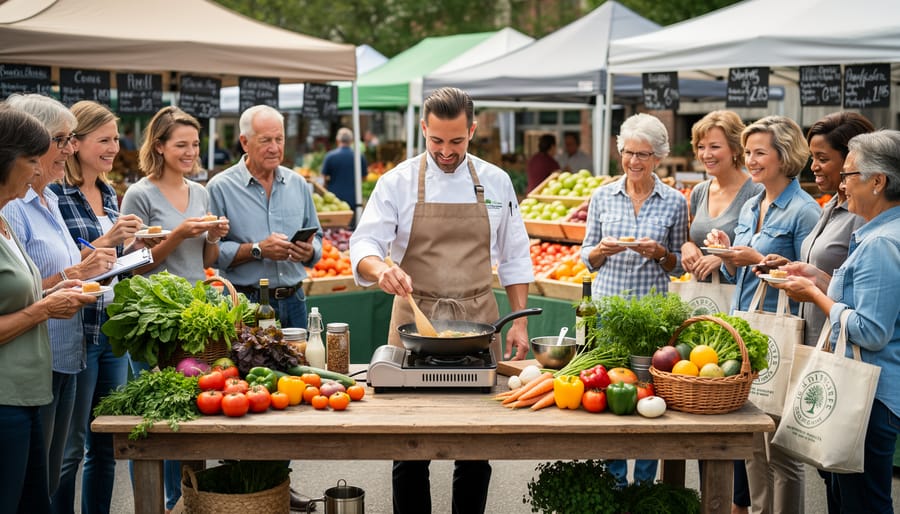
Live cooking demonstrations transform market events into interactive learning experiences that bridge the gap between farm-fresh ingredients and everyday meals. These hands-on sessions feature local chefs or nutritionists preparing simple, nutritious dishes using produce available at the market that day, showing attendees exactly what’s possible with seasonal ingredients.
Demonstrations focus on practical skills like preparing vegetables kids will actually eat, budget-friendly meal planning, and time-saving techniques for busy families. One farmer at a community market in Oregon shared how cooking demos increased his vegetable sales by 40 percent after attendees discovered new ways to prepare unfamiliar items like kohlrabi and Swiss chard.
The demonstrations emphasize that healthy eating doesn’t require expensive ingredients or complicated techniques. Participants receive recipe cards, learn proper knife skills, and discover how to maximize nutrition while minimizing food waste. Many markets offer free samples, allowing people to taste before committing to purchases. This accessible approach helps break down barriers to healthy eating, showing families that fresh, organic produce fits naturally into their cooking routines and budgets while supporting local farmers.
Kids’ Activities That Plant Health Seeds Early
Engaging kids in farm-based activities creates lifelong connections to healthy eating and sustainable agriculture. Many farmers markets now incorporate youth programming as part of their creative market events, helping children understand where food comes from while having fun.
Garden education stations let kids get their hands dirty planting seeds and learning about soil health. Interactive taste testing booths introduce young palates to fresh vegetables they might otherwise avoid at home. Nutrition-focused games turn learning about vitamins and minerals into playful competition, while scavenger hunts teach children to identify different produce varieties.
Farm-to-fork demonstrations show the complete journey from seed to plate, often featuring young farmer success stories that inspire the next generation. Cooking classes designed for children teach basic food preparation skills using seasonal ingredients. These hands-on experiences plant seeds of understanding about organic growing practices and environmental stewardship, creating informed consumers who value locally grown food and sustainable farming methods from an early age.
Success Stories: Partnerships That Are Making a Difference
A Small Farm That Partnered With Local Nurses
When Greenleaf Farm, a 12-acre CSA operation in Vermont, noticed their members often skipped annual health checkups due to busy schedules, owner Maria Chen saw an opportunity. She reached out to a local community health clinic and proposed a simple idea: bring basic health screenings directly to the farm during monthly pickup days.
The partnership launched in spring 2022 with blood pressure checks and diabetes screenings offered in a quiet corner of the barn. Within six months, three members discovered previously undetected high blood pressure, while another caught early warning signs of pre-diabetes. The nurse practitioners found that farmers market settings created a relaxed atmosphere where people felt more comfortable discussing health concerns than in clinical environments.
Maria learned valuable lessons through this initiative. First, consistency matters—holding screenings on the same Saturday each month helped members plan ahead. Second, privacy is essential, so they converted a storage area into a dedicated screening space. Third, clear communication about available services helped overcome initial hesitation.
The program’s success attracted attention from neighboring farms interested in replicating the model, demonstrating how successful farm partnerships can address both food security and healthcare access simultaneously. Today, Greenleaf’s health screening days see an average of 25 participants monthly, proving that small farms can make significant impacts on community wellness.
How One Market Increased Fresh Food Access for Seniors
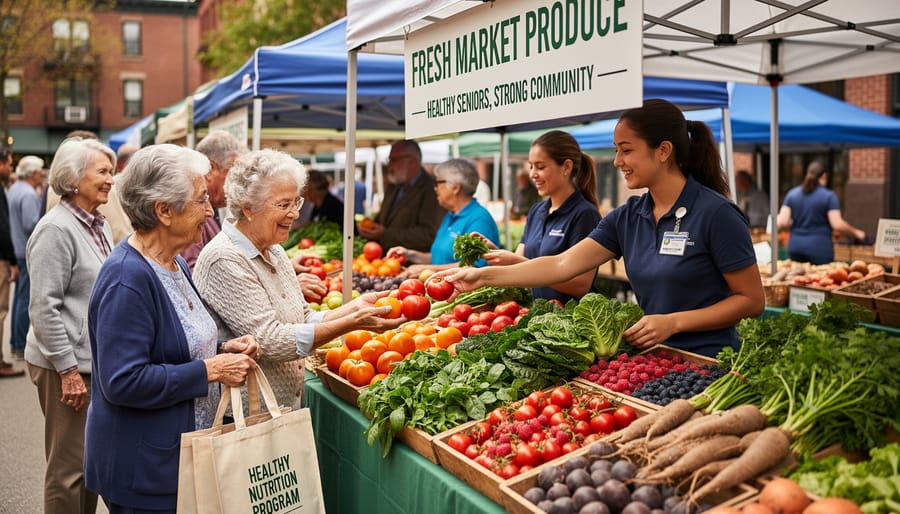
At Riverside Farmers Market in Oregon, organizers noticed a troubling pattern: their senior neighbors were rarely shopping for fresh produce despite living just blocks away. Rather than accept this disconnect, market manager Elena Rodriguez partnered with the local Area Agency on Aging to create the Senior Fresh Food Initiative, a program that now serves over 200 elderly residents monthly.
The program provides eligible seniors with $40 monthly vouchers redeemable at any market vendor. But the real magic happens beyond the financial assistance. Volunteer “market buddies” meet participants at designated pickup points, offering rides and companionship during shopping trips. Once at the market, nutrition educators host informal cooking demonstrations featuring seasonal vegetables, sharing simple recipes that accommodate dietary restrictions and limited mobility.
Local farmer Tom Hendricks credits the program with transforming his customer base. “I’ve learned so much from our senior shoppers about food preservation and old-variety vegetables their grandparents grew,” he shares. “They’re teaching the younger generation while discovering new greens they’ve never tried.”
The initiative also addresses food waste, as farmers donate produce nearing peak ripeness specifically for senior meal prep workshops held twice monthly. Transportation volunteers report that many participants now attend independently, having gained confidence navigating the market and forming friendships with vendors who reserve their favorite items.
Starting Health Programming at Your Local Market
Finding the Right Health Partners in Your Community
Start by reaching out to your local public health department, as they often welcome opportunities to connect with communities through farmers markets and agricultural events. These departments typically offer free health screenings, educational materials, and nutrition expertise that perfectly complement fresh produce offerings. Hospitals and healthcare systems in your area may have community wellness programs actively seeking partnership opportunities for health promotion initiatives.
Look for registered dietitians who specialize in nutrition education and might be excited to demonstrate seasonal recipe ideas using market produce. Local wellness organizations, yoga studios, and fitness centers often appreciate collaborative opportunities that align with their mission. When approaching potential partners, emphasize the mutual benefits: they gain access to health-conscious audiences already interested in wholesome food, while you enhance your market’s value to the community.
The key to successful building community markets lies in finding partners who share your values around sustainable living and community health. Start conversations early, be clear about your goals, and remain flexible in designing programming that works for everyone involved.
Keeping It Simple: Start Small and Grow
You don’t need a massive budget or complex infrastructure to launch community health events at your market. Start with something simple, like setting up an informational table staffed by a local nutritionist or nurse practitioner who can answer basic wellness questions. One farmer shared how his market began with just monthly blood pressure screenings, then gradually added seasonal cooking demonstrations and farm-to-table nutrition workshops as relationships with healthcare partners strengthened. This small-steps approach lets you test what resonates with your community while building confidence and connections. Consider piloting a single event, perhaps a harvest-season wellness fair or a spring gardening-for-health workshop, before committing to regular programming. As you gain experience and see what your customers value most, you can thoughtfully expand offerings without overwhelming your resources or volunteers. Remember, sustainable growth mirrors good farming practices—nurture carefully, observe what thrives, and cultivate accordingly.
Funding and Resources You Might Not Know About
Many funding opportunities exist that you might not have discovered yet. The USDA’s Farmers Market Promotion Program offers grants up to $500,000 specifically for market-based community health initiatives. State departments of agriculture and public health often provide smaller grants perfect for pilot programs.
SNAP incentive programs like Double Up Food Bucks can transform your market’s accessibility while bringing additional funding. These programs match SNAP benefits spent on fresh produce, effectively doubling customers’ purchasing power. Regional healthcare systems and insurers increasingly partner with farmers markets, viewing preventive nutrition as cost-effective medicine. Reach out to local hospitals about sponsorship opportunities.
Community foundations and regional food banks frequently fund nutrition education programs. Consider applying for grants from organizations like the Wholesome Wave Foundation, which specializes in supporting healthy food access. Local businesses, especially health-focused retailers and restaurants, often welcome sponsorship opportunities that connect them with community wellness efforts. One successful farmer shared how a small regional healthcare grant allowed his market to launch cooking demonstrations that tripled their customer base within six months, proving that even modest funding creates significant impact.
Making Sure Everyone Feels Welcome
Health events succeed when they truly serve everyone in your community. Start by offering inclusive market programming that accommodates different languages, physical abilities, and cultural backgrounds. Partner with local organizations that already serve diverse populations to understand specific needs and build trust.
Remove practical barriers by choosing accessible locations, offering services at no cost or on a sliding scale, and scheduling events at varied times. Respect cultural food traditions by ensuring health screenings and nutrition education honor different dietary practices. One farmer’s market in Ontario partnered with refugee support services to provide translated materials and culturally familiar produce samples, resulting in 40% higher participation from newcomers. Simple changes like adding wheelchair-accessible pathways and visual signage create welcoming spaces where everyone feels valued and supported.
The Bigger Picture: Markets as Community Health Cornerstones
When farmers markets partner with health organizations, they become powerful engines for community transformation that ripples far beyond individual wellness checks. These collaborations address some of our most pressing social challenges while nurturing the environmental connections that sustain us all.
Food security takes center stage at these events. By accepting SNAP benefits, offering produce prescription programs, and providing nutrition education, markets bridge the gap between fresh, organic food and families who might otherwise struggle to access it. One Oregon farmer shared how partnering with a local health clinic’s produce prescription program increased his low-income customer base by 40 percent while introducing entire families to the joys of seasonal eating.
The preventive healthcare aspect cannot be overstated. Regular screenings catch conditions early, when they’re most treatable and least costly. Instead of waiting for emergency room visits, community members develop relationships with healthcare providers in comfortable, familiar settings. This approachable model particularly resonates with populations who might avoid traditional clinical environments.
Social connection forms another vital thread in this tapestry. Markets become gathering places where neighbors meet, isolated seniors find conversation, and newcomers discover community roots. These relationships combat loneliness while building the social fabric that supports mental health and resilience.
Perhaps most exciting is how these partnerships strengthen sustainable agriculture. When health professionals recommend locally grown organic produce, they validate farmers’ commitment to chemical-free practices. Insurance companies and health systems increasingly recognize that investing in preventive nutrition programs, including farmers market partnerships, reduces long-term healthcare costs.
This creates a beautiful cycle: healthy soil grows nutritious food, nourishing both people and planet. Farmers gain stable markets, communities gain health resources, and everyone benefits from reduced environmental impact. These partnerships prove that individual wellness and ecological sustainability aren’t separate goals but interconnected realities strengthening our collective future.
The partnership between farmers markets and health initiatives represents more than just programming—it’s a movement toward accessible wellness for everyone. When communities embrace these collaborations, they’re creating spaces where fresh, organic produce meets preventive care, where nutritional education connects directly with the people growing your food, and where health equity becomes a shared responsibility rather than a distant goal.
Whether you’re a market organizer ready to bring health screenings to your venue, a farmer eager to share knowledge about nutrient-dense crops, a health professional looking for meaningful community engagement, or simply someone who believes everyone deserves access to good food and quality care—you have a role to play. Start small: attend your local farmers market, ask vendors about their growing practices, participate in cooking demonstrations, or volunteer at community health days.
These partnerships thrive because ordinary people take extraordinary steps to support their neighbors. Together, we’re proving that sustainable agriculture and community wellness aren’t separate goals—they’re intertwined paths leading to stronger, healthier communities. Your involvement matters. The transformation begins when we recognize that fresh food and accessible healthcare aren’t privileges—they’re fundamental rights worth cultivating together.