
When Your Farm Becomes a Classroom: RSP Special Education Meets Community Agriculture
 darrell on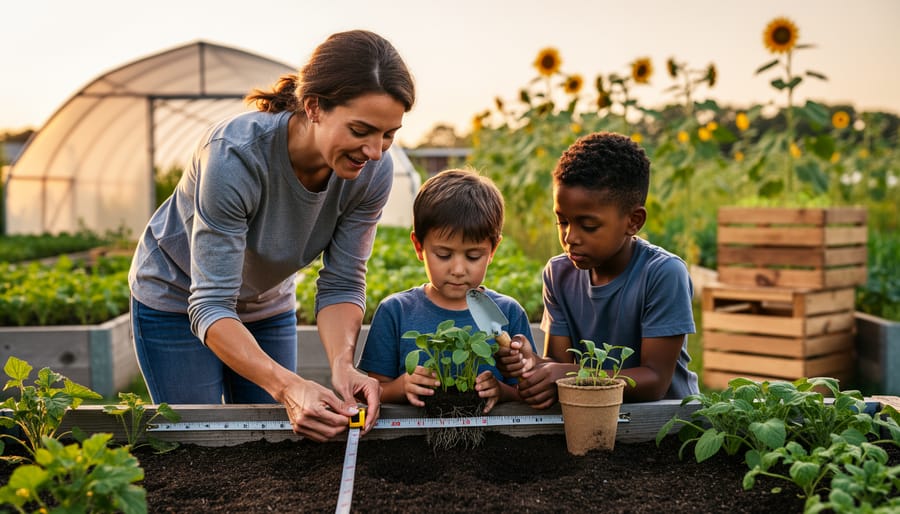
Resource Specialist Programs bring transformative learning opportunities to students with mild to moderate learning differences, and farms are proving to be unexpected champions in this mission. Picture a child who struggles with traditional classroom settings suddenly thriving while planting seedlings, measuring garden beds, or observing pollinator behavior—this is the power of hands-on agricultural education meeting specialized learning support.
Farm-based RSP programs create multisensory learning environments where students develop academic skills through real-world applications. Math comes alive through measuring soil pH and calculating harvest yields. Science concepts deepen as students witness plant life cycles and ecosystem relationships firsthand. Social skills flourish naturally through collaborative tasks like building raised beds or sorting produce for market.
The beauty of integrating RSP services with agricultural settings lies in the inherent flexibility farms provide. Students work at their own pace, engage multiple learning styles simultaneously, and experience immediate, tangible results from their efforts. A tomato plant doesn’t judge reading levels—it simply grows when properly cared for, building confidence and competence in equal measure.
Community farms and CSA operations are increasingly partnering with schools to offer these inclusive programs, recognizing that agricultural literacy benefits all learners while creating meaningful community connections. These partnerships transform both education and farming, proving that sustainable agriculture extends beyond environmental practices to nurturing every member of our communities. The soil teaches patience, responsibility, and resilience—lessons every student deserves to learn, regardless of their learning profile.
What RSP Special Education Really Means (And Why Farms Matter)
Resource Specialist Programs, or RSP, provide targeted support for students with mild to moderate learning differences who spend most of their day in general education classrooms. Unlike self-contained special education settings, RSP offers flexible, individualized assistance that might include extra help with reading, math, organizational skills, or social-emotional development. These students benefit from specialized instruction in small groups or one-on-one sessions, typically a few hours per week, while remaining integrated with their peers.
What makes RSP particularly effective is its adaptability. Resource specialists work closely with classroom teachers, parents, and students to create customized learning plans that address specific challenges without removing children from their regular school community. Students might receive accommodations like extended test time, modified assignments, or alternative ways to demonstrate their knowledge.
Here’s where farms enter the picture as powerful learning environments. Traditional classroom settings don’t work equally well for all learners, especially those who struggle with abstract concepts or need more hands-on experiences. Farms offer something uniquely valuable: real-world learning that engages multiple senses and connects students directly to meaningful work.
Farm-based education networks create opportunities for RSP students to develop skills through planting, harvesting, animal care, and food preparation. These activities naturally reinforce academic concepts like measurement, sequencing, and problem-solving while building confidence and social skills. The outdoor environment reduces anxiety for many students, and the concrete nature of farm tasks makes learning more accessible.
For students receiving RSP services, farms become inclusive spaces where their different learning styles aren’t just accommodated but celebrated, transforming educational challenges into growth opportunities through purposeful, hands-on work.
The Natural Partnership: CSA Farms as Inclusive Learning Spaces
Multi-Sensory Learning in the Garden
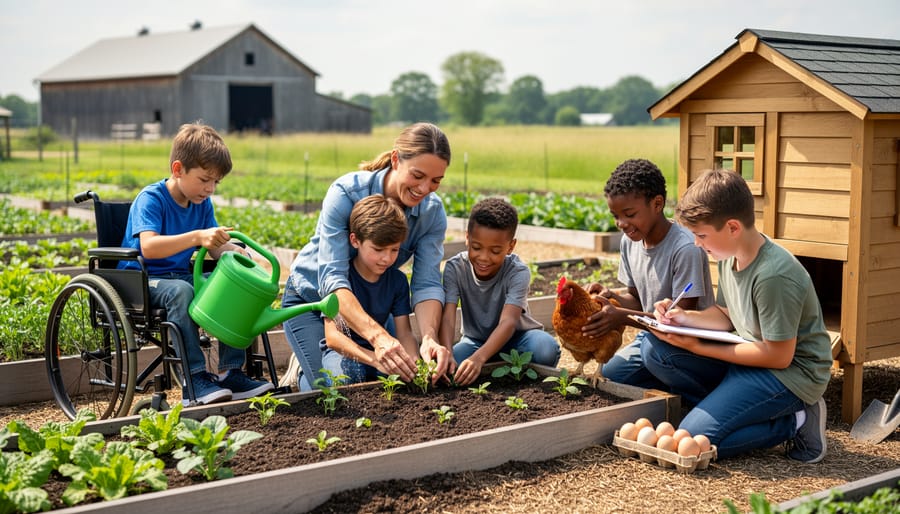
Garden-based learning creates a naturally inclusive environment where students with diverse learning needs thrive through multiple sensory experiences. For visual learners in RSP programs, observing seed germination, tracking plant growth stages, and identifying different leaf shapes and colors provides concrete learning opportunities that textbooks simply can’t replicate. The vibrant hues of ripening tomatoes or the contrast between soil and seedlings capture attention while reinforcing concepts like patterns, sequences, and cause-and-effect relationships.
Tactile learners benefit immensely from hands-on activities like feeling different soil textures, handling seeds of various sizes, and experiencing the difference between rough bark and smooth leaves. These sensory-rich experiences help students retain information more effectively while building fine motor skills through tasks like pinching off seedlings or gently pressing soil around transplants.
Kinesthetic learners, who often struggle in traditional classroom settings, flourish in farm environments where movement is essential. Digging, watering, weeding, and harvesting transform learning into physical activity that feels purposeful rather than restrictive. One CSA program reported that students who couldn’t sit still for fifteen minutes in class worked contentedly in the garden for over an hour, absorbing lessons about measurement, biology, and responsibility through active participation. This multi-sensory approach naturally accommodates the individualized learning plans common in RSP settings, making agricultural education an ideal inclusive practice.
Building Life Skills Through Agriculture
Farm work naturally breaks down into manageable tasks that build essential life skills for students in RSP programs. When students water seedlings each morning, they learn responsibility and routine—missing a day has visible consequences they can understand. Planting rows of vegetables teaches sequencing and following multi-step directions in a hands-on way that clicks differently than classroom worksheets.
Time management becomes tangible when students track growth cycles. They see that tomatoes need six weeks before transplanting, connecting their daily actions to long-term outcomes. This patient observation strengthens executive function skills without the pressure of traditional academic settings.
The farm environment encourages social skill development through shared projects. Students work alongside peers harvesting lettuce or preparing market bundles, practicing communication and cooperation naturally. Success stories from farms using co-teaching models show students who struggled in conventional classrooms thriving when given purposeful outdoor tasks.
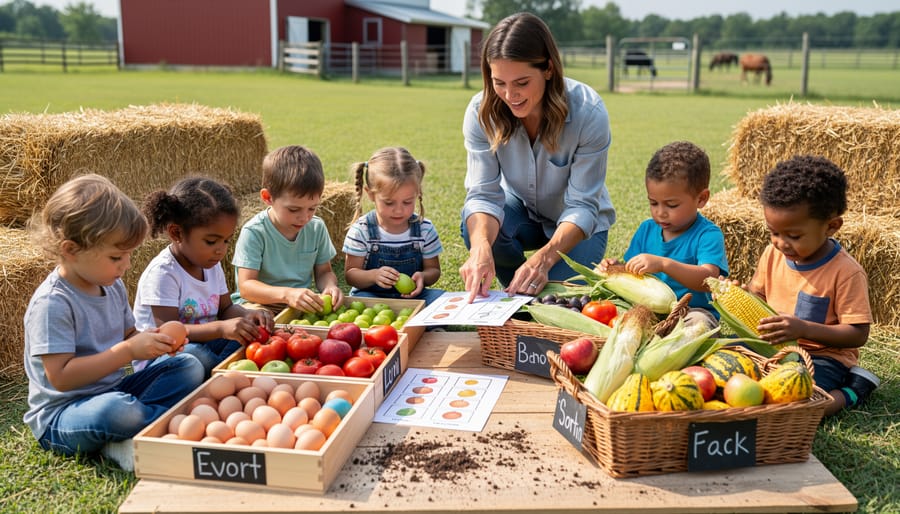
Even simple activities like sorting produce by size or counting eggs incorporate math and categorization skills. The low-pressure setting lets students learn at their own pace while contributing meaningfully to the farm community. These authentic experiences build confidence that transfers beyond the field, preparing students for employment and independent living.
Real Stories: Farms Making Special Education Work
When Green Valley CSA in Oregon partnered with their local school district, they weren’t sure what to expect. Three years later, their weekly farm sessions have become a cornerstone of support for eight RSP students who struggle with traditional classroom settings. “We’ve watched kids who couldn’t sit still for ten minutes spend an entire afternoon focused on transplanting seedlings,” shares farm manager Maria Chen. The key to their success? Letting students work at their own pace while providing clear, hands-on tasks with visible results.
In Northern California, Meadowbrook Farm took a different approach by creating a specialized program for homeschool families with RSP students. They designed sensory-friendly farm days with quieter activities and smaller group sizes. Parent testimonials reveal impressive outcomes: improved fine motor skills from harvesting delicate herbs, enhanced social interaction through cooperative weeding projects, and better emotional regulation from caring for chickens. One mother reported that her son, who previously resisted most learning activities, now eagerly practices math by counting eggs and measuring compost ingredients.
These successful school-farm partnerships share common elements. They maintain consistent schedules so students know what to expect, break tasks into manageable steps, and celebrate every achievement. Sunset Ridge Farm in Washington created visual job cards with pictures showing each step of different farm tasks, which students with processing challenges found especially helpful.
The tangible benefits extend beyond academics. Teachers report that students returning from farm sessions demonstrate improved focus and reduced anxiety in traditional classroom settings. At Riverbend CSA, an 11-year-old with auditory processing challenges who struggled with verbal instructions became the farm’s expert at identifying pest damage after learning through visual observation and hands-on practice.
These farms prove that agriculture education isn’t just about growing food. It’s about growing confidence, independence, and practical life skills. The investment is minimal compared to the outcomes, requiring mainly flexibility, patience, and willingness to adapt activities to different learning needs. For farms considering similar programs, starting small with one class or family and building from there creates sustainable, meaningful partnerships that benefit everyone involved.
Starting Your Own Farm-Based Learning Partnership
What Farmers Need to Know
The good news? Working with RSP students on your farm doesn’t require special certification or extensive training. These students simply need accommodations that most farmers naturally provide anyway. Think clear instructions, hands-on demonstrations, and a little extra patience—qualities that make anyone a better teacher.
Be prepared to break tasks into smaller steps and show techniques multiple times. Some students might need written checklists or visual guides for multi-step processes like transplanting seedlings or harvesting crops. Others may benefit from quieter workspaces away from bustling activity during focused tasks.
Flexibility is your greatest asset. If a student struggles with one activity, there’s always another farm job that might click better. Maybe seedling care isn’t their thing, but they excel at organizing the harvest shed or creating beautiful produce displays. One farmer shared how a student who found weeding overwhelming became their champion at identifying beneficial insects—turning a challenge into a unique contribution.
Remember, RSP students want to learn and contribute meaningfully. They’re not looking for easier work, just clearer pathways to success. Your willingness to adjust your teaching approach creates an environment where everyone thrives. Most farmers find that the accommodations benefiting RSP students actually improve communication and training for all volunteers and interns.
Getting Started: First Steps for Educators and Families
Starting your journey with RSP special education and farm partnerships begins with reaching out to local CSA farms in your area. Begin by researching farms that already demonstrate community involvement or educational programs. When you make contact, introduce yourself clearly and explain your interest in creating inclusive learning opportunities for students receiving resource specialist support.
During your initial meeting, discuss the specific skills your students are working on and how farm activities might support their Individualized Education Programs (IEPs). Talk about scheduling flexibility, accessibility needs, and safety considerations. Many farmers appreciate understanding how their work can support therapeutic goals like sensory integration, fine motor development, and social skills practice.
Create arrangements that benefit everyone involved. Perhaps students can help with age-appropriate tasks like sorting produce, preparing harvest boxes, or maintaining gardens while gaining real-world experience. Farmers gain enthusiastic helpers and community connections, while families access fresh organic produce and meaningful learning environments.
Start small with a pilot program. One successful farmer shared how beginning with monthly visits allowed both educators and farm staff to adjust and build confidence. Document student progress and farm impact to demonstrate value to school administrators and farm owners alike. Remember, the best partnerships grow organically through open communication, mutual respect, and shared commitment to nurturing both plants and people.
The Benefits Flow Both Ways
When farms open their gates to RSP special education programs, they discover the advantages extend far beyond doing good in the community. These partnerships create a ripple effect of benefits that strengthen the farm’s connection to its local area while building a foundation for long-term sustainability.
Community connections deepen naturally through these collaborations. Parents, teachers, and students become familiar faces at the farm, often transforming into loyal CSA members and enthusiastic word-of-mouth ambassadors. One California farm operator shared how hosting a special education group led to five new family memberships and countless recommendations to friends and neighbors. The authentic relationships built during these programs carry more marketing power than any advertisement could achieve.
Volunteer support frequently emerges as an unexpected bonus. Parents and educators who witness the positive impact on their students often return to help during busy seasons or community events. These dedicated volunteers understand the farm’s mission firsthand and bring genuine enthusiasm to their contributions.
The educational marketing opportunities prove invaluable for farms seeking to differentiate themselves in a crowded marketplace. Showcasing inclusive programming demonstrates commitment to accessibility and social responsibility, values that resonate strongly with environmentally conscious consumers. Social media posts featuring students learning about composting or harvesting vegetables generate authentic engagement and attract customers who share these values.
Perhaps most significantly, these partnerships nurture the next generation of environmental stewards. Students who experience hands-on learning at farms develop lasting appreciation for where food comes from and how sustainable agriculture works. They become advocates for organic practices, carrying these lessons into their families and future choices. For farms invested in long-term viability, cultivating this awareness among young people represents an investment in tomorrow’s food system and customer base.
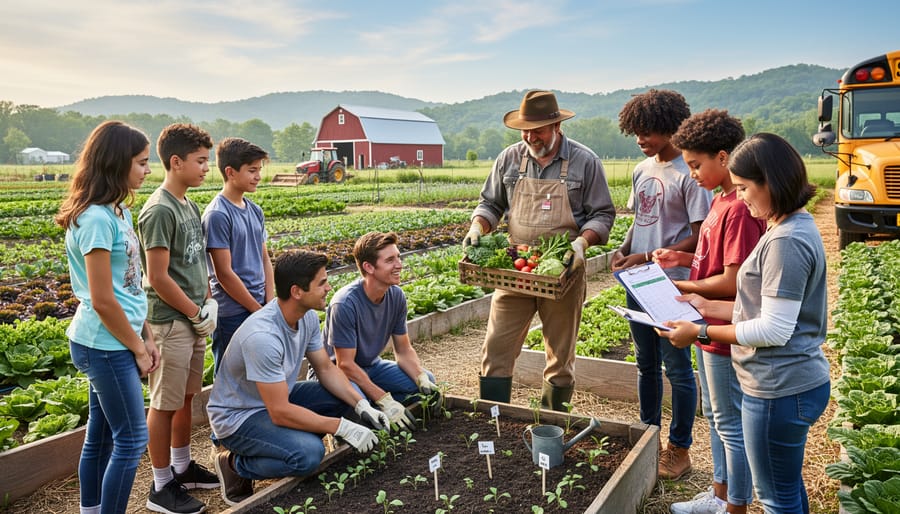
Your local CSA farm already possesses something extraordinary—the power to connect people with the rhythms of nature and the satisfaction of growing food. Opening your farm to learners with diverse abilities doesn’t require a degree in special education or specialized training. What it does require is the same quality that drew you to farming in the first place: a willingness to nurture growth in all its forms.
Start small. Reach out to special education teachers, therapists, or parent groups in your community. Share your interest in welcoming students who learn differently. Many educators are actively seeking authentic learning environments where students can engage their senses, build independence, and develop real-world skills. Your fields, greenhouses, and farm stands offer exactly that.
Remember, creating inclusive farm experiences isn’t about perfection—it’s about presence. When you slow down to accommodate a learner who needs more processing time, you’re not just helping one student; you’re modeling the patient, attentive approach that sustainable agriculture requires. When you find creative ways to make tasks accessible, you’re demonstrating the same innovative thinking that helps farms thrive.
The land welcomes everyone. Consider how your farm might become a place where all learners discover their capabilities, build confidence, and experience the profound satisfaction of contributing to something vital. The transformation begins with simply opening your gate.