Why Your Local Farmers Market Is the Perfect Place for Seniors to Thrive
 darrell on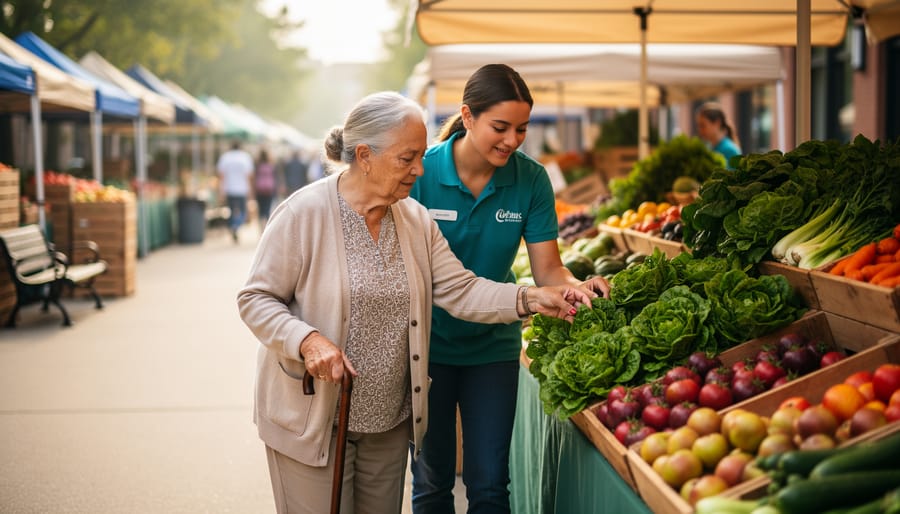
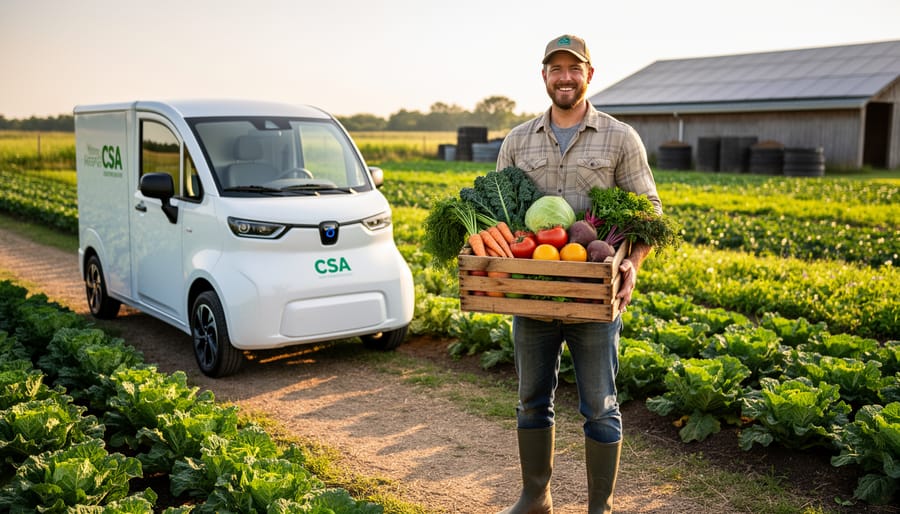
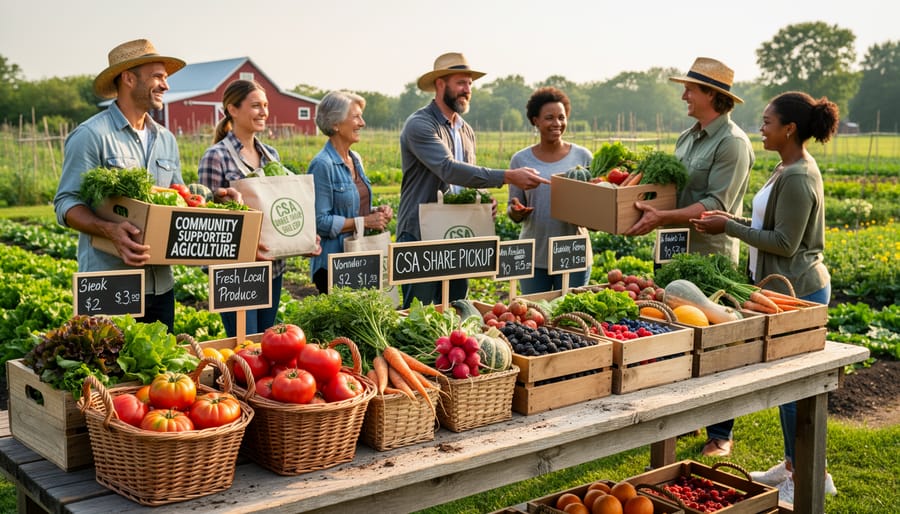
Transform your local farmers market into a vibrant community hub for seniors by scheduling weekly morning hours specifically for elderly visitors when crowds are lighter and vendors have time for conversation. Partner with local farms offering CSA boxes to create dedicated pickup times where seniors can socialize while collecting fresh produce, turning a simple transaction into a meaningful weekly gathering.
Design accessible walking routes through your market with clearly marked rest areas featuring seating and shade, allowing older adults to comfortably browse seasonal offerings at their own pace. Organize hands-on activities like herb planting workshops or simple pickling demonstrations that connect seniors with sustainable growing practices while fostering social connections among participants.
Establish volunteer ambassador programs pairing tech-savvy younger community members with elderly market-goers who want to learn about organic produce selection, seasonal eating, or how to join local farm programs. These intergenerational partnerships create lasting relationships while helping seniors navigate the sometimes overwhelming variety of fresh vegetables and fruits.
Coordinate transportation solutions by connecting with senior centers, retirement communities, and volunteer driver networks to ensure mobility challenges don’t prevent participation. Many successful markets have discovered that providing reliable access dramatically increases elderly attendance and strengthens the entire community fabric.
Farmers markets naturally serve as ideal venues for senior engagement because they combine physical activity, sensory stimulation, social interaction, and access to nutritious local food. When organizers intentionally design programming around elderly needs and interests, these weekly gatherings become essential anchors in seniors’ lives while supporting local agriculture and fostering meaningful connections across generations.
The Natural Connection Between Seniors and Farmers Markets
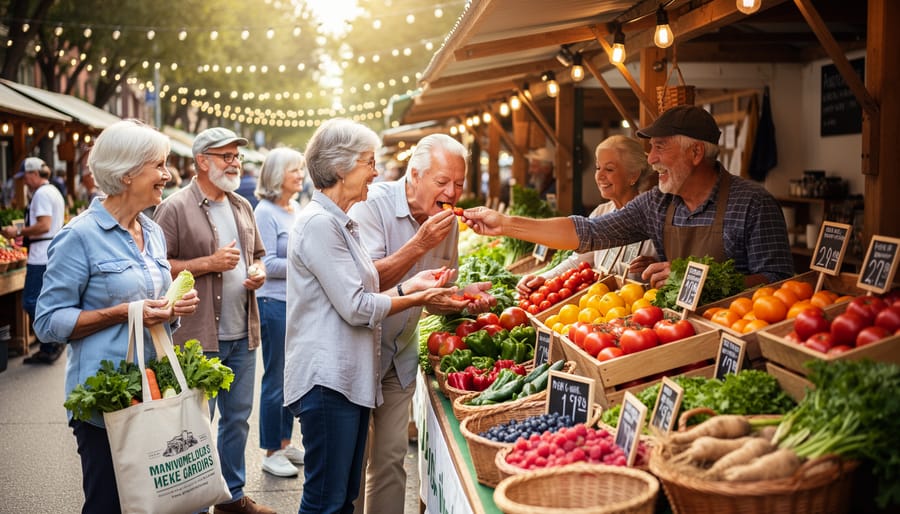
Farmers markets create an ideal gathering space for older adults, offering a welcoming environment that naturally accommodates their preferences and lifestyle. Unlike bustling shopping centers or crowded grocery stores, these outdoor venues operate at a comfortable, unhurried pace that allows seniors to browse, chat, and make thoughtful purchasing decisions without feeling rushed.
The multigenerational atmosphere stands as one of the market’s greatest strengths. Grandparents often bring grandchildren to explore the farmers market treasures together, creating opportunities for sharing food knowledge and family traditions. Young farmers connect with older customers who remember when most food came from local sources, sparking meaningful conversations that bridge generational gaps. These interactions combat social isolation while fostering a sense of community belonging.
Sensory experiences at farmers markets provide unique engagement opportunities for seniors. The vibrant colors of fresh produce, the earthy aroma of just-harvested vegetables, and the chance to touch and examine food before purchasing create memorable moments. For those experiencing cognitive changes, these sensory connections can trigger positive memories and stimulate mental engagement. The opportunity to taste samples and smell fresh herbs offers therapeutic benefits that extend beyond simple shopping.
Many older adults grew up closer to agriculture, whether through family farms, victory gardens, or simply a time when local food was the norm rather than the exception. Farmers markets reconnect them with these agricultural traditions, offering a nostalgic link to their past while celebrating sustainable practices they may have practiced themselves. This connection to heritage makes market visits particularly meaningful for seniors who value traditional food systems.
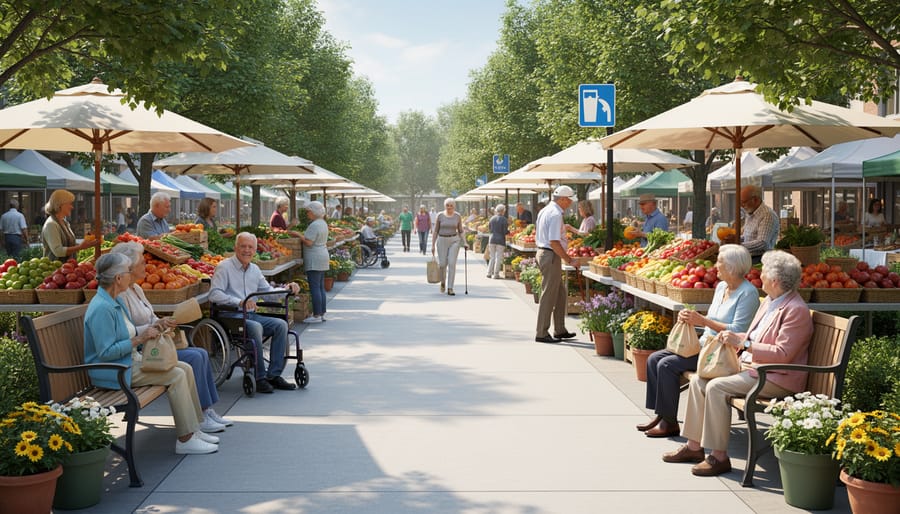
The accessibility features many markets now incorporate—including shaded seating areas, smooth walking paths, and convenient parking—demonstrate recognition of senior needs. Combined with the genuine relationships formed between elderly customers and farmers, these elements transform a simple shopping trip into an enriching social experience that nourishes both body and spirit.
Health Benefits That Keep Older Adults Coming Back
Fresh, Organic Produce for Better Nutrition
Farmers markets offer seniors incredible access to fresh, seasonal produce that directly supports their unique nutritional needs. Unlike supermarket options that travel long distances, locally grown vegetables and fruits reach market stalls within hours of harvest, preserving vital nutrients that naturally diminish over time. This freshness matters especially for older adults who need nutrient-dense foods to maintain bone health, immune function, and energy levels.
Seasonal eating through farmers markets means seniors enjoy produce at peak ripeness when nutritional content is highest. Spring greens provide folate and vitamin K for cognitive health, summer berries deliver antioxidants, fall squashes offer beta-carotene, and winter root vegetables supply essential minerals. Many vendors grow heirloom varieties with deeper flavor profiles and diverse nutrient compositions compared to commercial produce.
The organic produce benefits extend beyond nutrition. Farmers gladly share preparation tips and recipe ideas tailored to dietary restrictions common among seniors, like low-sodium or diabetic-friendly cooking methods. This personal connection transforms shopping into an educational experience, empowering older adults to make informed choices about their meals while building relationships with growers who truly care about community health.
Gentle Physical Activity in a Low-Pressure Environment
Farmers markets offer the perfect setting for gentle movement that doesn’t feel like traditional exercise. As older adults stroll from vendor to vendor, they naturally accumulate steps while browsing colorful produce displays and handcrafted goods. The leisurely pace allows for frequent rest stops to chat with farmers about their growing practices or sample fresh strawberries. Carrying a reusable bag with a few tomatoes or a bunch of leafy greens provides light resistance training without strain. Unlike gym environments that can feel intimidating, markets create a low-pressure atmosphere where physical activity happens organically. The varied terrain—navigating around displays, stepping up to vendor tables, and walking on grass or pavement—helps maintain balance and coordination. Many seniors find they walk significantly more at markets than during their usual routines, all while enjoying the sunshine and social connections that make the effort feel effortless and rewarding.
Mental Stimulation Through Social Interaction
Farmers markets naturally spark meaningful conversations that keep older adults mentally sharp and socially connected. When seniors chat with farmers about growing techniques, seasonal varieties, or recipe suggestions, they’re engaging in dynamic exchanges that stimulate memory and learning. These interactions differ from casual small talk—discussing heirloom tomato varieties or learning about crop rotation practices requires active listening and cognitive engagement. Fellow shoppers often share cooking tips or reminisce about gardens from their past, creating spontaneous connections that combat the isolation many seniors face. Regular market visits establish familiar relationships with vendors who remember preferences and past conversations, fostering a sense of belonging. The multisensory environment—vibrant produce displays, sampling opportunities, and the bustling atmosphere—provides additional mental stimulation. For seniors living alone or with limited social circles, these weekly encounters offer consistent opportunities for purposeful interaction while supporting local agriculture and healthy eating habits.
Successful Community Programs That Welcome Seniors
Senior-Specific Market Days and Discount Programs
Many farmers markets now recognize that seniors benefit tremendously from flexible shopping options designed with their needs in mind. Early bird hours, typically starting 30 minutes before regular market times, allow older adults to browse stands when crowds are lighter and parking is more accessible. These quieter morning periods make it easier to chat with vendors about produce selection and preparation tips.
Special discount programs help stretch fixed incomes further. Some markets offer Senior Day pricing with 10-20% off purchases, while others partner with nutrition assistance programs that double the value of benefits when spent on fresh fruits and vegetables. Several successful programs provide vouchers specifically for purchasing locally grown organic produce, helping seniors access nutrient-dense foods that support healthy aging.
Market managers have found that partnering with senior centers creates win-win situations. Transportation services bring groups to markets, transforming shopping into a social outing. One inspiring example comes from a Colorado farmer who started a “Greens for Grays” program, setting aside portions of his harvest specifically for senior nutrition programs at wholesale pricing. His success demonstrates how small adjustments in market operations can significantly improve community health while supporting local agriculture.
Contact your local farmers market to inquire about senior-friendly shopping times and available discount programs in your area.
Volunteer and Mentorship Opportunities
Seniors bring decades of wisdom and practical skills to farmers markets, making them invaluable volunteers and mentors. Many markets welcome older adults who want to share their expertise while staying socially connected. From greeting visitors at information booths to helping with setup and breakdown, these roles keep seniors active without being physically demanding.
Garden mentorship programs pair experienced senior gardeners with younger community members eager to learn organic growing techniques. These relationships flourish at market garden demonstrations where elders teach companion planting, natural pest control, and seed saving traditions passed down through generations. One 78-year-old volunteer at a community market garden spends Saturday mornings sharing her knowledge of heirloom varieties with families starting their first vegetable patches.
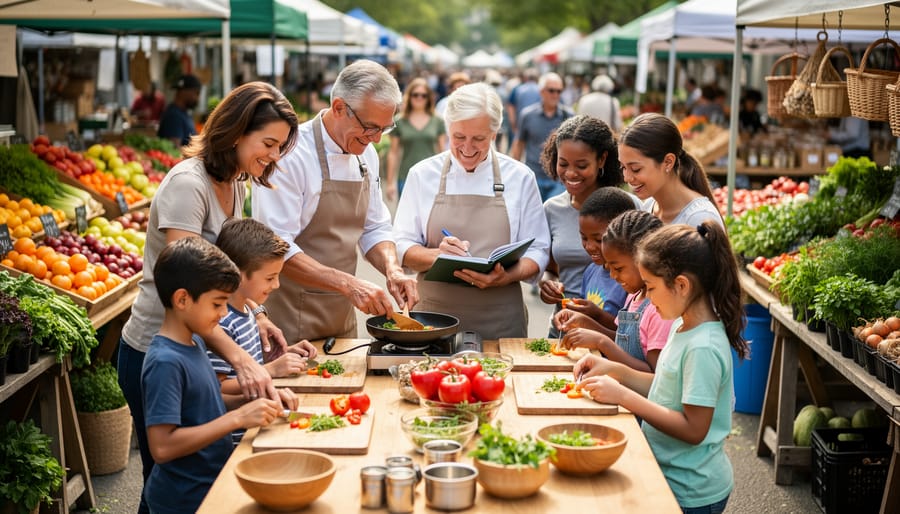
Cooking demonstrations offer another perfect venue for seniors to shine. Grandmothers and grandfathers showcase traditional recipes using seasonal market produce, teaching younger generations about food preservation and preparing meals with minimal waste. These sessions often turn into storytelling opportunities where elders share memories of victory gardens and farm-to-table living before it became trendy.
Market coordinators seeking senior volunteers should create flexible schedules and provide seating at volunteer stations. The exchange benefits everyone—seniors gain purpose and community connection while markets receive dedicated helpers who genuinely care about sustainable agriculture and supporting local farmers.
Educational Workshops Tailored for Older Adults
Educational workshops at farmers markets create wonderful opportunities for older adults to learn new skills while connecting with their community. Cooking classes featuring seasonal, organic produce teach seniors how to prepare nutritious meals that support healthy aging. These hands-on sessions often focus on simple recipes using fresh vegetables and herbs, making farm-to-table eating accessible and enjoyable.
Gardening workshops prove especially popular, offering techniques for container gardening, raised beds, and small-space cultivation that work well for those with limited mobility. Participants learn about companion planting, soil health, and organic pest management methods they can apply at home. Many seniors find these sessions rewarding as they gain confidence growing their own herbs, tomatoes, and leafy greens.
Food preservation workshops teach valuable techniques like canning, pickling, and drying herbs—skills many older adults remember from their youth but haven’t practiced in years. These classes foster intergenerational connections when seniors share their own preservation stories while learning updated safety methods for today’s guidelines.
Creating Age-Friendly Farmers Market Experiences
Physical Accessibility Improvements
Creating welcoming spaces at farmers markets starts with thoughtful physical improvements that allow seniors to enjoy everything from fresh produce to community connections. Comfortable seating stations positioned throughout the market give older adults natural rest points where they can pause, chat with neighbors, and soak in the vibrant atmosphere without fatigue. These designated areas work best when placed near popular vendor stalls selling organic vegetables and artisan goods.
Accessible parking spots located close to market entrances make a tremendous difference for those with mobility challenges. Clear, level pathways wide enough for walkers and wheelchairs ensure everyone can browse produce stands safely. Consider incorporating accessible market design principles that prioritize smooth surfaces free from trip hazards and adequate spacing between vendor booths.
Shade structures provide essential protection from sun exposure, particularly during warmer months when heat can pose health risks for elderly visitors. Pop-up canopies, permanent pavilions, or even strategically placed mature trees create comfortable zones where seniors can shop for locally grown organic produce without overheating. Many successful markets also install benches beneath these shaded areas, transforming them into welcoming gathering spots that encourage longer visits and deeper community engagement.
Communication and Customer Service Tips
Creating a welcoming environment for senior visitors starts with patience and genuine warmth. Train your market staff and volunteers to speak clearly and maintain eye contact, allowing extra time for questions and conversation. Many elderly attendees appreciate unhurried interactions where they can share gardening memories or ask about growing techniques.
Clear communication extends beyond words. Install signage with larger fonts (at least 18-point) and high contrast colors for easy reading. Position signs at eye level and use simple, direct language to indicate prices, product origins, and special senior offerings.
Building lasting relationships with regular senior customers enriches your farmers market community. Remember their names, recall their favorite seasonal items, and ask about their families. These personal connections transform weekly shopping trips into meaningful social occasions. Consider creating a welcome table specifically for first-time senior visitors, offering market maps and introducing them to vendors who can accommodate their specific dietary needs or mobility considerations. When seniors feel valued and understood, they become your most loyal supporters and enthusiastic ambassadors within their communities.
Timing and Schedule Considerations
Planning events with older adults in mind means thinking carefully about when and how long activities should run. Morning hours between 9 AM and noon work beautifully for farmers market visits, as many seniors prefer starting their day early when energy levels peak and the weather stays cooler. This timing also means quieter crowds and more relaxed browsing through fresh produce stands.
Consider scheduling community events to last 90 minutes to two hours maximum. This sweet spot allows enough time for meaningful social connection and market exploration without causing fatigue. Building in natural rest breaks works wonders—set up comfortable seating areas near vendor booths where participants can take a breather while enjoying the vibrant market atmosphere.
For multi-week programs, weekly gatherings create wonderful anticipation without overwhelming schedules. One successful approach includes pairing farmers market tours with seasonal cooking demonstrations, giving seniors hands-on experience with organic vegetables they’ve just purchased. Remember to avoid extreme weather periods and plan indoor alternatives when needed, ensuring your elderly community members can participate comfortably year-round while discovering the joys of locally grown, sustainable food.
Building Intergenerational Connections Through Market Activities
Farmers markets naturally transform into vibrant intergenerational classrooms where life experience meets youthful curiosity. Seniors bring decades of accumulated wisdom about growing, preserving, and preparing food—knowledge that’s increasingly valuable as younger generations rediscover the importance of sustainable living and self-sufficiency.
At these weekly gatherings, you’ll often find older community members sharing practical gardening advice with young families exploring organic growing methods. They discuss which heirloom tomato varieties thrive in local soil, demonstrate proper techniques for selecting ripe produce, and reveal time-tested preservation methods that minimize food waste. These spontaneous mentoring moments create meaningful connections that extend beyond simple transactions.
Many successful programs formalize these interactions through “Heritage Recipe Exchange” events where seniors demonstrate traditional cooking techniques using seasonal ingredients. Young parents learn how to prepare nutritious meals from basic ingredients while children discover that food comes from soil, not just supermarket shelves. One farmer shared how an 82-year-old regular at his market stall taught dozens of customers her grandmother’s method for turning surplus vegetables into flavorful fermented pickles—knowledge that might have disappeared without this community space.
Garden clubs frequently recruit senior volunteers to lead workshops on composting, seed saving, and companion planting. Their hands-on demonstrations provide practical education that books and videos can’t replicate. These teaching moments validate seniors’ lifetime of agricultural experience while helping younger generations develop skills for sustainable living.
The beauty of market-based intergenerational programs lies in their organic nature. Unlike structured activities that might feel forced, these connections develop naturally around shared interests in fresh food, environmental stewardship, and community resilience. Everyone leaves enriched—seniors feel valued for their contributions while younger participants gain irreplaceable wisdom from those who remember when seasonal eating wasn’t trendy but simply how life worked.
Getting Started: How Seniors Can Become Regular Market-Goers
Starting your farmers market journey as a senior is easier than you might think, and the rewards are well worth the effort. Begin by locating your nearest market through community center bulletin boards or a quick online search. Most markets operate weekly during growing season, making them perfect for establishing a comfortable routine.
Before your first visit, prepare a reusable shopping bag, a small wheeled cart for heavier purchases, and cash in small bills since some vendors may not accept cards. Arrive early for the best selection and cooler temperatures, or come later if you prefer a quieter atmosphere. Wear comfortable shoes and bring a water bottle, especially during summer months.
Budgeting becomes simpler once you understand seasonal pricing patterns. Spring greens and summer tomatoes are abundant and affordable during peak harvest. Consider buying larger quantities of seasonal favorites to preserve through freezing or canning, stretching your budget throughout the year. Many vendors offer end-of-day discounts, so don’t hesitate to ask.
Building relationships with farmers creates wonderful opportunities. Chat with vendors about their growing practices, ask for recipe suggestions, and let them know you’re a regular customer. These connections often lead to friendly advice about upcoming harvests and occasional extras added to your bag.
Complement your market visits with local CSA partnerships, which provide weekly produce boxes directly from farms. This combination ensures consistent access to fresh, organic ingredients while supporting sustainable agriculture. Many CSA programs offer senior discounts or flexible payment plans, making farm-fresh eating accessible on fixed incomes. Start small with occasional visits, then gradually increase frequency as you discover your favorite vendors and seasonal treasures.
Farmers markets stand as vibrant community hubs where older adults discover meaningful connections, improved health, and renewed purpose while supporting local sustainable agriculture. These weekly gatherings offer far more than fresh produce—they create spaces where seniors become valued participants in their local food systems, contributing wisdom and enthusiasm to the sustainable farming movement.
For older adults seeking engagement, farmers markets present accessible opportunities to socialize, stay active, and make informed choices about nutrition. Whether volunteering to support market operations, mentoring new organic farmers, or simply enjoying conversations with familiar faces, seniors find their involvement enriching on multiple levels. The sensory experience of handling fresh vegetables, smelling herbs, and tasting seasonal fruits stimulates both physical and cognitive well-being.
Market organizers play a crucial role in welcoming older community members by offering seating areas, providing transportation assistance, and creating senior-friendly programs like cooking demonstrations or farm tours. These thoughtful accommodations transform markets into inclusive spaces where everyone belongs.
The beautiful synergy between generations at farmers markets strengthens entire communities. Young farmers gain perspective from seniors who remember traditional growing methods, while older adults learn about innovative organic practices and CSA models that make local food more accessible.
Whether you’re a senior looking for purposeful activity or an organizer seeking to enhance community connections, farmers markets offer meaningful opportunities. Explore your local market this week—you’ll discover that supporting sustainable agriculture nourishes far more than just the body. It feeds the soul and strengthens the community fabric that connects us all.