

Transform your gardening passion into practical skills through local hydroponics education programs designed for both beginners and experienced growers. Across the country, innovative learning centers, community colleges, and urban farming organizations now offer hands-on training in soil-free growing techniques, empowering students to master sustainable food production right in their communities.
Whether you’re looking to start a commercial operation or simply grow fresh herbs in your kitchen, these programs provide essential knowledge about nutrient management, system design, and crop selection. Most courses combine classroom instruction with practical experience, allowing students to build and maintain their own hydroponic systems while learning from experienced instructors.
Local hydroponics education creates a powerful foundation for future food security, offering practical solutions for urban agriculture and year-round growing. From weekend workshops to comprehensive certification programs, these learning opportunities connect you with like-minded individuals while developing valuable skills for modern farming.
Why Learn Hydroponics Through Local Programs
From Hobby to Sustainable Business
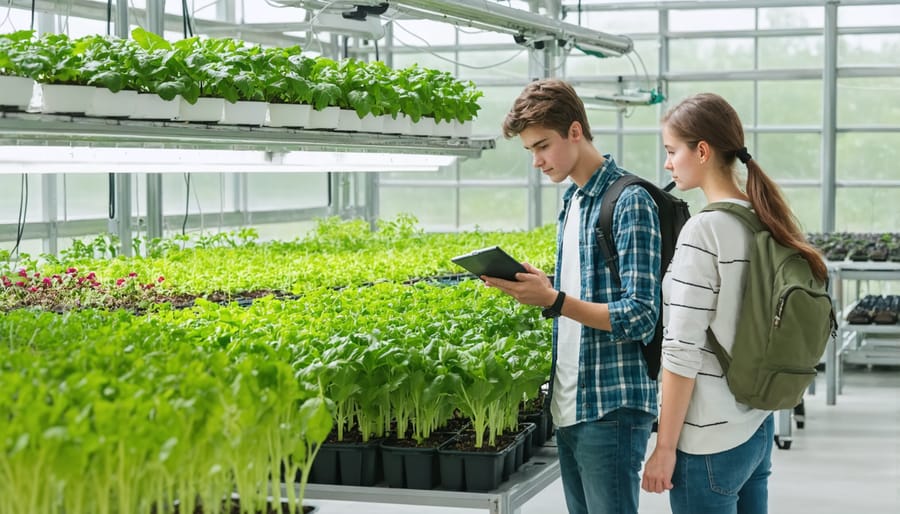
Local hydroponics education programs are proving to be powerful stepping stones for hobbyists looking to transform their passion into profitable ventures. These hands-on learning experiences provide essential skills that bridge the gap between casual gardening and professional growing operations. Many participants have successfully transitioned into sustainable agriculture careers, particularly in the CSA market where demand for locally grown produce continues to rise.
Programs typically cover business planning, scaling operations, and market analysis alongside technical growing skills. Success stories include former program graduates who now operate thriving hydroponic CSAs, supplying fresh greens and herbs to local communities year-round. These educational initiatives often include mentorship opportunities, connecting aspiring farmers with experienced growers who can provide practical guidance on transitioning from hobby to business.
The structured learning environment helps participants develop realistic business models while avoiding common pitfalls, making the journey to professional growing more achievable and sustainable.
Community Learning Benefits
Learning hydroponics alongside local experts and fellow enthusiasts creates powerful learning experiences that go beyond what you can achieve through online courses alone. When you join a local hydroponics community, you gain access to seasoned growers who can share their practical insights, troubleshooting tips, and region-specific knowledge. These face-to-face interactions allow you to ask questions in real-time, observe successful growing systems firsthand, and build lasting connections with other gardening enthusiasts.
Community learning also opens doors to equipment sharing, produce swapping, and collaborative projects. Many participants find that the networking opportunities lead to mentorship relationships and even business partnerships. The shared excitement of watching plants grow and solving challenges together creates a supportive environment where both beginners and experienced growers can thrive. Plus, learning locally means you’ll discover growing techniques specifically adapted to your area’s climate and market conditions.
Finding Local Hydroponics Programs
Educational Institutions
Many community colleges and universities now offer comprehensive hydroponics programs, combining hands-on experience with academic learning. These institutions typically provide access to state-of-the-art growing facilities and experienced instructors who bring real-world expertise to the classroom.
For example, local agricultural extension programs often partner with universities to offer certificate courses in hydroponic farming. These programs usually run for 3-6 months and cover essential topics like nutrient management, system design, and crop selection. Students get practical experience maintaining actual hydroponic systems while learning about the business aspects of urban farming.
Technical schools and vocational institutes are also expanding their offerings to include specialized hydroponics training. These programs tend to be more hands-on and career-focused, perfect for those looking to start their own hydroponic operation or work in commercial facilities.
Many institutions offer flexible learning options, including evening classes, weekend workshops, and hybrid courses that combine online learning with in-person lab work. This makes it easier for working professionals to pursue hydroponics education while maintaining their current commitments.
Community Centers and Gardens
Community centers and public gardens across the country are increasingly offering accessible hydroponics education programs for local residents. These neighborhood hubs provide hands-on workshops and training that make learning about soil-less growing methods both fun and practical.
Many centers feature demonstration gardens where you can see working hydroponic systems in action. Experienced growers guide participants through system setup, plant care, and harvesting techniques. You’ll learn alongside other community members who share your interest in sustainable food production.
Local botanical gardens often partner with hydroponic experts to offer seasonal classes perfect for beginners. These programs typically include basic system construction, nutrient management, and tips for growing popular crops like lettuce, herbs, and tomatoes. Some locations even provide starter kits so you can begin your hydroponic journey right away.
Check your city’s parks and recreation department website or contact nearby community gardens to find programs in your area. Many offer free or low-cost options to make hydroponics education accessible to everyone interested in this innovative growing method.
What to Look for in a Hydroponics Program
Curriculum Essentials
Any comprehensive hydroponics education program should cover several fundamental topics to give you a solid foundation. You’ll start with basic plant science, learning about nutrient requirements, growth cycles, and photosynthesis. Understanding water chemistry is crucial, including pH levels, nutrient solutions, and water quality testing methods. The program should teach you about different hydroponic systems like NFT (Nutrient Film Technique), DWC (Deep Water Culture), and media-based setups.
Essential curriculum elements include lighting requirements, covering both natural and artificial light sources, and environmental control techniques for temperature, humidity, and ventilation. You’ll learn about seed starting, transplanting, and plant maintenance, along with pest management strategies specific to hydroponic environments.
Most quality programs incorporate hands-on components where you’ll practice system assembly, maintenance procedures, and troubleshooting common issues. You should also expect to learn about harvest timing, post-harvest handling, and basic business principles if you’re considering commercial applications. Food safety and sanitation protocols are typically covered as well, ensuring your hydroponic operation meets health standards.

Hands-on Experience
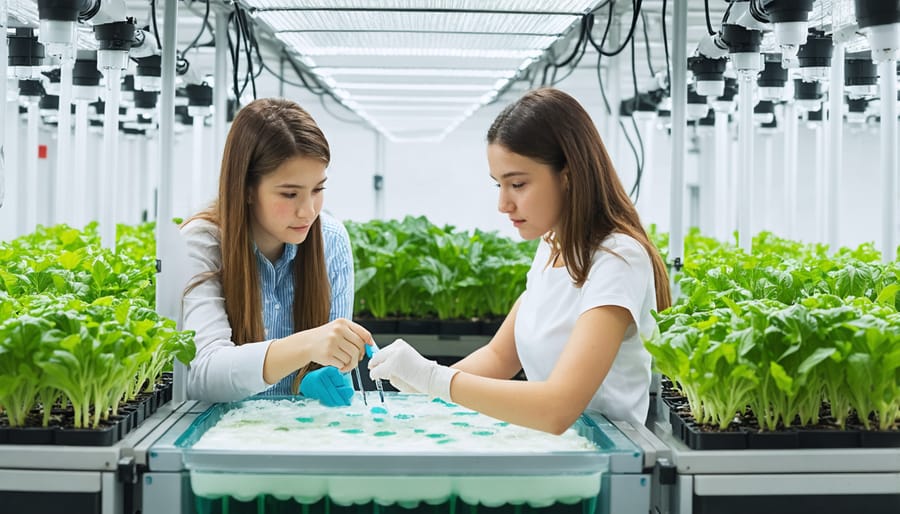
Hands-on experience is crucial when learning hydroponics, and most quality programs offer extensive practical training opportunities. You’ll get to work directly with real hydroponic systems, planting seeds, managing nutrient solutions, and monitoring plant growth. Many programs feature dedicated lab spaces where students can experiment with different growing techniques and troubleshoot common issues in a controlled environment.
Local community colleges and urban farming centers often provide access to commercial-grade equipment, allowing you to familiarize yourself with the same technology used in professional operations. During these practical sessions, you’ll learn essential skills like pH testing, system maintenance, and harvest techniques. Some programs even let students manage their own small hydroponic garden throughout the course.
The hands-on component helps solidify theoretical knowledge and builds confidence in working with hydroponic systems. Many successful hydroponic farmers credit their practical training experiences as the foundation for their current operations. Look for programs that offer at least 50% hands-on learning time to ensure you’re getting the most value from your education investment.
Getting Started with Your First Class
Getting started with your first hydroponics class is an exciting step toward sustainable growing! Begin by reaching out to your chosen program at least two weeks before the start date to secure your spot and gather essential information. Most programs offer flexible scheduling options, including weekend workshops and evening classes to accommodate various schedules.
Before your first class, prepare by gathering basic note-taking materials and wearing comfortable clothes you don’t mind getting slightly wet or dirty. Many programs provide all the necessary equipment, but it’s worth asking if there are any specific items you should bring.
To make the most of your learning experience, familiarize yourself with basic gardening concepts and hydroponics terminology. Don’t worry if you’re completely new to growing – instructors design these courses for beginners and will explain everything step by step.
Expect your first class to cover fundamentals like:
– Understanding different hydroponic systems
– Basic plant nutrition requirements
– Water quality management
– Essential equipment overview
– Safety protocols
Many students find it helpful to join online hydroponics communities or social media groups before starting classes. This allows you to connect with fellow learners and start building your support network early.
Remember to ask about hands-on opportunities during the program. The best learning comes from practical experience, and most courses include supervised time working with actual hydroponic systems. Some programs even offer mentorship opportunities or follow-up sessions after the initial course.
Take advantage of any course materials provided before class starts, and don’t hesitate to reach out to instructors with questions. Their goal is to help you succeed in your hydroponic growing journey!
Learning hydroponics through local education programs is an investment in your future and our planet’s sustainability. These hands-on courses offer invaluable knowledge, practical experience, and connections with like-minded individuals in your community. Whether you’re dreaming of starting a commercial operation or simply want to grow fresh produce at home, the skills you’ll gain from these programs can transform your approach to agriculture.
Don’t wait to start your hydroponics journey. Research the programs we’ve discussed, reach out to local instructors, and take that first step toward mastering soil-less growing. Remember, many facilities offer flexible scheduling and beginner-friendly options, making it easier than ever to fit this valuable education into your life.
Ready to grow? Contact your nearest hydroponics education center today and join the movement toward sustainable, efficient food production. Your journey into the future of farming starts here.
