
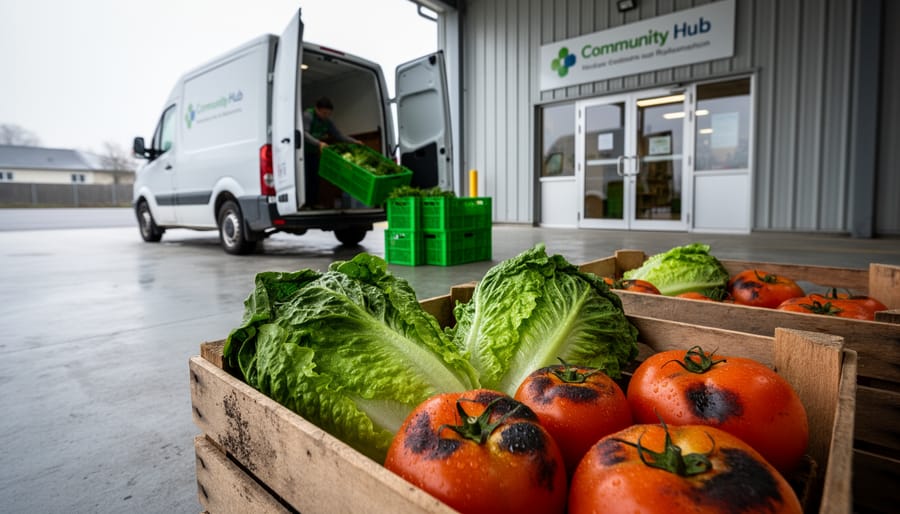
Every bite of food you eat traveled a journey—from soil to your table—and that journey determines whether our food system can sustain future generations. Right now, the average meal travels over 1,500 miles before reaching your plate, burning fossil fuels and generating waste at every stop. Meanwhile, nearly 40% of food spoils before consumption due to inadequate storage and transportation infrastructure.
A truly sustainable food system requires reimagining how we move and preserve our food. Transportation must shift from long-haul trucking to regional distribution networks that connect local farms directly with communities. Storage solutions need to extend beyond industrial refrigeration to include root cellars, season extension techniques, and preservation methods that reduce energy consumption while maintaining nutritional value.
The infrastructure supporting sustainable food isn’t just about roads and warehouses—it’s about creating resilient connections between farmers and eaters. When a family joins a local CSA program, they’re participating in a food system where transportation might mean a 10-mile drive instead of a cross-country haul. When farmers invest in on-farm cold storage or community food hubs, they’re building the foundation for food security that doesn’t depend on fragile global supply chains.
Understanding these critical components empowers you to make choices that support sustainability. Whether you’re growing your own vegetables, sourcing from nearby farms, or learning preservation techniques, you’re contributing to a food system that nourishes both people and planet without compromising the resources future generations will need.
The Hidden Journey: Where Your Food Loses Its Freshness
The Cost of Distance
Have you ever wondered how far your dinner traveled before reaching your plate? The average meal in North America journeys about 1,500 miles from farm to fork, racking up significant environmental costs along the way. These “food miles” contribute heavily to greenhouse gas emissions, with transportation accounting for roughly 11% of food-related carbon pollution.
Beyond the environmental impact, distance takes a toll on quality. Fresh produce begins losing nutrients within hours of harvest. Those tomatoes that traveled across the continent? They were likely picked before ripening to survive the journey, sacrificing flavor and nutritional value. When you choose locally sourced food from nearby farms, you’re getting produce harvested at peak ripeness, often within 24 hours of purchase.
The good news is that shorter supply chains can reduce carbon emissions dramatically while delivering superior freshness. Community Supported Agriculture programs typically source from farms within 100 miles, cutting transportation emissions by up to 90% compared to conventional supply chains. This means crisper vegetables, tastier fruit, and a lighter environmental footprint on your table.
Storage Problems That Pile Up
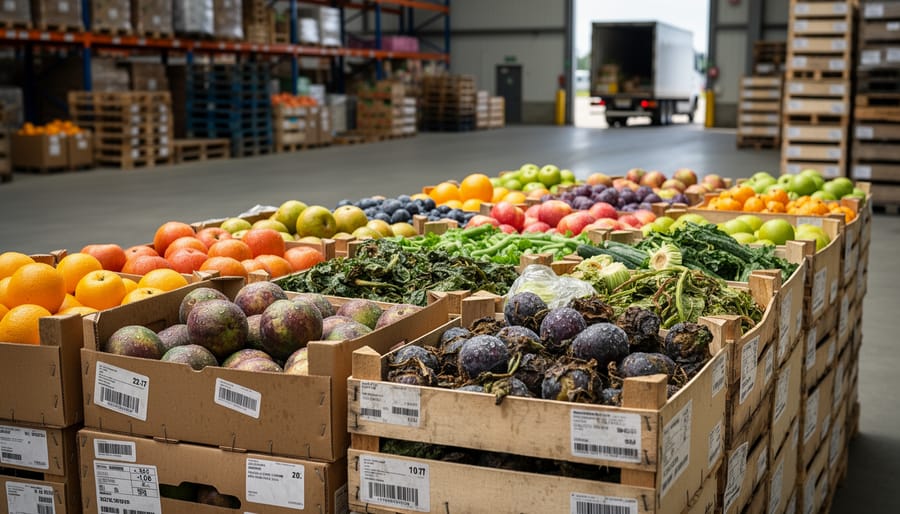
Once food reaches storage facilities, the problems continue to compound. Traditional warehouses consume enormous amounts of energy—refrigeration alone accounts for approximately 8% of global electricity use. These facilities rely on climate control systems running 24/7, creating a substantial carbon footprint before food ever reaches your plate.
The situation worsens when we consider how conventional storage extends shelf life. Many products receive chemical treatments and preservatives to prevent spoilage during long holding periods. While these additives help reduce waste, they raise questions about food quality and health impacts for consumers seeking natural options.
The statistics tell a sobering story: roughly one-third of all food produced globally gets lost or wasted, with storage-related issues playing a significant role. Improper temperature control, inadequate facilities, and extended storage times all contribute to this massive loss. For communities relying on long-distance food systems, these challenges mean reduced nutritional value, increased costs, and environmental damage that could be avoided through localized alternatives. When you consider that much of this waste happens before food even leaves storage facilities, the case for shorter, more direct farm-to-table connections becomes crystal clear.
Shortening the Distance: Transportation Methods That Work
Local and Regional Distribution Networks
Getting food from farm to table doesn’t have to involve cross-country trucking and days of storage. Community Supported Agriculture (CSA) programs, farmers markets, and food hubs are revolutionizing local food sourcing by creating distribution networks that keep things simple, fresh, and sustainable.
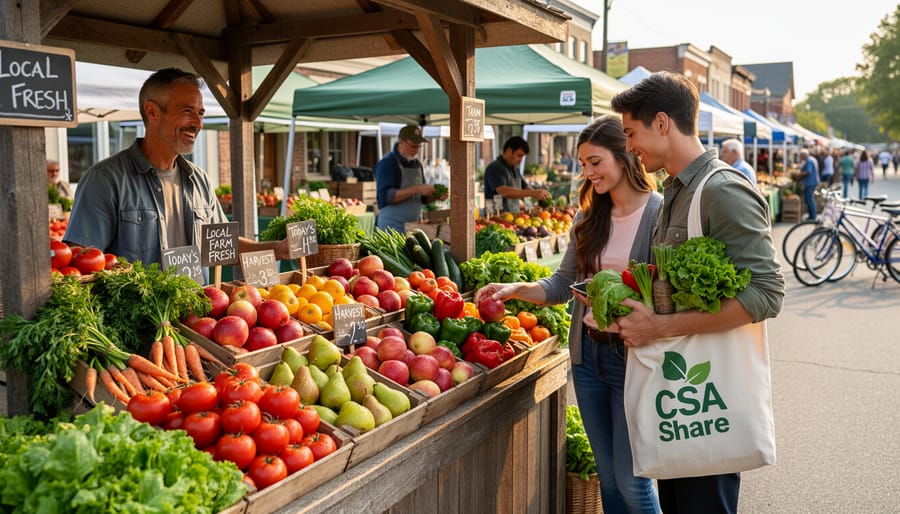
CSA programs connect you directly with nearby farms through weekly produce boxes. Since your food travels maybe 20 miles instead of 2,000, those tomatoes picked yesterday morning can be on your counter by evening. This short journey means produce retains more nutrients and flavor while dramatically reducing fuel consumption and emissions.
Farmers markets take this concept to the streets, allowing growers to sell directly to consumers within their region. Most vendors travel less than 50 miles, and many pick their produce the same day they sell it. Talk about fresh! You’ll often find farmers who can share exactly when and how each item was harvested.
Food hubs serve as regional collection and distribution centers, aggregating products from multiple small farms. This cooperative approach helps smaller producers access larger markets while maintaining shorter supply chains than conventional grocery distribution. One food hub manager in Ontario shared how their network reduced average transportation distances by 75 percent while helping 40 local farms reach more customers.
These systems prove that efficient distribution doesn’t require massive infrastructure. By keeping food local and fresh, we support both environmental health and thriving farming communities.
Electric and Alternative Fuel Vehicles
The transportation revolution is making sustainable food delivery more achievable than ever before. Electric delivery trucks are transforming how farms bring fresh produce to your table, cutting emissions dramatically while maintaining the cold chain necessary for peak freshness. Many forward-thinking CSA farms and food distributors are already investing in these zero-emission vehicles, proving that environmental responsibility and business efficiency can go hand-in-hand.
For shorter urban routes, cargo bikes are becoming game-changers. These pedal-powered workhorses can navigate city streets efficiently, delivering farm boxes to neighborhoods without adding to air pollution or traffic congestion. Some innovative CSA programs have embraced cargo bikes for last-mile delivery, creating a quieter, cleaner connection between farm and consumer.
Hybrid refrigerated trucks offer another promising option, particularly for medium-distance hauls where fully electric vehicles might face range limitations. These vehicles significantly reduce fuel consumption while ensuring your organic vegetables arrive as crisp as when they left the field.
The best part? As these technologies become more affordable and widespread, they’re making it easier for small and mid-sized farms to compete sustainably in the marketplace, ultimately giving you access to fresher, locally grown food with a smaller carbon footprint.
Seasonal Eating and Reduced Transit Times
Eating seasonally naturally shortens the distance your food travels, connecting you directly with your local growing cycles. When you choose strawberries in June rather than December, you’re enjoying produce that likely came from a nearby farm instead of traveling thousands of miles. This means fresher food on your table and dramatically reduced carbon emissions from transportation.
Take Sarah Chen, who started a small CSA operation in Vermont three years ago. By focusing exclusively on seasonal offerings, she’s built a loyal customer base that eagerly anticipates each harvest period. “My tomatoes go from vine to customer within 24 hours,” she explains. “People tell me they’ve never tasted anything so flavorful.” Her success demonstrates how seasonal eating creates demand for local farms while delivering superior quality.
Shorter supply chains also mean less need for artificial preservation methods. Produce can be harvested at peak ripeness rather than picked early for long-distance shipping. This preserves nutrients and taste while eliminating the energy costs of extended refrigeration and controlled atmosphere storage.
Starting your seasonal eating journey is simple. Visit farmers markets to discover what’s currently growing in your region, or join a CSA program where weekly boxes introduce you to your area’s natural rhythms. You’ll quickly notice the difference in both flavor and environmental impact.
Keeping It Fresh: Storage Solutions That Preserve and Protect
Root Cellars and Natural Cooling
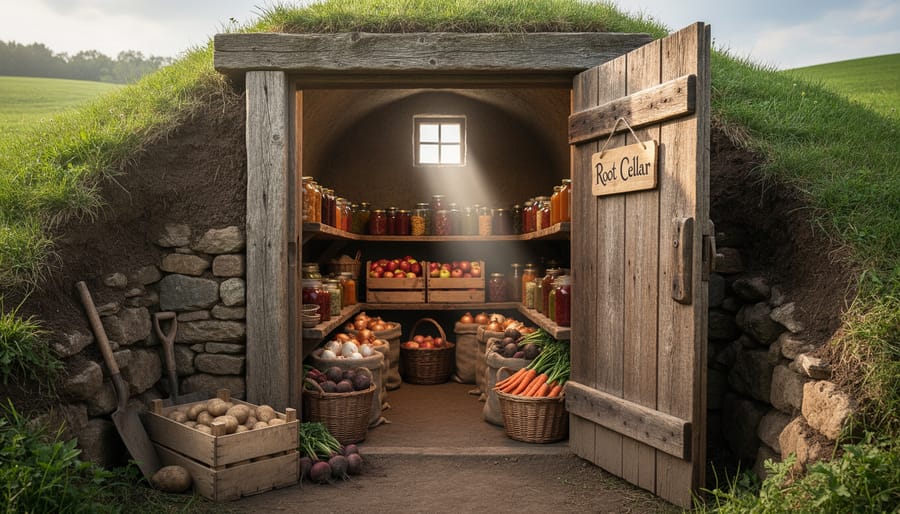
Before refrigeration, farmers relied on an ingenious solution that’s making a comeback: root cellars. These underground storage spaces harness the earth’s natural temperature regulation, maintaining consistent cool conditions perfect for preserving root vegetables, apples, and winter squash for months without using a single kilowatt of electricity.
Traditional root cellars work because soil temperature below the frost line stays relatively constant year-round, typically between 50-55°F. This natural cooling keeps produce fresh while preventing freezing. Modern adaptations range from simple buried containers to sophisticated earth-sheltered storage rooms with ventilation systems that manage humidity and air circulation.
Many small-scale farmers are rediscovering this time-tested method. Take Sarah from Green Valley Farm, who converted an old hillside depression into a functional root cellar. She now stores carrots, beets, and potatoes well into spring, reducing waste and extending her selling season at local markets.
You can apply these principles at home too. Even apartment dwellers can create mini root cellars using unheated garages, cool basements, or insulated containers. The key is finding spaces that stay cool but don’t freeze, with adequate ventilation to prevent moisture buildup. This simple storage solution reduces food waste while cutting your energy consumption.
Energy-Efficient Cold Storage
Keeping harvested food fresh without draining energy resources is a game-changer for sustainable farms. Many forward-thinking operations are turning to solar-powered refrigeration systems that harness the sun’s energy to keep produce at optimal temperatures. This innovation significantly reduces reliance on grid electricity and cuts operational costs while maintaining food quality.
Beyond renewable power sources, improved insulation techniques make a remarkable difference. Modern cold storage facilities use high-performance insulation materials that maintain consistent temperatures with minimal energy input. Some farmers have shared inspiring success stories about retrofitting old barns with advanced insulation, reducing their cooling costs by up to 40%.
Energy-efficient cooling systems featuring smart temperature controls and variable-speed compressors also play a vital role. These technologies adjust cooling intensity based on actual needs rather than running constantly at full capacity. When combined with proper food storage practices, these systems ensure produce stays fresh from farm to table while minimizing environmental impact. For home gardeners and CSA members, understanding these techniques helps appreciate the care taken to preserve your locally grown vegetables and supports informed choices about supporting farms investing in sustainable infrastructure.
Preservation Techniques That Extend Seasonality
Extending the life of seasonal harvests through preservation techniques is essential for reducing food waste and maintaining access to nutritious produce year-round. Fermentation transforms vegetables like cabbage into sauerkraut and cucumbers into pickles while boosting beneficial probiotics. This ancient method requires minimal equipment—just salt, vegetables, and patience. Dehydration concentrates flavors and nutrients in fruits, herbs, and tomatoes, creating shelf-stable snacks and cooking ingredients. A simple countertop dehydrator or even your oven on low heat works perfectly.
Canning allows you to capture summer’s bounty in jars, preserving jams, salsas, and tomato sauces that brighten winter meals. Water bath canning suits high-acid foods, while pressure canning safely preserves low-acid vegetables and stocks. Freezing offers the quickest preservation route—blanch vegetables briefly, cool rapidly, and freeze in portions for easy meal prep throughout the year.
These methods empower home gardeners and CSA members to enjoy local, organic produce beyond harvest season. One CSA member shared how learning to can tomatoes reduced her grocery bills by half while eliminating packaging waste. Start with one technique that excites you, and watch your food system transform.
Community Storage and Food Cooperatives
Community-based storage cooperatives are game-changers for small-scale farmers and conscious consumers alike. These shared facilities pool resources, making expensive cold storage and preservation equipment accessible to those who couldn’t afford it independently. Imagine a neighborhood root cellar where multiple farmers store their winter harvests, or a cooperative freezer facility where CSA members can preserve seasonal abundance.
These models work beautifully in practice. In Vermont, a farmer cooperative shares a climate-controlled warehouse, cutting individual storage costs by 60% while reducing food waste. Members take turns managing the facility, building community connections along the way.
For consumers, joining a food cooperative means buying in bulk during peak harvest season and storing produce collectively. You’ll save money, reduce packaging waste, and enjoy local organic food year-round. Many cooperatives also offer workshops on home preservation techniques, empowering members to extend their food’s life naturally. It’s sustainable storage that strengthens local food networks while making organic eating more affordable and accessible for everyone.
What Consumers Can Do Right Now
Join a CSA or Buy Locally
One of the most powerful ways you can support a sustainable food system is by joining a Community Supported Agriculture (CSA) program or shopping at your local farmers market. When you buy directly from nearby farms, you’re dramatically cutting down on transportation emissions—those tomatoes traveled miles instead of thousands! CSA memberships create a beautiful partnership where you share in the farm’s harvest throughout the season, giving farmers financial stability while you enjoy the freshest produce possible.
Shopping locally also means your food hasn’t been sitting in cold storage for weeks or months. That crispness you taste in those just-picked greens? That’s the difference! Plus, you’ll build relationships with the people who grow your food, learning their stories and gaining valuable tips about seasonal eating and food preparation. Many farmers love sharing recipes and growing advice with their customers. By choosing local, you’re not just getting incredible food—you’re investing in your community’s agricultural future and reducing the environmental footprint of every meal.
Master Home Storage Techniques
Once your fresh produce arrives home, proper storage becomes your superpower against food waste. The key is understanding that not all fruits and vegetables play well together or belong in the same environment.
Start by separating ethylene-producing fruits like apples, bananas, and tomatoes from ethylene-sensitive produce such as leafy greens, broccoli, and carrots. That gas naturally released by ripening fruits can accelerate spoilage in sensitive vegetables. Keep bananas on the counter and store your lettuce far away in the crisper drawer.
Speaking of crisper drawers, use them wisely. Most refrigerators have humidity controls—set one drawer to high humidity for leafy greens and herbs, and another to low humidity for fruits and peppers. Root vegetables like carrots and beets love moisture, so store them in perforated bags in the high-humidity drawer.
Not everything belongs in the fridge, though. Potatoes, onions, garlic, and winter squash prefer cool, dark spaces like pantries. Tomatoes develop better flavor at room temperature until they’re perfectly ripe.
Here’s a game-changer: wash produce only right before using it. That extra moisture during storage invites mold and speeds up decay. These simple adjustments can easily extend your produce’s life by several days, maximizing every delicious bite from your local farm haul.
Support Farms with Sustainable Practices
Finding farms committed to sustainability doesn’t have to be complicated. Start by visiting local farmers’ markets and asking vendors about their transportation and storage practices. Look for farms that use fuel-efficient vehicles, coordinate deliveries to reduce trips, or participate in food hubs where multiple growers share distribution resources.
Community Supported Agriculture (CSA) programs often partner with farms that prioritize these practices. When you join a CSA, you’re directly supporting farmers who invest in energy-efficient cold storage, use reusable containers, and minimize food waste through careful planning.
Consider farms with on-site farm stands or pick-your-own operations, which eliminate transportation entirely. These direct-purchase options also give you the chance to see sustainability in action and ask questions about their methods.
Success story: The Martinez family farm switched to solar-powered refrigeration and reduced their carbon footprint by 40% while keeping produce fresher longer. Their customers noticed the difference in quality and supported the transition through increased CSA memberships.
When shopping, choose farms certified organic or participating in sustainable agriculture programs, as these typically include transportation and storage standards in their requirements.
The Bigger Picture: Building a Resilient Food System
While farm-level innovations and individual choices form the foundation of sustainable agriculture, lasting change requires thinking bigger. A truly resilient food system emerges when we connect the dots between growers, consumers, infrastructure, and supportive policies that work together seamlessly.
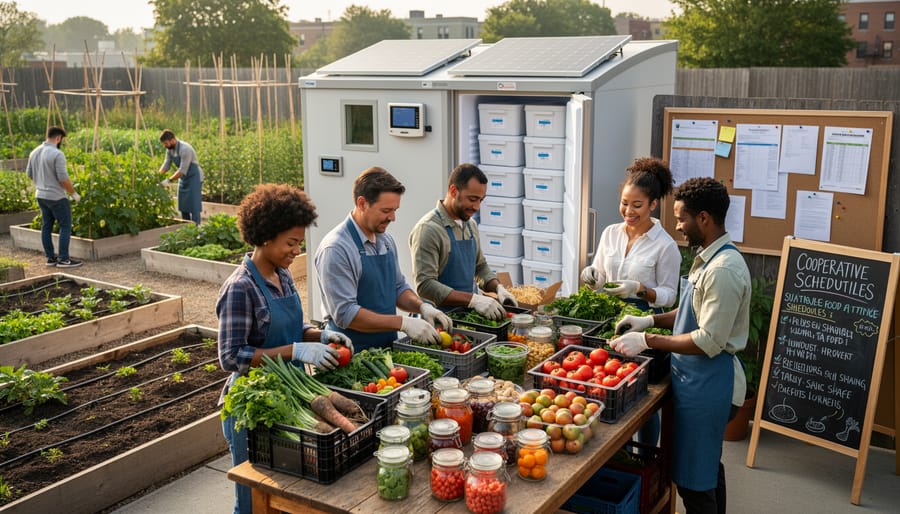
Consider Sarah, a CSA farmer in Ontario who grew her operation from serving 20 families to 150 over five years. Her success didn’t happen in isolation. It required local government support for farmers’ markets, community investment in a cooperative cold storage facility, and neighbors who championed community food systems at town hall meetings. This interconnected approach transformed her entire region’s food landscape.
Infrastructure investments make or break sustainability efforts. Shared processing facilities, regional food hubs, and efficient distribution networks allow small farms to compete with industrial agriculture. When communities pool resources for cold storage or mobile processing units, individual farmers can focus on what they do best: growing nutritious food.
Policy support matters equally. Zoning laws that protect farmland, grants for sustainable equipment, and institutional purchasing programs that prioritize local farms create an environment where sustainable agriculture thrives rather than merely survives.
Your role extends beyond your shopping cart. Attend municipal meetings to advocate for farmland preservation. Support organizations working on food policy. Join or start a community garden that becomes a learning hub for sustainable practices. Volunteer at local farms to understand their challenges firsthand.
Building resilience means creating systems where farmers can prosper, communities can access fresh food year-round, and environmental stewardship becomes the norm rather than the exception. When infrastructure, policy, and passionate individuals align, sustainable food systems don’t just survive—they flourish, feeding communities while regenerating the land for generations to come.
Building a sustainable food system starts with understanding that every step matters—especially how we move and store our food. When we prioritize local transportation methods, embrace energy-efficient storage solutions, and support farms using sustainable practices, we’re not just making better choices; we’re actively reshaping our food future.
The beauty of this transformation is that it’s already happening in communities just like yours. Farmers are finding creative ways to reduce their carbon footprint, implement solar-powered cold storage, and deliver fresh produce through coordinated distribution networks. These aren’t distant dreams—they’re practical solutions you can support today.
Ready to take action? Start by connecting with your local CSA program or visiting a nearby farmers market. Ask farmers about their transportation and storage practices. Share what you’ve learned with friends and family. Consider starting a neighborhood buying club to reduce individual trips to the farm. Every conversation, every purchase, and every relationship you build with local growers strengthens the foundation of a truly sustainable food system. Your choices ripple outward, creating lasting change one meal at a time.
