
Transform your shopping habits by reading ingredient labels, questioning product origins, and understanding supply chains before making purchases. Today’s conscious consumers recognize that every dollar spent represents a vote for specific business practices and environmental impacts. Beyond just local food sourcing benefits, mindful consumption ripples through entire communities, supporting ethical labor practices and sustainable production methods.
Consider the journey of your food from soil to plate, the environmental footprint of your clothing choices, and the long-term impact of your household products. Conscious consumption isn’t about perfection – it’s about progress through informed decisions. When millions of shoppers shift their purchasing power toward responsible options, markets respond with better practices, transparent supply chains, and sustainable alternatives.
Smart consumers now leverage technology to research brands, connect with local producers, and join communities of like-minded individuals committed to purposeful purchasing. This growing movement proves that everyday shopping choices create powerful collective impact, transforming not just personal health but entire economic systems through deliberate, thoughtful consumption.
What Makes a Conscious Consumer in Local Agriculture?
Beyond Organic Labels: Understanding Your Food’s Journey
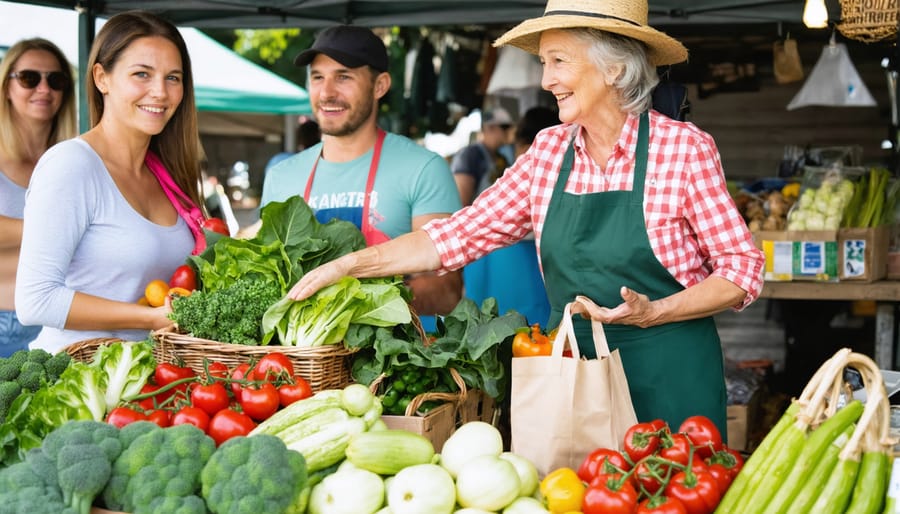
Being a conscious consumer goes beyond simply looking for organic labels at the grocery store. Today’s mindful shoppers are increasingly interested in understanding their food’s complete journey from farm to table. They engage directly with farmers at local markets, asking questions about growing practices, pest management methods, and harvesting techniques.
Many conscious consumers use smartphone apps to trace product origins, research farm certifications, and read reviews from other shoppers. They join CSA programs to build relationships with local farmers and often visit farms during open house events to see growing practices firsthand.
These informed shoppers also investigate processing methods, packaging materials, and transportation distances. They look for indicators of sustainable practices like water conservation, soil health management, and biodiversity preservation. Some even participate in community gardens or start their own home gardens to better understand food production.
Social media and online forums have become valuable resources for sharing experiences and findings about different farms and products, creating a network of knowledge that helps others make informed decisions about their food choices.
Building Relationships with Local Farmers
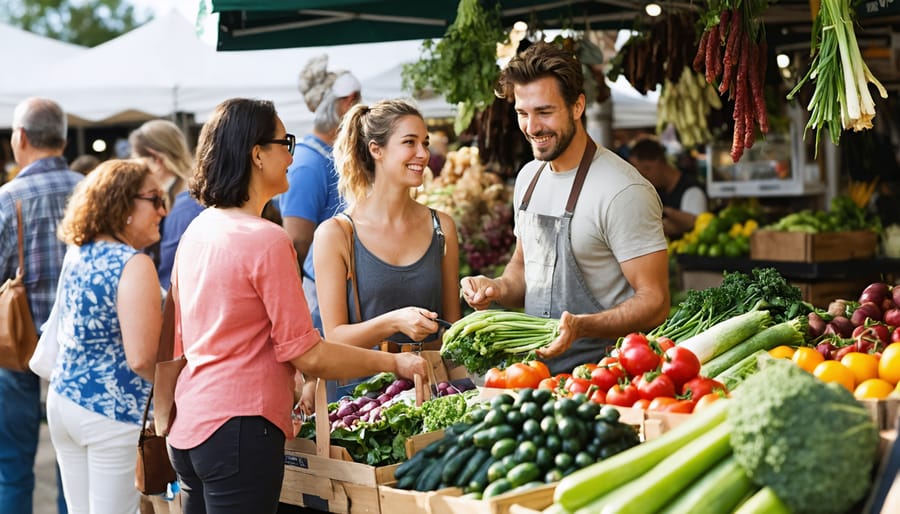
Building direct relationships with local farmers creates a powerful connection between food producers and consumers, enriching both communities and dinner tables. Start by visiting your local farmers’ market regularly – this face-to-face interaction allows you to learn about growing practices, seasonal availability, and the stories behind your food. Many farmers welcome questions about their methods and are eager to share their knowledge.
Consider joining a CSA (Community Supported Agriculture) program, where you receive regular shares of seasonal produce directly from a local farm. This arrangement provides farmers with stable income while giving you access to the freshest possible produce and a deeper understanding of seasonal eating patterns.
Follow local farms on social media and subscribe to their newsletters to stay informed about farm events, U-pick opportunities, and special offers. Many farms host seasonal activities like harvest festivals or educational workshops, providing excellent opportunities to strengthen these relationships.
Don’t hesitate to ask farmers about their growing practices, handling methods, and storage recommendations. This knowledge not only helps you make informed choices but also demonstrates your genuine interest in supporting local agriculture.
Smart Shopping Strategies at Local Agriculture Markets
Seasonal Shopping Guide
Understanding your local harvest seasons is key to becoming a more conscious consumer and getting the most value from your food budget. Each region has its unique growing calendar, offering different produce at various times throughout the year. By aligning your shopping habits with these natural cycles, you’ll not only enjoy fresher, more flavorful foods but also support local farmers and reduce your environmental impact.
Start by familiarizing yourself with your area’s growing seasons. Spring typically brings tender greens, asparagus, and early berries. Summer offers an abundance of tomatoes, peppers, and stone fruits. Fall harvests include squash, apples, and root vegetables, while winter features hardy greens and stored crops.
To make the most of seasonal shopping, plan your meals around what’s currently available. Consider bulk-buying when prices are lowest during peak season, and learn proper food storage tips to preserve your harvest. Many vegetables can be frozen, canned, or fermented for later use.
Local farmers’ markets are excellent resources for seasonal produce. Get to know your local vendors, who can often provide valuable advice about their products and when specific items will be available. Some even offer pre-season planning guides to help you anticipate upcoming harvests and plan your shopping accordingly.
Remember that eating seasonally often means being flexible and creative with your meal planning. Embrace the changing variety throughout the year – it’s nature’s way of providing exactly what our bodies need in each season.
Questions to Ask Your Local Farmer
When visiting your local farmer’s market or farm stand, don’t hesitate to engage in meaningful conversations with the farmers. Here are essential questions that can help you make informed choices and build lasting relationships with local producers:
“What growing methods do you use?” This opens a discussion about pesticides, fertilizers, and sustainable farming practices, even if they’re not certified organic.
“When was this harvested?” Fresh produce tastes better and contains more nutrients. Many farmers harvest within 24-48 hours of market day.
“What’s the best way to store this?” Each vegetable and fruit has optimal storage conditions. Farmers can share tips to extend shelf life and prevent food waste.
“What’s coming into season next?” This helps you plan future purchases and understand the natural growing cycle in your area.
“Do you offer CSA programs or bulk purchases?” Many farmers provide discount options for committed customers.
“How do you handle pest management?” This reveals their approach to protecting crops while maintaining ecological balance.
“Can I visit your farm?” Many local farmers welcome visitors and offer educational tours.
“What’s your favorite way to prepare this?” Farmers often have unique recipes and preparation tips for their produce.
Remember to be respectful of busy market times, and consider visiting during slower periods for more in-depth conversations. These discussions not only inform your purchases but also strengthen community bonds and support sustainable agriculture.
Your Purchases, Your Impact

Environmental Benefits
Conscious consumers play a vital role in reducing environmental impact through their thoughtful purchasing decisions. By choosing locally grown produce and supporting sustainable farming practices, these consumers help decrease the carbon emissions associated with long-distance food transportation. The shorter distance between farm and table significantly reduces the fuel consumption and packaging materials needed for food distribution.
Supporting local agriculture also promotes biodiversity in several ways. Small-scale farmers often cultivate diverse crop varieties, preserving heirloom seeds and maintaining genetic diversity in our food system. Additionally, sustainable farming practices, including crop rotation and natural pest management, create healthier ecosystems that support beneficial insects, birds, and other wildlife.
Many conscious consumers extend their environmental commitment beyond food choices by implementing home composting practices and reducing food waste. This circular approach to consumption helps minimize organic waste in landfills while creating nutrient-rich soil for local gardens and farms.
By choosing seasonal produce, conscious consumers reduce the energy needed for greenhouse cultivation and cold storage. This seasonal approach not only decreases energy consumption but also encourages appreciation for nature’s cycles and local growing conditions. The collective impact of these choices creates a ripple effect, inspiring others to adopt more sustainable consumption patterns and supporting the transition toward a more environmentally responsible food system.
Economic Ripple Effects
When conscious consumers choose to purchase locally grown food, they set in motion a powerful economic chain reaction that strengthens their community’s financial health. For every dollar spent at local farmers’ markets or farm stands, approximately 67 cents stays within the local economy, compared to just 40 cents when shopping at large chain stores.
This direct investment in local agriculture creates jobs beyond the farm itself. Local food businesses, including small-scale processors, distributors, and market vendors, all benefit from increased consumer support. Take Sarah’s Organic Farm in Vermont, for example, which expanded from a single-family operation to employing fifteen community members after seeing steady growth in local customer support.
The multiplier effect extends even further. When farmers earn more from direct sales, they’re more likely to reinvest in local services, from equipment repairs to accounting services. Local restaurants featuring farm-to-table menus create additional revenue streams for farmers while attracting food tourists who contribute to the broader tourism economy.
Local food purchases also help preserve agricultural land by making farming more economically viable. This preservation maintains property values and reduces development pressure on rural areas. Additionally, successful local farms often become training grounds for new farmers, fostering agricultural entrepreneurship and ensuring the continuation of local food production for future generations.
In essence, every conscious food purchase becomes a vote for a more resilient local economy.
Taking Action: Start Your Conscious Consumer Journey
Ready to embark on your conscious consumer journey? Start with these practical steps that can make a real difference in your food choices and shopping habits. Begin by creating a weekly meal plan – this simple practice helps reduce food waste and encourages thoughtful purchasing decisions. Next, familiarize yourself with seasonal produce calendars for your region, allowing you to make informed choices about what’s naturally available locally.
When shopping, bring reusable bags and containers, and explore zero-waste food practices to minimize packaging waste. Visit your local farmers’ market and engage with vendors – ask about their growing practices, seasonal specialties, and storage recommendations. Many farmers are happy to share their knowledge and might even offer cooking tips for their produce.
Consider joining a CSA (Community Supported Agriculture) program, which provides regular deliveries of fresh, local produce while supporting area farmers. Start small by committing to sourcing just one category of food items locally, such as vegetables or eggs, then gradually expand your conscious purchasing habits.
Download food tracking apps to monitor your consumption patterns and reduce waste. Learn basic food preservation techniques like freezing, canning, or fermenting to extend the life of seasonal produce. Connect with like-minded individuals through local food co-ops or community gardens to share resources and knowledge.
Read product labels carefully, focusing on origin, ingredients, and certification labels. Look for trusted certifications like organic, fair trade, or local food labels that align with your values. Keep a food diary to track your progress and celebrate small wins as you transition to more conscious consumption habits.
Remember, becoming a conscious consumer is a journey, not a destination. Each mindful choice contributes to a more sustainable food system, supporting local farmers while nourishing your health and community.
Becoming a conscious consumer is more than just a trend – it’s a powerful way to create positive change in our communities and environment. By making mindful choices about our purchases, we support local farmers, reduce our environmental impact, and contribute to a more sustainable food system.
Remember, every shopping decision is an opportunity to vote with your wallet. Start small by incorporating one or two conscious consumption habits into your routine. Visit your local farmers’ market, learn about seasonal produce, or join a community-supported agriculture (CSA) program. These simple steps can make a significant difference.
Consider keeping a food diary to track your purchasing habits and identify areas where you can make more sustainable choices. Connect with like-minded individuals in your community who share your values and can offer support and inspiration on your journey.
The path to conscious consumption is personal and evolving. Don’t feel pressured to transform your habits overnight. Focus on progress rather than perfection, celebrating each small victory along the way. Whether it’s choosing package-free produce or supporting a local organic farmer, your choices matter.
By becoming more conscious consumers, we’re not just changing our own lives – we’re helping build a more sustainable and equitable food system for future generations. Take that first step today, and watch how your thoughtful choices ripple out to create positive change in your community and beyond.
