Daily Archives

3 Articles

Build a Thriving CSA Community That Members Love (And Keep Coming Back To)

Posted by darrell on
0
Market Events and Community Engagement
Build a Thriving CSA Community That Members Love (And Keep Coming Back To)

Build lasting connections through authentic community engagement by hosting monthly farm-to-table events where members harvest alongside farmers, share recipes, and learn sustainable growing practices firsthand. Launch a digital newsletter featuring seasonal crop updates, preservation techniques, and member spotlights to maintain year-round involvement, even during off-seasons. Create a feedback loop through quarterly surveys and informal gatherings, transforming member insights into actionable improvements for your CSA program. Establish a volunteer program that trains committed members in essential farm tasks, building a reliable support network while reducing labor costs. This combination of hands-on participation, consistent communication, and community-driven decision-making ensures both environmental sustainability and lasting member loyalty – the twin pillars of a thriving CSA operation. By investing in these relationships today, your farm cultivates advocates who will champion your mission tomorrow, creating a self-sustaining ecosystem of support that grows stronger with each passing season.

Creating Deep Connections Through Farm Events

Harvest Festivals and Farm-to-Table Dinners

Seasonal harvest festivals and farm-to-table dinners are powerful ways to strengthen community bonds while showcasing your farm’s bounty. These farm events and activities create memorable experiences that connect members directly to their food source and the people who grow it.

Start by planning your festival around peak harvest times when produce is most abundant. Consider hosting a summer tomato festival or fall pumpkin celebration, complete with hands-on activities like canning demonstrations or pie-making workshops. Invite local chefs to create seasonal dishes using your farm’s produce, offering members cooking tips and recipe ideas they can try at home.

Farm-to-table dinners can be intimate affairs for 20 guests or grand community gatherings for 100+. Set long tables between crop rows or in your barn, decorated with fresh-cut flowers and lit by string lights. Have farmers share stories about the featured ingredients while guests enjoy family-style meals that highlight the season’s best offerings.

Encourage member participation by creating volunteer opportunities for setup, serving, and cleanup. Consider implementing a lottery system for popular events to ensure fair access. Document these gatherings through photos and testimonials to share on social media, helping build anticipation for future events while showcasing your farm’s vibrant community spirit.

Remember to keep tickets affordable for members while covering your costs, and always have a backup plan for weather-related changes. These celebrations not only generate additional revenue but also strengthen member loyalty and create lasting connections to your farm.

Community members enjoying a farm-to-table dinner during a CSA harvest festival
Diverse group of CSA members and farmers gathering at a harvest festival, sharing food and conversation at long outdoor tables

Educational Workshops and Family Activities

Educational workshops and hands-on activities create meaningful connections between our farm and community members while fostering a deeper understanding of sustainable agriculture. We organize seasonal planting workshops where families learn about soil preparation, seed starting, and organic growing techniques. These interactive sessions allow participants to get their hands dirty while learning valuable gardening skills they can apply at home.

Our popular “Farm to Fork” cooking demonstrations showcase creative ways to prepare seasonal produce, helping members make the most of their weekly shares. Children especially enjoy our “Junior Farmer” programs, where they can feed chickens, harvest vegetables, and learn about composting through fun, age-appropriate activities.

Monthly sustainability workshops cover topics like water conservation, natural pest management, and food preservation. These sessions not only educate but also build a community of environmentally conscious individuals who share knowledge and experiences.

We’ve found that families who participate in these activities develop a stronger connection to their food source and become long-term supporters of sustainable farming. To make these learning opportunities accessible to all, we offer sliding-scale pricing and scholarship options for workshops.

The farm also hosts seasonal celebrations, including harvest festivals and solstice gatherings, which combine education with community building. These events feature guided farm tours, tastings, and hands-on demonstrations that bring sustainable agriculture to life for participants of all ages.

Digital Community Building Strategies

Social Media and Newsletter Success

In today’s digital age, maintaining strong connections with your CSA members requires a strategic blend of social media presence and targeted newsletter communications. Implementing effective digital engagement strategies can significantly boost member participation and strengthen your community bonds.

For social media success, focus on sharing authentic, behind-the-scenes content that showcases your daily farming activities. Post regular updates about crop progress, harvest schedules, and farm events. Instagram and Facebook are particularly effective platforms for sharing vibrant photos of fresh produce and engaging stories about your farming journey.

Your newsletter should serve as a vital information hub for members. Include seasonal recipes featuring current harvest items, storage tips for various produce, and upcoming farm events. Keep the tone personal and conversational, as if you’re writing to a friend. A consistent sending schedule – whether weekly or bi-weekly – helps members anticipate and look forward to your updates.

Remember to encourage two-way communication. Use polls on social media to gather feedback about preferred produce varieties or event timing. Include clear calls-to-action in your newsletters, inviting members to share their cooking successes or participate in farm activities. This creates a sense of community ownership and involvement.

Track engagement metrics to understand what content resonates most with your audience. Pay attention to open rates, click-through rates, and social media interactions to refine your communication strategy over time.

Social media content showcase featuring fresh produce and cooking tips from a CSA farm
Smartphone displaying a CSA’s Instagram feed showing vibrant produce photos and recipe ideas

Online Recipe Sharing and Cooking Tips

Our online recipe platform has become a vibrant hub where members share creative ways to prepare their weekly produce. Through our dedicated community forum, farmers and members alike exchange seasonal recipes, cooking tips, and food preservation techniques that help reduce waste and make the most of each harvest.

Members particularly love our “What’s in My Box?” weekly feature, where we spotlight unusual vegetables and share multiple preparation methods. From quick weeknight stir-fries to weekend preservation projects, these recipes help members confidently handle everything from familiar carrots to more exotic items like kohlrabi or garlic scapes.

Our seasonal cooking guides have proven especially valuable during peak harvest times. When zucchini is abundant, members share their favorite bread recipes, pickling methods, and freezing tips. The community’s collective knowledge helps everyone enjoy their produce at its freshest while learning techniques to extend its usefulness.

We encourage members to share their kitchen successes and learning experiences through photos and stories. These authentic experiences inspire others and create meaningful connections within our community. Popular features include quick-prep recipes for busy families, vegetable-forward main dishes, and creative ways to involve children in cooking.

To support our sustainability mission, we emphasize recipes that use the whole vegetable, including stems, leaves, and peels when appropriate. This approach not only reduces food waste but also helps members discover new flavors and textures while maximizing the nutritional benefits of their produce.

Member Feedback and Continuous Improvement

CSA members and farmers in an interactive feedback session discussing program improvements
Small group of CSA members participating in a feedback session with farmers, taking notes and engaging in discussion

Surveys and Focus Groups

Gathering feedback from your community is essential for creating a thriving, sustainable operation that truly serves its members’ needs. Surveys offer a structured way to collect valuable insights, with online tools like Google Forms or SurveyMonkey making it easy to reach your entire membership base. Keep surveys brief and focused, mixing multiple-choice questions with open-ended responses to capture both quantitative and qualitative data.

Focus groups provide deeper, more nuanced feedback through face-to-face conversations. Consider hosting seasonal focus groups with 6-8 members to discuss everything from produce variety preferences to pickup logistics. These intimate settings often reveal unexpected insights and foster stronger connections within your community.

Remember to act on the feedback you receive. Share survey results with your members and communicate how you’re implementing their suggestions. For example, if members express interest in more cooking tips, start including recipe cards with weekly shares or host cooking demonstrations during pickup times.

Track feedback trends over time to identify patterns and measure improvement. This data-driven approach helps ensure your decisions align with community needs while maintaining operational sustainability. Consider offering incentives like extra produce or priority pickup times to encourage participation in these feedback initiatives.

Adapting Your Program

A successful community engagement program must evolve with your members’ needs while maintaining its core sustainability principles. Start by creating a structured feedback system through seasonal surveys and informal conversations during pickup times. These touchpoints provide valuable insights into what’s working and what needs adjustment.

When implementing changes, take a balanced approach. Consider both the immediate member requests and your program’s long-term viability. For example, if members express interest in new vegetable varieties, test them on a small scale first to ensure they align with your growing capabilities and resource management.

Use data from your feedback systems to prioritize changes. Focus on adjustments that benefit the majority while remaining true to your sustainable practices. If multiple members request more flexible pickup times, consider implementing a time-window system rather than extended hours that might strain your resources.

Remember to communicate changes clearly and explain the reasoning behind decisions that maintain sustainability. Share success stories of implemented changes and their positive impact on both the community and the environment. This transparency helps members understand and support your program’s evolution while strengthening their connection to your sustainable mission.

Keep documentation of what works and what doesn’t. This creates a valuable reference for future adaptations and helps maintain program consistency even as you make improvements.

Sustainable Growth Through Member Advocacy

Building a Referral Program

A well-structured referral program can help your CSA thrive while fostering a sense of community among members. When existing members become ambassadors for your farm, they not only help expand your reach but also keep members coming back season after season.

Start by offering tangible incentives that benefit both the referrer and new member. Consider providing a 10% discount on a share for successful referrals, or create a points system where members can earn credits toward future purchases or exclusive farm experiences. Free add-on products, like extra seasonal vegetables or handcrafted items, can also serve as compelling rewards.

Make the referral process simple and trackable. Create personalized referral codes for members to share with friends and family, or use digital tools specifically designed for referral management. Provide members with shareable content, such as beautiful farm photos, recipe cards, or short videos they can easily pass along to potential new members.

Remember to celebrate successful referrals publicly. Feature referring members in your newsletter, share their stories on social media, or acknowledge them during farm events. This recognition not only shows appreciation but also inspires others to participate in growing the community.

Consider implementing tiered rewards for multiple referrals, encouraging your most enthusiastic members to become true farm ambassadors. The key is creating a program that feels genuine and aligns with your farm’s values while building meaningful connections within your community.

Community Partnerships

Building strong partnerships within the local community is essential for creating lasting impact and fostering sustainable growth. We’ve found that collaborating with farmers’ markets, schools, and local businesses creates a powerful network that benefits everyone involved. For example, partnering with nearby schools allows us to introduce children to organic farming through educational field trips and hands-on gardening programs.

Local restaurants have become valuable allies in our mission, featuring our seasonal produce in their farm-to-table menus and helping to reduce food waste through creative use of surplus crops. These partnerships not only provide stable income streams but also help raise awareness about the importance of supporting local agriculture.

Community organizations and food banks play a crucial role in ensuring that fresh, organic produce reaches all members of our community. Through donation programs and sliding-scale payment options, we’re working to make healthy food more accessible to everyone.

Environmental groups and conservation organizations have helped us implement better sustainability practices while providing valuable resources and expertise. Together, we’ve developed initiatives for water conservation, soil health improvement, and biodiversity preservation.

Our partnerships with other local farms have created opportunities for knowledge sharing, equipment sharing, and collective marketing efforts. This cooperative approach has made it easier for small farms to compete effectively while maintaining their commitment to organic practices.

By fostering these meaningful connections, we’ve created a resilient support system that strengthens our community while advancing sustainable agriculture practices.

Building a thriving, sustainable community around your agricultural venture isn’t just good for business – it’s essential for creating lasting positive change in our food system. By implementing the strategies we’ve discussed, you can create meaningful connections while ensuring your operation’s long-term success.

Remember that engagement starts with genuine relationship-building. Whether through farm tours, workshops, or social media interactions, every touchpoint is an opportunity to educate and inspire. Make sustainability visible by sharing your farming practices, celebrating successes, and being transparent about challenges.

The key is to start small and grow organically. Begin with one or two engagement strategies that feel authentic to your operation, then expand based on community feedback. Consider creating a simple newsletter, hosting monthly farm days, or starting a volunteer program. These initiatives can grow naturally as your community develops.

Don’t forget to measure and adapt your efforts. Regular surveys, informal conversations, and social media engagement metrics can help you understand what resonates with your community. Use this feedback to refine your approach and create more meaningful experiences.

Most importantly, stay true to your sustainable values while remaining flexible in your methods. As you’ve seen from successful farms across the country, there’s no one-size-fits-all approach to community engagement. The most sustainable programs are those that evolve with their communities while maintaining their core mission of environmental stewardship and social responsibility.

Take that first step today – your community is waiting to grow with you.

These Climate-Smart Seeds Will Keep Your Garden Thriving Through Extreme Weather

Posted by darrell on
0
Seed Preservation and Biodiversity
These Climate-Smart Seeds Will Keep Your Garden Thriving Through Extreme Weather

As climate extremes intensify, farmers and gardeners worldwide are turning to climate-resistant crops as their frontline defense against unpredictable weather patterns. These resilient varieties, developed through generations of selective breeding and enhanced seed diversity, offer hope for sustainable food production even in challenging conditions. From drought-tolerant sorghum to flood-resistant rice varieties, these agricultural innovations are revolutionizing how we grow food in an era of climate uncertainty.

Traditional farming wisdom, combined with modern scientific advances, has created crops that not only survive but thrive under stress – whether it’s scorching heat, prolonged drought, or excessive rainfall. For small-scale farmers and home gardeners alike, understanding and implementing climate-resistant growing strategies has become not just an option, but a necessity for ensuring consistent harvests and food security in our changing world.

Understanding Climate-Resistant Crops

Heat and Drought Tolerance

Climate-resistant crops have developed remarkable mechanisms to withstand scorching temperatures and prolonged dry spells. These hardy varieties feature deep root systems that can access water from far below the soil surface, while their leaves often have a waxy coating or tiny hairs that help reduce water loss through evaporation. Some plants have even evolved to adjust their photosynthesis process during extreme heat, temporarily shutting down to conserve energy and water.

For example, drought-tolerant corn varieties can roll their leaves to reduce surface area exposure to the sun, while heat-resistant tomatoes continue to produce fruit even when temperatures soar above 95°F. Many of these crops also develop higher concentrations of protective compounds, such as heat-shock proteins and antioxidants, which help them maintain cellular function during stress periods.

Small-scale farmers in Arizona have reported success with these adaptive varieties, maintaining productive harvests even during record-breaking heat waves and water restrictions.

Comparative image showing wilted traditional corn next to thriving drought-resistant corn in dry conditions
Side-by-side comparison of traditional corn and drought-resistant corn during a heat wave

Disease and Pest Resistance

Climate-resistant crops are engineered or selectively bred to have enhanced natural defenses against pests and diseases that thrive in changing weather conditions. As temperatures rise and rainfall patterns shift, many regions face increased pressure from both existing and emerging agricultural threats. These resilient varieties often feature stronger cell walls, making it harder for fungi and bacteria to penetrate, while some produce natural compounds that repel common insect pests.

For example, drought-resistant corn varieties developed in East Africa show improved resistance to stem borers, while heat-tolerant tomato varieties demonstrate better immunity to bacterial wilt, a disease that typically flourishes in warm, humid conditions. Many climate-smart rice varieties now include built-in resistance to blast disease and brown planthoppers, two threats that intensify during periods of environmental stress.

Farmers using these resistant varieties often report significant reductions in pesticide use, creating a positive cycle of environmental benefits while maintaining crop yields even under challenging conditions.

Top Climate-Resistant Varieties for Your Garden

Heat-Hardy Vegetables

As temperatures continue to rise globally, many gardeners are turning to climate-resilient varieties of vegetables that can withstand intense heat. Okra leads the pack as a heat-loving champion, thriving in temperatures that would wilt most other crops. This African native actually produces better yields when temperatures soar above 85°F (29°C).

Sweet potatoes and peppers are other excellent choices for hot conditions, with sweet potatoes developing their best flavors in warm soil and peppers producing abundant fruit during long, hot summers. Eggplants, part of the nightshade family, show remarkable resilience in high temperatures and continue to fruit even during heat waves.

For leafy greens in hot weather, Malabar spinach and New Zealand spinach offer heat-tolerant alternatives to traditional spinach. These climbing plants produce nutritious leaves throughout summer without bolting. Egyptian spinach, also known as molokhia, is another excellent choice that actually prefers hot conditions.

Among root vegetables, yams and cassava stand out for their ability to grow in hot, dry conditions. These sturdy crops develop extensive root systems that help them access water deep in the soil, making them particularly drought-resistant. Jerusalem artichokes also perform well in high temperatures, providing both edible tubers and tall plants that can offer shade to other crops.

Healthy heat-resistant vegetables thriving in a sunny garden bed
Collection of heat-tolerant vegetables including okra, eggplant, and peppers growing in a summer garden

Drought-Tolerant Favorites

When it comes to drought-resistant crops, several hardy varieties have proven themselves time and again in challenging conditions. Sorghum leads the pack with its impressive deep root system and waxy coating that helps prevent water loss. This ancient grain requires about 30% less water than corn while providing similar nutritional benefits.

Cowpeas, also known as black-eyed peas, are another champion of dry conditions. These legumes not only survive with minimal water but also improve soil health by fixing nitrogen. Small-scale farmer Maria Rodriguez from Arizona shares, “Cowpeas have been a game-changer for my farm. They produce well even in our hottest summers.”

Tepary beans, native to the American Southwest, have adapted to thrive in desert conditions. These hardy beans develop quickly and can produce a harvest with as little as 6 inches of rainfall during their growing season. Similarly, pearl millet shows exceptional drought tolerance while offering excellent nutritional value.

For fruit options, figs and pomegranates stand out as drought-tolerant favorites. These Mediterranean natives have evolved to flourish in dry climates, producing sweet, nutritious fruits with minimal irrigation. Drought-resistant herbs like rosemary, sage, and lavender not only survive dry spells but actually develop more intense flavors when grown in water-restricted conditions.

Remember, success with these crops often comes down to proper timing and soil preparation. Building organic matter in your soil helps retain whatever moisture is available, making these naturally tough plants even more resilient.

Growing Success with Climate-Smart Seeds

Planting and Care Guidelines

Success with climate-resistant crops starts with selecting healthy, viable seeds and maintaining proper seed storage practices. Plant your crops in well-draining soil enriched with organic matter, which helps retain moisture during dry spells while preventing waterlogging during heavy rains.

Space plants according to their mature size to ensure good air circulation and reduce disease pressure. Most climate-resistant varieties benefit from mulching with organic materials like straw or wood chips, which helps regulate soil temperature and moisture levels.

Water deeply but less frequently to encourage deep root growth, making plants more resilient to drought conditions. Consider installing drip irrigation or soaker hoses for efficient water delivery. Monitor your plants regularly for signs of stress or pest problems, addressing issues early before they become severe.

For optimal results, integrate companion planting strategies and rotate your crops annually. This practice helps maintain soil health and naturally manages pest populations. Remember to save seeds from your most successful plants to develop varieties that are specifically adapted to your local climate conditions.

Garden bed showing mulching and drip irrigation system for water conservation
Demonstration of proper mulching and drip irrigation techniques for climate-resistant crops

Season Extension Techniques

Extending your growing season is crucial when working with climate-resistant crops, and there are several effective methods to achieve this. Row covers and cold frames offer simple but powerful protection against frost and harsh weather, allowing you to start planting earlier in spring and continue harvesting later into fall. These protective barriers create a microclimate that helps maintain optimal growing conditions.

High tunnels and hoop houses provide more substantial protection while remaining cost-effective for small-scale growers. These structures can extend your growing season by up to three months, depending on your climate zone. Many farmers have found success using these methods – like Sarah Miller from Vermont, who now grows greens year-round using a combination of cold-hardy varieties and seasonal protection techniques.

Mulching is another vital technique that helps regulate soil temperature and retain moisture. Whether using organic materials like straw and leaves or landscape fabric, proper mulching can protect roots from temperature fluctuations while reducing water requirements. Combining these methods with strategic planting dates and succession planting ensures a steady harvest throughout the extended growing season.

As we face increasingly unpredictable weather patterns, climate-resistant crops offer a beacon of hope for gardeners and small-scale farmers alike. These resilient varieties not only ensure a more reliable harvest but also contribute to food security and sustainable agriculture. By incorporating drought-tolerant vegetables, heat-resistant fruits, and weather-hardy grains into your garden, you’re taking a proactive step toward climate adaptation while maintaining a productive growing space.

The benefits extend beyond just survival in tough conditions. Climate-resistant crops often require less water and maintenance, making them perfect for busy gardeners. They can also help preserve genetic diversity and traditional farming knowledge, as many of these varieties have been cultivated by communities for generations.

Ready to get started? Consider adding a few climate-resistant varieties to your garden this season. Start small with hardy herbs or drought-resistant tomatoes, and gradually expand your selection. Remember, every climate-resistant plant you grow contributes to a more sustainable and resilient food system. Your garden can be part of the solution to climate change, one crop at a time.

Smart Farming Meets AI: How Modern Decision Support Systems Are Revolutionizing CSA Operations

Posted by darrell on
0
Technology and Innovation
Smart Farming Meets AI: How Modern Decision Support Systems Are Revolutionizing CSA Operations

Transform your farm’s decision-making process with modern business intelligence tools that turn raw data into profitable insights. Today’s CSA farm operators harness the power of smart systems to track crop yields, predict market demands, and optimize resource allocation in real-time. These digital solutions combine weather patterns, soil conditions, customer preferences, and historical performance data to create a comprehensive view of your agricultural operation.

Business intelligence decision support systems serve as your farm’s digital backbone, offering clear pathways to reduce waste, increase efficiency, and strengthen customer relationships. Whether you’re managing crop rotation schedules, forecasting harvest times, or analyzing distribution patterns, these systems provide the concrete data needed to make confident, informed choices that impact your bottom line.

For small-scale organic farmers, these tools have become increasingly accessible and user-friendly, requiring minimal technical expertise while delivering maximum value. They bridge the gap between traditional farming wisdom and modern data analytics, helping you maintain the personal touch of local agriculture while leveraging the power of digital innovation to grow your operation sustainably.

As we dive deeper into specific applications and benefits, you’ll discover how these systems can work for your unique farming context, supporting both your agricultural mission and business growth objectives.

The Evolution of Decision Support in CSA Farming

Traditional vs. AI-Powered Decision Making

Traditional CSA farm management relied heavily on manual record-keeping, weather almanacs, and gut feelings for decision-making. Farmers would track their plantings in notebooks, estimate harvest yields based on previous seasons, and schedule deliveries using basic spreadsheets. While these methods served well for generations, today’s farming landscape demands more precise tools to stay competitive and efficient.

Enter the era of AI-powered decision support systems, where IoT is transforming CSA operations through smart sensors, predictive analytics, and automated data collection. These systems help farmers make data-driven decisions about everything from optimal planting times to customer preference tracking.

Modern farms can now leverage real-time soil moisture readings, weather predictions, and crop growth patterns to maximize yields. AI algorithms analyze historical data alongside current conditions to suggest the best times for harvesting, while smart inventory systems automatically update share contents based on actual harvest quantities. This blend of traditional farming wisdom and cutting-edge technology creates a more sustainable and profitable operation, allowing farmers to focus more on growing quality produce and less on administrative tasks.

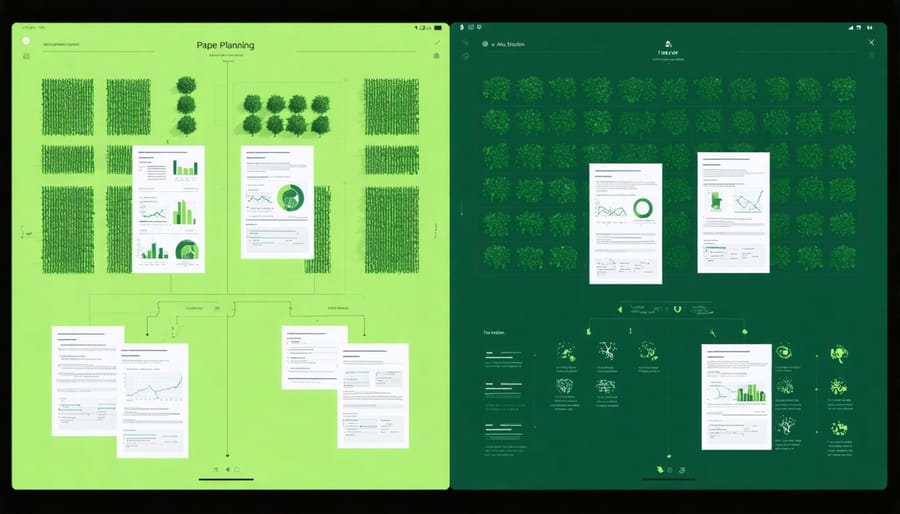
Side-by-side comparison of traditional farm planning methods and modern AI-powered digital solutions
Split-screen comparison showing traditional paper-based farm planning versus modern tablet-based AI system interface

Real Benefits for Small-Scale Farmers

Business intelligence systems bring tangible advantages to small-scale farmers, making daily operations smoother and more profitable. By analyzing weather patterns, crop yields, and market trends, farmers can make better-informed decisions about planting schedules and crop selection. For example, Sarah Jensen, a CSA farmer in Vermont, increased her farm’s efficiency by 30% after implementing a simple BI dashboard to track customer preferences and seasonal produce performance.

These systems help farmers optimize resource allocation by providing insights into water usage, soil health, and labor distribution. Many farmers report significant cost savings through better inventory management and reduced waste. The technology also enables better customer relationship management, allowing farmers to track preferences and adjust their growing plans accordingly.

Real-time data analysis helps in identifying potential problems before they become critical. Whether it’s detecting early signs of pest infestation or monitoring soil moisture levels, BI tools empower farmers to take proactive measures. This preventive approach not only saves crops but also reduces the need for expensive emergency interventions.

For CSA operators, BI systems simplify share management and delivery logistics, ensuring members receive fresh, high-quality produce consistently.

Core Components of Modern Farm Intelligence Systems

Modern farm intelligence dashboard displaying crop analytics and predictions
Interactive dashboard showing real-time crop yield predictions, weather data, and planting schedules

Yield Prediction and Crop Planning

Modern farming has been transformed by AI-powered yield prediction systems, which help farmers make data-driven decisions about when to plant and harvest their crops. These intelligent systems analyze multiple data points, including historical weather patterns, soil conditions, and previous harvest records, to provide accurate forecasts for crop performance.

For example, Sarah Miller, an organic farmer in Vermont, increased her farm’s productivity by 30% after implementing a smart crop planning system. The AI tool helped her determine the optimal times to plant different varieties of vegetables throughout the season, considering factors like frost dates and growing degree days.

These systems can also predict potential challenges before they arise. By monitoring real-time weather data and soil moisture levels, farmers receive alerts about when to adjust irrigation schedules or protect sensitive crops from extreme weather events. This proactive approach helps reduce crop losses and optimize resource use.

The technology isn’t just for large operations – even small-scale farmers can benefit from simplified versions of these tools. Many platforms offer user-friendly interfaces that make it easy to input data and receive actionable recommendations. Some systems even integrate with mobile apps, allowing farmers to access predictions and planning tools right from their smartphones while working in the field.

Beyond individual crop planning, these systems help farmers develop comprehensive rotation schedules that maintain soil health and maximize land use efficiency throughout the year.

Member Management and Distribution

Modern business intelligence systems have revolutionized how CSA farms manage their memberships and distribution processes. These smart solutions streamline everything from member sign-ups to delivery route optimization, making operations more efficient and member-friendly.

The systems help track member preferences, dietary restrictions, and delivery schedules in real-time. Farmers can easily manage subscription levels, payment processing, and automated renewal reminders, reducing administrative workload significantly. Smart analytics tools can predict member retention rates and suggest personalized engagement strategies to maintain strong relationships with subscribers.

For distribution management, BI systems optimize delivery routes based on member locations, reducing fuel costs and ensuring fresh produce reaches customers quickly. These tools can also track inventory levels, monitor product freshness, and automatically generate picking lists for harvest days. Weather data integration helps adjust harvest and delivery schedules to maintain product quality.

Many systems now include mobile apps that allow members to customize their shares, pause deliveries during vacations, or swap items based on preferences. Farmers receive instant notifications about changes, helping them adjust harvest plans accordingly. Real-time delivery tracking keeps members informed about their share’s status, improving satisfaction and reducing support inquiries.

The data collected through these systems provides valuable insights into member behavior, popular produce items, and seasonal trends, helping farms make informed decisions about crop planning and resource allocation.

Implementing AI Decision Support in Your CSA

Starting Small: Essential Tools

Starting a business intelligence journey doesn’t require a massive investment or complex systems. For small farm operations, the key is to begin with essential tools that provide immediate value while setting the foundation for future growth.

A simple spreadsheet program like Excel or Google Sheets can serve as your first BI tool. Start by tracking basic metrics such as crop yields, sales data, and customer preferences. These programs offer built-in analysis features that can help identify patterns and trends in your data.

Free or low-cost data visualization tools like Tableau Public or Google Data Studio can transform your spreadsheet data into easy-to-understand charts and graphs. These visual representations make it easier to spot opportunities and challenges in your farm operations.

Consider implementing a basic customer relationship management (CRM) system to track interactions with CSA members and market customers. Many affordable options exist, including Hubspot’s free version, which can help organize customer data and improve communication.

Weather tracking apps and simple soil monitoring tools can provide valuable environmental data. Combining this information with your production and sales data gives you a more complete picture of your operation’s performance.

Start collecting data systematically, even if you’re not sure how you’ll use it all. Focus on:
– Daily harvest quantities
– Sales figures by product
– Customer feedback and preferences
– Weather conditions during growing seasons
– Labor hours and costs

Remember, the goal is to make data-driven decisions that improve your farm’s efficiency and profitability. As you become comfortable with these basic tools, you can gradually expand your BI capabilities based on your specific needs and growth objectives.

Scaling Up: Advanced Features

As your CSA farm operation expands, advanced business intelligence features can help you grow your organic farm business more efficiently. Smart inventory forecasting uses historical data and weather patterns to predict crop yields and optimize planting schedules. This helps prevent waste and ensures steady product availability for your members.

Automated customer relationship management (CRM) systems can track member preferences, dietary restrictions, and satisfaction levels, allowing you to personalize share contents and communication. Many farmers find that this personal touch significantly improves member retention rates.

Real-time analytics dashboards provide instant insights into key performance indicators like crop productivity, member satisfaction, and revenue streams. These visual tools make it easier to spot trends and make data-driven decisions quickly. For example, Valley Green Farm in Vermont used analytics to identify their most profitable crops and adjusted their planting schedule accordingly, increasing their annual revenue by 30%.

Integration with weather monitoring systems and soil sensors can automate irrigation schedules and pest management alerts. Some systems even incorporate machine learning to predict potential crop diseases before they become problematic. This proactive approach helps maintain crop health while reducing resource usage.

Mobile apps for field workers can streamline harvest tracking and quality control processes. Workers can input data directly from the field, ensuring accurate real-time inventory updates and reducing administrative overhead. These tools also help maintain food safety compliance by automatically generating required documentation and tracking produce from field to distribution.

Future-Proofing Your Farm Operations

Emerging Technologies

The future of farm business intelligence is evolving rapidly, with exciting new technologies on the horizon. Artificial Intelligence and Machine Learning are becoming more accessible to small-scale farmers, offering predictive analytics that can forecast crop yields and market demands with increasing accuracy. These tools are integral to the ongoing digital transformation of local food systems, making data-driven farming more achievable for community-supported agriculture.

Smart sensors and Internet of Things (IoT) devices are becoming more affordable and user-friendly, allowing farmers to monitor soil conditions, weather patterns, and crop health in real-time. These technologies are being integrated into comprehensive mobile apps that put powerful decision-making tools right in farmers’ pockets.

Blockchain technology is emerging as a promising solution for supply chain transparency and food traceability. This helps build trust with CSA members who want to know exactly where their food comes from and how it’s grown.

Computer vision and drone technology are becoming more sophisticated, offering automated crop monitoring and early disease detection. These tools can help organic farmers spot issues before they become major problems, reducing crop losses while maintaining chemical-free growing practices.

Voice-activated systems and natural language processing are making it easier for busy farmers to input data and access insights while working in the field, ensuring that valuable information isn’t lost during hectic harvest times.

Agricultural professional using AR technology to access real-time crop data
Farmer in field using augmented reality headset to view crop data overlays

Preparing for Integration

Before implementing a business intelligence system on your farm, it’s essential to lay the proper groundwork. Start by assessing your current data collection methods – from crop yields and weather patterns to sales figures and customer preferences. Make sure your team understands basic computer skills and is comfortable with digital record-keeping.

Create a clear inventory of your existing technology infrastructure, including computers, tablets, and internet connectivity across your property. Consider upgrading your internet service if needed, as reliable connectivity is crucial for cloud-based BI tools.

Organize your historical farm data into consistent formats. This might mean digitizing paper records and standardizing how you track various metrics. Consider starting with a simple spreadsheet system before moving to more advanced solutions.

Invest in staff training early. Your team should understand not just how to use new tools, but why they’re valuable for the farm’s success. Start with basic data entry and reporting skills, then gradually introduce more complex analysis techniques.

Set realistic goals for what you want to achieve with BI implementation. Whether it’s optimizing crop rotation, improving CSA member satisfaction, or reducing resource waste, having clear objectives will guide your technology choices.

Finally, establish a budget that includes not just initial software costs, but also ongoing expenses for maintenance, updates, and training. Remember that implementing BI tools is a gradual process – start small and scale up as your team’s comfort and capabilities grow.

As we’ve explored throughout this article, business intelligence decision support systems are becoming essential tools for modern CSA operations. By embracing these AI-driven solutions, small-scale farmers can make more informed decisions about crop planning, resource allocation, and customer management, ultimately leading to more sustainable and profitable farms.

The integration of data analytics and artificial intelligence into farming operations doesn’t need to be overwhelming. Starting small, perhaps with basic crop tracking software or customer relationship management tools, can provide immediate benefits while building confidence in these systems. Many farmers who have implemented these technologies report increased yields, better resource management, and stronger customer relationships.

Remember that the goal isn’t to replace traditional farming wisdom but to enhance it with data-driven insights. These systems can help predict weather patterns, optimize planting schedules, and better understand customer preferences – all while maintaining the personal touch that makes CSA farming special.

Looking ahead, the future of sustainable agriculture lies in finding the right balance between time-tested farming practices and innovative technology. Whether you’re managing a small family farm or a larger CSA operation, implementing these smart systems can help you build a more resilient and successful agricultural business.

Take the first step today by exploring some of the user-friendly tools we’ve discussed. Your CSA’s future success may well depend on finding the right mix of traditional wisdom and modern technology to serve your community better.