

Transform your local farming initiative into a community cornerstone by building thriving CSA partnerships with neighborhood businesses, schools, and organizations. Local partnership programs create powerful connections that boost farm visibility, increase customer reach, and strengthen community ties while ensuring sustainable revenue streams. Partner with restaurants to supply fresh, seasonal produce, collaborate with schools for educational programs, and join forces with local food banks to reduce waste and serve those in need. These strategic alliances not only expand your market presence but also create a resilient local food system that benefits everyone involved – from farmers to consumers. By fostering these meaningful connections, small-scale farmers can build a robust support network that ensures long-term success while contributing to their community’s well-being.
Why Local Partnerships Matter for Your CSA
Building Community Resilience
Local partnership programs serve as catalysts for building stronger, more resilient communities through food-based connections. When farmers collaborate with schools, restaurants, and community organizations, they create a web of support that extends beyond simple transactions. These partnerships foster educational opportunities, create economic stability, and strengthen food security at the neighborhood level.
Success stories like the Green Valley Farm’s partnership with local schools demonstrate how these relationships can transform communities. Students learn about agriculture through hands-on experiences, while farmers secure reliable income streams. Restaurant partnerships have proven equally valuable, with chefs featuring local produce and creating seasonal menus that celebrate regional agriculture.
These collaborations also help communities weather challenges more effectively. During recent supply chain disruptions, areas with established local food partnerships proved more resilient, maintaining steady food access through their interconnected network of producers and consumers. By investing in these relationships, communities build lasting foundations for sustainable food systems that benefit everyone involved.
Economic Benefits for Farmers
Local partnership programs offer substantial financial advantages for farmers through multiple revenue streams and shared resources. By collaborating with community partners, farmers can significantly reduce operational costs while increasing their income potential. Direct sales through CSA memberships provide steady, predictable income, while partnerships with local restaurants and markets create additional revenue opportunities.
These collaborative relationships often lead to cost-sharing benefits, such as shared equipment purchases, bulk ordering of supplies, and combined marketing efforts. Farmers can also benefit from reduced distribution costs through coordinated delivery systems and shared transportation resources.
Many successful partnerships include value-added opportunities, allowing farmers to transform excess produce into profitable products like preserves or dried goods. Additionally, community partnerships often result in increased brand recognition and customer loyalty, leading to higher profit margins and sustainable business growth. The financial stability gained through these programs enables farmers to invest in farm improvements and expand their operations while maintaining focus on sustainable farming practices.
Essential Partners for CSA Success

Local Restaurants and Chefs
Partnering with local restaurants and chefs creates a win-win relationship that benefits both farms and food service professionals. These partnerships often begin with chefs seeking high-quality, fresh ingredients for their menus. By supplying restaurants directly, farms can establish consistent wholesale accounts while providing chefs with peak-season produce that enhances their culinary creations.
Many successful partnerships include regular farm visits by chefs, collaborative menu planning based on seasonal harvests, and special farm-to-table events that showcase local ingredients. Some restaurants even feature farmer profiles on their menus, helping to tell the story behind the food while building customer appreciation for local agriculture.
To initiate these relationships, consider hosting chef tours of your farm, offering sample products, and developing a reliable delivery schedule that aligns with restaurant needs. Remember to maintain open communication about crop availability and pricing throughout the growing season.
Schools and Educational Institutions
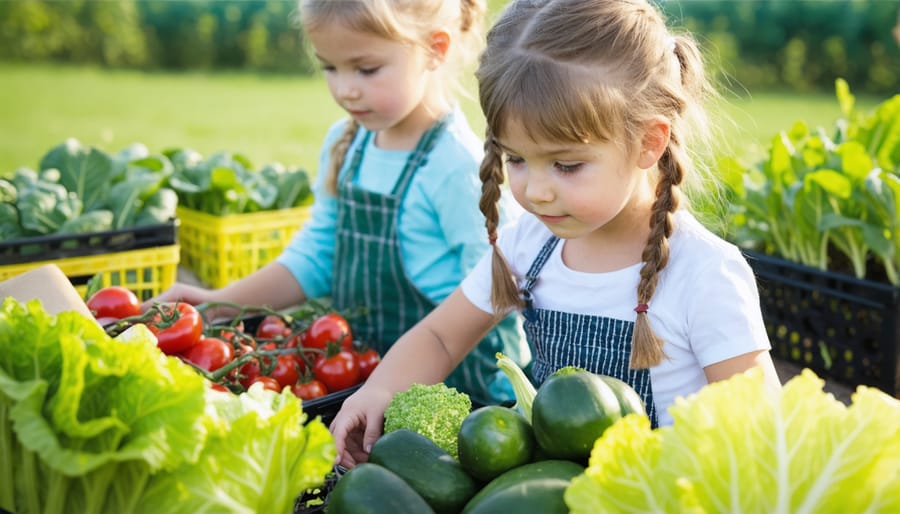
Schools and educational institutions play a vital role in local partnership programs by connecting students with fresh, nutritious food and agricultural knowledge. Many CSA farms collaborate with schools to establish farm education programs that bring hands-on learning experiences to students. These partnerships often include school garden projects, cooking demonstrations, and nutrition education workshops. By participating in harvest activities and learning about sustainable farming practices, students develop a deeper understanding of food systems and healthy eating habits. Some farms also work with school cafeterias to supply fresh produce, creating farm-to-school lunch programs that benefit both the educational community and local agriculture.
Farmers Markets and Food Co-ops
Partnering with farmers markets and food co-ops can significantly expand your local food distribution network. These collaborations create win-win situations where farmers markets provide additional venues to showcase your produce, while food co-ops offer reliable year-round distribution channels. Many successful CSA programs coordinate pickup locations at farmers markets, attracting new members and creating a vibrant community hub. Food co-ops often welcome partnerships with local farms, offering shelf space for excess produce and helping to reduce waste during peak harvest seasons. Consider cross-promotional opportunities, such as featured farmer days at co-ops or special market events where CSA members can sample additional local products. These partnerships strengthen the local food ecosystem and provide valuable networking opportunities with other sustainable agriculture advocates.
Community Organizations
Local partnership programs thrive through collaboration with various community organizations that share a commitment to sustainable food systems. Non-profit organizations often bring valuable resources and volunteer networks to support farming initiatives, while local food banks help distribute surplus produce to those in need. Environmental groups contribute expertise in sustainable practices and often assist with educational workshops.
Community centers and schools make excellent partners, offering spaces for farmers’ markets and educational programs. These partnerships help introduce younger generations to local agriculture through hands-on learning experiences. Religious organizations and civic groups frequently participate by organizing community events, fundraisers, and volunteer days at partner farms.
Working with these organizations creates a robust support network that strengthens local food systems and builds lasting community connections. Successful partnerships often start with identifying shared values and establishing clear communication channels to ensure mutual benefits for all involved parties.

Creating Successful Partnership Programs
Starting the Conversation
Initiating a conversation with potential partners doesn’t have to be intimidating. Start by preparing a clear, one-page overview of your program that highlights mutual benefits and opportunities. Reach out through a friendly email or phone call, introducing yourself and your farm’s mission. Local businesses, restaurants, and community organizations are often receptive to collaboration ideas that support local agriculture.
When meeting in person, bring samples of your produce and share your passion for sustainable farming. Listen actively to their needs and concerns, and be ready to discuss flexible partnership options. Remember that successful partnerships often start with small steps – perhaps a trial period or seasonal collaboration before expanding into a longer-term arrangement.
Focus on building genuine relationships rather than just business transactions. Share your vision for community impact and be open to creative suggestions from potential partners. Many successful partnerships have started with a simple conversation at a farmers’ market or community event.
Structuring Win-Win Agreements
Creating successful partnerships hinges on developing agreements that benefit all parties involved. Start by clearly defining expectations, responsibilities, and rewards for each partner. For farmers, this means outlining delivery schedules, produce quality standards, and pricing structures. For community partners, specify promotional commitments, distribution support, or facility usage terms.
Consider incorporating flexible payment options, such as sliding scale fees or work-trade arrangements, to accommodate different partner capabilities. Include clear communication channels and regular check-in schedules to address concerns promptly and maintain strong relationships.
Document everything in writing, but keep agreements straightforward and easy to understand. Include provisions for modifying terms as the partnership evolves, and establish fair conflict resolution procedures. Success stories from our network show that the most enduring partnerships often start with small, manageable commitments that grow naturally over time.
Remember to celebrate shared successes and recognize partner contributions publicly. This builds community goodwill and encourages long-term commitment to the program. Regular partnership reviews help identify opportunities for growth and ensure continued mutual benefit.
Maintaining Long-term Relationships
Maintaining successful long-term partnerships requires consistent effort and dedication. Regular communication is key – schedule monthly check-ins with your partners to discuss progress, address concerns, and share successes. Be transparent about challenges and changes in your operation, as this builds trust and allows for collaborative problem-solving.
Show appreciation for your partners through simple gestures like thank-you notes, special harvest events, or exclusive partner appreciation days. Consider creating a newsletter to keep partners informed about farm activities and upcoming opportunities. Document your shared achievements and celebrate milestones together.
Flexibility is crucial in long-term relationships. Be open to adjusting agreements as needs change, and always honor your commitments. Create opportunities for partners to provide feedback and actively implement their suggestions when feasible.
Remember to invest in relationship-building beyond business transactions. Organize social events, workshops, or farm tours that bring partners together and strengthen community bonds. Consider establishing a partner advisory board to ensure continued engagement and maintain a strong foundation for future growth.
Most importantly, stay true to your shared values and mission, as these form the backbone of lasting partnerships.
Real Success Stories
The transformative power of local partnerships is best illustrated through successful CSA partnership stories from across the country. Take Green Meadows Farm in Vermont, which partnered with three local schools to provide fresh produce for their cafeterias. This collaboration not only secured a steady revenue stream but also introduced thousands of students to locally grown vegetables, resulting in a 40% increase in CSA memberships from participating families.
Another inspiring example is Sun Valley Organics in California, which joined forces with a local restaurant chain. The partnership allowed the farm to supply premium ingredients while the restaurants offered CSA pickup locations and hosted cooking demonstrations using seasonal produce. This symbiotic relationship led to a 65% growth in their CSA program within just one year.
In Michigan, Rolling Hills Farm found success by partnering with local healthcare providers. Their innovative “Prescription Produce” program, where doctors could prescribe fresh vegetables to patients, helped the farm expand their reach while promoting community health. The initiative doubled their membership base and created a model that other farms are now replicating.
These partnerships demonstrate how creative collaboration can strengthen both farms and communities, proving that success in local agriculture often comes through working together rather than going it alone.
Local partnership programs represent a powerful way to strengthen communities while promoting sustainable agriculture and food security. By connecting farmers, consumers, and local businesses, these initiatives create lasting relationships that benefit everyone involved. Whether you’re a farmer looking to expand your reach or a community member eager to support local agriculture, now is the perfect time to get involved. Take the first step by reaching out to local farms, attending community meetings, or joining existing programs in your area. Remember, successful partnerships start with small actions and grow through dedication and mutual support. Together, we can build a more resilient and sustainable local food system that nourishes both our communities and the environment for generations to come.
