
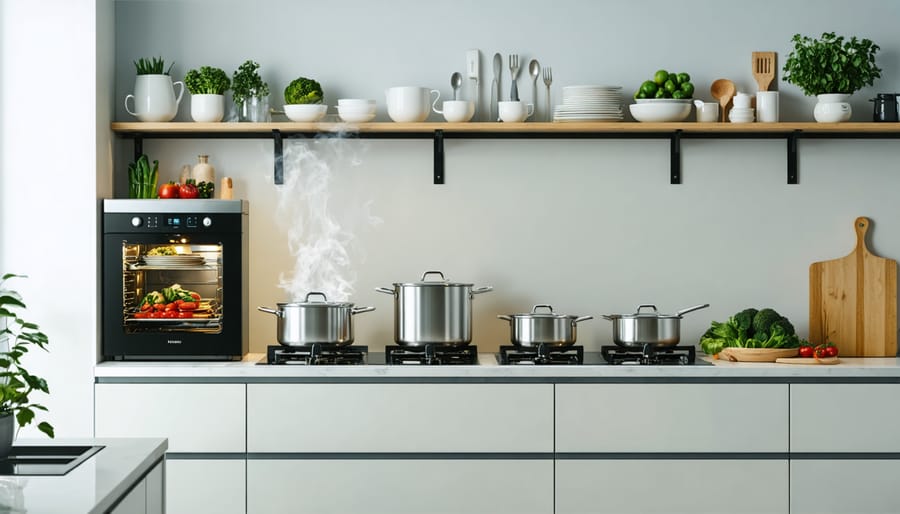
Transform your kitchen into an energy-saving powerhouse by stacking multiple dishes in your oven, using the right-sized burners for your pots, and mastering the art of residual heat cooking. Smart meal prep not only cuts your energy bills but also reduces your carbon footprint while creating delicious, efficiently-cooked meals. Organize ingredients before turning on any heat source, choose energy-efficient cookware like cast iron and copper-bottom pans, and embrace one-pot cooking methods that maximize flavor while minimizing resource use. Batch cooking on weekends saves both time and energy, turning a single heating session into multiple meals that can be quickly reheated throughout the week. These practical cooking strategies work together to create a more sustainable kitchen without sacrificing the quality of your food or the joy of cooking.
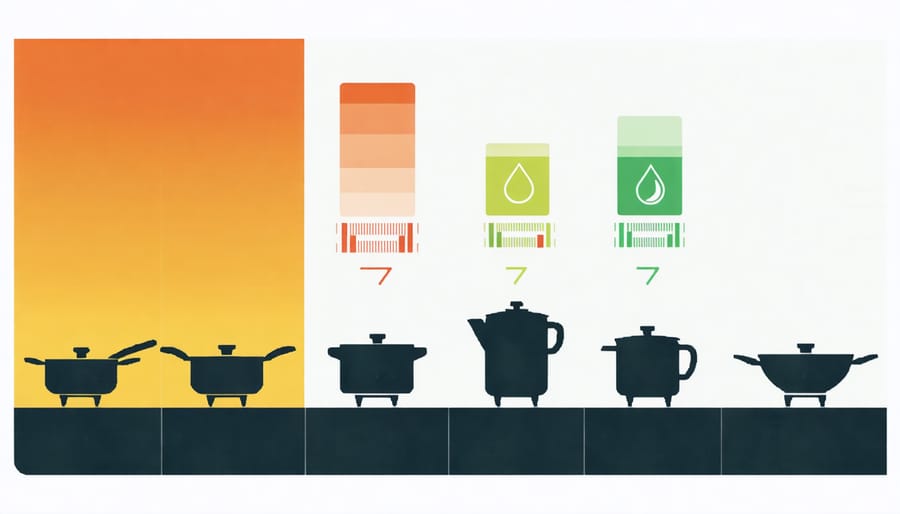
Choose Your Cooking Method Wisely
Microwave Magic
The microwave often gets a bad rap, but it’s actually one of the most energy-efficient cooking methods available. When used correctly, it consumes up to 80% less energy than conventional ovens. For best results, arrange food in a circle, leaving the center empty for even cooking. Use microwave-safe containers with lids to trap steam and cook food more efficiently. Clean your microwave regularly to maintain its performance, and adjust power levels based on what you’re cooking – lower settings work better for delicate foods like vegetables. Remember to cut foods into similar-sized pieces for consistent cooking, and always let food stand for a minute or two after cooking to allow heat to distribute evenly. For large quantities, it’s often more efficient to use conventional cooking methods, but the microwave excels at small portions and reheating.
Pressure Cooking Power
Pressure cookers are true champions of energy-efficient cooking, reducing cooking times by up to 70% compared to conventional methods. By creating a sealed, high-pressure environment, these kitchen powerhouses can transform tough beans into tender perfection in just 20 minutes instead of hours. The trapped steam not only cooks food faster but also requires less energy to maintain cooking temperature. A bonus for flavor enthusiasts: pressure cooking helps retain more nutrients and develops deeper flavors in soups, stews, and hearty dishes. Modern electric pressure cookers even come with smart features like delayed start and keep-warm functions, making them perfect for busy households looking to save time and energy while preparing nourishing meals.
Slow Cooker Savings
Slow cookers are champions of energy efficiency, using about as much electricity as a standard light bulb while transforming tough cuts of meat and hearty vegetables into tender, flavorful meals. These handy appliances consume roughly 70% less energy than conventional ovens when preparing dishes that require long cooking times, such as stews, soups, and braised meats. By maintaining a steady, low temperature over several hours, slow cookers not only save energy but also help preserve nutrients and develop rich flavors. They’re particularly efficient during summer months, as they generate minimal heat compared to traditional ovens, reducing the strain on your cooling system. Plus, the “set it and forget it” nature of slow cooking means you can prepare meals while away, maximizing both energy and time efficiency in your kitchen routine.
Smart Meal Planning Strategies
Batch Cooking Benefits
Batch cooking is a game-changing strategy that can dramatically improve your kitchen efficiency while helping you reduce kitchen waste. By preparing multiple meals simultaneously, you can maximize your oven or stovetop’s energy use and save significant time throughout the week. Consider roasting various vegetables on different racks while baking a casserole, or preparing several grain-based dishes using multiple burners. This approach works especially well with seasonal produce, allowing you to process and preserve abundant harvests efficiently. Create complementary meal combinations by thinking about compatible cooking temperatures and times – for example, roasting root vegetables alongside a whole chicken, or steaming different vegetables in stacked bamboo steamers. Remember to use appropriate container sizes for storing your prepared meals and label everything clearly with dates to maintain freshness and prevent food waste.
One-Pot Wonders
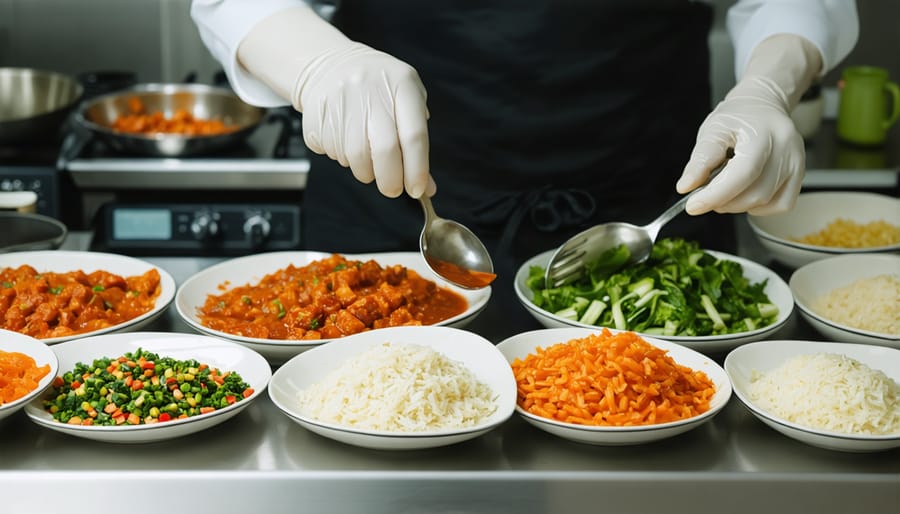
One-pot meals are the ultimate solution for energy-efficient cooking, combining flavor and sustainability in a single vessel. These versatile dishes minimize energy usage by cooking all ingredients together, reducing the number of appliances needed and cutting down on cleanup time. Try a hearty vegetable and bean stew, which allows you to layer flavors while using just one burner. Mediterranean-style chickpea and spinach pasta is another excellent option, cooking the pasta directly in the sauce for maximum efficiency.
For maximum energy savings, choose recipes that cook at lower temperatures for longer periods, allowing residual heat to do much of the work. A classic rice and lentil pilaf or a rustic ratatouille are perfect examples. These dishes often taste even better the next day, making them ideal for batch cooking and reducing overall energy consumption. Remember to match your pot size to your burner diameter and always use a lid to trap heat effectively, further minimizing energy waste while creating delicious, wholesome meals.
Kitchen Equipment Tips
Right Size, Right Time
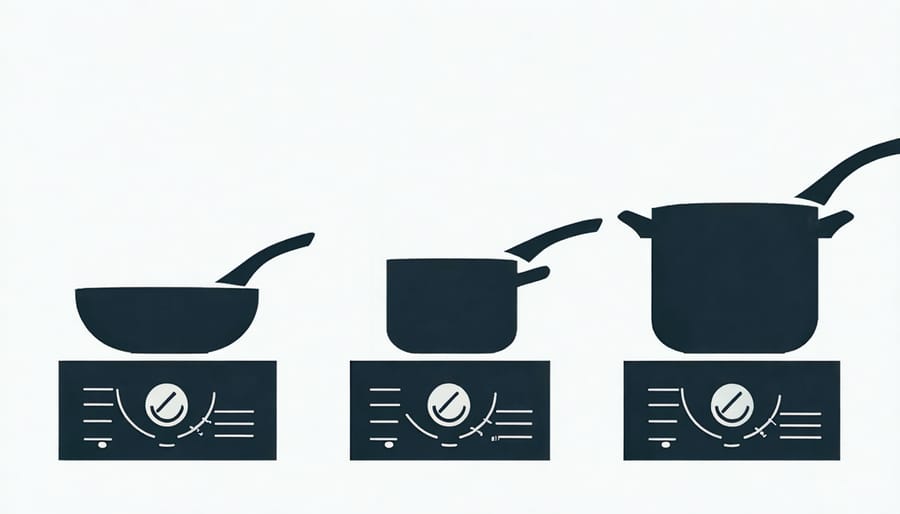
Selecting the right pot or pan size for your ingredients is a game-changer for energy-efficient cooking. When you use a pot that’s too large, you waste energy heating unnecessary space. Conversely, overcrowding ingredients in a small pan increases cooking time and affects food quality.
For optimal efficiency, choose cookware that matches your portion size. A good rule of thumb is to fill pots about two-thirds full and ensure pan-fried foods have enough space to cook without overlapping. For example, when boiling pasta, use just enough water to cover the noodles by about an inch, rather than filling a large pot unnecessarily.
Timing is equally crucial. Start with room-temperature ingredients when possible, as they cook more evenly and quickly than cold items. Plan your cooking sequence so that dishes requiring similar temperatures can be prepared together. Consider using a timer and familiarize yourself with proper cooking times – overdone food not only wastes energy but also sacrifices nutritional value and taste.
Remember that different cooking methods require different timing approaches. Quick-cooking vegetables like asparagus need just a few minutes, while root vegetables require longer cooking times. Match your cooking method to your ingredients for the best results.
Maintenance Matters
Regular maintenance of your cooking equipment isn’t just about cleanliness – it’s a key factor in energy efficiency. Clean burners and heating elements work more effectively, requiring less energy to reach and maintain proper temperatures. Make it a habit to wipe down stovetop burners after each use and deep clean them monthly to prevent food debris buildup.
For ovens, remove any burnt residue that can affect heat distribution and run the self-cleaning function sparingly, as it consumes significant energy. Keep oven door seals free from grease and debris to prevent heat loss. Check that your pot and pan bottoms remain flat and undamaged to maintain even contact with heating surfaces.
Don’t forget about small appliances – descale your electric kettle regularly, clean microwave interiors, and keep toaster slots crumb-free. These simple maintenance steps not only extend equipment life but also ensure your cooking remains as energy-efficient as possible.
Smart Storage Solutions
Smart food storage isn’t just about keeping things fresh – it’s a key strategy for energy-efficient cooking. Store frequently used ingredients at eye level in clear containers, making them easily accessible and reducing the time spent searching with the refrigerator door open. Group meal components together to minimize multiple trips to the fridge and repeated reheating sessions.
Consider portioning leftovers into meal-sized containers immediately after cooking. This eliminates the need to reheat large quantities multiple times, saving both energy and maintaining food quality. For ingredients like herbs and vegetables, proper storage methods such as using produce bags or glass containers with tight-fitting lids help maintain freshness longer, reducing waste and the energy needed for additional cooking sessions.
Keep a designated “eat soon” section in your fridge for items approaching their prime, and organize your pantry with a first-in-first-out system. This mindful approach to storage not only conserves energy but also helps reduce food waste while maintaining the nutritional value of your ingredients.
Seasonal Cooking Connection
Connecting your cooking habits with the natural rhythm of seasons isn’t just good for your health – it’s a smart way to reduce energy consumption in the kitchen. When you cook with local seasonal ingredients, you’re automatically choosing produce that requires less energy to grow, transport, and prepare.
Think about it: summer tomatoes and zucchini are perfect for quick, light cooking methods, while winter root vegetables naturally lend themselves to slow-cooking techniques you can combine with other dishes. This alignment helps you batch cook efficiently and make the most of your oven’s heat when it’s already running.
Joining a CSA (Community Supported Agriculture) program enhances this connection further. Since you receive fresh, seasonal produce regularly, you can plan your meals around what’s naturally abundant. This reduces the energy needed for storage and eliminates the need to run to the store for last-minute ingredients.
Some practical ways to maximize seasonal cooking efficiency:
– Group your cooking tasks by temperature requirements
– Plan oven dishes during cooler hours in summer
– Use residual heat from one dish to prepare another
– Preserve excess seasonal produce through low-energy methods like dehydrating
– Organize weekly menus around your CSA box contents
Remember that seasonal cooking naturally leads to more energy-efficient meal preparation because you’re working with ingredients at their peak – requiring less cooking time and energy to bring out their best flavors.
By implementing these energy-efficient cooking practices, you can make a significant impact on both your utility bills and the environment. From simple habits like using lids and matching pot sizes to burners, to smart meal planning and batch cooking, every small change adds up to meaningful savings. Remember that efficient cooking isn’t just about using less energy – it’s about making the most of your time in the kitchen while creating delicious, nutritious meals for your family.
Start by incorporating one or two of these techniques into your daily routine. Perhaps begin with meal planning and proper pot selection, then gradually add more practices as they become habits. Keep track of your energy bills to see the difference these changes make. You might be surprised by how much you can save while becoming a more organized and efficient cook.
By choosing energy-efficient appliances, maintaining them properly, and being mindful of your cooking methods, you’re not just saving money – you’re contributing to a more sustainable future. Let’s cook smarter, not harder, and make our kitchens more environmentally friendly, one meal at a time.
