Category Archives

42 Articles

Transform Your Farm Sales: How Virtual Farmers Markets Connect You Directly to Customers

Posted by darrell on
0
Market Events and Community Engagement
Transform Your Farm Sales: How Virtual Farmers Markets Connect You Directly to Customers

Virtual farmers markets are revolutionizing farmers markets through technology, transforming how we connect with local food producers and access fresh, seasonal ingredients. These digital marketplaces bridge the gap between rural farmers and urban consumers, enabling year-round access to farm-fresh produce without geographical limitations. By combining the authenticity of traditional farmers markets with the convenience of e-commerce, virtual platforms help small-scale farmers expand their reach while providing consumers with transparency about their food sources. From real-time inventory updates to secure payment processing and scheduled pickup options, these digital solutions create a sustainable ecosystem that supports local agriculture while meeting modern shopping preferences. Whether you’re a busy professional seeking organic produce or a farmer looking to diversify your sales channels, virtual farmers markets represent the future of local food distribution.

What Makes Virtual Farmers Markets Different

Digital Storefronts vs. Traditional Market Stalls

Digital storefronts offer modern convenience, allowing customers to browse local produce and artisanal goods from the comfort of their homes. Unlike traditional market stalls where shoppers must visit during specific hours, virtual markets operate 24/7, making fresh, local food accessible around the clock. While traditional markets excel in providing a sensory shopping experience – the aroma of fresh bread, the vibrant colors of seasonal produce, and friendly chatter with farmers – digital platforms compensate with detailed product descriptions, high-quality photos, and farmer story features.

Virtual markets also expand reach beyond geographical limitations, connecting rural producers with urban consumers who might never visit a physical market. Traditional stalls build trust through face-to-face interactions, while digital platforms rely on customer reviews, transparent farming practices, and regular updates from producers. Both formats serve essential roles in supporting local agriculture, with many farmers successfully maintaining both physical and virtual presence to maximize their customer reach and adapt to changing shopping preferences.

Side-by-side comparison of traditional farmers market and digital storefront
Split-screen comparison showing a traditional farmers market stall next to a modern laptop displaying a virtual farm store

Year-Round Sales Opportunities

Virtual farmers markets revolutionize the traditional seasonal limitations of local food shopping by offering year-round market opportunities for both farmers and consumers. Unlike physical markets that often close during winter months, digital platforms enable continuous access to fresh, local produce and artisanal goods throughout the year.

Farmers can maintain steady income streams by scheduling pre-orders, managing inventory, and connecting with customers regardless of weather conditions. This consistent revenue helps small-scale producers plan their crops more effectively and invest in sustainable farming practices.

For consumers, the benefits are equally compelling. They can browse and purchase local products at any time, from anywhere, eliminating the rush of weekend-only markets. Many virtual platforms also offer subscription services, allowing customers to receive regular deliveries of seasonal produce, preserving the farm-to-table connection even during off-peak growing seasons.

The digital marketplace creates opportunities for farmers to diversify their offerings with value-added products, preserved goods, and specialty items that complement their fresh produce selection.

Setting Up Your Virtual Market Presence

Creating Your Digital Farm Profile

Your digital farm profile is your virtual storefront, so it’s essential to make it engaging and authentic. Start by crafting a compelling farm story that shares your journey, farming philosophy, and sustainable practices. Include high-quality photos of your farm, focusing on your growing methods, seasonal harvests, and the people behind your operation.

When listing products, use descriptive language that helps customers visualize and appreciate your offerings. Include details about growing methods, harvest dates, and any unique varieties you cultivate. Add appetizing photos of your produce, and consider including recipe suggestions or storage tips to add value for your customers.

Keep your profile current by regularly updating inventory levels, posting seasonal availability calendars, and sharing farm news through a blog or updates section. Highlight any certifications or special growing practices you follow, such as organic or regenerative methods.

Remember to include practical information like delivery areas, pickup locations, and ordering deadlines. Make it easy for customers to contact you by providing clear communication channels and response times. Consider adding customer testimonials to build trust and showcase your farm’s reputation in the community.

Farmer photographing vegetables for online marketplace listing
Farmer taking professional photos of fresh produce with smartphone and simple lighting setup

Product Photography and Descriptions

High-quality product photography and detailed descriptions are essential elements of a successful virtual farmers market presence. When customers can’t physically touch or smell your produce, visual presentation becomes your primary selling tool. Follow these effective product presentation strategies to showcase your products in their best light.

Capture photos in natural daylight, showing your produce from multiple angles. Include size references and close-up shots that highlight texture and quality. Each product should have at least three images: an overall shot, a detail view, and one showing the item in use or prepared.

Write descriptions that paint a picture and tell a story. Include essential details like variety, growing methods, harvest date, and suggested uses. For example, instead of just “organic tomatoes,” write “Sun-ripened Heritage Cherokee Purple tomatoes, harvested yesterday from our pesticide-free greenhouse. Perfect for fresh summer salads or thick, flavorful sandwich slices.”

Remember to update photos and descriptions regularly to reflect current inventory and seasonal offerings. This maintains trust with customers and accurately represents what’s available for purchase.

Marketing Your Virtual Farm Stand

Social Media Integration

Social media platforms have become essential tools for virtual farmers markets to connect with customers and build thriving online communities. Instagram’s visual nature makes it perfect for showcasing fresh produce and sharing behind-the-scenes glimpses of farm life, while Facebook’s marketplace and groups features facilitate direct sales and community engagement.

Successful virtual markets are leveraging these platforms by posting regular updates about available produce, sharing seasonal recipes, and creating engaging content that tells their farmers’ stories. Many markets use Instagram Stories to announce fresh arrivals and Facebook Live to host virtual farm tours, giving customers an authentic connection to their food sources.

Pinterest has emerged as a valuable platform for sharing preservation tips and seasonal cooking ideas, while Twitter helps markets quickly broadcast updates about market hours and special offerings. Some innovative markets are even experimenting with TikTok to reach younger audiences, creating fun, educational content about sustainable farming practices.

To maximize social media impact, virtual farmers markets are encouraging vendors to cross-promote content and use consistent hashtags, creating a unified online presence that strengthens the market’s digital footprint.

Social media marketing collage for virtual farmers market
Collage of social media posts showing farm products, behind-the-scenes content, and customer testimonials

Email Marketing for Regular Customers

Email marketing remains a cornerstone of customer retention for virtual farmers markets, helping build lasting relationships with your regular shoppers. Start by segmenting your customer base according to their purchasing habits – frequent buyers, seasonal shoppers, and specialty product enthusiasts. This allows you to create targeted content that resonates with each group.

Send weekly newsletters featuring fresh harvest updates, seasonal recipes, and farmer spotlights to keep customers engaged. Include personalized product recommendations based on previous purchases and upcoming harvest schedules. Remember to highlight limited-time offers and pre-order opportunities for popular items that tend to sell out quickly.

Consider implementing a loyalty program through email, rewarding customers with early access to seasonal products or exclusive farm-to-table recipes. Share storage tips for purchased produce and educational content about sustainable farming practices to add value beyond transactions.

Keep your emails visually appealing with high-quality photos of fresh produce and behind-the-scenes glimpses of farm life. Maintain a consistent sending schedule and always include clear calls-to-action for ordering. This approach helps transform occasional buyers into dedicated supporters of your virtual farmers market.

Success Stories from Virtual Market Vendors

Meet Sarah Thompson, a small-scale organic farmer from Vermont who transformed her struggling farm stand into a thriving virtual marketplace. “Going digital helped me reach customers I never knew existed,” she shares. Her weekly vegetable boxes now serve over 200 regular customers, triple her previous in-person sales.

In California’s Central Valley, the Martinez Family Farm faced distribution challenges until they embraced virtual selling. “We were throwing away perfectly good produce because we couldn’t find buyers fast enough,” explains Carlos Martinez. Their virtual storefront now connects them directly with local restaurants and households, reducing waste by 80% and increasing profits by 60%.

Emily Chen, an urban mushroom farmer in Seattle, credits virtual markets for her business survival during challenging times. “When traditional markets closed, our online presence became our lifeline,” she notes. Emily’s specialty mushrooms now reach customers across the entire Pacific Northwest through her virtual shop.

The success story of Midwest Organic Cooperative shows how virtual markets can unite small farmers. Ten independent farmers joined forces to create a shared virtual platform, pooling their resources and delivery networks. “Together, we’re stronger,” says co-founder Mark Williams. “Our combined virtual presence gives customers more variety while keeping operations manageable for each farmer.”

These success stories share common threads: adaptation to changing consumer needs, embracing technology, and maintaining personal connections through digital means. Each vendor emphasizes how virtual markets haven’t just sustained their businesses – they’ve helped them thrive and grow in unexpected ways.

Virtual farmers markets represent a powerful opportunity for farmers to expand their reach, increase profitability, and build lasting connections with customers who value fresh, local produce. By embracing digital platforms, farmers can overcome traditional geographic limitations while maintaining the personal touch that makes farmers markets special. The convenience for customers, reduced operational costs, and ability to manage inventory more efficiently make virtual markets an invaluable tool for modern agriculture.

As we’ve seen through numerous success stories, farmers who adapt to this digital transformation often experience significant growth in their customer base and revenue. The flexibility to sell year-round, combined with the ability to reach health-conscious and tech-savvy consumers, creates a sustainable business model that complements traditional farming practices.

For those considering taking their first steps into virtual markets, remember that the journey begins with a single digital seed. The future of farming includes both soil and software – embrace this evolution to grow your farm’s presence and prosperity in the digital age.

How Local Grain Artisans Are Revolutionizing Farmers Markets

Posted by darrell on
0
Market Events and Community Engagement
How Local Grain Artisans Are Revolutionizing Farmers Markets

Transforming local food systems starts with the humble grain. Artisan grain collaboratives – partnerships between farmers, millers, bakers, and chefs – are revolutionizing how we think about, grow, and consume heritage grains. These grassroots networks are reviving ancient grain varieties while building resilient regional food economies that benefit everyone from field to table.

In farmers markets across America, these collaboratives are creating a new narrative around grains – one that values soil health, flavor, and community connection over industrial efficiency. By connecting grain growers directly with craft producers and conscious consumers, these partnerships are preserving agricultural biodiversity, supporting small farms, and bringing authentic, stone-milled flours and heritage grain products back to our local food systems.

Whether you’re a farmer looking to diversify crops, a baker seeking exceptional ingredients, or a consumer passionate about food sovereignty, artisan grain collaboratives offer a powerful model for positive change in our food landscape.

What Makes an Artisan Grain Collaborative Special

From Field to Flour

The journey of heritage grains from field to flour exemplifies the beauty of local food systems in action. Local farmers carefully select and plant ancient grain varieties, nurturing them through the seasons using sustainable farming practices. These grains, including varieties like Red Fife wheat, Einkorn, and heritage rye, are harvested at peak ripeness and cleaned using traditional methods that preserve their unique characteristics.

Small-scale artisan mills then transform these carefully grown grains into fresh, nutritious flour. Unlike industrial processing, these mills use stone-grinding techniques that maintain the grain’s entire kernel, including the nutrient-rich bran and germ. The slower, cooler milling process preserves delicate oils and proteins, resulting in flour with superior flavor and baking properties.

This direct partnership between farmers and millers ensures transparency and fair compensation while providing bakers and consumers with exceptional quality flour. The short distribution chain means fresher products and a deeper connection to the agricultural heritage of our communities.

Artisanal stone mill with freshly ground whole grain flour flowing into a wooden collection box
Traditional stone mill grinding heritage wheat grains into flour

Building Strong Local Partnerships

At the heart of successful grain collaboratives lies the ability to forge meaningful connections between local farmers, millers, and bakers. These partnerships create a robust network that strengthens regional food systems while ensuring the quality and traceability of artisanal grains.

Farmers work closely with millers to determine the best grain varieties for local growing conditions and market demands. This collaboration often involves regular field visits, quality testing, and harvest planning to ensure optimal results. Millers, in turn, provide valuable feedback about grain performance and processing requirements, helping farmers refine their growing practices.

Bakers complete this vital triangle by offering insights into flour performance and consumer preferences. Many successful collaboratives host regular meetups where bakers can sample new flour varieties and provide direct feedback to both millers and farmers. Some even organize field-to-loaf tours, allowing bakers to witness the entire journey of their ingredients.

These relationships often extend beyond simple business transactions, fostering a shared commitment to quality, sustainability, and community development. Through regular communication and mutual support, partners can better navigate challenges and celebrate successes together.

Benefits for Farmers Market Communities

Supporting Local Agriculture

Artisan grain collaboratives play a vital role in supporting small-scale grain farmers, creating a sustainable bridge between local agriculture and consumers. These partnerships help farmers maintain their independence while providing the resources and market access needed to thrive in an increasingly competitive landscape.

Through collective purchasing power and shared resources, collaboratives enable farmers to invest in essential equipment and infrastructure that might otherwise be out of reach. For instance, many small grain farmers can access specialized harvesting equipment, storage facilities, and milling operations through their collaborative membership.

Success stories like farmer John Miller from Iowa demonstrate the impact of these partnerships. “Before joining the collaborative, I struggled to find reliable markets for my heritage grains. Now, I have direct connections with local bakeries and restaurants that value my products,” Miller explains.

Collaboratives also provide valuable educational support, helping farmers adopt sustainable practices and experiment with different grain varieties. They organize workshops, facilitate mentor relationships, and share knowledge about soil health, crop rotation, and organic farming methods.

By creating direct farm-to-table relationships, these organizations help farmers secure fair prices for their crops while ensuring consumers have access to fresh, locally grown grains. This system builds community resilience and promotes agricultural diversity, essential elements for a sustainable food future.

Enriching Market Offerings

Artisan grain collaboratives bring an exciting array of products and experiences to local farmers markets, transforming traditional market spaces into vibrant hubs of culinary discovery. From freshly milled heritage wheat flour to unique ancient grain varieties, these collaboratives showcase the diversity of regional grain cultivation through thoughtfully curated farmers market vendor displays.

Visitors can explore educational demonstrations of grain milling, sample freshly baked breads made with local grains, and learn about the journey from field to market. Many collaboratives offer interactive experiences like hands-on baking workshops, grain tastings, and cooking demonstrations that help consumers understand the unique qualities of different grain varieties.

The product selection typically includes whole grains, freshly milled flours, artisanal pasta, specialty breads, and grain-based prepared foods. Some collaboratives also feature value-added products like grain-based body care items and craft beverages made from local grains. These offerings are often accompanied by recipe cards, cooking tips, and storage guidance to help customers make the most of their purchases.

Seasonal specials and limited-edition products create excitement and encourage regular visits, while collaborative events with other vendors showcase the versatility of local grains in everything from pastries to fermented foods. This rich variety of products and experiences helps strengthen the connection between farmers, food artisans, and consumers while supporting regional grain economies.

Rustic wooden display stand with freshly baked sourdough breads, heritage grain flour bags, and local grain products
Farmers market vendor display featuring various artisanal breads and grain products

Success Stories from the Field

The Baker’s Perspective

For Sarah Chen, head baker at Hearth & Grain Bakery, working with local grains has transformed her craft. “There’s an incredible depth of flavor you just can’t get from commercial flour,” she explains while shaping loaves of heritage wheat sourdough. “Each batch tells the story of our local soil and seasons.”

Mark Rodriguez, a third-generation baker now partnering with regional farmers, shares similar enthusiasm. “When you know the farmer who grew your grain, you understand its unique characteristics better. Some wheats make exceptional pastries, while others are perfect for rustic breads.”

Local grain partnerships have prompted these artisans to adapt their techniques. “Working with fresh-milled flour means adjusting hydration levels and fermentation times,” notes Chen. “But the results are worth it – our customers can taste the difference.”

Beyond flavor, bakers emphasize the community impact. “Supporting local grain farmers helps preserve agricultural diversity,” Rodriguez explains. “Plus, shorter supply chains mean fresher ingredients and a smaller carbon footprint. It’s about creating something special while caring for our environment and community.”

Local farmer and artisan baker inspecting golden wheat stalks in a sunlit field
Farmer and baker examining wheat crops together in field

The Farmer’s Journey

Meet Sarah Thompson, a third-generation farmer from Iowa who transformed her family’s conventional wheat farm into a thriving artisan grain operation. “Joining the collaborative changed everything,” she shares. “We now grow heritage wheat varieties that chefs specifically request, and our income has doubled.”

In Minnesota, Dave Miller discovered that growing ancient grains like einkorn and emmer opened new market opportunities. Through the collaborative, he connected with local bakeries that prize his unique grains for their distinct flavors and nutritional profiles. “It’s not just about selling grain anymore,” Dave explains. “We’re preserving agricultural heritage while building a sustainable future.”

Lisa Chen, a newcomer to farming, credits the collaborative for her successful transition from corporate life to agriculture. “The mentorship program paired me with experienced grain farmers who taught me everything from soil preparation to harvest timing,” she says. Her small farm now supplies specialty rye to three local distilleries.

These farmers share a common thread: the collaborative provided them with resources, knowledge, and market connections they couldn’t access alone. Regular meetings and workshops help them stay current with sustainable farming practices while building lasting relationships with other members of the local food community.

Getting Involved

Getting involved with an artisan grain collaborative is an exciting way to support local agriculture and sustainable food systems. For markets interested in joining, start by reaching out to existing collaboratives in your region to explore partnership opportunities. Many collaboratives welcome new market venues that can help expand their distribution network and customer base.

Vendors looking to participate can begin by attending collaborative meetings or workshops to learn about membership requirements and benefits. Most collaboratives require members to commit to sustainable farming practices and maintain specific quality standards for their grain products. You’ll need to demonstrate your dedication to traditional grain cultivation methods and willingness to participate in knowledge-sharing activities.

For those interested in starting a new collaborative, begin by connecting with local grain farmers, millers, and bakeries. Organize initial meetings to discuss shared goals, establish quality standards, and create a framework for cooperation. Consider partnering with agricultural extension services or local food organizations for guidance and resources.

Essential steps for getting started include:
– Creating a business plan and organizational structure
– Establishing quality standards and protocols
– Developing relationships with local processors and distributors
– Setting up systems for aggregation and distribution
– Building a network of committed farmers and food artisans
– Planning educational events and marketing initiatives

Remember that successful collaboratives often start small and grow organically as relationships and systems develop over time.

Artisan grain collaboratives represent a vital bridge between traditional farming wisdom and modern sustainable agriculture. These partnerships have proven instrumental in revitalizing local food systems, supporting small-scale farmers, and bringing diverse, nutritious grains back to our communities through farmers markets. As more consumers embrace the value of locally sourced, sustainably grown grains, these collaboratives are poised to play an even more significant role in shaping the future of our food system. By fostering connections between farmers, millers, bakers, and consumers, grain collaboratives create resilient local economies while preserving heritage grain varieties. Looking ahead, these organizations will continue to expand their impact, offering more educational opportunities, strengthening regional food networks, and inspiring a new generation of grain entrepreneurs at farmers markets across the country.

How Farmers Markets Are Transforming Juneteenth Celebrations Into Vibrant Food and Culture Festivals

Posted by darrell on
0
Market Events and Community Engagement
How Farmers Markets Are Transforming Juneteenth Celebrations Into Vibrant Food and Culture Festivals

Transform your local farmers market into a vibrant Juneteenth celebration by weaving together African American agricultural heritage, modern sustainable farming, and community traditions. Cultural festivals at farmers markets create unique opportunities to honor Black farmers’ contributions while supporting today’s local growers. Black-owned farms showcase heirloom crops like okra, collard greens, and black-eyed peas alongside educational displays about their historical significance. Live demonstrations of traditional cooking methods, storytelling sessions, and hands-on agricultural workshops connect visitors to generations of farming wisdom. Local artisans display handcrafted goods inspired by African American cultural traditions, while food vendors serve soul food classics made with fresh, market-sourced ingredients. This powerful combination of commerce, culture, and community celebration helps preserve agricultural heritage while building a more sustainable, equitable food system for future generations.

The Perfect Blend: Local Agriculture Meets Cultural Heritage

Farm-to-Festival Food Traditions

Juneteenth celebrations have always centered around food that tells the story of African American resilience and creativity. Local farmers play a vital role in providing fresh ingredients for traditional dishes like barbecued meats, black-eyed peas, collard greens, and sweet potato pie. These dishes, deeply rooted in African American culinary heritage, gain extra significance when prepared with locally grown produce.

Modern Juneteenth festivals often feature collaborations between local Black farmers and community chefs, who work together to create farm-fresh versions of traditional recipes. Festival-goers can enjoy dishes made with ingredients harvested just days before the celebration, adding an authentic farm-to-table experience to the historical significance of the meal.

Popular festival offerings include freshly picked okra for gumbo, vine-ripened tomatoes for seasonal salads, and locally grown strawberries for red drinks – a Juneteenth tradition symbolizing perseverance and resilience. Many festivals now include educational components where farmers share growing techniques and the historical significance of certain crops in African American agriculture, creating a meaningful connection between past and present food traditions.

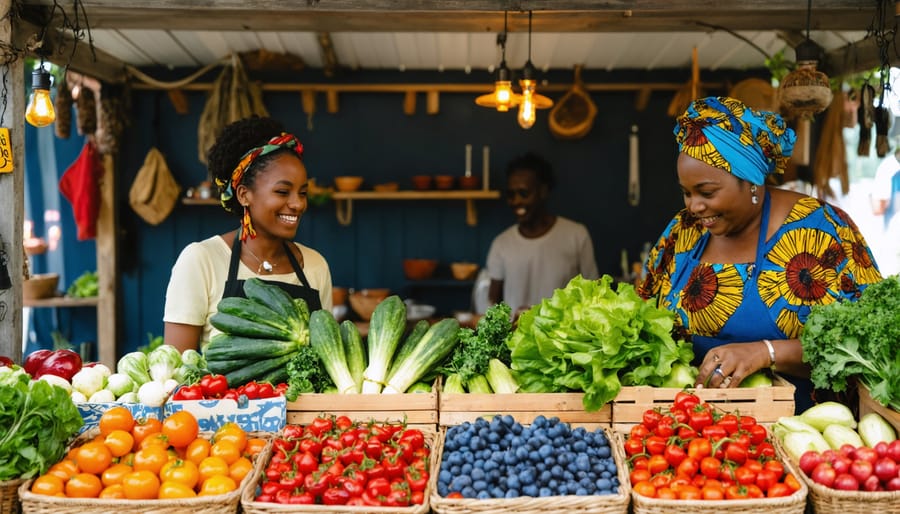
Black farmers selling fresh produce and traditional Juneteenth dishes at a festive market stall
Vibrant farmers market stall displaying traditional Juneteenth foods and fresh produce, with African American farmers interacting with customers

Supporting Black Farmers and Artisans

Farmers markets at Juneteenth festivals serve as vibrant showcases for Black-owned farms and agricultural businesses, carrying forward a rich legacy of African American farming traditions. These marketplaces offer festival-goers the opportunity to purchase fresh, locally grown produce while directly supporting Black farmers who often face unique challenges in the agricultural industry.

Local farmers bring an abundance of seasonal offerings, from heritage vegetables to traditional crops like okra, collard greens, and sweet potatoes. Many vendors also feature value-added products like honey, preserves, and handcrafted items that reflect generations of agricultural expertise and cultural traditions.

Beyond just selling produce, these markets create valuable networking opportunities for Black farmers to connect with their communities, share sustainable farming practices, and educate visitors about the historical significance of Black land ownership and agriculture. Festival organizers often pair market activities with educational workshops on organic farming techniques and food preservation methods passed down through generations.

The presence of artisans alongside farmers adds another layer of cultural richness, offering handmade crafts, textiles, and artwork that celebrate African American heritage and creativity. This combination of fresh, local produce and artistic expression makes these markets essential gathering spaces during Juneteenth celebrations.

Creating Community Connections Through Food

Educational Opportunities

The educational component of the Juneteenth Cultural Festival offers enriching experiences that celebrate African American agricultural heritage and culinary traditions. Visitors can participate in hands-on workshops exploring traditional farming techniques, from seed saving to sustainable growing practices that have been passed down through generations.

Popular cooking demonstrations showcase soul food preparation using locally sourced ingredients, with expert chefs sharing family recipes and the historical significance behind traditional dishes. Festival-goers learn about the crucial role of Black farmers in American agriculture while gaining practical skills they can apply in their own gardens and kitchens.

The agricultural education program features interactive stations where participants discover heritage crops like black-eyed peas, okra, and sweet potatoes. Master gardeners offer guidance on urban farming techniques, composting, and maintaining small-space gardens, making sustainable agriculture accessible to city dwellers.

Children’s workshops combine storytelling with hands-on planting activities, teaching young people about their cultural heritage while fostering an early appreciation for growing food. The festival also highlights modern African American farmers and their contributions to sustainable agriculture, creating a bridge between historical traditions and contemporary farming practices.

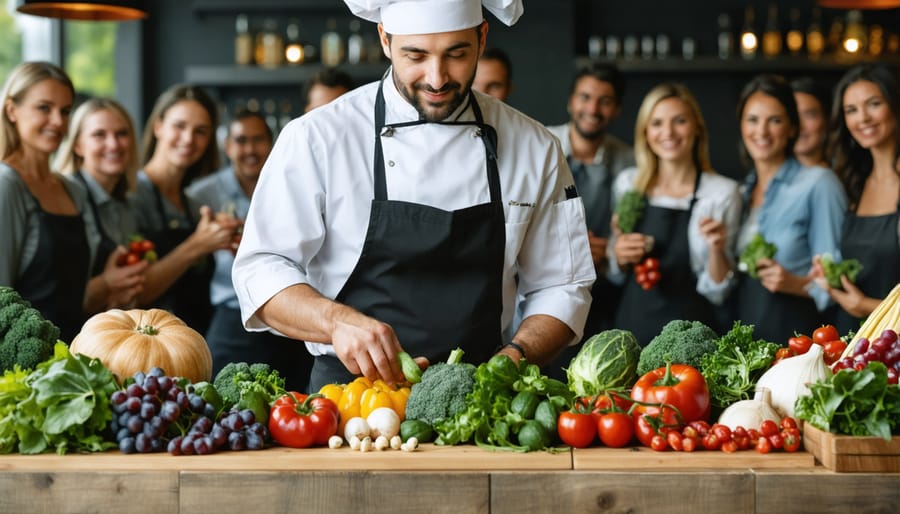
Chef conducting cooking demonstration of Juneteenth dishes at community festival
Live cooking demonstration featuring a Black chef teaching traditional recipes using local ingredients, surrounded by engaged festival attendees

Cross-Cultural Exchange

The Juneteenth Cultural Festival serves as a vibrant hub where diverse communities converge through the universal language of food and farming. Local Black farmers share heritage crops like black-eyed peas, okra, and collard greens, offering festival-goers a taste of history alongside cultivation tips passed down through generations. These farmers often collaborate with growers from other cultural backgrounds, exchanging sustainable farming techniques and traditional agricultural wisdom.

Food vendors at the festival represent various cultural traditions, creating a unique fusion of flavors that honors both Juneteenth’s historical significance and modern multicultural connections. Visitors can sample soul food classics alongside dishes from Latino, Asian, and Indigenous communities, all prepared with locally sourced ingredients.

The festival’s farming demonstrations bring together agricultural experts from different backgrounds, showcasing how various cultural approaches to sustainable farming can complement each other. Workshop leaders share methods for crop rotation, companion planting, and natural pest control that have been refined across different farming traditions.

Community garden representatives highlight successful collaborations between diverse neighborhood groups, demonstrating how shared growing spaces foster cross-cultural understanding and mutual support. These gardens often become year-round gathering spots where cultural knowledge and farming practices continue to blend and evolve.

Sustainable Celebration Planning

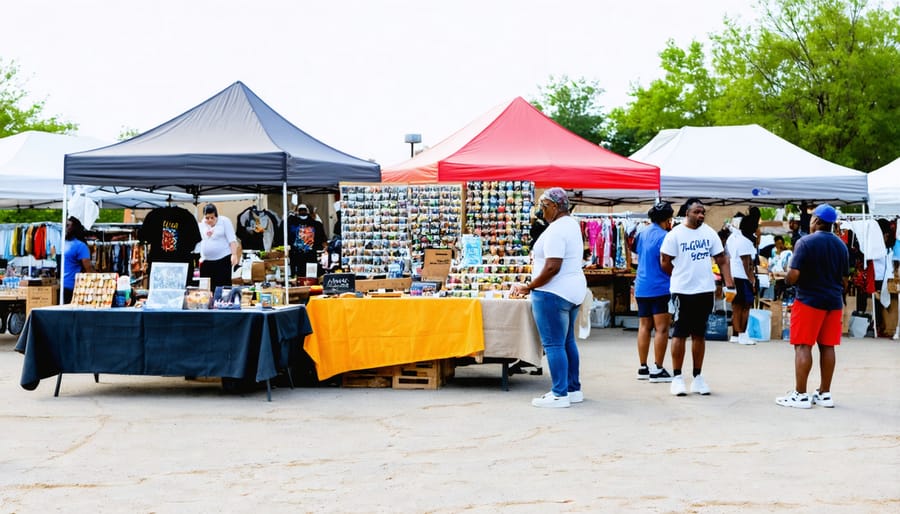
Multiple vendors preparing their stalls for Juneteenth farmers market festival
Diverse group of vendors setting up their market stalls with banners and displays for Juneteenth celebration

Vendor Partnership Tips

For vendors looking to participate in the Juneteenth Cultural Festival’s marketplace, success starts with understanding and embracing the celebration’s significance. We encourage vendors to incorporate educational elements about Black agricultural heritage and sustainable farming practices into their displays. Consider creating effective market display strategies that highlight both your products and their cultural connections.

Prospective vendors should submit applications at least two months before the festival. Priority consideration goes to Black-owned farms and businesses, local organic producers, and artisans offering handcrafted goods. Your booth should feature clear signage sharing your story and connection to sustainable agriculture.

We recommend preparing sample-sized portions of your products when applicable, and creating engaging demonstrations that showcase traditional farming techniques or cooking methods. Interactive elements help create meaningful connections with festival attendees.

Required documentation includes:
– Current business license
– Proof of insurance
– Health department certificates (for food vendors)
– Photos of previous market displays
– List of sustainable practices implemented

Vendors are encouraged to participate in pre-festival workshops focused on cultural competency and sustainable business practices. These sessions provide valuable networking opportunities and ensure all participants contribute to an authentic, respectful celebration of Juneteenth’s agricultural legacy.

Community Engagement Strategies

Successful Juneteenth cultural festivals thrive on authentic community engagement and strategic partnerships. Start by forming a diverse planning committee that includes local Black-owned businesses, farmers, artists, and community leaders. Reach out to neighborhood associations, churches, and cultural organizations to build a strong foundation of support and participation.

Create opportunities for local vendors and farmers to showcase their products through dedicated marketplace areas. Partner with agricultural organizations to highlight African American farming heritage and sustainable growing practices. Consider implementing a mentorship program where experienced farmers can share knowledge with aspiring growers.

Engage local schools and youth organizations by organizing educational workshops about Juneteenth history and sustainable agriculture. Encourage participation through interactive activities like seed-starting demonstrations, cooking classes featuring traditional recipes, and hands-on gardening workshops.

Utilize social media and community bulletin boards to spread awareness, and consider creating a festival ambassador program where community members can help promote the event. Partner with local media outlets to share stories about participating farmers and vendors, highlighting their contributions to the community’s food system.

Remember to make the festival accessible to all by offering free admission areas and providing transportation options from underserved neighborhoods. This inclusive approach ensures the celebration reaches its full potential as a community-building event.

The blending of Juneteenth celebrations with local agricultural festivals has created a powerful ripple effect throughout communities nationwide. These combined events have helped strengthen connections between local farmers and residents while preserving important cultural traditions. Many farmers report increased customer relationships that extend well beyond the festival season, leading to year-round support for their organic farming operations.

The impact on local agriculture has been particularly noteworthy. Small-scale farmers have found new markets for their produce, while community members have gained better access to fresh, sustainably grown food. These festivals have also inspired a new generation of gardeners and farmers, with many attendees starting their own backyard gardens or joining community farming initiatives after participating in the events.

Perhaps most significantly, these celebrations have created lasting bridges between different community groups, fostering understanding and appreciation of both African American cultural heritage and sustainable farming practices. The success of these combined festivals demonstrates how cultural celebration and agricultural sustainability can work together to create more resilient, connected, and environmentally conscious communities for future generations.

Make Your Farmers Market Welcome Everyone: Smart Solutions That Work

Posted by darrell on
0
Market Events and Community Engagement
Make Your Farmers Market Welcome Everyone: Smart Solutions That Work

Transform market accessibility by strategically placing entry points within 500 feet of public transportation hubs, ensuring universal access for all community members. Design wide, level pathways between vendor stalls to accommodate wheelchairs and strollers, creating an inclusive shopping environment that welcomes everyone to your thriving community market. Implement a SNAP/EBT payment system and establish a market match program, doubling the purchasing power for low-income families while expanding your customer base. Launch a multi-language marketing campaign across social media platforms, local newspapers, and community centers, reaching diverse populations through culturally relevant messaging and clear, accessible information about market hours, location, and available products. Install clear, high-contrast signage at eye level with universal symbols and multiple language options, helping visitors navigate the market space effortlessly while creating a welcoming atmosphere that encourages repeat visits.

Physical Access That Makes Sense

Smart Layout Design

A well-designed market layout creates an inviting atmosphere while ensuring everyone can move comfortably through the space. Start by planning wide, straight aisles of at least 6 feet to accommodate wheelchairs, strollers, and shoppers with mobility aids. Consider creating a one-way flow pattern to prevent congestion and make navigation intuitive for visitors.

Surface material choice is crucial for accessibility. Opt for smooth, level surfaces like concrete or well-compacted gravel that won’t create tripping hazards or difficulties for wheels. Avoid loose materials like wood chips or uneven pavers that can become challenging when wet or worn.

Create clear zones within your market space – designate separate areas for produce vendors, prepared foods, and crafts. This organized approach helps shoppers plan their route efficiently. Include regular rest areas with benches placed outside the main traffic flow, providing spots for elderly visitors or those needing a break.

Consider weather protection in your layout design. Position vendor stalls to minimize direct sun exposure and incorporate covered walkways where possible. Ensure proper drainage to prevent puddles and slippery conditions during rain.

Don’t forget clear signage at eye level and wheelchair height. Use large, high-contrast text and simple symbols to mark different sections, restrooms, and amenities. Remember to keep emergency exits and pathways clearly marked and unobstructed at all times.

Accessible farmers market layout with wide aisles and smooth surfaces allowing easy movement for all visitors
Wide shot of a well-designed farmers market layout showing spacious aisles, smooth pathways, and wheelchair access

Comfort Features That Matter

Creating a welcoming environment at your farmers market goes beyond just offering great produce. Thoughtful comfort features transform a simple marketplace into a family gathering place where customers want to linger and connect.

Start with ample seating areas strategically placed throughout the market. Consider a mix of traditional benches, picnic tables, and casual gathering spots where shoppers can rest, enjoy their purchases, or chat with neighbors. Shade structures are crucial for protecting both vendors and visitors from the elements – think attractive canopies, pergolas, or even native trees that provide natural coverage while enhancing the market’s atmosphere.

Clean, accessible restrooms are non-negotiable for creating a comfortable shopping experience. Ensure facilities are well-maintained, clearly marked, and include family-friendly amenities like changing tables. Consider portable hand-washing stations near food areas for added convenience and hygiene.

Don’t forget about water fountains or bottle-filling stations – staying hydrated is essential, especially during warm market days. Creating designated stroller parking areas and installing bike racks encourages families and eco-conscious shoppers to visit. These thoughtful touches show that you value your community’s comfort and well-being, encouraging longer visits and repeat customers.

Breaking Down Payment Barriers

Payment Options That Work

Making farmers markets accessible to all members of our community means offering diverse payment options that work for everyone. The implementation of SNAP/EBT (Supplemental Nutrition Assistance Program/Electronic Benefits Transfer) systems has been a game-changer for many markets, allowing families who rely on food assistance to access fresh, local produce.

Many successful markets now offer token systems, where customers can swipe their SNAP/EBT cards at a central market booth to receive tokens they can spend with vendors. Some markets even offer matching programs, providing additional tokens for SNAP purchases, effectively doubling customers’ buying power for fresh, healthy foods.

Beyond SNAP/EBT, markets are embracing various payment methods to meet shoppers’ needs. Mobile payment options like Apple Pay, Google Pay, and Square readers make transactions quick and convenient. Some markets have implemented pre-paid market cards or virtual wallet systems, allowing customers to load funds in advance and shop with ease.

For vendors who might be hesitant about new payment technologies, many markets provide training and support to help them adapt. Success stories from markets like the Downtown Farmers Market in Seattle show that implementing diverse payment options can increase vendor sales by up to 30% while making fresh, local food more accessible to everyone in the community.

Remember, the goal is to remove financial barriers and create an inclusive shopping experience where everyone feels welcome and able to participate in the local food economy.

Farmers market vendor helping a customer complete an EBT/SNAP transaction at their booth
Vendor processing an EBT/SNAP payment while customer selects fresh produce

Market Match Programs

Market Match programs are transforming the way low-income families access fresh, local produce at farmers markets across the country. These innovative initiatives typically double the purchasing power of SNAP benefits (formerly known as food stamps) when used at participating markets, making healthy food choices more affordable for everyone.

For example, when a customer spends $10 in SNAP benefits at a participating market, they receive an additional $10 in matching funds to spend on fresh fruits and vegetables. This dollar-for-dollar match not only helps families stretch their food budgets but also supports local farmers by increasing their customer base and sales.

Many markets also offer similar matching programs for WIC (Women, Infants, and Children) benefits and Senior Farmers Market Nutrition Program vouchers. Some progressive markets have even created their own local matching programs through partnerships with community organizations and healthcare providers.

The success of these programs is evident in both the numbers and the stories. Farmers report increased sales and stable income, while customers share how they’ve been able to incorporate more fresh produce into their diets. Market managers have noted that these programs help create a more diverse and inclusive market environment where everyone feels welcome.

To participate, customers typically need only to visit the market information booth with their benefits card to receive their matching tokens or vouchers. This simple process helps maintain dignity while increasing access to nutritious, locally grown food.

Creating Inclusive Market Communications

Clear Signage Solutions

Clear, well-designed signage plays a crucial role in making farmers markets welcoming and navigable for everyone. Consider incorporating multiple languages that reflect your community’s demographics, with Spanish being particularly important in many areas. Use large, high-contrast fonts and simple icons to ensure readability from a distance and accessibility for those with visual impairments.

Place directional signs at key decision points, helping visitors locate specific vendor areas, restrooms, and information booths. Create consistent color-coding systems to help shoppers identify different market sections, such as produce, prepared foods, and crafts. Remember to position signs at eye level and ensure they’re visible from wheelchair height.

Digital displays or QR codes can provide additional information about vendors, products, and market events while accommodating various language preferences. Include braille on permanent signs where possible, and consider offering tactile maps at information booths. Weather-resistant materials ensure your signage remains clear and professional-looking throughout the season.

For vendor stalls, encourage clear pricing displays and product information cards that use both text and images. This helps create a more inclusive shopping experience while reducing communication barriers between vendors and customers.

Clear, colorful market signs showing product information in English, Spanish, and other community languages
Multilingual market signage displaying prices and produce information in multiple languages

Community Outreach That Connects

Building strong connections with diverse community groups requires a thoughtful, inclusive approach that goes beyond traditional marketing methods. Success starts with understanding your community’s unique needs and establishing authentic community engagement through meaningful dialogue and partnerships.

Local organizations, cultural centers, and faith-based groups can serve as valuable bridges to different community segments. Consider hosting multilingual information sessions at community centers, partnering with senior facilities for transportation programs, or collaborating with schools to introduce families to fresh, local produce through educational programs.

Social media platforms and messaging apps are powerful tools for reaching younger demographics, while printed newsletters and local radio announcements effectively connect with older community members. Creating a community ambassador program can help spread awareness through trusted neighborhood voices.

Regular feedback sessions and surveys in multiple languages ensure that outreach efforts remain relevant and effective. Success stories from local farmers market vendors who’ve built strong community relationships can inspire and guide others. For example, the Martinez Family Farm doubled their customer base by offering cooking demonstrations that incorporated traditional recipes from their cultural heritage.

Remember that effective community outreach is an ongoing process that requires patience, flexibility, and genuine interest in serving diverse community needs.

Digital Accessibility Tools

In today’s digital age, making your market accessible online is crucial for reaching a broader audience. Modern digital market solutions have made it easier than ever to connect with customers through various platforms and tools.

Start with a user-friendly website that clearly displays your market’s location, hours, vendor listings, and available products. Implement an easy-to-navigate layout with high-quality images and mobile responsiveness. Social media platforms like Instagram and Facebook can showcase fresh produce, share vendor stories, and announce special events.

Consider incorporating online pre-ordering systems, allowing customers to browse and purchase products before market day. Email newsletters keep your community informed about seasonal offerings, market updates, and special events. Digital payment options, including mobile payment systems and contactless transactions, make purchasing more convenient for tech-savvy customers.

Live streaming market tours and vendor interviews can help create an engaging online presence, bringing the market experience to those who can’t attend in person. Remember to maintain consistent communication across all digital channels to build trust and keep your market community connected.

Creating an accessible farmers market isn’t just about meeting regulations – it’s about building a thriving community space where everyone feels welcome and valued. By implementing the strategies we’ve discussed, market organizers can transform their venues into inclusive destinations that serve the entire community.

Start with the basics: ensure your market layout accommodates wheelchairs and mobility devices, with wide aisles and clear pathways. Install proper signage at eye level and consider adding braille or raised lettering. Remember that small changes, like providing portable ramps or creating designated quiet hours, can make a significant difference for many visitors.

Financial accessibility is equally important. Consider implementing SNAP/EBT programs and offering matching dollars for fresh produce purchases. Many successful markets have found that loyalty programs and community discount days help build a reliable customer base while making fresh, local food more affordable for everyone.

Communication is key to creating a welcoming atmosphere. Train your staff and vendors in disability awareness and inclusive customer service. Develop clear, easy-to-read materials in multiple languages and formats. Make sure your website and social media platforms are screen-reader friendly and regularly updated with accurate information about accessibility features.

Don’t forget to engage with your community. Form partnerships with local disability advocacy groups and senior centers. Their feedback can help you identify areas for improvement and create solutions that truly meet community needs. Many markets have found success with volunteer programs that provide shopping assistance or delivery services for those who need extra help.

Remember that accessibility is an ongoing journey, not a destination. Regular assessments and updates to your accessibility features show your commitment to serving all community members. The investment in accessible solutions often leads to increased attendance, higher vendor satisfaction, and a more vibrant market atmosphere that benefits everyone.

By taking these steps, you’re not just creating an accessible market – you’re building a stronger, more inclusive community centered around fresh, local food and sustainable agriculture.

Transform Your Food Experience: How Farm CSA Programs Bring Fresh Local Produce to Your Table

Posted by darrell on
0
Market Events and Community Engagement
Transform Your Food Experience: How Farm CSA Programs Bring Fresh Local Produce to Your Table

Community Supported Agriculture (CSA) programs revolutionize how families access fresh, local produce while transforming small-scale farming economics. By connecting consumers directly with local farmers through seasonal subscriptions, CSA members receive weekly boxes of just-harvested vegetables, fruits, and sometimes eggs, meat, or dairy products. These farm-to-table partnerships create a sustainable food system that benefits both farmers, who receive upfront funding for their growing season, and consumers, who enjoy the freshest possible produce at better-than-retail prices. As climate change and food security concerns grow, CSA programs offer a practical solution for strengthening local food systems while building meaningful connections between farmers and their communities. Whether you’re a health-conscious consumer, an advocate for sustainable agriculture, or simply someone who appreciates knowing where their food comes from, understanding how CSA programs work opens the door to a more sustainable and delicious way of eating.

How Farm CSA Programs Work

Share Types and Seasons

CSA programs typically offer several share types to accommodate different household sizes and preferences. Full shares are ideal for families of 4-6 people, while half shares suit couples or smaller households. Many farms also provide flexible share options, allowing members to customize their produce selection or frequency of pickup.

Most CSA programs follow seasonal growing patterns. Spring shares often feature tender greens, early vegetables, and herbs. Summer brings an abundance of tomatoes, peppers, cucumbers, and other warm-season crops. Fall shares include hearty root vegetables, winter squash, and cool-weather greens. Some farms even offer winter shares with storage crops, greenhouse-grown produce, and preserved items.

Beyond traditional vegetable shares, many CSAs have expanded to include specialty options. These might feature eggs, meat, flowers, fruit, or value-added products like preserves and baked goods. Some farms offer workplace CSAs, delivering directly to offices, while others provide add-on shares for items like herbs or cooking greens.

Consider your cooking habits, storage space, and schedule when choosing a share type. Many farmers are happy to discuss options and help you select the best fit for your household.

Wooden boxes filled with colorful seasonal vegetables and fruits ready for CSA pickup
A diverse collection of fresh seasonal produce in wooden CSA boxes

Payment and Pickup Options

CSA programs typically offer flexible payment options to accommodate different budgets and preferences. Most farms provide seasonal payment plans, where members can pay the full amount upfront or choose monthly installments. Early-bird discounts are common for those who commit before the growing season begins, usually offering 5-10% savings. Some farms also accept SNAP benefits and offer sliding-scale pricing to make fresh produce accessible to all community members.

Pickup locations are designed for convenience and community connection. The main pickup spot is usually at the farm itself, where members can meet farmers and see where their food grows. Many CSAs also establish satellite pickup points at local businesses, community centers, or farmers’ markets throughout their service area. Some farms offer home delivery for an additional fee.

Members typically pick up their shares weekly or bi-weekly during designated time slots. Most farms provide a flexible window of 4-6 hours for pickup, and many offer options to coordinate with other members for share pickup if you can’t make it. Remember to bring your own bags or boxes to transport your produce sustainably.

Benefits of Joining a Farm CSA

Fresh, Local, and Seasonal

One of the most compelling benefits of joining a CSA program is the unmatched quality of fresh local produce all season. Unlike supermarket vegetables that may spend days or weeks in transit, CSA produce is typically harvested within 24-48 hours of reaching your table. This ensures peak nutrition, flavor, and freshness that you can taste in every bite.

Eating seasonally through a CSA program connects you with nature’s natural rhythm. Spring might bring tender lettuce and asparagus, while summer delivers sun-ripened tomatoes and fragrant herbs. Fall harvests often include hearty squashes and root vegetables, each arriving at their perfect moment of ripeness.

This seasonal eating pattern not only provides the best-tasting produce but also supports better nutrition. Fruits and vegetables picked at peak ripeness contain more vitamins and minerals than those harvested early for long-distance shipping. Plus, the variety of seasonal offerings encourages members to diversify their diet and experiment with new, nutritious ingredients throughout the year.

Circular calendar diagram showing which vegetables and fruits are in season each month
Infographic showing seasonal produce availability throughout the year

Supporting Local Agriculture

CSA programs serve as vital lifelines for local farming communities, creating sustainable economic models that help small-scale farmers thrive. When consumers commit to seasonal subscriptions, farmers gain financial stability through guaranteed income, allowing them to focus on sustainable growing practices rather than worrying about market fluctuations.

These programs strengthen local food systems by keeping dollars within the community. For every $100 spent on local agriculture, approximately $62 stays in the local economy, supporting farm families, agricultural workers, and related businesses. This economic ripple effect helps preserve farmland and maintains agricultural traditions for future generations.

Beyond economics, CSA programs encourage sustainable farming practices. With secured funding, farmers can invest in soil health, water conservation, and biodiversity. Many CSA farmers utilize organic methods, crop rotation, and natural pest management techniques, reducing environmental impact while producing nutrient-rich foods.

The direct farmer-consumer relationship also promotes agricultural education and transparency. Regular farm visits and newsletters help members understand seasonal growing cycles and challenges, fostering a deeper appreciation for sustainable farming practices and local food production.

CSA Farm Events and Community Building

Small group of people harvesting vegetables alongside a farmer in an organic field
Farmer and CSA members working together in the field during a community harvest day

Farm Tours and Workshops

Many CSA farms offer engaging educational opportunities that bring members closer to their food source. Regular farm tours let you explore the fields, learn about growing methods, and see firsthand how your food is produced. Seasonal workshops cover practical skills like composting, seed starting, and food preservation, helping members develop their own gardening expertise.

Children’s programs are often available, teaching the next generation about sustainable agriculture through fun, hands-on activities. Some farms host cooking demonstrations using seasonal produce, helping members make the most of their weekly shares. Special events like harvest festivals and farm-to-table dinners create memorable experiences while strengthening the farming community.

These educational components not only enhance the value of your CSA membership but also foster a deeper connection to sustainable agriculture. Many members find these learning opportunities transform their relationship with food, inspiring them to make more environmentally conscious choices in their daily lives.

Harvest Festivals and Potlucks

Throughout the growing season, CSA farms bring their communities together through vibrant harvest festivals and potluck gatherings. These celebrations often feature farm tours, cooking demonstrations, and seasonal activities like pumpkin picking or apple pressing. Members share dishes made from their weekly produce, exchanging recipes and building lasting friendships over meals showcasing the farm’s bounty.

Many CSA farms host monthly or quarterly events, with the autumn harvest festival typically being the largest celebration of the year. Children can participate in educational activities like seed saving workshops or scarecrow making, while adults enjoy workshops on food preservation and seasonal cooking techniques.

These gatherings strengthen the bonds between farmers and members, creating a true sense of community around local food production. Some farms even incorporate music, crafts, and seasonal traditions, making each event a cherished opportunity for families to connect with their food source and fellow CSA members.

Tips for Making the Most of Your CSA Membership

To maximize your CSA membership, consider these valuable tips that will help you make the most of your seasonal produce subscription. First, familiarize yourself with the harvest calendar for your region. Understanding what crops are in season when will help you better plan your meals and reduce food waste.

Create a flexible meal planning system that adapts to your weekly share. Rather than planning specific recipes before receiving your box, wait to see what arrives and then build your menu around those ingredients. Keep a collection of versatile recipes that can accommodate different vegetables, such as stir-fries, soups, and salads.

Don’t be afraid to preserve excess produce for later use. Learn basic food preservation techniques like freezing, pickling, or dehydrating. Many CSA members find that investing in a chest freezer helps them store seasonal bounty for year-round enjoyment.

Connect with fellow CSA members through social media groups or community events to share recipe ideas and storage tips. Many farms maintain active online communities where members exchange creative ways to use unusual vegetables or abundant crops.

When you receive your share, properly store your produce right away to extend its freshness. Different vegetables require different storage conditions – some need refrigeration, while others are best kept at room temperature. Sort your produce as soon as you get home and store each item appropriately.

Take advantage of any additional services your CSA offers, such as farm tours, cooking classes, or harvest festivals. These events can help you learn more about farming practices and discover new ways to prepare unfamiliar vegetables.

Don’t hesitate to communicate with your farmer about your preferences or challenges. Most CSA providers welcome feedback and can offer suggestions for using specific items or accommodating dietary restrictions when possible.

Consider splitting a share with another household if you’re new to CSA programs or have a smaller family. This can help you manage the quantity of produce while still supporting local agriculture. As you become more comfortable with seasonal eating, you can always upgrade to a full share later.

Keep a journal of your CSA experience, noting favorite varieties, successful recipes, and lessons learned throughout the season. This information will be invaluable for future seasons and help you continually improve your local eating habits.

CSA programs represent a powerful way to transform our relationship with food, farming, and community. By joining a CSA, you’re not just subscribing to a box of fresh produce – you’re investing in local agriculture, supporting sustainable farming practices, and becoming part of a vibrant food community. The direct connection between farmers and consumers creates transparency, builds trust, and ensures fair compensation for the hard work that goes into growing our food. Whether you’re passionate about eating seasonally, reducing your environmental impact, or simply enjoying the freshest possible produce, a CSA membership offers these benefits and more. Take the first step today by researching local CSA programs in your area – your taste buds, local farmers, and the environment will thank you for it.

The CSA Farm Survey That Actually Gets You the Fresh Produce You Want

Posted by darrell on
0
Market Events and Community Engagement
The CSA Farm Survey That Actually Gets You the Fresh Produce You Want

Maximize your CSA experience by thoughtfully completing your farm questionnaire – it’s the vital link between you and your seasonal produce. When joining a CSA program, your survey responses shape everything from harvest planning to delivery schedules. These questionnaires help farmers understand your produce preferences, dietary restrictions, and pickup logistics while ensuring you receive the freshest, most suitable vegetables throughout the growing season.

Consider this your opportunity to customize your farm-to-table journey – whether you’re a seasoned CSA member or first-time subscriber. By providing detailed feedback about your cooking habits, family size, and favorite crops, you enable farmers to tailor their planting schedules and portion sizes to match community needs. This collaborative approach strengthens the direct relationship between local farms and conscious consumers, creating a more sustainable and satisfying food system for everyone involved.

Why Your CSA Survey Response Matters

Farmer and customer discussing CSA preferences over a clipboard with fresh vegetables displayed nearby
Farmer and CSA member reviewing a questionnaire together at a farm stand

Building Better Farm-to-Table Relationships

Regular surveys serve as a vital bridge to strengthen connections between farmers and consumers, creating meaningful dialogue that benefits both parties. When members provide thoughtful feedback, farmers can better understand their preferences, adjust crop planning, and improve delivery logistics. This two-way communication helps build trust and creates a more personalized CSA experience.

Through surveys, members can share their cooking habits, storage challenges, and favorite varieties, helping farmers make informed decisions about future plantings. This feedback loop often leads to exciting discoveries, with farmers introducing new crops based on member suggestions and members learning to appreciate seasonal varieties they might not have tried otherwise.

Many successful CSA programs attribute their longevity to maintaining open channels of communication through regular surveys, creating a collaborative community where everyone feels valued and heard. This approach transforms the traditional farmer-consumer relationship into a genuine partnership focused on sustainable, local food production.

Customizing Your Share Experience

Your responses to the CSA questionnaire directly shape your weekly produce experience. When you indicate preferences for specific vegetables or note dietary restrictions, farmers can better plan their harvests and customize your share accordingly. Many CSA programs offer flexible delivery options based on your schedule and location preferences, ensuring you receive your produce when it’s most convenient.

Some farms even allow members to adjust share sizes seasonally or specify whether they prefer family-friendly vegetables or are more adventurous with unique heritage varieties. If you’re interested in value-added products like eggs, honey, or flowers, your survey responses help farmers gauge interest and plan additional offerings.

Remember that being honest about your cooking habits and produce preferences helps create a mutually beneficial relationship. Farmers can better meet your needs while minimizing food waste, and you’ll receive a share that truly matches your household’s lifestyle and consumption patterns.

Essential Questions You’ll Find on CSA Surveys

Dietary Preferences and Restrictions

A crucial part of your CSA questionnaire focuses on dietary preferences and restrictions, helping farmers tailor your share to meet your needs. This section typically asks about food allergies, intolerances, and specific dietary requirements such as vegetarian, vegan, or gluten-free preferences. Be thorough when listing any allergies, especially severe ones, as this information helps farmers plan safe handling practices.

Many CSA programs also inquire about your produce preferences, asking you to rate various vegetables and fruits on a scale. Don’t hesitate to be honest about foods you dislike – this information helps prevent waste and ensures you receive items you’ll actually use. Some questionnaires may ask about your cooking habits and comfort level with different vegetables, which helps farmers include recipe suggestions and cooking tips with your share.

If you follow specific cultural or religious dietary guidelines, mention these as well. Some CSA programs can accommodate kosher or halal requirements, while others might offer special boxes during religious observances or holidays. Remember, the more detailed your responses, the better equipped your farmer will be to provide you with appropriate and enjoyable produce selections.

Logistics and Scheduling

The logistics section of a CSA questionnaire helps farms coordinate smooth delivery and distribution of your weekly shares. You’ll typically be asked to select your preferred pickup location from available options, which might include the farm itself, local businesses, or community centers. Many CSAs offer flexible pickup windows, usually spanning several hours to accommodate different schedules.

Time preferences are crucial – you’ll need to indicate which days and times work best for your pickup routine. Some farms offer both weekday and weekend options to ensure accessibility for working members. If you anticipate schedule changes, mention this in your questionnaire responses.

Most CSAs also ask about planned vacations or extended absences. This helps them manage their harvesting schedule and reduce food waste. You can usually arrange to have your share donated to a local food bank during your absence, double up on shares before or after your vacation, or have a friend pick up your share while you’re away.

Visual comparison of different CSA pickup locations and weekly schedule options
Split screen showing CSA pickup location options and schedule calendar

Produce Preferences and Quantities

A crucial part of your CSA questionnaire focuses on your produce preferences and desired quantities. Most CSA farms offer customizable share sizes, typically ranging from small boxes ideal for 1-2 people to larger portions suitable for families of 4-6. When indicating your preferences, consider your household’s eating habits, cooking frequency, and storage capacity.

Many questionnaires include seasonal crop lists where you can rate items from “love it” to “please exclude.” This helps farmers plan their growing seasons and ensure member satisfaction. Be honest about your preferences – if you know your family won’t eat kohlrabi, it’s better to say so rather than let it go to waste.

Some farms also ask about quantity preferences for specific items. For example, you might indicate whether you’d prefer more cooking greens or salad greens, or if you’d like extra tomatoes during peak season. Remember that crop availability varies throughout the growing season, so flexibility with your preferences helps both you and your farmer maintain a successful CSA relationship.

Various fresh vegetables and fruits arranged with digital preference selection interface
Organized collection of seasonal produce with survey checkboxes overlay

Making the Most of Your CSA Survey Response

Being Clear About Your Needs

When filling out your CSA questionnaire, being specific about your preferences helps farmers deliver exactly what you need. Start by clearly indicating your household size and weekly vegetable consumption to ensure your share size matches your requirements. Be honest about your cooking habits and comfort level with different vegetables – if you’re not confident preparing kohlrabi, say so!

List any dietary restrictions, allergies, or strong dislikes upfront. Many CSA farmers can accommodate these needs if they know about them in advance. Share your experience level with seasonal produce and whether you’d appreciate recipe suggestions or cooking tips with your deliveries.

Don’t hesitate to mention preferred pickup times and locations if options are available. Some CSAs also ask about interest in add-on products like eggs or flowers – consider these carefully and indicate your preferences clearly.

Remember, the more detailed your responses, the better equipped your farmer will be to provide a satisfying CSA experience. If you’re unsure about certain questions, reach out to the farm directly for clarification.

Following Up Throughout the Season

CSA success thrives on ongoing feedback and communication throughout the growing season. Regular check-ins help farmers adjust their offerings and ensure member satisfaction while allowing members to share their experiences and preferences.

Consider keeping a simple food diary to track which items you use most and note any challenges or successes with different vegetables. This information becomes invaluable when completing follow-up surveys. Share your creative recipe discoveries, storage tips, or preservation methods – your insights might help other members make the most of their shares.

Many CSA farms now use digital platforms or simple email surveys to gather feedback at key points during the season. These quick check-ins might ask about portion sizes, produce variety, or pickup logistics. Your honest responses help farmers make real-time adjustments and plan for future seasons.

Remember that farmers genuinely value your input – it helps them grow their business while better serving their community. Whether through casual conversation at pickup or formal surveys, your feedback contributes to the continuous improvement of your CSA experience.

Red Flags to Watch For in CSA Questionnaires

When reviewing CSA questionnaires, certain red flags might indicate potential issues with a farm’s organization or communication. Watch for surveys that don’t ask about your household size, dietary preferences, or food allergies, as these are crucial details for successful CSA partnerships. Be wary if the questionnaire lacks questions about your cooking habits or produce preferences, as this might suggest a less personalized approach to share distribution.

A well-designed CSA questionnaire should inquire about your pickup availability and preferred location options. If these logistics-related questions are missing, it could signal potential distribution challenges. Similarly, the absence of questions about vacation schedules or share-splitting preferences might indicate limited flexibility in the program.

Look for transparency regarding payment options and pricing structure. Quality questionnaires typically include clear information about payment plans, deposit requirements, and refund policies. Be cautious if these financial details are vague or completely omitted.

Another important element is communication preferences. Good CSA surveys ask how you’d like to receive updates, recipes, and farm news. They should also inquire about your interest in farm events, volunteer opportunities, or educational programs. The absence of these community-building aspects might suggest a less engaging CSA experience.

Lastly, well-organized CSAs often include questions about your previous experience with farm shares and what motivated you to join. If the questionnaire feels rushed or incomplete, consider it a potential warning sign about the program’s overall organization and attention to detail.

Your thoughtful participation in CSA questionnaires plays a vital role in creating successful partnerships between farmers and members. By taking the time to provide detailed, honest feedback, you help farmers better understand your preferences, improve their offerings, and maintain a thriving community-supported agriculture program. Remember that your responses directly influence crop planning, distribution methods, and communication strategies for upcoming seasons.

Many successful CSA programs attribute their longevity to member engagement through surveys, creating a continuous feedback loop that strengthens the farmer-member relationship. When members actively participate in these questionnaires, they often report higher satisfaction with their shares and feel more connected to their local food system.

Consider your survey responses as an investment in your local agricultural community. Your feedback helps farmers make informed decisions about crop varieties, adjust share sizes, and implement changes that benefit the entire CSA community. Through this collaborative approach, we can all contribute to building more resilient local food systems while ensuring that both farmers and members thrive in the CSA partnership.

Take pride in knowing that your careful consideration of survey questions helps shape the future of local agriculture in your community.

How Cultural Festivals Transform Local Farmers Markets Into Community Celebrations

Posted by darrell on
0
Market Events and Community Engagement
How Cultural Festivals Transform Local Farmers Markets Into Community Celebrations

Transform your farmers market into a vibrant cultural hub by leveraging the seven dimensions of culture – power distance, individualism, masculinity, uncertainty avoidance, long-term orientation, indulgence, and contextual communication. Each dimension offers unique opportunities for building stronger communities through thoughtfully curated festival experiences.

Modern farmers markets thrive when they embrace cultural diversity, creating spaces where traditional farming wisdom meets contemporary sustainable practices. By understanding these cultural dimensions, market organizers can design inclusive events that celebrate local heritage while promoting organic agriculture and environmental stewardship.

From Japanese tea ceremonies highlighting long-term orientation to Mediterranean communal dining experiences showcasing collectivist values, cultural festivals at farmers markets bridge generations and traditions. These celebrations not only attract diverse audiences but also educate visitors about sustainable farming practices through the lens of different cultural perspectives.

Market organizers who successfully integrate these dimensions create more than just shopping venues – they establish cultural landmarks where community members connect, learn, and grow together while supporting local agriculture. This cultural approach transforms ordinary market days into memorable experiences that strengthen local food systems and preserve agricultural heritage.

Power Distance: Breaking Down Social Barriers

Direct Producer-Consumer Connections

Face-to-face interactions at farmers markets create invaluable bonds between producers and consumers that go far beyond simple transactions. When customers meet farmers directly, they gain insight into growing practices, seasonal challenges, and the story behind their food. These personal connections foster trust and loyalty, with farmers often remembering regular customers’ preferences and saving special items for them.

Farmers benefit by receiving immediate feedback on their products and learning what their community values most. Many develop lasting relationships with customers who become advocates for their farms, spreading word-of-mouth recommendations and supporting them through challenging seasons.

These direct connections also serve as educational opportunities, with farmers sharing cooking tips, storage advice, and updates about upcoming harvests. The result is a more informed and engaged consumer base that understands the value of locally grown food and the importance of supporting small-scale agriculture in their community.

Multicultural group of people engaged in conversation at a vibrant farmers market stall
Diverse group of farmers and customers interacting at a market stall, sharing stories and discussing produce

Cultural Exchange Through Food

Food has an incredible power to bring people together, transcending cultural barriers and creating lasting connections. At farmers markets, the sharing of traditional recipes and cooking techniques becomes a natural bridge between different communities. When vendors offer samples of ethnic dishes or demonstrate ancestral cooking methods, it sparks conversations and creates understanding between diverse groups of people.

Local farmers often find that introducing customers to unique heritage vegetables or traditional preparation methods leads to meaningful cultural exchanges. For instance, when an Asian farmer explains the significance of bitter melon in their cuisine, or a Latino grower shares tips for preparing tomatillos, it creates opportunities for learning and appreciation across cultural boundaries.

These culinary connections extend beyond mere transactions, fostering genuine relationships and mutual respect. Through food demonstrations, cooking workshops, and recipe sharing, market visitors gain not just ingredients but also insights into different cultural traditions and values.

Individualism vs. Collectivism: Building Community Spirit

Collaborative Vendor Networks

In successful farmers markets, vendors create dynamic networks that enhance the diversity and appeal of market offerings. Local farmers often collaborate with artisans to create unique value-added products, such as lavender farmers partnering with soap makers or berry growers working with local bakers. These partnerships not only expand product variety but also strengthen community bonds.

For example, dairy farmers frequently team up with cheese artisans to offer specialty products, while vegetable growers collaborate with local chefs who create ready-to-eat meals using fresh, seasonal ingredients. These relationships help small-scale producers maximize their resources and reduce waste while providing customers with innovative local products.

Many vendors also share knowledge, equipment, and transportation resources, making market participation more sustainable for everyone involved. Some even coordinate growing schedules to ensure consistent product availability throughout the season. This collaborative approach creates a more resilient local food system and helps preserve traditional farming and crafting techniques while encouraging innovation.

The result is a vibrant marketplace where customers can find both traditional and creative offerings, all rooted in local agricultural traditions.

Community-Driven Programming

Community engagement shines brightest when planning cultural market events, where collective decision-making creates truly memorable experiences. Local farmers markets exemplify this approach through seasonal harvest festivals, where vendors and community members collaborate to showcase regional specialties. For instance, many markets form planning committees that include farmers, artisans, and local residents who contribute diverse perspectives on event themes, layout, and activities.

These collaborative efforts often result in unique celebrations that reflect the community’s agricultural heritage while embracing modern sustainable practices. Vendors share their expertise in workshop planning, while community members suggest family-friendly activities that appeal to various age groups. This inclusive approach ensures that events resonate with both longtime market supporters and newcomers alike.

Success stories often emerge from these collective planning efforts, such as monthly themed markets that combine traditional farming knowledge with contemporary food trends, creating educational opportunities and strengthening community bonds. The process demonstrates how shared decision-making can enhance both the market experience and local food culture.

Uncertainty Avoidance: Creating Comfortable Spaces

Familiar Foods with New Twists

One effective strategy for introducing new products at farmers markets is to present them alongside familiar items, creating a bridge between the known and unknown. For example, when introducing uncommon heirloom tomato varieties, vendors can create engaging market displays that pair them with traditional beefsteak tomatoes, helping customers make connections through color, size, and taste comparisons. Consider offering familiar recipes with a twist, such as incorporating purple carrots into traditional roasted vegetable medleys or suggesting kohlrabi as a refreshing alternative in coleslaw. This approach helps customers feel more confident trying new items while maintaining their comfort zone. Local farmers can also share cooking demonstrations that showcase how these unique varieties can enhance everyday dishes, making the unfamiliar more approachable and exciting for market-goers.

Educational Components

Educational demonstrations and hands-on workshops serve as powerful tools for breaking down cultural barriers at farmers markets. When customers can see, touch, and learn about unfamiliar produce or cooking methods, their uncertainty naturally diminishes. Live cooking demonstrations show practical ways to prepare unique vegetables or heritage grains, while interactive tastings allow visitors to experience new flavors in a welcoming environment.

Local chefs and farmers often collaborate to offer seasonal cooking classes, teaching traditional recipes and modern adaptations that incorporate culturally diverse ingredients. These workshops not only build confidence in trying new foods but also create meaningful connections between producers and consumers. Vendors who offer recipe cards, preparation tips, and storage guidance help customers feel more comfortable experimenting with unfamiliar items at home.

Children’s activities, like seed-starting workshops or mini gardening lessons, help younger generations embrace diverse foods and agricultural practices while fostering environmental awareness.

Chef demonstrating cultural cooking techniques using fresh farmers market produce
Cooking demonstration featuring traditional dishes being prepared with local ingredients

Long-Term vs. Short-Term Orientation

Sustainable Event Practices

Implementing sustainable market practices is essential for the long-term success of cultural festivals and farmers markets. Event organizers can minimize environmental impact by encouraging vendors to use compostable packaging, setting up clearly marked recycling stations, and partnering with local composting facilities. Energy conservation plays a crucial role through the use of LED lighting and solar-powered generators where possible.

Water conservation strategies include installing low-flow fixtures and implementing water-efficient cleaning methods. Economic sustainability is achieved by creating fair pricing structures that benefit both vendors and customers while ensuring the market remains financially viable. Many successful markets establish vendor education programs focusing on waste reduction and sustainable packaging alternatives.

Building relationships with local environmental organizations helps markets stay current with best practices and access resources for continuous improvement. These efforts not only reduce operational costs but also resonate with environmentally conscious customers who value sustainable initiatives.

Building Lasting Relationships

Building meaningful relationships at farmers markets goes beyond simple transactions. Successful vendors understand that creating lasting connections with customers requires consistent quality, authentic interactions, and cultural sensitivity. Share stories about your farming journey, explain your growing practices, and offer cooking tips for your produce. Consider creating a newsletter or social media presence to keep customers updated on seasonal offerings and farm events.

Cultural festivals provide excellent opportunities to deepen these relationships through shared experiences. Participate in cooking demonstrations featuring traditional recipes, organize farm tours that highlight cultural farming practices, and collaborate with other vendors for cross-cultural events. Remember to acknowledge and celebrate the diverse cultural backgrounds of your customer base through inclusive signage and marketing materials.

Regular customers often become advocates for your products, sharing their positive experiences with friends and family. This word-of-mouth marketing, rooted in cultural understanding and genuine relationships, creates a sustainable customer base that supports your farm’s long-term success.

Masculine vs. Feminine Values

Quality of Life Focus

Cultural dimensions significantly impact how communities prioritize and pursue well-being and quality of life. In sustainable farming communities, this often manifests through shared gardens, communal harvest celebrations, and collaborative wellness initiatives. Markets become more than just places to buy produce; they transform into community hubs where people gather to share healthy cooking tips, exchange gardening knowledge, and support local wellness practitioners.

Many successful farmers markets incorporate wellness programs like yoga in the garden, meditation sessions among the crops, and nutrition workshops using seasonal produce. These activities reflect cultural values that emphasize collective well-being over individual success. Communities that prioritize quality of life tend to support sustainable farming practices, understanding that environmental health directly impacts human wellness.

The emphasis on work-life balance, community connection, and environmental stewardship creates a positive cycle where sustainable agriculture flourishes alongside community health initiatives, benefiting both farmers and consumers alike.

Balanced Growth Approaches

Successful farmers markets thrive when they balance economic growth with social and cultural enrichment. This balanced approach involves hosting cultural festivals that showcase local farming traditions while driving sales, creating win-win situations for vendors and visitors alike. Market organizers can implement revenue-sharing programs where a portion of profits supports community gardens and educational initiatives. Vendors benefit from cultural demonstrations that attract larger crowds, while customers enjoy authentic experiences alongside their shopping.

Consider rotating seasonal themes that align with harvest cycles and cultural celebrations, such as harvest festivals or heritage cooking demonstrations. This strategy keeps the market fresh and exciting while maintaining its agricultural roots. Encourage vendors to share stories about their farming practices and cultural backgrounds, creating meaningful connections with customers.

Remember that sustainable growth comes from nurturing both business relationships and community bonds. Organize workshops where experienced farmers mentor newcomers, fostering knowledge exchange while building market sustainability.

Indulgence vs. Restraint

Mindful Festivities

Celebrate local culture while keeping sustainability at the forefront of your festivities. Consider hosting zero-waste festivals that showcase local artisans, musicians, and seasonal produce. Set up recycling and composting stations with clear signage, and encourage vendors to use compostable serving ware. Partner with local environmental groups to educate visitors about sustainable practices through interactive workshops and demonstrations.

Create memorable experiences by organizing harvest celebrations that connect people with their food sources. Feature cooking demonstrations using seasonal ingredients, organize seed-saving workshops, and host traditional food preservation classes. Encourage attendees to bring their own reusable bags, water bottles, and utensils by offering incentives like market tokens or raffle entries.

Incorporate cultural music, dance, and storytelling that highlights agricultural heritage while minimizing environmental impact. Use solar-powered stages, rent rather than purchase decorations, and source local flowers and greenery for displays. These thoughtful touches create joyful, sustainable celebrations that honor both tradition and environmental stewardship.

Community gathering celebrating seasonal harvest with cultural performances and local food
Seasonal harvest celebration with community members participating in traditional cultural activities

Seasonal Celebrations

Successful farmers markets thrive when they align with nature’s rhythms and local cultural traditions. By organizing celebrations around harvest seasons, markets create memorable experiences that strengthen community bonds and boost vendor sales. Spring markets can feature seedling sales and planting workshops, while summer brings vibrant tomato festivals and herb-themed events. Fall harvest celebrations showcase pumpkins, apples, and traditional preservation techniques, drawing families eager to participate in seasonal activities. Winter markets transform into festive gatherings with holiday crafts, preserved goods, and warming drinks made from local ingredients. These seasonal events not only honor agricultural cycles but also create opportunities for farmers to share traditional growing methods and cultural food practices with their community. Market organizers find that attendance peaks during these celebrations, as customers eagerly anticipate special products and activities unique to each season.

The integration of diverse cultural dimensions into farmers markets has proven to be a powerful catalyst for community growth and sustainable agriculture. By embracing different cultural perspectives and traditions, these markets have transformed from simple produce stands into vibrant community hubs that celebrate diversity while promoting local food systems.

The success stories we’ve seen demonstrate how cultural festivals and events have increased market attendance, vendor participation, and overall community engagement. Farmers markets that incorporate multiple cultural elements often report higher sales, more repeat customers, and stronger connections between producers and consumers. These relationships help sustain local agriculture while preserving valuable cultural heritage and traditional farming practices.

Looking ahead, there are numerous opportunities to further enhance cultural integration in farmers markets. Market organizers can develop year-round programming that features rotating cultural themes, cooking demonstrations, and educational workshops. Partnerships with cultural organizations and local schools can help create more inclusive spaces while educating younger generations about diverse agricultural traditions and sustainable food practices.

Digital platforms and social media can also play a crucial role in sharing cultural stories and connecting communities beyond market days. By documenting and sharing traditional farming methods, recipes, and cultural celebrations, markets can extend their impact and reach new audiences.

The future of farmers markets lies in their ability to serve as bridges between different cultural communities while maintaining their core mission of supporting local agriculture. As these spaces continue to evolve, they have the potential to become even more significant centers for cultural exchange, environmental education, and community building, ensuring a more sustainable and culturally rich future for local food systems.

How Local Farms Are Thriving Through Community Support (Real Success Stories)

Posted by darrell on
0
Market Events and Community Engagement
How Local Farms Are Thriving Through Community Support (Real Success Stories)

Discover how thriving community supported agriculture (CSA) programs are revolutionizing sustainable food systems across North America. From weekly vegetable boxes delivered straight to urban doorsteps in Seattle to year-round farm memberships supporting multi-generational family farms in Vermont, CSAs are transforming how communities connect with their food and farmers.

Picture fresh, seasonal produce harvested at peak ripeness, heritage breed eggs still warm from the nest, and artisanal cheeses crafted from grass-fed dairy – all produced within miles of your home. This direct partnership between farmers and consumers isn’t just changing dinner tables; it’s rebuilding local economies, preserving agricultural traditions, and creating resilient food networks that weather global disruptions.

Whether you’re a conscious consumer seeking nutrient-dense foods, an advocate for environmental sustainability, or simply someone who values knowing your farmer by name, community supported agriculture offers a tangible way to vote with your fork. Through innovative models like work-share programs, sliding-scale payment options, and multi-farm collaboratives, CSAs are making fresh, local food accessible while ensuring farmers receive fair compensation for their essential work.

Farm-to-Table Success: The Classic CSA Model

Weekly Harvest Boxes

Weekly harvest boxes are the heart of most CSA programs, offering members a direct connection to fresh, locally grown produce throughout the growing season. These seasonal produce shares typically include a diverse mix of vegetables and fruits that reflect what’s currently thriving in the fields.

Members can usually choose between different box sizes to suit their household needs, from small shares perfect for couples to family-sized portions that feed 4-6 people. A standard weekly box might contain 8-12 different items, such as leafy greens, root vegetables, seasonal fruits, and fresh herbs.

Spring boxes often feature tender lettuce, asparagus, and peas, while summer brings tomatoes, cucumbers, and sweet corn. Fall harvests include squash, pumpkins, and hardy greens. Many farms also offer add-on options like farm-fresh eggs, honey, or flowers to complement the produce selection.

The beauty of these weekly shares lies in their ability to connect members with the natural growing cycle while introducing them to new varieties of produce they might not typically find in grocery stores.

Weekly CSA harvest boxes filled with colorful seasonal produce including vegetables, fruits, and herbs
Diverse array of fresh vegetables and fruits arranged in wooden CSA boxes ready for pickup

Flexible Payment Options

CSA programs understand that access to fresh, local produce shouldn’t be limited by financial constraints. Many farms offer flexible payment structures to accommodate different budgets and circumstances. Popular options include monthly installment plans rather than one large upfront payment, and early-bird discounts for members who commit during the winter months.

Some CSAs implement sliding scale pricing, allowing members to pay what they can afford within a suggested range. This approach helps create an inclusive community while ensuring the farm remains financially sustainable. For example, a standard share might range from $400-600, with members choosing their payment level based on their means.

Work-trade arrangements provide another creative solution. Members can offset some or all of their share costs by contributing labor to the farm, typically 4-8 hours per month. Tasks might include harvesting, packing boxes, or helping at farmers’ markets. These programs not only make shares more accessible but also strengthen the connection between members and their food source.

Many CSAs also accept SNAP benefits and offer matching programs, while others partner with local organizations to subsidize shares for low-income families, ensuring fresh produce reaches more community members.

Innovative CSA Models Reshaping Local Food Systems

Multi-Farm Collaborations

In recent years, innovative farmers have discovered that collaboration creates more resilient and thriving CSA communities. Multi-farm partnerships allow smaller producers to pool their resources and expertise, offering members an impressive variety of products throughout the year.

Take the successful Valley Fresh Cooperative in Vermont, where five family farms work together to provide members with diverse seasonal offerings. While one farm specializes in greenhouse tomatoes and peppers, another focuses on root vegetables and storage crops. A third farm contributes fresh eggs and poultry, while the remaining two cultivate varied greens and specialty items like mushrooms and herbs.

These collaborations help farms manage risk and extend their growing seasons. When one farm faces challenges due to weather or pests, others can help meet member expectations. Many multi-farm CSAs also incorporate value-added products from local producers, such as bread, honey, and preserves.

The logistics typically involve a central distribution point where farmers deliver their produce, which is then sorted into member shares. Some collaboratives use online platforms to coordinate harvest schedules and manage member communications efficiently. This model has proven particularly successful in regions with shorter growing seasons, as farms can coordinate succession planting and storage crops to maintain year-round availability.

Diverse group of farmers discussing crop planning and reviewing seasonal schedules together
Group of farmers from different local farms collaborating at a planning meeting

Specialty CSA Programs

Beyond traditional vegetable shares, specialty CSA programs have emerged to cater to diverse consumer interests and support local artisans. Flower CSAs delight members with weekly bouquets of fresh-cut seasonal blooms, from spring tulips to fall dahlias, bringing farm-fresh beauty directly to subscribers’ homes.

Egg share programs connect consumers with local poultry farmers, providing weekly deliveries of farm-fresh eggs from free-range hens. Some farms even offer specialty egg varieties from heritage breed chickens, ducks, or quail, giving members unique culinary experiences.

Artisanal food boxes showcase locally crafted products like honey, jam, bread, cheese, and preserved goods. These specialty CSAs support small-scale food producers while offering members a curated selection of high-quality, handmade items. Many programs rotate seasonal specialties, such as maple syrup in spring or apple butter in fall.

Other innovative CSA models include herb shares featuring fresh and dried culinary herbs, tea CSAs with locally grown herbal blends, and meat shares providing sustainably raised, pasture-finished livestock products. Some farms offer wellness boxes combining medicinal herbs, tinctures, and natural body care products made from farm-grown ingredients.

These specialty programs help diversify farm income while meeting growing consumer demand for unique, locally sourced products. They also create valuable partnerships between farmers and artisanal producers, strengthening local food systems and agricultural communities.

Community Impact Stories

Urban Farm Transformations

Urban farming has revolutionized the CSA landscape, bringing fresh produce directly to city dwellers while transforming unused spaces into vibrant food production hubs. The Brooklyn Grange in New York City stands as a shining example, converting over 5.6 acres of rooftop space into thriving organic farms that feed hundreds of CSA members annually. Their success has inspired similar projects across multiple boroughs, proving that concrete jungles can indeed become green oases.

In Chicago, The Urban Growers Collective operates several farms across the city’s South Side, serving over 400 families through their CSA program. What makes their model unique is their focus on youth education and community engagement, combining food production with valuable life skills training.

Seattle’s P-Patch CSA program demonstrates how public-private partnerships can flourish in urban settings. Converting city-owned lots into community gardens, they’ve created a network of micro-farms that supply fresh produce to local residents while providing garden plots for hands-on participation.

The Detroit Black Community Food Security Network’s D-Town Farm exemplifies how urban CSAs can address food justice issues while building community wealth. Their seven-acre farm not only provides fresh produce to CSA members but also offers educational programs and economic opportunities for local residents.

These urban farm transformations show that CSAs can thrive in city environments, creating sustainable food systems while strengthening community bonds and promoting food security.

Community members harvesting produce from an urban rooftop CSA garden with city skyline in background
Urban rooftop garden with community members harvesting vegetables

Rural Revival Projects

Community Supported Agriculture has become a lifeline for many small family farms, breathing new life into rural communities that were once at risk of disappearing. Through CSA programs, farmers receive stable income through member subscriptions, allowing them to focus on sustainable farming practices rather than worrying about market fluctuations.

Take the story of the Miller Family Farm in Iowa, which was struggling to compete with large agricultural operations. After launching their CSA program in 2018, they now support 200 member families and have hired four local workers, contributing to their rural economy. The guaranteed income stream enabled them to invest in organic certification and expand their greenhouse operations for year-round growing.

CSAs also create ripple effects throughout rural communities. Local restaurants partner with CSA farms for fresh ingredients, farm-to-table events bring tourism to small towns, and educational programs connect urban families with rural life. The Prairie Wind Farm in Wisconsin, for instance, hosts monthly community dinners that have become popular social gatherings, strengthening bonds between farmers and consumers.

Moreover, CSA programs help preserve traditional farming knowledge while encouraging innovation. Young farmers are increasingly drawn to CSA models, combining time-tested growing methods with modern sustainable practices. Many CSA farms also offer apprenticeship programs, training the next generation of farmers and ensuring rural agricultural traditions continue to thrive.

Getting Started with CSA Support

Getting involved with CSA support is easier than you might think, and there are several ways to begin your journey. Start by researching local farms in your area that offer CSA programs – many maintain active social media presence or list their services on local food directories and farmers’ market websites.

Once you’ve found potential CSA programs, consider these key factors before making your choice. First, evaluate the share size options available. Most farms offer different sizes to accommodate various household needs, from individual portions to family-sized boxes. Think about your cooking habits and storage capacity when deciding.

Consider the length of the growing season and commitment required. While some CSAs run year-round, others operate seasonally, typically from spring through fall. Many farms offer flexible payment plans, making it easier to manage the upfront cost that typically comes with CSA membership.

Before joining, ask about:
– Pick-up locations and times
– Types of produce typically included
– Whether substitutions are allowed
– If there are volunteer opportunities
– What happens to your share if you’re away
– Whether the farm offers add-on items like eggs or honey

Many successful CSA members recommend starting with a half share for your first season to get comfortable with the rhythm of seasonal eating. It’s also helpful to connect with other members through farm events or social media groups to share recipes and storage tips.

To make the most of your CSA experience, plan your meals around your expected produce and be prepared to try new vegetables. Keep basic storage containers and produce bags ready, and consider investing in a good cookbook focused on seasonal cooking.

Remember that supporting a CSA means sharing both the bounty and the risks of farming. While some weeks might bring abundant harvests, others might be lighter due to weather conditions or crop challenges. This direct connection to your food source helps build a deeper appreciation for local agriculture and seasonal eating patterns.

Community Supported Agriculture has proven to be a transformative force in reconnecting communities with their food sources while providing sustainable livelihoods for local farmers. As we’ve explored through various examples, CSA programs offer multiple benefits: fresh, seasonal produce for consumers, stable income for farmers, and reduced environmental impact through local distribution networks.

The future of CSA looks increasingly bright as more consumers seek connections with their food sources and prioritize environmental sustainability. Innovation in CSA models continues to evolve, with many farms now offering customizable shares, year-round options, and convenient delivery services to meet modern lifestyle needs. Digital platforms are making it easier for farmers to manage memberships and communicate with their communities, while social media helps spread awareness about the benefits of supporting local agriculture.

Looking ahead, CSA programs are likely to play an essential role in building resilient local food systems. As climate change and food security concerns grow, these community-based farming models offer a practical solution for sustainable food production. The flexibility and adaptability of CSA structures mean they can be tailored to suit various communities, climates, and agricultural approaches.

For those considering joining or starting a CSA, the diverse examples we’ve explored demonstrate that there’s a model to suit every community’s needs. Whether you’re a consumer looking to eat more locally or a farmer seeking to build a sustainable business, CSA programs offer a proven path to creating meaningful connections between people and their food.

Transform Your Farmers Market Into a Family Gathering Place

Posted by darrell on
0
Market Events and Community Engagement
Transform Your Farmers Market Into a Family Gathering Place

Transform your community gatherings into vibrant hubs of family connection by creating dedicated activity zones where children can engage in supervised crafts, gardening lessons, and local food exploration. Build lasting relationships between vendors and families through monthly “Meet Your Farmer” events, featuring hands-on demonstrations, taste tests, and behind-the-scenes looks at local farming practices. Establish a community advisory board comprising diverse local voices—parents, educators, farmers, and youth representatives—to guide programming decisions and ensure activities reflect genuine neighborhood needs.

The strongest communities grow from consistent, meaningful interaction. Launch weekly children’s cooking classes using market ingredients, organize seasonal harvest festivals celebrating local traditions, and develop mentorship programs connecting experienced farmers with aspiring young growers. Partner with local schools to create field trip opportunities, giving students firsthand experience with sustainable agriculture while building the next generation of informed food consumers.

This grassroots approach to community engagement creates more than just events—it builds an ecosystem of relationships, strengthens local food systems, and weaves together the social fabric that makes neighborhoods thrive. When families feel personally connected to their local food sources, they become long-term advocates for sustainable agriculture and community resilience.

Multi-generational families exploring colorful produce stands at a local farmers market
Diverse group of families shopping at a vibrant farmers market, with children helping parents select fresh produce

Creating an Inviting Family Space at Your Market

Kid-Friendly Activity Zones

Creating engaging activity zones for kids at your farmers market transforms it into a family destination while educating the next generation about local food. Start with a “Little Farmers” corner, complete with child-sized gardening tools, seed-planting stations, and sensory bins filled with dried corn or beans. Similar to successful market display ideas, these zones should be colorful and inviting.

Set up a “Farm-to-Art” station where children can create vegetable stamp paintings, make leaf rubbings, or craft with natural materials. Include a mini farmers market play area with wooden produce, baskets, and a play register to help kids understand market dynamics through imaginative play.

Consider adding an educational scavenger hunt that guides families through the market, encouraging interaction with vendors while learning about different fruits and vegetables. Create a “Taste Explorer” station where kids can safely sample new produce and learn about nutrition through fun activities.

For safety and organization, clearly mark each zone with age-appropriate signage and ensure adequate supervision. Rotate activities monthly to maintain interest and reflect seasonal changes. Partner with local educators or children’s organizations to develop engaging curriculum-aligned activities that make learning about local food fun and memorable.

Family Rest Areas

Creating welcoming rest areas for families is essential for building a vibrant market community. Start by designating shaded spaces with comfortable seating arrangements, including picnic tables and benches where families can relax and enjoy their market purchases. Consider adding weather protection like canopies or umbrellas to ensure comfort during sunny or drizzly days.

Include kid-friendly elements such as small activity tables with coloring supplies, washable chalk for sidewalk art, or simple games that don’t create excessive noise or disruption. Place these areas within sight of vendor stalls but slightly removed from heavy foot traffic to maintain a peaceful atmosphere.

Keep the space clean and inviting by providing easily accessible trash and recycling bins. Consider setting up water stations nearby where families can refill water bottles or wash hands after enjoying market snacks. Adding simple decorative elements like potted plants or seasonal displays can make the space more welcoming and photogenic.

For nursing mothers, create a semi-private corner with comfortable chairs and small side tables. Ensure pathways around rest areas are wide enough for strollers and wheelchairs to maintain accessibility for all visitors.

Remember to regularly maintain these spaces throughout market hours, checking for cleanliness and restocking any supplies. A well-maintained family rest area encourages visitors to stay longer, fostering community connections and increasing vendor sales opportunities.

Interactive Learning Experiences

Cooking Demonstrations

One of the most popular engaging market events is our series of cooking demonstrations, where local chefs and home cooks showcase creative ways to prepare seasonal produce. These interactive sessions transform simple market ingredients into delicious meals, inspiring families to experiment with fresh, local foods at home.

Visitors gather around portable cooking stations to watch as demonstrators share tips, techniques, and family-friendly recipes. Children especially enjoy these hands-on experiences, often getting the chance to help mix ingredients or taste the finished dishes. The demonstrations typically feature what’s currently in season, helping shoppers make the most of available produce while learning about seasonal eating patterns.

To make these sessions more interactive, we encourage audience participation through question-and-answer periods and recipe sharing. Attendees receive recipe cards to take home, complete with shopping lists highlighting ingredients available from market vendors. Many demonstrators also share practical tips for involving children in meal preparation and making healthy eating fun.

These cooking shows have become a cornerstone of our market community, creating a space where food knowledge is shared across generations. They’ve helped build connections between farmers, food artisans, and families while promoting the joy of cooking with fresh, local ingredients.

Kids and chef conducting hands-on cooking demonstration with market ingredients
Children participating in an interactive cooking demonstration with a local chef, learning to prepare fresh vegetables

Farm-to-Table Education

Farm-to-table education programs are transforming how families understand and connect with their food sources. These innovative initiatives bring together local farmers, educators, and families to create hands-on learning experiences that illuminate the journey from seed to plate.

Many communities now offer seasonal workshops where families can visit local farms to participate in planting, harvesting, and food preparation activities. Children get their hands dirty while learning about soil health, composting, and the importance of pollinators. Parents gain practical knowledge about seasonal eating, food preservation, and supporting local agriculture.

School garden programs have become particularly successful in bridging the gap between classroom learning and practical food education. Students maintain their own garden plots, learning valuable lessons about patience, responsibility, and environmental stewardship. These gardens often become community gathering spaces where families share gardening tips and recipes.

Local chefs frequently partner with these programs to demonstrate cooking techniques using fresh, seasonal ingredients. These cooking classes help families develop confidence in preparing nutritious meals while supporting local farmers. Many participants report that these experiences have changed their shopping habits, leading them to prioritize locally grown produce and sustainable farming practices.

Some communities have even developed youth mentor programs where experienced young gardeners teach other children about growing food, creating a sustainable cycle of knowledge sharing that strengthens community bonds while promoting food literacy.

Building Community Connections

Family Meet-the-Farmer Events

Meet-the-farmer events create meaningful connections between families and the people who grow their food. These engaging gatherings typically feature farm tours, demonstrations, and interactive activities that bring agricultural practices to life for visitors of all ages.

Local farmers showcase their growing methods, sharing stories about their journey into agriculture and demonstrating seasonal farming activities. Children especially enjoy hands-on experiences like planting seeds, feeding farm animals, or harvesting vegetables alongside experienced farmers.

These events often include educational components such as composting workshops, beekeeping demonstrations, or sessions on organic pest control. Families learn about sustainable farming practices while developing a deeper appreciation for the work that goes into producing their food.

To organize a successful meet-the-farmer event, consider scheduling during peak growing seasons when farms are most vibrant. Weekend mornings typically work best for families, and events lasting 2-3 hours provide enough time for meaningful interaction without overwhelming participants.

Many farms enhance these gatherings with additional activities like farm-to-table cooking demonstrations, seasonal taste testing, or craft activities using natural materials. Some even offer regular programs where families can “adopt” a crop and return throughout the growing season to monitor its progress.

These connections often lead to lasting relationships between farmers and families, fostering community support for local agriculture and creating loyal customers who value knowing exactly where their food comes from.

Farmer teaching parents and children about vegetable harvesting techniques
Farmer showing a family how to harvest vegetables in a demonstration garden plot at the market

Community Celebration Ideas

Seasonal celebrations are perfect opportunities to foster authentic community engagement while highlighting local produce and farmers. Spring festivals can feature seedling exchanges, garden planning workshops, and early harvest tastings. Consider organizing a “Spring Planting Festival” where experienced gardeners mentor newcomers while sharing heirloom seeds and gardening tips.

Summer offers abundant opportunities for outdoor gatherings. Host weekly evening markets with live music, cooking demonstrations, and children’s activities like face painting or scavenger hunts. Create a “Farm-to-Table Dinner Series” where local chefs partner with farmers to showcase seasonal ingredients in community meals under the stars.

Fall harvest celebrations can include apple pressing demonstrations, pumpkin decorating contests, and preservation workshops. Organize a “Heritage Food Festival” celebrating traditional farming methods and family recipes passed down through generations.

Winter markets can transform into festive gathering spaces with hot cider stations, indoor craft workshops, and seasonal wreath-making classes using locally sourced materials. Consider hosting a “Winter Wellness Fair” featuring immune-boosting local products and educational sessions on seasonal eating.

Remember to incorporate educational elements into each celebration, helping community members understand the connection between local agriculture and seasonal rhythms while creating lasting memories and relationships.

Measuring Success and Growth

Tracking the success of your community and family engagement efforts is crucial for continuous improvement and growth. Start by implementing simple attendance tracking methods, such as head counts at events and sign-in sheets for activities. Create detailed demographic profiles to understand who’s participating and identify any gaps in representation.

Feedback forms are invaluable tools for gathering insights. Design short, user-friendly surveys that families can complete after events or programs. Include both quantitative ratings and open-ended questions to capture both measurable data and personal experiences. Digital survey tools can make this process more efficient, while comment boxes at your market provide an immediate feedback option.

Consider establishing a family advisory board that meets quarterly to discuss programming and suggest improvements. Their direct input can help shape future initiatives and ensure activities remain relevant to community needs. Track social media engagement, including shares, comments, and event RSVPs, to gauge online community involvement.

Document success stories and testimonials from participating families. These personal narratives not only measure impact but also create powerful marketing content for future events. Keep detailed records of vendor participation in family-friendly activities, noting which programs draw the most engagement.

Create benchmarks for success based on your market’s specific goals. This might include metrics like the number of children participating in kids’ activities, family attendance rates, or the success of educational programs. Regular assessment of these metrics helps identify trends and areas for improvement, ensuring your market continues to evolve as a vibrant community hub.

Remember to celebrate achievements with your community, sharing positive outcomes and thanking participants for their involvement. This creates a cycle of engagement that encourages continued participation and growth.

Building a vibrant, family-friendly farmers market is an ongoing journey that requires dedication, creativity, and consistent community involvement. By implementing the strategies discussed – from interactive children’s activities and educational workshops to multi-generational events and inclusive programming – markets can create lasting connections that benefit everyone involved.

Remember that success comes from starting small and growing organically. Begin with one or two initiatives that resonate most with your community’s needs and expand gradually based on feedback and participation. The key is maintaining authentic relationships with both vendors and visitors while creating opportunities for meaningful engagement.

Consider forming a community advisory board to help guide your market’s development and ensure activities remain relevant and inclusive. Document your progress, celebrate small wins, and stay flexible in adapting to your community’s evolving needs.

Most importantly, keep the focus on creating a welcoming space where families can learn, connect, and support local agriculture together. When communities and families feel truly invested in their local market, they become its best advocates and ensure its long-term sustainability.

Your Complete Guide to the Coventry Farmers’ Market Convention: Dates, Times, and Special Events

Posted by darrell on
0
Market Events and Community Engagement
Your Complete Guide to the Coventry Farmers’ Market Convention: Dates, Times, and Special Events

Experience the vibrant heart of local agriculture at Coventry Farmers’ Market, where over 75 regional vendors gather every Saturday and Sunday from May through October, 9 AM to 1 PM. This award-winning market transforms the historic Coventry Village Green into a bustling hub of fresh produce, artisanal foods, and sustainable living.

Beyond the regular schedule, the market features special monthly events, including the popular Farm-to-Table Festival in July and the Harvest Celebration in September. Early birds catch the best selection at 8:30 AM during peak season (July-August), while wise shoppers know to arrive after 11 AM for potential vendor discounts.

New for 2024, the market introduces “Wednesday Twilight Hours” from 3 PM to 7 PM, June through August, offering mid-week access to fresh, local goods. Weather updates, vendor listings, and special event notifications are available through the market’s mobile app, ensuring you never miss peak harvest seasons or specialty offerings from your favorite local farmers.

Regular Market Schedule and Hours

Summer Season Schedule

During the vibrant summer season, the Coventry Farmers’ Market operates every Sunday from 10:00 AM to 1:00 PM, June through September. The market comes alive with peak-season produce and an incredible variety of local offerings. Special extended hours are available during holiday weekends, with the market staying open until 2:00 PM. Early birds can enjoy first pick of fresh produce starting at 9:30 AM by joining our Market Members program. On rainy days, the market remains open with vendors setting up under covered stalls, ensuring you can shop rain or shine. We also host monthly farm-to-table demonstrations and cooking classes every third Sunday of the month during regular market hours.

Overhead view of Coventry Farmers' Market showing vendor layouts and visitor crowds
Aerial view of bustling outdoor farmers’ market with colorful vendor stalls, produce displays, and shoppers during peak summer season

Winter Market Schedule

During the winter months (November through March), the Coventry Farmers’ Market adapts to the New England weather with modified hours and locations. Our indoor winter market operations move to the historic Coventry High School gymnasium, providing a warm and welcoming space for vendors and shoppers alike. Winter market hours run from 10:00 AM to 1:00 PM every second and fourth Sunday of the month. This cozy indoor setting allows customers to browse local produce, artisanal goods, and winter specialties like root vegetables, greenhouse greens, and preserved foods in comfort. The market maintains its vibrant atmosphere with live music, seasonal workshops, and hot beverage stations to keep everyone warm while supporting local farmers year-round.

Special Convention Events

Cooking Demonstrations

Every Saturday, local chefs and culinary experts share their expertise through engaging cooking demonstrations from 10:00 AM to 12:00 PM. Watch as they transform fresh market ingredients into delicious seasonal dishes. Each session includes recipe handouts and tasting opportunities. Notable upcoming demonstrations include farm-to-table soups in October, holiday appetizers in November, and winter preservation techniques in December. Free workshops on basic knife skills and produce selection are offered the first Saturday of each month at 9:00 AM. Space is limited to 20 participants per demonstration, so early arrival is recommended. Sign-up sheets are available at the market information booth starting at 8:30 AM on demonstration days.

Chef demonstrating cooking techniques with local produce at Coventry Farmers' Market
Professional chef conducting an interactive cooking demonstration using fresh market ingredients, surrounded by engaged audience

Educational Workshops

Learn and grow with our engaging educational workshops held throughout the market season. Every second Saturday, local farming experts share their knowledge on topics ranging from organic gardening basics to advanced composting techniques. Join Master Gardener Sarah Thompson for “Beginning Vegetable Growing” at 10 AM, perfect for newcomers to home gardening. Don’t miss our popular “Seed Starting Workshop” in early spring and the “Fall Garden Planning” session in late summer. Children can participate in the “Junior Farmers Program” every third Saturday, where they’ll learn about plant life cycles and sustainable farming practices through hands-on activities. All workshops are free with market admission, but space is limited to 15 participants per session. Sign-up sheets are available at the market information booth.

Family Activities

The Coventry Farmers’ Market offers plenty of family-friendly entertainment that makes market visits exciting for all ages. Children can enjoy face painting, balloon artists, and seasonal craft stations while learning about local agriculture. Our popular “Little Farmers” program features engaging market activities like seed planting workshops and farm animal meet-and-greets. Weekly storytelling sessions share tales about farming life, while our kid-sized market stands let young ones practice being vendors. Parents can also participate in family cooking demonstrations using fresh market ingredients, creating memorable experiences while teaching children about healthy eating and sustainable food choices.

Featured Vendors and Products

The Coventry Farmers’ Market proudly features over 40 local vendors, each bringing their unique flavors and craftsmanship to our community. From heritage vegetable varieties to artisanal cheeses, our carefully selected vendors showcase the best of Connecticut’s agricultural bounty.

Maple Bank Farm, a fifth-generation family operation, offers seasonal organic produce and their famous heirloom tomatoes. Sweet Grass Creamery delights visitors with small-batch goat cheese and yogurt, while Mountain View Apiary brings raw honey and beeswax products. Their innovative vendor display techniques make shopping a visual treat.

Local favorite Oak Ridge Farms specializes in pasture-raised meats and eggs, maintaining the highest standards of animal welfare. For bread enthusiasts, Windham Bakery offers naturally leavened sourdough and seasonal fruit pastries baked fresh each market morning.

Unique finds include Wild Rose Farm’s organic cut flowers, Pine Grove Lavender’s handcrafted botanical products, and Celtic Knot Farm’s wool products from their heritage sheep breeds. Several prepared food vendors, including Green Valley Kitchen and Sophie’s Pierogies, serve up delicious ready-to-eat options made with locally sourced ingredients.

New vendors join regularly, bringing fresh energy and products to the market. Seasonal specialty vendors feature everything from maple syrup in early spring to Christmas trees and wreaths in winter, ensuring year-round variety for our shoppers.

Location and Parking Information

The Coventry Farmers’ Market is conveniently located at 2299 South Street in Coventry, Connecticut, nestled in the historic Nathan Hale Homestead grounds. The market’s picturesque setting offers ample free parking in designated grass lots, with clear signage directing visitors from the main entrance. Handicap-accessible parking spaces are available closest to the market area, ensuring easy access for all visitors.

For GPS navigation, use the address “2299 South Street, Coventry, CT 06238.” Coming from Hartford, take I-84 East to Exit 67, then follow Route 31 South for approximately 4 miles until you reach the market on your right. From Manchester, take Route 44 East to Route 31 South; the market will be about 2 miles down on your right.

During peak season, friendly parking attendants help direct traffic and ensure smooth flow. Additional overflow parking is available at the nearby Coventry High School, with a complimentary shuttle service running every 15 minutes between the school and market grounds.

For cyclists, bike racks are provided near the market entrance. We encourage sustainable transportation options and offer priority parking for carpools and electric vehicles. Remember to bring reusable bags for your purchases, as we’re committed to reducing environmental impact.

Stay connected with Coventry Farmers’ Market for the latest updates, special events, and seasonal offerings. Follow us on Facebook (@CoventryFarmersMarket) and Instagram (@CoventryFM) for real-time updates and beautiful glimpses of our market’s bounty. Have questions? Reach out to our market coordinator at (860) 742-9905 or email info@coventryfarmersmarket.org. Sign up for our weekly newsletter to receive vendor highlights, recipes, and upcoming event notifications. We look forward to seeing you at the market and being part of your journey toward fresh, sustainable living!