
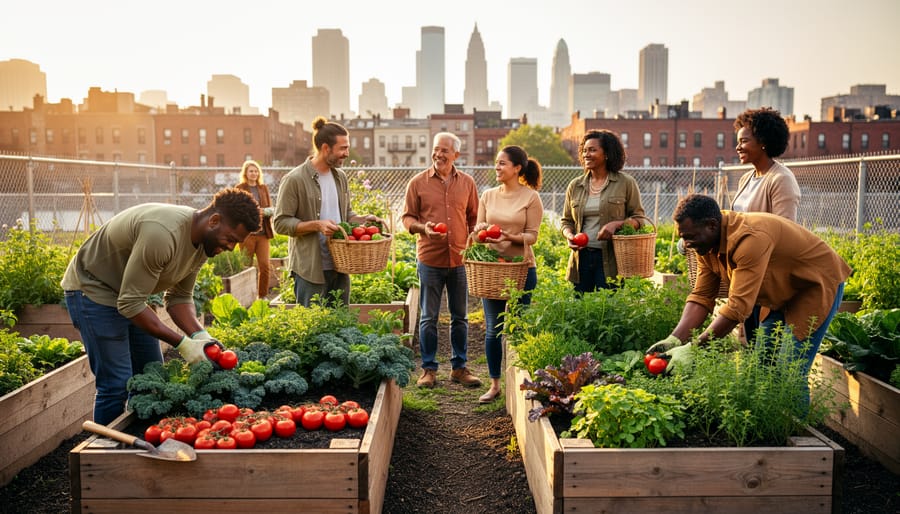
Transform vacant city lots into thriving food-producing spaces where neighbors cultivate fresh vegetables, build relationships, and reconnect with where their meals originate. Urban community gardens are shared green spaces where residents collectively grow organic produce, creating pockets of sustainable agriculture within concrete landscapes. These collaborative plots address food insecurity, reduce carbon footprints by eliminating transportation distances, and provide hands-free access to pesticide-free harvests right in your neighborhood.
Picture Sarah, a Chicago teacher who transformed her block’s abandoned corner into a flourishing garden that now feeds 15 families weekly with tomatoes, leafy greens, and herbs. Her story mirrors thousands of communities nationwide discovering that growing food together strengthens social bonds while improving nutrition and mental well-being. Whether you’re an apartment dweller craving dirt under your fingernails or someone passionate about local food systems, community gardens offer accessible entry points into organic growing practices.
Starting or joining a garden requires less expertise than you might think. Most projects welcome beginners eager to learn composting techniques, companion planting strategies, and seasonal crop rotation from experienced gardeners. The rewards extend beyond harvests—expect to gain gardening mentors, reduce grocery bills, exercise outdoors, and contribute to urban biodiversity while creating lasting friendships with neighbors who share your commitment to sustainable living.
What Makes Urban Community Gardens Different from Other Green Spaces
Urban community gardens represent a unique model of green space that goes beyond traditional gardening approaches. Unlike private backyard gardens where individuals work independently, community gardens bring neighbors together around shared plots of land, fostering collaboration and collective stewardship. These spaces operate on principles of shared ownership and responsibility, where members jointly maintain common areas, share tools and resources, and often make decisions together about what to grow and how to manage their space.
What truly sets urban community gardens apart is their dual focus on food production and community building. While public parks prioritize recreation and aesthetics, community gardens emphasize growing fresh, organic vegetables, herbs, and fruits that members can harvest and take home. This practical focus on food security connects directly to local food systems and sustainable agriculture. Many participants discover that growing their own produce not only provides healthy, chemical-free food but also deepens their understanding of where food comes from.
The social aspect distinguishes community gardens from individual allotment plots too. Rather than simply renting a space to garden alone, participants become part of a vibrant network of gardening enthusiasts. You’ll find experienced growers sharing gardening tips for beginners, families teaching children about composting, and neighbors exchanging seeds and recipes. These gardens become outdoor classrooms where knowledge flows freely.
Take Maria’s story, for instance. She joined her local community garden knowing nothing about plants, but within a season, fellow gardeners had taught her organic pest control methods and companion planting techniques. Now she mentors newcomers herself, perpetuating the cycle of knowledge-sharing that makes these spaces truly communal.
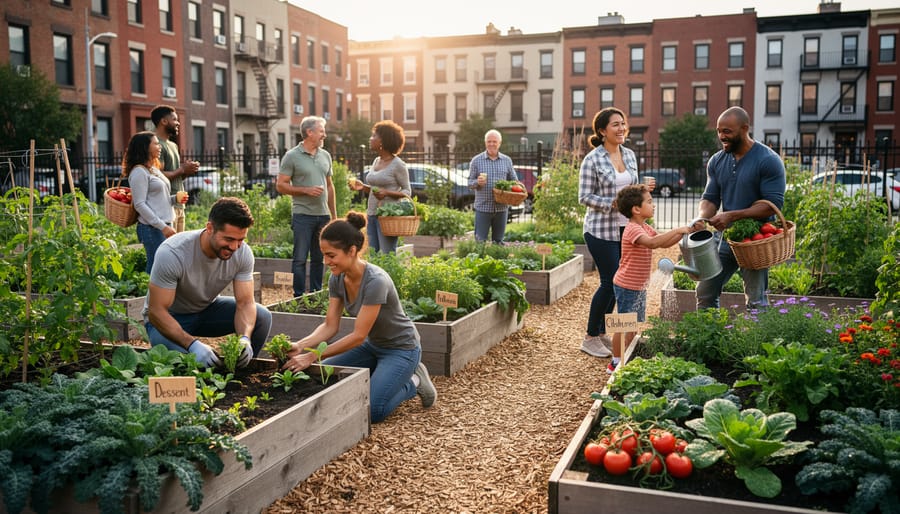
The Real Benefits Community Gardens Bring to Your Neighborhood
Fresh Food Access in Unexpected Places
In many urban neighborhoods, accessing fresh, nutritious produce remains a significant challenge. Food deserts—areas where grocery stores with healthy options are scarce—often leave residents relying on convenience stores and fast food. This is where organic community gardens step in as game-changers, transforming vacant lots into thriving sources of fresh vegetables and herbs.
These gardens bridge the gap between communities and wholesome food by growing pesticide-free tomatoes, leafy greens, carrots, and seasonal produce right where people live. Take the story of Maria from Detroit, who helped establish a community garden in her neighborhood. Within two growing seasons, over thirty families had access to fresh vegetables they could afford—many picking produce for free or through small volunteer contributions.
Community gardens don’t just provide food; they restore dignity and choice to underserved populations. Families can harvest ripe strawberries, crisp lettuce, and aromatic basil without traveling miles or stretching tight budgets. This hyperlocal approach to food production empowers communities to take control of their nutrition while building connections with neighbors who share the harvest.
Building Connections One Plot at a Time
In our increasingly digital world, urban community gardens serve as powerful antidotes to isolation, bringing neighbors together around a shared love of growing food. These green spaces naturally foster connections across age groups, with experienced senior gardeners passing down decades of growing wisdom to curious children and young professionals. There’s something magical about watching a grandmother teach a teenager how to properly stake tomatoes or a college student showing retirees how to use social media to organize seed swaps.
Community gardens also become vibrant hubs for cultural exchange. When gardeners from different backgrounds work side-by-side, they share more than just tools and compost. Recipe exchanges flourish as people discover new ways to prepare unfamiliar vegetables, and traditional growing techniques from around the world enrich everyone’s gardening knowledge. A plot planted with Asian bitter melon sits next to one growing Mexican tomatillos, while another showcases Ethiopian collard greens, creating an edible celebration of diversity.
For city dwellers who might go weeks without knowing their neighbors’ names, community gardens transform strangers into friends. Regular garden work sessions create natural opportunities for conversation and collaboration. Take Maria’s story: after moving to a new city, she felt disconnected until joining her local community garden. Within months, she’d built lasting friendships with fellow gardeners who became her urban family, sharing not just harvests but also meals, childcare, and support during difficult times. These gardens remind us that community isn’t just built on proximity but on shared purpose and mutual care.
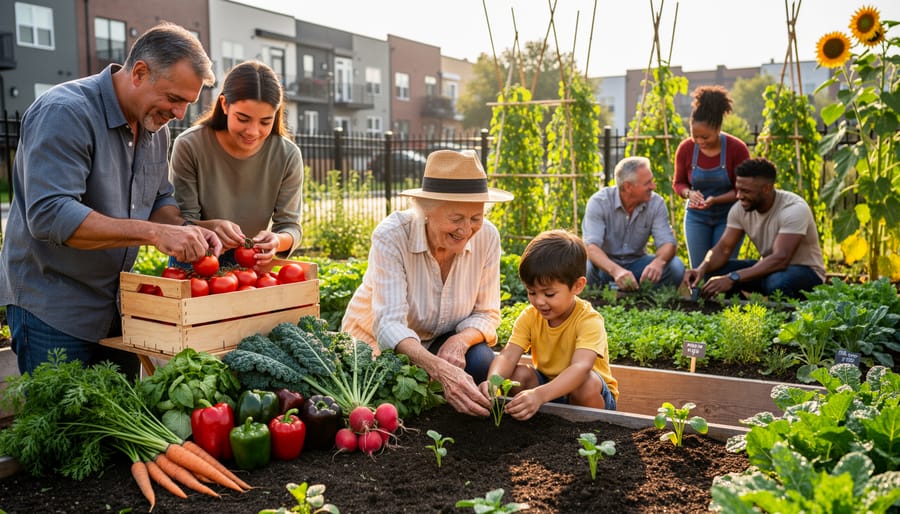
Starting Your Own Urban Community Garden: First Steps
Finding the Right Space and Getting Permission
Finding the perfect spot for your urban community garden starts with exploring your neighborhood with fresh eyes. Take walks through your area and look for underutilized vacant lots, unused corners of parks, or neglected spaces that could transform into green oases. These forgotten patches of land often belong to municipalities, private owners, or organizations eager to see them put to good use.
Churches, schools, and community centers make excellent partners because they typically have available land and share your vision of bringing people together. Approach these organizations with a simple proposal highlighting how a garden benefits their community through fresh produce access, educational opportunities, and neighborhood beautification. Many institutions welcome the chance to support local food production while strengthening community bonds.
Before breaking ground, navigate the bureaucratic side by contacting your city’s parks and recreation department or urban planning office. They’ll guide you through zoning requirements, permits, and any necessary approvals. Some cities have streamlined processes specifically for community gardens, making it easier than you might expect.
Secure your garden’s future with written land access agreements. Whether you’re working with a private landowner or municipality, get clear terms in writing covering duration, responsibilities, water access, and liability insurance. Most agreements run 3-5 years, giving your garden stability to grow and thrive. Consider joining local gardening networks too, where experienced urban farmers share insider tips about working with city officials and negotiating favorable terms. Their success stories often reveal shortcuts that save months of frustration.
Rallying Your Neighbors and Building Your Garden Team
Getting your neighbors excited about a community garden starts with genuine conversation and shared vision. Begin by talking with people in your neighborhood—at local coffee shops, community centers, or through social media groups. You’ll likely discover others who share your passion for fresh, organic produce and sustainable living.
Once you’ve gathered interested folks, schedule an initial meeting to gauge commitment levels and identify potential leaders. This is where your garden committee takes shape. Aim for diversity in your leadership team, including people with different skills like gardening knowledge, fundraising experience, communication abilities, and organizational talents. A successful garden thrives on varied perspectives and strengths.
Establishing clear bylaws early prevents future conflicts and ensures smooth operations. Your guidelines should cover membership requirements, plot assignments, shared space maintenance, work hour expectations, and decision-making processes. Keep these rules straightforward and fair, making sure everyone understands their responsibilities.
Create inclusive participation structures that welcome gardeners of all experience levels, ages, and physical abilities. Consider offering mentorship programs where seasoned growers guide beginners, hosting family-friendly workdays, and ensuring accessible garden beds for those with mobility challenges. Some gardens designate communal plots specifically for donating produce to local food banks, allowing members to contribute even if they can’t maintain individual plots.
Regular gatherings—whether monthly meetings, seasonal potlucks, or weekend work parties—strengthen bonds and keep everyone invested in your garden’s success. Remember, you’re not just growing vegetables; you’re cultivating a resilient, connected community committed to sustainable living.
Essential Growing Tips for Shared Urban Garden Spaces
Making the Most of Limited Space
Urban community gardens often work with compact plots, but that doesn’t mean you can’t grow abundantly! Smart gardening strategies help you maximize every square foot while keeping your harvest thriving throughout the season.
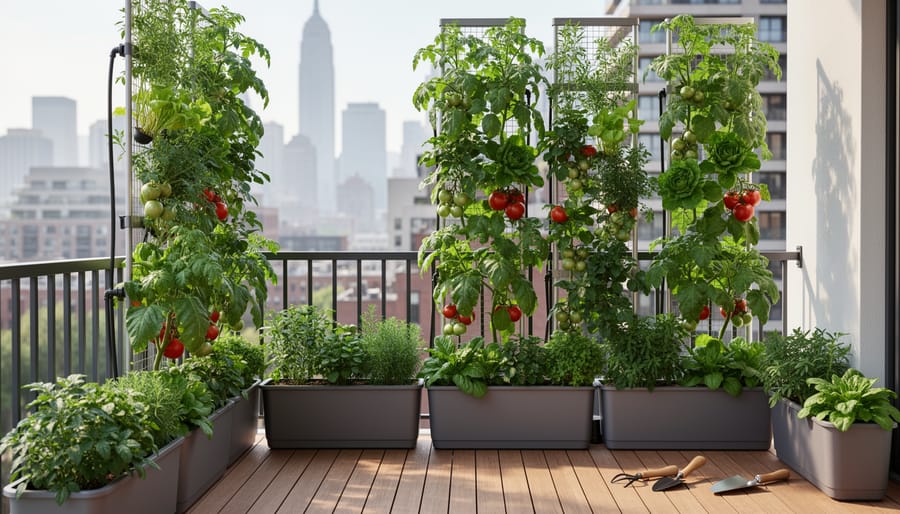
Growing upward instead of outward is one of the most effective space-saving approaches. Vertical gardening techniques allow you to train climbing plants like beans, peas, cucumbers, and tomatoes on trellises, stakes, or frames. This method not only saves ground space but also improves air circulation and makes harvesting easier. You can even use vertical planters or wall-mounted containers for herbs and lettuce.
Succession planting keeps your garden productive all season long. Instead of planting everything at once, stagger your sowings every two to three weeks. This works beautifully with quick-growing crops like radishes, lettuce, and spinach, ensuring fresh harvests continuously rather than one overwhelming abundance.
Companion planting pairs plants that benefit each other. The classic trio of corn, beans, and squash demonstrates this perfectly: corn provides support for climbing beans, beans add nitrogen to soil, and squash leaves shade out weeds. Try pairing tomatoes with basil, or carrots with onions to maximize your plot’s potential.
Focus on high-yield, space-efficient crops like cherry tomatoes, zucchini, kale, and herbs. These plants produce generously without demanding excessive space, perfect for urban gardeners eager to enjoy homegrown organic produce while building community connections.
Organic Practices That Work in Community Settings
Creating a thriving organic community garden starts with systems that work for everyone involved. Composting is the backbone of healthy soil in shared spaces. Set up a simple three-bin system where gardeners can contribute kitchen scraps and yard waste. The first bin collects fresh materials, the second allows decomposition, and the third holds finished compost ready for garden beds. This closed-loop system reduces waste while building nutrient-rich soil that feeds your plants naturally.
Natural pest management keeps gardens productive without harsh chemicals. Companion planting works beautifully in community settings. Plant marigolds alongside tomatoes to deter aphids, or grow basil near peppers to repel thrips. Encourage beneficial insects by dedicating a small area to native flowers that attract ladybugs and lacewings. These garden helpers control pests naturally while creating a beautiful, welcoming space.
Building healthy soil takes teamwork. Add organic matter like finished compost, aged manure, and leaf mold each season. Cover crops like clover or winter rye planted between growing seasons prevent erosion and add nitrogen back into the soil.
Water conservation matters in community gardens. Install rain barrels to capture runoff from nearby structures, and use drip irrigation or soaker hoses to deliver water directly to plant roots. Mulching with straw or wood chips reduces evaporation and keeps soil temperatures steady. These sustainable practices create abundance while teaching valuable skills for aspiring farmers and gardening enthusiasts alike.
Real Stories: Community Gardens That Changed Everything
Real community gardens have the power to transform entire neighborhoods, bringing fresh food, connection, and hope to unexpected places. Let’s explore three inspiring examples that demonstrate just how impactful these green spaces can be.
In Detroit’s North End neighborhood, the Georgia Street Community Collective started on an abandoned lot filled with debris and broken glass. A group of retired residents partnered with young families to clear the space in 2018. They faced initial challenges including contaminated soil and lack of funding, but persevered by importing clean topsoil and hosting fundraising dinners. Today, the garden produces over 2,000 pounds of organic vegetables annually, supplying a weekly farm stand that serves 150 families. Perhaps more importantly, the garden became a gathering place where longtime residents teach newcomers about Detroit’s agricultural heritage while kids learn where their food comes from.
Across the country in South Los Angeles, the Pueblo del Sol Garden transformed a former drug-dealing hotspot into a thriving half-acre oasis. Founded by a group of immigrant women in 2015, the garden initially struggled with vandalism and skepticism from neighbors. The gardeners responded by hosting open community events and inviting everyone to participate. Within two years, crime in the surrounding blocks dropped by 40 percent. The garden now features over 80 family plots where members grow traditional crops from their home countries, creating a living celebration of cultural diversity while providing fresh produce in a neighborhood previously considered a food desert.
These success stories share common themes: persistent leadership, community buy-in, and a willingness to start small and grow organically. Both gardens prove that with determination and collective effort, urban spaces can become sources of nourishment, pride, and lasting positive change.
Overcoming Common Challenges in Shared Garden Spaces
Every community garden faces its share of hurdles, but with the right approach, these challenges become opportunities for growth and learning. Let’s explore practical solutions to keep your shared space thriving.
Managing different skill levels can feel overwhelming, but it’s actually one of your garden’s greatest strengths. Create a buddy system pairing experienced gardeners with newcomers. Host monthly skill-sharing workshops where members teach specific techniques like composting or pruning. This builds confidence while strengthening community bonds.
Plot abandonment happens, especially during busy seasons. Establish clear guidelines from the start about minimum maintenance expectations. Consider implementing a three-strike communication system before reassigning plots. Some gardens successfully use “foster gardeners” who temporarily care for neglected spaces until the original member returns or the plot gets reassigned.
Vandalism and theft can discourage even the most dedicated gardeners. Install simple solutions like motion-sensor lights, clearly visible signage explaining the garden’s community purpose, and maintain an active presence with staggered watering schedules. Gardens with regular foot traffic experience fewer incidents. Building relationships with neighbors transforms them into informal guardians who watch over your space.
Water access issues require creative problem-solving. Explore rainwater harvesting systems, negotiate reduced rates with local utilities, or apply for environmental grants. Many municipalities offer support for green spaces that benefit the community.
Funding maintenance becomes easier when you diversify income streams. Organize plant sales, host seasonal festivals with vendor fees, partner with local CSA programs, or apply for sustainability grants through environmental organizations.
Interpersonal conflicts are natural when passionate people work together. Designate a rotating conflict resolution team trained in mediation. Schedule regular community meetings where members voice concerns before they escalate. Remember, open communication and respect for different approaches create the foundation for lasting success.
Urban community gardens hold remarkable transformative potential for neighborhoods, bringing together people who share a passion for fresh, organic food and sustainable living. These green spaces don’t just produce nutritious vegetables—they cultivate connections, restore urban ecosystems, and empower communities to take control of their food sources. Whether you’re an experienced gardener or just starting your journey into sustainable agriculture, there’s a place for you in this growing movement.
Getting involved is easier than you might think. Check with your local municipality about available plots, connect with existing garden groups through social media, or gather neighbors to start something new in your area. Many successful gardens began with just a few dedicated individuals who shared a vision. As you explore these opportunities, consider how community gardening connects to broader local food systems through CSA connections and other sustainable agriculture programs.
Take that first step today—visit a nearby community garden, attend a planning meeting, or simply start conversations with like-minded neighbors. Your involvement, no matter how small, contributes to healthier communities and a more sustainable future for urban agriculture.
