
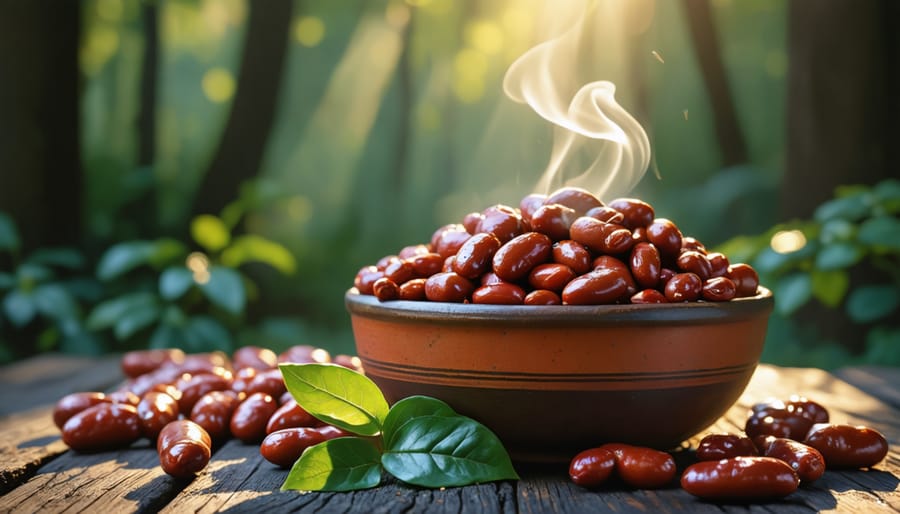
Red beans pack a powerful punch of essential nutrients while serving as a sustainable protein powerhouse for health-conscious individuals. These crimson legumes deliver an impressive 15 grams of fiber per cup, helping regulate blood sugar levels and support digestive health naturally. Rich in antioxidants, particularly anthocyanins that give them their distinctive color, red beans offer heart-protective benefits and may help reduce inflammation throughout the body.
While celebrated for their nutritional density, red beans require proper preparation to maximize benefits and minimize potential side effects. When consumed raw or undercooked, they contain lectins that can cause digestive discomfort. However, simple soaking and thorough cooking eliminate these concerns, transforming red beans into a versatile, budget-friendly superfood that supports weight management, blood sugar control, and overall wellness.
Understanding both the benefits and proper preparation methods ensures you can safely incorporate these nutrient-rich legumes into your diet while enjoying their full spectrum of health advantages.
Why Choose Organic Red Beans?
The Organic Advantage
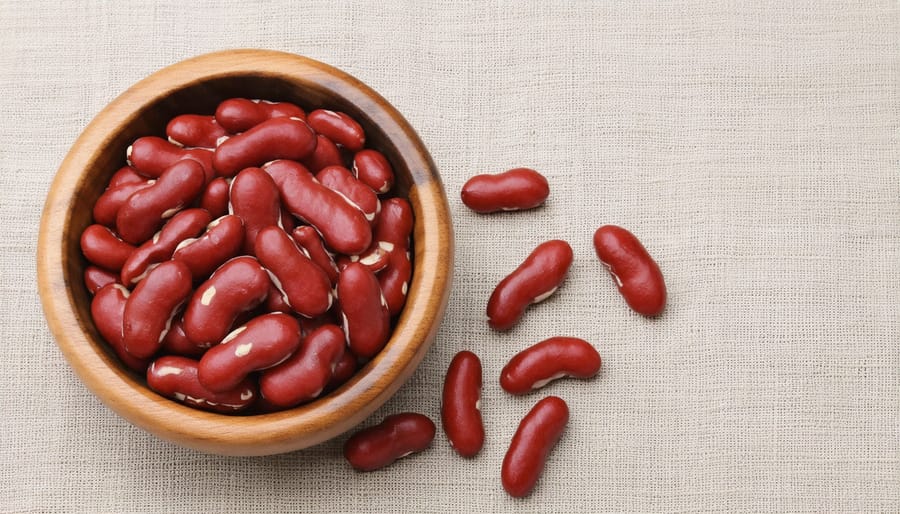
Choosing organic red beans offers significant advantages over conventionally grown varieties. Studies show that organic beans contain fewer pesticide residues and higher levels of beneficial compounds. The benefits of organic produce extend beyond just avoiding chemicals – organic red beans typically contain more antioxidants and minerals than their conventional counterparts. This nutrient density difference occurs because organic farming practices focus on building healthy soil, which naturally enhances the beans’ nutritional profile. Additionally, organic farmers often grow heritage varieties that are naturally more resistant to pests and diseases, resulting in beans that are both environmentally sustainable and nutritionally superior. When selecting red beans, look for certified organic options from local farmers who can share their growing practices and harvest dates.
Supporting Local Bean Farmers
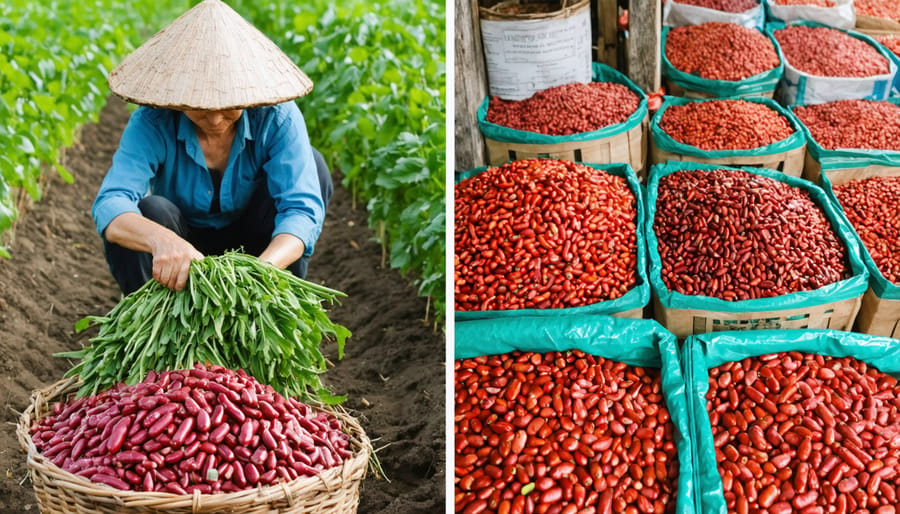
Supporting your local bean farmers through CSA memberships or farmers’ market purchases offers multiple benefits beyond just getting fresh, nutritious red beans. Local organic farmers typically grow heirloom varieties with superior flavor and nutrient content compared to mass-produced beans. These farmers use sustainable practices that protect soil health and biodiversity, while their shorter supply chains mean fewer transportation emissions. Many local farmers also offer educational opportunities, letting you learn about growing methods and even participate in harvest events. By purchasing directly from local bean farmers, you’re not only ensuring the highest quality produce for your family but also strengthening your community’s food security and supporting sustainable agriculture practices that benefit future generations.
Blood Sugar Management Benefits
Fiber Content and Glycemic Index
Red beans are a powerhouse when it comes to managing blood sugar levels, thanks to their impressive fiber content. One cup of cooked red beans contains approximately 13 grams of dietary fiber, which works wonders for your metabolic health benefits. This high fiber content creates a slow, steady release of nutrients into your bloodstream, preventing sudden spikes in blood sugar levels.
What makes red beans particularly special is their low glycemic index (GI) of around 24, placing them firmly in the low-GI category. When you enjoy red beans as part of your meal, the fiber forms a gel-like substance in your digestive system, which slows down carbohydrate absorption. This gentle absorption process helps maintain stable blood sugar levels and keeps you feeling satisfied for longer.
For our organic farm customers, we’ve observed that those who regularly incorporate red beans into their diets report feeling more energetic throughout the day, likely due to this balanced blood sugar effect. The combination of soluble and insoluble fiber in red beans also supports healthy gut bacteria, which plays a crucial role in nutrient absorption and overall metabolic health.
Growing red beans organically ensures we preserve their natural fiber content without any chemical interventions that might affect their nutritional integrity. This makes them an excellent choice for anyone looking to maintain healthy blood sugar levels naturally.

Protein and Complex Carbohydrates
Red beans are a nutritional powerhouse when it comes to providing sustained energy throughout the day. Their impressive protein content – about 15 grams per cup of cooked beans – makes them an excellent choice for those following plant-based diets or looking to reduce their meat consumption while maintaining proper nutrition.
What makes red beans particularly special is their unique combination of protein and complex carbohydrates. These complex carbs break down slowly in your digestive system, providing a steady release of energy instead of the quick spike and crash associated with simple carbohydrates. The fiber content, roughly 13 grams per cup, works alongside these complex carbs to slow digestion even further.
This protein-carb duo helps stabilize blood sugar levels, making red beans an excellent choice for anyone managing diabetes or trying to maintain consistent energy levels throughout the day. The slow-digesting nature of these nutrients also helps you feel fuller for longer, which can support healthy weight management goals.
For organic farmers and home gardeners, growing red beans offers a sustainable way to produce this nutrient-dense food. Their natural ability to fix nitrogen in the soil makes them an excellent choice for crop rotation and soil health improvement, while providing a valuable source of plant-based protein and complex carbohydrates for local communities.
Additional Health Benefits
Heart Health and Antioxidants
Red beans are a heart-healthy powerhouse, packed with compounds that support cardiovascular wellness naturally. These humble legumes contain significant amounts of flavonoids and anthocyanins, powerful antioxidants that help protect your heart by reducing inflammation and fighting harmful free radicals in your body.
The high fiber content in red beans, particularly soluble fiber, works to lower bad cholesterol levels while maintaining good cholesterol. This combination helps reduce the risk of heart disease and supports healthy blood pressure levels. A single cup of cooked red beans provides about 13 grams of fiber, making them an excellent choice for heart-conscious eaters.
What makes red beans especially remarkable is their impressive antioxidant content. In fact, they rank among the top antioxidant-rich foods available, outperforming many berries and other legumes. These antioxidants not only support heart health but also help protect your cells from oxidative stress, which can lead to various chronic conditions.
Regular consumption of red beans as part of a balanced, organic diet can contribute significantly to your heart health goals while providing sustainable nutrition.
Weight Management Support
Red beans are a powerful ally in maintaining a healthy weight, thanks to their unique combination of nutrients and fiber. A single cup of cooked red beans contains about 15 grams of fiber, which helps you feel fuller for longer periods, naturally reducing overall calorie intake throughout the day.
The high protein content in red beans also supports weight management by boosting metabolism and preserving lean muscle mass during weight loss. This protein-fiber duo creates a sustained feeling of satiety, helping to curb unhealthy snacking and overeating.
What makes red beans particularly effective for weight management is their low glycemic index. They release energy slowly into the bloodstream, preventing sudden spikes and crashes in blood sugar levels that can lead to hunger and cravings. Additionally, red beans are naturally low in fat while being nutrient-dense, offering essential vitamins and minerals without excess calories.
For those following a plant-based diet or looking to reduce meat consumption, red beans provide a satisfying alternative that supports weight management goals while promoting sustainable eating habits.
Potential Side Effects and Precautions
While red beans are generally safe and nutritious, it’s essential to be aware of potential side effects and take proper precautions. Raw or undercooked red beans contain high levels of a compound called phytohaemagglutinin, which can cause severe digestive discomfort. Always ensure beans are thoroughly cooked until tender.
Some individuals may experience bloating, gas, or digestive discomfort when consuming red beans. This is common with all legumes and can be minimized by practicing proper digestion of legumes. Start with small portions and gradually increase intake to allow your digestive system to adjust.
People with kidney problems should consult their healthcare provider before adding red beans to their diet, as they’re high in potassium and minerals that may need to be monitored. Those with gout or prone to kidney stones might need to moderate their intake.
To minimize digestive issues, try these helpful tips:
– Soak beans overnight and discard the soaking water
– Rinse thoroughly before cooking
– Add digestive-friendly herbs like bay leaves or cumin while cooking
– Chew thoroughly and eat slowly
– Stay well-hydrated throughout the day
For organic red beans, watch for signs of spoilage or damage before cooking. Store dried beans in a cool, dry place and use within a year for best results. If you experience any unusual reactions after consuming red beans, discontinue use and consult with a healthcare professional.
Red beans are truly a nutritional powerhouse, offering an impressive array of health benefits while being gentle on your wallet. From supporting heart health with their rich fiber content to providing sustained energy through complex carbohydrates, these versatile legumes deserve a regular spot in your meal rotation. By choosing organic red beans, you’re not only investing in your health but also supporting sustainable farming practices that benefit our environment. Consider incorporating them into your weekly menu through classic dishes like red beans and rice, hearty soups, or plant-based burger alternatives. Remember to start with small portions if you’re new to beans, and always ensure proper preparation to maximize their benefits while minimizing any digestive discomfort. With their remarkable nutritional profile and versatility in the kitchen, organic red beans are an excellent choice for anyone looking to enhance their diet naturally.
