
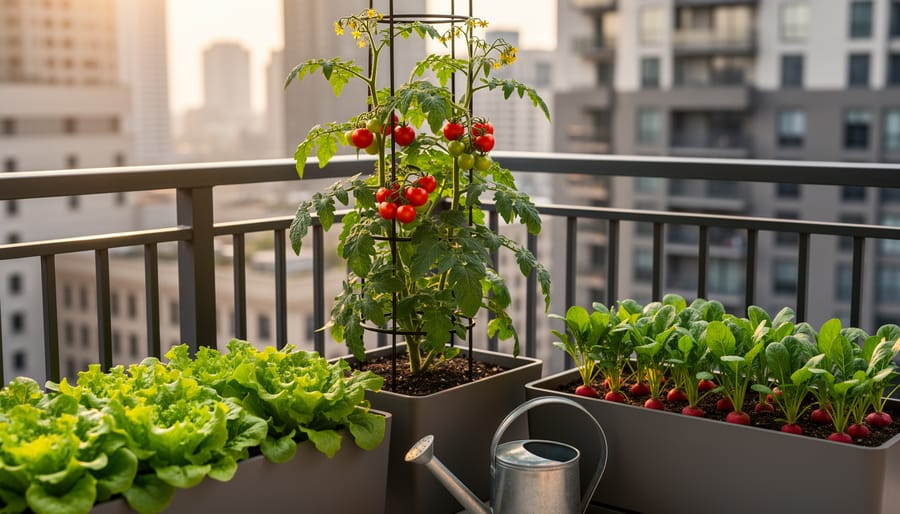
Choose compact varieties labeled as “patio,” “dwarf,” or “bush” types when shopping for urban gardening seeds—these are specifically bred to thrive in containers and tight spaces while delivering full-sized harvests. Start with quick-growing, forgiving options like lettuce, radishes, and cherry tomatoes that produce results within 30-60 days, building your confidence before tackling more challenging crops.
Source seeds from local urban farming cooperatives and community seed libraries where varieties have already proven successful in your specific microclimate and growing conditions. Many city-based CSAs offer seed-swap events each spring, connecting you with experienced growers who understand the unique challenges of balancing sunlight, wind exposure, and limited square footage. These connections provide invaluable gardening tips for beginners that generic seed packets simply cannot offer.
Select seeds marketed for vertical growing, succession planting, or cut-and-come-again harvesting to maximize your limited space throughout the season. Look for disease-resistant varieties that can handle the stress of container life, fluctuating moisture levels, and the heat islands common in urban environments. The right seeds transform even the smallest balcony or fire escape into a productive food source, proving that sustainable agriculture starts wherever you have soil, sun, and determination.
The Urban Garden Challenge: Why Location Changes Everything
Urban gardening presents a fascinating puzzle that sets it apart from traditional gardening. When you’re growing in the city, you’re not just dealing with limited square footage—you’re navigating an entirely different ecosystem that dramatically impacts which seeds will thrive and which will struggle.
City environments create what scientists call microclimates, small pockets where temperature, humidity, and light conditions vary wildly from one spot to another. Your balcony might sit in a heat island, where concrete and asphalt absorb and radiate warmth, raising temperatures by 5-10 degrees compared to rural areas. This extra heat can be a blessing for heat-loving plants, but it also means faster soil drying and potential stress on delicate seedlings.
Buildings create their own challenges too. That gorgeous apartment with the east-facing window might seem perfect, but if a neighboring structure casts shadows for most of the day, you’ll need shade-tolerant varieties rather than sun-worshippers. Wind tunnels between tall buildings can batter young plants and dry out containers in hours, making sturdy, compact varieties essential choices.
Container growing, which most urban gardeners rely on, changes the game completely. Roots can’t spread freely to seek nutrients and water, so you’ll want seeds bred for confined spaces with smaller root systems. Mastering urban gardening techniques means understanding these unique limitations.
Air quality matters more than many realize. Pollution particles can settle on leaves and affect photosynthesis, while car exhaust creates acidic conditions. Choosing resilient, fast-growing varieties helps ensure you’ll harvest before these stressors take their toll.
Understanding these urban-specific challenges is the first step toward selecting seeds that won’t just survive, but actually flourish in your city space.
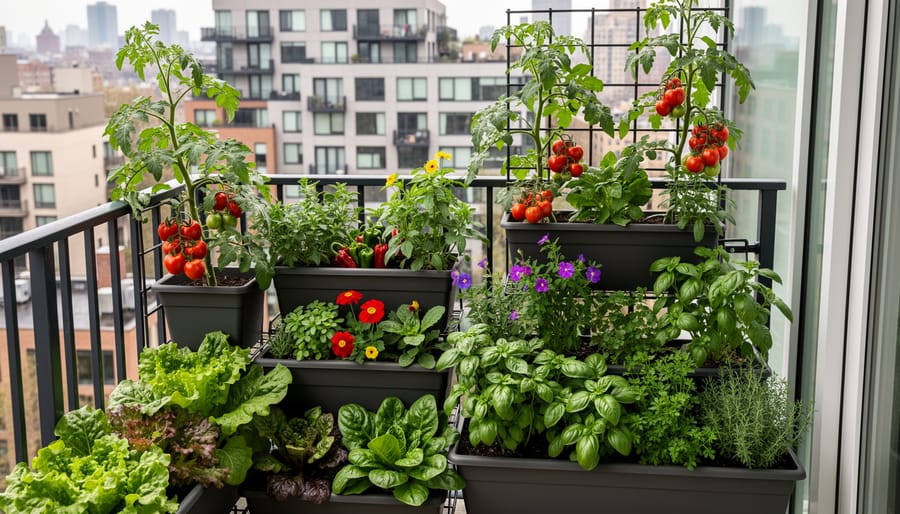
What Makes a Seed ‘Urban-Friendly’?
Fast-Maturing Varieties
Urban gardeners face unique challenges with shorter growing seasons and limited square footage, making fast-maturing varieties absolutely essential for success. When you’re working with a balcony container garden or small raised bed, every day counts. Fast-growing plants allow you to maximize your harvest window, especially important in regions with unpredictable weather or late spring frosts.
Quick-maturing seeds typically produce harvests within 30-60 days, giving you the flexibility to practice succession planting throughout the season. This means you can sow new crops every two weeks in the same space, ensuring a continuous supply of fresh produce rather than one overwhelming harvest. Lettuce, radishes, and baby greens are perfect examples that can go from seed to salad in under a month.
For urban gardeners juggling busy schedules, faster crops also mean quicker gratification and more opportunities to learn. If something doesn’t work out, you haven’t lost months of effort. You can adjust and try again, building your skills and confidence with each quick cycle. This approach transforms even the smallest urban space into a productive, efficient growing zone.
Compact and Dwarf Cultivars
When space is at a premium, compact and dwarf cultivars become your best friends in the urban garden. These specially bred varieties deliver full-sized flavor in miniaturized packages perfect for balconies, patios, and windowsills.
Bush tomatoes like ‘Patio Princess’ and ‘Tiny Tim’ grow just 12-18 inches tall while still producing abundant cherry tomatoes throughout the season. For peppers, ‘Fairy Tale’ eggplant and ‘Lunchbox’ snack peppers thrive in containers as small as one gallon. These aren’t just smaller plants producing less food—breeders have specifically developed them to maximize yields in confined spaces.
Dwarf varieties excel because they’ve been selected for compact root systems and shorter internodal spacing, meaning more productive growing in less soil volume. Take ‘Spacemaster’ cucumbers, which produce full-sized fruits on vines barely three feet long, or ‘Tom Thumb’ lettuce, forming perfect tennis-ball-sized heads ideal for individual servings.
Urban farmer Maria Chen grows a complete salad garden on her Chicago fire escape using exclusively dwarf varieties. “I harvest enough greens, cherry tomatoes, and mini cucumbers weekly to feed my family of four,” she shares. “The key is choosing varieties bred for containers rather than trying to squeeze standard plants into small pots.”
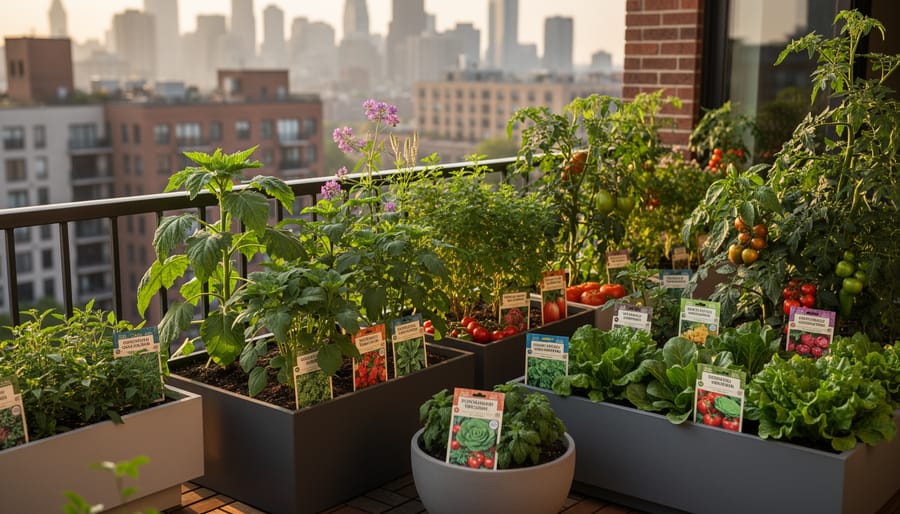
Top Seed Categories for Urban Garden Success
Leafy Greens and Salad Crops
Leafy greens are perfect starters for urban gardeners because they grow quickly, tolerate partial shade, and thrive in containers as shallow as six inches. These forgiving crops deliver fresh salads right to your windowsill or balcony.
For lettuce, try ‘Tom Thumb’ butterhead, a compact variety that matures in just 50 days and fits beautifully in 6-inch pots. ‘Little Gem’ romaine offers that satisfying crunch in a petite package, while ‘Red Sails’ adds gorgeous burgundy color and resists bolting in warmer conditions. Succession planting every two weeks keeps your salad bowl full all season.
Spinach varieties like ‘Space’ and ‘Baby’s Leaf Hybrid’ were practically designed for containers, producing tender leaves you can start harvesting in three weeks. They appreciate cooler temperatures and actually prefer the partial shade common on urban balconies.
Arugula grows so enthusiastically in tight spaces that one community gardener in Brooklyn reported harvesting from the same 12-inch container for four months straight. The peppery ‘Astro’ variety matures in 38 days and self-seeds readily.
Microgreens deserve special mention for apartment dwellers. Varieties like ‘Red Acre’ cabbage, ‘China Rose’ radish, and mixed salad blends grow from seed to harvest in just 7-14 days on a sunny countertop. They’re nutrient-dense, require minimal space, and provide that instant gratification new gardeners crave while building confidence for bigger growing adventures.
Herbs That Love Small Spaces
Small spaces shouldn’t limit your herb garden ambitions. The beauty of growing herbs in containers is that they’re perfectly happy with cozy quarters, making them ideal companions for your balcony or windowsill.
Basil thrives in sunny spots and rewards you with abundant harvests throughout the growing season. Try Genovese for classic pesto or Thai basil for Asian-inspired dishes. Cilantro grows quickly in cooler weather, though it tends to bolt in heat, so plan accordingly. For a steady supply, practice succession planting by sowing new seeds every two to three weeks from spring through fall.
Parsley, both flat-leaf and curly varieties, tolerates partial shade beautifully and produces for months once established. Thyme is remarkably low-maintenance and drought-tolerant, perfect for those occasional forgotten waterings we all experience in busy urban lives.
The secret to continuous herb harvests is succession planting. Rather than sowing all your seeds at once, stagger your plantings. This ensures you’ll always have fresh herbs ready when older plants decline or get harvested completely. Start new cilantro every two weeks, add a fresh basil container monthly during warm months, and you’ll never run short.
Most herbs need just six hours of sunlight daily and well-draining soil. A south-facing window or sunny balcony corner provides everything these productive little plants need to flourish in your urban garden.
Compact Vegetables
When space is at a premium, compact vegetable varieties become your best friends in urban gardening. These specially bred plants deliver full-sized harvests without overwhelming your balcony or patio.
Bush beans are perfect starters for container gardening. Unlike their pole bean cousins, varieties like ‘Mascotte’ and ‘Provider’ grow just 18-24 inches tall and don’t require trellising. They’re incredibly productive in 12-inch pots and ready to harvest in about 50 days.
Cherry tomatoes thrive in urban settings, especially determinate varieties bred for containers. ‘Tiny Tim’ reaches only 12 inches tall but produces abundantly, while ‘Patio Princess’ and ‘Window Box Roma’ were specifically designed for small-space gardeners. These varieties need at least 5-gallon containers and 6-8 hours of sunlight.
Peppers naturally have compact growth habits, making them container superstars. ‘Lunchbox’ peppers stay under 18 inches and produce colorful sweet peppers, while ‘Jalapeno M’ offers spicy harvests in tight quarters.
For squash lovers, bush varieties like ‘Bush Baby’ zucchini and ‘Eight Ball’ summer squash eliminate sprawling vines. These plants stay contained within 2-3 feet and produce generously in large containers or raised beds. Pair one plant per 5-gallon pot with rich compost for best results.
Edible Flowers and Ornamentals
Urban gardens become magical spaces when you include flowers that do double duty as both ornamental beauties and kitchen ingredients. Nasturtiums top the list for urban gardeners, thriving in containers with their peppery, colorful blooms that brighten salads and garnish plates. These vigorous growers cascade beautifully from window boxes and need minimal care, making them perfect for busy city dwellers.
Marigolds serve multiple purposes in compact gardens. French marigold varieties like ‘Lemon Gem’ offer citrusy petals for culinary use while naturally deterring pests from neighboring vegetables. Their compact growth habit fits perfectly in small raised beds or patio containers, and they bloom prolifically from summer through frost.
Calendula, also known as pot marigold, produces cheerful orange and yellow flowers with mild, slightly tangy petals ideal for teas, soups, and baked goods. This resilient annual tolerates partial shade, which is common in urban settings with nearby buildings.
Violas and pansies add delicate beauty to spring and fall gardens, with edible flowers perfect for decorating desserts. Their compact size works wonderfully in shallow containers or as border plants in small plots. Beyond their culinary appeal, these flowers attract crucial pollinators like bees and butterflies to your urban garden, supporting local ecosystems while enhancing your growing space with color and function.
Sourcing Quality Seeds for Urban Growing
Finding quality seeds suited for your urban garden doesn’t have to be overwhelming. Start by exploring local seed companies that specialize in varieties bred for compact growing and challenging conditions. These regional suppliers understand your climate and can recommend cultivars that thrive in containers and small spaces.
Seed libraries are hidden gems in many urban communities, offering free seeds in exchange for saving and returning seeds at season’s end. Check your local library system or community center to see if they host a seed library program. This approach not only saves money but connects you with varieties that have proven successful in your specific neighborhood.
Community seed swaps provide fantastic opportunities to discover heirloom and unique varieties while meeting fellow urban gardeners. These informal gatherings, often hosted by gardening clubs or community gardens, let you exchange seeds and growing tips with experienced local growers who understand the challenges of urban cultivation. You’ll gain insider knowledge about which varieties produce abundantly in tight quarters.
Connect with nearby CSA farms, as many sell seeds or can point you toward trusted suppliers. Farmers who run CSA programs often have deep knowledge of productive varieties and may even offer workshops on seed starting. Building these relationships creates invaluable support networks for your gardening journey.
When shopping online, seek out certified organic seed suppliers committed to non-GMO, untreated seeds. Companies like High Mowing Seeds, Johnny’s Selected Seeds, and Baker Creek offer extensive catalogs with detailed growing information. Look for filters indicating compact growth habits, container suitability, and shorter days to maturity.
Remember, investing in quality seeds from reputable sources sets the foundation for a thriving urban garden that produces nutritious, homegrown food throughout the growing season.
Starting Seeds Indoors Without a Yard
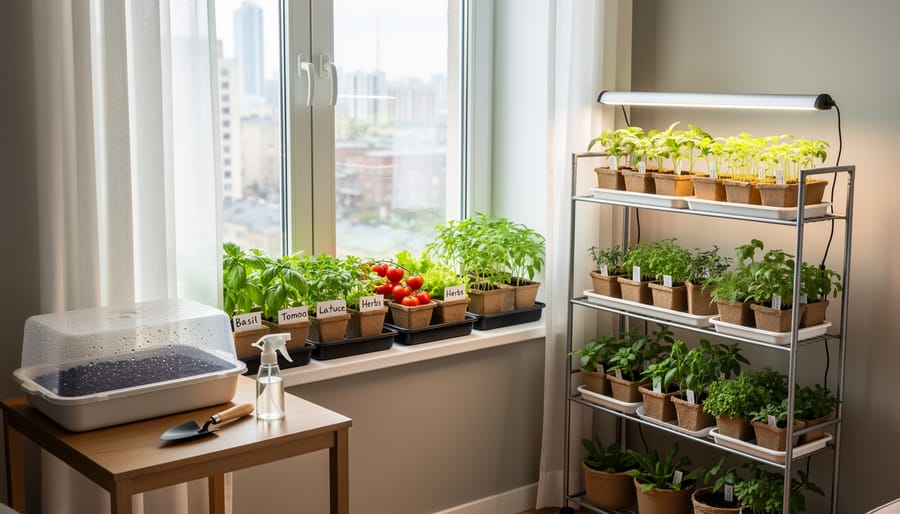
Timing Your Indoor Seed Starting
Getting your timing right makes all the difference when starting seeds indoors. The key is working backward from your area’s last expected frost date, which you can find through your local extension office or online gardening resources. Most seed packets provide guidance on when to start seeds indoors, typically ranging from 4 to 12 weeks before transplanting outdoors.
Here’s where urban microclimates get interesting. Your rooftop garden or south-facing balcony might warm up two weeks earlier than nearby parks, while a shaded courtyard could lag behind. Spend a season observing your specific space, noting when frost disappears and temperatures stabilize above 50°F at night.
For beginners, tomatoes and peppers started 6-8 weeks before your last frost date offer a sweet spot for success. Cool-season crops like lettuce and herbs need just 4-6 weeks indoors. Create a simple calendar marking your transplant dates, then count backward to determine your seed-starting schedule. This planning ensures your seedlings are robust and ready without becoming rootbound in their containers while waiting for suitable outdoor conditions.
Space-Saving Propagation Methods
When you’re working with limited indoor space, getting creative with your seed-starting setup makes all the difference. Soil blocking is a game-changer for urban gardeners—this method creates compact, self-contained blocks of soil that eliminate the need for plastic containers. You simply press a soil blocker tool into a mixture of potting soil and compost, creating perfectly formed cubes that stack efficiently on trays. The roots naturally air-prune at the edges, leading to healthier transplants.
Paper pot making offers another sustainable, space-smart solution. Using newspaper or biodegradable paper, you can craft small pots that decompose directly in the soil when transplanting time arrives. This eliminates transplant shock and reduces waste—a win for both your seedlings and the environment.
Vertical seed starting setups maximize your square footage by going upward. Install shelving units with grow lights, creating multiple tiers for seed trays. One Chicago apartment gardener shared how her three-tier setup allowed her to start over 200 seedlings in just six square feet of floor space, eventually supplying her entire rooftop garden and sharing extras with neighbors.
Farmer Success Story: From Balcony to CSA Partnership
Meet Sarah Chen, who transformed her Chicago apartment balcony into a thriving garden that eventually caught the attention of Green Valley CSA, a local community-supported agriculture farm. What started in 2019 with just three tomato plants and a packet of lettuce seeds has blossomed into a productive partnership where Sarah now supplies specialty microgreens and herbs to the CSA’s weekly boxes.
Sarah’s journey began modestly. Living in a north-facing apartment with limited direct sunlight, she initially struggled to find seeds that would actually thrive. Her breakthrough came when she discovered compact varieties specifically bred for containers. Cherry tomatoes like ‘Tiny Tim’ and ‘Tumbling Tom’ became her gateway crops, producing abundantly in 5-gallon containers. She also found success with lettuce varieties including ‘Tom Thumb’ butterhead and ‘Little Gem’ romaine, which she could succession plant every two weeks in window boxes.
The game-changer was herbs. Sarah started growing cilantro, Thai basil, and cutting celery from seed, harvesting continuously by cutting only what she needed. When she began sharing her surplus at a neighborhood swap, the CSA farm manager noticed her pristine produce and proposed a collaboration.
Now Sarah dedicates her balcony to growing high-value specialty items that complement the CSA’s field crops. Her advice? Start small, choose seeds wisely for your specific conditions, and don’t underestimate the power of community connections. Every successful urban farm begins with a single seed and the willingness to learn as you grow.
Common Seed Starting Mistakes Urban Gardeners Make
Even experienced gardeners sometimes stumble when starting seeds in urban environments. Let’s explore the most common mistakes and how to avoid them so your indoor seed-starting adventure sets you up for success.
Choosing incompatible varieties ranks among the top mistakes urban gardeners make. Those giant heirloom tomatoes might sound amazing, but if you’re growing on a fourth-floor balcony, compact determinate varieties will serve you much better. Always read seed packets carefully and select varieties specifically bred for containers or small spaces.
Timing issues plague many beginners. Starting seeds too early leads to leggy, stressed seedlings that outgrow their containers before outdoor conditions are safe. Too late, and you’ll miss your optimal growing window. Check your last frost date and count backward according to each plant’s specific timeline. Most seed packets provide this crucial information.
Overwatering kills more seedlings than any other factor. New gardeners often shower their baby plants with excessive love in liquid form, leading to damping-off disease and root rot. Seeds need consistent moisture, not soggy conditions. Learning proper watering practices makes all the difference—let the soil surface dry slightly between waterings and always ensure drainage holes in your containers.
Insufficient light creates weak, stretching seedlings desperately reaching toward windows. Urban apartments rarely provide enough natural light for healthy seedlings. Invest in affordable LED grow lights positioned just inches above your plants, adjusting height as they grow.
Finally, skipping the hardening-off process shocks transplants. Gradually expose indoor-grown seedlings to outdoor conditions over 7-10 days, starting with just an hour of filtered sunlight and slowly increasing exposure. This patience pays off with thriving plants that transition smoothly to their permanent homes.
Building Your Urban Seed Collection Sustainably
Building a sustainable seed collection transforms your urban garden into a resilient, ever-evolving space while reducing costs and environmental impact. Start by learning the basics of seed saving from your most successful plants. Allow a few of your healthiest tomatoes, peppers, or lettuce plants to fully mature and produce seeds. For beginners, tomatoes and beans are forgiving choices since they’re self-pollinating and easy to harvest.
Connect with your local gardening community through seed swaps, which are often hosted by community gardens, libraries, or environmental organizations. These events let you trade surplus seeds while discovering varieties that thrive in your specific neighborhood’s conditions. You’ll also gain invaluable knowledge from experienced urban gardeners who understand your unique challenges.
Support regional organic farms and seed companies that prioritize heirloom and open-pollinated varieties suited to your climate zone. Many local CSA programs offer seed packets alongside their produce shares, providing varieties proven to perform in your area. This approach strengthens your local food system while ensuring you’re working with genetics adapted to your environment.
Create your personalized seed library by organizing saved and acquired seeds in a cool, dry location. Label everything with variety names and harvest dates. Track which varieties excel in your space, noting details about sunlight requirements, container size, and productivity. This living record becomes more valuable each season, especially when paired with practices like apartment composting that improve your soil quality naturally.
Starting your urban gardening journey doesn’t have to be overwhelming. Begin with just a few proven varieties like cherry tomatoes, lettuce, or herbs that forgive beginner mistakes and thrive in containers. These small successes will build your confidence and teach you valuable lessons about your specific growing conditions, whether that’s a sunny balcony or a shaded fire escape.
Your local CSA community is an incredible resource waiting to help. Connect with nearby organic growers who understand your region’s climate and can recommend varieties that perform well in your area. Many farmers are generous with their knowledge and happy to share tips about seed starting, soil preparation, and pest management strategies that work in urban settings.
Remember, every experienced gardener started as a beginner. Embrace the learning curve, celebrate your harvests no matter how small, and don’t be discouraged by setbacks. Each growing season teaches something new about working with nature rather than against it.
Ready to get started? Explore our farm directory to discover local seed sources and connect with organic growers in your community. These relationships will enrich your gardening experience and support the sustainable agriculture movement right in your neighborhood.
