Monthly Archives

52 Articles

Red Beans: Your Natural Ally for Blood Sugar Balance

Posted by darrell on
0
Consumer Health and Nutrition
Red Beans: Your Natural Ally for Blood Sugar Balance

Red beans pack a powerful punch of essential nutrients while serving as a sustainable protein powerhouse for health-conscious individuals. These crimson legumes deliver an impressive 15 grams of fiber per cup, helping regulate blood sugar levels and support digestive health naturally. Rich in antioxidants, particularly anthocyanins that give them their distinctive color, red beans offer heart-protective benefits and may help reduce inflammation throughout the body.

While celebrated for their nutritional density, red beans require proper preparation to maximize benefits and minimize potential side effects. When consumed raw or undercooked, they contain lectins that can cause digestive discomfort. However, simple soaking and thorough cooking eliminate these concerns, transforming red beans into a versatile, budget-friendly superfood that supports weight management, blood sugar control, and overall wellness.

Understanding both the benefits and proper preparation methods ensures you can safely incorporate these nutrient-rich legumes into your diet while enjoying their full spectrum of health advantages.

Why Choose Organic Red Beans?

Organic red kidney beans in a wooden bowl showing their rich color and texture
Fresh organic red beans in a rustic wooden bowl with some scattered on a natural linen surface

The Organic Advantage

Choosing organic red beans offers significant advantages over conventionally grown varieties. Studies show that organic beans contain fewer pesticide residues and higher levels of beneficial compounds. The benefits of organic produce extend beyond just avoiding chemicals – organic red beans typically contain more antioxidants and minerals than their conventional counterparts. This nutrient density difference occurs because organic farming practices focus on building healthy soil, which naturally enhances the beans’ nutritional profile. Additionally, organic farmers often grow heritage varieties that are naturally more resistant to pests and diseases, resulting in beans that are both environmentally sustainable and nutritionally superior. When selecting red beans, look for certified organic options from local farmers who can share their growing practices and harvest dates.

Supporting Local Bean Farmers

Supporting your local bean farmers through CSA memberships or farmers’ market purchases offers multiple benefits beyond just getting fresh, nutritious red beans. Local organic farmers typically grow heirloom varieties with superior flavor and nutrient content compared to mass-produced beans. These farmers use sustainable practices that protect soil health and biodiversity, while their shorter supply chains mean fewer transportation emissions. Many local farmers also offer educational opportunities, letting you learn about growing methods and even participate in harvest events. By purchasing directly from local bean farmers, you’re not only ensuring the highest quality produce for your family but also strengthening your community’s food security and supporting sustainable agriculture practices that benefit future generations.
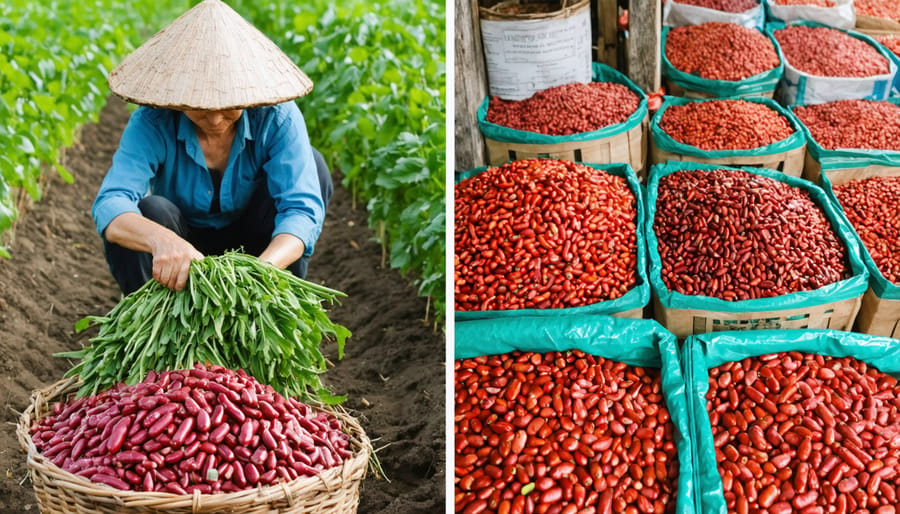
Local farmer harvesting red beans and selling at farmers market
Split screen showing local farmer harvesting organic red beans and packaged beans at a farmer’s market

Blood Sugar Management Benefits

Fiber Content and Glycemic Index

Red beans are a powerhouse when it comes to managing blood sugar levels, thanks to their impressive fiber content. One cup of cooked red beans contains approximately 13 grams of dietary fiber, which works wonders for your metabolic health benefits. This high fiber content creates a slow, steady release of nutrients into your bloodstream, preventing sudden spikes in blood sugar levels.

What makes red beans particularly special is their low glycemic index (GI) of around 24, placing them firmly in the low-GI category. When you enjoy red beans as part of your meal, the fiber forms a gel-like substance in your digestive system, which slows down carbohydrate absorption. This gentle absorption process helps maintain stable blood sugar levels and keeps you feeling satisfied for longer.

For our organic farm customers, we’ve observed that those who regularly incorporate red beans into their diets report feeling more energetic throughout the day, likely due to this balanced blood sugar effect. The combination of soluble and insoluble fiber in red beans also supports healthy gut bacteria, which plays a crucial role in nutrient absorption and overall metabolic health.

Growing red beans organically ensures we preserve their natural fiber content without any chemical interventions that might affect their nutritional integrity. This makes them an excellent choice for anyone looking to maintain healthy blood sugar levels naturally.

Graph comparing blood sugar response with red beans versus without red beans over time
Infographic showing blood glucose levels over time comparing meals with and without red beans

Protein and Complex Carbohydrates

Red beans are a nutritional powerhouse when it comes to providing sustained energy throughout the day. Their impressive protein content – about 15 grams per cup of cooked beans – makes them an excellent choice for those following plant-based diets or looking to reduce their meat consumption while maintaining proper nutrition.

What makes red beans particularly special is their unique combination of protein and complex carbohydrates. These complex carbs break down slowly in your digestive system, providing a steady release of energy instead of the quick spike and crash associated with simple carbohydrates. The fiber content, roughly 13 grams per cup, works alongside these complex carbs to slow digestion even further.

This protein-carb duo helps stabilize blood sugar levels, making red beans an excellent choice for anyone managing diabetes or trying to maintain consistent energy levels throughout the day. The slow-digesting nature of these nutrients also helps you feel fuller for longer, which can support healthy weight management goals.

For organic farmers and home gardeners, growing red beans offers a sustainable way to produce this nutrient-dense food. Their natural ability to fix nitrogen in the soil makes them an excellent choice for crop rotation and soil health improvement, while providing a valuable source of plant-based protein and complex carbohydrates for local communities.

Additional Health Benefits

Heart Health and Antioxidants

Red beans are a heart-healthy powerhouse, packed with compounds that support cardiovascular wellness naturally. These humble legumes contain significant amounts of flavonoids and anthocyanins, powerful antioxidants that help protect your heart by reducing inflammation and fighting harmful free radicals in your body.

The high fiber content in red beans, particularly soluble fiber, works to lower bad cholesterol levels while maintaining good cholesterol. This combination helps reduce the risk of heart disease and supports healthy blood pressure levels. A single cup of cooked red beans provides about 13 grams of fiber, making them an excellent choice for heart-conscious eaters.

What makes red beans especially remarkable is their impressive antioxidant content. In fact, they rank among the top antioxidant-rich foods available, outperforming many berries and other legumes. These antioxidants not only support heart health but also help protect your cells from oxidative stress, which can lead to various chronic conditions.

Regular consumption of red beans as part of a balanced, organic diet can contribute significantly to your heart health goals while providing sustainable nutrition.

Weight Management Support

Red beans are a powerful ally in maintaining a healthy weight, thanks to their unique combination of nutrients and fiber. A single cup of cooked red beans contains about 15 grams of fiber, which helps you feel fuller for longer periods, naturally reducing overall calorie intake throughout the day.

The high protein content in red beans also supports weight management by boosting metabolism and preserving lean muscle mass during weight loss. This protein-fiber duo creates a sustained feeling of satiety, helping to curb unhealthy snacking and overeating.

What makes red beans particularly effective for weight management is their low glycemic index. They release energy slowly into the bloodstream, preventing sudden spikes and crashes in blood sugar levels that can lead to hunger and cravings. Additionally, red beans are naturally low in fat while being nutrient-dense, offering essential vitamins and minerals without excess calories.

For those following a plant-based diet or looking to reduce meat consumption, red beans provide a satisfying alternative that supports weight management goals while promoting sustainable eating habits.

Potential Side Effects and Precautions

While red beans are generally safe and nutritious, it’s essential to be aware of potential side effects and take proper precautions. Raw or undercooked red beans contain high levels of a compound called phytohaemagglutinin, which can cause severe digestive discomfort. Always ensure beans are thoroughly cooked until tender.

Some individuals may experience bloating, gas, or digestive discomfort when consuming red beans. This is common with all legumes and can be minimized by practicing proper digestion of legumes. Start with small portions and gradually increase intake to allow your digestive system to adjust.

People with kidney problems should consult their healthcare provider before adding red beans to their diet, as they’re high in potassium and minerals that may need to be monitored. Those with gout or prone to kidney stones might need to moderate their intake.

To minimize digestive issues, try these helpful tips:
– Soak beans overnight and discard the soaking water
– Rinse thoroughly before cooking
– Add digestive-friendly herbs like bay leaves or cumin while cooking
– Chew thoroughly and eat slowly
– Stay well-hydrated throughout the day

For organic red beans, watch for signs of spoilage or damage before cooking. Store dried beans in a cool, dry place and use within a year for best results. If you experience any unusual reactions after consuming red beans, discontinue use and consult with a healthcare professional.

Red beans are truly a nutritional powerhouse, offering an impressive array of health benefits while being gentle on your wallet. From supporting heart health with their rich fiber content to providing sustained energy through complex carbohydrates, these versatile legumes deserve a regular spot in your meal rotation. By choosing organic red beans, you’re not only investing in your health but also supporting sustainable farming practices that benefit our environment. Consider incorporating them into your weekly menu through classic dishes like red beans and rice, hearty soups, or plant-based burger alternatives. Remember to start with small portions if you’re new to beans, and always ensure proper preparation to maximize their benefits while minimizing any digestive discomfort. With their remarkable nutritional profile and versatility in the kitchen, organic red beans are an excellent choice for anyone looking to enhance their diet naturally.

Why Daily Organic Nut Consumption Keeps Your Heart Beating Strong

Posted by darrell on
0
Consumer Health and Nutrition
Why Daily Organic Nut Consumption Keeps Your Heart Beating Strong

Grab a handful of nuts daily to revolutionize your health – it’s that simple, yet remarkably powerful. Research from Harvard Medical School shows that people who eat nuts daily are 20% less likely to develop heart disease and tend to live longer, healthier lives. From heart-protective omega-3s in walnuts to protein-packed almonds and antioxidant-rich pecans, these nutrient-dense powerhouses pack a concentrated punch of essential vitamins, minerals, and healthy fats your body craves.

But here’s what many don’t realize: the key lies in mindful consumption. While nuts deliver impressive health benefits, they’re also calorie-dense, making portion control crucial for optimal results. Whether you’re sprinkling them on your morning oatmeal, adding crunch to your salad, or enjoying them as a satisfying afternoon snack, a daily serving of 1-2 ounces provides the perfect balance of nutrition without excess calories.

Let’s explore how these small but mighty foods can transform your daily diet into a foundation for lasting health and vitality.

Various organic nuts including almonds, walnuts, and pecans arranged around a heart symbol
Assorted organic nuts arranged artistically with visible nutritional labels and heart shapes

The Heart-Healthy Power of Organic Nuts

Essential Heart-Protective Nutrients

Organic nuts are powerhouses of essential nutrients that protect your heart and support overall cardiovascular health. As part of your heart-healthy dietary choices, nuts provide an impressive array of protective compounds that work together to keep your heart strong.

Most nuts are rich in omega-3 fatty acids, particularly walnuts, which contain alpha-linolenic acid (ALA) that helps reduce inflammation and supports heart rhythm. Almonds and pecans are loaded with vitamin E, a potent antioxidant that prevents oxidative damage to heart cells. Brazilian nuts stand out for their selenium content, which helps maintain healthy heart function.

The antioxidant profiles of different nuts are equally impressive. Pecans contain more than 19 different antioxidants, while hazelnuts provide quercetin and proanthocyanidins that support blood vessel health. Pistachios contain lutein and zeaxanthin, which help reduce oxidative stress.

Organic nuts also provide L-arginine, an amino acid that helps produce nitric oxide in your body, supporting flexible and healthy blood vessels. Combined with their rich mineral content, including magnesium and potassium, nuts create a natural shield for your cardiovascular system.

Organic vs. Conventional: What’s the Difference?

When it comes to choosing between organic and conventional nuts, there are several key differences worth considering. Organic nuts are grown without synthetic pesticides and fertilizers, potentially reducing your exposure to harmful chemicals. Studies suggest that organic nutrition benefits may include higher levels of certain antioxidants and beneficial compounds.

Conventional nuts, while generally safe to consume, may contain trace amounts of pesticide residues. However, their thick shells provide natural protection, making nuts one of the foods less affected by conventional farming practices. Both organic and conventional nuts offer similar macro-nutrient profiles – they’re equally rich in healthy fats, protein, and fiber.

The main difference lies in farming practices and environmental impact. Organic nut farms typically employ sustainable methods that protect soil health and biodiversity. While organic nuts tend to be more expensive, many consumers find the environmental benefits and potential reduction in chemical exposure worth the investment. Whether you choose organic or conventional, remember that proper storage is crucial for maintaining freshness and preventing rancidity.

Perfect Daily Portions for Heart Health

How Much is Just Right?

When it comes to daily nut consumption, the magic number is about a handful, or 1-1.5 ounces (28-42 grams). This amounts to roughly 20-24 almonds, 15-20 cashews, or 15 walnut halves. While nuts are incredibly nutritious, they’re also calorie-dense, so portion control is key.

Listen to your body for signs you might be overdoing it. Stomach discomfort, bloating, or weight gain could indicate you’re consuming too many nuts. For those following organic lifestyles, choosing raw, unsalted nuts from local farmers markets offers the most nutritional benefits while supporting sustainable agriculture.

To make portion control easier, try pre-portioning your nuts into small containers at the start of each week. This simple habit helps prevent mindless snacking while ensuring you get just the right amount of these nutrient-rich foods every day.

Looking to mix things up? Alternate between different organic nut varieties throughout the week to get a diverse range of nutrients and keep your snacking interesting.

Demonstration of proper nut portion sizes using a palm-sized serving and measuring cups
Visual comparison of portion sizes using hands and measuring cups

Best Times to Eat Nuts

The timing of your nut consumption can significantly impact their health benefits. For optimal heart health, consider eating a small portion of nuts as a mid-morning snack, which helps maintain steady blood sugar levels throughout the day. Another ideal time is about 30 minutes before exercise, as nuts provide sustainable energy for your workout.

Many nutritionists recommend incorporating nuts into your breakfast routine, either mixed into organic yogurt or oatmeal, as this helps kickstart your metabolism. For those practicing intermittent fasting, nuts make an excellent choice to break your fast, providing essential nutrients without overwhelming your digestive system.

Evening consumption is also beneficial, particularly for those struggling with sleep. A small handful of nuts about two hours before bedtime can help regulate sleep hormones, thanks to their magnesium and tryptophan content. Just remember to keep portions moderate, as nuts are calorie-dense even though they’re incredibly nutritious.

Choosing and Storing Your Organic Nuts

Fresh vs. Processed: Making the Right Choice

When selecting nuts for your daily consumption, the difference between fresh and processed varieties can significantly impact their nutritional value. Fresh, raw nuts retain their full complement of healthy fats, proteins, and antioxidants, while heavily processed options often contain added oils, salt, and preservatives that can diminish their health benefits.

Look for organic nuts stored in sealed containers or bulk bins with high turnover rates. They should appear plump, uniform in color, and free from cracks or discoloration. Avoid nuts that show signs of moisture damage, mold, or rancidity – these may have a bitter or “off” smell.

The best choices are often found at local farmers’ markets, food co-ops, or organic grocery stores where you can verify their freshness. Store-bought packaged nuts should have clear labeling indicating they’re raw or minimally processed. Be particularly wary of flavored varieties, which typically contain artificial additives and excess sodium.

Store your nuts in an airtight container in a cool, dark place, or refrigerate them to maintain freshness and prevent oxidation of their healthy fats. This simple step can extend their shelf life while preserving their nutritional benefits.

Storage Secrets for Maximum Benefits

To maintain the nutritional goodness of your nuts and ensure they stay fresh longer, proper storage is essential. Always keep nuts in an airtight container – mason jars or resealable glass containers work perfectly for this purpose. The pantry is your best bet for storing nuts at room temperature, but make sure it’s cool, dry, and away from direct sunlight.

For longer shelf life, especially if you buy in bulk, the refrigerator is your friend. Most nuts can stay fresh for up to six months when refrigerated, and up to a year when frozen. Before storing, check that your nuts are completely dry to prevent mold growth.

Here’s a helpful tip from our organic farmers: consider buying nuts in their shells if possible. Nature’s packaging provides the best protection against rancidity and preserves nutrients longer. When you notice a bitter or “off” smell, or if your nuts taste stale, it’s time to replace them.

For those living in humid climates, adding a food-grade silica gel packet to your storage container can help absorb excess moisture and keep nuts crisp longer.

Creative Ways to Include Nuts in Your Daily Diet

Beyond Simple Snacking

Nuts aren’t just for snacking – they’re versatile ingredients that can transform your everyday meals into nutritious culinary adventures. Try sprinkling chopped walnuts and pecans over your morning oatmeal or yogurt parfait to add crunch and help boost your body’s natural defenses.

Create a delicious homemade trail mix by combining your favorite organic nuts with dried local fruits and dark chocolate chips. For lunch, try making a nutrient-rich nut-based pesto using almonds or pine nuts, fresh basil, olive oil, and garlic – perfect for pasta or as a sandwich spread.

Transform dinner by using crushed nuts as a healthy coating for baked fish or chicken instead of breadcrumbs. Add toasted cashews to stir-fries or curry dishes for extra protein and texture. For a creative twist on salads, candy some pecans with maple syrup and a pinch of sea salt for a sweet-savory topping.

Don’t forget about dessert! Blend soaked cashews into a creamy vegan cheesecake base, or process almonds into flour for gluten-free baking. Making your own nut butter is another rewarding way to enjoy these nutritional powerhouses – simply process roasted nuts in a food processor until smooth, adding a touch of honey or cinnamon if desired.

Healthy breakfast bowl with yogurt, fruits, and various nuts as toppings
Creative breakfast bowl featuring nuts as toppings

Local Sources for Fresh Organic Nuts

Finding fresh organic nuts locally isn’t as challenging as you might think. Start by visiting your nearest farmers’ market, where local growers often sell seasonal nuts like walnuts, pecans, and almonds. Many farmers are happy to share their growing practices and may even offer samples of their products.

Community Supported Agriculture (CSA) programs are another excellent source for organic nuts. While most people associate CSAs with vegetables and fruits, some farms include nuts in their seasonal offerings. Check with local CSA programs about their nut harvesting schedules and availability.

Local food co-ops and health food stores frequently partner with regional organic nut farmers. These partnerships ensure fresher products and support local agriculture. Ask store managers about their sourcing practices and whether they can connect you directly with farmers.

For those interested in ultra-local sourcing, consider joining or starting a nut-growing collective. Many communities have unused land that’s perfect for growing nut trees. Local agricultural extension offices can provide guidance on starting such initiatives.

Social media and online farming forums are valuable resources for finding organic nut producers in your area. Many small-scale farmers use these platforms to connect with customers and share harvest updates. Don’t forget to ask about bulk purchasing options, which can make organic nuts more affordable while reducing packaging waste.

Remember to inquire about storage recommendations when buying fresh nuts, as proper storage is crucial for maintaining their nutritional value and preventing rancidity.

Incorporating organic nuts into your daily diet offers a wealth of health benefits while supporting sustainable agriculture practices. From heart-healthy fats and protein to essential minerals and antioxidants, nuts provide comprehensive nutrition in a convenient package. By choosing organic varieties, you’re not only investing in your health but also supporting farming methods that protect soil health and biodiversity. Remember to stick to a portion size of 1-2 ounces daily, store your nuts properly to maintain freshness, and explore different varieties to maximize nutritional benefits. Whether you’re snacking on almonds, adding walnuts to your morning oatmeal, or sprinkling pistachios on salads, making organic nuts part of your daily routine is a smart choice for both personal health and environmental sustainability. Consider sourcing from local organic farmers when possible to reduce your carbon footprint and support your community’s sustainable food system.

CSA Farm Shares: Your Prescription for Better Health and Wellness

Posted by darrell on
0
CSA Fundamentals and Benefits
CSA Farm Shares: Your Prescription for Better Health and Wellness

Transform your health journey through Community Supported Agriculture, a revolutionary approach to accessing farm-fresh, nutrient-dense foods that delivers profound benefits for both body and mind. Beyond simply providing organic produce, CSA membership creates a direct connection to local farmers, ensuring access to peak-season vegetables harvested at their nutritional prime. Recent studies show that people who participate in CSAs consume 60% more fruits and vegetables than the average consumer, while experiencing reduced stress levels through meaningful community connections. This sustainable food system not only provides unparalleled freshness and flavor but also supports immune function through higher concentrations of beneficial compounds found in just-picked produce. Whether you’re seeking better nutrition, environmental sustainability, or a stronger connection to your food source, CSA membership offers a powerful pathway to enhanced wellbeing.

Fresh Food, Better Nutrition

Peak-Season Harvesting

CSA farms excel at maximizing the nutritional benefits of CSA programs through strategic peak-season harvesting practices. Unlike conventional produce that’s often picked early for long-distance shipping, CSA farmers harvest fruits and vegetables at their optimal ripeness, ensuring maximum nutrient density and flavor.

Farmers carefully time their harvests to coincide with early morning or late evening hours when temperatures are cooler, helping preserve delicate nutrients that can degrade in intense heat. Many CSA farmers practice succession planting, which means crops are harvested and delivered to members within hours of picking, preserving vital nutrients that begin declining immediately after harvest.

Local CSA farmers also select varieties specifically for their nutritional content rather than shipping durability. They can grow more nutrient-dense heirloom varieties that might be too delicate for conventional distribution. This focus on peak-season harvesting means members receive produce when it’s not only most flavorful but also at its nutritional prime, packed with essential vitamins, minerals, and antioxidants.

Variety Equals Vitality

One of the most exciting aspects of CSA membership is the ever-changing variety of produce you receive throughout the growing season. Each weekly share brings a colorful array of fruits and vegetables that naturally align with your body’s seasonal nutritional needs. This diversity ensures you’re getting a wide spectrum of vitamins, minerals, and antioxidants that might be missing from a more limited grocery store diet.

When you receive different types of produce each week, you’re naturally encouraged to experiment with new recipes and cooking methods. This culinary adventure not only makes healthy eating more enjoyable but also helps you develop a broader palate and better eating habits. Many CSA members report that they eat more vegetables and try new foods they wouldn’t typically purchase.

The seasonal variety also supports gut health through diverse fiber sources and different beneficial plant compounds. From spring’s tender greens to summer’s juicy tomatoes and fall’s hearty squashes, each season brings its own nutritional profile that works in harmony with your body’s changing needs. This natural rotation of produce helps maintain a healthy microbiome and supports overall immune function.

Diverse collection of fresh CSA produce including colorful vegetables and herbs
Colorful array of freshly harvested seasonal vegetables laid out on a rustic wooden table

Mental Health Benefits

Community Connection

Joining a CSA isn’t just about accessing fresh produce – it’s about becoming part of a vibrant community that shares your values and passion for sustainable food. Through building stronger communities through CSAs, members often develop meaningful relationships with their farmers and fellow subscribers.

Weekly pickup days become social gatherings where neighbors exchange recipes, share cooking tips, and discuss their latest kitchen adventures. Many CSAs host seasonal events like harvest festivals, farm tours, and cooking demonstrations that bring members together to celebrate local food culture.

Children especially benefit from this community aspect, learning where their food comes from and developing positive associations with healthy eating through hands-on experiences at the farm. The regular interaction with farmers and other members creates a support network that encourages sustainable living practices and healthy eating habits.

This sense of belonging and shared purpose contributes significantly to mental well-being, as members feel connected to both their food source and their local community. Many CSA members report feeling more grounded and satisfied knowing they’re part of a movement that supports local agriculture while fostering meaningful social connections.

Group of CSA members interacting with farmers and each other while collecting their weekly shares
Smiling community members gathering at a local farm during CSA pickup day

Seasonal Mindfulness

Eating seasonally through a CSA membership does more than nourish your body – it nurtures your mind too. By connecting with the natural rhythm of harvest seasons, you develop a deeper appreciation for nature’s cycles and the food on your plate. This mindful approach to eating helps reduce stress and anxiety while fostering a sense of connection to your local environment.

The anticipation of weekly CSA boxes creates a positive ritual that many members look forward to. Opening your share becomes a moment of discovery and joy, encouraging mindful eating practices and greater awareness of your food choices. This seasonal connection can help combat the disconnection many feel in our fast-paced world.

Members often report feeling more grounded and present when preparing meals with their seasonal produce. The process of cleaning, preparing, and cooking fresh vegetables becomes a form of meditation, offering a peaceful break from daily stresses. Additionally, knowing the story behind your food – who grew it and where it came from – creates a sense of community and belonging that contributes to overall emotional well-being.

The seasonal eating pattern also helps you stay present and engaged with the current moment, rather than always rushing ahead to the next thing.

Physical Wellness Impact

Immune System Support

Fresh, locally grown produce from CSA farms packs a powerful punch when it comes to supporting your immune system. These fruits and vegetables are harvested at peak ripeness, meaning they retain maximum nutritional value and immune-boosting compounds that can help keep you healthy year-round.

The quick journey from farm to table ensures that vital nutrients like vitamin C, beta-carotene, and antioxidants remain intact. Unlike produce that travels long distances, CSA vegetables don’t lose their nutritional potency during extended storage and transportation. This means you’re getting the highest possible levels of immune-supporting nutrients with every bite.

CSA shares typically include a diverse range of colorful vegetables and fruits, each offering unique immune-enhancing properties. Dark leafy greens provide folate and vitamin K, while orange and red vegetables deliver beta-carotene and vitamin A. Many CSA farms also include immunity-boosting herbs and allium vegetables like garlic and onions, known for their natural antimicrobial properties.

Seasonal eating through a CSA also aligns with your body’s natural nutritional needs throughout the year. Winter shares often feature storage crops rich in vitamin C and zinc, helping to ward off seasonal illness, while summer produce provides hydrating foods packed with protective antioxidants.

Local farmers often use organic or low-spray growing methods, reducing your exposure to pesticides while maximizing the beneficial compounds in your produce that support immune function.

Composite image showing organic farming on one side and health metrics like blood pressure and heart rate on the other
Split image showing organic farming practices and common health indicators

Chronic Disease Prevention

Consuming fresh, organic produce through CSA memberships can significantly impact long-term health outcomes and help prevent various chronic diseases. Regular intake of diverse, seasonal vegetables and fruits provides essential nutrients, antioxidants, and fiber that work together to boost your body’s natural defense systems.

Studies have shown that people who consistently eat organic produce have lower risks of developing heart disease, type 2 diabetes, and certain types of cancer. The higher levels of antioxidants found in organic fruits and vegetables help combat inflammation, a key factor in many chronic conditions. Additionally, the absence of synthetic pesticides in organic farming reduces exposure to potentially harmful chemicals linked to various health issues.

CSA members often report making more home-cooked meals and eating a wider variety of vegetables, which naturally leads to better portion control and reduced consumption of processed foods. This dietary shift can help maintain healthy blood pressure, cholesterol levels, and blood sugar balance.

Local farmer Sarah Martinez shares, “Many of our long-term CSA members have told us how their health has improved since joining. One member reversed her pre-diabetes diagnosis after two years of incorporating our seasonal produce into her daily meals.”

The variety of nutrients in seasonal produce also supports immune system function, helping your body ward off illnesses and maintain optimal health throughout the year. Plus, knowing exactly where your food comes from and how it’s grown provides peace of mind about your dietary choices.

Making the Most of Your CSA Share

Getting the most value from your CSA share starts with smart planning and storage. When your weekly bounty arrives, sort produce by ripeness and storage needs. Keep delicate greens in sealed containers with a paper towel to absorb excess moisture, while root vegetables can go in a cool, dark place. This simple organization helps prevent food waste and ensures you’re enjoying everything at peak freshness.

Create a flexible meal plan based on what’s in your share. Start with the most perishable items early in the week, saving hardier vegetables for later. Don’t be afraid to freeze excess produce – many CSA vegetables freeze well when properly prepared, extending their usefulness well beyond the growing season.

Get creative with unfamiliar items by exploring new recipes and cooking methods. Many CSA farmers provide recipe suggestions and cooking tips with their shares. If you receive an abundance of one item, consider batch cooking and freezing prepared dishes for later use. Transform extra vegetables into soups, stews, or stir-fries that can be enjoyed throughout the week.

Make the most of every part of your produce. Many vegetable parts that often get discarded are actually edible and nutritious. Beet greens can be sautéed, carrot tops make excellent pesto, and broccoli stems can be peeled and eaten raw or cooked.

Connect with other CSA members to share recipes and tips. Many farms have social media groups or newsletters where members exchange ideas. This community aspect not only helps you discover new ways to use your produce but also enhances the overall CSA experience through shared knowledge and inspiration.

Consider splitting a share with another household if you’re new to CSA or have a smaller family. This can help you manage the quantity while still enjoying the benefits of fresh, local produce.

Joining a CSA program offers a wealth of health benefits that extend far beyond just fresh produce. From accessing nutrient-rich, seasonal vegetables to fostering mental wellness through community connections, CSA membership can transform your approach to healthy living. The direct farm-to-table relationship ensures you receive the freshest possible produce, packed with essential vitamins and minerals that may be lost in conventional supply chains. By committing to a CSA share, you’re not only investing in your health but also supporting sustainable farming practices that benefit our environment and local communities. Take the first step toward better health today by connecting with a local CSA farm – your body, mind, and local farming community will thank you for it.

Why Organic Inulin Powder Is Your Metabolism’s Best Friend

Posted by darrell on
0
Consumer Health and Nutrition
Why Organic Inulin Powder Is Your Metabolism’s Best Friend

Transform your digestive health and boost immunity with organic inulin powder, a potent prebiotic fiber extracted from chicory root that works synergistically with organic grains and whole foods. This naturally sweet, soluble fiber promotes beneficial gut bacteria growth, regulates blood sugar levels, and enhances calcium absorption for stronger bones. Unlike synthetic alternatives, organic inulin powder offers pure, chemical-free nourishment that supports sustainable farming practices while delivering maximum nutritional benefits.

Mix 1-2 teaspoons daily into morning smoothies, overnight oats, or warm beverages to experience improved digestion, reduced sugar cravings, and enhanced metabolic health. Start with small amounts and gradually increase intake to allow your digestive system to adjust comfortably. Choose certified organic inulin powder to ensure you’re getting a clean, sustainably produced supplement free from pesticides and chemical processing aids.

Fresh organic chicory roots, Jerusalem artichokes, and dandelion roots - natural sources of inulin
Various organic inulin-rich plants including chicory roots, Jerusalem artichokes, and dandelion roots laid out on a rustic wooden surface

The Natural Origins of Organic Inulin

From Farm to Powder: The Organic Journey

The journey of organic inulin powder begins in fertile soil where chicory and Jerusalem artichoke plants flourish without synthetic pesticides or fertilizers. Local farmers carefully nurture these crops through their growing cycle, typically harvesting the roots in late autumn when inulin concentrations peak. After harvest, the roots are thoroughly cleaned using pure water and carefully inspected for quality.

The extraction process starts with cutting the roots into small pieces before they’re gently heated in filtered water. This natural method helps preserve inulin’s beneficial properties while separating it from other plant materials. The resulting liquid undergoes filtration and evaporation at controlled temperatures to prevent nutrient degradation. Finally, the concentrated inulin solution is dried using a special spray-drying technique that transforms it into a fine, easy-to-use powder.

Throughout this process, strict organic certification standards ensure no chemical solvents or artificial additives are used, maintaining the powder’s purity and potency for maximum health benefits.

Why Organic Matters for Inulin Quality

Choosing organic inulin powder ensures you’re getting a pure, clean product free from synthetic pesticides and harmful chemicals. When chicory root and other inulin sources are grown organically, they develop in soil rich with natural nutrients, leading to higher quality fiber content and better overall nutritional value.

Organic farming practices also protect beneficial soil microorganisms that help plants naturally absorb nutrients, resulting in more potent inulin concentrations. These methods preserve the delicate balance of prebiotics and other beneficial compounds found in the root, ensuring you get the maximum digestive and metabolic benefits.

Additionally, organic certification means strict quality control throughout the entire production process – from soil preparation to harvesting and processing. This careful oversight helps maintain the integrity of the inulin powder, ensuring it’s free from contaminants that could potentially interfere with its prebiotic properties or your body’s ability to utilize it effectively.

Metabolic Benefits of Organic Inulin

Blood Sugar Balance

One of inulin’s most remarkable benefits is its ability to help maintain healthy blood sugar levels. As a soluble fiber, organic inulin powder slows down digestion and the absorption of carbohydrates in your body. This gradual process helps prevent sudden spikes in blood glucose levels after meals, making it particularly beneficial for those watching their blood sugar.

When you consume inulin, it works with your body’s natural processes to improve insulin sensitivity. Think of insulin as a key that unlocks your cells to let glucose in – when your cells become more responsive to insulin, they’re better at managing blood sugar levels throughout the day. This makes organic inulin powder a valuable addition to a balanced diet, especially for individuals concerned about maintaining stable blood sugar levels.

The prebiotic properties of inulin also play a role in blood sugar management. By supporting beneficial gut bacteria, it helps create an environment that promotes better metabolic health and glucose regulation. Many of our local farmers have reported feeling more energetic and balanced after incorporating organic inulin powder into their daily routines.

Gut Health Connection

The fascinating relationship between inulin and your digestive system lies at the heart of its numerous health benefits. As a prebiotic fiber, organic inulin powder plays a crucial role in supporting gut health and metabolism by acting as a nourishing food source for beneficial bacteria in your digestive tract.

When you consume organic inulin powder, it travels through your digestive system undigested until it reaches your large intestine. Here’s where the magic happens: your gut bacteria ferment the inulin, producing beneficial short-chain fatty acids (SCFAs) that provide energy for your intestinal cells and help maintain a healthy gut barrier.

This fermentation process creates a nurturing environment for beneficial bacteria like Bifidobacteria and Lactobacilli to thrive, while simultaneously discouraging the growth of harmful bacteria. The resulting digestive health benefits include improved regularity, reduced bloating, and enhanced nutrient absorption.

What makes organic inulin particularly special is its role in metabolic health. As your gut bacteria process inulin, they help regulate blood sugar levels and support healthy cholesterol management. This prebiotic powerhouse also aids in calcium absorption, contributing to stronger bones and teeth.

By choosing organic inulin powder, you’re not only supporting your own health but also sustainable farming practices that protect soil health and biodiversity. Local organic farmers who grow inulin-rich crops like Jerusalem artichokes and chicory root maintain these beneficial properties through careful cultivation without synthetic pesticides or fertilizers.

Visual diagram of how inulin affects gut bacteria and metabolic health
Infographic showing the gut-brain connection with emphasis on prebiotic fiber’s role in metabolic health

Practical Uses in Your Kitchen

Easy Recipe Ideas

Adding organic inulin powder to your daily meals is surprisingly simple and versatile. Start your morning by stirring a teaspoon into your coffee or tea – it dissolves easily and adds a subtle sweetness. For breakfast lovers, blend it into smoothies or sprinkle it over yogurt parfaits for an extra fiber boost.

When baking, replace about 10% of your flour with inulin powder to create healthier versions of your favorite treats. It works wonderfully in muffins, cookies, and breakfast bars while adding moisture and natural sweetness. Try incorporating it into homemade granola mixtures before baking for added crunch and prebiotic benefits.

For everyday cooking, stir inulin powder into soups and sauces – it acts as a natural thickener while boosting nutritional value. Add it to homemade salad dressings or mix it into your post-workout protein shake. For a healthy afternoon pick-me-up, blend it with nut butter and rolled oats to make no-bake energy balls.

Remember to start with small amounts (1-2 teaspoons daily) and gradually increase to allow your digestive system to adjust comfortably.

Healthy recipes featuring inulin powder including smoothie bowls and baked goods
Collection of healthy smoothie bowls and baked goods made with inulin powder, showcasing practical applications

Storage and Usage Tips

To maintain the freshness and potency of your organic inulin powder, store it in an airtight container away from direct sunlight and moisture. A cool, dark pantry or cupboard is ideal, with temperatures between 50-70°F (10-21°C). While properly stored inulin powder can last up to two years, always check the expiration date on the package.

When measuring inulin powder, use a dry spoon to prevent moisture from entering the container. Start with small amounts (1-2 teaspoons) and gradually increase as your body adjusts. Mix the powder thoroughly into your chosen beverage or recipe, as it can clump if added too quickly.

For best results, incorporate inulin powder into room temperature or warm liquids first before adding to cold beverages. It dissolves more easily this way. You can add it to morning smoothies, yogurt, oatmeal, or baked goods. If using in hot beverages, add the powder after the drink has cooled slightly to preserve its beneficial properties.

Remember to reseal the container tightly after each use and keep the measuring spoon clean and dry.

Sourcing Quality Organic Inulin

When selecting organic inulin powder, quality matters just as much as the organic certification itself. Look for products that clearly state their source – typically chicory root or Jerusalem artichoke – and ensure they carry legitimate organic certification from recognized organizations like USDA Organic or similar international standards.

The best organic inulin powder should be pure white to slightly cream in color and have a mild, slightly sweet taste. Avoid products with strong off-putting odors or unusual coloring, as these might indicate poor processing or storage conditions. Quality suppliers will provide detailed information about their sourcing practices and processing methods.

Consider purchasing from companies that maintain direct relationships with organic farmers and offer transparency about their supply chain. Many reputable suppliers will share details about their farming partners and harvesting practices. Local health food stores often carry trusted brands and can provide valuable guidance on product selection.

Storage conditions are crucial for maintaining inulin’s quality. Choose products that come in airtight, moisture-proof containers, preferably made from glass or BPA-free materials. Check the packaging date and opt for newer stock when possible.

Price shouldn’t be your only consideration – while organic inulin powder may cost more than conventional alternatives, this reflects the additional care and standards required in organic farming and processing. Start with smaller quantities to test quality and effectiveness before committing to bulk purchases.

For the freshest product, consider seasonal buying patterns. Chicory root is typically harvested in fall, so purchasing around this time might ensure fresher stock. Remember to check the expiration date and storage recommendations to maintain optimal quality.

Organic inulin powder stands as a testament to nature’s ability to provide sustainable, health-promoting solutions. From supporting digestive health and promoting beneficial gut bacteria to helping maintain healthy blood sugar levels, this prebiotic fiber offers numerous advantages for those seeking natural wellness solutions. By choosing organic inulin powder, you’re not only investing in your health but also supporting environmentally conscious farming practices that protect our soil and ecosystem.

As more people discover the benefits of this versatile supplement, it’s encouraging to see the growing availability of high-quality, organic options. Whether you’re adding it to your morning smoothie, baking with it, or using it as a natural sweetener, organic inulin powder can be a valuable addition to your daily routine. Remember to start with small amounts and gradually increase your intake to allow your body to adjust.

By making mindful choices about the supplements we use, we contribute to a healthier planet while nurturing our own wellbeing. Consider incorporating organic inulin powder into your lifestyle as part of a broader commitment to sustainable, health-conscious living.

Nature’s Secret Weapons: Powerful Herb and Spice Blends That Keep Food Fresh

Posted by darrell on
0
Culinary and Food Preservation
Nature’s Secret Weapons: Powerful Herb and Spice Blends That Keep Food Fresh

Transform your kitchen into a natural preservation powerhouse using herbs and spices that have protected food for generations. Traditional preservation methods harness the antimicrobial properties of common pantry ingredients, offering safe, chemical-free alternatives to synthetic preservatives.

Oregano, thyme, and rosemary contain powerful compounds that naturally inhibit bacterial growth, while cinnamon and clove deliver both flavor and preservation benefits through their essential oils. These time-tested ingredients not only extend food shelf life but also enhance nutritional value and deliver complex flavor profiles that synthetic preservatives simply can’t match.

From fermented vegetables to herb-infused oils, nature provides everything needed to keep food fresh without artificial additives. Modern science continues to validate what our ancestors knew instinctively: plants possess remarkable preservation properties that work in harmony with our bodies and the environment.

The Science Behind Natural Preservation

Understanding Antimicrobial Properties

Many herbs and spices possess natural compounds that actively fight harmful microorganisms, making them excellent organic preservatives. These antimicrobial properties come from essential oils, phenolic compounds, and other bioactive substances that plants naturally produce to defend themselves against pathogens.

For example, thyme contains thymol, which disrupts bacterial cell membranes, while garlic releases allicin, a powerful antimicrobial compound when crushed. Cinnamon’s active component, cinnamaldehyde, inhibits bacterial growth by interfering with amino acid production. Oregano, rich in carvacrol and thymol, is particularly effective against a broad spectrum of bacteria and fungi.

Clove, sage, and rosemary also demonstrate strong antimicrobial effects due to their high concentrations of eugenol, rosmarinic acid, and carnosic acid, respectively. These natural compounds work together synergistically, often providing better preservation results when used in combinations rather than individually.

Understanding these properties helps us harness nature’s own preservation methods effectively and safely in our food preparation.

Scientific illustration showing antimicrobial properties of herbs and spices
Various fresh herbs and spices arranged with visible essential oil droplets and antimicrobial symbols overlaid

Antioxidant Power

Herbs and spices do more than add flavor to our food – they’re natural powerhouses of antioxidants that help prevent spoilage. These compounds work by neutralizing free radicals, which are unstable molecules that cause food to deteriorate. Common kitchen herbs like rosemary, oregano, and thyme contain particularly potent antioxidants that can extend food freshness naturally.

For example, rosemary’s active compounds, carnosic acid and rosmarinic acid, are especially effective at preventing oils from going rancid. Cloves and cinnamon contain eugenol, which not only fights bacteria but also helps maintain food color and freshness. Even simple black pepper contains piperine, an antioxidant that helps preserve both flavor and nutritional value.

When using herbs and spices as preservatives, it’s best to combine several varieties for maximum effectiveness. This creates a synergistic effect where different antioxidant compounds work together to provide better preservation than any single herb could achieve alone.

Top Preservation-Friendly Herb Combinations

Fresh Mediterranean herbs used for natural food preservation
Traditional Mediterranean herbs (rosemary, thyme, oregano, sage) arranged on a rustic wooden surface

Mediterranean Preservation Blend

Throughout history, Mediterranean cultures have relied on a remarkable blend of herbs not just for flavor, but also for their natural preservation properties. This time-tested combination includes rosemary, oregano, thyme, and sage – herbs that are now scientifically proven to possess powerful antimicrobial qualities. These herbs work together to create one of the most effective preservation techniques passed down through generations.

Rosemary leads the blend with its potent antioxidant compounds, while oregano contributes natural phenols that inhibit bacterial growth. Thyme contains thymol, a compound that extends food shelf life naturally, and sage rounds out the mixture with its ability to neutralize free radicals. Together, these herbs create a synergistic effect that’s particularly effective in preserving oils, meats, and marinades.

To create your own Mediterranean preservation blend, combine equal parts of dried rosemary, oregano, thyme, and sage. For best results, source these herbs from your garden or local organic farmers to ensure maximum potency and freshness. This blend can be used as a rub, mixed into oils, or added to marinades to naturally extend the life of your foods while adding authentic Mediterranean flavor.

Asian-Inspired Preservative Mix

Drawing from centuries of Asian culinary wisdom, traditional Eastern preservation methods combine powerful antimicrobial spices to create effective natural preservatives. A classic blend includes star anise, cinnamon, cloves, and Sichuan peppercorns – spices that not only add complex flavors but also contain natural compounds that inhibit bacterial growth.

Japanese umeboshi (pickled plums) preservation techniques incorporate shiso leaves, which contain powerful antimicrobial properties. When combined with sea salt and rice vinegar, this trinity creates a preservation environment that’s been trusted for generations.

Another effective mix comes from Korean kimchi-making traditions, using ginger, garlic, and red pepper flakes. These ingredients work synergistically – the allicin in garlic, gingerols in ginger, and capsaicin in peppers create a powerful preservative effect while adding distinctive flavors.

For best results, toast whole spices lightly before grinding to release their essential oils. Store your Asian-inspired preservative blend in an airtight container away from direct sunlight, and use within six months for optimal potency. Start with one tablespoon of the mix per pound of food you’re preserving.

Creating Your Own Preservation Blends

Creating your own preservation blends is both an art and a science, combining traditional wisdom with personal taste preferences. Start with a basic mix of salt and dried herbs like thyme, rosemary, and sage – these herbs contain natural antimicrobial properties that help extend food shelf life while adding delicious flavor.

For a versatile all-purpose blend, combine 2 tablespoons each of dried oregano, thyme, and rosemary with 1 tablespoon of sea salt. This mixture works wonderfully for preserving meats, vegetables, and even fermented foods. For a more aromatic blend, add 1 tablespoon each of dried garlic and black pepper.

When creating your blends, always use completely dried herbs to prevent moisture that could lead to spoilage. Store your mixtures in airtight glass containers away from direct sunlight and heat. Most herbal preservation blends will maintain their potency for up to six months when stored properly.

Here’s a simple recipe for a classic Mediterranean preservation blend:
– 3 tablespoons dried oregano
– 2 tablespoons dried thyme
– 2 tablespoons dried rosemary
– 1 tablespoon dried sage
– 1 tablespoon sea salt
– 1 teaspoon black pepper

To use your preservation blends, thoroughly coat your food items with the mixture before storing. For vegetables, toss them in the blend before dehydrating or fermenting. For meats, rub the mixture generously on all surfaces before curing or drying.

Remember to label your blends with the date and ingredients used. This helps track their freshness and allows you to adjust recipes based on what works best for your preservation needs.

Best Storage Practices

To maintain the potency and effectiveness of your organic herb and spice preservative blends, following proper storage methods is essential. Store your blends in airtight glass containers away from direct sunlight, heat, and moisture. Dark amber or cobalt blue glass jars offer excellent protection against UV rays, which can degrade the natural compounds in your preservatives.

Keep your storage area cool and dry, with temperatures ideally between 15-20°C (59-68°F). The pantry or a dedicated spice cabinet works perfectly for this purpose. Avoid storing preservative blends near your stove or other heat sources, as heat can cause the volatile oils to evaporate and reduce their preservation properties.

Label each container with the blend’s contents and creation date. Most herb and spice preservative blends maintain their potency for 6-12 months when stored correctly. Check your blends regularly for any signs of moisture, clumping, or changes in color or aroma, which might indicate deterioration.

For larger quantities, consider dividing your preservative blends into smaller portions. Keep one portion for regular use and store the rest in a sealed container in a cool, dark place. This practice minimizes exposure to air and moisture, helping maintain the blend’s effectiveness for longer periods.

Proper storage of herb and spice preservation blends in labeled glass jars
Glass jars filled with different herb and spice blends, labeled and properly stored on wooden shelves

Natural preservation methods offer a safe, effective, and environmentally friendly way to extend the shelf life of our foods. From the antimicrobial properties of herbs like thyme and oregano to the powerful antioxidant effects of rosemary and sage, nature provides us with numerous options for food preservation. By incorporating these organic preservatives into our daily cooking and food storage practices, we can reduce our reliance on synthetic additives while maintaining food safety and quality.

We encourage you to start small by experimenting with different herb and spice combinations in your kitchen. Try making your own herb-infused vinegars, spice blends, or natural meat rubs. Remember that successful preservation often comes from combining multiple techniques – such as using salt with herbs or combining vinegar with spices. As you gain confidence, you’ll discover that organic preservation methods not only protect your food but also enhance its flavor and nutritional value, making the switch to natural preservatives a rewarding journey toward healthier, more sustainable living.

Grass-Fed Carnivore Diet: What Really Happens to Your Cholesterol

Posted by darrell on
0
Consumer Health and Nutrition
Grass-Fed Carnivore Diet: What Really Happens to Your Cholesterol

Switching to a carnivore diet dramatically impacts blood cholesterol levels in ways that challenge conventional wisdom about heart health. Recent studies suggest that consuming heart-healthy organic meat can actually improve cholesterol particle size and cardiovascular markers when done correctly. While total cholesterol often rises initially, the increase typically occurs in beneficial HDL cholesterol, with many participants reporting improved triglyceride levels within 3-6 months.

The quality of meat sources plays a crucial role – grass-fed beef, pasture-raised pork, and wild-caught fish provide optimal ratios of omega-3 to omega-6 fatty acids, supporting healthy cholesterol metabolism. These nutrient-dense animal foods contain essential compounds like conjugated linoleic acid (CLA) and carnitine that help regulate lipid profiles.

Understanding these metabolic changes matters because they directly impact how we view the relationship between dietary cholesterol and heart disease risk. Rather than avoiding animal products, focusing on high-quality, properly sourced meats may offer unexpected benefits for cardiovascular health when combined with regular monitoring and personalized adjustments based on individual responses.

Understanding Cholesterol in Organic vs. Conventional Meat

Grass-Fed vs. Grain-Fed: The Lipid Profile Difference

The way cattle are fed can significantly impact the nutritional profile of their meat. Grass-fed beef typically contains higher levels of omega-3 fatty acids and a more favorable omega-3 to omega-6 ratio compared to grain-fed beef. These healthy fats play a crucial role in maintaining heart health and reducing inflammation throughout the body.

When cattle graze on their natural diet of grass, they produce meat that’s richer in conjugated linoleic acid (CLA), a beneficial fat that may help improve cholesterol levels. Grass-fed beef also tends to be leaner overall, with less total fat content than its grain-fed counterpart.

In contrast, grain-fed cattle produce meat with higher levels of omega-6 fatty acids and saturated fats. While these aren’t necessarily harmful in moderation, the modern Western diet often contains an abundance of omega-6 fats, which can promote inflammation when consumed in excess.

Local farmers who raise grass-fed cattle often report that their animals are healthier overall, requiring fewer antibiotics and producing meat with a more complex, nutrient-dense profile. This natural approach to raising cattle aligns well with both human health and environmental sustainability.

Visual comparison of grass-fed beef (leaner, darker red) versus grain-fed beef (more marbling, lighter red)
Side-by-side comparison of grass-fed and grain-fed beef showing marbling and color differences

The Omega-3 Factor in Organic Meat

When it comes to organic meat’s impact on cholesterol, the omega-3 content plays a crucial role in supporting heart health. Grass-fed and pasture-raised animals naturally accumulate higher levels of beneficial omega-3 fatty acids compared to their conventionally raised counterparts. These healthy fats, similar to those found in omega-3 rich organic seafood, help maintain a balanced ratio of omega-3 to omega-6 fatty acids in our bodies.

Local farmers who raise their animals on organic pastures report that their livestock produces meat with up to three times more omega-3s than conventional meat. These essential fatty acids work to reduce inflammation, support healthy cholesterol levels, and protect against heart disease. They help increase HDL (good) cholesterol while potentially lowering harmful triglycerides.

The key lies in how these animals are raised – freely grazing on diverse grasses and plants rather than being confined and fed grain-based diets. This natural feeding pattern results in meat that’s not just better for our hearts but also more flavorful and nutrient-dense. For those following a carnivore diet, choosing organic, grass-fed options can help optimize their cardiovascular health while supporting sustainable farming practices.

How Your Body Responds to a Carnivore Diet

Initial Cholesterol Changes

When transitioning to a carnivore diet, many people experience temporary fluctuations in their cholesterol levels during the first few months. This adaptation period is normal as your body adjusts to processing primarily animal-based nutrients. Initially, you might notice an increase in total cholesterol and LDL (often called “bad” cholesterol), but these changes typically stabilize over time as your metabolic health and digestion adapt to the new eating pattern.

During the first month, some individuals report seeing their cholesterol numbers rise by 10-30%, which can be concerning. However, it’s important to understand that these changes often reflect your body’s shift to using fat as its primary fuel source. The temporary spike usually occurs because your body is becoming more efficient at fat metabolism and cholesterol transport.

Many farmers who supply organic, grass-fed meat have reported that their customers experience better outcomes when using high-quality, pasture-raised animals. This makes sense, as these animals typically have better fatty acid profiles and higher nutritional content compared to conventionally raised livestock.

To help ease the transition, consider starting with lean cuts and gradually increasing fat intake. This approach can help your body adjust more smoothly while supporting healthy cholesterol adaptation. Regular monitoring with your healthcare provider during this period is recommended to ensure your levels remain within a healthy range.

Long-term Cholesterol Adaptations

Studies tracking long-term carnivore dieters have revealed fascinating adaptations in cholesterol markers over time. While initial spikes in total cholesterol are common, many individuals experience a stabilization period after 6-12 months of consistent meat-based eating. The body appears to optimize its processing of dietary cholesterol and fat, often leading to improved HDL (good cholesterol) levels and more favorable HDL to LDL ratios.

Research from sustainable farming communities shows that the quality of meat sources plays a crucial role in these adaptations. Grass-fed, organically raised animals tend to have better fatty acid profiles, which can positively influence cardiovascular markers in consumers. Local farmers report that their customers following carnivore diets often maintain healthy cholesterol levels while supporting environmentally conscious farming practices.

It’s worth noting that individual responses vary significantly. Some people naturally adapt better to high-fat, meat-based diets than others, likely due to genetic factors and overall lifestyle habits. Regular monitoring of cardiovascular markers is recommended, especially during the first year of transition.

Many successful long-term carnivore dieters incorporate organ meats and fatty cuts from pasture-raised animals, which provide essential nutrients that support healthy cholesterol metabolism. This approach aligns with both optimal nutrition and sustainable farming practices, creating a win-win situation for both consumer health and local agriculture.

Timeline graph showing HDL, LDL, and total cholesterol adaptations during carnivore diet transition
Infographic showing cholesterol markers and their changes over time on a carnivore diet
Various cuts of organic, grass-fed meat displayed at a local farm store with quality certification labels visible
High-quality organic meat selection at a local farm

Choosing the Right Meat Sources

Local Farm Partnerships

For those following a carnivore diet, partnering with local farms through Community Supported Agriculture (CSA) programs offers numerous benefits for both health and community. Local organic farms typically raise their cattle on natural pastures, resulting in meat with higher omega-3 content and better overall nutrient profiles compared to conventionally raised livestock.

When you join a meat CSA, you’re not just getting premium-quality organic meat; you’re investing in sustainable farming practices that benefit your local ecosystem. Many local farmers implement rotational grazing techniques, which improve soil health and naturally enhance the nutritional value of their meat products.

Building relationships with local farmers also gives you transparency about how your food is raised. You can visit the farm, understand their practices, and make informed decisions about your meat sources. Many local farmers offer various cuts and organ meats, which are essential components of a healthy carnivore diet.

Consider splitting a bulk meat order with family or friends if storage space is limited. This approach not only makes high-quality organic meat more affordable but also supports local agriculture while ensuring you have access to the cleanest possible protein sources for your carnivore lifestyle.

Quality Indicators

When selecting quality meat products for your carnivore diet, look for specific indicators that signal superior nutrition and ethical farming practices. Choose grass-fed and grass-finished beef, which typically contains higher levels of omega-3 fatty acids and essential nutrients compared to grain-fed alternatives. The meat should have a rich, dark red color and minimal marbling unless you’re specifically seeking fatty cuts.

For poultry, prioritize free-range or pastured birds that have had access to natural diets including insects and plants. The skin should be intact and clear of blemishes, with flesh that’s firm to the touch. When purchasing lamb or pork, seek out heritage breeds raised on small farms where animals have ample space to roam and forage.

Look for certifications like USDA Organic, Animal Welfare Approved, or Certified Humane. These labels ensure the animals weren’t treated with antibiotics or growth hormones. Building relationships with local farmers at markets can provide insight into their raising practices and help ensure you’re getting the highest quality meat available.

Remember that properly stored meat should have no off-putting odors and should be fresh or properly frozen. The packaging should be intact, with clear labeling showing the cut, date, and source of the meat.

Monitoring Your Heart Health

Key Health Markers to Track

When following a carnivore diet, it’s essential to monitor several key health markers to ensure your body is responding well to the dietary change. Regular blood work should include a comprehensive lipid panel that measures total cholesterol, HDL (good cholesterol), LDL (bad cholesterol), and triglycerides. Many people discover that the cardiovascular benefits of organic meat can be seen through improved HDL levels and healthier triglyceride ratios.

Beyond cholesterol, keep track of your blood pressure, fasting blood glucose, and inflammatory markers like C-reactive protein (CRP). These indicators provide a more complete picture of your cardiovascular health. It’s also helpful to monitor your body composition, including weight, waist circumference, and body fat percentage.

Consider tracking these markers every 3-6 months, especially during your first year on the carnivore diet. Keep a detailed log of your results and share them with your healthcare provider. Some people find it useful to track their energy levels, sleep quality, and digestive health alongside these clinical markers.

Remember that individual responses to the carnivore diet can vary significantly. What works well for one person may not work the same for another, which is why regular monitoring is crucial for making informed decisions about your dietary choices.

When to Consult Healthcare Providers

While the carnivore diet can work well for many people, it’s essential to partner with healthcare providers to monitor your cholesterol levels and overall health. Schedule a consultation with your doctor before starting the diet, especially if you have existing heart conditions, high cholesterol, or other health concerns.

Regular check-ups and blood work are crucial during the first few months of the diet. Your healthcare provider can track important markers, including LDL, HDL, and triglyceride levels, helping you understand how your body responds to the increased meat consumption.

Consider seeking guidance from a registered dietitian who’s familiar with low-carb and carnivore diets. They can help you select the best quality organic meats and ensure you’re meeting all your nutritional needs while maintaining healthy cholesterol levels.

Schedule immediate medical attention if you experience:
– Chest pain or pressure
– Unusual shortness of breath
– Severe headaches
– Dizziness or fainting
– Unexpected weight changes

Remember that everyone’s body responds differently to dietary changes. Your healthcare team can help you make informed decisions about continuing or modifying the diet based on your individual health markers and needs. They can also guide you in selecting high-quality, sustainably-raised meats from local farmers to optimize your nutrition while supporting environmentally conscious practices.

The impact of a carnivore diet on cholesterol levels varies significantly among individuals, with research showing mixed results. While some people experience increased total cholesterol, others maintain healthy levels, particularly when choosing high-quality, organic meat sources. The key takeaway is that the quality of meat matters – grass-fed, organic options typically provide better nutritional profiles and may help maintain healthier cholesterol levels.

For those considering or currently following a carnivore diet, it’s essential to work closely with healthcare providers to monitor cholesterol levels and overall cardiovascular health. Regular blood work can help track changes and make necessary adjustments. Consider incorporating organ meats from organic sources, which provide additional nutrients that support heart health.

Success on the carnivore diet often comes down to choosing the right sources. Supporting local farmers who raise their animals naturally and sustainably not only benefits your health but also contributes to environmental sustainability. Many people find that transitioning gradually and focusing on organic, grass-fed options helps their bodies adjust more effectively.

Remember that individual responses vary, and what works for one person may not work for another. Listen to your body, maintain open communication with your healthcare team, and make adjustments as needed. The most sustainable approach is one that considers both your health goals and the quality of your food sources.

How Global CSA Networks Are Transforming Local Food Systems

Posted by darrell on
0
Community Partnerships and Networks
How Global CSA Networks Are Transforming Local Food Systems

International cooperation among CSA farms transforms local food systems into powerful global networks, creating resilient agricultural communities that transcend borders. By building food networks across continents, small-scale farmers share innovative growing techniques, exchange heritage seeds, and establish direct trade relationships that benefit both producers and consumers.

From Italian olive growers partnering with Canadian CSAs to exchange products, to Japanese rice farmers sharing ancient cultivation wisdom with Brazilian communities, these cross-border collaborations strengthen food security while preserving traditional farming knowledge. These partnerships have proven particularly valuable during global challenges, enabling farms to maintain stable food supplies through resource sharing and mutual support.

The future of sustainable agriculture lies in these international connections, where local farming communities unite to create a more resilient, equitable, and environmentally conscious food system. Through technology and shared commitment to sustainable practices, CSAs worldwide are proving that borders need not limit the reach of community-supported agriculture.

The Power of Cross-Border CSA Partnerships

Knowledge Exchange Networks

CSA networks worldwide have developed robust systems for sharing knowledge and expertise across borders, creating a vibrant tapestry of agricultural wisdom. Through digital platforms, regular virtual meetups, and international conferences, farmers exchange invaluable insights about crop rotation, pest management, and soil health techniques that work in their specific regions.

For example, Japanese CSA farmers have shared their traditional “natural farming” methods with communities in California, while European CSAs have learned about drought-resistant farming techniques from their Australian counterparts. These exchanges often lead to innovative solutions, like the development of climate-adaptive growing methods that combine traditional wisdom with modern sustainability practices.

Many CSAs participate in farmer exchange programs, where growers spend several weeks working on farms in different countries. These hands-on experiences allow farmers to witness different approaches to sustainable agriculture firsthand and bring new ideas back to their home communities. Social media groups and online forums have made it easier than ever for CSA farmers to connect, share challenges, and celebrate successes with their global counterparts.

Regular international workshops and webinars focus on specific topics like seed saving, water conservation, and community engagement strategies, ensuring that best practices spread rapidly throughout the global CSA network.

International farmers discussing farming techniques at a CSA knowledge exchange workshop
Farmers from different countries exchanging knowledge during a CSA workshop

Seed Sharing Programs

Seed sharing programs represent one of the most vibrant examples of international cooperation in sustainable agriculture. These initiatives connect farmers and gardeners worldwide, fostering the exchange of heritage and rare seed varieties that might otherwise be lost to time. From the Svalbard Global Seed Vault in Norway to grassroots seed libraries in rural communities, these networks help preserve agricultural biodiversity and food security.

Success stories abound, like Maria from Peru sharing her ancient quinoa varieties with farmers in Canada, who in turn share cold-hardy vegetable seeds adapted to shorter growing seasons. These exchanges not only preserve genetic diversity but also strengthen global food resilience and cultural connections.

Many programs operate through online platforms where members can catalog and exchange seeds, while others organize annual seed fairs and festivals. Organizations like Seed Savers Exchange and Global Seed Network facilitate these connections, providing guidelines for proper seed storage and documentation.

For small-scale farmers, participating in seed sharing networks opens doors to unique varieties that might perform better in changing climate conditions while helping preserve our collective agricultural heritage for future generations.

Colorful array of traditional and heritage seeds from global seed sharing program
Diverse collection of heritage seeds being shared between international CSA partners

Success Stories: Global CSA Collaboration

European-American CSA Alliance

The collaboration between European and American CSA networks has become a shining example of how sustainable agriculture can transcend borders while reshaping local food networks on both continents. This partnership, which began in 2015, connects small-scale farmers from regions as diverse as Tuscany and Vermont, sharing knowledge, seeds, and innovative farming practices.

One notable success story is the annual Farmer-to-Farmer Exchange Program, where CSA farmers spend two weeks working alongside their international counterparts. Sarah Thompson, a Vermont-based farmer, transformed her operation after learning about biodynamic techniques from her Italian host farm. “The exchange opened my eyes to new possibilities in sustainable farming,” she shares. “Now I’m growing heritage Italian vegetables alongside traditional New England crops.”

The alliance also facilitates regular online workshops where farmers share seasonal planning strategies, pest management solutions, and community engagement ideas. A shared digital platform allows members to track crop successes and challenges across different climate zones, helping farmers adapt to changing weather patterns.

The partnership has sparked several joint initiatives, including an international seed-saving program and a youth farmer mentorship scheme. These collaborative efforts have strengthened food sovereignty in participating communities while creating resilient, cross-cultural relationships that celebrate sustainable agriculture’s global potential.

Asia-Pacific CSA Network

The Asia-Pacific CSA Network stands as a shining example of how regional collaboration can strengthen sustainable agriculture initiatives. Launched in 2015, this vibrant network connects CSA farmers, consumers, and advocates across countries like Japan, South Korea, Taiwan, and Thailand, fostering a rich exchange of knowledge and resources.

At its core, the network facilitates regular farmer-to-farmer exchanges, where CSA practitioners share traditional farming techniques, innovative growing methods, and solutions to common challenges. Japanese CSA farmers, for instance, have shared their “teikei” system principles with counterparts in neighboring countries, while Korean natural farming techniques have found enthusiastic adopters throughout the region.

The network organizes annual conferences that bring together hundreds of participants, creating opportunities for face-to-face learning and relationship building. These gatherings have sparked numerous collaborative projects, including seed-sharing initiatives and joint research on climate-resilient farming practices.

Digital platforms play a crucial role in maintaining year-round connections. Through online forums and monthly virtual meetups, members discuss seasonal growing tips, market strategies, and ways to engage communities. The network also maintains a shared database of successful CSA models, making it easier for new initiatives to get started.

Recent achievements include the establishment of a regional certification system for CSA farms and the creation of youth exchange programs that help ensure the movement’s sustainability for future generations.

Building Your Own International CSA Connections

Interactive world map highlighting global CSA partnership connections
Digital map showing connected CSA networks across multiple continents

Finding Global Partners

In today’s interconnected world, finding global CSA partners has become easier than ever. Several online platforms and networks serve as valuable meeting points for CSA organizations worldwide. The URGENCI Network, for instance, connects CSA initiatives across continents, offering resources, knowledge sharing, and partnership opportunities.

Social media platforms like Facebook groups and LinkedIn have become vibrant spaces where CSA farmers and organizers connect internationally. These platforms allow you to build a strong digital CSA community while reaching potential partners globally.

The International CSA Network Directory serves as a comprehensive database where farms can list their operations and search for potential collaborators. Regional networks like the European CSA Network and the North American CSA Coalition also provide excellent starting points for international connections.

Consider participating in international CSA conferences and virtual meetups, which happen throughout the year. These events offer opportunities to network, share experiences, and forge partnerships with like-minded organizations worldwide.

Local agricultural extension offices and sustainable farming organizations often maintain international connections and can help facilitate partnerships. They frequently organize farmer exchange programs and study tours, providing hands-on opportunities to learn from global CSA practices and establish lasting relationships with international partners.

Creating Sustainable Partnerships

Building lasting international partnerships requires dedication, clear communication, and mutual understanding. Success stories from CSA networks worldwide show that sustainable collaborations thrive when partners establish shared values and goals from the start. Regular virtual meetings, shared online platforms, and annual in-person gatherings help maintain strong connections despite geographical distances.

Cultural sensitivity plays a crucial role in fostering these relationships. Taking time to understand each partner’s local customs, farming traditions, and business practices creates a foundation of respect and trust. Many successful partnerships incorporate cultural exchange programs, where farmers and coordinators visit each other’s operations to share knowledge and build personal connections.

Effective partnerships often establish clear protocols for decision-making, conflict resolution, and resource sharing. Written agreements, while maintaining flexibility, help partners navigate challenges and ensure fair participation. Regular evaluation of partnership goals and outcomes allows for continuous improvement and adaptation to changing circumstances.

Financial sustainability is equally important. Successful international collaborations often develop creative funding models, such as shared grant applications, joint marketing initiatives, or cooperative purchasing programs. Some partnerships create special events or products that celebrate their international connection while generating support for collaborative projects.

Remember that patience and persistence are key – strong international partnerships typically take several years to fully develop and mature. The most resilient collaborations focus on long-term relationship building rather than short-term gains.

The future of international CSA cooperation looks increasingly bright as communities worldwide recognize the power of connecting local food systems on a global scale. Success stories from collaborative projects between European and Asian CSAs demonstrate how sharing knowledge and resources can lead to more resilient and sustainable farming practices. These partnerships have resulted in innovative solutions for climate change adaptation, improved seed sharing networks, and more efficient distribution systems.

Looking ahead, digital platforms and social media continue to break down geographical barriers, making it easier for CSA communities to connect and collaborate across borders. We’re seeing the emergence of international CSA networks that facilitate farmer exchanges, educational programs, and joint research initiatives. These connections not only strengthen individual CSAs but also contribute to a more sustainable and equitable global food system.

As we move forward, the focus will be on developing standardized best practices, creating multilingual resources, and establishing more formal channels for international cooperation. The growing interest in food sovereignty and sustainable agriculture suggests that cross-border CSA partnerships will play an increasingly vital role in shaping the future of local food systems worldwide.

CSA Alumni Network: Growing Together Through Sustainable Agriculture Education

Posted by darrell on
0
Educational Programs and Partnerships
CSA Alumni Network: Growing Together Through Sustainable Agriculture Education

In today’s digital age, alumni networks have evolved from simple directories into powerful engines transforming local agriculture through education and professional growth. These dynamic platforms connect graduates across generations, creating vibrant communities where knowledge flows freely and opportunities multiply exponentially. Picture a virtual ecosystem where experienced farmers mentor newcomers, sustainable practices are shared in real-time, and collaborative projects spark innovation in organic farming methods.

Unlike traditional networking tools, modern alumni platforms leverage artificial intelligence and data analytics to match members based on shared interests, expertise, and geographic proximity. This precision networking approach has already helped thousands of agricultural graduates find mentors, secure funding for sustainable projects, and establish thriving organic farms across North America.

By bridging the gap between classroom learning and real-world application, these platforms have become essential tools for anyone serious about building a career in sustainable agriculture.

Building Bridges: The Power of CSA Alumni Connections

Knowledge Exchange Hub

The Knowledge Exchange Hub serves as a vibrant digital marketplace of ideas where alumni share their farming journeys, challenges, and triumphs. Through interactive forums and discussion boards, members exchange invaluable insights on organic farming techniques, seasonal growing tips, and innovative sustainable practices. Experienced farmers regularly post detailed case studies of their successful crop rotations and pest management strategies, while newer graduates contribute fresh perspectives on emerging agricultural technologies.

Weekly virtual roundtables enable real-time knowledge sharing, where alumni can discuss everything from soil health management to market trends. The platform’s searchable database of farming experiences helps members learn from both successes and setbacks, creating a comprehensive learning resource. Members can also upload video tutorials demonstrating practical techniques, from composting methods to efficient irrigation systems.

This collaborative environment ensures that valuable farming wisdom is preserved and shared, strengthening the entire agricultural community’s collective expertise.

Diverse group of CSA alumni farmers discussing sustainable farming practices in an organic field
Group of diverse farmers collaborating and sharing knowledge in a field setting

Mentorship Opportunities

Our mentorship program bridges the gap between experienced farmers and those just starting their agricultural journey. Through our platform, seasoned farmers share their real-world agricultural skills and invaluable knowledge with newcomers, creating meaningful connections that foster growth and success.

Mentors provide personalized guidance on sustainable farming practices, crop planning, and market strategies. They offer virtual consultations, on-site visits, and ongoing support through our messaging system. New farmers can benefit from decades of experience, learning how to navigate challenges and implement effective solutions.

The platform’s matching algorithm pairs mentors and mentees based on farming interests, geographic location, and specific learning goals. This targeted approach ensures meaningful relationships that lead to practical skill development and confidence building. Many successful farming operations today credit their achievements to the guidance received through our mentorship program.

Educational Resources and Growth Tools

Digital learning platform interface displaying sustainable agriculture educational content and live workshop feed
Split-screen view of virtual learning interface showing sustainable farming tutorials and online workshop sessions

Online Learning Library

The online learning library serves as a treasure trove of educational resources, curated specifically for alumni to continue their professional development. Members gain access to an extensive collection of webinars, video tutorials, and downloadable guides covering various aspects of sustainable agriculture and organic farming practices.

From soil management techniques to marketing strategies for small-scale farms, the library offers both foundational knowledge and advanced concepts. Regular updates ensure content stays current with industry trends and innovations. Alumni can explore specialized courses on topics like permaculture design, organic certification processes, and farm business planning.

The platform features self-paced learning modules, allowing members to enhance their skills on their own schedule. Interactive elements include quizzes, discussion forums, and practical assignments that help reinforce learning. Success stories and case studies from fellow alumni provide real-world context and inspiration.

Additionally, the library maintains an archive of past workshops, conferences, and expert presentations, making valuable historical content accessible to all members. Regular contribution from industry experts keeps the knowledge base growing and relevant.

Skill Development Workshops

Our alumni network platform offers an extensive range of skill development workshops designed to enhance your agricultural expertise and business acumen. Through a blend of virtual and in-person training sessions, members can access practical knowledge from experienced farmers and industry experts.

Online workshops cover essential topics like organic certification processes, sustainable farming techniques, and marketing strategies for small-scale farms. These sessions are recorded and archived in our digital library, allowing members to learn at their own pace and revisit content whenever needed.

In-person workshops provide hands-on experience with seasonal activities like seed starting, composting, and harvest planning. These events also create valuable networking opportunities where alumni can share experiences and build lasting connections with fellow sustainable agriculture enthusiasts.

Popular workshop series include “Farm Business Planning,” “Advanced Organic Growing Techniques,” and “Digital Marketing for Small Farms.” Members can suggest topics for future workshops, ensuring the content remains relevant and responsive to the community’s needs. Many successful farmers in our network started their journey through these educational opportunities, applying their learned skills to build thriving agricultural enterprises.

Success Stories: From Seeds to Success

Farm Innovation Showcase

Through our vibrant alumni network, members are revolutionizing sustainable farming practices and sharing groundbreaking solutions. The “Green Gateway” initiative, developed by three alumni collaborators, introduced an innovative vertical farming system that increased crop yields by 40% while reducing water consumption. Another notable success story is the “Smart Soil” project, where alumni combined traditional composting methods with IoT sensors to optimize soil health.

Network members regularly showcase their innovations through virtual workshops and seasonal farm tours. Recent highlights include Sarah Chen’s solar-powered irrigation system and Marcus Rodriguez’s automated greenhouse design, both developed through partnerships formed within the platform. The network’s “Innovation Hub” feature allows members to post challenges and collaborate on solutions, resulting in over 20 successful agricultural projects in the past year.

These collaborative innovations have not only improved farming efficiency but also strengthened our community’s commitment to sustainable agriculture.

Community Impact Stories

The alumni network platform has sparked numerous success stories of transforming communities through sustainable agriculture. One notable example is the Mountain Valley CSA Initiative, where alumni collaborated to establish a network of small-scale organic farms serving food deserts in rural communities. The project now provides fresh produce to over 500 families while creating jobs for local residents.

Another inspiring case is the Urban Roots Mentorship Program, launched by three CSA alumni who connected through the platform. They’ve successfully trained 50 new farmers in sustainable practices, with 80% of graduates starting their own CSA operations within two years.

The platform also facilitated the creation of the Seed Exchange Network, connecting over 200 farms across the region to preserve heritage varieties and promote crop diversity. These initiatives demonstrate how alumni collaboration can create lasting positive impact in sustainable agriculture.

Side-by-side comparison showing transformation of farmland from conventional to sustainable practices
Before and after photos of a successful farm transformation project

Getting Involved: Join the Growing Community

Getting involved with our alumni network is simple and rewarding. Start by creating your profile, which serves as your digital presence in the community. Include your educational background, farming experience, and areas of interest to help others connect with you meaningfully.

Once registered, explore the platform’s various features. Join discussion groups that align with your interests, whether it’s organic farming techniques, sustainable practices, or local food systems. These groups are excellent spaces for sharing knowledge and asking questions.

Attend virtual and in-person events regularly to maximize your network benefits. Monthly webinars, seasonal meetups, and annual conferences provide opportunities to learn from experienced farmers and connect with fellow alumni. Don’t forget to participate in our mentorship program, either as a mentor sharing your expertise or as a mentee seeking guidance.

Stay active by contributing to conversations, sharing your success stories, and offering support to others. Consider joining regional chapters to connect with alumni in your area, creating opportunities for local collaboration and resource sharing.

Remember to update your profile regularly and engage with the community’s newsletter to stay informed about upcoming events, funding opportunities, and latest developments in sustainable agriculture. The more you participate, the more valuable connections and insights you’ll gain from this thriving network.

The CSA Alumni Network platform offers an invaluable opportunity to stay connected with fellow sustainable agriculture enthusiasts while advancing your farming journey. By joining this vibrant community, you’ll gain access to mentorship opportunities, exclusive educational resources, and a supportive network of experienced farmers who share your passion for organic growing practices. The platform’s success stories demonstrate how members have transformed their agricultural dreams into thriving reality through collaborative learning and shared expertise. Don’t miss out on being part of this growing movement – join the CSA Alumni Network today to enhance your farming knowledge, expand your professional connections, and contribute to the future of sustainable agriculture. Together, we can cultivate not just healthy crops, but a stronger, more sustainable farming community.

Organic Seafood: Your Secret to Radiant Skin and Healthier Hair

Posted by darrell on
0
Consumer Health and Nutrition
Organic Seafood: Your Secret to Radiant Skin and Healthier Hair

Dive into the ocean’s bounty of health benefits with sustainably sourced seafood – nature’s perfect package of omega-3 fatty acids, lean protein, and essential minerals. Wild-caught fish and shellfish deliver powerful antioxidants that protect skin cells, promote collagen production, and create that sought-after healthy glow. Studies show that consuming fish 2-3 times per week can reduce inflammation, boost brain function, and support hair growth through rich supplies of vitamin D, selenium, and zinc.

Yet not all seafood is created equal. Organic and sustainably harvested options contain fewer contaminants while providing maximum nutritional benefits. Wild salmon, for instance, offers nearly five times more omega-3s than farm-raised varieties, while small fish like sardines and mackerel pack incredible nutrient density with minimal environmental impact. For those seeking radiant skin, stronger hair, and overall wellness, choosing the right seafood creates a foundation for natural, sustainable health that works from the inside out.

Why Organic Seafood Makes a Difference for Your Appearance

Clean Waters, Better Beauty Benefits

The journey to healthier seafood begins in the water itself. Organic aquaculture practices create pristine environments where fish and shellfish can thrive naturally, resulting in seafood that’s not just cleaner, but also more nutritious. These carefully maintained waters are free from synthetic pesticides, antibiotics, and artificial growth hormones that can diminish the nutritional quality of seafood.

When marine life grows in clean, well-managed waters, they accumulate higher levels of beneficial omega-3 fatty acids, minerals, and vitamins. Studies show that organically farmed fish contain up to 47% more omega-3s compared to conventionally raised alternatives. This nutrient density directly translates to enhanced beauty benefits, from stronger hair and nails to more radiant skin.

Organic farming practices also support the natural feeding patterns of seafood, allowing them to consume their traditional diet rather than artificial feed. This results in better-tasting, more nutritious products that deliver maximum health and beauty benefits to consumers.

Organic vs. Conventional: The Beauty Impact

When it comes to beauty benefits, organic seafood often contains higher levels of beneficial omega-3 fatty acids and essential minerals that support glowing skin and healthy hair. Wild-caught fish typically offer more nutrients per serving than their farm-raised counterparts, particularly in terms of vitamin D and selenium – key players in maintaining skin elasticity and hair strength.

Studies show that organic seafood tends to have lower levels of harmful contaminants like mercury and PCBs, which can negatively impact both health and appearance. Conventional farming methods may introduce antibiotics and artificial colorants that aren’t present in organic options, potentially affecting the nutrient quality of the fish.

However, it’s worth noting that both organic and conventional seafood can be part of a healthy diet. The key is choosing fresh, high-quality sources and preparing them properly to preserve their beauty-boosting nutrients. Look for seafood that’s certified organic or sustainably wild-caught to maximize both environmental and beauty benefits.

Side-by-side comparison of vibrant organic salmon fillet versus conventional salmon
Split-screen comparison of organic and conventional salmon fillets, showing color and texture differences

Essential Nutrients in Organic Seafood for Skin Health

Radiant skin close-up with fresh salmon, sardines, and mackerel in background
Close-up of glowing, healthy skin with omega-3 rich seafood ingredients arranged artistically in the background

Omega-3s: Your Skin’s Best Friend

When it comes to maintaining healthy, glowing skin, omega-3 fatty acids found in seafood are true nutritional heroes. These essential fats work at the cellular level to support your skin’s natural barrier function, helping to lock in moisture and maintain elasticity. Regular consumption of omega-3-rich seafood like wild salmon, mackerel, and sardines can help reduce inflammation, which often manifests as redness or acne.

What makes omega-3s particularly special for skin health is their ability to regulate oil production and keep your skin hydrated from the inside out. They also help protect your skin from sun damage and may reduce the visible signs of aging by supporting collagen production. Studies have shown that people who consume adequate amounts of omega-3s often experience fewer skin problems and maintain a more youthful appearance.

For the best skin-supporting benefits, aim to include at least two servings of fatty fish in your weekly diet. When possible, choose wild-caught options, which typically contain higher levels of omega-3s compared to farm-raised alternatives. Your skin will thank you with a natural, healthy glow that no amount of expensive creams can replicate.

Antioxidants and Minerals for Skin Protection

Seafood is a treasure trove of skin-protecting nutrients, with selenium and zinc leading the way in maintaining healthy, glowing skin. These minerals work together with powerful antioxidants to protect your skin from environmental damage and promote natural healing. The natural antioxidant benefits found in seafood help fight free radicals that can cause premature aging and skin damage.

Selenium, abundant in fish like tuna and halibut, helps maintain skin elasticity and protects against sun damage. It works alongside vitamin E to create a powerful defense system for your skin cells. Zinc, found in oysters and crab, plays a crucial role in skin repair and renewal, helping to maintain collagen levels and reduce inflammation.

Wild-caught seafood typically contains higher levels of these beneficial compounds compared to farm-raised options. Cold-water fish like salmon and mackerel are particularly rich in astaxanthin, a unique antioxidant that helps protect your skin from UV damage while promoting a healthy, youthful glow. Including these nutrient-rich seafood options in your diet can help support your skin’s natural defense mechanisms and maintain its vibrant appearance.

Hair-Strengthening Benefits of Organic Seafood

Protein Power for Stronger Strands

Looking to strengthen those locks naturally? The secret might be swimming in your next seafood dinner. Fish and shellfish are high-quality organic protein sources that provide essential building blocks for robust, healthy hair. Rich in keratin-forming amino acids, seafood helps create the structural protein that gives your hair its strength and elasticity.

Wild-caught salmon, in particular, delivers a powerful combination of protein and omega-3 fatty acids that nourish hair follicles from within. These nutrients work together to promote hair growth, prevent breakage, and add natural shine to your strands. Shellfish like oysters and mussels pack an extra punch with their high zinc content – a mineral crucial for maintaining healthy hair growth cycles.

For the best results, aim to include two to three servings of sustainably sourced seafood in your weekly meal plan. Choose varieties that are both rich in protein and low in environmental contaminants. Local, organic options not only support your hair health but also contribute to cleaner oceans and healthier marine ecosystems.

Vital Minerals for Healthy Hair Growth

When it comes to maintaining healthy, lustrous hair, the minerals found in seafood play a crucial role in supporting growth and strength. Iron, abundant in oysters and mussels, helps carry oxygen to hair follicles, preventing hair loss and promoting new growth. This mineral is particularly important for those experiencing thinning hair or excessive shedding.

Zinc, another vital mineral found in abundance in seafood like crab and lobster, supports zinc absorption and processing and helps maintain healthy hair follicles. This essential mineral also aids in protein synthesis, which is fundamental for strong, resilient hair strands.

Selenium, found in wild-caught fish like salmon and tuna, works as an antioxidant to protect hair follicles from environmental damage. It partners with iodine, another mineral present in seafood, to regulate hormone production that affects hair growth cycles.

By incorporating organic, sustainably sourced seafood into your diet, you’re not just supporting ocean health – you’re also providing your body with these essential minerals in their most bioavailable form, naturally supporting healthy hair growth from the inside out.

Choosing and Preparing Beauty-Boosting Seafood

Fresh organic seafood display at market with visible certification labels
Fresh market display of certified organic seafood with clear labeling and certification marks

Shopping Tips for Quality Organic Seafood

When shopping for organic seafood, start by finding a reliable fishmonger or market that specializes in sustainable, organic options. Look for seafood that’s certified by recognized organizations like the Marine Stewardship Council (MSC) or Aquaculture Stewardship Council (ASC). Fresh fish should have bright, clear eyes, firm flesh that springs back when pressed, and a clean ocean scent – avoid anything with a strong fishy smell.

For frozen options, check that packaging is intact without signs of freezer burn. Wild-caught fish generally offers superior nutrition compared to farm-raised varieties, but ensure it’s from well-managed fisheries. Seasonal shopping helps ensure freshness and supports sustainable fishing practices.

When possible, choose smaller fish like sardines, mackerel, and anchovies, as they typically contain fewer contaminants than larger species. Always ask about the source and harvest date of your seafood, and don’t hesitate to request recommendations from your fishmonger for the freshest catches of the day.

Beauty-Enhancing Preparation Methods

To maximize the beauty-boosting benefits of seafood, gentle cooking methods are essential. Steaming and poaching are excellent techniques that preserve delicate nutrients while maintaining the natural flavors. These methods help retain omega-3 fatty acids and collagen-supporting proteins that contribute to glowing skin and healthy hair.

Quick pan-searing at medium heat helps lock in nutrients while creating a delicious crust. When grilling, wrap fish in parchment paper or foil to prevent direct exposure to high heat, which can destroy beneficial compounds. Add a splash of lemon juice or white wine to create steam and keep the fish moist.

For shellfish like oysters and mussels, light steaming just until they open ensures maximum nutrient retention. Consider eating some varieties raw (when safe) to get the full spectrum of beauty-enhancing nutrients. Always pair seafood with colorful vegetables and herbs rich in antioxidants to amplify the beauty benefits.

Remember to avoid overcooking, as this can break down the proteins and healthy fats that support skin elasticity and hair strength.

The remarkable beauty and health benefits of organic seafood make it a worthy addition to any wellness routine. From omega-3 fatty acids that promote glowing skin to zinc and selenium that support hair growth, seafood offers a natural approach to enhancing your appearance from within. By choosing organic options, you not only gain these nutritional advantages but also avoid potentially harmful contaminants found in conventionally farmed fish.

Remember to start small by incorporating organic seafood into your meals 2-3 times per week. Look for trusted local suppliers and sustainable certification labels when shopping. Whether you enjoy wild-caught salmon, sustainably harvested oysters, or organic shrimp, each serving contributes to your beauty goals while supporting environmental health.

The journey to radiant skin and stronger hair doesn’t require expensive products – sometimes the answer lies in making mindful food choices. By embracing organic seafood as part of your beauty routine, you’re investing in both your personal wellness and the health of our oceans. Start your transformation today with this natural, nutrient-rich approach to beauty.

Grow Fresh Produce All Year: How Your Garden Can Thrive in Every Season

Posted by darrell on
0
Seasonal Planning and Management
Grow Fresh Produce All Year: How Your Garden Can Thrive in Every Season

Transform your backyard into a perpetual food source by mastering year-round harvesting techniques that extend beyond traditional growing seasons. Four-season gardening breaks free from nature’s calendar, enabling fresh harvests whether there’s snow on the ground or summer sun overhead. By combining cold frames, hoop houses, and strategic crop selection with proper timing, gardeners can maintain continuous production through winter’s chill and summer’s heat. This sustainable approach not only provides fresh, organic produce throughout the year but also strengthens local food security while reducing grocery bills and carbon footprints.

Modern four-season gardening merges ancient wisdom with innovative climate control methods, making it accessible to both urban gardeners and rural homesteaders. Through careful planning and the right infrastructure, growing food year-round has evolved from a survival skill into a practical solution for sustainable living. Whether you’re a seasoned gardener or just starting out, mastering the art of four-season growing opens up possibilities for self-sufficiency and connection to the natural cycles of food production.

Getting Started with Four-Season Gardening

Basic Infrastructure Requirements

Successful year-round gardening relies heavily on protective structures that shield your plants from harsh weather conditions. Cold frames are like miniature greenhouses that sit directly on the ground, using sunlight and insulation to create a microclimate for your plants. These simple structures are perfect for starting seedlings early and extending your growing season.

Hoop houses offer more growing space and flexibility. Made from curved PVC pipes covered with greenhouse plastic, they’re affordable and can be sized to fit your needs. Many gardeners use them to grow cool-season crops like lettuce and spinach throughout winter.

Greenhouses provide the most control over growing conditions but require a bigger investment. They’re ideal for growing heat-loving crops like tomatoes and peppers well past their normal season. Modern greenhouses can include automated ventilation, heating systems, and shade cloth for temperature management.

Additional season-extending tools include row covers, which protect plants from frost while allowing light and water through, and cold-weather mulches that insulate soil and root systems. These infrastructure elements work together to create a productive year-round garden.

Different types of garden protection structures for year-round growing
Series of season extension structures including cold frames, hoop houses, and greenhouse

Soil Preparation and Management

Successful year-round gardening starts with healthy, well-maintained soil. Begin by testing your soil’s pH and nutrient levels each season to understand what amendments are needed. In spring, incorporate compost and aged manure to replenish nutrients depleted during the previous growing season. A 2-3 inch layer of organic matter worked into the top 6-8 inches of soil provides an excellent foundation.

During summer, maintain soil moisture with mulch, using materials like straw, leaves, or grass clippings. This also helps suppress weeds and regulate soil temperature. As crops finish, plant cover crops like clover or rye in empty beds to prevent erosion and add nitrogen to the soil.

Fall is ideal for adding mineral amendments like rock phosphate or lime if needed, allowing them time to break down before spring planting. In winter, protect your soil by keeping beds covered with mulch or row covers. Consider adding a layer of finished compost in late winter to prepare for spring planting.

Remember to rotate crops throughout the year to prevent nutrient depletion and reduce pest problems. Regular soil maintenance creates a thriving ecosystem that supports healthy plant growth in every season.

Four-season garden comparison showing spring, summer, fall, and winter growing techniques
Split-frame photo showing all four seasons in a productive garden, highlighting different growing techniques

Spring Garden Planning and Growth

Early Spring Crops

As the ground begins to thaw, early spring presents the perfect opportunity to kick off your growing season with cold-hardy crops. Leafy greens are your best friends during this time – spinach, lettuce, arugula, and kale thrive in the cool temperatures and can withstand light frosts. These nutritious greens can be harvested multiple times throughout the season.

Root vegetables like radishes, carrots, and turnips are excellent choices for early spring planting. They develop well in the cool soil and provide satisfying early harvests. Peas are another spring garden star, offering sweet rewards within 60-70 days of planting.

Don’t forget about herbs! Hardy varieties like chives, mint, and parsley bounce back early in the season. New plantings of cilantro and dill also do well in spring’s mild temperatures.

For the best results, start these crops as soon as the soil can be worked, typically when soil temperatures reach about 40°F (4°C). Using row covers or cold frames can give you a head start by protecting tender seedlings from late frosts while allowing them to soak up the strengthening spring sunshine.

Spring Growing Techniques

Spring brings exciting opportunities for early harvesting, but it also requires careful planning to protect tender plants from unpredictable weather. Start by preparing your soil with compost and organic matter while it’s still cold outside. As soon as the ground can be worked, use row covers or cold frames to create mini-greenhouses that trap heat and shield young plants from frost.

For early spring plantings, focus on cold-hardy vegetables like peas, spinach, and lettuce. These crops thrive in cooler temperatures and can withstand light frosts. Pre-warming your soil with black plastic mulch can give you a jump start on the growing season, especially for heat-loving crops like tomatoes and peppers.

Consider using water-filled devices like Wall O’ Water or other season extenders to protect individual plants. These create a protective microclimate that can withstand temperatures as low as 16°F (-9°C). For larger areas, floating row covers provide excellent protection while allowing light and water to reach your plants.

Succession planting is key to maintaining continuous harvests throughout spring. Plant new batches of quick-growing crops every two weeks to ensure a steady supply of fresh vegetables as temperatures gradually warm up.

Summer Garden Management

Heat-Tolerant Varieties

When summer temperatures soar, certain crops not only survive but thrive in the heat. Tomatoes, peppers, and eggplants flourish in warm conditions, producing abundant harvests throughout the season. These Mediterranean natives actually develop better flavor when grown in hot weather.

Sweet potatoes and okra are champions of the summer garden, with okra producing more vigorously as temperatures climb. Bush beans and pole beans continue to produce well into the hottest months, especially heat-resistant varieties like ‘Kentucky Wonder’ and ‘Dragon Tongue’.

For leafy greens in summer, turn to heat-tolerant alternatives like Malabar spinach, New Zealand spinach, and Swiss chard. These greens resist bolting and maintain their flavor even during heat waves. Mediterranean herbs such as basil, oregano, and sage also excel in warm conditions.

Summer squashes, melons, and cucumbers spread their vines happily in the heat, while amaranth and heat-resistant lettuce varieties like ‘Summer Crisp’ and ‘Jericho’ provide fresh salad options. Consider growing these heat-lovers in areas where they receive afternoon shade to prevent leaf scorch during peak temperatures.

Summer Care Tips

Summer brings both abundance and challenges to your garden. To maximize your garden’s productivity, focus on consistent care and protection from the season’s extremes. Early morning watering is crucial – implement efficient watering strategies like drip irrigation or soaker hoses to ensure deep root hydration while conserving water.

Apply a thick layer of organic mulch around your plants to retain moisture, suppress weeds, and keep soil temperatures stable. Straw, grass clippings, or leaf mulch work wonderfully while gradually enriching your soil as they decompose.

Keep pests at bay naturally by encouraging beneficial insects with companion planting. Marigolds, nasturtiums, and herbs like basil and dill not only add beauty but help protect your vegetables. Regular monitoring allows you to catch potential problems early – hand-pick visible pests and use organic deterrents like neem oil or insecticidal soap when necessary.

Remember to harvest regularly and remove any diseased foliage promptly to maintain plant health and prevent issues from spreading throughout your garden.

Fall Garden Transition

Fall Planting Schedule

Planning your fall garden starts in mid-summer, typically around July or early August. This timing ensures your crops have enough time to mature before the first frost arrives. Focus on cold-hardy vegetables like kale, Brussels sprouts, carrots, and turnips, which can withstand lower temperatures and even taste sweeter after light frosts.

Start by selecting varieties with shorter maturation periods – look for “days to harvest” of 70 or fewer on seed packets. Plant broccoli, cauliflower, and cabbage seedlings in August, followed by direct-sown crops like spinach and lettuce in early September. Root vegetables such as beets and radishes can go in the ground through late August.

For optimal results, prepare your soil with fresh compost and consider using row covers or cold frames to extend the growing season. Many fall crops can continue producing well into winter with proper protection. Remember to water thoroughly after planting, as late summer soil tends to be drier, and maintain consistent moisture until plants are established.

Pro tip: Create a succession planting schedule for leafy greens every two weeks to ensure a continuous harvest throughout the fall season.

Season Extension Methods

Protecting your crops from early frosts is essential for extending your growing season well into the colder months. Row covers made from lightweight fabric provide an excellent first line of defense, creating a microclimate that’s several degrees warmer than the surrounding air. For more robust protection, cold frames act like miniature greenhouses, allowing sunlight while sheltering tender plants from harsh weather.

Plastic tunnels, or hoop houses, offer another affordable solution. Simply bend flexible PVC pipes into arches over your garden beds and cover them with greenhouse-grade plastic. These structures can extend your growing season by 4-6 weeks on either end of the traditional garden calendar.

For smaller gardens, cloches made from recycled glass jars or plastic bottles work wonderfully to protect individual plants. Water walls – plastic tubes filled with water – absorb heat during the day and release it at night, providing consistent temperature regulation.

Local farmer Sarah Mitchell shares her success using straw bales around her raised beds: “The bales act as windbreaks and provide natural insulation. I’ve harvested fresh kale well into December using this simple method.”

Winter Growing Success

Cold-Hardy Crops

Several vegetables thrive in cold weather, making them perfect candidates for winter gardening. Leafy greens like kale, spinach, and Swiss chard are particularly resilient, often becoming sweeter after exposure to frost. Root vegetables, including carrots, parsnips, and turnips, can remain in the ground throughout winter, protected by soil and mulch.

Brassicas such as Brussels sprouts, cabbage, and broccoli are surprisingly hardy and can withstand temperatures well below freezing. Alliums like garlic and leeks actually benefit from cold exposure, developing better flavor and larger bulbs. Many herbs, particularly sage, thyme, and winter savory, continue producing through the cold months.

For successful winter growing, timing is crucial. Plant these crops in late summer or early fall to establish strong root systems before winter sets in. Adding a thick layer of straw mulch helps insulate the soil and protect roots. When combined with season extension techniques like row covers or cold frames, these hardy vegetables can provide fresh produce even in the depths of winter.

Local farmer Sarah Miller from Vermont shares, “My cold-hardy crops keep producing well into January. The key is selecting the right varieties and providing adequate protection from harsh winds.”

Fresh winter vegetables being harvested from under protective covering
Winter harvest of cold-hardy vegetables like kale, carrots, and Brussels sprouts under row covers

Winter Protection Strategies

Protecting your garden during winter is essential for successful year-round growing. Start by adding an extra layer of protection to your cold frames and hoop houses using bubble wrap or old blankets for additional insulation. Row covers and frost blankets become your best friends, acting as protective shields against harsh winds and freezing temperatures while still allowing light to reach your plants.

Mulching is another crucial strategy – apply a thick layer of straw, leaves, or wood chips around your plants to insulate the soil and protect roots from freeze-thaw cycles. For container gardens, consider wrapping pots with burlap or moving them closer to protective structures.

Monitor temperatures closely and be ready to provide emergency coverage during extreme weather events. Simple solutions like placing water-filled containers near plants can help moderate temperatures, as water releases heat slowly during cold nights. Creating windbreaks using temporary fencing or evergreen branches can also shield delicate plants from damaging winter winds.

Remember to ventilate your protected growing spaces on sunny days to prevent moisture buildup and potential fungal issues. This balance of protection and air circulation is key to winter growing success.

Year-Round Harvest Planning

Successful year-round harvesting requires careful planning and a solid understanding of your local seasonal growing guide. Start by mapping out your garden space and dividing it into sections that can be planted in succession throughout the year. This approach ensures you’ll always have crops at different growth stages.

Create a detailed planting calendar that accounts for both quick-yielding crops like lettuce and radishes, and longer-season vegetables such as winter squash and root vegetables. Plan to start cool-season crops like peas and spinach in late winter, followed by warm-season favorites like tomatoes and peppers in spring. By mid-summer, begin seeding fall crops such as Brussels sprouts and kale, which can extend into winter.

Maximize your growing space by interplanting compatible crops and utilizing vertical growing techniques. For example, plant shade-tolerant lettuce beneath taller pole beans, or grow vining squash along trellises to save ground space. Consider dedicating specific areas to perennial crops like herbs and asparagus, which provide reliable harvests year after year.

Keep detailed records of planting dates, harvest times, and crop performance to refine your planning for future seasons. Factor in time for soil preparation and amendment between plantings, and maintain a steady supply of seedlings ready to transplant as space becomes available. Remember to rotate crop families to prevent soil depletion and reduce pest problems.

For consistent harvests, stagger plantings of quick-growing crops every two to three weeks during their growing season. This method, known as succession planting, ensures a steady supply of fresh produce rather than everything maturing at once.

Four-season gardening opens up a world of possibilities, allowing you to enjoy fresh, homegrown produce all year round. By implementing the strategies we’ve discussed – from selecting cold-hardy crops to utilizing season extenders and maintaining proper soil health – you can transform your garden into a continuous source of nourishment and satisfaction.

Remember that success in year-round gardening comes from careful planning and adaptation to your local climate. Start small by experimenting with a few cold frames or row covers, then gradually expand your growing space as you gain confidence. The investment in proper infrastructure and time spent learning about seasonal planting will pay off in abundant harvests throughout the year.

Whether you’re motivated by food security, environmental sustainability, or the simple joy of growing your own food, four-season gardening is an achievable goal for any dedicated gardener. Take the first step today by planning your garden layout and selecting appropriate crops for your next growing season. With patience, persistence, and the right techniques, you’ll soon be enjoying the rewards of fresh vegetables from your garden in every season.

Let’s get growing!