

Transform your kitchen into a natural preservation workspace by mastering time-tested food preservation techniques that our ancestors relied upon for generations. Harness the power of fermentation to create probiotic-rich sauerkraut and kimchi, leverage the sun’s energy for dehydrating fruits and herbs, and tap into the ancient art of salt curing to preserve meats and vegetables without artificial additives.
These chemical-free methods not only extend food shelf life but also enhance nutritional value and develop complex, satisfying flavors. From the simple practice of vinegar pickling to the more nuanced process of lacto-fermentation, natural preservation empowers you to reduce food waste while maintaining the integrity of your organic produce. Whether you’re a home gardener with surplus harvest or a conscious consumer seeking independence from commercial preservatives, these time-honored techniques offer sustainable solutions for your food storage needs.
Why Natural Preservation Methods Matter for Organic Food
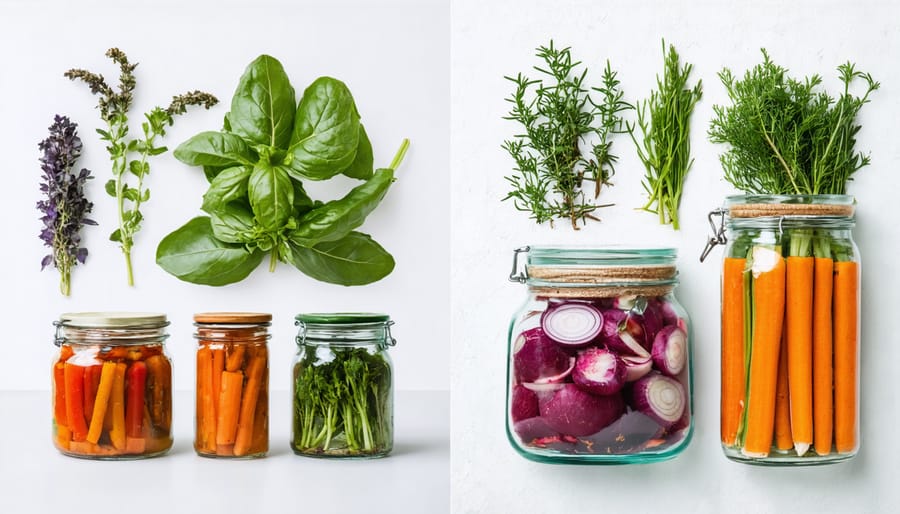
Environmental Benefits
Natural food preservation techniques offer significant environmental benefits that extend far beyond your kitchen. By adopting these methods, you’ll help reduce the massive energy consumption associated with artificial refrigeration and industrial preservation processes. These traditional techniques require minimal to no electricity, significantly lowering your carbon footprint.
Food waste is a global environmental challenge, with roughly one-third of all food produced going to waste. Natural preservation methods help combat this issue by extending food shelf life without relying on plastic packaging or chemical preservatives. Whether you’re fermenting vegetables, drying fruits, or using salt preservation, these techniques allow you to store seasonal produce for months without artificial cooling.
Additionally, these methods often use reusable containers and natural materials, reducing plastic waste and packaging that typically ends up in landfills. By preserving your own food naturally, you’re also supporting local food systems and reducing the carbon emissions associated with long-distance food transportation and storage.
Health Advantages
Choosing natural preservation methods over artificial preservatives offers significant health advantages for you and your family. Like the well-documented benefits of organic produce, natural preservation techniques help maintain the nutritional integrity of your food while avoiding potentially harmful chemicals. Traditional methods like fermentation can actually enhance the nutritional value of foods by creating beneficial probiotics that support gut health. Drying and dehydration preserve vitamins and minerals without the need for sodium-heavy additives or artificial preservatives that may contribute to health issues like high blood pressure or allergic reactions. Salt-based preservation, when done in moderation, offers a healthier alternative to processed foods while maintaining the authentic flavors of your produce. By choosing natural preservation methods, you’re not just extending shelf life – you’re maintaining the wholesome goodness of your food while protecting your family from unnecessary chemical exposure.
Traditional Drying Techniques
Sun Drying
Sun drying is one of humanity’s oldest and most effective methods of food preservation, requiring nothing more than sunlight, fresh air, and patience. This technique works particularly well for fruits, vegetables, and herbs, transforming them into nutrient-rich preserved foods that can last for months.
To sun dry successfully, choose produce at peak ripeness and wash it thoroughly. Slice fruits and vegetables uniformly – typically 1/4 inch thick – to ensure even drying. For fruits like apples, pears, and apricots, pre-treating with lemon juice helps prevent browning and maintains color.
Set up your drying station on a flat surface that receives direct sunlight throughout the day. Use food-grade drying screens or racks elevated at least 6 inches off the ground to allow proper air circulation. Cover your produce with breathable mesh to protect it from insects while allowing moisture to escape.
Different foods require varying drying times: tomatoes typically take 4-6 days, while herbs might dry in just 2-3 days. The key is to bring moisture content down to about 20% – your produce should feel leathery but not brittle. Success story: Local farmer Sarah Martinez preserved her entire tomato harvest using traditional sun drying techniques, saving over $500 in storage costs.
Remember to bring your produce indoors during evening hours to prevent moisture reabsorption, and only dry on days when humidity is below 60% to ensure proper dehydration.
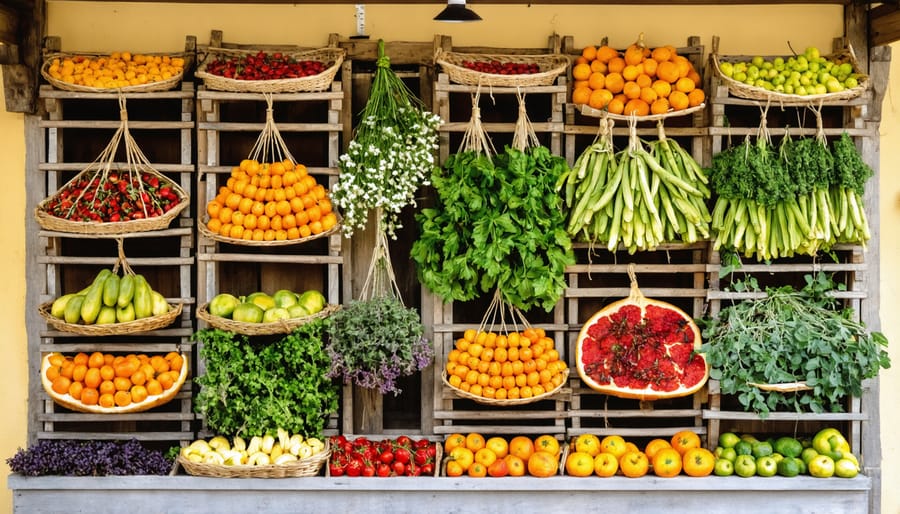
Air Drying
Air drying is one of the oldest and most effective ways to preserve food naturally. This technique works particularly well for herbs, mushrooms, fruits, and even some vegetables. The key to successful air drying is creating the right environment with proper air circulation and controlled humidity.
To get started, choose a well-ventilated indoor space away from direct sunlight. Your drying area should be clean, dry, and maintain a temperature between 65-70°F (18-21°C). A spare room, attic, or even a dedicated corner in your kitchen can work perfectly.
For herbs, gather them in small bundles and hang them upside down using twine or string. Place a paper bag with holes punched in it around the bundle to catch any falling leaves while still allowing airflow. Most herbs will dry completely within 1-2 weeks.
When drying fruits or vegetables, slice them thinly and evenly to ensure consistent drying. Arrange the pieces on drying racks or screens, making sure they don’t touch each other. For best results, use food-grade mesh screens or stainless-steel racks that allow air to circulate freely.
Remember to check your drying foods regularly for any signs of mold or moisture. Properly dried foods should be brittle or leathery, depending on the item. Once dried, store your preserved foods in airtight containers in a cool, dark place to maintain their quality for months to come.
Fermentation: Nature’s Preservation Magic
Lacto-Fermentation
Lacto-fermentation is a time-tested preservation method that harnesses the power of beneficial bacteria to transform fresh vegetables into tangy, probiotic-rich foods that can last for months. This natural process occurs when vegetables are submerged in a salt brine, creating an environment where good bacteria thrive while harmful bacteria can’t survive.
To get started with lacto-fermentation, you’ll need fresh vegetables, pure salt (without additives), and clean water. Popular choices include cabbage for sauerkraut, cucumbers for pickles, and carrots for a crunchy snack. The process begins by adding 2-3 tablespoons of salt per quart of water to create your brine. Pack your chosen vegetables tightly in clean jars, leaving about an inch of headspace, and cover them completely with the brine.
Success in lacto-fermentation depends on keeping vegetables submerged below the brine level. Many home fermenters use glass weights or even a cabbage leaf to hold everything down. Store your ferments at room temperature (65-75°F) for anywhere from a few days to several weeks, depending on your taste preference and the vegetables used.
You’ll know your ferment is working when you see tiny bubbles forming and smell a pleasantly sour aroma. Once the flavor meets your liking, transfer the jars to the refrigerator to slow down fermentation and enjoy your probiotic-rich preserved vegetables for months to come.
Vinegar-Based Preservation
Vinegar has been a trusted food preservation method for centuries, offering a natural and effective way to extend the shelf life of various foods. The acetic acid in vinegar creates an environment where harmful bacteria can’t thrive, making it perfect for pickling vegetables and preserving fruits.
To get started with vinegar preservation, choose a high-quality vinegar with at least 5% acidity. White vinegar, apple cider vinegar, and rice vinegar are excellent options, each bringing its unique flavor profile to your preserved foods. For basic pickling, combine equal parts vinegar and water, adding salt and sugar to taste. This mixture, called brine, becomes your preservation foundation.
Fresh vegetables like cucumbers, carrots, onions, and peppers work beautifully with vinegar preservation. Before preserving, ensure your vegetables are fresh and clean. Cut them into uniform sizes for even preservation and attractive presentation. Pack them tightly in sterilized jars, add any desired spices or herbs, and pour the hot brine over them until completely covered.
For the best results, store your vinegar-preserved foods in a cool, dark place. Most pickled vegetables will keep for several months when properly prepared and stored. Remember to always use clean utensils when removing food from the jars to prevent contamination. Start with small batches until you perfect your technique, and experiment with different herb and spice combinations to create your signature preserved foods.
Root Cellaring and Cool Storage
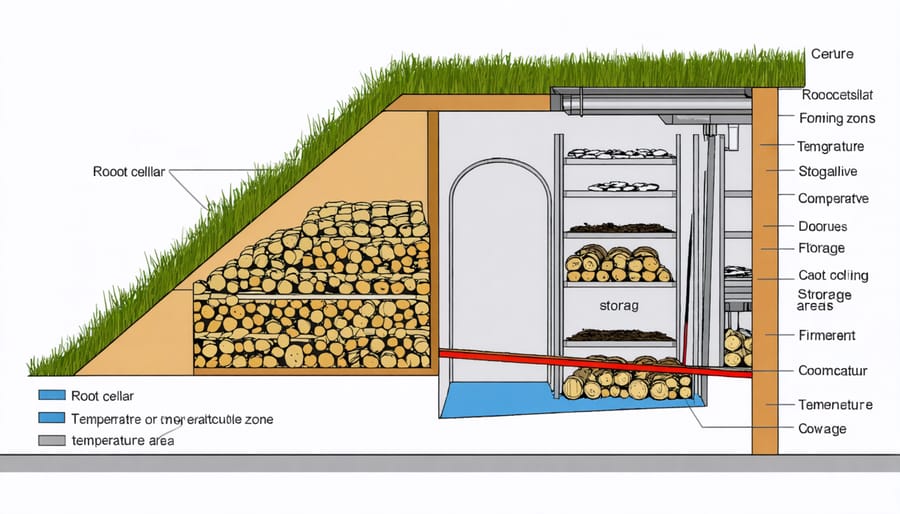
Creating the Perfect Environment
The success of natural food preservation starts with creating the right environment. Proper storage methods begin with maintaining consistent temperatures between 32-40°F (0-4°C) for most fruits and vegetables. Root cellars naturally maintain these ideal conditions, but you can achieve similar results in a well-insulated basement or garage.
Humidity control is equally crucial, with most produce requiring 85-95% relative humidity to prevent withering. Too much moisture, however, can lead to mold growth. Installing a simple hygrometer helps monitor these levels, while using damp sand or clean burlap can help maintain optimal humidity.
Proper ventilation prevents ethylene gas buildup – a natural compound that speeds up ripening – and helps control moisture. Create air circulation by spacing items properly and using slatted shelves or boxes. For smaller spaces, a small fan on low setting can help maintain airflow.
Remember that different foods have varying environmental needs. For instance, onions and garlic prefer drier conditions, while leafy greens need higher humidity. Group similar items together to create micro-environments that suit each type of produce.
Storage Duration Guidelines
Different fruits and vegetables have varying storage durations when preserved naturally. Root vegetables like carrots, potatoes, and onions can last 4-6 months when stored in a cool, dark place with good air circulation. Properly dried herbs maintain their flavor for up to a year when stored in airtight containers away from direct sunlight.
Fermented vegetables, such as sauerkraut and kimchi, can stay fresh for 4-6 months when refrigerated. Fruit preserves and jams, when properly canned, remain safe to eat for up to 18 months. Dehydrated fruits typically last 6-12 months when stored in moisture-proof containers in a cool, dark place.
For fresh produce storage, apples can last up to 6 months in root cellar conditions, while winter squash varieties keep for 3-6 months. Garlic and onions, when cured properly, stay good for 4-8 months in a well-ventilated space. Fresh berries are more delicate, lasting only 1-2 weeks when refrigerated, but can keep for up to a year when frozen.
Remember that these durations are guidelines – proper storage conditions and initial produce quality significantly impact shelf life. Always check for signs of spoilage before consuming preserved foods.
Natural Preservation Herbs and Spices
For centuries, nature has provided us with powerful preservation allies in the form of herbs and spices. These natural antimicrobial ingredients not only add fantastic flavor to our foods but also help extend produce shelf life through their natural compounds.
Garlic leads the pack with its potent antibacterial properties, thanks to allicin, which helps prevent food spoilage. Adding crushed garlic to pickled vegetables or infusing oils with it creates a natural preservative effect. Thyme and oregano contain thymol and carvacrol, respectively, which fight harmful bacteria while adding Mediterranean flair to your preserved foods.
Turmeric deserves special mention for its curcumin content, which not only preserves food but also adds anti-inflammatory benefits. Try sprinkling it on root vegetables before storage or adding it to pickled preparations. Cinnamon, with its natural antimicrobial properties, works wonderfully in fruit preserves and helps prevent mold growth.
Rosemary extract is particularly effective in preserving oils and fatty foods, while sage helps protect against oxidation. Both can be used fresh or dried, though dried herbs often have more concentrated preservation power. For maximum benefit, combine multiple herbs and spices – think traditional pickling spices or the classic bouquet garni.
When using these natural preservatives, remember that fresh herbs generally need to be used in larger quantities than their dried counterparts. Store your herbs and spices in airtight containers away from direct sunlight to maintain their preservative properties. This way, you’re not just adding flavor – you’re creating a natural defense system for your food storage.
As we’ve explored throughout this article, natural food preservation methods offer sustainable, healthy ways to extend the shelf life of your fresh produce without relying on artificial additives. From the time-tested techniques of fermentation and dehydration to the simplicity of cold storage and salt preservation, these methods not only help reduce food waste but also enhance the nutritional value of your food.
Remember that each preservation technique has its unique benefits and applications. Start with simple methods like vinegar pickling or dehydrating fruits, then gradually experiment with more advanced techniques like lacto-fermentation as you gain confidence. Many of our readers have shared success stories of transforming their summer harvest bounty into winter provisions using these traditional methods.
By embracing these natural preservation techniques, you’re not just saving money and reducing waste – you’re participating in a time-honored tradition of food preservation that connects us to our agricultural heritage. We encourage you to try these methods with your next harvest, starting small and expanding your preservation repertoire as you become more comfortable with each technique. Your journey toward more sustainable food storage practices starts with that first jar of pickled vegetables or batch of dried herbs!
