
Growing Fresh Fish and Vegetables in Your Backyard (Even in the City)
 darrell on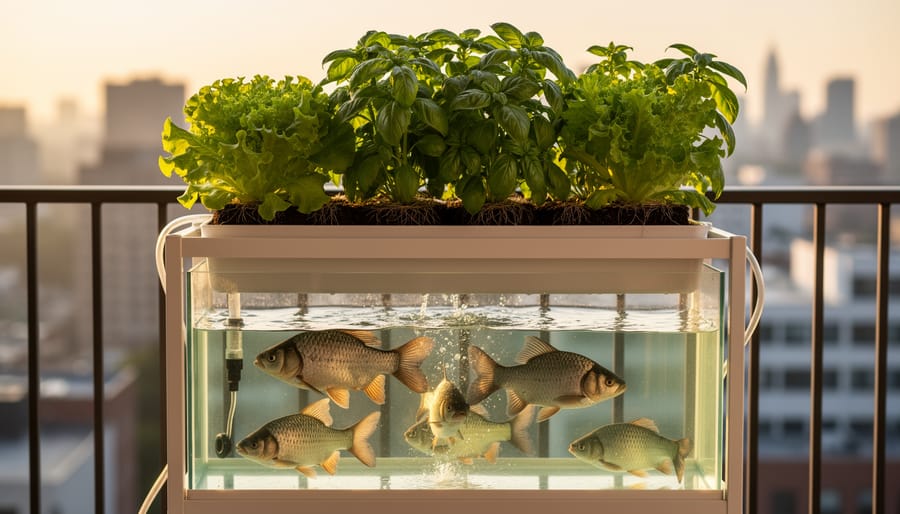
Imagine harvesting fresh lettuce and herbs from your apartment balcony while simultaneously raising tilapia for dinner—all within a system that uses 90% less water than traditional gardening. Aquaponics gardens combine fish farming with plant cultivation in a closed-loop ecosystem where fish waste provides natural fertilizer for your vegetables, and the plants filter water back to the fish. This revolutionary approach is transforming urban homes into productive food sources, even in spaces as small as a spare closet or patio corner.
For city dwellers tired of supermarket produce or longing to reconnect with their food sources, aquaponics offers a surprisingly accessible entry point into sustainable living. You don’t need acres of land or advanced farming knowledge to get started. The basic principle is elegantly simple: fish produce ammonia-rich waste, beneficial bacteria convert this waste into plant-available nutrients, and plants absorb these nutrients while cleaning the water. This symbiotic relationship creates a thriving mini-ecosystem that produces both protein and vegetables year-round, regardless of outdoor weather conditions.
Whether you’re working with a sunny window, balcony, or basement, aquaponics adapts to your available space and lifestyle. The system requires less daily attention than traditional gardens while yielding impressive harvests—many urban farmers report growing more food in their compact aquaponics setup than they ever achieved with soil-based containers. By applying solid beginner gardening tips and understanding a few key maintenance principles, you’ll soon discover why thousands of apartment dwellers and urban homesteaders have embraced this efficient, eco-friendly growing method.
What Makes Aquaponics Different from Regular Gardening
Traditional gardening keeps soil, plants, and nutrients as separate elements that you manage independently. Aquaponics takes a completely different approach by creating a living partnership between fish and plants that benefits both. This innovative method transforms how we think about growing food at home.
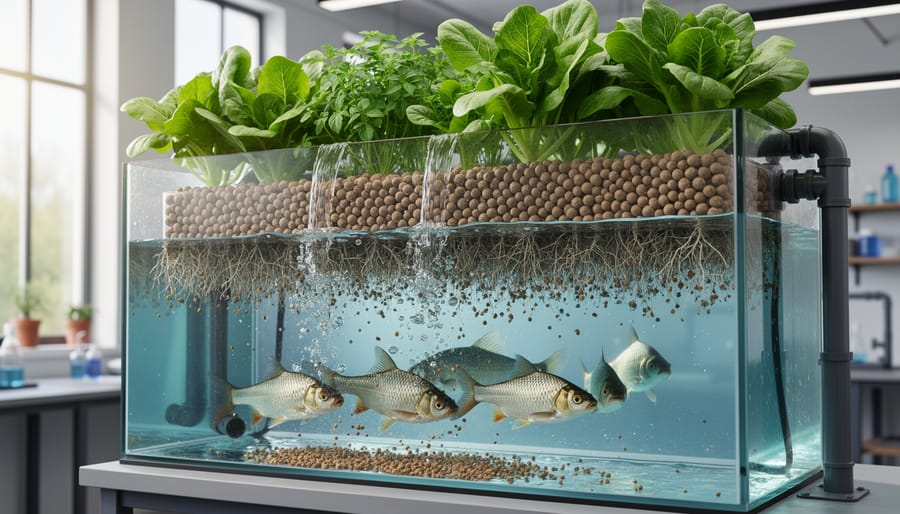
In an aquaponics garden, fish live in tanks where they naturally produce waste through their normal activities. This waste, which would otherwise accumulate and become toxic, gets pumped to grow beds where beneficial bacteria convert it into nutrients that plants can absorb. The plants eagerly take up these nutrients, effectively filtering and cleaning the water before it cycles back to the fish tanks. It’s nature’s perfect recycling system happening right in your backyard or balcony.
Unlike hydroponic systems that require you to purchase and mix synthetic nutrients regularly, aquaponics generates its own fertilizer through the fish. You’ll never need to buy plant food or worry about chemical buildup in your soil. This closed-loop design also uses approximately 90% less water than traditional gardening since water continually recirculates rather than draining away or evaporating from open soil.
The sustainability factor truly sets aquaponics apart. You’re simultaneously raising protein-rich fish and growing organic vegetables in the same space, doubling your food production without doubling your footprint. There’s no weeding, less pest pressure, and no concerns about soil depletion or contamination.
Take Sarah from Toronto, who transformed her small patio into a thriving aquaponics garden. She now harvests fresh tilapia and leafy greens year-round while using less water than her neighbors spend on their traditional tomato plants. Her success shows how this symbiotic system makes sustainable food production accessible to everyone.
Why Urban Gardeners Are Switching to Aquaponics
The Space-Saving Advantage
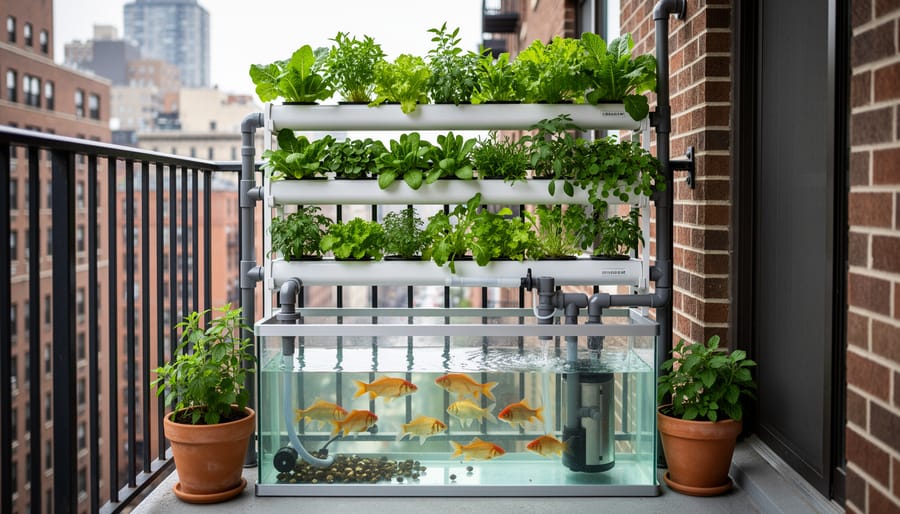
One of aquaponics’ greatest appeals for urban dwellers is its remarkable space efficiency. Unlike traditional gardens that sprawl horizontally, aquaponics systems embrace vertical growing, stacking plants upward to maximize every square inch. This makes them perfect for balconies, patios, or compact backyards where ground space comes at a premium.
Vertical tower systems and tiered growing beds allow you to cultivate dozens of plants in just a few square feet. Many successful urban aquaponic gardeners grow fresh herbs, lettuce, and tomatoes on apartment balconies no larger than a standard parking space. By combining urban gardening techniques with clever aquaponics design, you can transform even the smallest outdoor area into a productive food source. Some systems fit comfortably on a patio table, while slightly larger setups can occupy a corner of your yard, producing year-round harvests without demanding the footprint of conventional gardens.
Water Conservation That Actually Works
Here’s the thing about water use that makes aquaponics truly special: the system recirculates the same water continuously between your fish tank and grow beds. You’ll use up to 90% less water compared to traditional soil gardening, since you’re only topping off what evaporates or gets absorbed by plants. No water runs off into the ground carrying nutrients with it.
For those living in drought-prone regions or paying close attention to their water bills, this efficiency is a game-changer. Sarah, an urban grower in Southern California, shared that her 50-square-foot aquaponics setup uses just 10 gallons weekly compared to the 100+ gallons her old container garden required. The closed-loop design means fish waste becomes plant food, plants clean the water, and that purified water flows back to the fish. It’s a beautiful cycle that conserves one of our most precious resources while producing fresh food year-round. This makes aquaponics particularly attractive for apartment balconies and small urban spaces where water access might be limited.
Fresh Food Year-Round
One of aquaponics’ greatest advantages is the ability to grow fresh vegetables and herbs throughout the entire year. By setting up your system indoors or within a greenhouse, you create a controlled environment where temperature, light, and growing conditions remain consistent regardless of outdoor weather. This means crisp lettuce in January and ripe tomatoes in December.
Indoor systems work beautifully in basements, spare rooms, or even converted closets with proper LED grow lights. These energy-efficient lights mimic sunlight and can be adjusted to meet your plants’ needs. Greenhouse setups offer natural lighting while protecting your garden from frost, wind, and pests.
Sarah, an urban farmer in Chicago, transformed her sunroom into a year-round aquaponics paradise. “I haven’t bought lettuce from the store in two years,” she shares enthusiastically. Her system produces enough greens to supply her family and several neighbors through brutal Midwest winters.
The key is maintaining water temperatures between 68-78°F for most fish and ensuring adequate lighting for at least 12-14 hours daily. With these basics covered, you’ll enjoy fresh, organic produce while everyone else is bundled up and dreaming of spring.
Setting Up Your First Small-Scale Aquaponics System
Choosing the Right System Size for Your Space
Selecting the right aquaponics system depends on your available space and growing goals. For balconies and small patios, media bed systems work beautifully. These compact setups use gravel or clay pebbles to support plants and naturally filter water, making them perfect for beginners. They typically measure 2×4 feet and can support leafy greens, herbs, and small tomatoes alongside a modest fish tank below.
If you have a basement or garage, consider deep water culture (DWC) systems. Plants float on rafts in nutrient-rich water, ideal for lettuce and other quick-growing greens. These systems maximize production in controlled indoor environments where temperature stays consistent.
Got a small backyard? Nutrient Film Technique (NFT) systems offer higher yields in narrow channels, perfect for utilizing fence lines or unused corners. However, they require closer monitoring since plants rely on a thin film of flowing water.
Urban farmer Maria transformed her 6×8 foot patio using a media bed system, harvesting fresh basil and tilapia weekly. Start with a media bed if you’re new to aquaponics – its forgiving nature and minimal maintenance make it the gateway to sustainable homegrown food production.
Essential Equipment You’ll Actually Need
Getting started with aquaponics doesn’t require breaking the bank or filling your space with complicated gadgets. At the heart of your system, you’ll need a fish tank—food-grade containers or aquarium tanks work beautifully, with 20-50 gallons being ideal for beginners. Your grow beds sit above the tank, holding plants in expanded clay pellets or gravel. These beds can be constructed from food-safe plastic totes or purpose-built containers.
A reliable water pump circulates nutrient-rich water from your fish tank to the plants, while basic PVC plumbing connects everything together. Don’t forget an air pump with air stones to keep oxygen levels healthy for your fish—they’ll thank you with vigorous growth!
For optional upgrades, consider a timer to automate your pump cycles and a simple water testing kit to monitor pH and ammonia levels. Many urban gardeners have launched thriving systems with these basics, proving you don’t need fancy equipment to grow fresh food at home. Start simple, learn as you go, and expand when you’re ready. The beauty of aquaponics lies in its flexibility and scalability for any living situation.
Getting Started Without Breaking the Bank
Starting your aquaponics journey doesn’t require a hefty investment. Many urban gardeners find success by repurposing everyday items into thriving systems. Large plastic storage bins, food-grade barrels, or even old bathtubs can become excellent grow beds and fish tanks. For around $100-200, you can create a basic system using IBC totes cut in half, with one section housing fish and the other growing vegetables.
If DIY feels overwhelming, starter kits like the Back to the Roots Water Garden or AquaSprouts Garden Kit offer reliable plug-and-play options for $60-150. These compact systems fit perfectly on kitchen counters and include everything you need to begin.
Sarah, a Chicago apartment dweller, launched her first system using a 50-gallon aquarium she already owned, adding just a simple grow bed on top for under $75. Within three months, she was harvesting fresh herbs and lettuce while her goldfish thrived below. Her advice? Start small, learn the basics, and expand as your confidence grows. Focus on quality over size initially, investing in a good water testing kit and reliable pump rather than elaborate setups.
Best Fish and Plants for Urban Aquaponics Gardens
Fish That Thrive in Small Systems
Choosing the right fish for your compact aquaponics system can make all the difference in creating a thriving ecosystem. Let’s explore some popular options that adapt beautifully to urban setups.
Tilapia tops the list for many aquaponics gardeners thanks to their rapid growth and resilience to varying water conditions. They produce excellent nutrient-rich waste for plants and tolerate different pH levels. However, they prefer warmer water (75-86°F), which might increase heating costs in cooler climates. For urban systems, stock about one tilapia per 5-10 gallons of water.
Goldfish and koi offer fantastic alternatives, especially for beginners. These hardy fish handle temperature fluctuations well and thrive in unheated systems. They’re peaceful, long-lived, and provide steady nutrients. The downside? They’re not edible and grow quite large, requiring more space over time. Plan for one goldfish per 10 gallons.
Catfish present another excellent choice for food production. They’re incredibly hardy, tolerate crowded conditions, and adapt to various temperatures. Channel catfish work particularly well in small systems, with recommended stocking at one fish per 8 gallons.
Start with smaller stocking densities as you learn your system’s capacity. Remember, understocking initially gives you room to adjust while maintaining healthy water quality and happy fish.
Vegetables and Herbs That Love Aquaponics
Leafy greens thrive beautifully in aquaponics systems, making them perfect choices for beginners. Lettuce, spinach, kale, and Swiss chard flourish in the nutrient-rich water environment and are among the fast-growing plants you can start harvesting within weeks. These crops are forgiving and adapt well to minor fluctuations in system balance.
Herbs like basil, cilantro, mint, and parsley absolutely love aquaponics conditions. They grow vigorously and provide continuous harvests for your kitchen. One urban farmer in Portland reported harvesting fresh basil year-round from her small apartment setup, transforming her cooking experience completely.
Once you’ve mastered leafy greens, tomatoes, peppers, and cucumbers make excellent next-level choices. These fruiting plants require more established systems with stable nutrient levels and stronger beneficial bacteria colonies. They need adequate support structures and more light but reward you with impressive yields.
Initially avoid root vegetables like carrots and potatoes, as they struggle in the water-based growing medium. Also skip heavy-feeding plants like corn until your system matures. Start simple with greens and herbs to build confidence, then gradually expand your variety as you understand your system’s rhythm and capacity.
Maintaining Your System (It’s Easier Than You Think)
Daily and Weekly Care Routines
Maintaining your aquaponics garden is surprisingly simple once you establish a routine. Daily tasks take just five to ten minutes and become second nature quickly.
Start each morning by feeding your fish. Most aquaponic fish need feeding once or twice daily, consuming only what they can finish in about five minutes. Overfeeding creates excess waste that can throw off your system’s balance, so restraint is key here.
While you’re there, do a quick visual check. Observe your fish swimming patterns—healthy fish are active and eager at feeding time. Sluggish behavior might signal water quality issues. Glance at your grow beds to ensure water is flowing properly and check that your pump is running smoothly.
Weekly tasks require slightly more attention. Test your water pH and ammonia levels using simple test strips, aiming for a pH between 6.8 and 7.2. Top off your tank to replace water lost through evaporation and plant transpiration. Inspect plants closely for any signs of nutrient deficiencies or pests, and remove any dead leaves.
These straightforward routines help urban growers like Sarah from Portland catch problems early. “I spend less time on my aquaponics system than I did watering my old container garden,” she shares. Consistency with these simple checks ensures thriving fish and abundant harvests.
Solving Common Problems Before They Grow
Every aquaponics garden hits a few bumps along the way, but catching issues early keeps your system thriving. If your pH levels drift outside the ideal 6.8-7.2 range, both fish and plants suffer. Test weekly and adjust gradually using small amounts of pH up or down solutions designed for aquaponics. Cloudy water usually signals bacterial bloom during cycling or overfeeding. Reduce fish food portions and ensure your biofilter has adequate surface area for beneficial bacteria.
Slow plant growth often points to nutrient deficiencies or inadequate lighting. Check that leafy greens receive 12-14 hours of light daily, and fruiting plants get 14-16 hours. Since water quality for plants directly impacts growth, monitor ammonia and nitrite levels closely during the first month.
Urban farmer Maria from Toronto solved her stunted lettuce problem by adding a supplemental iron source, transforming her harvest within two weeks. Remember, patience wins in aquaponics. Your system needs 4-6 weeks to establish fully, but once balanced, it practically runs itself with minimal intervention.
Real Success Stories from Urban Aquaponics Gardeners
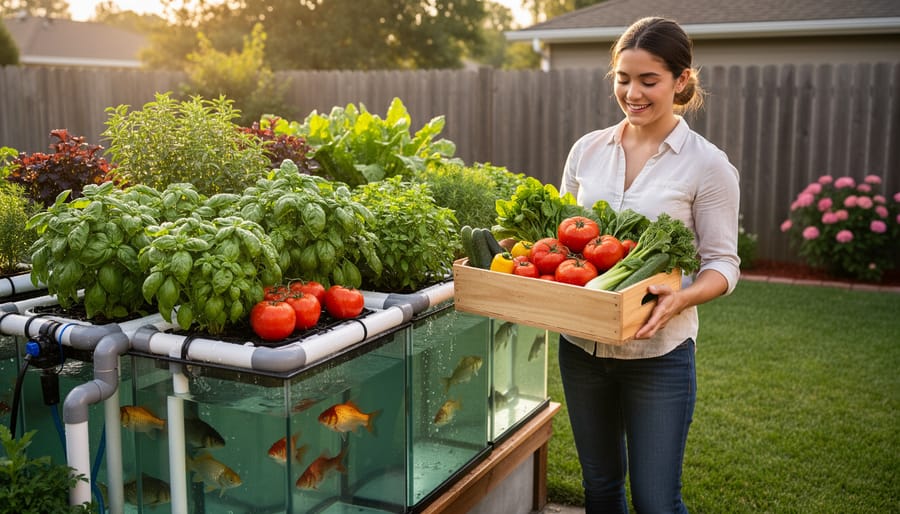
When Sarah Martinez transformed her Brooklyn apartment balcony into a thriving aquaponics garden, she faced the same doubts many urban gardeners experience. With just 40 square feet of space, she wasn’t sure if the effort would pay off. Fast forward eighteen months, and Sarah now harvests approximately 15 pounds of fresh lettuce, tomatoes, and herbs monthly while raising tilapia for occasional family meals. She estimates saving around $120 monthly on groceries and loves showing her two children where their food actually comes from.
Across the country in Seattle, James Chen turned his garage into a productive aquaponics system after retiring. His biggest challenge was maintaining consistent water temperature during chilly Pacific Northwest winters. By insulating his fish tank and adding a simple aquarium heater, he solved the problem without breaking the bank. James now grows enough basil, kale, and Swiss chard to share with neighbors, strengthening his community connections while enjoying fresher produce than any grocery store offers.
Meanwhile, the Rodriguez family in Phoenix initially struggled with their system losing water too quickly in the desert heat. After installing shade cloth and covering their grow beds, they created a remarkably efficient setup that now produces year-round harvests despite extreme temperatures. Their teenage daughter even started a school project documenting the nitrogen cycle in action, turning their garden into an educational opportunity.
These gardeners share common experiences: initial setup jitters, minor troubleshooting during the first few months, and eventually finding their rhythm. What surprised them most wasn’t just the abundant harvests, but how aquaponics became a relaxing hobby that brought families together around fresh, organic food they grew themselves.
Starting your aquaponics journey doesn’t require a huge investment or years of gardening experience. You can begin with a simple countertop system or a single grow bed, learning as you go and expanding when you feel ready. What matters most is taking that first step toward producing your own fresh, organic food right where you live.
The beauty of aquaponics is that it meets you where you are. Whether you’re working with a small apartment balcony or a backyard patio, this method adapts to your space and lifestyle. You’ll join a growing community of urban growers who are discovering that sustainable food production isn’t just for rural farms anymore. Each harvest brings not only nutritious vegetables and herbs but also the satisfaction of knowing exactly where your food comes from.
Beyond personal benefits, your aquaponics garden contributes to something bigger. You’re reducing your environmental footprint, strengthening local food security, and modeling sustainable living for those around you. Many successful urban farmers started exactly where you are now, with curiosity and a willingness to try something new.
Ready to transform your space into a productive ecosystem? Start researching your first system today, connect with online aquaponics communities, and take the leap. Your future garden is waiting.