Yearly Archives

134 Articles

How CSA Farms Are Turning Food Waste Into Profit (And Stronger Communities)

Posted by darrell on
0
Community Partnerships and Networks
How CSA Farms Are Turning Food Waste Into Profit (And Stronger Communities)

Transform food scraps from your CSA operation into nutrient-rich soil amendments by establishing formal agreements with members who commit to returning compost materials or participating in shared composting systems. These cooperative arrangements typically reduce farm waste by 40-60% while cutting disposal costs and creating closed-loop nutrition cycles that feed next season’s crops.

Start by designating drop-off stations at your farm or central collection points where members return vegetable trimmings, coffee grounds, and other approved materials in provided containers. Sarah Chen’s small organic farm in Vermont partnered with 45 CSA families this way, collecting over 3 tons of food waste in their first year and eliminating her need to purchase commercial compost entirely.

Structure agreements around clear responsibilities: farms provide collection bins, educational materials about acceptable items, and maintain the composting system, while members commit to weekly returns of properly sorted organic matter. Some cooperatives offer incentives like reduced share prices, extra produce, or compost distribution to participating households.

The most successful programs include monthly workshops teaching members proper separation techniques and the science behind decomposition, turning waste reduction into community education. Consider implementing a simple tracking system where families log their contributions, creating friendly competition and accountability. These partnerships strengthen the farm-member relationship beyond weekly vegetable exchanges, building invested communities who understand their role in sustainable agriculture from seed to soil and back again.

What Are Composting and Food Recovery Cooperative Agreements?

Hands holding dark compost soil above bin of vegetable food scraps at CSA farm
CSA members participate in closed-loop composting systems by contributing food scraps and receiving finished compost for their gardens.

The Three Pillars of Successful Food Waste Partnerships

Think of successful food waste partnerships as a three-legged stool—each pillar equally important to keeping everything balanced and functional.

The first pillar is composting infrastructure. This includes your physical composting system, whether it’s a simple three-bin setup, a larger-scale windrow system, or even a partnership with a local composting facility. Without reliable infrastructure, you’re collecting scraps with nowhere to put them. Many CSAs start small with on-site bins and expand as member participation grows. The key is choosing a system that matches your current needs while allowing room to grow.

Next comes your food recovery system—the practical logistics of collecting, storing, and managing food waste before it reaches the compost pile. This means establishing clear protocols for what materials are accepted, providing proper collection containers for members, and creating convenient drop-off schedules. Some successful cooperatives have found that weekly pickup alongside regular CSA distributions works beautifully, turning what could be an extra trip into a seamless routine.

The third pillar is shared member education, which honestly ties everything together. When members understand why they’re separating food scraps and how their contributions create nutrient-rich soil for next season’s harvest, participation soars. Consider hosting composting workshops, sharing simple guides about what can and cannot be composted, and celebrating milestones like “500 pounds diverted from landfills!” One Vermont CSA saw participation jump from 40% to 85% after implementing a monthly newsletter featuring composting tips and showcasing the beautiful finished compost nourishing their fields.

Why CSA Farms Are Perfect Partners for Food Waste Reduction

CSA farms arrive at composting partnerships with distinct advantages that make them natural leaders in food waste reduction. Unlike traditional retail operations, CSA networks already possess the infrastructure and community connections needed to launch successful composting initiatives.

The built-in distribution system stands as perhaps the greatest asset. CSA farms already deliver produce to members weekly or bi-weekly, creating a ready-made collection route for food scraps. Members simply set out their compost buckets alongside their empty produce boxes, and farmers return finished compost or fresh produce—a circular system that minimizes additional trips and fuel costs.

Member engagement levels in CSA communities far exceed typical consumer relationships. These aren’t just customers; they’re invested participants who chose to support local agriculture. This shared commitment to sustainability means CSA members often jump at opportunities to contribute to composting programs. Many are already passionate about reducing waste and understand how their food scraps can nourish next season’s harvest.

The logistics framework requires minimal adjustment. Farms already manage pickup locations, coordinate volunteers, and communicate regularly through newsletters and social media. Adding composting collection simply expands existing operations rather than creating entirely new systems. Drop-off sites at farmers markets, farm stands, or central locations are already familiar to members.

Perhaps most importantly, CSA networks operate on shared values. The people who join community supported agriculture already believe in supporting local farmers, environmental stewardship, and sustainable food systems. When you present composting as closing the loop—transforming their kitchen scraps into the soil that grows their food—it resonates deeply. This philosophical alignment makes CSA members enthusiastic partners rather than reluctant participants, turning what could be a challenging logistical venture into a community-building opportunity that strengthens the farm’s mission.

Real-World Models: How CSA Cooperatives Are Making It Work

Farm Share Collection Programs

Many Community Supported Agriculture farms have discovered an elegant solution to food waste by transforming pickup days into compost collection opportunities. Instead of members making separate trips to dispose of food scraps, they simply bring their kitchen waste when collecting their weekly produce boxes. This convenient system works beautifully because members are already visiting the farm regularly.

Here’s how it typically works: CSA members receive a small bucket or bag at the season’s start. Throughout the week, they collect fruit and vegetable peels, coffee grounds, eggshells, and other compostable materials. On pickup day, they drop off their scraps at a designated collection bin and grab their fresh produce. The farm then composts these materials along with their own agricultural waste.

The real magic happens several months later when members receive finished compost to enrich their home gardens. This creates a genuine closed-loop system where nothing goes to waste. One successful farmer shared that her members love seeing their banana peels and coffee grounds transformed into rich, dark compost that grows better tomatoes and healthier herbs.

This arrangement strengthens the farm-member connection while reducing landfill waste and transportation emissions. Members appreciate the convenience and environmental benefits, while farmers gain valuable organic matter to improve soil health without purchasing expensive amendments.

Farmers and community members working together at shared CSA composting facility
Multi-farm composting hubs bring together CSA farmers and community members to create shared infrastructure that benefits the entire network.

Multi-Farm Composting Hubs

Imagine multiple CSA farms joining forces to tackle their food waste and soil amendment needs together. That’s exactly what multi-farm composting hubs accomplish. Instead of each farm building its own small-scale composting system, several farms pool their resources to create one centralized facility that serves the entire network.

These shared composting facilities make economic sense for smaller operations that might struggle to justify the investment alone. By combining their food scraps, crop residues, and other organic materials, farms achieve the critical mass needed for efficient hot composting. The cooperative model also allows members to share equipment costs, maintenance responsibilities, and labor.

Green Valley Collective in Vermont offers a great success story. Five CSA farms united to build a hub that now processes 50 tons of organic waste annually, producing high-quality compost for all members. Each farm contributes materials and shares operating costs proportionally to their usage.

These hubs often become community resources too, accepting food waste from CSA members’ households, creating a complete circle of sustainability. The finished compost returns nutrients to the soil, growing the fresh produce that feeds those same families.

Setting Up Your Own CSA Composting Partnership

Finding the Right Partners

The secret to successful composting partnerships lies in finding collaborators who share your vision for sustainability. Start by looking close to home—neighboring farms often have complementary waste streams that work beautifully together. For example, a dairy farm’s manure combined with your vegetable scraps creates balanced compost.

Local restaurants are goldmine partners, especially farm-to-table establishments already committed to sustainability. They generate consistent food waste and often appreciate the chance to close the loop with their organic materials. Schools present another excellent opportunity, particularly those with garden programs or environmental education initiatives. These partnerships not only divert waste but also create teaching moments for students.

Community organizations like food banks, farmers markets, and environmental groups make natural allies. They understand the local landscape and can help spread the word about your composting efforts.

When evaluating potential partners, consider three key factors: their waste volume and consistency, proximity to your operation, and commitment to sustainability goals. Schedule face-to-face meetings to discuss expectations, logistics, and shared values. The best partnerships emerge when everyone benefits—you gain quality compost materials while partners solve their waste disposal challenges. Look for organizations that demonstrate genuine enthusiasm and reliability, as these relationships require ongoing communication and mutual trust to thrive.

Structuring the Agreement

A solid cooperative agreement protects everyone involved while keeping your composting partnership running smoothly. Think of it as a friendly roadmap that ensures clear expectations from the start.

Begin by defining each party’s responsibilities in concrete terms. Who collects food scraps? Who manages the compost pile? Specify pickup schedules, acceptable materials, and maintenance duties. One successful CSA in Vermont found that rotating compost management among three member families each month prevented burnout and built stronger community bonds.

Cost-sharing arrangements should be transparent and fair. Outline expenses for bins, tools, transportation, and any processing fees. Some cooperatives split costs equally, while others base contributions on the volume of waste contributed or compost received.

Address liability clearly to protect participants from potential disputes. Include language about proper composting practices, odor management, and pest control responsibilities. This protects both property owners hosting compost sites and contributing members.

Compost distribution deserves special attention since that nutrient-rich “black gold” is the prize everyone’s working toward. Will members receive compost based on their contribution levels? Will some go to community gardens? Spell it out.

Finally, establish a simple conflict resolution process. Designate a point person or small committee to handle disagreements before they escalate. Most issues around composting cooperatives stem from miscommunication, which a well-structured agreement prevents beautifully.

Starting Small and Scaling Up

Starting a composting cooperative doesn’t mean you need to dive in headfirst with massive infrastructure. Begin with a small pilot program involving just a handful of committed CSA members or neighboring farms. This low-risk approach lets you test collection schedules, composting methods, and communication systems without overwhelming your resources.

Track meaningful metrics from day one. Measure pounds of food waste diverted from landfills, number of participating households, and cubic yards of finished compost produced. One Vermont CSA found that their initial six-member pilot diverted 300 pounds monthly, giving them solid data to attract more participants.

As you gain confidence and refine your processes, gradually expand your network. Add new collection points, invite additional farms to join, or extend pickup schedules. Celebrate milestones with your community, sharing success stories about how member contributions created nutrient-rich soil amendments that boosted crop yields by 25 percent or reduced farm waste disposal costs significantly. Remember, sustainable growth mirrors nature itself—steady, organic, and resilient.

Member Education: Getting Your CSA Community Excited About Composting

Getting members excited about composting starts with education that feels fun rather than preachy. Host hands-on composting workshops at your farm where members can build their own small-scale bins or learn vermicomposting basics. One successful Pennsylvania CSA farmer, Maria, turned these workshops into seasonal events featuring live demonstrations, take-home starter kits, and friendly Q&A sessions that built real enthusiasm among her members.

Make composting visible and accessible by including weekly share box inserts with practical tips. These quick-read cards can highlight which veggie scraps compost best, troubleshoot common problems like odor control, and celebrate member milestones. Consider creating a simple chart showing how much waste the collective community has diverted from landfills—people love seeing their impact in concrete numbers.

Transform “imperfect” produce into a teaching moment rather than an apology. Include recipe cards specifically designed for those knobby carrots or oversized zucchinis, showing members how to use every bit. A Vermont CSA created a popular “Ugly Produce Challenge” where members shared creative recipes on social media, turning potential waste into culinary adventures.

Gamification techniques work wonderfully for engaging your CSA community around waste reduction. Launch a friendly competition tracking which pickup location composts the most or develops the best soil from finished compost. Offer small rewards like extra herbs or farm store credits to winners. Create a “Compost Champion” spotlight in your newsletter featuring member success stories—real people achieving real results inspire others to participate.

Consider partnering members into composting buddy systems where experienced composters mentor newcomers. This peer-to-peer approach builds community connections while spreading knowledge organically. Remember, the goal isn’t perfection but progress. Celebrate every step members take toward reducing food waste, and watch your CSA transform into a vibrant community united around sustainable living.

Overcoming Common Challenges

Even the most enthusiastic composting partnerships face practical hurdles, but the good news is that CSAs across North America have developed proven solutions to keep things running smoothly.

Contamination concerns often top the list of worries. One successful approach comes from Green Valley Farm in Vermont, where they implemented a simple three-bin sorting system at their collection point. Members receive a one-page visual guide showing acceptable materials, which reduced contamination rates from 30% to just 5% within two months. Consider hosting a spring kickoff event where members can ask questions and see composting in action.

Logistics and transportation can strain small operations, but creative partnerships help. Many CSAs have found that coordinating with existing delivery routes eliminates extra trips. Some farms ask members to return their compost contributions in dedicated containers when picking up weekly shares, turning potential obstacles into seamless exchanges that build stronger local food systems.

Seasonal variations present unique challenges, especially in colder climates where winter composting slows down. Successful farms often reduce winter collection frequency or focus on frozen storage methods until spring. Meanwhile, summer abundance can be managed by expanding your network to include local community gardens that need additional compost materials during peak growing season.

Cost barriers worry many start-up operations, but initial investments needn’t break the bank. Begin with basic equipment like a few composting bins or a small tumbler system, typically under $500. As your program grows, the reduced waste hauling fees often offset setup costs within the first year. Some CSAs apply for local environmental grants or partner with municipalities seeking waste reduction solutions.

Regulatory requirements vary by region, so connect with your local health department early. Most small-scale farm composting operations fall under agricultural exemptions, but confirming this prevents future headaches. Document your processes and maintain temperature logs if required, making inspections straightforward and stress-free.

The Ripple Effect: Benefits Beyond Waste Reduction

When you join a composting cooperative agreement, you’re signing up for so much more than just reducing waste. Think of it as planting seeds that grow into benefits you might never have imagined.

First, let’s talk soil. Compost transforms tired earth into thriving ecosystems teeming with beneficial microorganisms. Farmers in successful composting partnerships report dramatic improvements in soil structure, water retention, and nutrient availability. This living soil means healthier crops with deeper root systems and better resistance to pests and diseases. Translation? Less money spent on inputs and irrigation, which is music to any farmer’s ears.

The community connections that blossom from these agreements create something truly special. Regular drop-offs and pickings-up mean members get face time with farmers, sharing stories, recipes, and gardening wisdom. One CSA member in Vermont shared how her weekly compost contribution became the excuse she needed to finally learn about season extension techniques directly from her farmer.

Educational opportunities naturally emerge too. Children discover where food really comes from and why that banana peel isn’t trash. Adults learn composting basics they can replicate at home, closing the loop in their own backyards.

Speaking of home composting, here are quick tips to get started: Keep a countertop container for scraps, layer browns (dried leaves, cardboard) with greens (vegetable scraps, grass clippings), maintain moisture like a wrung-out sponge, and turn your pile regularly. Even apartment dwellers can vermicompost with a simple worm bin under the sink.

For farms, participating in these partnerships enhances reputation as environmental stewards, attracting customers who value sustainability. It’s proof positive that your operation walks the talk, creating a virtuous cycle of community support and ecological healing.

Close-up of plant roots growing through dark compost-enriched soil with visible organic matter
Compost partnerships create nutrient-rich soil that dramatically improves plant health and reduces the need for chemical fertilizers.

Composting and food recovery cooperative agreements represent more than just waste management solutions—they’re powerful tools that strengthen the entire CSA ecosystem while tackling some of our most pressing environmental challenges. By diverting food waste from landfills and returning nutrients to the soil, these partnerships create a beautiful closed-loop system that honors the cyclical nature of agriculture. They demonstrate how small-scale farms working together can achieve significant environmental impact.

The beauty of these agreements lies in their accessibility. You don’t need complicated infrastructure or massive funding to start making a difference. Begin by reaching out to your local CSA farm. Ask questions about their current waste management practices and express interest in supporting composting initiatives. Share this information with fellow members and explore possibilities together. Your CSA might already be considering such partnerships and simply needs member enthusiasm to move forward.

Remember, every thriving food system starts with community conversation. When neighbors, farmers, and local organizations unite around shared environmental goals, remarkable transformations happen. The power to build more resilient, sustainable food networks exists right in your community. Start the conversation today—your local farm, your soil, and your planet will thank you.

How Virginia’s Food Safety Program Protects Your Local Farm Produce

Posted by darrell on
0
Local Food Systems and Distribution
How Virginia’s Food Safety Program Protects Your Local Farm Produce

Every time you pick up vegetables at your farmers market or collect your weekly harvest box, the Virginia Department of Agriculture and Consumer Services (VDACS) food safety program works behind the scenes to protect your family. This state-level initiative ensures that the tomatoes, leafy greens, and fresh herbs you purchase from local farms meet rigorous safety standards—making your commitment to local eating both delicious and secure.

VDACS operates a comprehensive food safety framework that oversees everything from produce handling at small family farms to processing facilities that create your favorite jams and pickles. The program conducts regular inspections, provides hands-on education to farmers, and enforces science-based guidelines that prevent contamination. For consumers choosing CSA programs and farmers market vendors, this means the growers you trust are also accountable to professional safety protocols.

Understanding how VDACS supports Virginia’s local food system empowers you to make confident purchasing decisions. The program doesn’t just regulate—it partners with farmers to build sustainable safety practices that protect public health without compromising the authentic, farm-fresh quality you seek. Whether you’re a longtime local food advocate or just beginning to explore community-supported agriculture, knowing how VDACS safeguards your food supply adds another layer of trust to every purchase. This article explores how the program functions, what it means for your favorite farms, and why Virginia’s approach to food safety strengthens rather than hinders the local food movement.

What is the VDACS Food Safety Program?

The Virginia Department of Agriculture and Consumer Services (VDACS) serves as the primary regulatory agency ensuring the safety and quality of food produced and sold within the Commonwealth. Their mission centers on protecting consumers while supporting the growth of Virginia’s vibrant agricultural community. For anyone who loves picking up fresh tomatoes at the farmers market or subscribing to a local CSA, VDACS works behind the scenes to make those transactions safer and more reliable.

The VDACS Food Safety Program operates differently from federal oversight. While the U.S. Food and Drug Administration (FDA) regulates large-scale commercial operations and interstate food distribution, VDACS focuses on intrastate activities. This means they oversee food that’s grown, processed, and sold within Virginia’s borders. Think of your neighborhood farm stand, that small-batch jam maker at the weekend market, or the organic vegetable grower who supplies local restaurants.

Under VDACS jurisdiction, you’ll find a diverse range of operations. Small and mid-sized farms selling directly to consumers fall under their watch, along with food processing facilities, produce packinghouses, and food warehouses operating within the state. The program pays special attention to fresh produce farms, particularly those growing leafy greens, tomatoes, and other crops eaten raw. They also regulate value-added producers who transform farm products into items like pickles, sauces, or baked goods.

This state-level approach allows VDACS to tailor their inspections and educational programs specifically to Virginia’s agricultural landscape. They understand the unique challenges facing small farmers and work collaboratively rather than punitively. For consumers passionate about supporting local agriculture, this means the farms you trust are receiving guidance and oversight designed to maintain high safety standards while keeping small operations viable and thriving.

VDACS food safety inspector examining fresh produce at Virginia farm stand
VDACS inspectors regularly visit local farms and farmers markets to ensure produce meets Virginia’s food safety standards.

Key Components of VDACS Food Safety Inspections

Produce Safety Standards

VDACS helps ensure the fresh fruits and vegetables you pick up at your farmers market are grown with safety in mind. The program works closely with Virginia farms to implement food safety standards that protect both growers and consumers.

One of the key areas of focus is water quality. VDACS requires farms to regularly test their irrigation water for harmful bacteria, ensuring that the water nourishing your tomatoes and lettuce is clean and safe. Soil amendments also receive careful attention. Whether farmers use compost or manure to enrich their soil, VDACS provides guidance on proper aging and application methods to prevent contamination.

Handling practices matter too. From harvest to your shopping bag, produce should be touched with clean hands and tools. VDACS educates farmers on proper washing, storage, and transportation techniques that maintain freshness while preventing contamination.

These standards aren’t about creating burdensome red tape. They’re designed to support small-scale farmers in protecting their customers while maintaining the quality and integrity of locally grown food. Many farmers find that implementing these practices actually improves their operations, leading to better yields and happier customers who trust where their food comes from.

Farmer washing fresh vegetables in commercial sink following food safety protocols
Proper washing and handling practices are essential components of VDACS food safety requirements for local farms.

Processing and Packaging Requirements

If you’re a local farmer creating value-added products like strawberry jam, artisan bread, or pickled vegetables for farmers markets, VDACS has specific requirements to ensure these items are safe for your customers. Value-added products require more attention than fresh produce because processing creates additional food safety considerations.

For products like jams and jellies, you’ll need to follow proper acidification and canning procedures to prevent harmful bacteria growth. VDACS provides guidance on pH testing, thermal processing times, and safe ingredient combinations. Baked goods require sanitary preparation areas, proper temperature controls, and careful allergen labeling—especially important since many customers have gluten or nut sensitivities.

Packaging is equally crucial. All labels must include product names, ingredient lists in descending order by weight, allergen information, net weight, and your business contact details. Many successful farmers have found that investing in a commercial kitchen or using shared processing facilities helps them meet these standards while expanding their product offerings.

VDACS offers workshops and one-on-one consultations to help you navigate these requirements. Sarah Thompson, who runs a small farm in Albemarle County, credits VDACS training with helping her launch a successful line of fruit preserves. The program ensures your delicious creations reach customers safely while protecting your business from liability issues.

Storage and Transportation Guidelines

VDACS requires participating farms to maintain strict temperature control throughout the entire journey from harvest to your kitchen table. Farmers must monitor and document storage temperatures for perishable items, ensuring leafy greens stay crisp and berries remain fresh. Transportation vehicles need proper refrigeration systems, with many small farms investing in insulated coolers and refrigerated trucks to meet program standards.

During deliveries to CSA pickup locations and farmers markets, VDACS guidelines mandate that produce stays within safe temperature ranges. This means your salad greens are kept cold even on hot summer market days. Farmers learn best practices through VDACS training sessions, discovering clever solutions like using shade structures and ice packs for outdoor venues. These requirements protect food quality while giving you confidence that your local produce arrives as fresh and safe as possible.

How VDACS Supports Small Farms and CSAs

VDACS recognizes that small farms and community-supported agriculture (CSA) operations face unique challenges when navigating food safety requirements. Rather than taking a one-size-fits-all enforcement approach, the agency prioritizes education and partnership to help these small-scale producers succeed.

The program offers comprehensive training sessions designed specifically for small farmers. These workshops cover everything from proper produce handling and storage to record-keeping essentials, all presented in plain language that makes compliance manageable rather than overwhelming. Many sessions are held at convenient times and locations throughout Virginia, with some available online for farmers with tight schedules.

One of the most valuable resources is VDACS’s technical assistance program, where experienced specialists work directly with farmers to develop customized food safety plans. These consultants understand the realities of small-scale operations and help create practical solutions that fit within limited budgets and resources. They’re not there to catch farmers doing something wrong, but rather to prevent problems before they start.

Take the story of Sarah Martinez, who launched her organic CSA in Albemarle County three years ago. Initially intimidated by food safety regulations, she connected with a VDACS specialist who helped her implement simple but effective safety protocols. “They walked me through everything step by step,” Sarah shares. “Now I’m confident that my members are getting the safest produce possible, and I have systems in place that actually make my operation run more smoothly.”

VDACS also provides free educational materials, including easy-to-follow guides, checklists, and templates that small farmers can adapt to their specific operations. These resources help demystify food safety requirements and show farmers that good practices don’t require expensive equipment or complicated procedures.

The agency understands that supporting small farms strengthens Virginia’s local food system, benefiting both producers and consumers who value knowing where their food comes from and how it’s grown.

What This Means for CSA Members and Farmers Market Shoppers

When you’re shopping at your local farmers market or considering a CSA membership, VDACS certification provides an extra layer of confidence in your food choices. Farms participating in the VDACS food safety program demonstrate their commitment to producing safe, quality produce through voluntary compliance with established guidelines.

So what should you look for? Start by asking farms directly about their food safety practices. Most farmers market vendors and CSA operators are proud to discuss their growing methods and safety protocols. Don’t be shy—questions show you’re an engaged consumer who cares about where your food comes from.

Here are some helpful questions to ask: Does the farm follow VDACS food safety guidelines? How do they handle water quality testing? What training have their workers received? How do they clean and store harvested produce? Farmers who participate in VDACS programs will happily share these details because they’ve invested time and resources into doing things right.

Look for signs of good practices when visiting farms. Clean harvest containers, proper handwashing stations, and organized storage areas all indicate attention to food safety. Many VDACS-compliant farms display their certification or mention their participation in promotional materials.

Remember, VDACS certification isn’t mandatory for all farms, especially smaller operations. A farm without formal certification can still maintain excellent safety standards. The key is open communication. Farmers passionate about their work welcome conversations about their practices and enjoy educating customers about sustainable agriculture.

By choosing farms that prioritize food safety—whether through VDACS programs or their own rigorous standards—you’re supporting responsible agriculture while protecting your family’s health. This creates a win-win situation that strengthens our local food system.

Customers shopping for fresh produce at Virginia farmers market with vendor assistance
VDACS compliance helps build consumer confidence when shopping at local farmers markets and choosing CSA memberships.

Real Stories: Virginia Farmers Working with VDACS

When Sarah Thompson started her small vegetable farm in Albemarle County, she knew quality produce was just the beginning. Working with VDACS to implement their food safety program transformed how she operates. “I thought the paperwork would be overwhelming, but the VDACS team walked me through everything,” Sarah shares. She learned proper water testing procedures, improved her harvest handling practices, and created simple documentation systems. The result? Her CSA membership doubled within a year as customers appreciated her commitment to verified safety standards. “Parents tell me they feel confident giving my greens to their kids. That trust is priceless.”

Over in Loudoun County, the Martinez family runs a certified organic berry farm that supplies several farmers markets. When they decided to pursue VDACS certification three years ago, they worried it might conflict with their organic practices. “We discovered the programs actually complement each other beautifully,” explains Miguel Martinez. The food safety training helped them refine their composting timeline and improve their cooling systems, all while maintaining organic certification. Their investment paid off when a regional grocery chain approached them for a supply contract, specifically citing their dual certifications as deciding factors.

Small-scale farmer James Reed initially hesitated about joining the VDACS program for his heritage tomato operation. “I’m just one guy with two acres,” he laughs. But after attending a free VDACS workshop, he realized the principles scaled to any size operation. The simple changes he implemented, like designated harvest containers and improved handwashing stations, gave him confidence to expand into value-added products like tomato sauces. His products now carry the VDACS-approved label, opening doors to specialty food stores throughout the Shenandoah Valley.

Beyond Virginia: Food Safety in Local Food Systems

While Virginia’s VDACS program sets a strong example, most states have similar resources to help consumers navigate local food safety. State departments of agriculture across the country typically oversee farmers market inspections, cottage food laws, and farm certifications. For instance, California has its Direct Marketing Program, while North Carolina offers robust support through its Growing Together initiative.

If you’re outside Virginia, start by visiting your state’s Department of Agriculture website and searching for “local food,” “direct marketing,” or “farmers market” sections. Many states also maintain directories of licensed food producers and inspected markets. Don’t hesitate to ask your favorite farmers about their certifications and inspection schedules—transparent growers are usually happy to share their food safety practices.

The VDACS model teaches us that good food safety programs balance regulation with education. Look for states offering training workshops for small-scale producers, as these demonstrate commitment to helping local farmers succeed while protecting consumers. Connect with your local cooperative extension office too; they’re treasure troves of region-specific food safety information and can point you toward verified local food sources. Remember, informed consumers and educated farmers create the safest, most vibrant local food communities.

Food safety programs like VDACS serve a dual purpose that benefits everyone in the local food community. They protect consumers by ensuring the produce you purchase meets rigorous safety standards, while simultaneously supporting farmers through education and resources that help them succeed. When you buy from VDACS-compliant farms and CSAs, you’re choosing products backed by science-based safety protocols without sacrificing the freshness and sustainability you value.

Don’t hesitate to ask questions when shopping at farmers markets or joining a CSA. Reputable farmers are proud to discuss their food safety practices and certifications. This transparency builds trust and strengthens the connection between growers and consumers.

Ready to find VDACS-compliant sources near you? Start by visiting the Virginia Department of Agriculture and Consumer Services website, where you’ll find directories of registered farms and producers. Check with your local farmers markets about vendor compliance, or ask CSA coordinators directly about their food safety certifications. Many farms also display their VDACS registration proudly on websites and at market stands. By supporting these compliant local sources, you’re investing in both your family’s health and your community’s agricultural future.

How the Minnesota Composting Council Transforms CSA Farm Waste Into Community Gold

Posted by darrell on
0
Community Partnerships and Networks
How the Minnesota Composting Council Transforms CSA Farm Waste Into Community Gold

Partner with the Minnesota Composting Council to access proven frameworks for establishing commercial-scale composting programs within your CSA network, including free site assessments and regulatory guidance that have helped over 150 Minnesota farms divert 40,000 tons of organic waste annually. Connect directly with their Farm Composting Network to receive hands-on training in windrow management, temperature monitoring, and pathogen reduction techniques that meet state safety standards while transforming farm waste into nutrient-dense soil amendments worth $45 per cubic yard.

Join monthly peer learning circles where successful CSA operators share real-world solutions for overcoming common composting challenges, from managing seasonal volume fluctuations to sourcing carbon-rich materials like wood chips and straw at bulk pricing through the Council’s cooperative purchasing program. Access their comprehensive resource library featuring step-by-step guides for building three-bin systems, calculating optimal carbon-to-nitrogen ratios, and creating member education materials that boost CSA customer engagement in your sustainability initiatives.

Apply for technical assistance grants up to $5,000 specifically designed for CSA farms implementing new composting infrastructure, with simplified applications reviewed quarterly and funds available for equipment purchases, testing, and signage. The Council’s network connects you with certified compost facilities accepting food scraps from CSA pickup locations, creating closed-loop systems that demonstrate environmental stewardship to your members while reducing disposal costs by an average of 60 percent annually.

What the Minnesota Composting Council Actually Does for Your CSA

Group of farmers attending outdoor composting training workshop at Minnesota CSA farm
Minnesota Composting Council workshops bring farmers together to learn practical composting techniques that transform farm waste into valuable soil amendments.

From Education to Action: Training Programs That Matter

The Minnesota Composting Council goes beyond advocacy by offering hands-on training programs designed specifically for farmers and CSA operators who want to master sustainable waste management. Their practical workshops cover everything from building efficient composting systems to implementing food recovery strategies that reduce waste while enriching your soil.

These training sessions focus on real-world applications, teaching participants how to turn farm waste and surplus produce into nutrient-rich compost. You’ll learn composting best practices tailored to small-scale operations, including proper carbon-to-nitrogen ratios, temperature management, and troubleshooting common challenges. The Council also provides guidance on scaling composting systems to match your farm’s specific needs.

One particularly valuable workshop series addresses food recovery strategies, helping CSA operators minimize waste while maximizing soil health. Participants discover innovative ways to compost unmarketable produce, reduce on-farm waste, and create closed-loop systems that benefit both their bottom line and the environment.

The Council’s educators bring decades of combined experience, sharing farmer success stories that demonstrate how composting transforms farm operations. Whether you’re just starting your CSA journey or looking to refine your existing practices, these accessible training programs offer the knowledge and confidence you need to implement sustainable composting systems that truly work.

The Network Effect: Connecting Farms with Resources

The Minnesota Composting Council excels at building community partnerships that transform organic waste into valuable soil amendments. By connecting CSA farms with local composting facilities and community organizations, the Council creates efficient systems where food scraps and farm waste become nutrient-rich compost rather than landfill burden.

These partnerships work beautifully in practice. A CSA farm might partner with a nearby composting facility to process vegetable trimmings and unsold produce, while community organizations collect food waste from local restaurants and households. The finished compost then returns to participating farms, enriching soil and closing the nutrient loop.

The Council provides the framework for these connections through networking events, resource directories, and technical support. They help farms identify compatible composting partners based on location, capacity, and processing methods. For smaller operations without access to large-scale facilities, the Council facilitates cooperative arrangements where multiple farms share composting resources.

This collaborative approach means CSA members can participate too. Many farms offer compost drop-off programs where shareholders bring kitchen scraps alongside their weekly harvest pickup, creating a true community cycle of sustainability that benefits everyone involved.

Why CSA Farms Are Perfect Partners for Composting Programs

The CSA Advantage: Built-In Community Buy-In

CSA members are natural champions for composting initiatives. These community-minded individuals have already made a commitment to sustainable agriculture by choosing local, organic produce over conventional grocery store options. They understand the connection between healthy soil and nutritious food, making them ideal partners in closing the loop on food waste.

This built-in enthusiasm creates unique opportunities for member-driven programs. Many CSA farms have successfully launched compost drop-off stations where members bring kitchen scraps during their weekly pickup. It’s a simple addition that transforms the regular CSA exchange into a complete cycle—members take home fresh vegetables and return nutrients back to the soil.

The Minnesota Composting Council recognizes this potential and offers resources specifically designed for CSA operations looking to engage their membership. From educational materials about proper food scrap sorting to signage for collection bins, they help farmers turn member interest into action.

Some farms take it further by hosting composting workshops as member events. Sarah Chen, who runs Blooming Prairie CSA outside the Twin Cities, shares her experience: “Our members were asking what to do with their veggie scraps. We partnered with the Composting Council for a hands-on workshop, and now 60% of our shareholders participate in our compost program. It’s strengthened our community and improved our soil quality.”

Real Success Stories: Minnesota CSAs Leading the Way

Minnesota’s CSA community is proving that composting partnerships can create real, measurable change. Here are three inspiring examples of farms working with the Minnesota Composting Council to build thriving circular food systems.

Featherstone Farm in Rushford has transformed their waste management approach through their collaboration with the Council. This 300-acre organic vegetable operation now diverts over 40 tons of crop residue and unmarketable produce annually from landfills. By implementing a three-bin composting system designed with Council guidance, they’ve produced enough finished compost to amend 15 acres of production fields each season. “The technical support we received helped us turn what felt like a problem into our most valuable soil input,” shares farm manager Lisa Peterson. Their CSA members have also become active participants, with 85% now returning their weekly produce boxes for composting rather than recycling.

Meanwhile, Grass Roots Grazers CSA in Brooten demonstrates how livestock-based farms can benefit from composting expertise. Working with Council-certified trainers, they’ve created a integrated system that processes manure, bedding, and vegetable scraps from their 200-member CSA program. The results speak volumes: 60 tons of organic matter composted in their first full year, reducing purchased fertilizer costs by 70%. Their finished compost now supports a thriving market garden that supplies vegetables alongside their pastured meats, creating true successful CSA partnerships with neighboring produce farms.

Stoney Acres Farm in Athens offers another compelling story. This small-scale operation serving 45 families partnered with the Council to establish a community drop-off composting site. Beyond their farm’s waste, they now accept food scraps from CSA members and local households, processing 25 tons annually. This community-focused approach has strengthened member engagement dramatically, with retention rates climbing to 92%. The farm uses the resulting compost across their 5-acre vegetable operation, eliminating their need for outside fertility inputs.

These examples show that regardless of farm size or model, composting partnerships deliver tangible environmental benefits while strengthening the financial and social foundations of CSA operations.

Farmer's hands comparing compost-enriched dark soil with regular soil over garden bed
The transformation from farm waste to nutrient-rich compost creates dramatic improvements in soil quality for CSA vegetable production.

Starting Your Own Composting Partnership: A Practical Roadmap

Assessing Your Farm’s Composting Potential

Before diving into composting, take stock of what you’re working with on your farm. Start by identifying your waste streams—vegetable scraps, crop residues, animal bedding, and food preparation waste all make excellent compost materials. Consider how much material you generate weekly and throughout different seasons.

Next, evaluate your available space. Do you have room for windrows, bins, or a simple three-bin system? Even small CSA operations can compost successfully with compact methods. Think about accessibility for turning piles and delivering finished compost to your fields.

Assess your resources honestly: Do you have equipment like a tractor or turner? What about labor availability? The Minnesota Composting Council offers guidance on matching systems to your specific situation, whether you’re running a backyard operation or managing acres of production.

Take inspiration from Minnesota farmer Sarah Jensen, who transformed her CSA’s waste challenges into nutrient-rich soil amendments by starting small with a basic three-bin system, then expanding as she gained confidence and saw results in her tomato yields.

Tapping Into Council Resources and Funding

The Minnesota Composting Council offers several practical resources that can transform your CSA’s waste management approach. Their technical assistance program connects farms with composting experts who provide site assessments and customized system design recommendations, perfect for operations looking to start or expand composting efforts.

CSA farms can access educational workshops throughout the year, covering topics from compost tea production to vermiculture integration. These hands-on sessions often feature farmer success stories, like Prairie Roots CSA in Northfield, which reduced waste disposal costs by 60% after implementing strategies learned through Council training.

The Council also maintains an equipment-sharing database, allowing member farms to access chippers, turners, and screening equipment at reduced rates. This collaborative approach makes professional-grade tools accessible to smaller operations.

To tap into these resources, start by visiting the Minnesota Composting Council website and joining their mailing list for grant announcements and program updates. Attend their annual conference to network with composting suppliers and fellow farmers. Many members report that personal connections made at Council events led to valuable partnerships and knowledge-sharing opportunities that improved their composting systems while building community resilience.

Beyond the Farm Gate: Food Recovery That Feeds People First

Before a single scrap heads to the compost pile, the Minnesota Composting Council champions a smarter approach: feed people first. This philosophy aligns with the food waste hierarchy, which prioritizes rescuing edible food for human consumption before turning to composting as a solution for what truly can’t be eaten.

For CSA networks, this means thinking creatively about those slightly misshapen tomatoes or the surplus zucchini that every member seems to have in August. The Council encourages farmers to establish gleaning programs where volunteers harvest excess crops that might otherwise go to waste. These programs not only recover valuable food but also create meaningful volunteer opportunities that strengthen community bonds.

Many successful CSA operations have partnered with local food shelves to donate produce that doesn’t meet cosmetic standards for member boxes but remains perfectly nutritious. Some farms have implemented member share recovery systems, where subscribers can opt to redirect their weekly shares when traveling, ensuring the food reaches someone who needs it rather than spoiling in a refrigerator.

The Council provides resources and connections to help CSA farmers develop these food recovery programs alongside their composting efforts. For example, Lake Country CSA in Minneapolis reports recovering over 1,200 pounds of produce annually through a combination of food shelf donations and a member exchange board.

This tiered approach makes environmental and ethical sense. When food feeds people, it fulfills its highest purpose. What remains—the carrot tops, corn husks, and truly inedible scraps—then becomes excellent compost material, completing the cycle and enriching the soil for next season’s harvest.

CSA members collecting fresh vegetables at farm pickup location with compost collection system
CSA pickup sites serve as community hubs where members collect fresh produce and participate in composting programs that close the loop on food waste.

When you bring composting into your CSA partnership, you’re creating something truly special—a cycle of sustainability that benefits everyone involved. By diverting food scraps and farm waste from landfills, you’re reducing methane emissions and making a real environmental impact. That nutrient-rich compost then returns to the soil, growing healthier vegetables and building fertility for seasons to come. But perhaps most importantly, these partnerships strengthen the bond between farmers and members, creating a shared sense of purpose and environmental stewardship.

Whether you’re already part of a CSA or thinking about joining one, now is the perfect time to explore how composting can enhance your experience. The Minnesota Composting Council offers invaluable resources, educational workshops, and connection opportunities to help you get started. Farmers can access technical support to establish on-site composting systems, while members can learn best practices for collecting kitchen scraps and contributing to their farm’s sustainability goals.

Ready to take the next step? Reach out to the Minnesota Composting Council to discover partnership opportunities and connect with experienced composters in your area. Talk to your local CSA farmer about starting or expanding a composting program together. Every small action counts, and by participating in this beautiful cycle of growth and renewal, you’re helping build a more sustainable, resilient food system for Minnesota’s future. Your journey toward zero-waste, nutrient-rich farming starts today.

Why Your Heirloom Seeds Might Not Cross Borders (And How to Fix It)

Posted by darrell on
0
Seed Preservation and Biodiversity
Why Your Heirloom Seeds Might Not Cross Borders (And How to Fix It)

Shipping heirloom tomato seeds to a fellow seed saver in Canada or bringing back rare bean varieties from a farming conference abroad requires phytosanitary certification—an official document confirming your seeds are pest-free and safe for international movement. This governmental seal protects global agriculture from invasive species while allowing dedicated growers to preserve biodiversity across borders.

Understanding phytosanitary requirements prevents your carefully saved seeds from sitting in customs limbo or being destroyed upon arrival. Each country maintains specific protocols through their plant protection organizations, typically requiring seeds to undergo inspection, treatment documentation, and official certification before export. The process involves contacting your national plant protection office, submitting seed samples for testing, providing harvest location details, and obtaining the internationally recognized certificate.

The good news: most vegetable and flower seeds face fewer restrictions than live plants or soil-bearing materials, making certification more accessible than many growers initially fear. Small-scale seed savers successfully navigate these requirements regularly by planning shipments weeks in advance, maintaining detailed records of seed origins, and connecting with experienced community members who’ve completed the process.

This certification isn’t bureaucratic obstruction—it’s the framework that allows biodiversity conservation to flourish internationally while protecting farming ecosystems worldwide. Whether you’re exchanging Cherokee Purple tomatoes with growers overseas or importing European grain varieties for your CSA operation, phytosanitary certification transforms cross-border seed sharing from risky to legitimate, ensuring rare varieties continue traveling between passionate hands legally and safely.

What Phytosanitary Certification Actually Means for Seeds

Think of phytosanitary certification as a health passport for your seeds—it’s official documentation that proves your seeds are disease-free and safe to travel. Just like you wouldn’t want to bring home a cold from your vacation, countries don’t want imported seeds bringing pests or diseases that could devastate their local ecosystems.

When inspectors examine seeds for certification, they’re looking for three main threats: pests like seed weevils or nematodes, plant diseases such as fungal infections or viruses, and invasive species that could outcompete native plants. These tiny hitchhikers might seem harmless, but they can wreak havoc on local farms and gardens. Imagine a single contaminated seed packet introducing a disease that wipes out an entire region’s tomato harvest—that’s what these inspections prevent.

This certification process matters enormously for protecting the farms and gardens you care about. When Sarah Martinez, a small-scale organic farmer in Vermont, wanted to grow heritage beans from Mexico, phytosanitary certification ensured those seeds wouldn’t accidentally introduce pests to her thriving garden ecosystem. The inspection gave her peace of mind while letting her expand her seed diversity.

Here’s where it gets exciting: phytosanitary certification actually supports global seed diversity rather than hindering it. By creating a safe, legal pathway for moving seeds internationally, these health checks help gardeners and farmers access rare varieties from around the world. Without this system, countries would likely ban seed imports altogether, making it nearly impossible to preserve endangered plant varieties or share traditional seeds across borders.

The process connects seed savers everywhere in a network of trust. When you receive certified seeds, you know someone has carefully verified their health status, protecting both your garden and the broader agricultural community. It’s not just paperwork—it’s a commitment to keeping our global seed heritage thriving for generations to come.

Gardener's hands sorting through diverse heirloom seeds and seed packets on wooden table
Heirloom seed varieties require careful handling and documentation when crossing international borders.

The Hidden Connection Between Seed Diversity and Plant Health Certificates

When rare Cherokee Purple tomato seeds travel from a seed bank in Sweden to a small organic farm in Ontario, they carry more than genetic heritage—they also carry the potential for plant diseases. This is where phytosanitary certification becomes essential for preserving heirloom varieties while keeping our agricultural systems safe.

Seed banks and conservation organizations work with phytosanitary authorities to ensure rare varieties can cross borders without introducing pests or pathogens. The certification process involves testing seeds for common diseases like bacterial spot or fungal infections that could devastate crops. While this might sound bureaucratic, these protocols have actually saved countless heritage varieties from disappearing entirely.

Consider the story of Sarah Chen, a Manitoba farmer who successfully imported rare Blue Jade corn seeds from a conservation program in Mexico. By working with a phytosanitary inspector, she learned proper seed treatment methods and documentation requirements. The process took extra time, but now her farm helps preserve a variety that was nearly extinct, all while maintaining the health standards that protect neighboring farms.

The balance between biodiversity and biosecurity doesn’t have to be complicated. Many seed libraries and exchanges now partner with agricultural extension offices to streamline certification for small-scale seed movements. These collaborations make it easier for gardeners and small farmers to access diverse genetics without cutting corners on plant health.

For aspiring seed savers, understanding phytosanitary requirements opens doors rather than closing them. When you know how to properly document, treat, and transport seeds, you become part of a global network protecting agricultural diversity. The paperwork might seem tedious at first, but it’s a small price for keeping both rare varieties and healthy ecosystems thriving together.

Inspector examining seed samples with magnifying glass in laboratory setting
Phytosanitary inspections involve careful examination of seeds for pests, diseases, and contamination.

When You Actually Need Phytosanitary Certification

Importing Seeds from International Sources

Ordering those coveted heirloom tomatoes from Italy or rare pepper seeds from South America? You’ll need to navigate phytosanitary requirements, but don’t let that intimidate you. Most countries require a phytosanitary certificate issued by the exporting nation’s agricultural authority, confirming your seeds are pest and disease-free. For small orders, some suppliers handle this paperwork for you, though it may add to costs.

Before ordering, check your country’s agriculture department website for prohibited species and import permits. The United States, for example, requires small lots (under 50 seeds) to include a phytosanitary certificate, and certain families like citrus have stricter rules. Canada has similar requirements with additional provincial restrictions.

Expect your package to pass through agricultural inspection upon arrival. Seeds might be delayed or rejected if documentation is incomplete, so work with reputable overseas suppliers familiar with export requirements. Consider joining seed saving networks where experienced members share tips about reliable international sources.

One small-scale farmer in Oregon successfully imports European heritage varieties by building relationships with certified organic seed companies abroad. Her advice? Start small, keep detailed records, and always communicate directly with suppliers about phytosanitary documentation before purchasing. While the process requires patience, preserving global seed biodiversity makes it worthwhile.

Seed Swapping Across State or National Lines

Sharing seeds with fellow gardeners strengthens community seed exchanges and helps preserve biodiversity, but crossing state or national borders introduces important considerations. For casual, small-scale swaps between friends within the same country, phytosanitary certification typically isn’t required. However, once you’re moving seeds across international boundaries—even as gifts—regulations kick in to prevent the spread of plant diseases and pests.

Most countries require phytosanitary certificates for imported seeds, regardless of quantity. This protects local agriculture from invasive species and pathogens. Before mailing seeds internationally, check both your country’s export requirements and the recipient’s import regulations. Some nations maintain prohibited species lists or require additional testing.

Within the United States, interstate seed movement generally doesn’t need certification for home gardeners, though some states restrict certain plants. Sarah, a seed saver from Vermont, learned this when sharing heirloom tomatoes with a California friend—a quick email to her state agriculture department confirmed no permits were needed.

For regular international exchanges, consider connecting with established seed libraries that already navigate these requirements. When in doubt, contact your local agriculture extension office for guidance tailored to your specific situation.

Commercial Seed Sales and CSA Operations

If your CSA farm saves and distributes seeds to members or sells them commercially, phytosanitary certification becomes essential when those seeds cross provincial or international borders. Even small-scale seed exchanges require compliance with regulations designed to prevent the spread of plant diseases and pests.

The good news? Staying compliant while supporting biodiversity is entirely manageable. Start by keeping detailed records of seed origins, harvest dates, and storage conditions. Document your growing practices, especially pest and disease management strategies. Many seed-borne pathogens can be eliminated through proper drying and storage, so maintain clean, dry facilities and label everything clearly.

When selling seeds to other farms or gardeners outside your region, contact your local Canadian Food Inspection Agency office early in the process. They can guide you through the specific testing requirements for your seed varieties. Some heritage and rare seeds may have simpler certification pathways than commercial cultivars.

Consider joining seed-sharing networks that understand regulatory requirements. These communities often share resources and knowledge about compliance, making the process less daunting. Remember, protecting rare varieties while meeting legal standards isn’t just possible—it’s how we preserve agricultural heritage for future generations.

How to Get Your Seeds Certified: A Simple Walkthrough

Getting your seeds certified might sound like navigating a maze of paperwork, but it’s actually pretty straightforward once you know the steps. Think of it as a friendly checkpoint system designed to keep plant diseases from hitchhiking across borders with your precious heirloom varieties.

First, identify which authority handles your certification. For international shipments, you’ll work with the USDA’s Animal and Plant Health Inspection Service (APHIS). They’re the folks who issue official phytosanitary certificates recognized worldwide. For domestic moves between states, check with your state’s Department of Agriculture, as some states have specific requirements for incoming seeds.

Start by contacting the appropriate office at least 2-3 weeks before your planned shipment date. Timing matters here because inspectors have busy schedules, especially during peak planting seasons. When you reach out, they’ll tell you exactly which forms you need. Typically, this includes an application for inspection and documentation about your seeds: what varieties you’re shipping, where they were grown, and their destination.
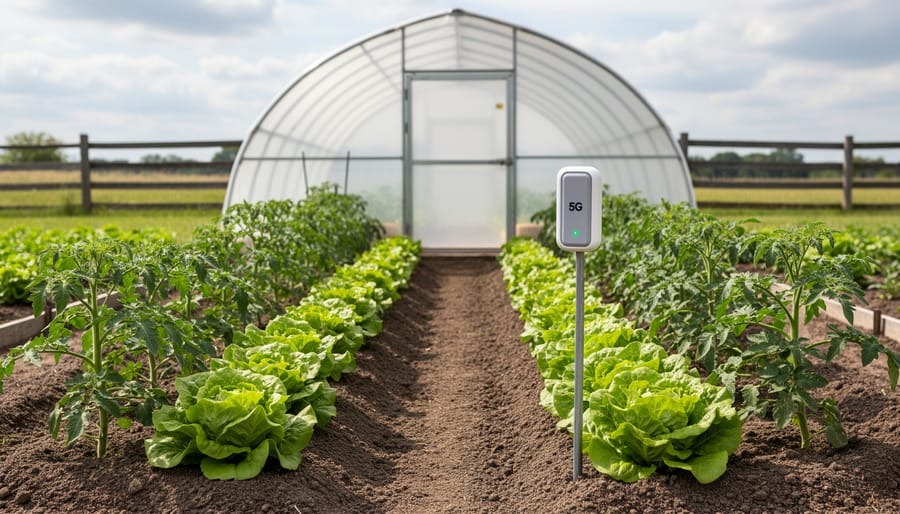
Here’s where preparation pays off. Gather your paperwork early and keep detailed records of your seed sources and growing conditions. Clean, well-labeled seed packets make inspectors happy and speed up the process. One small-scale seed saver from Vermont shared that organizing her seeds by botanical family before inspection day cut her processing time in half.

The inspection itself involves an examiner checking your seeds for visible pests, disease symptoms, and proper labeling. They might take samples for laboratory testing if anything looks questionable. Be present during inspection so you can answer questions about your growing practices.

Costs vary but expect to pay between $50-$150 for domestic certificates and $75-$200 for international ones, plus any laboratory testing fees if required. Rush services cost extra, so plan ahead.

Pro tips for smooth sailing: photograph your seeds before packaging, keep copies of all correspondence, and maintain a relationship with your local inspector. Many become valuable resources for sustainable farming advice. Remember, these professionals share your goal of protecting plant biodiversity while keeping agriculture healthy and thriving.

Farmer with certification paperwork standing in greenhouse with seed starting operation
CSA farmers successfully navigate phytosanitary requirements while maintaining seed biodiversity programs.

Real Farmers Making It Work: Success Stories

Meet Sarah Chen from Vermont, who runs a small CSA specializing in heirloom tomatoes. When she wanted to share seeds with a fellow grower in Quebec, she worried the certification process would be overwhelming. “I started by contacting my state’s Department of Agriculture,” Sarah explains. “They walked me through the phytosanitary certificate application and even inspected my plants for free.” Her biggest lesson? Start early and keep detailed records of your growing practices. Now she regularly exchanges seeds across the border, helping preserve rare varieties like the Cherokee Purple and Brandywine tomatoes that her members love.

Then there’s Marcus Thompson, who coordinates a seed library network across three Midwestern states. When expanding internationally, he discovered that proper documentation actually protected his work. “Getting phytosanitary certification forced me to implement better tracking systems,” Marcus shares. “Now I know exactly where each variety comes from and its complete growing history.” He recommends joining seed-saving networks that offer mentorship on certification requirements. His advice to newcomers? Don’t let paperwork intimidate you. “The process seems complex at first, but once you complete your first certification, it becomes routine. And knowing you’re legally protecting biodiversity while following proper protocols gives you confidence and credibility.”

Both farmers emphasize that phytosanitary certification, while requiring initial effort, ultimately strengthens seed preservation efforts and opens doors to broader conservation networks.

Common Pitfalls and How to Avoid Them

Even the most dedicated seed savers can stumble when navigating phytosanitary certification. The good news? Most mistakes are preventable with a bit of planning.

Incomplete paperwork tops the list of common hiccups. Applications missing key details like botanical names, country of origin, or treatment records can delay approval for weeks. Create a checklist before submitting, and double-check that all required signatures and stamps are in place. Think of it as preparing your garden bed – thorough preparation saves headaches later.

Another frequent stumble involves misunderstanding which seeds actually need certification. Not all varieties require the same level of documentation, especially for domestic exchanges versus international shipments. When in doubt, contact your agricultural department early in the process. They’re genuinely there to help, and a quick conversation can save months of confusion.

Timing issues catch many people off guard. Certification isn’t instant – some processes take 30 days or more. Start your application well before planting season or shipping deadlines. Seed saver Maria from Vermont learned this the hard way when her heirloom tomato seeds sat in customs during prime planting time. Now she applies three months ahead.

Contamination risks, whether from soil residue or pest presence, can derail even perfect paperwork. Clean seeds thoroughly and store them properly in sealed, labeled containers. A small investment in proper cleaning equipment protects your precious varieties and ensures smooth approval. Remember, these requirements exist to protect the biodiversity we all cherish.

Phytosanitary certification might seem like just another layer of paperwork, but it’s actually one of our most powerful tools for protecting the incredible seed biodiversity we all treasure. Think of it as a guardian system that keeps devastating pests and diseases from wiping out the heirloom tomatoes, heritage beans, and rare squash varieties that have nourished communities for generations. When you embrace these protocols as part of your sustainable farming journey, you’re joining a global effort to preserve agricultural diversity.

For farmers and gardeners passionate about keeping these living legacies alive, compliance doesn’t have to be overwhelming. Start by connecting with your local plant health authorities to understand specific requirements for your region. Build relationships with certified seed suppliers who share your values. Document your seed saving practices carefully, and don’t hesitate to ask questions when navigating the certification process.

The beauty of this system is that it empowers us to share seeds responsibly across borders and communities while safeguarding what matters most. Every certified shipment represents seeds that will grow into plants, produce food, and generate more seeds for seasons to come. By working within these frameworks rather than around them, we’re ensuring that future generations inherit the same rich tapestry of plant varieties we enjoy today.

Why Carbon Sequestration Powers Healthy Ecosystems (And Your Farm)

Posted by darrell on
0
Regenerative Agriculture Insights
Why Carbon Sequestration Powers Healthy Ecosystems (And Your Farm)

Carbon sequestration stands as one of nature’s most powerful regulating services—a behind-the-scenes process where ecosystems absorb carbon dioxide from the atmosphere and store it in soil, plants, and ocean waters. Think of it as Earth’s natural climate control system, working constantly to balance greenhouse gases that would otherwise accumulate and accelerate global warming.

Regulating services are the benefits we receive from natural processes that moderate our environment, including pollination, water purification, flood control, and yes, carbon storage. Unlike provisioning services that give us tangible products like food and timber, regulating services operate as invisible guardians, maintaining conditions that make life possible. Carbon sequestration fits squarely in this category because healthy soils, forests, and grasslands actively remove carbon from the air and lock it away, reducing atmospheric CO2 concentrations without human intervention.

For farmers and gardeners embracing sustainable practices, understanding this connection transforms how you view soil health. Every time you add compost, plant cover crops, minimize tillage, or maintain perennial plantings, you’re enhancing your land’s capacity to capture and store carbon. Small-scale farms practicing regenerative methods can sequester impressive amounts of carbon annually—turning agricultural land from a carbon source into a carbon sink. This natural service doesn’t just benefit global climate; it builds soil fertility, increases water retention, and creates more resilient growing systems that produce better yields over time.

What Are Ecosystem Regulating Services?

Think of nature as having an incredible maintenance crew working 24/7 to keep our planet healthy and livable. These hardworking processes are what ecologists call ecosystem regulating services—and they’re absolutely essential to our survival, even though we rarely notice them happening.

Regulating services are the natural processes that maintain environmental balance and protect us from extremes. They work quietly in the background, filtering pollution from our air and water, controlling pests and diseases, moderating extreme weather, and keeping our climate stable. Unlike provisioning services that give us tangible products like food or timber, regulating services are all about the invisible work that keeps everything running smoothly.

Here’s how it plays out in everyday life: Wetlands act as natural sponges, absorbing excess rainwater and preventing flooding in nearby communities. Forests purify the air we breathe by absorbing pollutants and releasing oxygen. Healthy soils break down waste and filter water before it reaches our groundwater supplies. Pollinators like bees regulate plant reproduction, ensuring we have diverse crops and wild plants. Even soil microorganisms regulate nutrient cycling, making sure plants can access the minerals they need to thrive.

For those of us passionate about sustainable farming and organic gardening, understanding regulating services changes how we view our land. When you build healthy soil on your farm or garden, you’re not just growing better tomatoes—you’re supporting an entire ecosystem service that filters water, stores carbon, and maintains biodiversity. These natural processes are the foundation that makes regenerative agriculture work, turning our farms into powerful allies in environmental protection rather than just production sites.

Carbon Sequestration as a Regulating Service

Farmer's hands holding rich dark soil with visible organic matter and earthworms
Healthy soil acts as nature’s carbon storage system, capturing atmospheric CO2 and supporting vibrant ecosystems.

How Soil Acts as Earth’s Carbon Bank

Think of soil as nature’s savings account for carbon. Through photosynthesis, plants pull carbon dioxide from the atmosphere and transform it into sugars and starches that fuel their growth. Here’s where it gets interesting: as plants grow, they send some of those carbon-rich compounds down into their roots. These roots don’t just anchor the plant—they’re constantly releasing substances into the surrounding soil, feeding beneficial microorganisms and contributing to a thriving underground ecosystem.

When plant material dies and decomposes, or when roots shed organic matter, all that carbon becomes part of the soil itself. Microorganisms break it down, and over time, it transforms into stable organic matter that can remain stored for decades or even centuries. This process is exactly how farms store carbon naturally, turning agricultural land into valuable carbon sinks.

The deeper and more extensive a plant’s root system, the more carbon it can deposit into the soil. Perennial crops and cover crops are particularly effective because their roots penetrate deeply and remain active year-round, continuously feeding this natural carbon banking system.

The Climate Regulation Connection

Carbon sequestration acts as nature’s climate control system by pulling excess CO2 from the atmosphere and locking it away in soil, plants, and roots. Think of it as a natural thermostat that helps keep our planet’s temperature in check. When carbon dioxide accumulates in the atmosphere, it traps heat like a blanket, leading to rising global temperatures. By capturing and storing this carbon, healthy soils actively counteract this warming effect.

This process directly regulates climate patterns in several ways. First, reducing atmospheric CO2 concentration helps stabilize global temperatures. Second, carbon-rich soils retain more moisture, which influences local rainfall patterns and reduces drought severity. Third, vegetation supported by carbon-dense soil releases water vapor through transpiration, creating cooling effects in surrounding areas.

For farmers practicing regenerative agriculture, this means every acre of well-managed soil becomes a climate warrior. Cover crops, minimal tillage, and composting all boost the soil’s carbon storage capacity. One inspiring example comes from a Midwest farmer who increased his soil organic matter from 2% to 5% over eight years, sequestering roughly 20 tons of CO2 per acre while simultaneously improving crop yields and resilience to extreme weather events.

Regenerative Agriculture: Supercharging Nature’s Carbon Service

Cover Cropping and No-Till Farming

Cover cropping and no-till farming are two powerful practices that work hand-in-hand to maximize carbon storage in your soil. Cover crops like clover, rye, or vetch blanket the ground during off-seasons, keeping soil protected from erosion while their roots actively pump carbon deep into the earth. When these crops die back naturally, they add organic matter that feeds beneficial soil microbes, which help lock carbon in place for the long term.

No-till farming takes this a step further by eliminating plowing and digging. When soil remains undisturbed, the carbon stored there stays put rather than being released into the atmosphere. Think of it like keeping a lid on a jar—the less you shake things up, the better everything stays contained. Traditional tillage can release decades worth of stored carbon in a single season, but no-till methods preserve those carbon reserves.

Many farmers practicing these techniques report healthier, more productive soil within just a few seasons. The combination creates a living soil ecosystem where carbon sequestration happens naturally and continuously, turning your farm or garden into an active climate solution while improving yields and soil fertility.

Diverse cover crop field with flowering plants in regenerative agriculture setting
Cover crops and diverse plantings maximize carbon sequestration while improving soil health and biodiversity on regenerative farms.

Composting and Organic Matter Addition

Adding compost and organic matter to your soil is like feeding a bustling underground city. Every time you incorporate kitchen scraps, cover crops, or well-aged manure, you’re providing fuel for billions of microorganisms that transform these materials into stable, carbon-rich humus. This dark, crumbly substance acts like a sponge, holding both carbon and water in the soil for years or even decades.

Think of it as nature’s savings account for carbon. Farmers at successful regenerative operations have documented soil organic matter increases of 1-2% over just a few growing seasons through consistent composting practices. This translates directly into carbon pulled from the atmosphere and locked underground.

Here’s a practical tip: start small with a backyard compost bin using vegetable scraps, grass clippings, and leaves. Layer brown materials (carbon-rich) with green materials (nitrogen-rich) in a 3:1 ratio. As this mixture breaks down, you’re creating the same carbon-storing humus that makes regenerative farms so effective at climate regulation while simultaneously improving your garden’s fertility and water retention.

Rotational Grazing and Diverse Plantings

Strategic livestock management and plant diversity work together beautifully to enhance carbon storage in soils. When farmers implement regenerative grazing practices, moving animals regularly across pastures, they mimic natural grazing patterns that stimulate deeper root growth and prevent soil compaction. This movement allows plants time to recover and photosynthesize more carbon back into the ground.

Combining diverse plantings with rotational grazing creates a powerful carbon-building system. Different plant species—grasses, legumes, and forbs—root at varying depths, capturing carbon throughout the soil profile. Similarly, crop rotation techniques in cultivated areas introduce biodiversity that feeds soil microbes and increases organic matter.

Many farmers have discovered that integrating livestock with diverse cover crops dramatically improves soil health within just a few seasons. The animals deposit nutrients while grazing, and their hoof action gently presses seeds and organic matter into the soil, accelerating the natural cycle of carbon capture and storage.

Cattle grazing on rotational pasture with farmer managing portable fencing
Rotational grazing practices build soil carbon while supporting livestock health and pasture vitality.

Real Benefits Beyond Carbon Storage

When we embrace carbon sequestration as a regulating service through regenerative farming practices, we unlock a treasure chest of environmental benefits that extend far beyond storing carbon in the soil. Think of it as nature’s domino effect—one positive action triggers a cascade of improvements across the entire farm ecosystem.

First, let’s talk about water. Healthy, carbon-rich soils act like sponges, leading to improved water retention during dry spells and better drainage during heavy rains. This means farms become more resilient to weather extremes, which is increasingly important as climate patterns shift. The organic matter that stores carbon also holds up to 20 times its weight in water, reducing irrigation needs and helping crops weather drought conditions.

Soil fertility gets a remarkable boost too. As carbon accumulates through composting, cover cropping, and reduced tillage, it creates a thriving underground city of microorganisms. These tiny workers break down nutrients and make them available to plants, reducing the need for synthetic fertilizers. One farmer in Ontario shared how her transition to carbon-focused practices cut her fertilizer costs by half within three years while her yields actually increased.

Biodiversity flourishes when we manage soil as a living carbon bank. From earthworms that aerate the ground to beneficial insects that pollinate crops and control pests, a carbon-rich farm becomes a haven for life above and below the surface. This diversity creates natural pest management systems, reducing reliance on chemical interventions.

Perhaps most importantly, these co-benefits work together to create crop resilience. Plants growing in nutrient-dense, well-structured soil with balanced moisture develop stronger root systems and better disease resistance. They’re simply healthier and more productive, which means better harvests and more nutritious food for your table.

Success Story: A Regenerative Farm Making a Difference

Meet Sarah Chen, a third-generation farmer who transformed her family’s struggling 40-acre conventional farm in Vermont into a thriving regenerative operation that now sequesters an estimated 80 tons of carbon annually. Five years ago, Sarah made a bold decision to transition away from tilling and synthetic inputs, instead embracing practices that work with nature’s rhythms.

Her approach focuses on keeping living roots in the soil year-round through cover cropping, integrating livestock using rotational grazing, and maintaining permanent pastures with diverse plant species. The results speak for themselves. Soil organic matter has increased from 2.8% to 5.3%, water infiltration rates have doubled, and crop yields have remained steady while input costs dropped by 40%.

Sarah’s farm now supplies 150 CSA members with vegetables, pasture-raised eggs, and grass-fed beef. She measures her progress using simple soil tests twice yearly and has noticed earthworm populations exploding, a sign of healthy, carbon-rich soil.

Her top advice for aspiring regenerative farmers? Start small and observe. Sarah began by converting just two acres to no-till methods while maintaining her existing operations. This allowed her to learn without risking the entire farm. She also emphasizes building community connections, noting that her CSA members became invested partners in the journey, appreciating both the environmental mission and superior produce quality.

The most surprising lesson? Carbon sequestration and profitability aren’t opposing goals. By reducing tillage and synthetic inputs while improving soil health, Sarah discovered that stewarding this vital regulating service actually enhanced her bottom line while creating resilience against droughts and extreme weather events.

So, is carbon sequestration a regulating service? Absolutely. This natural process stands as one of nature’s most powerful tools for maintaining atmospheric balance and mitigating climate change. Through regenerative agriculture, farmers actively harness this ecosystem service, transforming their fields into carbon sinks that benefit both the environment and food production. Every cover crop planted, every tillage practice reduced, and every compost application made contributes to pulling carbon from the atmosphere and storing it safely in the soil.

The beauty of carbon sequestration is that it doesn’t just fight climate change—it creates healthier, more productive farmland that yields nutrient-dense food for our communities. When you support local farms practicing regenerative methods, you’re directly investing in this vital regulating service. Even in your home garden, simple techniques like adding compost, planting diverse species, and keeping living roots in the soil year-round can make a meaningful difference.

Consider visiting nearby farms that embrace these practices, ask questions about their soil health strategies, and bring their carbon-sequestering produce to your table. Together, we’re not just growing food—we’re actively healing our planet, one handful of rich, living soil at a time.

How Organic Farms Become Thriving Ecosystems (Not Just Gardens)

Posted by darrell on
0
Regenerative Agriculture Insights
How Organic Farms Become Thriving Ecosystems (Not Just Gardens)

Picture a thriving organic farm where honeybees dance between wildflower borders, beneficial insects patrol vegetable rows hunting pests, and songbirds nest in hedgerows while earthworms enrich the soil below. This isn’t a distant agricultural fantasy—it’s the everyday reality of organic farms that embrace regenerative agriculture practices designed to nurture biodiversity.

While conventional farms often become biological deserts, organic farms function as vibrant ecological sanctuaries supporting 30% more species on average. The connection is straightforward: by eliminating synthetic pesticides and fertilizers, rotating diverse crops, maintaining natural habitats, and building healthy soil, organic farmers create welcoming environments where countless organisms can flourish. Each earthworm, pollinator, and soil microbe plays a vital role in creating resilient food systems that benefit everyone—from the farmer managing healthier crops with fewer inputs to the consumer enjoying nutrient-dense produce grown in living soil.

Understanding this biodiversity advantage matters whether you’re deciding which vegetables to buy at the farmers market, planning your backyard garden, or dreaming of starting your own farm. The organisms thriving on organic farms aren’t just nice to have—they’re essential workers providing free pest control, pollination services, nutrient cycling, and climate resilience. When you support biodiverse organic farms, you’re investing in ecosystems that actively restore nature while producing food, proving that agriculture can heal rather than harm our planet’s precious web of life.

What Biodiversity Really Means on an Organic Farm

When you visit an organic farm, biodiversity isn’t just an abstract environmental concept. It’s the buzzing symphony of different pollinators visiting heirloom tomato flowers, the variety of cover crops enriching the soil between planting seasons, and the beneficial insects keeping pest populations naturally balanced.

Biodiversity operates on three interconnected levels that make organic farms thrive. Genetic diversity means growing multiple varieties of the same crop rather than relying on a single type. Sarah Chen, who runs a certified organic vegetable operation in Oregon, plants five different lettuce varieties each season. “When late blight hit our region, some varieties struggled while others flourished,” she explains. “That genetic variety saved our harvest.”

Species diversity is what most people picture: the range of different plants, animals, insects, and microorganisms sharing the farm ecosystem. On a biodiverse organic farm, you’ll find heritage wheat growing alongside nitrogen-fixing clover, with beneficial wasps and ladybugs patrolling for aphids, while earthworms work tirelessly below ground. This variety creates natural pest control and eliminates the need for synthetic chemicals.

Ecosystem diversity takes the widest view, encompassing different habitats within the farm landscape. Marcus Williams transformed his Tennessee organic farm by preserving woodland edges, maintaining wetland areas, and creating hedgerows between fields. “These diverse ecosystems became home to dozens of bird species that control insect pests better than any spray ever could,” he shares.

Together, these three levels create resilient farming systems that produce nutrient-dense food while supporting wildlife. Understanding this framework helps you recognize truly biodiverse farms when shopping at farmers markets or choosing where to source your organic produce. It’s nature’s insurance policy and productivity booster rolled into one.

The Living Web: How Diverse Farms Feed Themselves

Underground Allies: The Soil Food Web

Beneath every thriving organic farm lies a hidden world teeming with life. The soil food web is nature’s ultimate recycling system, where billions of microscopic workers transform organic matter into plant-available nutrients. Think of it as an underground city where everyone has a job to do.

Bacteria and fungi are the primary decomposers, breaking down crop residues, cover crops, and compost into nutrients that plants can absorb. Mycorrhizal fungi form partnerships with plant roots, extending thread-like networks that act like nature’s internet, helping plants access water and nutrients from greater distances. In return, plants share sugars they’ve made through photosynthesis, creating healthy soil ecosystems that thrive without synthetic fertilizers.

Earthworms are the engineers of this underground world, creating tunnels that improve drainage and aeration while their castings provide rich, slow-release nutrients. A single acre of healthy organic soil can contain over a million earthworms, each one working tirelessly to build soil structure.

Ontario farmer Maria Chen discovered this firsthand when she transitioned to organic methods. “After three years without chemicals, our earthworm population exploded,” she shares. “The soil became so rich and crumbly that our crops needed less water and showed better disease resistance.”

This living soil approach eliminates the need for synthetic inputs while building long-term soil fertility, creating a self-sustaining system that gets better with time.

Close-up cross-section of healthy organic soil showing earthworms and root systems
Healthy organic soil contains a thriving ecosystem of bacteria, fungi, earthworms, and microorganisms that naturally feed plants.

Above Ground Partners: Pollinators and Predators

When you walk through an organic farm bursting with diverse plantings, you’re witnessing nature’s pest control team at work. The variety of flowering plants, cover crops, and hedgerows creates a welcoming habitat for beneficial insects that become the farmer’s best allies.

Pollinators like native bees, butterflies, and hoverflies are drawn to farms with diverse flowering plants throughout the growing season. These insects don’t just pollinate crops—many are also predators in their larval stages. Hoverfly larvae, for example, can devour up to 400 aphids before reaching adulthood. By planting a succession of blooming species, farmers ensure these helpful insects stick around all season long.

Predatory insects like ladybugs, lacewings, and ground beetles thrive where there’s plant diversity because it provides shelter, alternative food sources, and overwintering sites. When pest populations spike, these beneficial insects are already established and ready to respond. This natural balance dramatically reduces the need for any interventions, even organic-approved ones.

Michigan farmer Sarah Chen noticed this firsthand after establishing wildflower strips around her vegetable fields. “Within two seasons, I saw a huge increase in ladybugs and parasitic wasps,” she shares. “My aphid problems practically disappeared, and I’m spending less time managing pests and more time harvesting.”

For home gardeners, the principle applies equally well. Plant a variety of herbs, flowers, and vegetables together to create your own pollinator paradise. Leaving some areas a bit wild—with native plants and minimal disturbance—gives beneficial insects the diverse habitat they need to flourish.

Practical Strategies Organic Farmers Use to Build Biodiversity

Crop Rotation and Polycultures

Crop rotation stands as one of organic farming’s most powerful biodiversity boosters. By changing what grows in each field from season to season, farmers create diverse habitats that support different beneficial insects, soil microorganisms, and wildlife throughout the year. This practice naturally disrupts pest and disease cycles since many harmful organisms are plant-specific and can’t survive when their preferred host isn’t available.

Polycultures take this diversity even further by growing multiple crop species together in the same space. Think of a traditional corn-beans-squash combination where tall corn provides support for climbing beans, while broad squash leaves shade the soil and suppress weeds. This companion planting mimics nature’s diversity, attracting varied pollinators and beneficial predators that keep pest populations in check.

Sarah Chen, an Ontario organic farmer, shares her success: “Since implementing seven-year rotations with cover crop polycultures, I’ve seen monarch butterflies return and haven’t needed any pest interventions for three seasons.”

For home gardeners, try rotating vegetable families annually and pairing tomatoes with basil or carrots with onions to create your own biodiverse mini-ecosystem.

Hedgerows, Wildflower Strips, and Field Margins

Field edges become vibrant ribbons of life on organic farms when farmers intentionally create hedgerows, wildflower strips, and protected margins. These features transform what might be barren borders into thriving corridors that shelter beneficial insects, birds, and small mammals throughout the seasons.

Hedgerows serve as nature’s highways, allowing wildlife to move safely between habitats while providing nesting sites and winter protection. Native shrubs and trees like hawthorn, elderberry, and wild rose offer berries and seeds that sustain birds and pollinators year-round.

Wildflower strips planted alongside crop fields create spectacular displays while serving a practical purpose. These colorful bands attract predatory insects like ladybugs and lacewings that naturally control crop pests, reducing the need for any interventions. They also support native bees and butterflies essential for pollination.

Mary Chen, an organic vegetable grower in Vermont, shares her experience: “After establishing wildflower margins three years ago, I noticed aphid problems decreased significantly. The beneficial insects now do the pest management for me, and customers love visiting during peak bloom season.”

For home gardeners, even a small unmowed strip along your garden’s edge can make a difference, providing similar benefits on a smaller scale.

Wildflower border strip with bees and butterflies along organic farm field edge
Wildflower strips at field margins provide essential habitat and food sources for pollinators and beneficial insects that support organic crop production.

Cover Cropping and Green Manures

Between main crop seasons, organic farmers plant cover crops like clover, rye, and vetch to keep fields productive and alive. These hardworking plants create a protective blanket that prevents soil erosion while their roots feed an incredible underground ecosystem of bacteria, fungi, and earthworms.

When turned back into the soil as green manure, cover crops deliver nutrients naturally without synthetic fertilizers. Different cover crop species attract unique beneficial insects and pollinators, adding layers of diversity to the farm. Crimson clover, for example, feeds early-season bees while fixing nitrogen for future crops.

Sarah Chen, who runs a five-acre organic vegetable operation in Ontario, shares her experience: “Since switching to diverse cover crop mixes, I’ve noticed healthier soil structure and fewer pest problems. My earthworm population has tripled, and that tells me everything about my soil’s vitality.”

For home gardeners, try planting buckwheat or field peas in empty beds between seasons to mimic these farm-scale benefits.

Integrated Livestock Systems

When livestock and crops work together, farms truly come alive. Integrated livestock systems bring chickens, sheep, cattle, or pigs into crop rotation areas, where they perform multiple beneficial functions. As animals graze cover crops or crop residues, they naturally fertilize the soil with nutrient-rich manure, reducing the need for external inputs. Their foraging behaviors help control weeds and pests while their hooves gently aerate compacted soil.

This practice creates diverse habitats that attract beneficial insects, ground-nesting birds, and small mammals. Ontario farmer Sarah Mitchell rotates her laying hens through vegetable beds between seasons, noting that the chickens control pests while adding fertility. The result? Healthier soil teeming with earthworms and microorganisms, plus a more resilient ecosystem. For home gardeners, even a small backyard chicken flock can provide similar benefits, turning your garden into a miniature biodiversity hub while producing fresh eggs.

Organic farmer holding basket of freshly harvested vegetables in biodiverse farm garden
Organic farmers who embrace biodiversity practices often see improved crop health, natural pest control, and abundant harvests from thriving farm ecosystems.

Real Results: A Farmer’s Success Story

When Sarah Mitchell purchased her 40-acre farm in Vermont five years ago, the land was exhausted. Years of monoculture corn production had left the soil compacted, pest populations out of control, and yields declining steadily. Today, her thriving organic farm tells a completely different story, one where biodiversity became the key to transformation.

Sarah started small, dedicating just five acres to her biodiversity experiment. She planted hedgerows along field margins, established wildflower strips between crop rows, and created three small pollinator meadows. Within the first season, she noticed beneficial insects appearing in numbers she’d never seen before. Ladybugs and lacewings began naturally controlling aphid populations that previously required intervention.

The challenges weren’t insignificant. Sarah admits the first two years tested her patience. Converting depleted land takes time, and her initial yields dipped slightly as the ecosystem rebalanced itself. Neighbors questioned her unconventional approach, wondering why she’d “waste” productive land on flowers and shrubs.

But the results spoke for themselves. By year three, Sarah’s soil organic matter increased from 2.1% to 4.3%, measured through annual testing. Earthworm populations tripled, creating natural aeration that eliminated her need for mechanical tillage. Her vegetable yields matched and then exceeded her pre-conversion numbers, while pest damage dropped by 60%.

Perhaps most impressive was her bottom line. With reduced input costs and premium prices for her certified organic produce, Sarah’s profit margins improved by 35%. She now grows over twenty crop varieties, rotating them strategically to maximize both soil health and market opportunities.

Today, Sarah hosts regular farm tours, sharing her biodiversity journey with aspiring farmers and curious consumers. Her message is clear: working with nature rather than against it isn’t just environmentally sound, it’s economically smart. What started as a leap of faith became proof that biodiversity and productivity can flourish together.

What This Means for Your Plate (And Your CSA Box)

When you choose produce from a biodiverse organic farm, you’re getting more than just pesticide-free vegetables. Research consistently shows that crops grown in biologically rich soil systems contain higher levels of essential nutrients, including vitamins, minerals, and antioxidants. The complex web of soil microorganisms helps plants access and absorb nutrients more effectively than simplified farming systems.

You’ll also notice the difference in taste. That heirloom tomato from your CSA box bursts with flavor because the plant had access to diverse soil biology and wasn’t bred solely for shipping durability. The varied growing conditions on biodiverse farms allow crops to develop their full flavor profiles naturally.

From a food safety perspective, biodiverse farms tend to have fewer pest and disease problems because the ecosystem naturally regulates itself. When beneficial insects, birds, and microorganisms are present in healthy populations, they keep potential crop threats in check without chemical interventions.

When selecting an organic farm or CSA membership, ask questions that reveal their biodiversity practices. Do they maintain hedgerows, pollinator gardens, or wildlife corridors? How many crop varieties do they grow each season? Do they use cover crops and crop rotation? Farmers genuinely committed to biodiversity love talking about these practices.

Look for farms that describe themselves as regenerative or agroecological, terms that signal a deeper commitment to ecosystem health beyond basic organic certification. Visit the farm if possible. You should see flowering plants throughout the growing season, observe butterflies and bees, and notice diverse plantings rather than monoculture rows.

Take Sarah Chen’s approach at Meadowbrook Farm, where CSA members receive a weekly newsletter explaining which beneficial insects they’ve spotted and how companion plantings are protecting their crops. This transparency demonstrates both knowledge and commitment to working with nature rather than against it.

Starting Small: Biodiversity Tips for Home Gardens

You don’t need acres of land to support biodiversity—your backyard or balcony can become a thriving mini-ecosystem with a few thoughtful changes. Start by choosing native plants and flowers that naturally attract local pollinators like bees, butterflies, and hummingbirds. These plants have evolved alongside native wildlife and require less water and maintenance than exotic varieties.

Ditch the synthetic pesticides and fertilizers, even in small spaces. These chemicals eliminate beneficial insects along with pests, disrupting the natural balance your garden needs. Instead, welcome helpful predators like ladybugs and lacewings that naturally control aphids and other nuisances. A healthy garden finds its own equilibrium when you give nature a chance.

Create simple habitat features that invite wildlife to stay. Leave a small pile of logs or rocks in a corner for ground beetles and salamanders. Install a shallow water dish for birds and beneficial insects. Let a section of your lawn grow a bit wild—those “weeds” often provide crucial food sources for pollinators during different seasons.

Compost your kitchen scraps and yard waste to build rich, living soil teeming with microorganisms. This mirrors what organic farmers do on larger scales and reduces your waste while feeding your plants naturally.

Even a windowsill herb garden grown without chemicals contributes to a healthier local environment. Every small action creates ripples, connecting your space to the broader movement toward sustainable, biodiverse landscapes. Your garden becomes part of the solution, demonstrating that supporting biodiversity starts right where you are.

Organic farming exemplifies regenerative agriculture in its purest form—not just sustaining the land, but actively healing it while producing nourishing food. Every biodiverse organic farm becomes a sanctuary where pollinators thrive, soil organisms flourish, and natural systems regain their balance. This isn’t just agriculture; it’s ecosystem restoration happening one season at a time.

You can champion this vital work with your everyday choices. Join a Community Supported Agriculture (CSA) program to connect directly with biodiverse organic farms in your region. Shop at farmers markets where you can meet growers who prioritize wildlife habitat alongside crop production. Ask farmers about their practices—many love sharing how they nurture beneficial insects or protect hedgerows.

Consider this: when you support an organic farm, you’re investing in far more than your weekly vegetables. You’re backing ecosystem stewards who understand that healthy farms must work with nature, not against it. These farmers cultivate abundance for countless species while feeding their communities.

The future of our food system depends on recognizing farms as living ecosystems deserving our protection and support. Every purchase from a biodiverse organic farm casts a vote for a healthier planet—one where agriculture restores rather than depletes the natural world around us.

Why Every Bite Tastes Different: The Truth About Farm-to-Table Terroir

Posted by darrell on
0
Farm-to-Table Experiences
Why Every Bite Tastes Different: The Truth About Farm-to-Table Terroir

Taste a tomato from a small farm thirty miles north, then one from a farm thirty miles south—you’ll notice distinct differences in sweetness, acidity, and texture, even if they’re the same variety planted on the same day. This is terroir at work, the French concept that a food’s flavor reflects the specific soil, climate, and farming practices of where it grew. While wine lovers have celebrated terroir for centuries, the farm to table movement reveals this phenomenon extends far beyond the vineyard to every carrot, apple, and head of lettuce on your plate.

Understanding terroir transforms grocery shopping from a mundane task into an adventure in flavor discovery. The limestone-rich soil that gives certain regions their coveted asparagus might be just fifteen minutes from your home. The microclimate that produces exceptionally sweet strawberries could exist in a valley you drive past weekly. By connecting directly with local farmers, you gain access to produce at peak freshness while supporting agricultural practices that preserve the unique terroir characteristics of your region.

Farm to table cuisine celebrates these location-specific flavors by shortening the distance between harvest and plate. When produce travels mere hours instead of days or weeks, you experience vegetables and fruits as the farmer intended—bursting with the authentic taste of place. This approach benefits your palate, supports local economies, and reduces environmental impact through decreased transportation. The journey to appreciating terroir begins with curiosity, a willingness to ask farmers questions, and a commitment to tasting with intention.

What Terroir Really Means for Your Food

The Soil Connection

The secret to incredible flavor starts beneath the surface. Healthy soil is a living ecosystem teeming with billions of microorganisms that work together to create the foundation for truly exceptional produce. These tiny helpers break down organic matter, making essential minerals and nutrients available to plant roots in forms they can actually absorb.

Think of soil structure as a plant’s pantry. Sandy soils drain quickly and produce vegetables with concentrated, intense flavors. Clay-rich soils hold moisture longer, often yielding more tender, juicier crops. The mineral composition matters too—iron-rich soils might give your greens a slightly earthier taste, while calcium-heavy soils can produce sweeter, crisper vegetables.

What’s fascinating is that these same minerals and microorganisms don’t just affect taste; they directly impact nutritional content. A tomato grown in nutrient-dense, biologically active soil contains significantly more vitamins, antioxidants, and trace minerals than one grown in depleted earth. The beneficial bacteria and fungi in healthy soil actually help plants develop stronger immune systems, which translates to more robust flavor compounds and higher nutritional value for you.

Local farmer Maria Rodriguez discovered this firsthand when she transitioned to organic practices at her small farm. After three years of building her soil health through composting and cover cropping, customers began commenting that her carrots tasted sweeter and her lettuce had more complexity. Testing confirmed what her taste buds already knew—her produce contained notably higher levels of beneficial nutrients, all thanks to the thriving soil ecosystem she’d cultivated.

Cross-section of healthy farm soil showing layers, organic matter, and plant roots
Healthy soil composition with visible organic matter and root systems demonstrates how terroir begins beneath the surface.

Beyond the Dirt: Climate and Place

While soil provides the foundation for flavor, it’s just one piece of a fascinating puzzle. The true character of your locally grown tomatoes or carrots emerges from the complete environment where they grow.

Think of climate as nature’s recipe modifier. Rainfall patterns determine how minerals move through soil and into plant roots. A pepper grown during a dry season concentrates its sugars and develops intense flavor, while abundant rain creates juicier, milder produce. Temperature swings between day and night can make the difference between bland and brilliant – cool nights help plants retain acids that balance sweetness, creating that perfect bite.

Sun exposure matters more than you might expect. Southern-facing slopes bathe crops in extra warmth, accelerating ripening and sugar development. Meanwhile, plants growing in partial shade often develop different flavor compounds as they adapt to lower light conditions.

Elevation adds another layer of complexity. Higher altitudes mean cooler temperatures and intense UV exposure, which can trigger plants to produce protective compounds that translate into unique tastes and aromas.

When you visit your local farmers market, ask growers about their microclimates. You’ll discover that two farms just miles apart can produce remarkably different tasting vegetables from the same seeds, all thanks to these environmental factors working together.

How Farm-to-Table Captures Terroir on Your Plate

The Freshness Factor

Ever wonder why that heirloom tomato tastes so incredible at the farmers market but disappoints when shipped from across the country? The answer lies in timing. Once harvested, produce begins losing its flavor compounds and nutritional value almost immediately. Those delicate terroir characteristics—the unique taste signatures from specific soil minerals, climate conditions, and growing practices—are the first to fade.

Research shows that some vegetables lose up to 50% of their vitamin C within just a few days of harvest. But it’s not just about nutrition. The subtle flavors that reflect a farm’s unique environment deteriorate rapidly during transport and storage. When you buy directly from local growers participating in the farm-to-table movement, you’re experiencing produce at its peak expression.

Take Sarah Chen, a small-scale organic farmer in Ontario, who harvests her greens each morning for that afternoon’s deliveries. Her customers consistently notice the difference—the peppery bite of arugula, the mineral notes in spinach, the sweet earthiness of carrots. These aren’t just fresher vegetables; they’re a genuine taste of place, preserved through minimal time between soil and table.

Seasonal Eating and Flavor Intensity

When you bite into a sun-ripened tomato in August versus a greenhouse variety in February, you’re experiencing the dramatic difference seasonal eating makes in flavor intensity. Produce harvested at its natural peak doesn’t just taste better—it carries a more pronounced expression of terroir, that unique fingerprint of soil, climate, and place.

Spring asparagus grown in sandy Michigan soil tastes remarkably different from California asparagus, but only when you’re eating it fresh during its natural season. The same applies to autumn squashes, summer berries, and winter root vegetables. When plants grow according to their natural rhythms, they develop fuller flavor profiles and higher nutrient densities, allowing the characteristics of your local landscape to shine through.

Consider Sarah Chen, a small-scale farmer in Vermont who noticed customers could actually taste the difference between her early-season lettuce (crisp and mild) and late-season varieties (nutty and intense). The changing soil temperatures and day length throughout the growing season influenced not just growth patterns, but the plants’ chemical composition and flavor compounds.

Eating seasonally also deepens your connection to your local food landscape. You become attuned to what thrives in your region’s unique conditions—whether that’s the first tender greens of spring or the hardy brassicas that sweeten after frost. This awareness transforms grocery shopping into an exploration of place, turning each meal into a celebration of where you live and the farmers who cultivate its distinct flavors.

Experiencing Terroir Tastings: What to Expect

Comparing the Same Crop from Different Farms

One of the most revealing experiences in exploring farm-to-table cuisine is conducting a side-by-side tasting of the same vegetable from different farms. Try gathering heirloom tomatoes from three local growers and taste them one after another. You’ll likely be amazed at how distinct each one tastes, even though they’re the same variety.

These differences come down to terroir: the unique combination of soil composition, water quality, microbial activity, and farming practices at each location. A tomato grown in mineral-rich clay soil will taste noticeably different from one cultivated in sandy loam, even if both farms are only miles apart. The same principle applies to carrots, lettuce, and virtually any produce you can imagine.

Consider Sarah Chen, who runs Meadowbrook Farm in Vermont. She attributes her exceptionally sweet carrots to her farm’s naturally occurring calcium-rich soil and her practice of adding composted seaweed. Meanwhile, just fifteen minutes away, Tom Martinez at Green Valley grows carrots with a deeper, earthier flavor profile thanks to his volcanic rock dust amendments and forest compost.
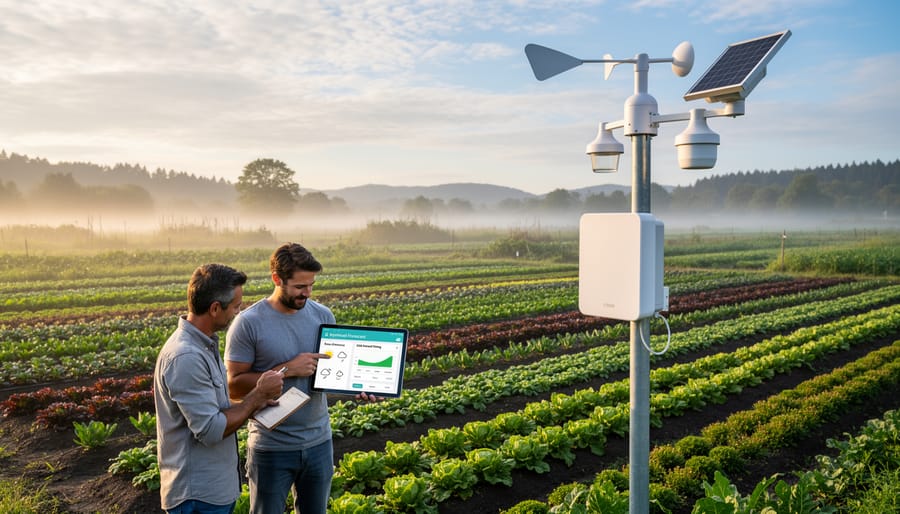
Organizing your own comparison tasting is simple. Visit your local farmers market and purchase the same vegetable from different vendors. At home, slice them up and taste mindfully, noting differences in sweetness, texture, and overall flavor complexity. This hands-on approach transforms abstract concepts about sustainable agriculture into a delicious, tangible reality that deepens your appreciation for the farmers who nurture these unique flavors.

Overhead view of tomato tasting arrangement showing samples from multiple farms
Side-by-side tasting of the same variety from different farms reveals how soil and location create distinct flavor profiles.

Meeting the Farmers Behind Your Food

One of the most rewarding aspects of farm-to-table cuisine is connecting directly with the people who grow your food. During local farm tours and tastings, farmers share their deep knowledge about soil management and growing philosophies that directly impact the flavors on your plate.

These educational encounters reveal how organic farmers build healthy soil ecosystems through techniques like crop rotation, cover cropping, and composting. You’ll learn why a tomato grown in mineral-rich soil tastes dramatically different from one raised in depleted earth. Many farmers explain how they work with their land’s natural characteristics rather than against them, choosing varieties that thrive in their specific microclimate.

Take Sarah Chen, who transformed her family’s conventional farm into an organic success story. During tastings, she demonstrates how adding organic matter and beneficial microorganisms creates living soil that produces nutrient-dense carrots with incredible sweetness. She’ll often let visitors taste the same variety grown in different field sections, showing how soil composition affects flavor intensity.

These conversations go beyond farming methods. You’ll discover why farmers chose their profession, their commitment to environmental stewardship, and their vision for sustainable food systems. This personal connection transforms how you experience food, making every meal more meaningful. When you understand the care and expertise behind your vegetables, you’re not just eating dinner—you’re participating in a relationship between land, farmer, and table.

Farmer discussing soil practices with visitors during farm tour
Farm visits and terroir tastings connect consumers directly with farmers who explain their soil management philosophy.

Finding Terroir-Focused Farms Near You

Questions to Ask Your Farmer

When visiting a farm or farmers market, engaging in conversation can reveal how deeply a farmer understands their land’s unique character. Start by asking about their soil health practices. Questions like “How do you build and maintain your soil?” or “What amendments do you add to your fields?” will help you understand their commitment to terroir.

Dig deeper with questions about compost: “Do you make your own compost on-site?” and “What materials go into it?” Farms that create their own compost from local materials strengthen the connection between land and produce.

Explore their growing philosophy by asking, “How do you decide what to plant where?” and “Do you notice flavor differences in crops grown in different parts of your farm?” Farmers attuned to terroir will enthusiastically share observations about microclimates and how location affects taste.

Finally, ask about their water sources and whether they’ve noticed how seasonal changes influence flavor profiles. These conversations not only deepen your appreciation for terroir but also build meaningful connections with the people growing your food.

CSA Programs as Terroir Education

Joining a Community Supported Agriculture (CSA) program offers one of the most immersive ways to understand terroir in action. When you subscribe to a CSA, you receive weekly boxes of whatever’s thriving on your local farm that season, creating an ongoing education in how soil, climate, and weather patterns shape flavor.

Unlike grocery shopping where you select the same items year-round, CSA memberships introduce you to vegetables and fruits at their peak ripeness, grown in your specific region’s unique conditions. One week might bring tender spring greens influenced by cool morning mists, while summer boxes overflow with sun-sweetened tomatoes that taste nothing like their winter counterparts. This seasonal rhythm teaches you to recognize how your local terroir expresses itself through different crops.

Many CSA farmers include newsletters with their deliveries, sharing insights about growing conditions, soil amendments, and how recent rainfall or temperature shifts affected the harvest. These notes transform your weekly produce into a living lesson about place-based agriculture. Some farmers even share stories about heirloom varieties they’ve chosen specifically because they thrive in local conditions, deepening your appreciation for how location and agricultural choices intertwine to create distinctive flavors on your plate.

Creating Your Own Terroir Tasting at Home

Simple Tasting Setup

Creating your own terroir tasting at home is surprisingly simple and incredibly rewarding. Start by selecting 2-3 samples of the same vegetable or fruit from different local farms. For best results, choose produce with distinct flavors like tomatoes, carrots, or strawberries. Visit your farmers market and ask growers about their soil type, farming practices, and growing conditions. These conversations often reveal fascinating insights about what makes each farm unique.

When preparing your samples, keep it simple. Wash and slice the produce into uniform pieces, arranging them on separate plates labeled with the farm name and location. Serve at room temperature to allow the full flavor profile to emerge. Provide plain crackers and water between tastings to cleanse the palate.

Guide participants through the experience by encouraging them to notice color variations, texture differences, and aromatic qualities before tasting. Ask open-ended questions like “What flavors do you detect?” or “How does the sweetness compare?” There are no wrong answers in a tasting. The goal is to slow down, pay attention, and appreciate how the land and farming practices shape what we eat. This mindful approach transforms ordinary produce into an educational adventure.

What to Notice and Discuss

When tasting farm-to-table produce, pay attention to the subtle differences that reveal each farm’s unique terroir. Start with appearance – notice variations in color intensity, size, and shape between similar items from different locations. A tomato from sandy coastal soil might have thinner skin than one grown in clay-rich inland earth.

Focus on texture next. Is the lettuce crisp or tender? Does the carrot have a dense, almost woody crunch, or does it yield easily? These qualities often reflect soil composition and water availability at the farm.

Flavor is where terroir truly shines. Take small bites and let the taste develop on your palate. You might detect mineral notes in greens grown near rocky terrain, or sweetness in vegetables from nutrient-rich composted soil. Notice whether flavors are bold and concentrated or mild and delicate. Compare the finish – does the taste linger or fade quickly?

During group tastings, share your observations openly. One person might notice earthy undertones while another detects hints of sweetness. These discussions help everyone develop a deeper appreciation for how location shapes our food.

Farmer holding freshly harvested carrots with soil still attached
A farmer’s dedication to soil health produces vegetables with distinctive terroir characteristics and exceptional flavor.

Farmer Success Story: Cultivating Distinct Flavor

Meet Sarah Chen, whose Rolling Hills Farm has become a destination for chefs and home cooks seeking vegetables that taste unmistakably different. Located on a gentle slope in Oregon’s Willamette Valley, her three-acre farm produces carrots so distinctly sweet and tomatoes with such complex flavor that customers now request her produce by name at local farmers markets.

Sarah’s journey into terroir-focused farming began when she noticed her neighbor’s identical heirloom tomato variety tasted completely different from hers. “That’s when I realized the soil was telling its own story,” she explains. Rather than fighting her naturally rocky, mineral-rich earth, she embraced it, building organic matter through cover cropping and minimal tillage to enhance rather than mask the land’s unique characteristics.

Her soil-building approach focuses on three key practices. First, she rotates nitrogen-fixing legumes like clover and field peas throughout her beds, adding organic matter while preserving the soil’s natural mineral profile. Second, she uses compost made exclusively from her own farm waste, ensuring nothing foreign dilutes the terroir signature. Third, she waters minimally, encouraging plants to develop deeper root systems that access the unique mineral layers below.

The results speak through flavor. Customers describe her produce with wine-tasting vocabulary: earthy undertones, mineral notes, bright acidity. Local restaurants feature “Rolling Hills carrots” on their menus, and she’s built a waiting list of CSA subscribers eager to experience these stories behind local produce.

For aspiring farmers or gardeners wanting to cultivate terroir, Sarah offers practical advice: “Start by understanding what makes your soil unique through testing, then work with those qualities rather than against them. Keep your inputs simple and local. Most importantly, taste everything at different stages and keep notes. Your palate will become your best guide to understanding how your specific piece of earth expresses itself through food.”

Understanding terroir transforms your relationship with food from passive consumption into an active exploration of place and flavor. When you bite into a tomato from your local farm, you’re not just tasting a vegetable—you’re experiencing the soil, sunshine, and dedicated care that shaped its unique character. This awareness creates meaningful connections to the farmers who nurture your food and the land that sustains your community.

Ready to begin your terroir journey? Start simple. Visit your farmers market this weekend and buy the same vegetable from two different farms. Compare their flavors side by side. Join a CSA and note how produce tastes different throughout the season as weather patterns shift. Ask farmers about their soil and growing practices—most love sharing their knowledge and passion.

Consider organizing a backyard terroir tasting with friends, turning local produce into an adventure of discovery. Each carrot, each apple, each head of lettuce tells a story about where you live.

By becoming a conscious eater who seeks out and celebrates these flavor differences, you’re supporting sustainable agriculture, strengthening local food systems, and rediscovering the incredible diversity that exists right in your own region. The terroir of your community is waiting to be tasted.
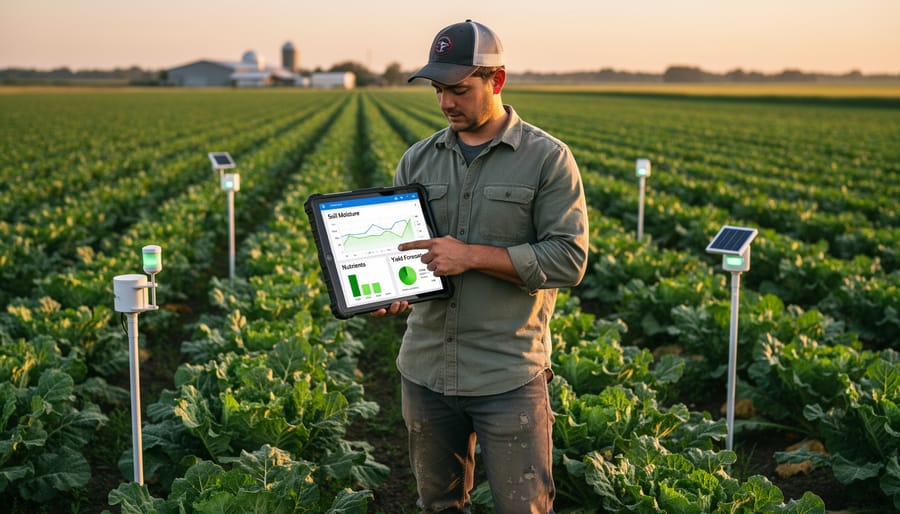
Why Biodiverse Farms Produce Better Food (And How to Find Them)

Posted by darrell on
0
Farm-to-Table Experiences
Why Biodiverse Farms Produce Better Food (And How to Find Them)

Picture a farm where honeybees pollinate heirloom tomatoes while chickens patrol between vegetable rows, eating pests and fertilizing soil. This isn’t a nostalgic fantasy—it’s the reality of biodiverse farming, where multiple plant and animal species work together to create healthier food and more resilient agricultural systems.

Biodiverse farms operate on a simple principle: nature thrives on variety, not monoculture. Instead of endless rows of a single crop, these farms cultivate dozens of plant species, integrate livestock, and preserve wild spaces where beneficial insects and native plants flourish. The result transforms everything about your food—from nutritional density to flavor intensity to environmental impact.

The farm-to-table movement has brought biodiverse farming into the spotlight, and for good reason. These farms produce vegetables bursting with flavor because healthy soil creates nutrient-rich produce. They require fewer chemical inputs because natural predators manage pests. They weather climate extremes better because diverse ecosystems adapt more successfully than monocultures.

Whether you’re seeking the freshest produce for your table, considering sustainable farming practices for your own land, or simply want to understand where your food comes from, biodiverse farms offer compelling answers. They prove that working with nature’s complexity rather than against it creates abundance for farmers, consumers, and the environment alike. The practices happening on these farms today are shaping the future of how we all eat.

What Makes a Farm Truly Biodiverse

Biodiversity on a farm goes far beyond simply planting rows of different vegetables. In a farming context, biodiversity means creating a thriving ecosystem where plants, animals, insects, and countless soil organisms all work together in harmony. Think of it as nature’s own support system, where each element plays a vital role in keeping the whole farm healthy and productive.

A truly biodiverse farm is a carefully orchestrated community of life. It starts beneath the surface with beneficial bacteria, fungi, earthworms, and microorganisms that build rich, living soil. Above ground, you’ll find a vibrant mix of crops growing alongside each other through companion planting, where certain plants naturally protect or nourish their neighbors. For example, marigolds deter pests from tomatoes, while beans fix nitrogen in the soil for hungry crops like corn.

These farms integrate livestock thoughtfully into their systems. Chickens might follow grazing cattle to break up manure and control parasites, while their scratching naturally fertilizes the pasture. Sheep could graze between orchard rows, keeping grass manageable without machinery while adding nutrients back to the soil.

Native plantings form another cornerstone of biodiversity. By incorporating indigenous flowers, shrubs, and grasses around field edges and throughout the property, farmers create crucial habitats for pollinators, beneficial insects, and wildlife. These native plants require less water and maintenance while attracting helpful predators that keep pest populations in check naturally.

Habitat creation takes many forms on biodiverse farms. You might spot hedgerows providing shelter for birds, small ponds supporting amphibians and insects, or beetle banks offering refuge for ground beetles that hunt aphids and other crop pests. Some farmers leave areas deliberately wild, understanding that these untamed spaces serve as biodiversity reservoirs.

This interconnected approach means the farm essentially manages itself more effectively. When you support farms practicing true biodiversity, you’re investing in a resilient food system that works with nature rather than against it, producing nutrient-dense food while supporting entire ecosystems.

Diverse vegetable garden showing multiple crop varieties growing together including tomatoes, kale, marigolds, and lettuce
Biodiverse farms integrate multiple crop varieties, companion plants, and habitat features to create thriving ecosystems that produce superior food.

The Flavor Advantage: How Biodiversity Changes Your Plate

When you bite into a tomato from a biodiverse farm, you’re experiencing something fundamentally different from conventional produce. That intense, complex flavor isn’t just your imagination—it’s the direct result of the living ecosystem beneath your feet.

Biodiverse farms create a remarkable chain reaction that begins in the soil. When farms incorporate multiple plant species, beneficial insects, and natural habitats, they foster incredibly rich soil microbiology. This underground community of bacteria, fungi, and microorganisms works together to break down organic matter and create a nutrient-dense environment that plants can actually access and absorb.

The result? Food that doesn’t just taste better, but genuinely is better for you. Studies have shown that produce from biodiverse, organic farms often contains higher levels of vitamins, minerals, and beneficial compounds like antioxidants. That heirloom carrot with the deep orange color and sweet, earthy flavor reflects soil that’s been nourished by cover crops, composting, and natural pest management rather than synthetic inputs.

Beyond nutrition, biodiversity brings seasonal variety to your plate. Instead of monoculture fields producing one crop, diverse farms rotate plantings and maintain multiple harvests throughout the year. You might find unexpected treasures at your farmers market—heritage apple varieties with flavors ranging from honeyed to tart, or rainbow chard that adds both nutrition and visual appeal to your dinner.

The flavor advantage extends to animal products too. Chickens foraging in diverse pastures produce eggs with richer yolks, while cattle grazing on varied grasslands create more flavorful, nutrient-dense meat. When farms work with nature’s diversity rather than against it, every ingredient tells a story of healthy soil, thriving ecosystems, and the care that goes into sustainable farming practices.

From Seed Selection to Your Kitchen Table

Heritage Varieties and Seed Diversity

When you bite into a tomato from a biodiverse farm, you might taste something remarkably different from supermarket varieties. That’s the magic of heritage varieties and seed diversity at work.

Biodiverse farms prioritize growing diverse seed varieties, including treasured heirlooms passed down through generations. Unlike modern commercial varieties bred for uniform appearance and long shelf life, these seeds preserve incredible genetic diversity. Each variety carries unique traits like drought resistance, pest tolerance, and most importantly, exceptional flavor profiles you simply can’t find elsewhere.

This diversity acts as a living insurance policy for our food system. When farms grow multiple varieties of the same crop, they’re protecting against disease outbreaks and climate challenges that could devastate monoculture operations. If one variety struggles, others thrive.

For gardeners and small farmers, working with diverse seeds means you’re participating in something bigger than just growing food. You’re stewarding genetic resources that might otherwise disappear, keeping alive the work of countless farmers who carefully selected and saved these seeds over centuries. Many CSA farms now offer seed-saving workshops, teaching members how to preserve these precious varieties at home, creating a community of guardians for our agricultural heritage.

Farmer's hands holding diverse collection of colorful heirloom seeds including beans, corn, and squash
Heritage seed varieties preserve genetic diversity and offer flavors and characteristics lost in modern commercial agriculture.

The Living Ecosystem Approach

Instead of fighting nature with chemicals and monocultures, biodiverse farms work with natural systems to create balance. Think of these farms as thriving neighborhoods where everyone has a job to do. Beneficial insects like ladybugs and lacewings patrol crops for pests, reducing the need for intervention. Birds swoop in to control caterpillars and beetles while aerating soil with their foraging. Below ground, an invisible workforce of soil microbes breaks down organic matter, fixes nitrogen, and helps plants absorb nutrients more effectively.

Companion planting plays a crucial role in this ecosystem. Marigolds planted among tomatoes repel harmful nematodes, while basil enhances tomato growth and flavor. Three sisters gardens, where corn, beans, and squash grow together, demonstrate how plants can support each other: corn provides structure for beans to climb, beans enrich soil with nitrogen, and squash leaves shade the ground to retain moisture and suppress weeds.

This interconnected approach creates resilience. When one component faces stress, others compensate. A diverse farm doesn’t collapse when a single pest appears because natural predators are already present. The result? Healthier soil, more nutritious produce, and farms that actually improve their environment over time rather than depleting it.

Real Farmers, Real Results: Success Stories

When farmers embrace biodiversity, the results speak for themselves. These farmer stories showcase the transformative power of working with nature rather than against it.

Sarah Chen operates Wildflower Farm in southern Ontario, where she transformed 15 acres of conventional vegetable production into a biodiverse ecosystem. By planting pollinator corridors, adding hedgerows, and rotating cover crops, Sarah noticed dramatic changes within two growing seasons. Her cucumber beetles dropped by 70% thanks to natural predators like lacewings and ladybugs that now call her hedgerows home. More remarkably, her tomato yields increased by 25% despite using fewer inputs. Sarah attributes this to improved soil health from diverse plantings and better pollination. Her CSA membership has grown from 40 to 120 families, with customers specifically seeking out her farm because of its environmental stewardship.

The Martinez Family Farm in British Columbia tells an equally compelling story. After struggling with aphid infestations that required constant management, Miguel and Rosa Martinez decided to experiment with companion planting and insectary strips. They planted yarrow, phacelia, and alyssum between their crop rows and around field edges. Within one season, they watched beneficial insects like hoverflies establish populations that kept aphids in check naturally. The family saved over $3,000 annually on pest management while simultaneously attracting more pollinators for their berry crops. Customer loyalty soared when they started sharing their biodiversity journey through farm tours and newsletters, turning their operation into a community education hub.

In Manitoba, Tom Westfield discovered that biodiversity saved his grain operation during an unexpectedly dry summer. His decision to maintain native prairie strips, plant windbreaks, and create wildlife habitat resulted in soil that retained moisture far better than neighboring monoculture fields. While conventional farms around him saw 40% yield losses, Tom’s diverse system proved resilient, losing only 15%. The permanent vegetation held soil in place during windstorms and provided habitat for ground beetles that controlled pest populations in his crops.

These farmers demonstrate that biodiversity isn’t just an environmental ideal—it’s a practical farming strategy that delivers measurable benefits in pest reduction, improved yields, financial savings, and farm resilience against climate challenges.

How to Experience Biodiversity Farming Yourself

Ready to discover biodiversity farming firsthand? There are wonderful ways to connect with farms that embrace nature’s diversity and experience the difference it makes in your food.

Start by joining a Community Supported Agriculture (CSA) program from a biodiverse farm. As a CSA member, you’ll receive regular shares of seasonal produce while supporting farming practices that nurture ecosystems. Many CSA farms offer member newsletters explaining which crops are thriving and how companion planting or pollinator habitats contribute to your harvest.

Farm tours provide eye-opening experiences where you can walk through diverse crop fields, meet livestock, and see wildlife habitats integrated into working farmland. Farmers love sharing their biodiversity strategies, from hedgerows attracting beneficial insects to cover crops building soil health.

U-pick experiences let you harvest your own produce while observing biodiversity in action. Notice the variety of plants growing together, listen for birdsong, and spot pollinators moving between flowers and food crops.

Attend seed-to-plate dinners hosted by biodiverse farms. These events showcase the farm’s seasonal bounty while farmers explain how diversity creates the exceptional flavors on your plate. You’ll taste the difference biodiversity makes and build relationships with growers.

Volunteer days offer hands-on learning opportunities. Help with planting pollinator strips, building compost, or harvesting specialty crops while discovering sustainable techniques you can apply in your own garden.

When seeking biodiverse farm experiences, ask farmers about their practices. Questions like “What companion planting methods do you use?” or “How do you support pollinators and beneficial insects?” reveal their commitment to biodiversity. Inquire about crop rotation, cover cropping, and wildlife habitat integration.

These connections transform how you understand food production and support farms creating healthier ecosystems for everyone.

Family with children learning to harvest vegetables during farm tour experience with farmer
Farm tours and hands-on experiences allow consumers to connect directly with biodiverse farming practices and understand where their food comes from.

Bringing Biodiversity to Your Home Garden

You don’t need acres of farmland to embrace biodiversity—your home garden can become a thriving ecosystem that supports local wildlife while producing healthier plants. Let’s explore some practical ways to bring these principles into your backyard.

Start with companion planting, a time-tested strategy that mimics nature’s diversity. Plant tomatoes alongside basil to repel pests naturally, or grow the “Three Sisters” combination of corn, beans, and squash that indigenous farmers have used for centuries. The corn provides structure for beans to climb, beans fix nitrogen in the soil, and squash leaves shade out weeds while retaining moisture.

Creating pollinator habitats transforms your garden into a buzzing paradise. Dedicate a corner to native wildflowers like coneflowers, black-eyed Susans, and milkweed. Leave a small water source—even a shallow dish with pebbles works perfectly. Consider leaving some areas slightly wild with leaf litter and dead wood, which provide essential homes for beneficial insects like ladybugs and ground beetles that naturally control aphids and other pests.

Speaking of beneficial insects, resist the urge to eliminate every bug you see. Lacewings, parasitic wasps, and hoverflies are garden allies that keep harmful pest populations in check without chemicals. Plant dill, fennel, and yarrow to attract these helpful creatures.

Finally, try seed saving to preserve biodiversity and reduce costs. Start simple with tomatoes, beans, or lettuce. Allow your healthiest plants to go to seed, collect and dry them properly, then store in a cool, dark place. You’ll develop varieties perfectly adapted to your local conditions while connecting to generations of gardeners who sustained themselves through this ancient practice.

Every time you choose food from a biodiverse farm, you’re casting a vote for a healthier planet and more delicious meals. The connection is simple: farms that embrace biodiversity grow food that’s better for you, better for wildlife, and better for future generations. These farms demonstrate that we don’t have to choose between environmental protection and exceptional flavor—they go hand in hand.

Ready to experience this for yourself? Start by exploring farm-to-table and seed-to-plate biodiversity experiences in your community. Visit local farmers markets and ask growers about their practices. Join a CSA program that prioritizes ecological farming methods. When you dine out, choose restaurants that partner with biodiverse farms. Even your home garden can become a small biodiversity haven by planting native flowers alongside your vegetables and avoiding synthetic pesticides.

Your food choices ripple outward in ways you might not immediately see. Supporting biodiverse farms means supporting pollinator populations, cleaner water, healthier soil, and resilient food systems. It means backing farmers who are stewarding the land with care and creativity. So next time you’re deciding where to get your vegetables or eggs, remember that you have the power to nourish both yourself and the environment with every purchase.

How NC State’s Land-Grant Mission Helps CSA Farmers Secure and Afford Farmland

Posted by darrell on
0
Business and Economic Impact
How NC State’s Land-Grant Mission Helps CSA Farmers Secure and Afford Farmland

Access affordable farmland through NC State’s land-grant programs designed specifically to help beginning farmers and CSA operators overcome one of agriculture’s biggest barriers. NC State University, established in 1887 under the Morrill Act, exists with a clear mission: making agricultural knowledge, resources, and opportunities accessible to everyone in North Carolina, regardless of background or experience level.

If you’re dreaming of starting a CSA but feeling overwhelmed by land costs and tenure insecurity, you’re not alone. Farmland prices have soared 40% in the past decade, pushing sustainable agriculture out of reach for many aspiring growers. The good news? NC State’s land-grant system offers concrete solutions through research-backed programs, expert guidance, and connections to farmland access resources that most people don’t know exist.

The Cooperative Extension Service provides free one-on-one consultations with agricultural agents who understand local land markets and can guide you through lease agreements, farm transition programs, and alternative land tenure models. Their Small Farm Unit specifically supports beginning farmers with business planning, soil health assessments, and connections to landowners seeking responsible stewards.

Beyond advice, NC State connects you to incubator farms, land-linking databases, and financing programs tailored for sustainable operations. Real farmers have transformed these resources into thriving CSAs, proving that the land-grant promise still works. Whether you’re searching for your first acre or trying to secure long-term tenure, understanding how to navigate NC State’s land-grant resources could be the difference between dreaming about farming and actually feeding your community.

What NC State’s Land-Grant Status Actually Means for Farmers

Back in 1862, when President Lincoln signed the Morrill Act, something remarkable happened for American agriculture. This legislation created land-grant universities with a clear mission: bring practical education and research to everyday people, not just the wealthy elite. North Carolina State University earned its land-grant status in 1887, joining this national network dedicated to serving farmers and rural communities.

So what does this mean for you as a farmer or aspiring grower? Essentially, NC State exists to be your partner in agricultural success. The university’s three-part mission makes this happen through research, teaching, and extension services.

The research component means NC State scientists are constantly working on real-world farming challenges. They’re developing disease-resistant crop varieties, testing organic pest management strategies, and finding ways to improve soil health. This isn’t theoretical work locked in ivory towers—it’s practical science designed to help you grow better food more sustainably.

Extension services bring that knowledge directly to your farm gate. Through NC Cooperative Extension, you get free access to agricultural experts, educational workshops, and research-based resources. County extension agents become your personal consultants, helping troubleshoot problems and implement new techniques.

Consider Sarah Martinez, who transformed her struggling vegetable operation into a thriving organic CSA after attending extension workshops on season extension and soil management. She credits the personalized guidance from her local agent with saving her farm.

This land-grant commitment means NC State’s resources aren’t reserved for large-scale operations. Whether you’re managing two acres or two hundred, whether you’re just starting or expanding, these taxpayer-supported services exist specifically to help you succeed in feeding your community sustainably.

Young farmer tending vegetable rows on CSA farm with barn in background
CSA farmers in North Carolina face unique challenges in securing long-term farmland to build sustainable operations.

The Land Access Crisis Facing CSA Farmers Today

Why Land Tenure Matters for Your CSA

Secure land tenure is the foundation of a thriving CSA farm. When you have long-term access to your land—whether through ownership, extended leases, or land grants—you can invest confidently in soil health improvements that take years to yield results. Building organic matter, establishing perennial systems, and creating infrastructure like hoop houses or irrigation all require the certainty that you’ll be farming the same ground next season and beyond.

This stability directly impacts your members too. Building lasting CSA relationships depends on consistency and quality. When farmers face uncertain land tenure, they often hesitate to make improvements or may need to relocate suddenly, disrupting member trust and crop planning. Conversely, secure tenure allows you to develop signature varieties, perfect your growing systems, and create the dependable, high-quality harvests that keep members renewing their shares.

NC State’s land-grant programs recognize this reality, offering resources that help CSA farmers establish stable land access. Whether you’re exploring lease agreements, seeking affordable farmland, or navigating land purchase options, understanding your tenure options protects both your farm’s future and your community’s food security.

The Real Numbers Behind Farmland Costs

North Carolina farmland prices have climbed steadily over the past decade, with average costs ranging from $4,000 to $7,000 per acre depending on location and soil quality. Prime agricultural land near urban centers like Raleigh-Durham commands premium prices, sometimes exceeding $10,000 per acre, while rural counties in the eastern and western regions offer more affordable options starting around $3,000 per acre.

For aspiring CSA operators, these numbers can feel daunting. However, securing farmland affordably is possible with creative approaches. Many successful farmers start small, leasing rather than purchasing land initially. Average lease rates in North Carolina hover between $50 and $150 per acre annually for cropland, making this an accessible entry point.

The good news? NC State’s land-grant resources help bridge this gap through conservation easements, beginning farmer programs, and connections to landowners seeking agricultural partnerships. Understanding these real numbers empowers you to make informed decisions and explore alternatives that align with your budget and farming vision.

How NC State Extension Supports CSA Land Access

Free Educational Programs and Workshops

NC State’s Cooperative Extension offers a wealth of free educational programs designed to help aspiring farmers turn their agricultural dreams into reality. Through their comprehensive workshop series, you’ll discover practical guidance on farm business planning, financial management, and strategies for securing farmland. These sessions cover everything from developing business plans and understanding lease agreements to navigating the complexities of land acquisition and farm succession planning.

The university regularly hosts webinars that connect you with experienced farmers and agricultural professionals who share real-world insights. Topics range from soil health management to marketing strategies for CSA operations. Many programs feature farmer success stories that demonstrate how proper planning and education laid the foundation for thriving agricultural businesses.

Extension agents also offer one-on-one consultations to address your specific farming challenges. Whether you’re exploring beginning farmer programs or seeking to understand the essential ingredients for farm success, these resources provide invaluable support. Virtual and in-person options make it easy to participate regardless of your location. Visit your local Extension office or check their online calendar to find upcoming workshops, webinars, and training opportunities tailored to new and expanding farm operations.

One-on-One Extension Agent Support

Finding the right land and navigating purchase agreements can feel overwhelming, especially for new farmers launching a CSA. That’s where NC State’s local extension agents become invaluable allies in your farming journey. These knowledgeable professionals offer personalized, one-on-one consultations tailored to your specific situation and goals.

Extension agents help aspiring farmers understand the complexities of land leasing agreements, including fair pricing, contract terms, and renewal options. They can review potential land purchases with you, discussing soil quality assessments, water rights, and zoning regulations that might impact your CSA operation. When negotiating with landowners, they provide guidance on structuring favorable tenure arrangements that give you the stability needed to invest in soil improvements and infrastructure.

Take Sarah Martinez, who started a thriving organic CSA in Chatham County. Her local extension agent helped her negotiate a ten-year lease with an option to purchase, giving her confidence to build high tunnels and develop a loyal member base. The agent also connected her with legal resources to ensure her contract protected both parties.

These services are completely free and available throughout North Carolina. Your extension agent becomes a trusted partner who understands local land markets and can help turn your CSA dreams into reality.

Research-Backed Solutions for Affordable Farmland

Land-Link Programs That Actually Work

Finding farmland is one of the biggest hurdles for new CSA operators, but NC State’s land-link initiatives are creating real pathways to agricultural success. These programs connect retiring farmers who want to see their land continue in production with energetic newcomers ready to grow fresh, organic food for their communities.

The FarmLink program stands out as a practical matchmaking service. Through online listings and in-person consultations, Extension agents help retiring landowners find compatible beginning farmers. Many arrangements start as lease-to-own agreements, giving new operators time to build their customer base before committing to purchase.

Take Sarah Mitchell’s story. After working on established farms for three years, she connected with a retiring tobacco farmer through the program. He mentored her through her first season while she launched a 30-member CSA. Within four years, Sarah purchased the 15-acre property and now serves 85 families with certified organic vegetables.

Another success involves the Rodriguez family, who discovered available land in Chatham County through Extension workshops. The retiring owners appreciated their commitment to sustainable practices and offered favorable lease terms. Today, their thriving CSA employs two additional farmhands and supplies three local restaurants.

These programs work because they build relationships, not just transactions, creating agricultural legacies that benefit entire communities.

Creative Leasing Arrangements for CSA Success

Getting access to land doesn’t always mean taking out a hefty mortgage. Research from NC State Extension has highlighted several creative leasing arrangements that make CSA farming more achievable, especially for those just starting out.

Share agreements are gaining popularity among new farmers. Under this model, you work established farmland and share a percentage of your harvest or profits with the landowner. This reduces your upfront costs while giving landowners a stake in your success. The arrangement works particularly well when pairing experienced landowners with enthusiastic new growers.

Long-term leases with purchase options offer another pathway to farm ownership. These agreements let you lease land for five to ten years with the option to buy later, allowing you to build your CSA business while working toward ownership. You’re investing in infrastructure and soil health knowing you’ll eventually own the fruits of your labor.

Cooperative land ownership is also emerging as a viable solution. Multiple farmers pool resources to purchase land together, sharing costs and responsibilities. This model builds community while making land ownership accessible to those who couldn’t afford it alone.

NC State’s research shows these alternative arrangements significantly improve farmer retention rates. They reduce financial barriers while providing the stability needed to develop successful CSA operations. Consider exploring which model aligns best with your goals and financial situation.

Extension agent consulting with farmer at edge of agricultural field
NC State Cooperative Extension agents provide personalized guidance to help CSA farmers navigate land access challenges.

Success Stories: NC CSA Farmers Who Found Their Land

Nothing tells the story better than real farmers who’ve walked the path. Take Emma Garrison, who launched Piedmont Harvest CSA in Orange County after connecting with NC State’s Extension program. Facing the common struggle of finding affordable land, Emma participated in a farm transfer workshop where Extension agents introduced her to the state’s Beginning Farmer programs. Through NC State’s network, she connected with a retiring farmer looking to lease acreage at below-market rates. Five years later, Emma serves 120 member families and has become a mentor herself, showing other aspiring farmers how NC State resources can open doors.

Over in Chatham County, brothers Marcus and David Chen transformed their dream of sustainable farming into reality through NC Cooperative Extension’s farm business planning assistance. The Chens had farming experience but lacked capital for land purchase. Extension specialists helped them craft a business plan that secured FSA loans and connected them with land-access programs specifically designed for beginning farmers. Today, Green Valley Farm operates on 15 acres, with a waiting list for their popular vegetable and herb CSA shares. Their success demonstrates the tangible CSA economic impact in their community, employing three local residents and supplying restaurants year-round.

Meanwhile, Jasmine Rodriguez found her path through NC State’s Small Farm Unit programs. After attending workshops on organic certification and season extension techniques, she discovered farmland through the state’s AgLink matching service, which pairs landowners with farmers. Her Asheville-area operation, Mountain Roots CSA, now flourishes on leased land, serving 80 families with certified organic produce. Jasmine credits NC State’s ongoing technical support and networking opportunities for helping her navigate everything from soil health to member retention.

These farmers share one thing in common: they didn’t navigate alone. NC State’s land-grant mission created the pathways they needed to succeed.

Your Action Plan for Securing CSA Farmland

Ready to tap into NC State’s resources for your CSA venture? Here’s your roadmap to getting started.

First, connect with NC State’s Cooperative Extension offices in your county. These local experts offer free consultations on land evaluation, soil testing, and crop planning specific to North Carolina’s climate zones. Schedule a visit to discuss your CSA goals and get personalized recommendations for your region.

Next, explore NC State’s online land tenure resources through their Center for Environmental Farming Systems. They offer downloadable lease agreement templates, land access guides, and budgeting tools designed specifically for beginning farmers. Take advantage of their webinar series on farmland financing options, including conservation easements and Farm Service Agency loan programs.

Consider attending NC State’s annual farm tours and field days, where you can meet successful CSA farmers who’ve navigated similar challenges. Sarah Chen, who started her Durham County CSA in 2019, credits an Extension agent’s guidance with helping her secure a favorable long-term lease on previously idle farmland. She learned to evaluate properties for water access, soil quality, and proximity to customer bases.

Reach out to NC State’s Small Farm Unit for their Beginning Farmer and Rancher Development Program. This initiative provides mentorship connections and workshops on business planning, land searching strategies, and building relationships with landowners.

Don’t overlook the university’s research station network. Many stations host demonstration plots where you can observe organic growing techniques and variety trials before committing to your own land investment.

Finally, join NC State’s online farming community forums to network with other CSA operators. These connections often lead to land-sharing opportunities, equipment loans, and invaluable peer support as you launch your sustainable farming journey.

Farmers shaking hands in front of established CSA farm with greenhouse structures
Land-link programs successfully connect retiring farmers with new CSA operators, creating opportunities for the next generation.

NC State’s land-grant mission remains as vital today as it was over a century ago, continually adapting to support the evolving needs of modern farmers, especially those building community-supported agriculture operations. Whether you’re just dreaming about starting your own CSA or already managing acres of organic vegetables, the university’s commitment to accessible agricultural education and practical support is a resource you can count on.

The beauty of this land-grant legacy is that it’s designed for you, the people growing food in North Carolina communities. Extension agents understand the unique challenges CSA farmers face, from securing affordable land to building loyal customer bases. They’ve helped countless farmers transform ideas into thriving operations through personalized guidance, research-backed insights, and connections to funding opportunities.

Take advantage of what’s available. Your local Cooperative Extension office is staffed with experts eager to help you succeed, offering everything from soil testing to business planning workshops. Many farmers have discovered that a simple conversation with an extension agent opened doors they didn’t know existed, leading to land access programs, grant opportunities, and mentorship connections.

Don’t navigate your farming journey alone. Reach out to your county extension office today and discover how NC State’s land-grant resources can help you grow not just crops, but a sustainable agricultural future for your community.

Keep Your Harvest Safe: Why Packhouse Sanitation Protects Everything You Grow

Posted by darrell on
0
Operations and Logistics
Keep Your Harvest Safe: Why Packhouse Sanitation Protects Everything You Grow

Clean and sanitize all harvest containers, bins, and tools between each use with a three-step process: remove visible dirt with potable water, wash with approved food-safe detergent, then apply a sanitizing solution like diluted hydrogen peroxide or peracetic acid, allowing proper contact time before air-drying completely.

Establish dedicated zones in your packhouse to prevent cross-contamination—create separate areas for incoming dirty produce, washing and processing, and final packing, ensuring workers and equipment move in one direction only through these spaces. This simple flow pattern dramatically reduces the risk of recontaminating clean produce with field soil or pathogens.

Implement a daily vehicle cleaning schedule for any trucks or trailers transporting your harvest, focusing on removing plant debris and soil from floors, walls, and tie-down points before sanitizing surfaces that contact produce containers. Small-scale farmer Maria Chen from Vermont found that spending just 15 minutes after each delivery route cut her produce spoilage by nearly 40 percent within the first season.

Keep detailed cleaning logs for both packhouse operations and transport vehicles, recording dates, products used, and which team member completed the task. These records not only help you maintain consistency but also demonstrate your commitment to food safety when working with restaurants, farmers markets, or wholesale buyers who increasingly request documentation.

Start with one area—perhaps your harvest bins or delivery van—and master these protocols before expanding to your entire operation. Building sustainable sanitation habits takes time, but each small improvement protects your customers and strengthens your farm’s reputation for quality and reliability.

Why Sanitation Matters More Than You Think

The Farm-to-Table Risk Chain

From the moment your freshly picked lettuce leaves the field, it enters a journey where contamination risks multiply at every stop. Understanding this farm-to-table risk chain helps you protect both your customers and your farm’s reputation.

Contamination can sneak in through surprisingly simple touchpoints. Unwashed harvest bins, dirt-caked vehicle floors, or even a worker’s hands between bathroom breaks can introduce harmful bacteria. Field soil containing E. coli or Salmonella can easily transfer to clean surfaces if you’re not vigilant about your order fulfillment processes.

Your packhouse serves as the critical crossroads where produce transitions from field conditions to food-safe packaging. This is where proper washing, cooling, and sorting should happen in designated clean zones. Transport vehicles present another vulnerability point, especially if they’ve previously hauled compost, animals, or unwashed equipment.

The good news? Small-scale farmers like Maria from Green Valley Farm found that implementing simple protocols at these control points reduced contamination incidents by 90 percent. She focuses on three key areas: dedicated harvest containers that never touch the ground, daily vehicle sanitizing schedules, and clear handwashing stations at packhouse entry points. These straightforward measures create protective barriers throughout your supply chain.

What’s at Stake for CSA Farmers

For CSA farmers, the stakes around sanitation and safety extend far beyond regulatory compliance—they touch the very heart of what makes community-supported agriculture thrive. Your reputation is built on trust, and a single foodborne illness incident can undo years of relationship-building with members who’ve invested in your farm’s success.

Customer retention depends heavily on confidence in your practices. CSA members choose local farms partly because they want to know where their food comes from and how it’s handled. Demonstrating visible commitment to cleanliness in your packhouse and delivery vehicles reinforces that trust and sets you apart from conventional options.

Legal liability presents real financial risks for small operations without the insurance cushions larger farms may carry. Even unintentional contamination can result in costly recalls, medical claims, or lawsuits that could devastate a small farm’s finances. While this isn’t meant to create fear, it’s important to recognize that proper sanitation protocols protect both your customers and your livelihood.

The good news? Many CSA farmers find that implementing strong safety practices actually strengthens member loyalty. When you share your sanitation protocols through newsletters or farm tours, members appreciate the transparency and feel even more connected to their food source.

Farmer's gloved hands washing fresh leafy greens under running water in packhouse sink
Proper washing and handling of fresh produce in a clean packhouse environment is essential for food safety and customer trust.

Essential Sanitation Practices for Your Packhouse

Daily Cleaning Routines That Work

Establishing a consistent end-of-day cleaning routine protects your harvest and keeps your operation running smoothly. Start by removing all produce and debris from surfaces, then proceed with a systematic three-step process: rinse, wash, and sanitize.

Begin by rinsing surfaces and reusable bins and crates with cool water to remove soil and organic matter. Next, wash using food-safe detergents specifically approved for organic operations. Look for products certified by OMRI or similar organizations that won’t leave harmful residues on food-contact surfaces.

For sanitizing, hydrogen peroxide-based solutions or diluted vinegar work well for organic farms. Mix one tablespoon of food-grade hydrogen peroxide per gallon of water, or use a vinegar solution at 5% concentration. Apply thoroughly to all surfaces, letting it sit for the recommended contact time, usually 30 seconds to one minute.

Pay special attention to high-touch areas like door handles, scales, and tool handles. Clean and sanitize harvest knives, pruners, and sorting equipment daily, storing them in designated clean zones.

Water management matters too. Use spray bottles instead of running water when possible to conserve resources, and ensure proper drainage to prevent standing water where bacteria can multiply. Sarah from Green Valley Farm shares: “Since implementing our daily cleaning checklist, we’ve seen zero quality issues and our inspections go smoothly. It takes just 20 minutes but makes all the difference.”

Farmer cleaning stainless steel work surface in packhouse with spray bottle and cloth
Daily sanitation routines and proper cleaning practices ensure food safety standards are maintained throughout the harvest season.

Deep Cleaning Schedules

While daily cleaning tackles immediate concerns, deep cleaning routines address the buildup that happens over time in places your quick wipe-down might miss. Schedule weekly intensive cleaning sessions to scrub floors with approved sanitizers, paying special attention to corners and floor drains where organic matter loves to hide. Monthly deep cleans should extend upward to walls and ceiling areas, using extension tools to reach high corners and light fixtures where dust and debris accumulate.

Don’t forget your cooling systems and ventilation areas. These spaces can harbor mold and bacteria if neglected, potentially contaminating your carefully harvested produce. Remove and clean fan guards, inspect ductwork, and wipe down refrigeration unit interiors monthly.

Create a rotating schedule that tackles different zones each week so nothing gets overlooked. Sarah Martinez, who runs a small CSA operation in Vermont, color-codes her cleaning calendar and involves her whole team in monthly deep cleaning days. “We make it a group effort with music and snacks,” she shares. “Everyone knows which area they’re responsible for, and we’ve never had a food safety issue.” Keep detailed logs of your deep cleaning activities, noting any problem areas that need extra attention or repairs.

Personal Hygiene Standards for Workers

Your workers are your first line of defense in maintaining food safety, so establishing clear personal hygiene standards creates a foundation for clean, safe produce. Start by installing handwashing stations at strategic points—near restrooms, at packhouse entrances, and wherever workers handle fresh produce. Stock these stations with soap, clean water, paper towels, and visible signage reminding everyone when to wash their hands.

Protective clothing makes a real difference in preventing contamination. Provide clean aprons or smocks, hair nets or caps, and food-safe gloves when appropriate. Many successful small farms have found that designating specific clothing for packhouse work—kept separate from field clothes—significantly reduces dirt and debris transfer.

Your illness policy should be straightforward: anyone experiencing symptoms like vomiting, diarrhea, or open wounds shouldn’t handle produce. This isn’t about being harsh; it’s about protecting your customers and your farm’s reputation. One organic CSA operator shared how implementing a simple “stay home when sick” policy with paid sick time actually reduced overall illness among staff and prevented potential food safety issues.

Building a culture of cleanliness starts with training and leading by example. Hold brief seasonal refreshers on hygiene practices, explain the “why” behind each rule, and celebrate when your team maintains high standards. When everyone understands they’re protecting families who trust your farm, personal hygiene becomes a shared value rather than just another requirement.

Clean interior of delivery van with organized crates of fresh vegetables
Well-maintained delivery vehicles with clean interiors protect produce quality during transport to CSA members and farmers markets.

Keeping Your Delivery Vehicles Clean and Safe

Before and After Each Run

Establishing consistent cleaning routines between deliveries protects both your products and customers while maintaining the integrity of your organic operation. These quick protocols take just minutes but make a significant difference in preventing cross-contamination.

Start each delivery day by sweeping vehicle floors and cargo areas to remove dirt, debris, and plant material from previous loads. Follow with a damp wipe-down of all contact surfaces using approved sanitizing solutions. Pay special attention to door handles, tailgates, and any shelving where produce containers rest.

Between stops, conduct visual inspections of your cargo area. Check for spills, damaged produce, or accumulated moisture that could harbor bacteria. Keep a small cleaning kit in your vehicle with microfiber cloths, approved sanitizer spray, and a handheld broom for quick touch-ups. This practice becomes especially important when optimizing delivery route efficiency, as more frequent stops mean more opportunities for contamination.

After completing your route, perform a thorough end-of-day cleaning. Remove all containers, sweep thoroughly, and sanitize surfaces. Check floor mats for wear and moisture accumulation, as these can become breeding grounds for pathogens. Document your cleaning activities in a simple logbook to maintain good safety records and identify patterns that might need adjustment in your protocols.

Temperature Control and Air Quality

Clean vehicles and properly controlled temperatures work hand-in-hand when it comes to keeping produce fresh during transport. A sanitized delivery vehicle is your first line of defense, but temperature and airflow deserve equal attention.

Start by ensuring your transport vehicle’s interior surfaces are free from dirt, spills, and residues that can harbor bacteria. These contaminants not only pose safety risks but can also affect air quality inside the cargo area. Regular cleaning with food-safe sanitizers creates the foundation for maintaining produce quality.

Proper ventilation prevents moisture buildup and ethylene gas accumulation, both of which accelerate spoilage. Ethylene-sensitive crops like leafy greens and broccoli particularly benefit from good air circulation. Consider installing battery-powered fans in non-refrigerated vehicles for short hauls.

Temperature monitoring is equally crucial. Invest in simple thermometers to track conditions throughout your route. Many small-scale farmers successfully use insulated coolers with ice packs for deliveries under two hours. Sarah Chen, who runs a 5-acre organic farm in Ontario, shares this tip: “I keep frozen water bottles in my delivery van year-round. They maintain cool temperatures in summer and cost nothing to prepare.”

Remember, consistent temperatures matter more than perfect temperatures. Fluctuations stress produce and shorten shelf life, so plan efficient delivery routes that minimize exposure time.

Dealing with Spills and Organic Residue

When accidents happen during transport, quick action prevents contamination and keeps your vehicle fresh. First, remove any damaged produce immediately to prevent spreading bacteria or mold to healthy items. Keep a spill kit in your vehicle containing absorbent towels, food-safe sanitizer spray, and disposable gloves.

For liquid spills from leaking produce, blot the area thoroughly with absorbent materials, then clean with a mild soap solution followed by a food-safe sanitizing spray. Allow surfaces to air dry completely before loading new produce. Sarah, a CSA farmer in Vermont, shares her tip: “I line my crates with absorbent paper during berry season. It catches any juice before it reaches the truck bed.”

Combat odors by sprinkling baking soda on affected areas after cleaning, letting it sit for 15 minutes, then vacuuming. Between deliveries, prop doors open to promote air circulation and prevent moisture buildup that encourages bacterial growth. Regular preventive cleaning is easier than dealing with entrenched odors or contamination.

Choosing the Right Cleaning Products and Tools

Organic-Approved Sanitizing Solutions

When transitioning to organic-approved sanitizing solutions, you’ll discover several effective options that meet certification standards while keeping your produce safe. Hydrogen peroxide stands out as a powerhouse cleaner, breaking down into water and oxygen without leaving harmful residues. Many certified organic farms use food-grade hydrogen peroxide at 3-5% concentrations for sanitizing surfaces and equipment between harvest batches.

Organic acids like citric acid and acetic acid (vinegar-based solutions) offer another reliable pathway for sanitation. These natural antimicrobials effectively reduce bacterial loads on contact surfaces while remaining completely acceptable under organic protocols. Sarah Martinez, who operates a certified organic CSA in Vermont, shares that switching to citric acid solutions not only met her safety requirements but also eliminated harsh chemical odors in her packhouse, creating a more pleasant environment for her team.

Peracetic acid, though more technical sounding, is actually a combination of acetic acid and hydrogen peroxide that biodegrades quickly and works exceptionally well in cold water conditions. This makes it particularly valuable during early season harvests when water temperatures are low.

When selecting products, always verify OMRI listing or similar organic certification to ensure compliance. Remember that proper concentration and contact time matter more than product choice, so follow manufacturer guidelines carefully for maximum effectiveness.

Essential Equipment for Effective Cleaning

Having the right tools makes sanitation faster and more effective, especially when you’re managing a busy harvest season. Start with a variety of brushes—stiff-bristled scrub brushes for hard surfaces, soft brushes for delicate equipment, and bottle brushes for reaching inside containers. A quality pressure washer is worth the investment, allowing you to blast away debris from crates, bins, and vehicle beds in minutes rather than hours of manual scrubbing.

Dedicated sanitizing bins in different sizes help you organize your cleaning workflow. Use color-coded bins to prevent cross-contamination—one color for pre-wash items, another for sanitized equipment. Many small farmers swear by three-bin systems: wash, rinse, and sanitize.

Don’t overlook smaller essentials like spray bottles for spot-cleaning, microfiber cloths that won’t leave lint behind, and rubber gloves in multiple sizes for your team. A simple squeegee helps dry surfaces quickly, reducing slip hazards and preventing water spots that can harbor bacteria.

Sarah, who runs a CSA operation in Vermont, shares this tip: “I keep a cleaning caddy in both my packhouse and truck. Everything I need is portable and ready to go, making it easy to maintain standards even during hectic harvest days.”

Creating Your Sanitation Action Plan

Record-Keeping Made Simple

Good record-keeping might seem like extra paperwork, but it’s actually your best friend when it comes to protecting your farm and proving your commitment to safety. Documentation creates a clear trail of your cleaning activities, which becomes invaluable during organic certifications or food safety audits. Think of it as your farm’s safety story, showing inspectors and customers that you take hygiene seriously.

The good news? Your system doesn’t need to be complicated. Many successful farmers use simple daily checklists posted right in their packhouse, where workers can initial each cleaning task as they complete it. Marta, who runs a thriving CSA in Ontario, keeps a binder with cleaning logs for each week alongside her food traceability records. She notes the date, task completed, products used, and who did the cleaning. This five-minute daily habit saved her hours during her organic certification renewal.

Digital tools can help too. Free smartphone apps or simple spreadsheets work wonderfully for tracking sanitizing schedules and product inventory. The key is consistency—choose whatever method you’ll actually use regularly. Remember, these records aren’t just bureaucratic requirements; they’re proof of your dedication to delivering safe, clean produce to the families who trust you.

Real Stories from the Field

When Maria Santos took over her family’s 5-acre CSA operation in Vermont, she inherited outdated harvest bins and a haphazard cleaning routine. Customer complaints about wilted greens prompted her to overhaul the entire system. She invested in food-grade plastic bins, established a three-step washing protocol for all harvest containers, and designated separate areas for dirty and clean equipment. Within two months, member retention jumped from 68% to 94%. “It wasn’t just about cleaner produce,” Maria explains. “Members could see we took their health seriously, and that built incredible trust.”

Across the country in Oregon, James Chen faced a different challenge. His farmers market customers loved his organic tomatoes until a surprise health inspection revealed his delivery van doubled as his family vehicle on weekends. The wake-up call led James to purchase a used refrigerated van exclusively for farm use and implement daily sanitation checklists. He now proudly displays his inspection scores at his market booth. Sales increased 40% the following season, and he credits transparency about his improved practices.

For Katie Brewster in North Carolina, the game-changer was simply organizing her wash station. She installed separate sinks for different crop types and color-coded all cleaning tools. What seemed like a small adjustment dramatically reduced cross-contamination risks and cut her prep time by nearly half. Her restaurant clients noticed the difference immediately, with chefs commenting on consistently higher quality greens.

These farmers prove that improving sanitation doesn’t require massive budgets. Start with one area, document your progress, and share your commitment with customers. The investment in proper practices pays dividends in customer loyalty and peace of mind.

Investing in sanitation and safety isn’t just about meeting regulations—it’s about protecting the future of your farm and honoring the trust your community places in you. Every cleaning protocol you implement and every safety practice you establish contributes to the longevity of your operation and the wellbeing of those who enjoy your harvest.

The journey toward excellent sanitation doesn’t require perfection from day one. Start with small, manageable improvements: establishing a weekly cleaning schedule, organizing your washing area more efficiently, or simply documenting what you’re already doing well. These incremental steps build momentum and create lasting habits that strengthen your entire operation.

Remember, the care you put into maintaining clean packhouses and vehicles reflects the same dedication you bring to nurturing your crops from seed to harvest. Your CSA members choose local organic produce because they value knowing where their food comes from and trusting the hands that grow it. When you prioritize sanitation and safety, you’re not just protecting produce—you’re safeguarding relationships, building community confidence, and ensuring that your farm continues to thrive for seasons to come. Your commitment to these practices is an investment in both your harvest and your legacy.