

Revolutionize your farming operations with precision sensor networks that monitor soil moisture, nutrient levels, and environmental conditions in real-time. Modern IoT devices in farming now enable growers to detect plant stress 48 hours before visible symptoms appear, reducing crop losses by up to 30%. Deploy microclimate sensors strategically throughout your fields to create detailed temperature and humidity maps, allowing for targeted interventions and resource optimization. These advanced monitoring systems, combining AI-driven analytics with rugged field sensors, help small-scale farmers make data-driven decisions while maintaining the personal touch that CSA members value. From automated irrigation triggers to frost warnings, today’s sensor technology transforms traditional growing practices into precise, sustainable operations without sacrificing the authentic farming experience.
The New Wave of Agricultural Sensor Technology
Soil Health Sensors
Modern soil health sensors are revolutionizing the way we understand and care for our garden soil. These smart devices can measure multiple factors simultaneously, giving farmers and gardeners real-time insights into their soil’s wellbeing. Moisture sensors help prevent over or under-watering by providing precise readings at different soil depths, while nutrient sensors track essential elements like nitrogen, phosphorus, and potassium.
Perhaps most exciting are the new microbial activity sensors that measure the biological health of soil. These innovative tools detect enzyme activity and soil respiration rates, indicating how alive and active your soil ecosystem is. Some sensors even use electrical conductivity to estimate organic matter content and soil structure.
Many of these sensors now connect to smartphone apps, making it easy to monitor soil conditions from anywhere. This technology helps growers make data-driven decisions about irrigation, fertilization, and soil amendments, leading to healthier plants and more sustainable growing practices. For small-scale farmers, these tools are becoming more affordable and user-friendly each year.

Climate Monitoring Systems
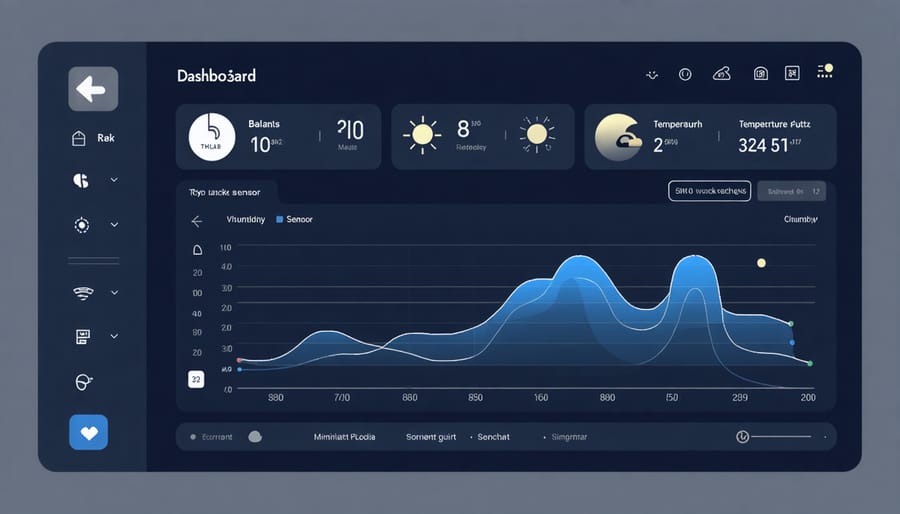
Modern climate monitoring systems are revolutionizing how we track and respond to environmental conditions in our growing spaces. These smart sensors work around the clock to measure crucial factors like temperature, humidity, and weather patterns, helping farmers make data-driven decisions for their crops.
Temperature sensors can detect subtle changes throughout the day and night, allowing growers to maintain optimal conditions for different plant varieties. Humidity monitors help prevent issues like mold and mildew by alerting farmers when moisture levels climb too high. Advanced weather stations track rainfall, wind patterns, and incoming weather systems, enabling better preparation for environmental challenges.
Many of these systems now connect to smartphone apps, making it easy to check conditions remotely and receive instant alerts when readings fall outside ideal ranges. This technology is particularly valuable for greenhouse operations and sensitive crops that require precise environmental control. Some systems even use historical data to predict potential weather-related challenges, helping farmers stay one step ahead of nature’s variables.
Practical Applications in CSA Operations
Irrigation Management
Modern sensor technology has revolutionized the way we manage irrigation in sustainable farming. By placing moisture sensors at different soil depths, farmers can now precisely monitor water needs and deliver just the right amount to their crops. These smart systems detect when plants actually need water, rather than relying on fixed schedules or guesswork.
Sarah Jensen, a small-scale organic farmer in Vermont, reduced her water usage by 40% after implementing soil moisture sensors across her two-acre vegetable farm. “The sensors showed me that I was actually overwatering my tomatoes,” she shares. “Now I save water and my yields have improved.”
Beyond simple moisture detection, advanced sensors can also measure soil temperature, nutrient levels, and even analyze weather patterns to predict irrigation needs. This data helps farmers create customized watering schedules for different crop zones, ensuring optimal growth while conserving precious water resources.
The latest sensor systems can be monitored through smartphone apps, sending real-time alerts when water levels drop below ideal thresholds. This technology has made efficient irrigation management accessible to farms of all sizes, promoting sustainable water use while maximizing crop health.
Pest and Disease Detection
Modern sensor technology has revolutionized how we detect and prevent pest infestations and plant diseases in community-supported agriculture. These smart systems act as vigilant guardians, continuously monitoring your crops for early warning signs that might escape the naked eye. Using a combination of visual sensors, moisture detectors, and temperature monitors, farmers can spot potential threats before they become major problems.
AI-powered disease detection systems can identify subtle leaf color changes, unusual growth patterns, or pest activity long before visible damage occurs. This early detection capability allows farmers to take targeted action, reducing the need for broad-spectrum treatments and supporting organic farming practices.
The sensors work together to create a comprehensive health profile of your crops, sending real-time alerts to your smartphone or computer when something seems off. For example, if moisture levels spike while temperatures remain high, the system might warn about potential fungal growth conditions. This preventive approach helps maintain crop health naturally, leading to better yields and happier CSA members who receive consistently high-quality produce.
Setting Up Your Farm’s Sensor Network
Choosing the Right Sensors
Selecting the right sensors for your farm doesn’t have to be overwhelming. The key is matching the technology to your specific needs and scale of operation. For small farms under 5 acres, a basic setup of soil moisture and temperature sensors can provide valuable insights without breaking the bank. Consider starting with 2-3 strategically placed sensors per acre to monitor your most critical growing areas.
Medium-sized farms (5-20 acres) benefit from a more comprehensive sensor network. Include light sensors, humidity monitors, and weather stations to make more informed data-driven farming decisions. We recommend one weather station per 10 acres and soil sensors every quarter acre in actively cultivated areas.
Larger operations should invest in advanced sensor systems that include crop health monitors, irrigation flow meters, and automated data collection. These systems, while initially more expensive, quickly pay for themselves through improved resource management and reduced waste.
Remember to consider:
– Water resistance ratings (IP67 or higher recommended)
– Battery life (solar-powered options are ideal)
– Wireless range capabilities
– Data storage and transmission methods
– Integration with existing farm management software
– Warranty and support options
Start small and scale up as you become comfortable with the technology. Many farmers find success by testing sensors in a small area before expanding across their entire operation.
Integration and Maintenance
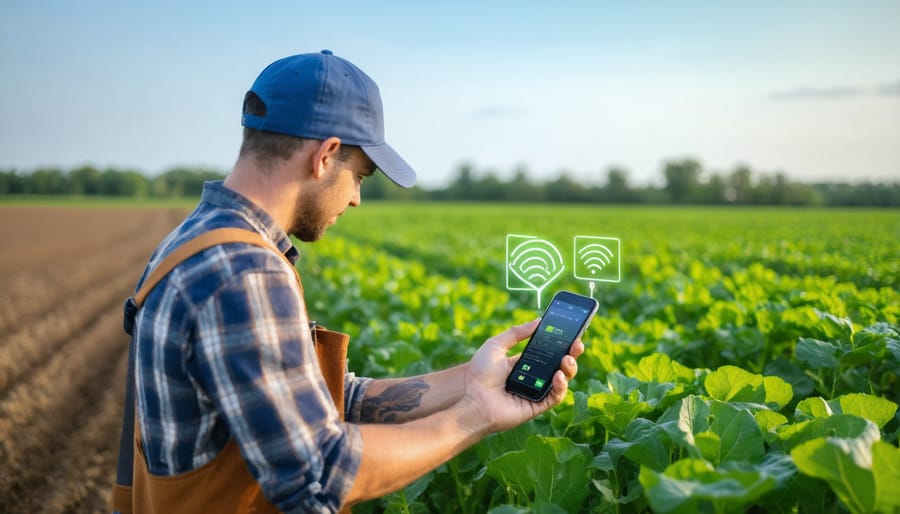
Successfully integrating advanced sensors into your farm or garden starts with careful planning and a solid understanding of your specific needs. Begin by mapping out your growing areas and identifying the key points where you’ll need to monitor conditions like soil moisture, temperature, and nutrient levels.
Once you’ve chosen your sensor locations, create a simple installation schedule that doesn’t interfere with your growing seasons. Many farmers find success by installing sensors during crop rotation periods or before new plantings. Consider starting with a small pilot area to test and familiarize yourself with the technology before expanding.
Regular maintenance is crucial for accurate readings. Develop a monthly checklist that includes cleaning sensor probes, checking battery levels, and verifying wireless connections. During the growing season, protect sensors from physical damage during activities like tilling or harvesting by marking their locations clearly.
Data management is equally important. Set up a straightforward system to track and analyze your sensor readings. Many farmers keep a digital log alongside their traditional growing records, which helps identify patterns and make informed decisions about irrigation and fertilization.
Remember to calibrate your sensors seasonally and replace any damaged components promptly. Building relationships with local tech-savvy farmers can create a valuable support network for troubleshooting and sharing best practices. Many successful CSA farmers report that proper maintenance has helped their sensor systems last for multiple growing seasons while providing reliable data.
As we’ve explored throughout this article, sensor networks are revolutionizing the way CSA farms operate, offering unprecedented insights into crop health, soil conditions, and environmental factors. These smart farming solutions not only help farmers make data-driven decisions but also strengthen the connection between producers and their community members through transparent, efficient operations.
The future of sensor technology in CSA farming looks incredibly promising. With costs decreasing and technology becoming more user-friendly, even small-scale farmers can now access tools that were once reserved for large agricultural operations. This democratization of technology means more sustainable farming practices, better crop yields, and fresher produce for CSA members.
Many farmers report that implementing sensor networks has helped them reduce water usage by up to 30% while improving crop quality. These successes demonstrate how technology can support, rather than replace, traditional farming wisdom. As we look ahead, emerging innovations like AI-powered predictions and automated response systems will further enhance the benefits of sensor networks, making sustainable farming more achievable than ever.
By embracing these technological advances, CSA farms can continue to grow, thrive, and fulfill their mission of providing fresh, local produce while building stronger, more resilient communities.
