
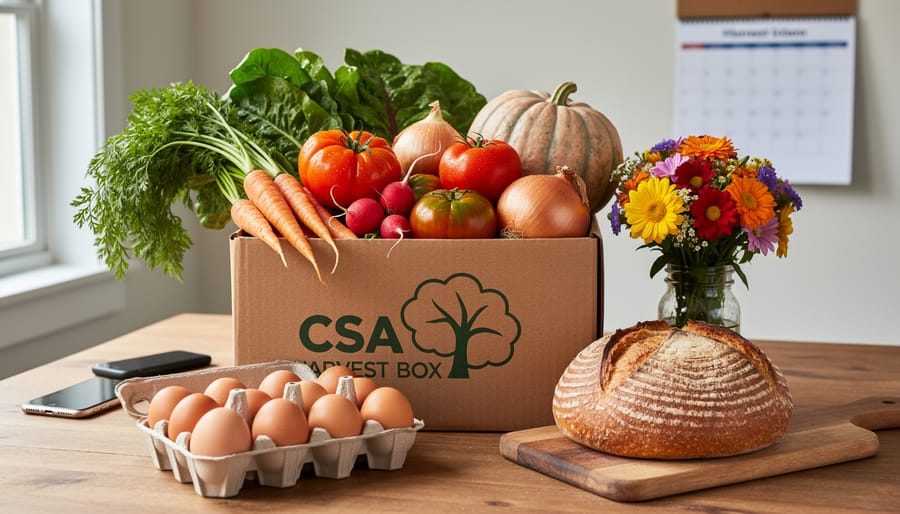
Search CSA listings between December and February when farms finalize their growing plans and open enrollment for the upcoming season. Check directory platforms twice weekly during this window, as farms frequently update their availability status and many spots fill within days of posting.
Filter listings by delivery radius first, then compare share sizes against your household’s actual consumption patterns—a half share typically provides vegetables for two adults, while full shares suit families of four or more. Look beyond price alone and evaluate what’s included: some farms offer add-ons like eggs, flowers, or bread that increase value without requiring separate subscriptions.
Contact farms directly even when listings show “waitlist” status. Many maintain informal waiting lists that move quickly as members relocate or adjust their commitments, and a personal conversation often reveals flexible payment plans or mid-season openings that aren’t advertised publicly.
Read member reviews and farm descriptions carefully for clues about communication style and flexibility. Farms that provide detailed crop lists, share photos regularly, and offer make-up weeks for missed pickups tend to create better experiences for first-time CSA members navigating the commitment.
Understanding how to interpret these listings transforms your search from overwhelming to strategic, connecting you with the right farm partnership while supporting local farmers who depend on early-season enrollment to fund their operations.
What CSA Listings Actually Tell You (And Why It Matters)
When you browse CSA listings, you’re looking at much more than just a farm’s contact information. Quality listings provide a comprehensive snapshot of what you’ll receive and how the membership works. Most include details about share sizes—typically ranging from small (perfect for 1-2 people) to family-sized portions—along with clear pricing structures. You’ll find pickup location specifics, including whether the farm offers multiple sites or delivery options, making it easier to assess convenience for your routine.
Seasonal schedules matter tremendously. Strong listings outline the distribution calendar, showing whether shares run 20 weeks, 26 weeks, or year-round. They’ll specify start dates and sometimes highlight what produce categories to expect throughout the season—early spring greens transitioning to summer tomatoes and fall squash, for example.
Farm practice descriptions reveal the farm’s growing methods. Look for certifications like organic, naturally grown, or regenerative agriculture designations. Some farmers share their sustainability commitments, pest management approaches, and soil health practices, helping you align your values with your food choices.
Here’s where real-time listings shine: availability status. Static directories might list a farm that filled its membership months ago, wasting your time. Dynamic platforms update whether shares are available now, have limited spots, or maintain waitlists. This immediacy matters when you’re ready to commit today rather than next season.
Pricing transparency also varies. Better listings break down costs per week, payment plans, and whether financial assistance programs exist to help you afford CSA produce. This upfront information helps you decide quickly without endless email exchanges, connecting you to farm-fresh food when you need it most.

Reading Between the Lines: Availability vs. Waitlist Status
When browsing CSA listings, you’ll encounter three main status categories that tell very different stories about availability. Farms accepting new members have immediate openings and can start delivering shares right away—these are your best bet if you’re eager to begin. Waitlist status means the farm has reached capacity but maintains a list for potential openings due to member relocations or cancellations. Farms at capacity without waitlists aren’t currently accepting any inquiries for the season.
Understanding these distinctions helps you make informed decisions. If a farm is accepting members, verify the start date and how many weeks remain in the season. Some farms offer mid-season enrollment at prorated rates, while others prefer members commit to full seasons. For waitlist situations, ask about typical wait times and whether spots open up frequently—some farms see 20-30 percent turnover annually, while others rarely have openings.
Before committing to any farm, regardless of status, ask essential questions: What’s included in each share? Can you skip weeks or split shares with friends? Are there pickup location options? What happens if you need to cancel? Also inquire about financial assistance options if budget is a concern—many farms offer payment plans or sliding scale pricing.
Don’t hesitate to visit the farm during open hours before joining. Meeting farmers and seeing operations firsthand often reveals whether their growing practices and community vibe align with your values.
How Real-Time CSA Listings Change the Game
There’s nothing more frustrating than discovering a CSA share you’re excited about, only to find out the listing hasn’t been updated in months and they’re actually full. Real-time CSA listings eliminate this headache by showing you exactly which farms have openings right now, saving you time and connecting you with fresh food faster.
When farms maintain current availability status, everyone wins. You avoid the disappointment of contacting multiple sold-out farms, and farmers fill their shares more efficiently. Many platforms now offer instant notifications when shares become available, letting you claim your spot before it’s gone. This is especially valuable during peak sign-up seasons when popular farms can fill up within days or even hours.
Real-time updates also help reduce food waste, a benefit that extends beyond convenience. Green Meadow Farm in Vermont offers a perfect example. Owner Sarah Chen struggled for years with last-minute cancellations that left her with excess produce and empty share slots. After implementing a real-time listing system that shows availability the moment a spot opens, she fills cancellations within 48 hours on average.
“We went from composting surplus vegetables weekly to having a waitlist that actually moves,” Sarah explains. “Members love knowing they’re getting immediate answers, and we’ve cut our food waste by nearly 40 percent. Plus, showing real-time availability builds trust with potential members who appreciate the transparency.”
The key is finding listing platforms that farms actively maintain. Look for listings with recent update timestamps or “last verified” dates. Some platforms even badge farms that commit to weekly updates, making it easier to identify reliable sources for current information.

Smart Strategies for Finding Your Perfect CSA Match
Timing Your Search for Maximum Availability
Timing matters significantly when searching for CSA shares. Most farms open their enrollment windows during late winter, typically between January and March, when they’re planning their spring planting schedules. This early-year period offers your best opportunity to secure a spot before shares fill up.
However, don’t assume you’ve missed the boat if spring has passed. Many farms experience mid-season openings when members relocate or change plans, creating unexpected availability during summer months. Some farms also offer fall or winter shares with separate enrollment periods, usually opening in August or September.
For maximum selection, check listings on weekday mornings when farms are most likely to update their availability status. Tuesday through Thursday tends to be ideal, as farmers often handle administrative tasks mid-week after weekend market activities wind down.
Keep in mind that smaller farms may have rolling enrollment throughout the season, while larger operations typically stick to structured sign-up periods. Setting up notifications or checking your preferred listing platform weekly ensures you won’t miss newly available shares. Sarah, a Pennsylvania farmer, notes that her farm posts openings immediately when spots become available, and they’re often claimed within 48 hours, highlighting the importance of regular monitoring.
Filtering by What Actually Matters to You
Not all CSAs are created equal, and what works perfectly for one person might not suit your lifestyle at all. Start by mapping out your must-haves versus nice-to-haves.
Location and pickup logistics often make or break the CSA experience. Consider how far you’re willing to travel and whether pickup times align with your schedule. Some farms offer workplace delivery or extended pickup windows, which can be game-changers for busy families.
Farm practices matter deeply to many CSA members. Look for listings that clearly state their growing methods—organic certification, pesticide-free practices, or regenerative agriculture approaches. Don’t hesitate to ask farmers directly about their methods if listings don’t provide enough detail.
Share size is crucial for avoiding waste and staying within budget. A full share typically feeds a family of four, while half-shares suit couples or smaller households. Some farms also accept SNAP benefits for CSAs, making fresh produce more accessible.
Finally, consider pickup flexibility and vacation holds. Farms with share-swapping options or the ability to pause deliveries accommodate real-life situations better. Reading member reviews in listings often reveals these practical details that make long-term membership sustainable and enjoyable.
The Waitlist Decision: When It’s Worth Joining
Finding your dream CSA on a waitlist can feel disappointing, but sometimes it’s absolutely worth the wait. The key is evaluating whether that particular farm offers something truly unique to you versus settling for an available alternative.
Consider joining a waitlist when the farm’s specific offerings align closely with your values and needs. Perhaps they’re the only certified organic option in your area, they grow specialty crops you can’t find elsewhere, or their pick-up location is literally on your commute home. If a farm has built a stellar reputation in your community, the quality and variety might justify waiting a few months rather than compromising immediately.
Before committing to a waitlist, ask the farm coordinator for realistic timeframe expectations. Some waitlists move quickly with seasonal turnover, while others might keep you waiting an entire growing season. Also inquire whether they offer partial-season shares or late-summer spots that might open sooner.
Managing your expectations is crucial for a positive experience. If you join a waitlist, don’t put all your eggs in one basket. Consider signing up for a half-share with an available farm while waiting, or explore farmers markets to support local agriculture in the interim. This approach keeps you connected to fresh, local produce without missing out entirely.
Remember, waitlists often indicate high-quality farms with satisfied members. Sarah Martinez joined a waitlist for Heritage Harvest Farm and waited four months, but she says the farm’s heirloom tomatoes and exceptional communication made it completely worthwhile. Sometimes good things really do come to those who wait.
Making the Most of Your CSA Once You’re In
Once you’ve secured your CSA membership through accurate listings, maximizing your experience becomes the next rewarding step. Start by embracing seasonal eating—plan meals around your weekly share rather than fighting against it. This approach reduces waste and introduces you to vegetables you might never have tried otherwise.
Keep a running list of recipes that work well with common CSA items like kale, summer squash, or root vegetables. Many farms share recipe ideas through newsletters or member Facebook groups, creating valuable community connections.
Storage matters too. Invest in proper produce bags and learn which items prefer the crisper drawer versus countertop ripening. When abundance strikes, freeze, pickle, or share extras with neighbors rather than letting food spoil.
Building a relationship with your farmers enriches the entire experience. Attend farm events, ask questions about growing practices, and provide feedback about your favorite items. These connections deepen your understanding of where food comes from and the work behind each harvest.
Remember that finding the right CSA through detailed listings sets the foundation for this journey. Many farms also offer flexible payment plans or accept SNAP benefits, making CSAs affordable for diverse households while supporting your local food system.

Finding the perfect CSA match starts with checking real-time listings regularly, as availability changes quickly during peak sign-up seasons. By joining a local CSA, you’re not just securing fresh, seasonal produce for your table—you’re investing in your community’s food security, supporting small-scale farmers who practice sustainable agriculture, and significantly reducing your environmental footprint by eliminating long-distance food transportation. The relationships you’ll build with your farmers and fellow members create connections that extend far beyond the weekly harvest basket. Whether you’re motivated by health, sustainability, or simply craving the incomparable taste of just-picked vegetables, there’s a CSA farm waiting to welcome you. Take a moment today to explore the available farms in your area. Check their current availability status, review their growing practices, and don’t hesitate to reach out with questions. Your journey toward eating more seasonally and locally begins with that first step—and the rewards will nourish you and your community for seasons to come.
