
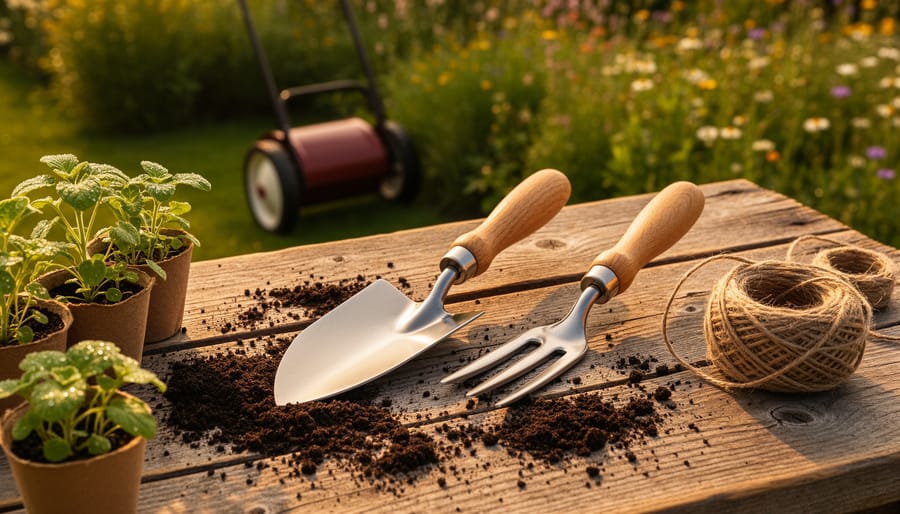
Switch to stainless steel hand tools instead of plastic-handled alternatives—they last decades longer and won’t leach chemicals into your soil or end up in landfills within a few seasons. Choose FSC-certified wooden handles when metal isn’t an option, as responsibly harvested wood biodegrades naturally and reduces your carbon footprint by up to 60% compared to synthetic materials.
Replace gas-powered equipment with manual alternatives like push reel mowers and hand cultivators for small to medium gardens. You’ll eliminate emissions entirely while building strength and connecting more intimately with your plants. For larger properties, invest in battery-powered electric tools that produce zero direct emissions and operate quietly enough to garden early morning without disturbing neighbors or wildlife.
Maintain your tools properly to extend their lifespan indefinitely. Clean metal surfaces after each use, apply food-grade mineral oil to wooden handles monthly, and sharpen blades seasonally rather than replacing entire tools. This simple routine transforms a five-year tool into a lifetime investment you can eventually pass down.
Source tools secondhand from estate sales, farming cooperatives, or community garden exchanges. Pre-owned equipment carries no manufacturing footprint and often features superior craftsmanship from eras when tools were built to last generations. Many experienced gardeners have discovered their most reliable implements came from someone’s grandfather’s shed rather than a big-box retailer.
Why Your Gardening Tools Matter More Than You Think
You might not realize it, but your gardening tools carry a hidden environmental footprint that extends far beyond your backyard. Traditional tools often rely on energy-intensive manufacturing processes, non-renewable materials like virgin plastics and metals mined through harmful extraction methods, and coatings that can leach chemicals into your soil. When these tools break or wear out—which happens faster with lower-quality options—they typically end up in landfills where they can take centuries to decompose.
Think about it this way: if you’re putting effort into growing organic vegetables or composting kitchen scraps, using tools that contradict those values doesn’t quite align with your sustainable goals. Every gardening decision creates a ripple effect in your local ecosystem and beyond.
The good news? Making mindful choices about your tools is surprisingly simple and supports the same philosophy that drives organic farming communities. Sarah, a small-scale farmer in Ontario, made the switch to eco-friendly tools three years ago and noticed her garden waste decreased significantly while her tools lasted longer. She discovered that sustainable options often mean better quality, not just better ethics.
By choosing tools made from renewable resources, recycled materials, or designed for longevity, you’re investing in both your garden’s health and the planet’s future. These choices complement other sustainable practices you’re already embracing, creating a truly holistic approach to gardening that feels authentic and achievable.
What Makes a Garden Tool Truly Eco-Friendly
Not all tools labeled “eco-friendly” actually live up to the promise. Understanding what genuinely makes a garden tool sustainable helps you make informed choices that benefit both your garden and the planet.
The materials matter most. Look for tools crafted from renewable resources like FSC-certified wood, bamboo, or recycled metals. These materials reduce demand for virgin resources and often have a smaller carbon footprint. Avoid plastic handles when possible, as they’re petroleum-based and rarely recyclable. Sarah Chen, an organic farmer from Vancouver, shares her approach: “I always check what a tool is made from before buying. My grandfather’s wooden-handled spade still works perfectly after 40 years, while plastic tools break within seasons.”
Durability goes hand-in-hand with sustainability. A well-made tool that lasts decades prevents waste far better than cheap alternatives requiring frequent replacement. Quality construction means tighter joints, thicker metal, and robust connections between parts.
Repairability extends a tool’s lifespan even further. Can you replace the handle? Sharpen the blade? Find spare parts? Tools designed for repair rather than disposal align perfectly with sustainable gardening practices and save money long-term.
Ethical manufacturing also matters. Companies committed to fair labor practices, local production, and transparent supply chains demonstrate genuine environmental responsibility beyond just the product itself.
Here’s a simple evaluation framework: Ask yourself four questions before purchasing. Is it made from sustainable materials? Will it last for years? Can I repair it if needed? Does the company prioritize ethical practices? If you answer yes to most of these, you’ve found a truly eco-friendly tool worth investing in.
Essential Eco-Friendly Hand Tools Every Beginner Needs
Hand Trowels and Cultivators
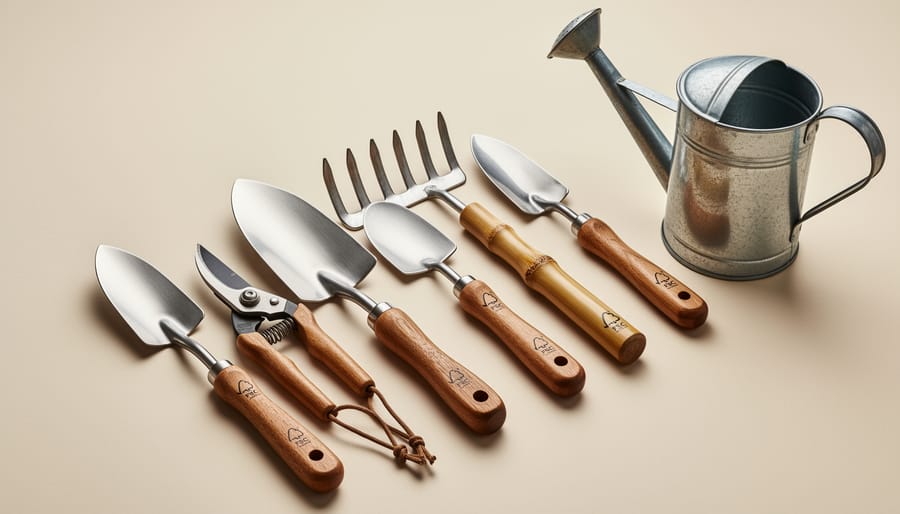
Hand trowels and cultivators are essential for every gardener, and choosing eco-friendly versions means you’ll have tools that last decades while minimizing environmental impact. Look for trowels with stainless steel blades, which resist rust naturally without chemical coatings and can be sharpened repeatedly for extended life. The best handles feature FSC-certified wood from responsibly managed forests, offering both comfort and sustainability.
Many manufacturers now craft handles from recycled materials like reclaimed hardwood or even recycled plastic, giving new life to materials that would otherwise end up in landfills. When selecting your tools, prioritize durability over price. A well-made trowel might cost more initially but will outlast several cheap alternatives, ultimately reducing waste and saving money.
Sarah Chen, an organic farmer in Oregon, shares this advice: “I’ve used the same stainless steel trowel with a walnut handle for fifteen years. It’s developed a beautiful patina and feels like an extension of my hand.” Test the weight and grip before purchasing, ensuring the tool feels balanced in your hand. Check that metal components are securely attached to handles, as loose connections indicate poor craftsmanship. Store your tools in a dry location and occasionally rub wooden handles with food-grade mineral oil to prevent cracking and ensure they serve you for years to come.
Pruning Shears and Garden Scissors
Quality pruning shears are gardening essentials that can last decades when chosen thoughtfully. Look for models with high-carbon steel blades, which maintain their edge longer and require less frequent replacement than cheaper alternatives. This durability means fewer tools ending up in landfills over your gardening lifetime.
Bamboo-handled options offer an excellent eco-friendly choice, combining sustainable materials with comfortable grips. Bamboo grows rapidly without pesticides and provides natural antimicrobial properties that help handles stay fresh through years of use.
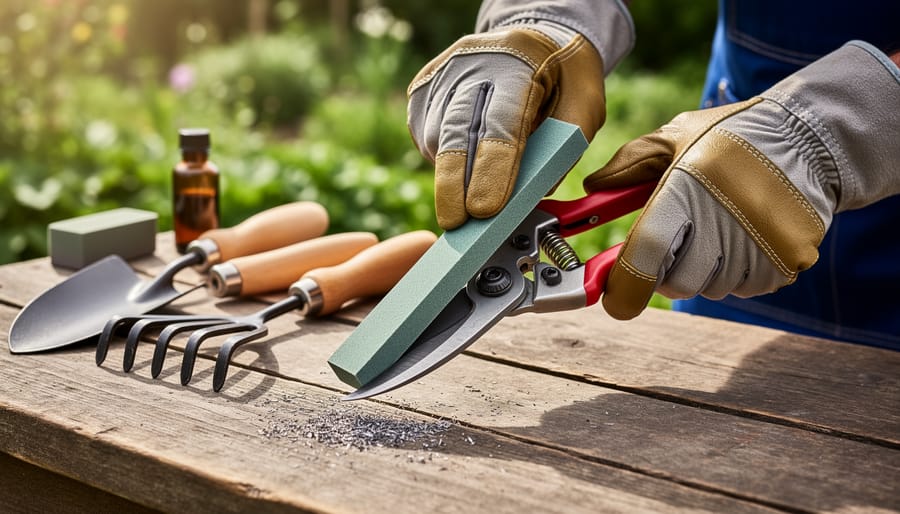
The real sustainability secret? Regular sharpening. Many gardeners replace dull shears annually, but simple maintenance extends tool life dramatically. Local hardware stores often offer sharpening services, or you can learn this rewarding skill yourself with an inexpensive whetstone. One organic farmer I know still uses the same pruning shears her grandmother passed down forty years ago, simply sharpening them each spring. This maintain-don’t-replace mindset saves money while significantly reducing your environmental footprint. Clean blades after each use and oil them monthly to prevent rust, ensuring your investment serves you for generations.
Rakes, Hoes, and Spades
When choosing larger hand tools, prioritize sustainable materials that’ll serve you for years. Bamboo handles offer excellent strength while being rapidly renewable, and FSC-certified hardwood provides durability from responsibly managed forests. Stainless steel heads resist rust and eliminate the need for toxic coatings, making them a smart long-term investment.
Quality assessment starts with the connection point between handle and tool head. Look for forged construction rather than welded joints, as these withstand heavy use without separating. The weight should feel balanced in your hands, not top-heavy. Run your fingers along wooden handles to check for smooth, splinter-free finishes that won’t require frequent replacement.
Local farmer Maria Torres shared that her grandfather’s ash-handled spade still works beautifully after 40 years of garden use. “Quality tools become family heirlooms,” she notes. Consider visiting farm supply stores where staff can guide you toward brands known for longevity. Remember, buying one well-made tool beats replacing cheap versions repeatedly, reducing waste while saving money over time.
Watering Tools
Choosing the right watering tools makes a real difference in water conservation. Copper or galvanized steel watering cans are excellent sustainable choices that last for decades, unlike plastic versions that crack and end up in landfills. These metal options develop a beautiful patina over time and can be repaired if damaged.
For hoses, consider natural rubber or recycled rubber alternatives instead of vinyl. They’re more durable and free from harmful chemicals that can leach into your soil. Look for drinking-water-safe certifications to ensure you’re not introducing toxins to your organic garden beds.
Rain barrel systems represent one of the smartest investments for eco-conscious gardeners. By capturing runoff from your roof, you’ll reduce water bills while providing chlorine-free water that plants actually prefer. Many local farmers have cut their water usage by 40% after installing basic rain collection systems. Start with one barrel and expand as you see the benefits. Even a small 50-gallon barrel can water a modest vegetable garden through dry spells, making your growing practices more sustainable and resilient.
Smart Alternatives to Power Tools
Before you rush to buy the latest battery-powered gadget, consider giving manual tools a try. They’re quieter, require zero fuel or electricity, and offer a surprisingly satisfying gardening experience. Plus, you’ll get a bit of exercise while tending your plot.
Push reel mowers are perfect for small to medium lawns, typically under a quarter-acre. They work beautifully on level ground and provide a clean cut when blades are kept sharp. Modern versions glide easier than you’d expect, and the gentle swishing sound beats engine noise any day. However, be honest about your terrain. If you’re dealing with steep slopes or thick, overgrown grass, a push mower becomes frustrating fast.
Manual edgers and rotary cultivators shine in defined garden beds and borders. A half-moon edger creates crisp lines around flower beds with just a few firm pushes, while a wheel cultivator breaks up soil for planting without disturbing beneficial organisms too deeply. These tools require some muscle but work wonders for smaller areas.
Hand weeders deserve special mention for their precision. A good hori-hori knife or dandelion digger gets roots out completely, preventing regrowth better than many powered options. They’re ideal for spot-weeding and tight spaces between vegetables.
Local farmer Maria Gonzalez manages her two-acre market garden primarily with manual tools. “I use a wheel hoe for my crop rows,” she shares. “It’s faster than you’d think, and I never worry about battery life during peak season.” Her approach proves that hand tools aren’t just nostalgic options, they’re legitimate choices for serious growers.
The key is matching tools to your garden’s scale and your physical capabilities. Start with one or two manual alternatives and see how they fit your routine.
Materials That Make the Difference
Sustainable Woods and Bamboo
When shopping for wooden or bamboo gardening tools, look for the FSC (Forest Stewardship Council) certification mark. This label ensures the wood comes from responsibly managed forests that protect biodiversity and worker rights. Think of it as organic certification for lumber – it guarantees sustainable harvesting practices that keep forests healthy for future generations.
Bamboo deserves special attention as a gardening tool material. This fast-growing grass reaches maturity in just three to five years, compared to decades for hardwood trees. It’s naturally antimicrobial, incredibly strong, and biodegradable at the end of its life. Many local farmers swear by bamboo-handled tools for their lightweight comfort during long planting sessions.
Caring for wooden handles is simple and rewarding. Wipe them clean after each use and occasionally rub in food-grade mineral oil or beeswax to prevent cracking. Store tools in a dry location, and they’ll serve you faithfully for years. One community gardener shared that her grandmother’s wooden spade, now over 40 years old, still works beautifully thanks to regular oiling – a testament to quality sustainable materials.
Recycled and Upcycled Materials
Choosing tools made from recycled and upcycled materials gives new life to discarded items while reducing demand for virgin resources. Many manufacturers now craft durable garden tools from recycled plastic bottles, transforming waste into sturdy handles and tool bodies that withstand years of use. These recycled plastic options perform just as well as traditional materials while keeping plastic out of landfills.
Repurposed metal tools offer another sustainable choice. Some companies forge garden implements from reclaimed steel and aluminum, creating quality trowels, rakes, and cultivators with a smaller environmental footprint. The durability of metal means these tools often outlast their conventional counterparts.
Getting creative with upcycling opens endless possibilities. Old kitchen utensils become dibbers for planting seeds, while worn-out buckets transform into containers for tool storage or compost collection. Local farmer Maria Santos shares her favorite tip: “I use repurposed wine bottles as garden edging and old wooden pallets as trellises. It’s amazing what you can reimagine with items headed for the trash.” This approach not only reduces waste but also adds unique character to your garden while saving money on new purchases.
Naturally Durable Metals
Investing in tools made from naturally durable metals means you’ll buy fewer replacements over your gardening lifetime, which is great news for both your wallet and the planet. Stainless steel stands out as the champion choice because it resists rust naturally without chemical coatings, making it perfect for trowels, pruners, and cultivators that face constant soil contact. Copper tools offer another excellent option, naturally inhibiting fungal growth while developing a beautiful patina that actually protects the metal underneath. For budget-conscious beginners, look for tools with forged carbon steel blades, which sharpen easily and last for decades when properly maintained. Local farmer Maria Rodriguez shared that her grandfather’s copper watering wand still works perfectly after forty years of daily use. These metals might cost more upfront, but their longevity means less manufacturing waste and fewer tools ending up in landfills. A quick rinse and occasional oiling keeps metal tools in peak condition for generations of gardening adventures.
Making Your Current Tools Last Longer
Before investing in new eco-friendly tools, let’s talk about maximizing what you already own. The greenest tool is the one that doesn’t need replacing, and with proper care, your existing equipment can serve you beautifully for years to come.
Start with a simple post-use cleaning routine. After each gardening session, remove soil and debris with a stiff brush or cloth. For metal tools, wipe blades with an oily rag to prevent rust. This two-minute habit prevents buildup that accelerates deterioration and keeps your tools ready for action.
Store your tools properly to protect your investment. Hang them in a dry shed or garage rather than leaving them exposed to moisture. Wooden handles appreciate a coat of linseed oil annually, which prevents cracking and splitting. Think of it as feeding your tools the way you nourish your garden.
Sharpening makes a remarkable difference in tool performance and longevity. Dull blades require more force, increasing wear on both the tool and your body. A simple metal file works wonders on pruners and hoes. Run it along the blade at the original bevel angle about ten times per side. Sharp tools cut cleanly, reducing plant stress and making your work more enjoyable.
Learn basic repairs before discarding broken tools. Replace loose handles, tighten screws, and sand rough spots. Local farmers often develop these skills out of necessity. Maria, who runs a thriving CSA outside Vancouver, repairs handles using reclaimed wood, extending tool life while embracing sustainable material choices that align with her farm’s values.
Where to Find Eco-Friendly Garden Tools
Finding eco-friendly garden tools doesn’t require hours of research or breaking the bank. Start by exploring your local farmers markets, where vendors often sell handcrafted wooden tools and can point you toward sustainable suppliers in your area. These connections prove invaluable for beginners building their eco-conscious toolkit.
Consider joining a tool library or community garden sharing program. These innovative spaces let you borrow quality tools before investing in your own, helping you discover what works best for your gardening style while reducing consumption. Many libraries stock both vintage metal tools and modern sustainable options.
Secondhand shops, estate sales, and online marketplaces offer treasure troves of durable vintage tools. Look for solid wood handles and metal heads that just need cleaning or minor repairs. These pre-loved tools often outlast newer alternatives and keep perfectly functional items out of landfills.
When purchasing new tools, research brands committed to sustainability. Look for companies using FSC-certified wood, recycled metals, and transparent manufacturing processes. Read customer reviews focusing on durability rather than just price.
Be cautious of greenwashing claims. Genuine eco-friendly brands provide specific details about materials, sourcing, and production methods. If a product simply says “eco” or “green” without explanation, dig deeper. Local farmers who’ve transitioned to sustainable practices can be excellent resources for recommendations. Sarah Chen, an organic farmer in Vermont, shares that her favorite suppliers often participate in take-back programs, recycling old tools into new products. These circular economy practices represent the future of truly sustainable gardening.
Real Gardener Story: Sarah’s Transition to Sustainable Tools
When Sarah started her backyard garden three years ago, she grabbed whatever tools were cheapest at the local hardware store. Within months, her plastic hand tools cracked, and her wooden-handled spade developed splinters. Frustrated but determined, she began researching sustainable alternatives.
Her transition started small. She replaced her broken trowel with a secondhand stainless steel version from a yard sale for just five dollars. Next came bamboo plant markers instead of plastic ones. The biggest investment was a quality stainless steel digging fork that cost seventy dollars, but it replaced three cheaper tools she’d already worn through.
The real challenge? Breaking the habit of impulse-buying garden gadgets. Sarah learned to pause and ask herself if she truly needed each tool or if something she already owned could do the job. She started borrowing specialized equipment from her community garden instead of purchasing rarely-used items.
After three years, Sarah estimates she’s saved over two hundred dollars by investing in durable tools rather than repeatedly replacing cheap ones. Her garden shed contains half as many tools as before, and she’s diverted approximately fifteen pounds of plastic and metal waste from landfills. Best of all, her quality tools make gardening more enjoyable and efficient, encouraging her to spend more time growing her own organic vegetables.
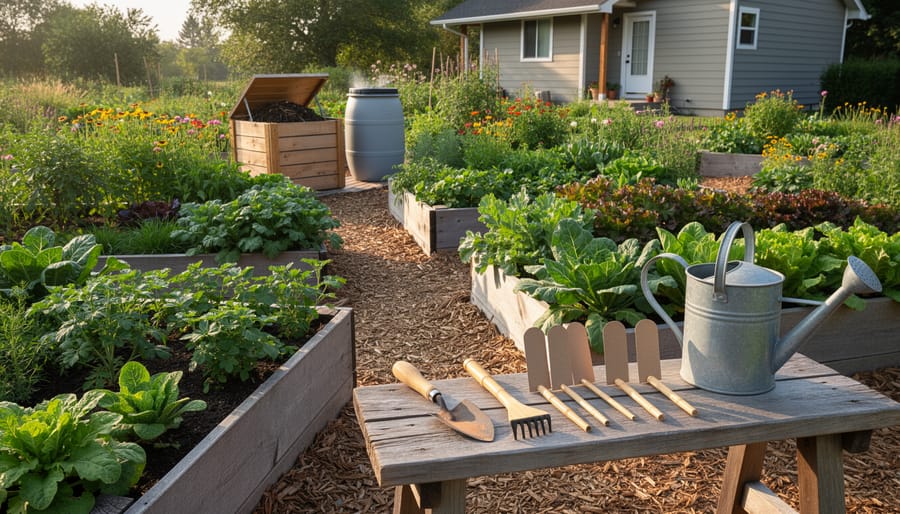
Starting your eco-friendly gardening journey doesn’t require a complete overhaul of your toolkit overnight. Begin with just one or two sustainable tools that fit your immediate needs, whether that’s a bamboo hand trowel or a simple pair of recycled steel pruners. Every conscious choice you make ripples through your local ecosystem and connects you to a larger community of growers who value organic practices and environmental stewardship. Many CSA farmers started exactly where you are now, swapping out conventional tools one at a time while learning what works best for their soil and plants. As you cultivate your garden with earth-friendly tools, you’re not just growing vegetables or flowers—you’re participating in a movement that prioritizes soil health, reduces waste, and supports sustainable agriculture. Remember, the most sustainable tool is the one you’ll actually use regularly and maintain well. Your small steps today contribute to healthier gardens, thriving local food systems, and a greener tomorrow for everyone.
