

Food allergies affect approximately 32 million Americans, with nine specific foods responsible for 90% of all allergic reactions. Understanding these allergens isn’t just about avoiding danger—it’s about making informed choices that support your health and well-being.
The Big Nine allergens include milk, eggs, fish, shellfish, tree nuts, peanuts, wheat, soybeans, and sesame. Each triggers immune responses ranging from mild hives to life-threatening anaphylaxis, making awareness essential for anyone preparing meals or shopping for groceries.
Here’s what makes this knowledge particularly relevant for organic food enthusiasts: how these foods are grown, processed, and handled significantly impacts allergenic potential. Conventional farming practices often introduce additional proteins and chemical residues that can complicate allergic responses, while organic farming methods prioritize purity and transparency.
Whether you’re managing allergies yourself, cooking for family members with sensitivities, or simply want to understand what goes into your body, recognizing these nine foods empowers better decisions. Local organic farmers and CSA programs offer unique advantages—direct communication about growing practices, reduced cross-contamination risks, and produce free from synthetic pesticides that might intensify allergic reactions.
This guide explores each allergenic food in detail, examining why they trigger immune responses, how organic cultivation affects allergen levels, and practical strategies for safely navigating your food choices. You’ll discover that managing food allergies doesn’t mean sacrificing flavor, nutrition, or the joy of eating—it means choosing wisely and sourcing thoughtfully.
Why These 9 Foods Account for 90% of Allergic Reactions
Food allergies affect millions of people worldwide, but here’s something fascinating: about 90% of all allergic reactions come from just nine specific foods. So what makes these particular foods such common triggers?
The answer lies in their protein structures. Each of these foods contains specific proteins that our immune systems can sometimes mistake as threats. When this happens, the body launches a defensive response, releasing chemicals like histamine that cause everything from mild itching to severe reactions.
Think of these proteins as unique molecular fingerprints. The proteins in milk differ completely from those in peanuts, which is why someone allergic to dairy might enjoy peanut butter without issue. These particular nine foods share something in common though: their proteins are especially stable and resistant to breakdown during digestion and cooking, giving our immune systems more opportunity to react.
Understanding which foods cause most allergic reactions helps us make informed choices, whether we’re growing food, shopping at farmers markets, or planning meals for our families. The good news? Knowing what to watch for puts you in control of managing allergens effectively while still enjoying wholesome, nutritious foods.
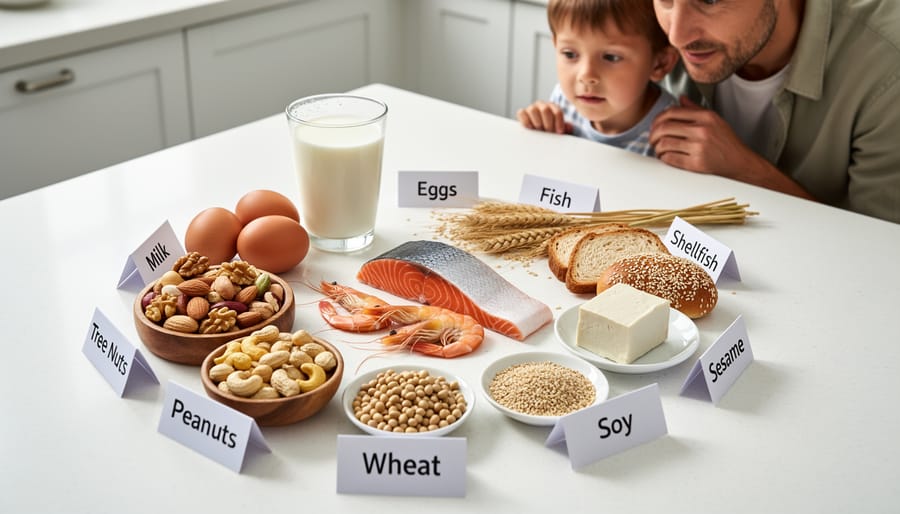
The Big Nine: Breaking Down Each Allergenic Food
Milk and Dairy Products
It’s important to distinguish between lactose intolerance and milk protein allergy. Lactose intolerance involves difficulty digesting milk sugar, while a true milk allergy triggers an immune response to proteins in dairy products. This distinction matters when exploring dairy alternatives.
Choosing organic dairy makes a meaningful difference. Organic farmers raise cows without synthetic hormones or routine antibiotics, resulting in cleaner milk production. These practices align with sustainable farming principles that protect both animal welfare and environmental health. Grass-fed organic dairy takes it further—cows grazing on pasture produce milk with higher omega-3 fatty acids and beneficial nutrients. Many local organic farmers have found success by transitioning their herds to pasture-based systems, creating products that resonate with health-conscious consumers. The organic dairy benefits extend beyond allergen concerns, supporting your overall wellness and local farming communities simultaneously.
Eggs
Egg allergies typically stem from proteins found in egg whites, though some people react to yolk proteins as well. Here’s where things get interesting: what chickens eat directly impacts the nutritional profile of their eggs. Conventionally raised hens often consume grain-based feeds that may contain pesticides and antibiotics, which can affect egg composition. Pasture-raised organic chickens, on the other hand, forage on diverse grasses, insects, and seeds while enjoying chemical-free feed supplements. This natural diet produces eggs with higher omega-3 fatty acids and lower inflammatory markers. Many local organic farmers have observed that customers with mild egg sensitivities sometimes tolerate pasture-raised organic eggs better than conventional varieties. While this doesn’t mean they’re safe for everyone with egg allergies, the difference in production methods matters for overall inflammation levels in your body. Supporting small-scale egg producers at farmers markets means you’ll know exactly what those chickens ate and how they lived.
Peanuts
Peanut allergies rank among the most severe food allergies, potentially triggering life-threatening anaphylaxis even from tiny exposures. Beyond the allergenic proteins themselves, conventionally grown peanuts present additional concerns. These legumes grow underground where they’re susceptible to mold contamination, particularly aflatoxins—naturally occurring toxins that can persist even after processing. Conventional peanut farming also relies heavily on pesticides to combat soil-borne pests and diseases. Organic peanuts offer a cleaner alternative, grown without synthetic pesticides and subject to stricter aflatoxin testing standards. Many small-scale organic farmers use crop rotation and careful soil management to minimize contamination risks naturally. While organic peanuts won’t eliminate allergic reactions for those with sensitivities, they reduce exposure to additional chemical residues and toxins. If you’re managing peanut allergies in your household, choosing organic varieties from local farms means you can often speak directly with growers about their testing protocols and farming practices—something impossible with conventional grocery store options.
Tree Nuts
Tree nuts—including almonds, walnuts, cashews, pecans, and pistachios—rank among the most common food allergens, affecting millions of people worldwide. Unlike some childhood allergies, tree nut sensitivities typically persist throughout life and can trigger severe reactions. Cross-contamination poses a significant challenge, as these nuts are often processed in shared facilities. What many don’t realize is that conventional farming practices may compound the problem. Pesticide residues on tree nuts can potentially intensify allergic responses in sensitive individuals. This is where organic farming shines. By eliminating synthetic pesticides and following strict organic protocols, farmers like Sarah Martinez from Green Valley Organics have created safer options for allergy-prone consumers. Her family-run organic walnut and almond orchard has become a trusted source for local families managing nut allergies. When sourcing tree nuts, choosing organic varieties from local farms through Community Supported Agriculture programs ensures you’re getting products with minimal chemical residues, giving you one less variable to worry about when managing these tricky allergens.
Fish and Shellfish
Seafood allergies affect millions, with reactions ranging from mild hives to severe anaphylaxis. While both fish and shellfish can trigger responses, they’re distinct allergens—many people react to one but not the other. The quality and sourcing of your seafood matters significantly. Fish raised in crowded, chemical-treated farms may contain higher histamine levels due to stress and poor water conditions, potentially intensifying allergic reactions. This is where sustainable, clean-water sourcing becomes crucial. Wild-caught fish from pristine waters and responsibly farmed options raised without antibiotics or synthetic chemicals tend to be fresher and lower in histamine. Consider connecting with local fisheries that practice regenerative ocean farming or support CSA programs offering traceable seafood. One coastal farmer shares how their clean-water oyster beds produce shellfish with remarkable freshness, reducing histamine buildup that occurs in seafood from questionable sources. When managing seafood allergies, knowing your source isn’t just about sustainability—it’s about safety.
Wheat and Gluten
Wheat triggers reactions in many people, but it’s important to understand the difference between celiac disease—an autoimmune condition requiring strict gluten avoidance—and wheat sensitivity, which causes digestive discomfort without intestinal damage. Modern wheat varieties have been bred for higher gluten content and pest resistance, which some researchers believe may contribute to increased sensitivity. Additionally, conventional wheat is often treated with glyphosate before harvest, and residues may worsen reactions in sensitive individuals. Many people who struggle with commercial wheat discover they can tolerate organic heritage grains like spelt, einkorn, or kamut, which contain different gluten structures and are grown without synthetic pesticides. These ancient varieties also offer superior nutritional profiles with higher mineral content. Several organic farmers in our community have successfully reintroduced heritage wheat cultivation, finding strong demand from health-conscious consumers who appreciate both the gentler digestibility and the commitment to preserving agricultural biodiversity.
Soy
Soy allergies affect roughly 0.4% of children, with reactions ranging from mild hives to severe anaphylaxis. The culprit is soy protein, found in countless processed foods, making label-reading essential for those with sensitivities. Many people also worry about genetically modified organisms in conventional soy products. Here’s good news: organic, non-GMO soy offers a cleaner alternative for those managing allergies or seeking to minimize exposure to pesticides and genetic modification. Local organic farmers are increasingly growing heritage soy varieties specifically for health-conscious consumers. These traditionally cultivated soybeans provide the same nutritional benefits—complete protein, healthy fats, and essential minerals—without the genetic tampering concerns. When sourcing soy products like tofu, tempeh, or edamame, choosing certified organic options from your CSA or farmers market ensures you’re getting pure, sustainably grown legumes that support both your health and local agricultural communities.
Sesame
Sesame became the ninth major food allergen officially recognized by the FDA in 2021, requiring labeling on packaged foods sold after January 2023. This tiny seed packs a powerful allergenic punch, affecting an estimated 1.6 million Americans with reactions ranging from mild hives to severe anaphylaxis. You’ll find sesame hiding in unexpected places—burger buns, crackers, hummus, salad dressings, and even some cosmetics—making it particularly tricky to avoid.
Here’s where organic sourcing makes a real difference: choosing certified organic products means clearer ingredient transparency and fewer mysterious additives that might contain hidden sesame derivatives. Many small-scale organic farmers are now growing sesame locally, giving you direct access to pure, traceable ingredients. When you know your farmer and can ask exactly what goes into your food, managing sesame allergies becomes significantly easier. Consider connecting with local CSA programs that emphasize allergen-aware growing practices, where farmers understand cross-contamination risks and maintain separate processing areas for allergenic crops.
Corn
While corn isn’t among the top eight allergens, sensitivities to this grain are increasingly common, and understanding why can help you make better food choices. Most conventional corn in North America is genetically modified and heavily treated with pesticides like glyphosate, which can trigger reactions in sensitive individuals even when the corn protein itself isn’t the culprit.
Many people who struggle with conventional corn products find they tolerate organic, non-GMO varieties much better. This suggests that the issue often lies not with corn itself, but with how it’s grown. Organic farmers use traditional seed varieties and avoid synthetic pesticides, resulting in cleaner, more naturally grown produce.
If you suspect corn sensitivity, consider sourcing from local organic farms where you can learn about growing practices firsthand. Small-scale farmers often grow heirloom corn varieties that haven’t been modified, and many report that their customers experience fewer digestive issues with these heritage grains. Supporting these growers through farmers markets or CSA programs gives you access to corn you can trust while helping preserve traditional farming methods.
How Organic Farming Practices May Reduce Allergy Triggers
Growing evidence suggests that the connection between organic produce and allergies goes deeper than many realize. While organic farming won’t eliminate food allergies entirely, it may help reduce additional triggers that compound allergic responses.
The most compelling factor involves pesticide residues. Conventional farming relies on synthetic pesticides that can remain on produce even after washing. Research indicates these chemical residues may irritate an already sensitive immune system, potentially intensifying allergic reactions. Organic practices eliminate this additional burden, giving your body one less thing to process.
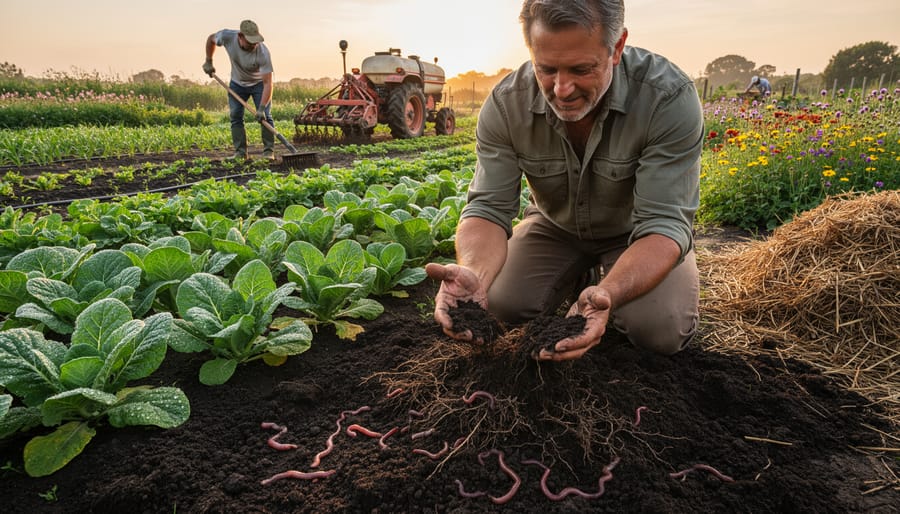
Soil health plays a surprising role too. Organic farms build nutrient-rich soil through composting, crop rotation, and natural amendments rather than synthetic fertilizers. This living soil produces crops with higher levels of beneficial compounds like antioxidants and polyphenols. These nutrients support immune function and may help your body better regulate inflammatory responses associated with allergies.
Take the story of Sarah Chen, an Ontario organic farmer who switched from conventional methods five years ago. She noticed her own seasonal allergies improved significantly after working daily with organic soil and produce. “I didn’t expect it, but reducing my exposure to farm chemicals made a real difference,” she shares. While anecdotal, her experience mirrors emerging research on chemical load and immune health.
Scientists are now exploring how the diverse microbial communities in organic soil might transfer to produce, potentially supporting gut health. Since gut bacteria influence immune responses, this connection could explain why some people report fewer allergy symptoms when eating organic foods.
The reduced chemical load matters especially for children and those with existing sensitivities. Dr. Maria Rodriguez, an immunologist studying environmental triggers, notes that “minimizing unnecessary chemical exposure allows the immune system to function more efficiently, which benefits everyone but especially those managing allergies.”
While more research is needed, choosing organic options represents a practical step toward reducing potential triggers while supporting farms that prioritize soil and environmental health.
Real Stories: Families Finding Relief Through Organic CSA Programs
When the Martinez family’s eight-year-old daughter began experiencing mysterious digestive issues and skin reactions, they spent months eliminating different foods from her diet. Traditional grocery store produce seemed to trigger flare-ups, even items labeled as healthy options. That’s when they discovered Green Valley CSA, a local organic farm just twenty minutes from their home.
“Within three weeks of switching to their CSA box, we noticed Emma’s symptoms improving,” shares Maria Martinez. “The farmer explained how their soil management and crop rotation naturally reduce cross-contamination risks. No synthetic pesticides meant fewer chemical residues that might have been aggravating her sensitivities.” The family appreciated knowing exactly where their food came from and could speak directly with the growers about their practices. This transparency gave them confidence they couldn’t find in supermarket aisles.
Across town, farmer Tom Richardson witnessed the impact firsthand when he transitioned his family farm to certified organic methods five years ago. “We started our CSA program because we wanted to connect with families facing similar struggles my own son had with food sensitivities,” he explains. Tom now serves forty-five member families, many of whom joined specifically seeking cleaner produce options for managing allergies and intolerances.
His CSA members frequently report that the freshness factor makes a difference too. Produce harvested within 24 hours of delivery retains more nutrients and hasn’t been exposed to the extended transportation and storage conditions that can introduce contaminants. The community aspect creates a support network where families share recipes and tips for navigating dietary restrictions together, transforming what once felt isolating into a shared journey toward better health.
Practical Steps for Managing Food Allergies with Organic Options
Managing food allergies while embracing organic options doesn’t have to feel overwhelming. Start by gradually transitioning to organic versions of the allergenic foods you’re monitoring. When introducing allergens to children or testing your own tolerance, organic choices reduce exposure to pesticides and potentially inflammatory substances that might complicate reactions.
Reading labels becomes your superpower. Look for certified organic seals and familiarize yourself with terms like “Non-GMO Project Verified” and “USDA Organic.” Remember that organic products still require careful allergen label reading, as cross-contamination can occur during processing.
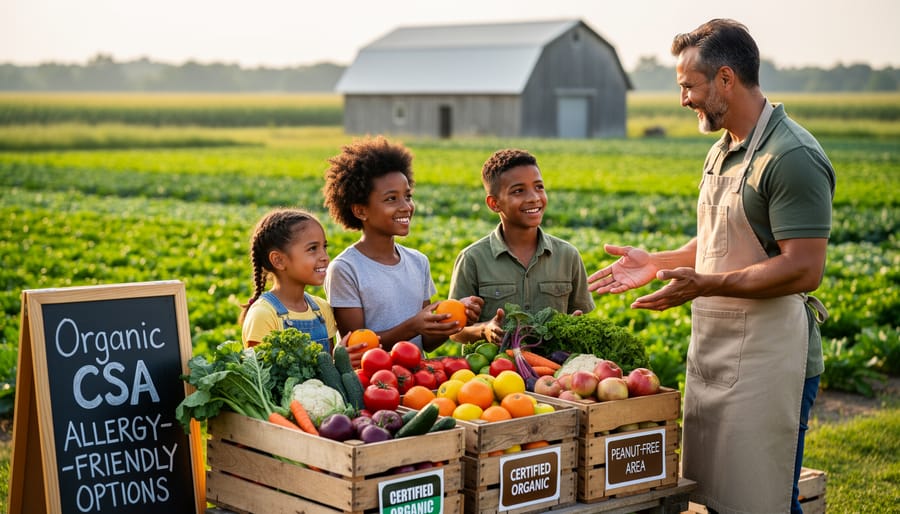
Connecting with local Community Supported Agriculture (CSA) farms offers tremendous benefits. Sarah Martinez, a member of Green Valley Farm’s CSA, shares how direct communication with her farmer helped her family navigate multiple food allergies: “Our farmer grows allergen-free produce and knows exactly what’s in the soil. That transparency gives us peace of mind.” Many CSA farms offer allergen-friendly options and can answer questions about growing practices directly.
Work closely with healthcare providers, including allergists and nutritionists familiar with organic foods. Bring samples or descriptions of your CSA box contents to appointments. Keep a detailed food diary tracking both conventional and organic versions of allergenic foods to identify any differences in reactions.
Consider visiting farmers markets where you can ask growers directly about their practices. Building relationships with local organic farmers creates a support network that understands your needs while providing the freshest, cleanest options for managing food allergies safely.
Finding Your Local Organic Sources for Allergen-Friendly Foods
Finding safe, allergen-friendly organic foods starts right in your own community. Community Supported Agriculture (CSA) directories like LocalHarvest.org help you discover nearby farms offering fresh, organic produce that can serve as wholesome alternatives to processed foods containing common allergens. Many organic farmers grow their fruits and vegetables without the pesticides that some research suggests may increase allergy sensitivity.
Your local farmers market is a treasure trove for connecting with growers who understand allergy concerns. Don’t hesitate to ask farmers about their growing practices, crop rotation methods, and whether they avoid cross-contamination with allergen-heavy crops. You’ll find many small-scale farmers are incredibly knowledgeable and passionate about food safety.
Building relationships with local producers creates a support network that goes beyond transactions. Share your allergy concerns openly—farmers often accommodate specific needs and can recommend varieties naturally lower in certain proteins. One CSA member, Sarah, discovered her farmer grew a heritage tomato variety that didn’t trigger her son’s sensitivities like commercial varieties did.
Regular market visits and farm pickups transform shopping into community connection, where you’ll meet others navigating similar allergy challenges while supporting sustainable agriculture that benefits everyone’s health.
Managing the nine major food allergens doesn’t have to feel overwhelming. While these allergies are certainly serious and require careful attention, making informed choices about where your food comes from can truly make a difference in your family’s wellbeing. Organic farming practices often result in produce with fewer chemical residues and potentially lower allergenic loads, giving you one more tool in your allergy management toolkit.
Connecting with your local Community Supported Agriculture program opens doors to fresh, organic produce grown by farmers who care deeply about their craft and their community. These farmers often welcome questions about their growing practices and can share insights about seasonal varieties that might work well for your dietary needs. Take Sarah Martinez, a CSA farmer in Oregon, who transformed her small plot into a thriving allergen-aware operation after her own daughter developed food sensitivities. Her story reminds us that behind every organic tomato and pesticide-free apple stands someone committed to growing food with intention and care.
Ready to explore organic options in your area? Reach out to local farmers markets, search for nearby CSA programs, or visit organic farms during their open house days. Your journey toward better allergy management through thoughtful food choices starts with a simple conversation.
