
A cultural fire management council is a group of Indigenous knowledge holders, elders, and community members who guide when, where, and how fire is used to care for land. Think of it as the people who read the landscape, decide what it needs, and pass that wisdom along. Many councils also work alongside land managers, farmers, and local agencies, so traditional practice and modern stewardship can support each other.
Cultural fire is not a wildfire and not a simple controlled burn. It’s a low, slow, carefully timed fire shaped by generations of observation. It can clear brush, renew native plants, return nutrients to the soil, and open space for food and fiber species to thrive. The council keeps those decisions rooted in place, season, and community values.
Why does that matter for your plate and your garden? Healthy soil, resilient plants, and diverse habitat all connect to how land has been tended over time. Farmers and gardeners who learn from these practices often find fresh ideas for building fertility and strengthening local food systems.
In this article, you’ll learn what cultural fire looks like in Indigenous agroecosystems, how a council works, and how its lessons show up in real farms and sustainable living habits you can try at home. Quick answers wait in the FAQ at the end.
Cultural Fire Management in Indigenous Agroecosystems: The Basics
How Fire Helps Food-Producing Landscapes
Fire, used with care and knowledge, does several helpful jobs at once. If you’re curious about the bigger picture, there’s a good primer on What is Indigenous fire management and how the practice works. Here are the general principles that tend to show up across many landscapes.
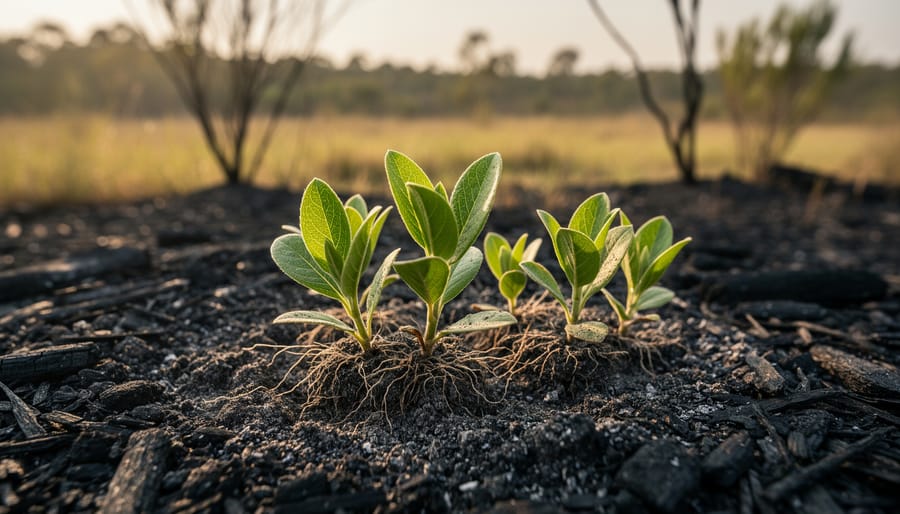
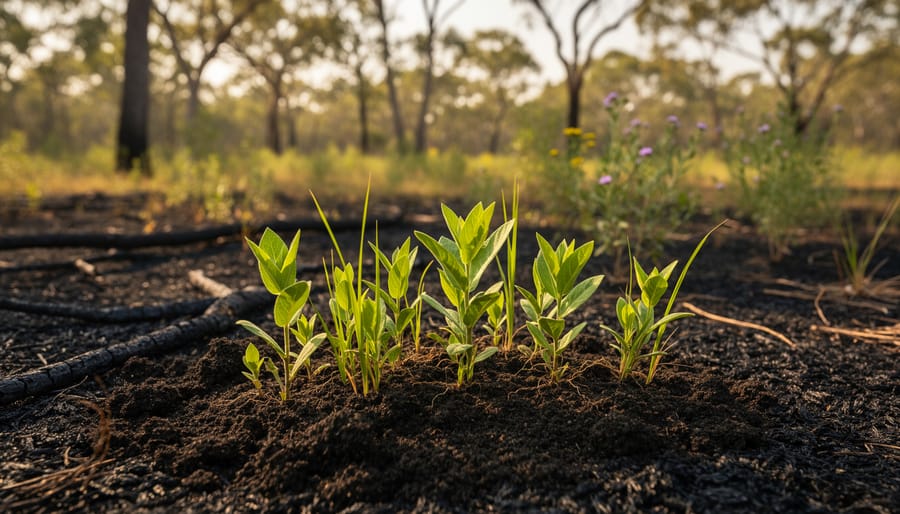
Low, slow fire clears away dead brush and leaf litter that would otherwise pile up. That tidying makes room for fresh shoots to reach the sunlight. As the material burns, nutrients tied up in old plant matter return to the soil as ash, giving young plants an easy meal.
Many edible and useful plants respond well to this renewal. Berry shrubs, root crops, grasses, and plants used for basketry often sprout vigorous new growth after a gentle burn. The tender regrowth also draws in deer, birds, and other wildlife, while open patches and flowering plants give pollinators like bees and butterflies a place to feed and nest.
Fire also thins out dry fuel before it can build up into something dangerous. Regular, small-scale burning means less tinder on the ground, which can make an area more resilient when hot, dry weather arrives.
One important note: none of this works the same way everywhere. The right timing, the right plants, and even the right kind of flame depend on the region, the plant community, and the season. That’s why local knowledge matters so much, and why the people who have tended these lands for generations are the ones best placed to guide when and how fire is used.
What a Cultural Fire Management Council Actually Does
Core Responsibilities of a Council
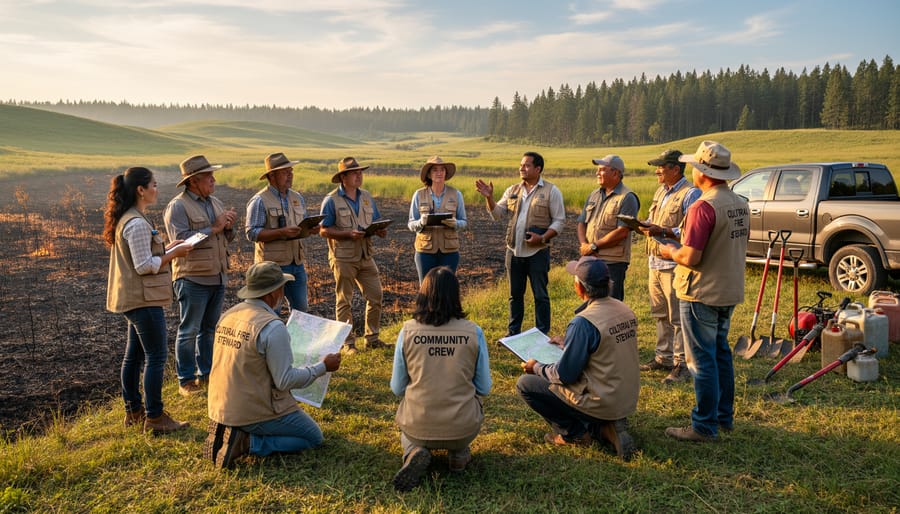
Every council looks a little different, but most share a handful of core responsibilities. Think of them as the threads that hold the work together.
Planning and permitting support. Councils help decide where and when burning makes sense, drawing on seasonal knowledge of plants, weather, and wildlife. They often help practitioners work through local permits and coordinate with fire agencies so everyone knows what’s planned.
Training and mentorship. Fire knowledge is learned by doing. Councils pair experienced elders and practitioners with younger people, offering field days and hands-on apprenticeships so skills are passed along safely and respectfully.
Knowledge protection. Some teachings belong to the community and aren’t meant for public sharing. Councils set protocols for what can be shared, with whom, and under what terms, keeping that knowledge in the hands of the people it comes from.
Community outreach. Councils talk with neighbors, farmers, gardeners, and local groups about what cultural fire is and why it matters. That openness builds trust and makes partnerships possible.
Monitoring recovery. After a burn, members return to see how the land responds, noting new growth, soil health, and wildlife activity. What they learn shapes the next season’s plans, so the practice keeps improving over time.
Where Councils Meet Farms, Gardens, and Local Food
Cultural fire councils don’t work in isolation. They live alongside orchards, ranches, market gardens, and community plots, and the best partnerships grow from patience and respect rather than a quick request for help.
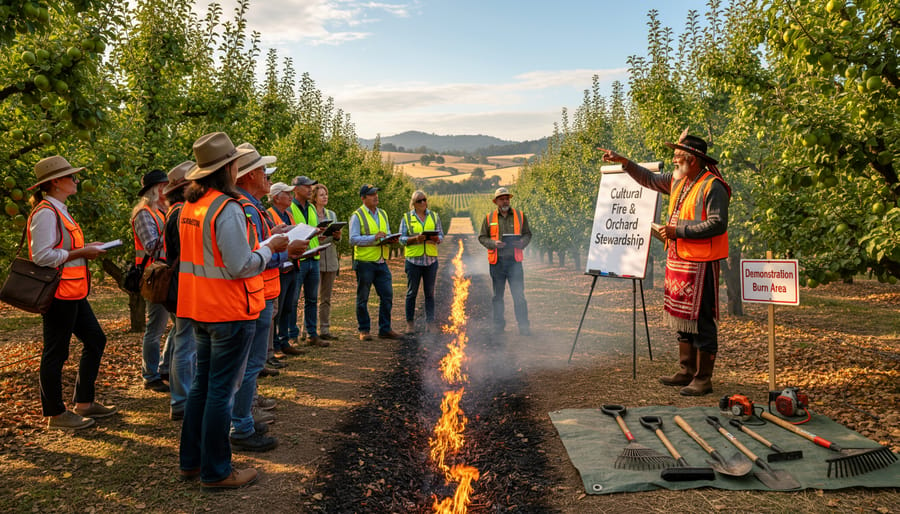
In practice, these relationships often start small. A council might host a field day where nearby growers walk a landscape with knowledge holders and learn how fire fits into the seasonal cycle. Others take the form of ongoing land stewardship collaborations, where a farm sets aside a section of land for native plants, and council members guide how that area is tended over the years. You’ll also see revived cultivation of native food plants, such as camas, berries, or hazelnuts in places where they once thrived, with Indigenous communities setting the direction and sharing what they choose to share.
Some of the most inspiring examples are documented in Indigenous agroforestry success stories, which show how traditional land knowledge and working farms can support one another.
Writer’s note (placeholder for a verified profile): This is the spot for a short, real story about a farmer or land steward who has learned from a cultural fire management council. Please source it from a verified interview. Good questions to ask include how the relationship began, what surprised them most, what changed on their land over time, and what advice they’d give a grower who wants to start listening and learning. Please don’t invent names, places, or outcomes. If no interview is available, replace this note with a general description of how growers commonly build trust with local Indigenous organizations.
What these partnerships have in common is that they move at the pace of relationship. Growers who listen first, show up consistently, and let Indigenous leaders guide the conversation tend to find the most rewarding connections.
How to Support Cultural Fire Stewardship in Your Own Community
Supporting cultural fire starts with a simple mindset: you’re a guest on the land, and the knowledge belongs to the communities who carry it. Here’s a friendly path to follow.
- Learn the history of the land you farm or garden on, including whose homelands you’re on and how they were tended.
- Reach out respectfully to local Indigenous organizations and introduce yourself. Don’t assume access, and be ready to listen first.
- Attend public workshops or field days when you’re invited, and follow the host’s guidance.
- Buy from Indigenous-owned farms and food businesses to keep traditional food knowledge thriving.
- Grow native food plants thoughtfully, choosing species suited to your region and sourcing seeds responsibly.
- Follow local fire rules, burn bans, and safety guidance every season.
One point deserves emphasis: burning should only be led by trained practitioners. Cultural fire draws on generations of knowledge about timing, weather, and place, so it’s never something to attempt casually in your backyard or field.
What you can do at home is practice fire-wise gardening. Keep defensible space around buildings by clearing dead leaves, dry grass, and woody debris near the structure. Trim low branches and space plantings so fire can’t easily climb. Then turn that plant debris into something useful by composting it, which returns nutrients to your soil instead of leaving fuel lying around.
If you’re curious about other time-tested methods, take a look at Indigenous pest control another example of how long-held knowledge still helps gardens and farms thrive today.
Frequently Asked Questions About Cultural Fire Councils
Is cultural fire the same as prescribed burning?
Not quite. Cultural fire is guided by Indigenous knowledge and cultural purpose, such as tending food and medicine plants. Prescribed burning is a broader term, often agency-led, that usually focuses on fuel reduction or land management goals.
Can a farmer or gardener start a cultural burn?
No. Cultural burning should be led by trained practitioners who carry the knowledge and follow local fire rules. If you’re curious, reach out respectfully to a local Indigenous organization and ask how you can learn or support their work.
How do councils get started or find funding and partners?
They grow out of Indigenous communities themselves, often building relationships over time with fire authorities, conservation groups, and nearby landowners. Funding and partnership options vary by region, so local Indigenous organizations and extension offices are the best places to learn what’s available.
Does cultural fire affect crops or soil?
Low-intensity cultural fire is generally used to return nutrients to the soil and encourage new plant growth. Effects depend on the plant community, season, and local conditions, so there’s no single answer that fits every landscape.
How can I find a council or Indigenous fire group near me?
Start with local Indigenous organizations, your regional extension office, or your area’s fire authority. Many groups also host public workshops or field days where you can listen and learn.
If these answers sparked more curiosity, it’s worth looking at how long-standing land knowledge continues to inform growing today. Our look at Indigenous tools in farming is a good place to keep exploring. And for region-specific guidance, nothing beats a conversation with the people who tend the land where you live.
A cultural fire management council brings people together around a simple idea: land does best when it’s cared for with patience, knowledge, and relationship. By guiding when, where, and how traditional burning happens, these councils help sustain the food plants, medicine plants, and wildlife habitat that make up Indigenous agroecosystems. That wisdom has been carried for generations, and it continues to be led by Indigenous communities themselves.
For those of us who love local food, there’s a lovely takeaway here. Every garden bed, orchard, and farm field sits on land with a story. Learning that story, and supporting respectful stewardship, is a meaningful way to deepen our connection to what we grow and eat.
So take a walk, ask questions, and listen to the people who know your region best. When you’re ready to bring that curiosity home, explore the CSA Farm Directory to find local farms and sustainable growing resources near you.
