

Transform kitchen scraps into culinary treasures by mastering the art of food upcycling – a revolutionary approach to reducing food waste while creating delicious, innovative dishes. Turn carrot tops into vibrant pesto, blend overripe fruits into naturally sweetened baked goods, and simmer vegetable peels into nutrient-rich broths that enhance any soup or sauce. Creative upcycling not only stretches your grocery budget but also honors the full potential of every ingredient that enters your kitchen. From coffee grounds repurposed as natural fertilizers to citrus peels transformed into zesty cleaning solutions, these practical techniques bridge the gap between sustainable living and culinary excellence. Whether you’re an experienced home chef or just beginning your zero-waste journey, food upcycling offers a satisfying way to minimize environmental impact while maximizing the value of every ingredient.
Kitchen Scraps to Culinary Gold

Vegetable Scrap Stock
Transform vegetable scraps into flavorful homemade stock by collecting and freezing trimmings until you have enough to make a batch. Save onion ends, carrot peels, celery leaves, mushroom stems, herb stems, garlic skins, and other vegetable odds and ends in a freezer bag. When the bag is full, simply place the frozen scraps in a large pot, cover with water, and add a bay leaf and peppercorns.
Simmer the mixture for about an hour, strain out the solids, and you’ll have a rich, nutritious stock perfect for soups, stews, and cooking grains. This zero-waste approach not only saves money but also reduces packaging waste from store-bought broths while making the most of produce you’ve already purchased.
For the best results, avoid using bitter vegetables like Brussels sprouts or cabbage. Instead, focus on aromatic vegetables and herbs. You can even add clean eggshells for extra minerals. The finished stock can be frozen in portions or kept in the refrigerator for up to a week, ready to enhance your next culinary creation.
Citrus Peel Magic
Don’t toss those citrus peels! These vibrant leftovers from oranges, lemons, and limes are treasure troves of possibilities. For a natural home fragrance, simmer citrus peels with cinnamon sticks and cloves in water on your stovetop. In the kitchen, grate the zest before juicing to add intense flavor to baked goods, marinades, and dressings.
Create your own chemical-free cleaning solution by infusing white vinegar with citrus peels for two weeks. The resulting mixture cuts through grease while leaving a fresh, natural scent. You can also candy the peels by boiling them in sugar syrup for a delightful garnish or sweet treat.
For tea lovers, dried citrus peels make excellent additions to herbal blends, offering both flavor and vitamin C. In the garden, they serve as natural pest deterrents and can be added to compost for an extra nutrient boost. You can even make an all-purpose citrus enzyme cleaner by fermenting the peels with brown sugar and water for three months – a powerful, natural cleaning solution that’s completely waste-free.
Beyond the Original Package
Bread Revival
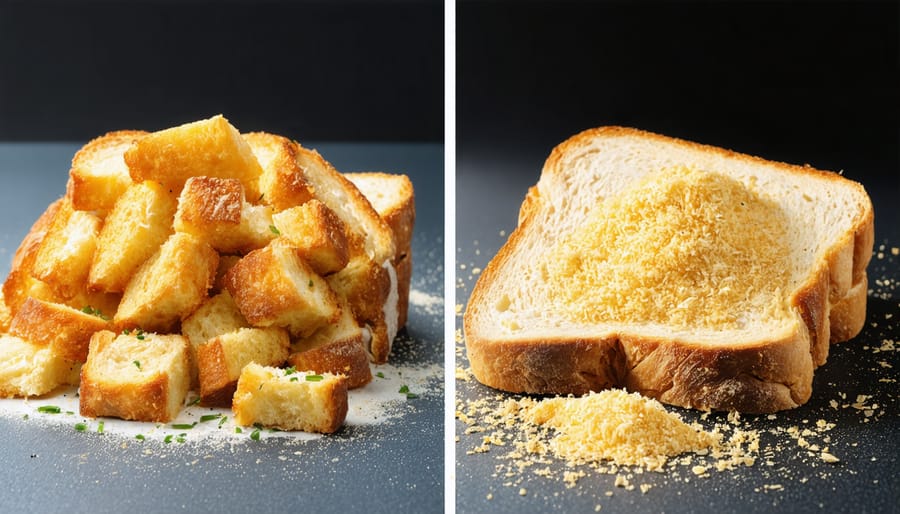
Don’t let that day-old bread go to waste! With a few creative techniques and smart food storage practices, you can transform stale bread into delicious new dishes that your family will love. Start by cutting bread into cubes and toasting them with olive oil, herbs, and garlic to create homemade croutons that elevate any salad. These crunchy toppers stay fresh in an airtight container for weeks.
For breadcrumbs, simply dry out bread pieces completely, then pulse them in a food processor. Season with your favorite herbs and store them in a jar – perfect for coating chicken, topping casseroles, or adding crunch to pasta dishes. Get creative by mixing in grated parmesan or dried herbs for custom flavored breadcrumbs.
The ultimate stale bread transformation has to be bread pudding. This comforting dessert turns tough bread into a luxurious treat by soaking it in a mixture of eggs, milk, vanilla, and your choice of add-ins like chocolate chips or fruit. The result is a warm, custard-like dessert that makes everyone forget the bread was ever past its prime.
Pro tip: Keep a designated freezer bag for bread ends and slightly stale pieces. Once you’ve collected enough, you’ll have the perfect amount for your next bread revival project!
Coffee Grounds Reimagined
Don’t toss those used coffee grounds just yet! These aromatic leftovers from your morning brew have incredible potential beyond your coffee cup. In the garden, coffee grounds work wonders as a natural fertilizer, providing nitrogen-rich nutrients that plants love, especially acid-loving varieties like tomatoes, blueberries, and roses. Simply sprinkle used grounds around your plants or mix them into your compost pile to boost its nutritional value.
In the kitchen, coffee grounds add depth and richness to various recipes. Try incorporating them into chocolate cake batter or brownies for an enhanced mocha flavor. They also make an excellent meat rub, adding a complex, earthy note to steaks and roasts while naturally tenderizing the meat.
Beauty enthusiasts can create an invigorating body scrub by mixing coffee grounds with coconut oil and a touch of vanilla extract. The grounds’ gentle abrasive texture helps exfoliate dead skin cells while potentially reducing the appearance of cellulite.
For eco-conscious crafters, dried coffee grounds can be used to create natural dyes for fabric or paper, producing beautiful earth-toned colors. They also work as an effective odor absorber – place a bowl of dried grounds in your refrigerator or sprinkle them in smelly shoes to neutralize unwanted odors.
Remember to collect and dry your grounds properly to prevent mold growth before using them in any of these applications.
From Garden to Table – Again

Regrow from Scraps
Transform your kitchen scraps into a thriving indoor garden by regrowing vegetables and herbs from leftover parts. Green onions are among the easiest to regrow – simply place the white roots in water, and within days, you’ll see new growth shooting up. Similarly, lettuce cores can be placed in shallow water to sprout fresh leaves.
The base of celery stalks can be placed in water to generate new growth from the center. After a few days of water propagation, transfer to soil for continued growth. Garlic sprouts can be grown from individual cloves, while ginger roots will sprout new shoots when partially buried in soil.
Herbs like basil and mint readily root in water. Take stem cuttings with a few leaves attached, remove the lower leaves, and place in water until roots develop. Fresh herbs year-round! Carrot tops won’t give you new carrots, but they’ll produce edible greens perfect for salads and garnishes.
For a fun project with kids, try growing sweet potatoes. Place toothpicks in the middle of the potato and suspend it partially in water. Within weeks, you’ll see vine-like shoots perfect for replanting. Remember to change the water every few days for all water-based propagation to prevent bacterial growth and ensure success.
Composting Creativity
Transform your kitchen scraps into garden gold by learning to create nutrient-rich compost right in your backyard. Start by collecting fruit and vegetable scraps, coffee grounds, eggshells, and even paper products like cardboard and newspaper. Layer these “green” materials with “brown” materials like dried leaves, straw, or wood chips to achieve the perfect balance for decomposition.
Keep your compost pile moist but not soggy, and turn it regularly to introduce oxygen, which speeds up the breakdown process. Within a few months, you’ll have dark, crumbly compost that’s perfect for enriching your garden soil.
Get creative with your composting setup – use a simple bin, build a three-bay system, or try vermicomposting with red wiggler worms for indoor spaces. Many local gardeners have found success by starting small and gradually expanding their composting operations as they become more comfortable with the process.
Remember to avoid adding meat, dairy, or oily foods to your pile, as these can attract pests and slow down decomposition. Instead, focus on fruit and vegetable scraps, which break down quickly and provide essential nutrients for your future garden harvests. Your plants will thank you with abundant growth and healthy produce!
Food upcycling represents a powerful way to make a positive impact on both our environment and our daily lives. By transforming potential food waste into valuable new products, we not only reduce our environmental footprint but also discover creative ways to maximize our food resources. The benefits are clear: reduced waste, lower grocery bills, and a more sustainable approach to food consumption.
Getting started with food upcycling doesn’t require special equipment or expertise – just a willingness to think creatively about your kitchen scraps and leftover ingredients. Whether you begin by making vegetable stock from scraps, turning stale bread into croutons, or experimenting with fruit preserves, every small step contributes to a more sustainable future.
Remember that food upcycling is a journey, not a destination. Start with simple projects and gradually expand your repertoire as you become more comfortable with the process. By sharing your successes and discoveries with friends and family, you’ll help build a community of conscious consumers committed to reducing food waste.
Take the first step today by examining what you typically throw away and considering how it might be transformed into something useful and delicious. Your kitchen – and our planet – will thank you.
