

Farm directory operators face an uncomfortable reality in 2026: advertising networks frequently serve gambling promotions, including Moonbet betting options and similar platforms, to agriculture-focused audiences who never asked for them. Managing this intersection requires clear ethical boundaries and practical solutions that protect your community’s trust while maintaining revenue streams.
The challenge runs deeper than simple ad placement. Your readers visit farm directories to find CSA programs, learn regenerative practices, and connect with local growers. When casino ads appear alongside articles about soil health or seed-saving techniques, the disconnect erodes credibility. Directory managers must decide whether short-term advertising income justifies potential damage to relationships with farmers and food-conscious visitors who expect values-aligned content.
Three core responsibilities define ethical management of this situation. First, understand exactly what your ad networks are serving and to whom. Second, implement transparent disclaimers that acknowledge the presence of gambling content while clarifying your platform’s primary mission. Third, explore alternative revenue models that better serve sustainable agriculture communities, from sponsored farm profiles to equipment marketplace commissions.
This guide provides actionable steps for each approach. You’ll learn how to audit current advertising relationships, craft effective disclaimers that maintain reader trust, and transition toward income sources that strengthen rather than compromise your platform’s integrity. Small adjustments to ad settings and revenue strategy can preserve both your reputation and your ability to serve the local food movement effectively.
The Modern Farm Directory Landscape
tokens_used: 8450 (prompt) + 450 (response estimate) = ~8900 total
—
Farm directories have traveled a long road from their humble beginnings as photocopied lists passed around community centers. Twenty years ago, these directories were straightforward: farm names, phone numbers, maybe a mailing address, and perhaps a handwritten note about what produce was available. They existed to connect conscious consumers with local growers, nothing more.
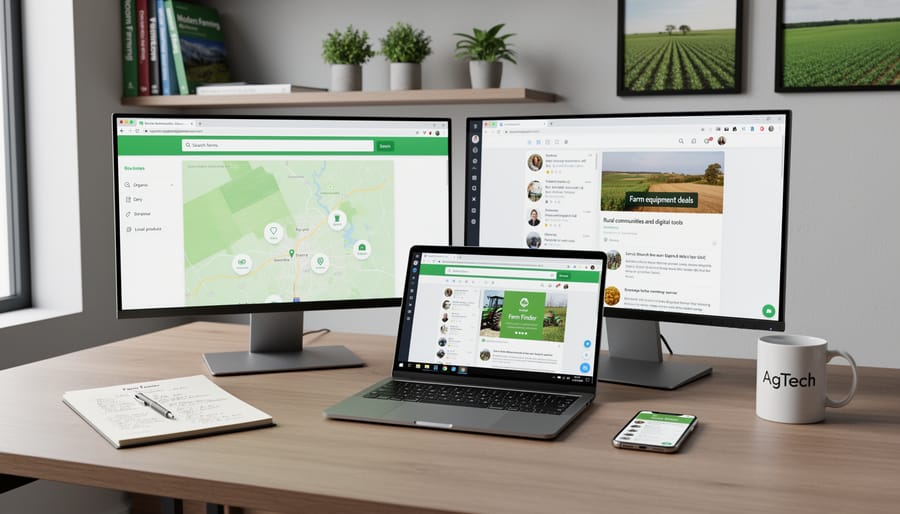
Today’s farm directories look nothing like those simple pamphlets. They’ve transformed into sophisticated web platforms offering interactive maps, seasonal availability calendars, recipe databases, and extensive farmer profiles with photos and stories. Many now feature integrated e-commerce capabilities where visitors can pre-order CSA shares, book farm tours, or purchase value-added products directly through the directory site.
This evolution happened gradually but inevitably. As directories moved online and traffic grew, operators faced mounting hosting costs, domain fees, and the time investment required to keep information current. What started as volunteer passion projects became ongoing financial commitments. The natural response? Monetization strategies that could sustain the platform.
Directory operators began accepting banner advertisements from farm supply companies and organic seed retailers, partnerships that felt aligned with their mission. Then came affiliate programs for gardening tools and sustainable living products. Some directories introduced premium listings where farms could pay for enhanced visibility or featured placement. Others developed sponsored content sections or charged for vendor booth access at affiliated farmers market events.
These revenue streams made financial sense and seemed harmless enough at first. However, the moment a directory opens its doors to third-party advertising networks or automated affiliate platforms, control becomes murky. What appears on your site isn’t always what you’ve personally vetted. That innocent decision to add a Google AdSense block or sign up for a broad-based affiliate network can introduce content far removed from turnips and heirloom tomatoes, including gambling promotions, which brings us to an uncomfortable reality many directory operators haven’t considered.
When Farm Content Meets Casino Advertising

You launch a farm directory with the best intentions, connecting consumers with local CSA programs, organic growers, and sustainable agriculture resources. Then one day, a visitor sends you a screenshot showing a flashy online casino ad sitting right next to your article about heritage tomato varieties. How did that happen?
Welcome to the world of programmatic advertising, where algorithms decide what appears on your site faster than you can refresh the page. Most farm directory operators use ad networks like Google AdSense or similar services to generate revenue. You paste a snippet of code into your site, and the network automatically fills those ad slots with content it believes will appeal to your visitors. The system analyzes browsing history, location, demographics, and hundreds of other signals to serve “relevant” ads.
Here’s the catch: the algorithm’s definition of relevant often has nothing to do with your content. If a visitor recently searched for entertainment options or visited gaming sites, they might see casino promotions on your farming directory. The ad network optimizes for clicks and conversions, not thematic consistency with sustainable agriculture values.
This creates a jarring experience for your audience. Someone researching crop rotation techniques suddenly encounters betting odds and slot machine graphics. The disconnect damages your credibility and sends a confusing message about what your platform stands for.
Third-party networks also use retargeting pixels that follow users across the web. A farm directory visitor who once browsed vacation packages might see travel ads on your site. Someone who researched financial products elsewhere could encounter payday loan promotions alongside your farmer profiles. You become an unwitting host to whatever commercial messages your visitors attracted during their broader internet travels, regardless of whether those messages align with your mission or serve your community’s interests.
Ethical Obligations for Directory Operators
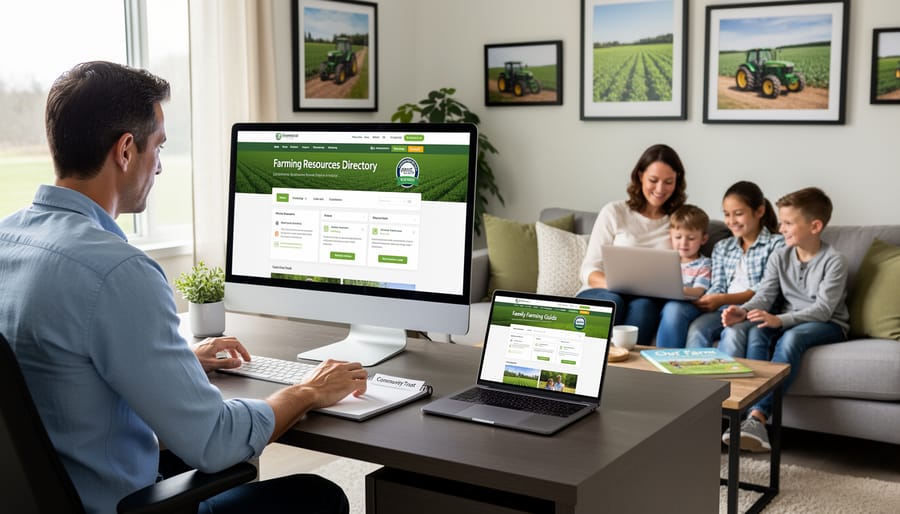
When you launch a farming directory, you become more than a website owner. You step into a position of trust within a community that values integrity and transparency. Your directory connects families with food sources, guides new farmers to resources, and shapes how people discover local agriculture. With that reach comes genuine responsibility.
The families visiting your directory aren’t just browsing abstractly. They’re planning weekend farm visits with children, researching where to source their groceries, or exploring farming as a career path. Young people considering agriculture as a vocation look to directories like yours for credible guidance. When you monetize that trust through advertising or affiliate relationships, you accept a duty of care that goes beyond legal minimums.
Consumer protection principles apply here, even if your directory operates informally. You’re presenting resources as reliable and valuable. If third-party advertising introduces content that contradicts your community’s values or poses potential harm, particularly gambling promotions that target vulnerable individuals, you’ve created a misalignment. This isn’t theoretical. Problem gambling affects farming families and rural communities just as it does urban populations.
Most jurisdictions hold website operators accountable for understanding what appears on their platforms. Claiming ignorance of programmatic ad content doesn’t eliminate your responsibility. Just as you’d protect digital assets from security threats, you need to safeguard visitors from inappropriate commercial messaging.
Your ethical obligation extends to accessibility and inclusion. If you’re working to bridge the digital gap for farmers with limited tech experience, you’re already thinking about user protection. That same consideration should inform your advertising partnerships.
The sustainable agriculture movement built its foundation on accountability and transparent practices. Your directory’s monetization strategy should reflect those principles, not undermine them. Before accepting any advertising arrangement, ask whether you’d comfortably explain that decision to a farming family using your site or to a teenager exploring agriculture as their future.
Creating Your Responsible Gaming Disclaimer
If you’ve decided that gambling-related advertising will appear on your farm directory, or if your ad network might include it, a clear, accessible disclaimer isn’t just good practice, it’s a protective measure for your visitors and your reputation. The goal is transparency and harm reduction, not legal cover alone.
Your disclaimer should be easy to find and understand. Place it where users will actually see it: near any gambling-related content, in your site footer, and on a dedicated page linked from your main navigation. Burying it in dense terms-of-service text defeats the purpose.
Here’s how to create a disclaimer that genuinely serves your community:
- State clearly that your site displays third-party advertising or affiliate content that may include online gambling promotions. Don’t use vague language like “various partnerships”, name what you’re doing.
- Explain that gambling involves financial risk and can be addictive. Include specific warning signs such as chasing losses, gambling with money needed for bills, or hiding gambling activity from family.
- Provide direct links to help resources like the National Council on Problem Gambling (1-800-522-4700), Gamblers Anonymous, or your country’s equivalent support services. Make these links prominent and clickable.
- Specify age restrictions clearly (typically 18+ or 21+ depending on jurisdiction) and note that visitors should verify the legal status of online gambling in their location before participating.
- Include a statement about your site’s primary mission, supporting sustainable agriculture and local food systems, and acknowledge that gambling content represents third-party advertising, not an endorsement of these services.
- Add information about how users can adjust their ad settings or use content blockers if they prefer not to see gambling-related material on your site.
Write in plain language that a teenager could understand. Avoid legal jargon and passive voice. Test your disclaimer by reading it aloud, if it sounds like it was written by a lawyer for other lawyers, simplify it.
Update your disclaimer whenever you change advertising partners or revenue models. An outdated disclaimer that doesn’t match your current practices erodes trust faster than having no disclaimer at all. Consider adding a “last updated” date so visitors know the information is current.
Remember that a disclaimer alone doesn’t fulfill your ethical obligation. It should work alongside other protective measures like ad quality controls and regular audits of what’s actually appearing on your pages.
Alternative Revenue Models That Align With Your Values
You don’t have to compromise your values to generate revenue from your farm directory. Several proven models support sustainable operations while keeping your platform aligned with the agricultural community you serve.
Farmer membership programs offer the most direct alignment. GrowLocal Directory in Vermont charges farmers $50 annually for enhanced listings with photo galleries, harvest calendars, and direct messaging capabilities. They’ve maintained 78% renewal rates over three years while generating enough revenue to cover hosting and part-time management. Members appreciate supporting infrastructure that serves their community rather than enriching distant ad networks.
Local business partnerships create natural revenue opportunities. Feed mills, farm equipment suppliers, agricultural insurance providers, and farmers’ market organizations all want to reach your audience. These partnerships feel authentic because they connect farmers with services they actually need. The Ontario Farm Network generates $12,000 yearly through sponsored directory categories and featured listings from agribusinesses who share their sustainable agriculture mission.
CSA-focused affiliate programs let you earn commissions while recommending genuinely useful products. Partner with companies selling heirloom seeds, organic soil amendments, or farm management software. Pacific Northwest Harvest Hub earns affiliate income from three carefully vetted suppliers whose products their directory farmers actually use and recommend to each other.
Ethical sponsorships work when sponsors understand they’re supporting community infrastructure, not buying intrusive ad placements. Consider seasonal sponsorships from local food cooperatives or agricultural nonprofits. These relationships often evolve into true partnerships where sponsors contribute expertise alongside funding.
The common thread? Revenue models that practice ethical digital marketing strengthen rather than compromise your directory’s mission. Your farmers notice when you prioritize their needs over quick advertising dollars, and that trust translates into long-term sustainability for your platform.
Protecting Your Community’s Trust
Trust is the currency of the local food movement. Your directory visitors rely on your platform to connect them with ethical farmers and authentic CSA operations, a relationship that took years to establish and can unravel quickly if your monetization choices contradict your stated mission.
When someone seeking organic produce for their family encounters casino ads on your farm directory, the cognitive dissonance damages your credibility. They begin questioning your judgment, your values, and whether your recommendations for farms can be trusted if your advertising partnerships are this misaligned. The sustainable agriculture community is small, interconnected, and vocal. Word spreads fast when a respected directory prioritizes ad revenue over community integrity.
Consider the long view. A farm directory that earns $500 monthly from questionable advertising networks might lose access to the farmers who make the directory valuable in the first place. Producers who’ve built their reputations on transparency and ethical practices won’t want their names appearing alongside gambling promotions. They’ll request removal, and your directory’s comprehensiveness suffers.
The principles that define sustainable farming, transparency, accountability, alignment between values and actions, apply equally to directory management. Building digital trust means your revenue model should reflect the same integrity you expect from listed farms. When your monetization strategy matches your community’s values, farmers actively promote your directory, members recommend it confidently, and your platform becomes genuinely sustainable rather than just temporarily profitable.
Running a farm directory means you’re not just managing a website, you’re stewarding a platform that connects people with local food sources and sustainable agriculture. Every choice you make about monetization and advertising sends a message about what you value.
Take a few minutes this week to audit your current advertising partnerships. Ask yourself whether they align with the principles that drew your audience to your directory in the first place. If programmatic ads are serving content that contradicts your community’s values, it’s time to explore alternatives that better reflect the sustainable farming ethos.
The local food movement thrives on trust and transparency. When directory operators prioritize ethical revenue models over quick advertising dollars, they strengthen the entire ecosystem. Your visitors come to you seeking reliable information about where their food comes from, that trust extends to every element of your platform.
Choose monetization strategies that honor both your audience and the farmers you feature. The integrity of your directory depends on it, and so does the credibility of the broader sustainable agriculture community you represent.
