Category Archives

42 Articles

OSHA Doesn’t Regulate Your Farm Stand (Here’s Who Actually Does)

Posted by darrell on
0
Local Food Systems and Distribution
OSHA Doesn’t Regulate Your Farm Stand (Here’s Who Actually Does)

Understand that OSHA (Occupational Safety and Health Administration) doesn’t regulate food safety—the FDA and your local health department do. This common confusion trips up many new farmers and CSA operations, but clarifying which agency oversees what will save you time and compliance headaches.

Contact your local health department first to determine which regulations apply to your specific operation, as requirements vary dramatically between states and even counties. Small-scale farmers selling directly to consumers often face different rules than those distributing through retailers or restaurants.

Register your farm operation with your state’s agriculture department and food safety division to receive tailored guidance on licensing, inspections, and food handling requirements specific to your products and sales channels.

Implement Good Agricultural Practices (GAPs) even if not legally required, focusing on worker hygiene, water quality testing, proper storage temperatures, and equipment sanitation. These practices protect your customers and build trust in your brand.

Maintain detailed records of your food safety procedures, cleaning schedules, temperature logs, and supplier information. Documentation proves compliance during inspections and helps you quickly trace any potential contamination issues.

While OSHA won’t inspect your food products, they do regulate worker safety on your farm. Ensure proper training for equipment use, provide adequate sanitation facilities for employees, and maintain safe working conditions to avoid penalties.

The regulatory landscape for small food producers emphasizes prevention and transparency rather than punishment. By understanding the correct agencies and implementing straightforward safety measures, you’ll confidently navigate compliance while focusing on growing nutrient-dense food for your community.

The OSHA Confusion: What They Actually Regulate

Let’s clear up a common misconception right from the start. When people search for “OSHA food safety regulations,” they’re often looking in the wrong place. OSHA, the Occupational Safety and Health Administration, doesn’t actually regulate food safety at all. Their job focuses entirely on protecting workers, not consumers.

Think of it this way: OSHA makes sure your employees don’t get hurt on the job, while agencies like the FDA and USDA ensure the food you’re producing is safe to eat. It’s an important distinction that confuses many new farmers and food entrepreneurs.

So when does OSHA come into play on farms? They step in when you have employees working in potentially hazardous conditions. This includes operating machinery, handling pesticides, working in confined spaces like silos, or managing heavy equipment. If you’re running a farm stand with employees, OSHA requirements for proper lifting techniques, electrical safety, and emergency protocols apply to protect your workers.

For many small-scale organic farms and CSA operations, OSHA regulations become relevant once you hire your first employees. Even if you’re growing the most beautiful heirloom tomatoes using sustainable practices, you’ll need to ensure your workers have safe conditions, proper training, and access to things like clean drinking water and restroom facilities.

The confusion often stems from the fact that both worker safety and food safety matter in agricultural settings. But they’re governed by completely different agencies with different inspection processes and requirements. Understanding this distinction helps you navigate the regulatory landscape more confidently and ensures you’re meeting the right standards for both your team and your customers.

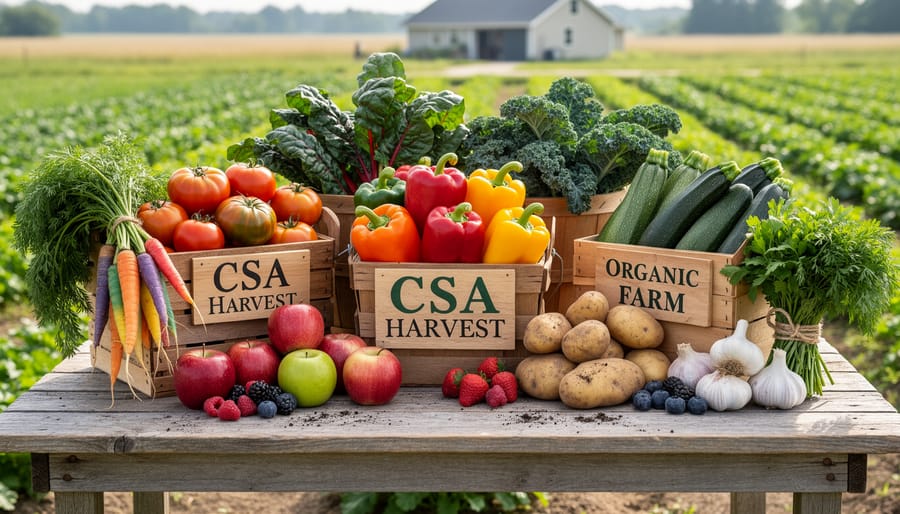
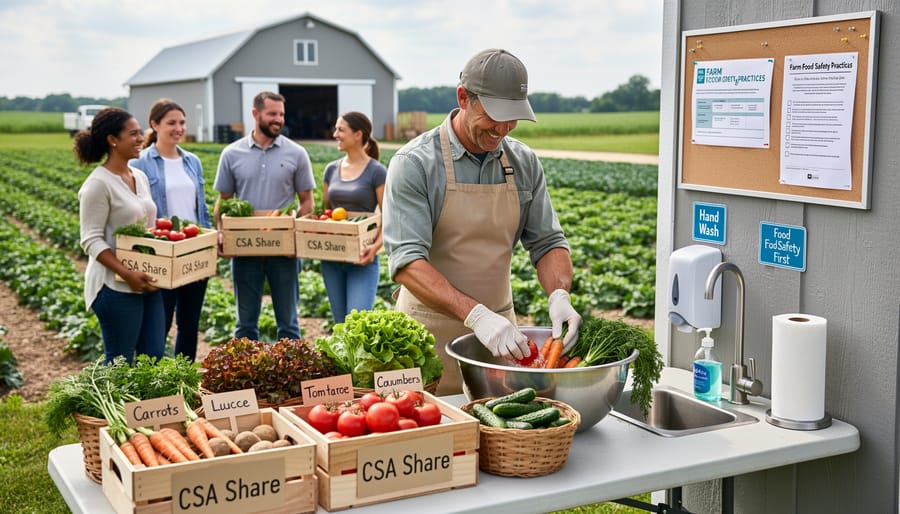
Fresh organic vegetables displayed in wooden CSA box at farm stand
Farm stands and CSA operations must navigate a complex regulatory landscape that often doesn’t include OSHA oversight.

The Real Food Safety Regulators Your CSA Needs to Know

FDA and the Food Safety Modernization Act (FSMA)

While OSHA handles worker safety, the Food Safety Modernization Act represents the FDA’s comprehensive approach to preventing foodborne illness in the food supply chain. For small farms and CSAs, understanding FSMA is essential for maintaining legal compliance while serving your community.

The Produce Safety Rule is FSMA’s most relevant component for local growers. It establishes science-based standards for growing, harvesting, packing, and storing fruits and vegetables. These standards cover areas like water quality, soil amendments, worker health and hygiene, and equipment sanitation. However, the FDA recognized that small-scale operations shouldn’t face the same regulatory burden as large industrial farms.

This is where exemptions become your friend. Farms with average annual produce sales of twenty-five thousand dollars or less during the previous three years are completely exempt from the Produce Safety Rule. Many CSA operations fall comfortably within this threshold, especially when starting out.

Qualified exempt status offers another pathway for small producers. If your farm sells most of its food directly to consumers or local retailers within your state or within 275 miles, and your annual food sales average less than five hundred thousand dollars, you may qualify. You’ll need to maintain basic documentation and provide information about your farm name and business contact details to customers.

Sarah Chen’s ten-acre organic CSA in Vermont operates under qualified exempt status, serving eighty member families. She keeps simple records of her sales channels and posts her farm information at her pickup location, maintaining compliance while focusing on growing nutrient-dense vegetables for her community.

State and Local Health Department Requirements

While OSHA focuses on workplace safety, food safety regulations actually fall under different agencies depending on where you operate. Understanding your local requirements is essential for running a successful small-scale food operation.

State health departments establish their own food safety codes, which often exceed federal standards. These regulations cover everything from food handling procedures to facility requirements. Before selling produce or value-added products, contact your state’s department of agriculture and local health department to understand specific licensing requirements. Each jurisdiction has unique rules, so what works in one county may not apply in another.

Cottage food laws offer exciting opportunities for small producers wanting to sell items like jams, baked goods, or dried herbs. Most states allow home-based production of certain low-risk foods without commercial kitchen licensing, though sales limits and approved product lists vary significantly. Some states permit online sales and shipping, while others restrict sales to direct transactions only.

For those operating farm stands and farmers markets, requirements differ from brick-and-mortar establishments. Many jurisdictions offer simplified permits for seasonal vendors, though you’ll still need proper food handling certifications and may require temporary food establishment permits.

Success story: Maria’s organic herb farm in Vermont started with cottage food law sales before expanding to three farmers markets. She recommends joining your state’s small farm association, where experienced farmers share navigation tips for local regulations.

Creating a compliance checklist specific to your location protects your business while building customer trust in your sustainable farming practices.

When Federal Regulations Don’t Apply to You

Good news for many small-scale farmers: you might qualify for significant regulatory exemptions! If you’re running a CSA or farm stand, the FDA’s Food Safety Modernization Act includes provisions specifically designed with operations like yours in mind.

The qualified exemption applies when your farm has annual food sales under $500,000 and more than half of those sales go directly to consumers, local restaurants, or retailers within your state or within 275 miles. This direct-to-consumer model is exactly how most CSAs and farmers markets operate naturally.

What does this mean practically? You’ll face simplified recordkeeping requirements rather than complex compliance protocols. However, you’re still expected to follow basic food safety practices and maintain records proving you qualify for the exemption.

Take Sarah’s organic vegetable CSA in Vermont as an example. With 150 member families and weekend farmers market sales totaling around $200,000 annually, she qualifies for the exemption while maintaining excellent safety standards through simple practices like proper washing stations and temperature monitoring.

Remember, exemption doesn’t mean ignoring food safety altogether. Building trust with your community means demonstrating your commitment to clean, safe produce through transparent practices and open communication about your growing methods.

Essential Food Safety Practices for Local Food Distributors

Good Agricultural Practices (GAPs) Made Simple

Good Agricultural Practices might sound intimidating, but they’re really just common-sense approaches to growing safe, healthy food. Think of GAPs as your farm’s safety toolkit, designed to protect both you and your customers.

Let’s start with water quality. Whether you’re irrigating crops or washing harvested vegetables, clean water is essential. Test your water sources regularly, especially if you’re using well water or surface water from ponds or streams. Many local extension offices offer affordable testing services that check for harmful bacteria like E. coli.

Soil amendments deserve careful attention too. While compost enriches your soil beautifully, it needs proper treatment first. Composted manure should reach temperatures high enough to kill pathogens, typically maintained for several weeks. A simple compost thermometer becomes your best friend here, ensuring your amendments are both nutritious and safe.

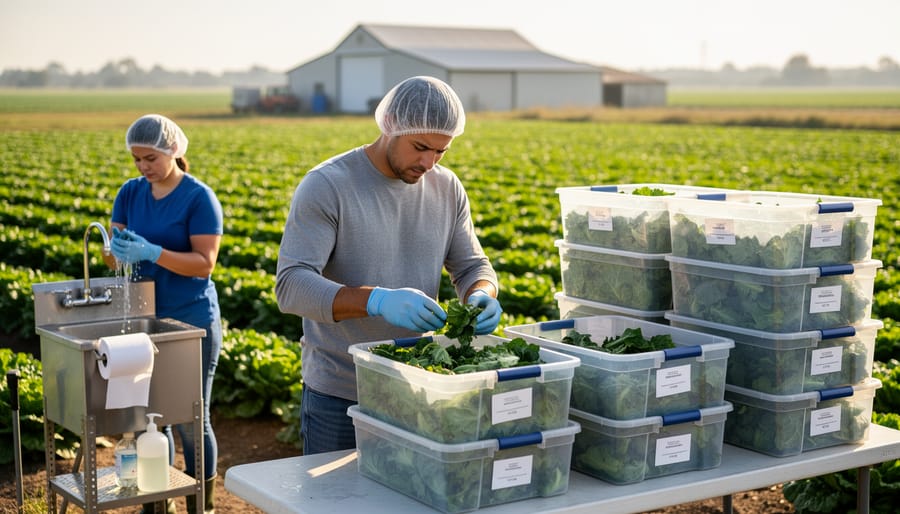
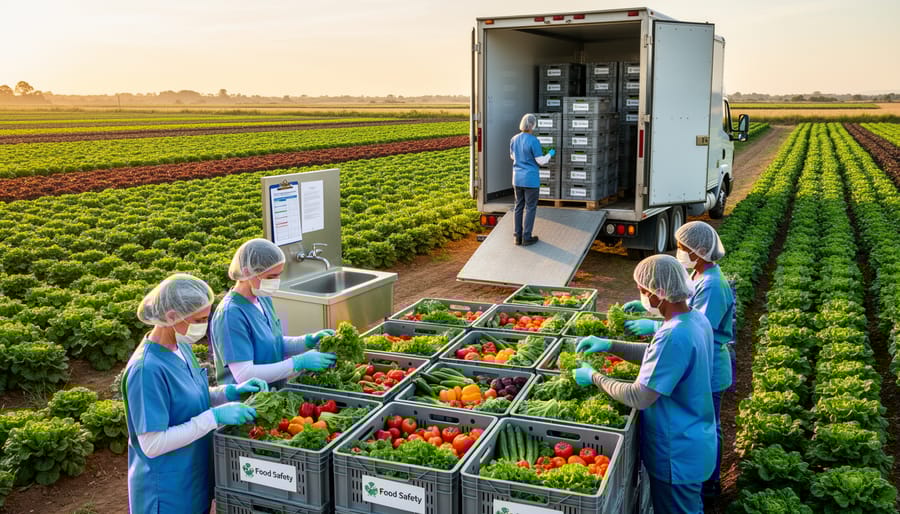
Worker hygiene protects everyone involved in food production. Provide handwashing stations near your fields and packing areas with soap and clean water. Encourage your team to wash hands after bathroom breaks, before handling produce, and after touching animals or soil. It’s straightforward but incredibly effective.

Harvest handling completes the safety circle. Use clean containers and tools, keep harvested produce cool and shaded, and avoid letting fresh vegetables touch the ground. One inspiring farmer I know shares that implementing these simple practices not only improved food safety but also extended the shelf life of her produce, delighting CSA members with fresher vegetables. These practices aren’t burdensome regulations; they’re investments in quality and community trust.

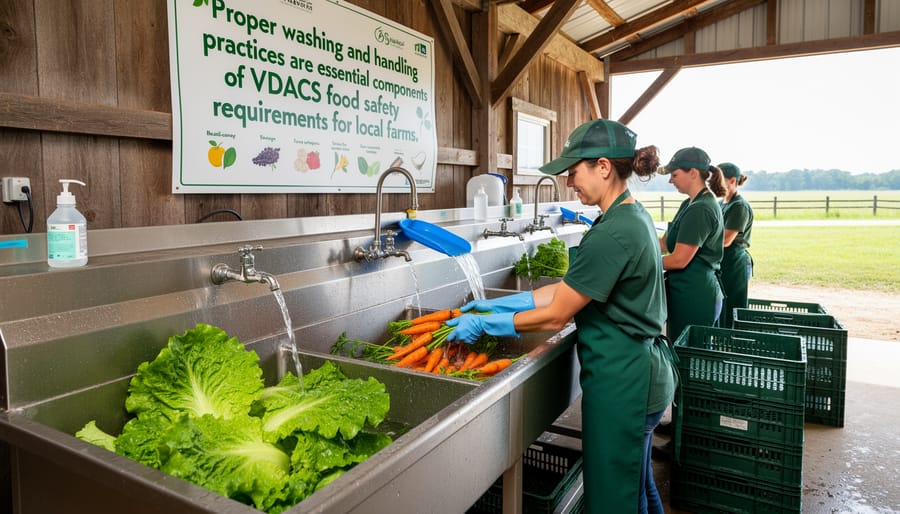
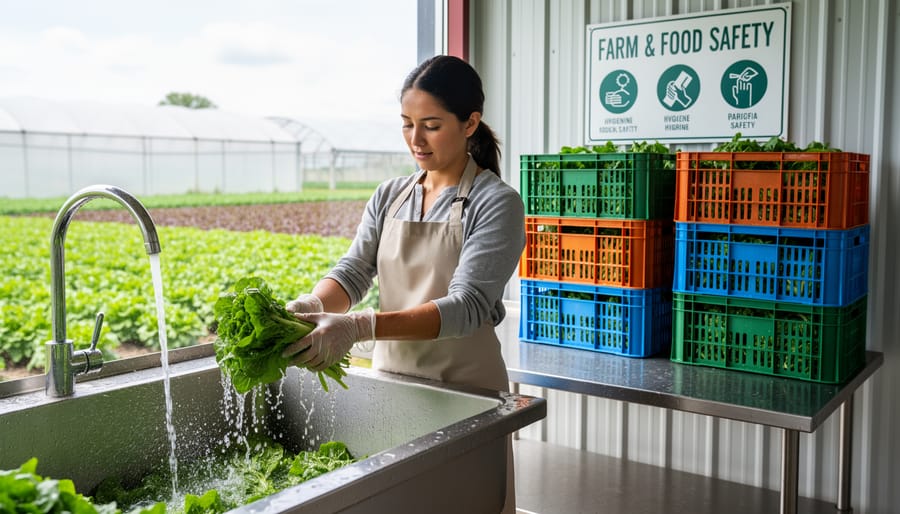
Farmer washing fresh produce under running water in commercial sink
Proper washing and handling practices are essential food safety measures for local food distributors, regardless of exemption status.

Temperature Control and Storage for CSA Boxes

Keeping your CSA boxes fresh and safe starts with maintaining a proper cold chain from harvest to customer pickup. Wash all produce in clean, potable water immediately after harvesting, and cool it quickly to remove field heat. Leafy greens and delicate vegetables should reach 40°F or below within a few hours of harvest.

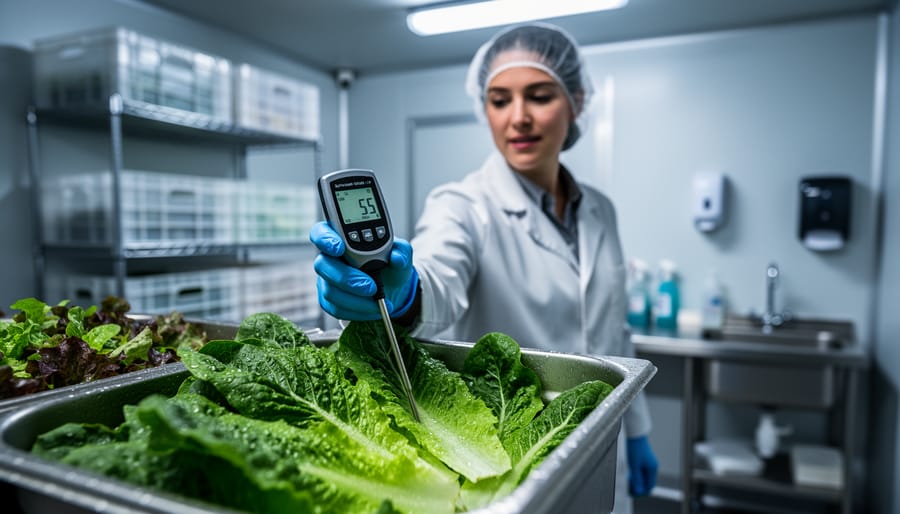
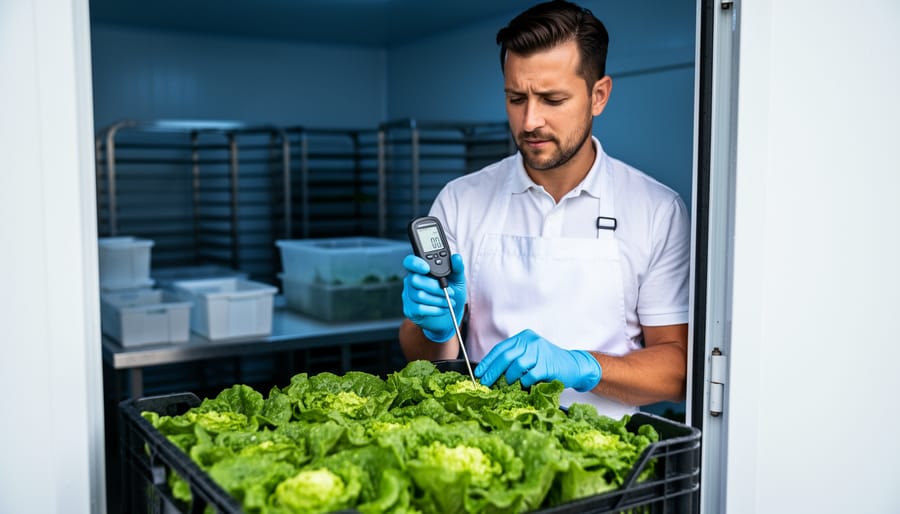
Store packed CSA boxes in clean refrigeration units or well-insulated coolers with ice packs if electric cooling isn’t available at your pickup location. Monitor temperatures regularly with a simple thermometer, keeping cold items at 41°F or below. Keep boxes off the ground on clean pallets or shelving to prevent contamination.

At pickup locations, limit the time boxes sit out at room temperature. Consider staggered pickup times or providing shaded areas with cooling options during warmer months. One successful CSA farmer shares that switching to insulated bags for summer deliveries reduced spoilage by 60 percent while keeping customers happy with crisp, fresh produce. Label boxes clearly with packing dates and storage instructions to help members maintain quality at home.

Documentation That Protects Your Farm

Smart record-keeping doesn’t have to be complicated, but it can save your farm during an inspection or food safety investigation. Start by maintaining simple logs of your daily practices—harvest dates, wash water temperature checks, and cleaning schedules work perfectly. Keep receipts for sanitizing products and equipment purchases, as these demonstrate your commitment to safe practices.

Consider creating a basic food safety plan that outlines your procedures, even if it’s just a few pages. Document employee training sessions with sign-in sheets and dates. Take photos of your wash stations, storage areas, and equipment to show your setup over time. Many successful small farmers keep a dedicated binder or digital folder that stores everything in one place.

If a customer concern arises, you’ll have evidence showing exactly what happened on that harvest day. One organic farmer shared how her detailed records helped resolve a complaint within hours, protecting both her reputation and business relationships. Remember, good documentation isn’t about expecting problems—it’s about protecting the sustainable farming practices you’ve worked so hard to build.

Building Trust Through Transparency (A Farmer’s Success Story)

Meet Sarah Chen, who runs Harvest Moon Farm, a 15-acre CSA operation in Vermont. When she started five years ago, Sarah faced a common challenge: convincing customers that her farm’s produce was safe, even though OSHA doesn’t regulate agricultural food safety. Instead of stopping at minimum FDA requirements, she decided to go further.

Sarah implemented a comprehensive food safety program that included written harvest protocols, regular water testing, detailed cleaning schedules for all equipment, and employee training sessions every quarter. She even created a simple traceability system using numbered harvest bins and daily logs. “It seemed like extra work at first,” Sarah admits, “but it became second nature quickly.”

The real transformation came when she started sharing these practices with her CSA members. Sarah posts weekly farm updates showing her team washing and sanitizing harvest containers, explains her soil testing schedule, and invites members to quarterly farm walks where they can see her food safety procedures in action. She even created a one-page document outlining her voluntary safety standards that new members receive during signup.

The results speak volumes. Sarah’s member retention rate jumped to 92 percent, and she maintains a waiting list of over 50 families. When a neighboring farm faced contamination concerns, Sarah’s members rallied around her because they understood her commitment to safety.

Her advice to other farmers? “Don’t hide behind the idea that regulations don’t apply to you. Show your customers what you do to keep their food safe. Take photos, share your processes, and be proud of going the extra mile. Transparency isn’t about being perfect—it’s about being honest and committed to continuous improvement.”

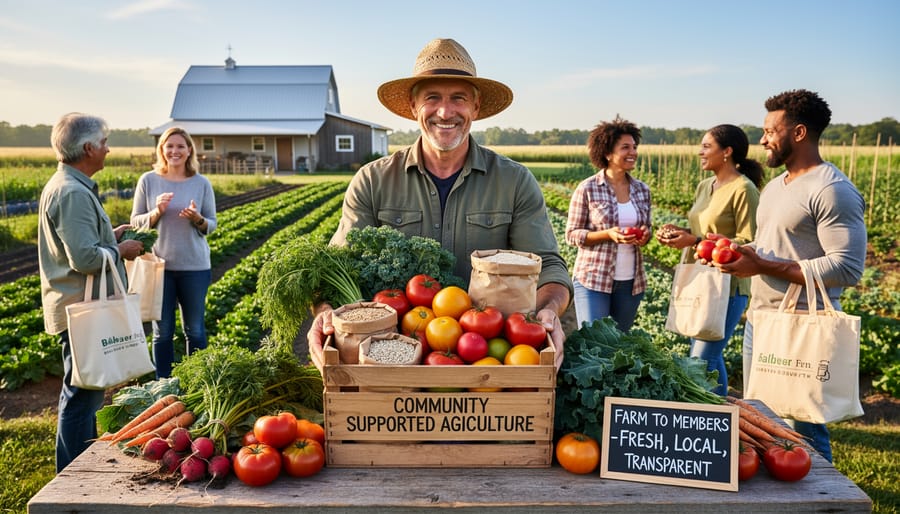
Farmer engaging with CSA customers in vegetable field during pickup
Building transparency and trust with CSA members through visible food safety practices strengthens community relationships and farm reputation.

Your Action Plan: Getting Compliant Without Stress

Getting your food distribution operation compliant doesn’t have to feel overwhelming. Let’s break it down into manageable steps.

Start by identifying which regulations apply to your specific situation. Contact your state’s Department of Agriculture or Health Department to learn about local requirements for your operation size and product types. Many states offer different compliance tiers based on annual sales, with simplified rules for smaller producers.

Next, conduct a simple assessment of your current practices. Walk through your entire process from harvest to delivery, noting where food touches surfaces, how you handle temperature control, and your cleaning routines. This honest inventory helps you spot gaps without judgment.

Connect with your state’s Cooperative Extension office. These incredible resources offer free or low-cost workshops specifically designed for small-scale food producers. They understand the unique challenges you face and speak your language, not bureaucratic jargon.

If you’re pursuing organic certification, your certifying agency can be an unexpected ally. They’re already reviewing your practices and often provide guidance that overlaps with food safety requirements.

Join your local farmers’ market association or regional food hub network. Fellow farmers have walked this path and often share practical, real-world solutions. Sarah Chen, who runs a thriving CSA in Vermont, says her biggest breakthrough came from a casual conversation at a growers’ meeting where another farmer showed her an affordable sanitizing system.

Remember, compliance is about protecting your customers and your business. Take it one step at a time, and you’ll build a strong foundation for growth.

While OSHA may not be your farm’s food safety watchdog, embracing proper food safety practices remains essential for any sustainable farming operation. Think of food safety not as a bureaucratic hurdle, but as an act of community care that protects the families who trust you with their meals.

Local food producers who prioritize safety build lasting relationships with their customers and strengthen their farm’s reputation. When Sarah Martinez implemented comprehensive food handling protocols at her organic CSA operation, she noticed members weren’t just satisfied—they became advocates, bringing friends and family to join her farm shares.

Good food safety practices protect your consumers from illness while safeguarding the livelihood you’ve worked hard to build. A single foodborne illness incident can devastate a small farm’s reputation and community trust. By understanding the proper regulatory framework and voluntarily exceeding basic requirements, you demonstrate the same commitment to quality that drives your sustainable farming philosophy. Your dedication to safe, wholesome food production becomes part of your farm’s story and strengthens the local food movement for everyone.

Why OTR Logistics Could Transform How Your Local Farm Reaches Customers

Posted by darrell on
0
Local Food Systems and Distribution
Why OTR Logistics Could Transform How Your Local Farm Reaches Customers

OTR logistics stands for “Own Transport and Resources,” a farm-to-market delivery model where you handle your own product distribution using your vehicles and equipment instead of relying on third-party shipping companies. This approach gives small-scale organic farmers direct control over how fresh produce reaches customers, ensuring your carefully grown vegetables arrive in peak condition while building personal relationships with local buyers.

For farmers just starting out, understanding OTR logistics means recognizing you’re choosing independence over convenience. You’ll manage pickup schedules, route planning, refrigeration needs, and delivery timing yourself. While this requires more hands-on involvement than outsourcing to distributors, it lets you keep more profit per sale and maintain quality standards from harvest to handoff.

The farm-to-retail connection thrives when you understand your distribution options. OTR logistics works exceptionally well for farmers within 50 miles of their customer base, whether you’re delivering CSA boxes to neighborhood pickup points, supplying restaurants with seasonal ingredients, or stocking farmers market stands. Your investment in a reliable refrigerated van or pickup truck becomes your competitive advantage, allowing you to promise same-day harvest deliveries that larger distributors simply cannot match.

This guide breaks down exactly how OTR logistics functions in sustainable agriculture, helping you determine if managing your own transport aligns with your farm’s capacity and growth goals while staying true to your commitment to fresh, local food systems.

What Does OTR Logistics Actually Mean?

OTR logistics stands for “Over-The-Road” logistics, and it’s simpler than it sounds. Essentially, it’s the process of transporting goods via trucks over medium to long distances, typically using highway systems to connect farms, distribution centers, and retail locations. Think of it as the journey your fresh produce takes from the field to the market, riding along interstate highways rather than traveling by rail, air, or sea.

What makes OTR logistics different from other transportation methods? Unlike local delivery services that might cover just a few miles in your community, OTR typically involves distances spanning multiple cities or even crossing state lines. It also differs from intermodal shipping, which combines trucks with trains or ships. With OTR, your products stay on the same truck for the entire journey, making it particularly valuable for time-sensitive deliveries.

For farmers growing organic produce and perishable goods, understanding OTR logistics is crucial. When you harvest those beautiful heirloom tomatoes or crisp lettuce heads, they need to reach customers while still fresh and nutritious. OTR trucking provides the speed and direct routing that keeps your farm-fresh products at peak quality. Many successful small-scale farmers have discovered that partnering with reliable OTR carriers allows them to expand their market reach beyond farmers’ markets and local stores.

The beauty of OTR logistics in sustainable agriculture is its flexibility. You can schedule deliveries that align with your harvest cycles, maintain better temperature control for delicate crops, and build relationships with drivers who understand the special care your organic products deserve. This direct transportation method helps preserve the integrity of your carefully grown food while connecting you with customers who value fresh, locally sourced ingredients.

White refrigerated semi-truck driving on highway through agricultural farmland
Over-the-road logistics connects farms to distant markets through refrigerated truck transportation.

How OTR Logistics Works for Local Farms

The Farm Pickup Process

The farm pickup process is where your OTR logistics journey begins, and getting it right sets the tone for successful deliveries. Typically, transportation providers collect your produce during pre-scheduled windows, often in the early morning hours to maximize freshness. You’ll want to have everything harvest-ready and properly cooled before the truck arrives.

Packaging requirements vary by product, but generally, you’ll need sturdy containers that protect delicate items during transport while allowing airflow. Many successful farmers we’ve spoken with recommend investing in reusable crates that meet industry standards, which saves money long-term and aligns with sustainable practices. Fresh greens might need immediate refrigeration, while root vegetables can handle ambient temperatures.

Timing is everything when it comes to fresh produce. Harvest your crops as close to pickup time as possible to ensure maximum shelf life at retail locations. Communication with your logistics provider is key here. Establish clear pickup schedules and maintain flexibility for weather-related adjustments. One small-scale farmer shared how coordinating harvest times with pickup schedules reduced waste by 30 percent in their first season.

Remember to keep detailed records of pickup times, quantities, and product conditions. This documentation helps identify patterns and optimize your farm’s efficiency over time.

Farmer and truck driver loading fresh produce crates into refrigerated delivery truck
Farm pickup operations involve careful coordination between farmers and logistics partners to maintain product freshness.

Temperature-Controlled Transport

When you’re transporting fresh organic produce from your farm to local markets or retailers, maintaining proper temperature becomes absolutely essential. Temperature-controlled trucks, often called refrigerated or “reefer” units, are the backbone of protecting your harvest’s quality and extending its shelf life during transit.

For organic farmers, these specialized vehicles do more than just keep things cool—they preserve the nutritional value, texture, and flavor that your customers expect from locally grown food. Leafy greens, berries, and other delicate crops can deteriorate rapidly without proper refrigeration, potentially losing their market value within hours.

Maintaining cold chain integrity means keeping products at consistent temperatures from the moment they leave your field until they reach store shelves. This unbroken temperature control prevents bacterial growth, slows ripening, and reduces spoilage—critical factors that protect both your reputation and your bottom line.

Many successful small-scale farmers have found that investing in temperature-controlled transport, whether through ownership or partnering with specialized logistics providers, pays dividends through reduced waste and higher customer satisfaction. Your hard work in the field deserves equal attention during the journey to market.

Benefits of OTR Logistics for Small-Scale Organic Farms

For small-scale organic farmers who’ve been juggling harvest schedules with delivery routes, OTR logistics can be a genuine game-changer. Let’s explore how this streamlined approach to getting fresh produce from field to market benefits hardworking farmers and their growing businesses.

One of the most significant advantages is expanded market reach. Take Sarah, a small organic vegetable farmer in Vermont who previously could only sell at her local farmers market within a 20-mile radius. By partnering with an OTR logistics provider, she now supplies three regional grocery chains and two farm-to-table restaurants across the state. Her customer base grew fivefold within a single growing season, transforming her modest operation into a thriving enterprise.

The reduction in farmer workload cannot be overstated. Instead of spending 15-20 hours weekly on deliveries, packaging, and coordinating drop-offs, farmers can redirect that precious time toward what they do best: growing exceptional organic produce. This means more attention to soil health, crop rotation planning, and implementing sustainable practices that improve long-term productivity.

Professional handling is another critical benefit. OTR logistics companies specialize in temperature-controlled transport and proper produce handling, ensuring your delicate heirloom tomatoes and leafy greens arrive in peak condition. This expertise significantly reduces spoilage rates, which for small farmers can mean the difference between profit and loss.

The revenue potential speaks for itself. When farmers eliminate the middleman markup and access larger markets simultaneously, their income typically increases by 30-40%. One California berry farmer reported that OTR logistics allowed him to fulfill a standing order with a regional distribution center, providing steady income rather than the unpredictable cash flow from seasonal market sales.

For environmentally conscious growers, consolidated shipping through OTR logistics also reduces individual carbon footprints by optimizing delivery routes and minimizing redundant trips. It’s sustainable agriculture meeting smart business practices, creating opportunities for farms of all sizes to flourish.

Fresh organic vegetables with water droplets in wooden crate showing farm-fresh quality
Quality organic produce benefits from professional OTR logistics that maintain freshness from farm to retail shelf.

Common Challenges (And How to Overcome Them)

While OTR logistics offers exciting opportunities for small-scale farmers, it’s not without its hurdles. Let’s explore some common challenges you might face and practical ways to work through them.

Cost considerations often top the list of concerns. Transportation expenses can eat into profit margins, especially when you’re just starting out. To overcome this, consider partnering with neighboring farms to share delivery routes and split fuel costs. Some farmers have found success by establishing regular delivery schedules to multiple retailers in the same area, maximizing efficiency per trip. You might also negotiate fuel surcharges or delivery fees into your pricing structure, being transparent with retailers about these necessary costs.

Minimum order requirements can feel daunting when you’re managing a smaller operation. Start by focusing on crops that store well and have longer shelf lives, allowing you to accumulate orders before delivery. Building relationships with multiple retailers helps too – you can combine smaller orders into one efficient delivery run. Sarah Martinez, a Connecticut vegetable farmer, solved this by creating a weekly delivery circuit serving five local stores, making each stop worthwhile.

Coordinating harvest schedules with pickup times requires careful planning. Use a simple calendar system to track retailer ordering patterns and plan your planting schedules accordingly. Communication is key – give your retail partners a harvest forecast so they can anticipate availability. Some farmers succeed by offering flexible delivery windows or maintaining small buffer inventory in proper storage.

Maintaining product quality during transport demands attention to detail. Invest in proper coolers or refrigerated containers, even basic ones make a difference. Harvest during cooler morning hours, pre-cool produce before transport, and minimize handling. Pack carefully using appropriate containers that prevent bruising. Remember, delivering consistently high-quality produce builds trust and repeat business, making these precautions worthwhile investments in your farm’s reputation.

OTR vs. Other Distribution Options for Local Farms

Local farms have several distribution paths to choose from, and understanding when OTR logistics works best can help you make smart business decisions. Let’s explore how it stacks up against other popular options.

Farmers markets offer face-to-face customer connections and immediate cash flow, but they require significant time investment every market day. You’re spending 4-6 hours selling instead of farming. OTR logistics lets you deliver larger quantities to retail partners in one trip, freeing up your weekends for actual farm work or family time.

CSA boxes create loyal customer communities and guaranteed income, which is wonderful for financial planning. However, you’re responsible for packing, coordinating pickups, and managing customer communications. OTR shifts those logistics tasks to retailers who already have systems in place.

Direct home delivery gives you complete control over pricing and customer relationships, but it’s incredibly time-intensive. Routes need planning, delivery windows must accommodate customer schedules, and you’ll need refrigerated vehicles. Small-scale farmer Maria Thompson from Ontario tried direct delivery for two years before switching to OTR, saying it cut her delivery time by 75 percent while doubling her production capacity.

Food hubs aggregate products from multiple farms, handling logistics coordination for you. They’re excellent if you’re producing limited quantities, though they take a commission. OTR makes more sense when you’re growing enough volume to supply retailers directly and want to keep those profit margins.

Choose OTR when you’re ready to scale production, prefer consistent wholesale relationships, and value efficiency over direct consumer interaction.

Finding the Right OTR Partner for Your Farm

Choosing the right OTR logistics partner can make or break your farm’s distribution success. Start by looking for companies with proven experience handling perishable agricultural products, especially organic produce that requires extra care. Temperature-controlled transportation isn’t optional—it’s essential for maintaining your harvest’s quality and your farm’s reputation.

When interviewing potential partners, ask specific questions about their cold chain management protocols, typical delivery timeframes, and how they handle product damage or spoilage. Request references from other small-scale farmers they’ve worked with, and don’t hesitate to contact them. You’ll want to know their track record with on-time deliveries and how they communicate delays or issues.

Watch for red flags like vague answers about insurance coverage, reluctance to provide detailed service agreements, or promises that sound too good to be true. A reliable partner should be transparent about their capabilities and limitations.

Your contract should clearly outline delivery schedules, temperature requirements, liability for product loss, payment terms, and communication protocols. Include provisions for seasonal volume changes—harvest seasons can be unpredictable. Consider starting with a trial period to test the partnership before committing long-term.

Many successful organic farmers recommend partnering with regional logistics companies that understand local agriculture and share your values around sustainability. These partners often prove more responsive than large national carriers and may offer more flexible arrangements that accommodate your farm’s unique needs and growing cycles.

OTR logistics represents more than just a distribution method—it’s a vital bridge connecting sustainable farming practices with communities hungry for fresh, local produce. By streamlining the journey from farm to store shelf, OTR systems empower small-scale farmers to reach broader markets while maintaining their commitment to organic and environmentally responsible growing methods. This efficient approach reduces food miles, minimizes waste, and ensures that nutritious harvests reach consumers at peak freshness.

For farmers considering this option, OTR logistics opens doors to consistent revenue streams and lasting retail partnerships. Success stories from farmers who’ve implemented these systems show increased market presence and stronger community connections. Meanwhile, conscious consumers play an equally important role by choosing retailers that source from farms using efficient, sustainable distribution methods.

The future of local food systems looks bright as more farmers embrace innovative logistics solutions and communities recognize the value of supporting regional agriculture. Together, we’re building a food network that honors both the earth and the hardworking hands that cultivate it—creating a resilient, sustainable system that benefits everyone from soil to table.

Why Your Local Farm’s Food Safety Matters More Than You Think

Posted by darrell on
0
Local Food Systems and Distribution
Why Your Local Farm’s Food Safety Matters More Than You Think

Understand that food safety in local farming isn’t about massive industrial equipment or complicated laboratory tests—it starts with knowing your soil, water sources, and handling practices from seed to sale. Visit your local CSA farms and ask farmers about their water testing schedules, compost aging processes, and employee hygiene protocols to gauge their commitment to safety standards.

Implement a simple three-step safety system: test your irrigation water twice yearly for coliform bacteria, maintain detailed harvest and washing logs, and establish clear hand-washing stations in all work areas. These foundational practices prevent contamination more effectively than reactive measures after problems arise.

Recognize that small-scale producers face the same pathogen risks as conventional operations—E. coli, Salmonella, and Listeria don’t discriminate by farm size. The difference lies in traceability advantages: when Sarah Chen’s Oregon farm identified potential contamination in her lettuce crop, she contacted all 47 CSA members within two hours, while conventional supply chains often take days to trace affected products.

Build relationships with farmers who welcome farm visits and openly discuss their safety practices. Ask about their staff training frequency, equipment sanitization routines, and how they handle recalls. Transparent producers view these questions as opportunities to demonstrate their expertise, not intrusions on their operations.

Whether you’re growing food for your community or purchasing from local sources, food safety requires consistent attention to detail, not just good intentions. Understanding these fundamentals protects everyone while supporting the local food movement’s growth.

What Manufacturing Food Safety Means for Small Farms

Farmer washing fresh leafy greens under running water in commercial sink
Proper washing and handling procedures are essential steps in local farm food safety protocols.

The Journey from Farm to Your Table

Your locally grown lettuce takes quite an adventure before landing in your salad bowl! Understanding this journey helps us appreciate where food safety measures make the biggest difference.

The path begins right in the soil. Farmers start with healthy seeds and carefully manage water quality, composting practices, and field conditions. This foundation stage is critical because contamination prevented early saves headaches later. Think of it like building a house—you want a solid base from the start.

Next comes harvesting, where proper timing and handling techniques protect produce from damage and potential contamination. Clean tools, properly trained workers, and immediate cooling all play vital roles. Local farmer Maria Rodriguez from Green Valley Farm shares her approach: “We harvest in the cool morning hours and refrigerate within an hour. It’s simple but makes all the difference in keeping our greens safe and fresh.”

During processing and packing, even small-scale operations need designated clean areas, sanitized surfaces, and temperature control. This is where many local farms distinguish themselves—smaller batches mean more attention to detail at each step.

Transportation might seem straightforward, but maintaining proper temperatures during those farmers market trips matters tremendously. Finally, storage at your local co-op or in your own refrigerator completes the chain.

Each stage represents what food safety experts call a “critical control point”—moments where careful attention prevents problems. When local farmers implement good practices throughout this journey, you get not just fresher food, but safer food too.

How Local Differs from Industrial

Local food production operates on a wonderfully different scale than industrial manufacturing, creating unique safety advantages and considerations. While large facilities process thousands of pounds daily through complex equipment, local farmers often handle smaller batches with direct oversight at every step. This hands-on approach means you’re less likely to see widespread contamination issues that can affect millions of products in industrial recalls.

One significant advantage? Shorter supply chains mean fresher food with fewer touchpoints where contamination could occur. When Sarah Martinez started her community-supported agriculture program, she discovered that harvesting greens in the morning for afternoon pickup eliminated the need for extended cold storage that industrial operations require. This immediacy naturally reduces certain risks while maintaining peak nutritional value.

However, local producers face distinct challenges too. Without dedicated quality control departments, farmers wear multiple hats, balancing food safety protocols with planting, harvesting, and customer relationships. Equipment might be simpler, but proper sanitization remains equally critical whether you’re washing vegetables in a three-compartment sink or an automated facility.

The testing requirements differ as well. Industrial operations conduct frequent laboratory testing for pathogens, while local farmers often rely more heavily on preventive practices like crop rotation, water quality monitoring, and careful record-keeping. Many successful local producers join food safety cooperatives, sharing resources for occasional testing and training that would be cost-prohibitive individually.

Understanding these differences helps consumers appreciate the care local farmers invest in keeping food safe while recognizing that good safety practices transcend scale.

Core Food Safety Practices Local Producers Follow

Growing and Harvesting with Safety in Mind

Food safety begins long before harvest day, right in your fields and growing beds. The foundation starts with water quality—whether you’re using well water, municipal sources, or irrigation systems, regular testing ensures you’re not introducing harmful bacteria to your crops. Many small-scale farmers test their water at least twice per growing season, especially after heavy rainfall or flooding events.

Soil amendments deserve careful attention too. While compost is a cornerstone of organic farming, improperly aged compost can harbor pathogens. The key is reaching those magic temperatures—131 to 170 degrees Fahrenheit—during the composting process to kill harmful organisms. Most experienced growers wait at least 90 to 120 days before applying compost to crops that touch the soil directly, like lettuce or strawberries.

Worker hygiene practices protect both your team and your customers. Simple steps make a big difference: providing handwashing stations in the field, ensuring access to clean restrooms, and training everyone on proper hygiene protocols. One CSA farmer in Vermont shared how posting visual reminders near harvest bins reduced contamination risks significantly.

Harvest timing matters more than you might think. Picking produce during cooler morning hours and getting it into shade or refrigeration quickly slows bacterial growth dramatically. Avoid harvesting wet crops when possible, as moisture creates an ideal environment for bacteria to multiply. These straightforward practices demonstrate your commitment to delivering safe, nutritious food to your community while maintaining the integrity of your sustainable farming methods.

Farmer harvesting vegetables into clean crates in field setting
Local farmers implement rigorous safety practices during harvest, including worker hygiene and clean container protocols.

Processing and Packaging Standards

Once your beautiful produce comes off the field, maintaining food safety during processing becomes your next priority. Whether you’re washing lettuce for market bundles or transforming tomatoes into salsa, every step matters for protecting your customers and building trust in your farm business.

Start with proper washing techniques using potable water. A three-sink system works wonderfully for leafy greens: wash, rinse, and sanitize with food-grade solutions. Change water frequently to prevent cross-contamination, and remember that cold water helps maintain freshness while removing dirt and potential pathogens.

Your cutting and prep area deserves special attention. Use dedicated cutting boards for different product types, sanitizing between batches. Stainless steel surfaces clean more thoroughly than wood or plastic, making them ideal for small-scale operations. Keep all utensils and equipment spotlessly clean, establishing a regular sanitizing schedule that becomes second nature.

For value-added products like jams, sauces, or baked goods, temperature control becomes critical. Invest in a reliable food thermometer and document your cooking temperatures. Most bacteria cannot survive proper heat processing, but you need consistent records for both safety and potential inspections.

Storage conditions make or break your food safety efforts. Refrigerate perishables promptly at 40°F or below, and maintain dry storage areas for shelf-stable items. Label everything with production dates and use proper food-grade packaging materials that protect products without introducing contaminants.

Many successful local farmers find that creating simple standard operating procedures for each processing task helps maintain consistency, especially when training new helpers or family members joining the farm work.

Temperature Control and Storage

Proper temperature control is your frontline defense against foodborne illness, whether you’re running a small CSA operation or storing your harvest at home. The danger zone—temperatures between 4°C and 60°C (40°F to 140°F)—allows harmful bacteria to multiply rapidly, so keeping perishables outside this range is essential.

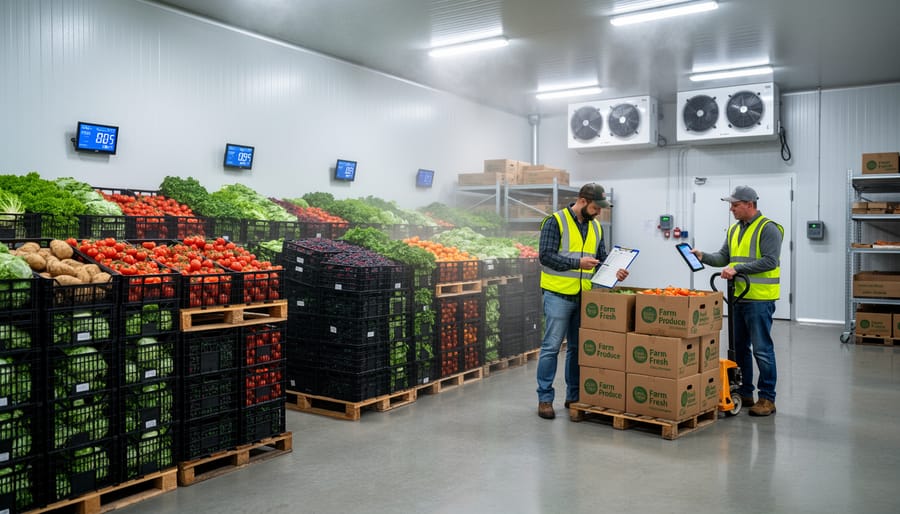
For local farmers, maintaining effective cold chain maintenance starts right after harvest. Fresh greens, berries, and dairy products need immediate cooling to preserve quality and safety. Simple solutions like pre-cooling with ice water or investing in a walk-in cooler make a significant difference.

Consider Sarah Chen’s farm in Ontario, where she installed solar-powered refrigeration units to maintain consistent temperatures during transport to farmers markets. This investment reduced spoilage by 40% while ensuring food safety compliance.

For consumers, check that refrigerated items at your farmers market feel properly chilled, and get perishables home quickly. Use insulated bags for shopping trips, and monitor your home refrigerator temperature regularly—it should stay at or below 4°C (40°F).

Interior of farm cold storage unit with organized produce crates
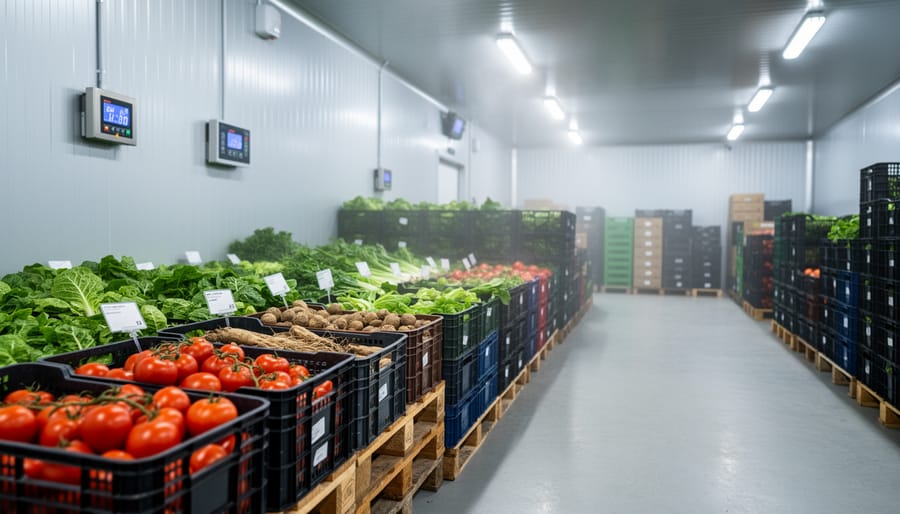
Temperature-controlled storage facilities help local farms maintain the cold chain for perishable products.

Regulations and Compliance Requirements

Understanding FSMA for Small Farms

The Food Safety Modernization Act, passed in 2011, represents the most significant update to our nation’s food safety laws in decades. For small-scale farmers and local food producers, understanding FSMA is essential, but the good news is that the legislation includes thoughtful provisions specifically designed with you in mind.

FSMA focuses on preventing foodborne illness rather than simply responding to outbreaks. It covers areas like water quality, employee hygiene, equipment sanitation, and record-keeping. However, recognizing that small farms operate differently than large industrial facilities, the law includes important exemptions.

If your farm generates less than $500,000 in annual food sales and sells more than half of your products directly to consumers, restaurants, or retailers within your state or within 275 miles, you may qualify for the Qualified Exemption. This dramatically reduces your regulatory burden while still requiring you to maintain basic safety practices.

Even smaller operations selling less than $25,000 annually are typically exempt from most FSMA requirements altogether. These accommodations allow beginning farmers to focus on growing their business while implementing food safety practices that make sense for their scale. The key is documenting your sales and understanding which category your operation falls into as you grow.

Certifications That Matter

When shopping at farmers markets or joining a CSA, you might notice farms displaying various certifications on their stalls or in their newsletters. These credentials tell you a lot about the farm’s commitment to food safety and quality practices.

Good Agricultural Practices, commonly known as GAPs, is one certification you’ll frequently encounter. This voluntary program focuses on reducing microbial contamination risks in fresh produce. Farms with GAPs certification follow specific protocols for water quality, worker hygiene, field sanitation, and harvest handling. Think of it as a comprehensive checklist that covers everything from how irrigation water is tested to how bins are cleaned between uses.

Organic certification is another credential many local farms pursue. While people often associate organic with pesticide-free growing, it actually encompasses food safety practices too. Certified organic farms must maintain detailed records, prevent contamination from prohibited substances, and follow strict handling procedures. The certification process requires annual inspections and can take three years to complete, demonstrating a farm’s long-term dedication to these standards.

Some regions offer additional certifications like Certified Naturally Grown, which provides similar standards to organic but with a peer-review model that’s more accessible for smaller operations. You might also see food safety training certificates, indicating that farm staff have completed courses in proper handling techniques.

Remember, certification involves costs and paperwork that some excellent small farms can’t manage. Many non-certified farms still follow rigorous safety practices. Don’t hesitate to ask farmers about their food safety measures during your next market visit—most are passionate about sharing their commitment to keeping your food safe.

Real Stories: How Local Farmers Prioritize Safety

Meet Sarah Chen, who runs a 50-member CSA farm in Vermont. When she started five years ago, food safety felt overwhelming. “I knew how to grow amazing tomatoes, but navigating GAPs certification seemed like a different language,” she admits. Sarah began with simple steps: implementing a harvest log to track which fields were picked when, establishing a cleaning schedule for harvest bins, and creating a designated hand-washing station in her packing barn.

Her biggest breakthrough came after a close call during her second season. A volunteer accidentally placed freshly harvested lettuce in bins that had contained root vegetables still covered in soil. “That moment changed everything,” Sarah explains. She immediately instituted a color-coded bin system—green for leafy greens, brown for root crops, and blue for fruits. This visual system meant anyone helping on the farm, regardless of experience, could maintain proper food safety protocols.

Down in North Carolina, Miguel Rodriguez transformed his three-acre farm after attending a regional food safety workshop. He discovered that his well water, which he assumed was pristine, actually needed regular testing. “I invested in quarterly water testing, and while it’s never shown problems, that peace of mind is invaluable for my members,” he shares. Miguel also built a simple but effective wash-and-pack station with proper drainage, separate areas for different crops, and clear signage reminding workers about hygiene protocols.

The challenges these farmers faced weren’t just technical. Sarah struggled with the cost of infrastructure improvements on a tight budget, solving this by applying for a local farm safety grant and phasing improvements over two seasons. Miguel initially worried that emphasizing food safety might seem impersonal to members who valued the farm’s intimate feel. Instead, he found that transparency about his practices deepened trust. “Now I include a ‘safety spotlight’ in my weekly newsletter, explaining things like why we refrigerate greens within two hours of harvest,” he says.

Both farmers stress that food safety doesn’t require perfection—it requires consistency and a commitment to continuous improvement. Their practical approach proves that even small farms can implement robust safety measures while maintaining the personal connection that makes local food special.

What You Can Do as a Conscious Consumer

Questions to Ask Your Farmer

Building a relationship with your local farmer starts with genuine curiosity. When visiting your farmers market or CSA pickup, consider asking questions like “Can you tell me about your food safety practices?” or “How do you ensure your produce stays fresh from harvest to sale?” Most farmers are passionate about their work and appreciate the interest.

You might also inquire, “Do you follow any specific food safety certifications or guidelines?” This shows you value their commitment to quality without implying distrust. For those curious about handling practices, try “What’s your process for washing and storing produce?” or “How quickly does your food get from the field to the market?”

If you’re interested in their growing methods, ask “What steps do you take to protect your crops from contamination?” These conversations not only help you make informed choices but also support farmers who prioritize safety. Remember, farmers are your partners in accessing fresh, wholesome food, and most welcome the opportunity to share their dedication to growing safely and sustainably.

Safe Food Handling After You Buy

Food safety doesn’t end when farmers deliver quality produce—it continues in your kitchen. Once you bring home those beautiful tomatoes from the farmers market or unpack your CSA box, you share the responsibility for keeping food safe.

Start by refrigerating perishables within two hours of purchase, or one hour if temperatures exceed 90°F. Store fruits and vegetables in clean, designated produce drawers, keeping them separate from raw meats to prevent cross-contamination.

Before preparing your locally grown treasures, wash your hands thoroughly with soap and warm water for at least 20 seconds. Rinse produce under running water, even items you’ll peel. For firm produce like potatoes or carrots, use a clean vegetable brush. Skip the soap or produce washes—plain water works best and won’t leave residues.

Keep your cutting boards, knives, and countertops clean, sanitizing them between different food items. Consider designating one cutting board for produce and another for raw proteins.

By following these simple practices, you’re honoring the care your local farmers put into growing safe, nutritious food while protecting your family’s health. This partnership between growers and consumers creates a stronger, safer local food system for everyone.

Building Trust Through Transparency

One of the most powerful food safety advantages of local farming is the ability to see exactly where your food comes from. When you buy from a nearby farm, you’re not just purchasing produce—you’re entering into a relationship built on transparency and accountability. This connection fundamentally changes how food safety works.

Unlike industrial food systems where products pass through multiple anonymous facilities, direct farmer-consumer relationships create natural accountability. Local farmers know their customers by name, shop at the same stores, and participate in the same community events. This social connection motivates careful attention to food safety practices because reputation matters deeply in tight-knit communities.

Many local farms welcome visitors for tours, offering an open-door policy that would be unthinkable in large-scale operations. During these visits, you can observe growing practices, ask questions about pest management, and see exactly how produce is harvested and handled. This level of access empowers consumers to make informed decisions about their food sources.

Community Supported Agriculture programs take this transparency even further. Members often participate in harvest days, volunteer at the farm, and receive regular newsletters detailing what’s happening in the fields. This ongoing communication creates shared investment in food safety outcomes.

When issues do arise, local systems enable rapid communication. A farmer can send text alerts or make phone calls to specific customers within hours, rather than waiting for large-scale recalls that might take days or weeks. This personal connection transforms food safety from abstract regulations into a shared responsibility between people who genuinely care about each other’s wellbeing, creating a culture where safety practices are strengthened through mutual respect and community trust.

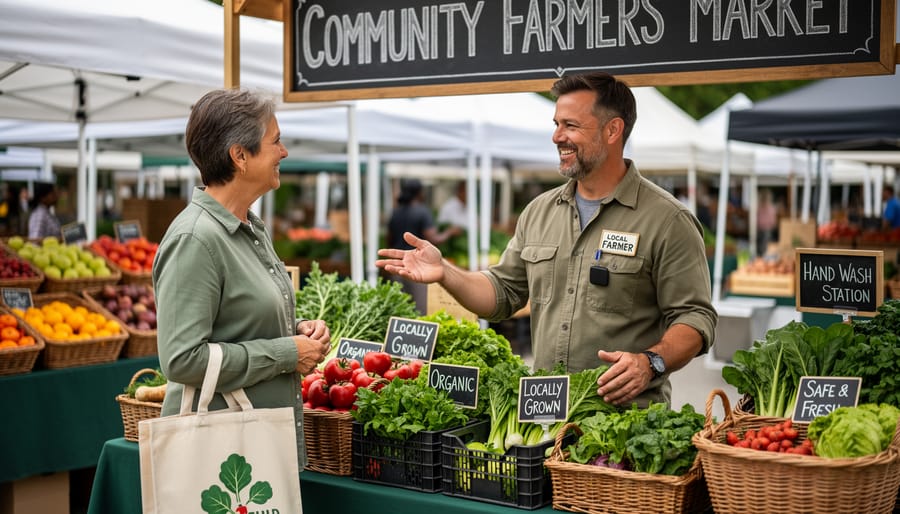
Farmer and customer conversing at farmers market produce stand
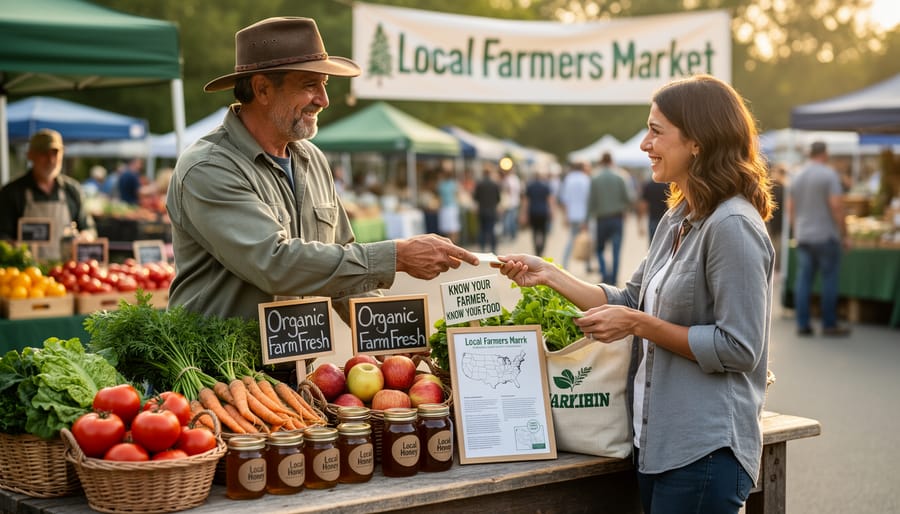
Direct relationships between farmers and consumers create transparency and accountability in local food systems.

Food safety in local distribution thrives on partnership. When you know your farmer, you gain more than fresh produce—you build a relationship grounded in transparency and mutual accountability. Unlike the anonymous nature of industrial food chains, local food systems allow you to ask questions, visit farms, and witness safety practices firsthand. This connection transforms food safety from a bureaucratic concern into a shared commitment between those who grow your food and those who enjoy it.

Farms that prioritize both sustainability and safety understand that these values aren’t competing priorities—they’re complementary. Healthy soil produces resilient crops, diverse ecosystems reduce pest pressures naturally, and careful handling protects your family’s wellbeing. These farmers deserve your support and engagement.

Ready to take the next step? Reach out to your local CSA or farmers market vendor and start a conversation about their food safety practices. Ask about their growing methods, handling procedures, and certifications. Most farmers are passionate about sharing their approach and appreciate consumers who care about these details. By supporting farms committed to excellence in both sustainability and safety, you’re investing in a healthier food system for your community and future generations. Your choices matter—make them count.

How a Local Farm Directory Transforms the Way Fresh Food Reaches Your Table

Posted by darrell on
0
Local Food Systems and Distribution
How a Local Farm Directory Transforms the Way Fresh Food Reaches Your Table

Finding the right local farms to partner with can transform your food business or household purchasing habits overnight. A comprehensive local farm directory serves as your direct connection to fresh, seasonal produce while solving the persistent challenges of sourcing reliability, quality consistency, and sustainable supply chains.

Local farm directories bridge the gap between growers and buyers by consolidating verified farm information, seasonal availability schedules, and delivery logistics into one accessible platform. Rather than making dozens of phone calls or driving rural routes hoping to find suppliers, you gain instant access to farms that match your specific needs—whether you’re stocking a restaurant, managing a food hub, or simply planning your family’s weekly produce box.

The real power lies in solving distribution headaches that have historically kept local food economically challenging. These directories typically include details about minimum order quantities, delivery radius, accepted payment methods, and even harvest calendars that help you plan purchases around peak freshness. Many feature direct messaging systems that eliminate communication barriers and allow you to build relationships with farmers before committing to large orders.

For retailers and food hub operators, directories reduce the time spent vetting suppliers from weeks to hours. You’ll discover farms offering everything from certified organic vegetables to pasture-raised meats, all with transparent growing practices and clear pricing structures. This efficiency makes local sourcing financially viable even for smaller operations working with tight margins, while connecting environmentally conscious consumers to the sustainable agriculture movement they want to support.

What Makes Farm-to-Retail Distribution Different From Traditional Food Logistics

Local food distribution operates on a completely different rhythm than the industrial food system most of us take for granted. While conventional supply chains move massive volumes from distant farms through centralized warehouses to retail shelves, direct farm-to-retail connections require a more nimble, relationship-based approach.

The biggest difference? Scale and timing. Small-scale farmers might harvest 50 pounds of heirloom tomatoes on Tuesday morning that need to reach customers by Wednesday afternoon, not pallets of produce shipped cross-country with week-long shelf lives. This creates a unique challenge where freshness is paramount, but quantities don’t justify dedicated delivery trucks or complex logistics networks.

Seasonal variability adds another layer of complexity. A farm directory in June might list twenty producers with strawberries, while December offerings shift entirely to root vegetables and greenhouse greens. Retailers working with local farms need to adapt their inventory planning constantly, unlike ordering year-round iceberg lettuce from industrial suppliers.

Then there’s the geography puzzle. Instead of one warehouse servicing multiple stores, retailers often coordinate pickups from several small farms scattered across a region. Each farm operates on its own schedule, with different harvest days and available pickup windows.

Traditional food logistics prioritize efficiency through standardization, but local food systems thrive on diversity and flexibility. A farm might offer three varieties of winter squash one week and surprise everyone with late-season peppers the next. This unpredictability, while challenging, is also what makes local food exciting and truly seasonal.

Successfully navigating these differences requires better communication tools, which is exactly where modern farm directories become invaluable for connecting all the moving pieces.

Farmer and grocery store worker transferring fresh produce in wooden crates at store loading dock
Direct connections between local farms and retailers create shorter supply chains and fresher produce for consumers.

The Local Farm Directory: Your Digital Bridge Between Field and Store

Connecting Retailers With Nearby Producers

Local farm directories serve as powerful matchmaking tools for retailers seeking fresh, locally sourced products. These digital platforms eliminate the guesswork by allowing grocery stores, restaurants, and food cooperatives to search for farms based on specific geographic parameters. Within minutes, a restaurant owner can identify all certified organic vegetable producers within a 50-mile radius, complete with detailed profiles showing what’s currently in season and ready for harvest.

The real magic happens when retailers can view real-time product availability calendars. Instead of making dozens of phone calls, buyers simply log into the directory to see which farms have heirloom tomatoes available this week or can supply 100 pounds of sweet corn by Friday. This transparency saves countless hours and reduces the frustration of missed connections.

Take Sarah Martinez, who manages procurement for a small grocery chain in Vermont. Before discovering her regional farm directory, she spent entire mornings coordinating with suppliers. Now, she connects directly with twelve local farms through the platform, building relationships that go beyond transactions. “I know the farmers by name, understand their growing practices, and can plan my inventory around their harvest schedules,” she shares. “It’s transformed how we operate.”

These directories often include messaging features, allowing retailers to negotiate prices, arrange delivery schedules, and ask specific questions about growing methods. This direct communication builds trust and creates partnerships that benefit both businesses, strengthening the entire local food economy while ensuring customers receive the freshest possible products.

Farmer using smartphone farm directory app while working in crop field
Modern farm directories connect producers directly with local retailers through easy-to-use digital platforms accessible right from the field.

Real-Time Inventory and Seasonal Planning Tools

Managing seasonal produce is one of the biggest challenges for retailers working with local farms. Modern farm directories have evolved beyond simple contact lists to include powerful planning features that make seasonal coordination much easier. These platforms now offer real-time harvest schedules and product availability updates, helping you know exactly what’s coming and when.

Many directories integrate modern distribution technology that sends automatic notifications when crops are ready for harvest or when availability changes due to weather conditions. This transparency eliminates guesswork and reduces waste from over-ordering or missed opportunities.

Planning tools within these directories let you visualize seasonal patterns across multiple farms, making it easier to diversify your supply chain. For example, Green Valley Market in Ontario used their directory’s planning dashboard to coordinate with three different berry farms, ensuring continuous strawberry supply from May through September rather than depending on a single source.

The best directories also include historical data, helping you anticipate next year’s availability and plan promotional campaigns around peak harvest times. This forward-thinking approach transforms seasonal fluctuations from a headache into an opportunity for featuring the freshest local produce at the right moment.

Building Trust Through Transparency

Local farm directories create transparency that helps retailers build trust with both farmers and customers. These platforms showcase detailed farming practices, from organic certifications to soil health methods, giving you the information needed to make confident sourcing decisions. When a directory lists whether a farm uses regenerative practices or holds USDA organic certification, you can quickly verify claims and match products with your values.

Many directories feature farm stories that go beyond basic listings. You’ll discover the farmer’s journey, their growing philosophy, and what makes their operation unique. This narrative depth becomes invaluable when communicating value to your customers. Instead of simply selling tomatoes, you can share the story of the third-generation farmer who uses heirloom seeds and natural pest management.

This transparency streamlines your vetting process while providing ready-made marketing content. Retailers report that sharing these authentic farm stories increases customer loyalty and justifies premium pricing, turning local sourcing from a logistical challenge into a competitive advantage.

Solving the Biggest Headaches in Local Distribution Logistics

Coordinating Multiple Pickup and Delivery Points

Managing pickups from multiple farms can quickly become a logistical puzzle, but local farm directories are stepping up to simplify the process. Modern directories incorporate smart scheduling tools that allow food hubs and retailers to coordinate collection times across various farms, reducing duplicate trips and fuel costs.

Many platforms now feature interactive maps showing farm locations alongside their harvest schedules, making route planning surprisingly straightforward. Instead of calling each farmer individually, buyers can view consolidated availability and create efficient pickup routes that minimize travel time. Some directories even integrate with mapping software to suggest the most fuel-efficient paths.

Aggregation hubs have become game-changers in this system. Directories help identify central collection points where multiple small-scale farmers can drop off their harvests, which buyers then collect in a single stop. This approach works beautifully for farmers like Maria Gonzalez, who started bringing her organic vegetables to a shared hub coordinated through her regional farm directory. She now saves three hours weekly on delivery runs while reaching more customers than ever before.

These coordination features transform what used to be a time-consuming challenge into a manageable system, making local food distribution economically viable for everyone involved while supporting sustainable farming practices.

Managing Communication Between Multiple Parties

Coordinating deliveries between farms, distributors, and buyers can quickly become overwhelming when everyone relies on scattered phone calls, text messages, and emails. Think about Sarah, a food hub manager who once juggled orders from fifteen farms using sticky notes and voicemail—mistakes were inevitable, and time was constantly wasted clarifying details.

Centralized farm directory platforms transform this chaos into smooth operations. Instead of playing phone tag, all parties access a single messaging hub where order details, delivery schedules, and product availability updates live in one searchable location. When a restaurant changes their order from twenty to thirty pounds of tomatoes, the system instantly notifies the farm and updates inventory counts automatically.

These platforms also maintain order histories and communication trails, eliminating the “he said, she said” confusion that leads to delivery mishaps. Buyers can track their requests from placement to delivery, while farmers receive organized order summaries rather than deciphering handwritten notes or unclear voicemails.

The result? Fewer wrong deliveries, happier customers, and more time for everyone to focus on what they do best—whether that’s growing exceptional produce or serving delicious meals. For small-scale operations especially, this efficiency breakthrough makes local food distribution genuinely sustainable.

Scaling Without Losing the Local Connection

As your retail business grows, maintaining those valuable farm partnerships shouldn’t mean drowning in spreadsheets and phone calls. Farm directories act as your centralized command center, allowing you to connect with dozens of producers while keeping track of seasonal availability, delivery schedules, and order histories all in one place. Think of how Sarah’s Market expanded from three farm suppliers to fifteen within a year, simply because their directory system automated the communication and ordering process that would have otherwise required hiring additional staff. The beauty of these platforms is that they scale with you, whether you’re a small grocery store adding a few farms or a regional chain building relationships across multiple counties. By partnering with local food hubs through directory systems, retailers maintain that personal touch customers love while enjoying the efficiency of modern technology, proving you can grow your business without losing your community roots.

Success Story: How One Regional Grocery Chain Cut Distribution Costs While Supporting 40 Local Farms

When Mountain Fresh Markets faced rising distribution costs and inconsistent produce supplies across their seven stores, manager Sarah Chen knew something had to change. Their traditional wholesale supplier relationships weren’t meeting customer demand for truly local products, yet coordinating directly with individual farms felt overwhelming.

Sarah discovered a regional farm directory designed specifically for distribution logistics. Within three months, the results transformed their entire operation.

The directory’s mapping feature helped Sarah identify 40 farms within a 50-mile radius of their distribution center. Instead of produce traveling hundreds of miles through multiple handlers, Mountain Fresh established direct relationships with nearby growers. The impact was immediate: distribution costs dropped 28 percent in the first year, primarily by eliminating middleman markups and reducing fuel expenses.

But the challenges weren’t insignificant. Coordinating harvest schedules, minimum order quantities, and delivery logistics with dozens of small farms initially seemed daunting. The directory’s communication tools became essential, allowing Sarah to send batch orders, track availability in real-time, and plan efficient pickup routes. Some farmers adjusted their planting schedules based on Mountain Fresh’s projected needs, creating stability for both parties.

The produce quality improvement surprised even Sarah. Tomatoes reached shelves within 24 hours of harvest instead of five days. Customer complaints about wilted greens virtually disappeared. Sales of local produce increased 45 percent as shoppers noticed the difference.

For the farmers, having a reliable retail partner meant financial security. Third-generation farmer Tom Rodriguez shared that his guaranteed orders from Mountain Fresh allowed him to hire two full-time employees and expand his organic acreage by three acres.

Sarah’s advice for other retailers? Start small with five to ten farms, build relationships gradually, and use the directory’s data to identify complementary growing seasons. The investment in direct relationships pays dividends through lower costs, better quality, and customers who become passionate advocates for your local food mission.

Group of local farmers and grocery store managers collaborating at produce delivery truck
Successful farm-to-retail partnerships built through local directories benefit farmers, retailers, and communities alike.

Getting Started: Building an Efficient Local Distribution Network

For Retailers Looking to Source Locally

Getting started with local farm directories is simpler than you might think. Begin by searching directories specific to your region, filtering results by product type, growing practices, and delivery capabilities. Look for farms certified organic or those practicing sustainable methods that align with your customers’ values.

When evaluating potential farm partners, schedule farm visits to see operations firsthand and discuss production volumes, harvest schedules, and quality standards. Ask about their experience with wholesale accounts and whether they can meet your consistency requirements. Many successful retailers find that starting with 2-3 reliable farms builds a strong foundation before expanding.

Establish clear ordering systems early on. Some farms prefer weekly order confirmations via email, while others use online portals or phone orders. Set up delivery schedules that work for both parties, whether that’s farm pickup, delivery to your location, or meeting at a food hub.

Planning for seasonal changes is essential in local sourcing. Work with farmers during winter months to understand their crop rotations and plan your product offerings accordingly. Consider preserving peak-season produce through freezing or canning partnerships. Building these relationships creates supply chain resilience while supporting your community’s agricultural economy.

For Farms Ready to Supply Retail Markets

Ready to connect with retail partners? Your directory profile is your digital handshake with potential buyers, so make it count. Start with high-quality photos of your farm and products—retailers want to see what they’re getting. Be specific about what you grow, your farming methods, and any certifications you hold.

Set realistic availability windows in your profile. Nothing damages retail relationships faster than promising produce you can’t deliver. Update your inventory weekly, especially during seasonal transitions. Include minimum order quantities and lead times to help buyers plan accordingly.

Communication is everything in retail partnerships. Respond promptly to inquiries and be upfront about your capacity. Consider Emma’s Farm in Vermont, which built lasting relationships with five local grocers by maintaining transparent communication and consistently delivering quality produce on schedule.

Coordinate deliveries efficiently by grouping orders geographically or partnering with other farms for shared transport. Many successful farms designate specific delivery days for retail accounts, reducing fuel costs and streamlining operations. Remember, reliability builds trust—and trust builds long-term partnerships that sustain your farm business through every season.

Creating Community Food Hubs as Distribution Centers

Food hubs are transforming how small farms reach consumers by serving as central collection and distribution points. By consulting local farm directories, these community hubs can identify participating farms, coordinate harvest schedules, and aggregate products from multiple growers into single deliveries. This collaborative approach makes efficient local distribution possible, reducing transportation costs and enabling smaller farms to access markets previously out of reach. Retailers benefit too, gaining access to diverse local products through one reliable source rather than managing relationships with dozens of individual farms.

Local farm directories aren’t just databases—they’re powerful tools that bring sustainable food systems to life. By connecting farmers with retailers, restaurants, and food hubs, these directories transform the complex challenge of local food distribution into something manageable and efficient. They turn good intentions about supporting local agriculture into real, actionable partnerships that benefit everyone involved.

If you haven’t explored your local farm directory yet, now’s the perfect time to start. Whether you’re a farmer looking to expand your market reach, a retailer seeking reliable local suppliers, or a food hub coordinator building distribution networks, these directories offer the connections you need to succeed. Take that first step—search for farms in your area, reach out to potential partners, and discover how straightforward farm-to-retail relationships can be.

The future of our food system depends on these local connections. When we make it easier for farmers and buyers to find each other, we build resilient communities with thriving local economies and fresh, sustainable food for everyone. Your local farm directory is the bridge that makes this vision possible.

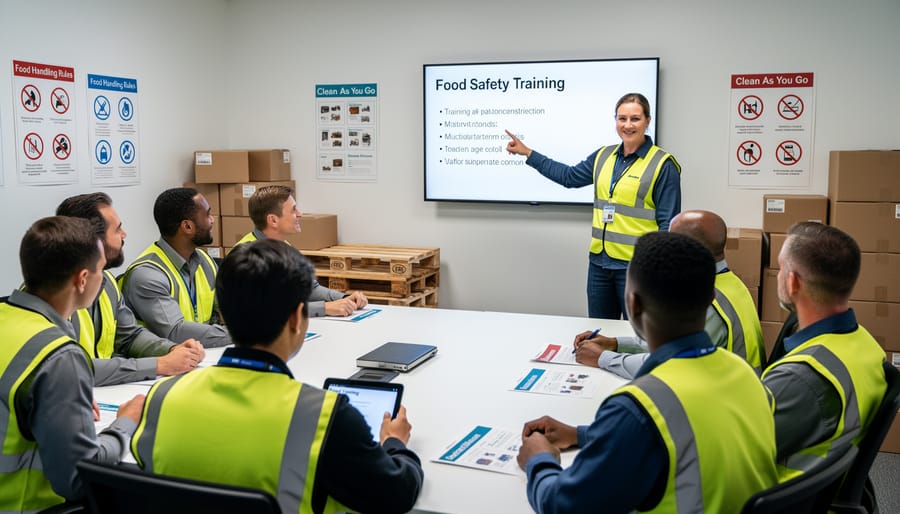
Why Your Local Food Distribution Center Needs Food Safety Training (Before Someone Gets Sick)

Posted by darrell on
0
Local Food Systems and Distribution
Why Your Local Food Distribution Center Needs Food Safety Training (Before Someone Gets Sick)

Train your staff using a documented curriculum that covers proper produce handling, temperature control, and cross-contamination prevention—these three elements prevent 80% of foodborne illness outbreaks in small-scale distribution settings. Implement daily temperature logs and regular hand-washing protocols as non-negotiable practices that protect both your customers and your farm’s reputation.

Transform food safety from a compliance burden into a competitive advantage for your CSA operations by creating simple, visual training materials your team can reference during busy harvest seasons. Local food hubs that prioritize safety training see 40% fewer customer complaints and build stronger community trust.

Start with the Food Safety Modernization Act’s Produce Safety Rule requirements, then customize training to reflect your specific crops and distribution methods. Schedule monthly refresher sessions lasting just 15 minutes to reinforce critical practices without disrupting workflow. Document everything—training dates, topics covered, and staff signatures—because this paper trail demonstrates your commitment to safety during inspections and builds confidence with wholesale buyers.

Your distribution center becomes the bridge between farm freshness and family tables. Every team member who understands proper cooling procedures, sanitation standards, and allergen awareness becomes a guardian of public health and your farm’s legacy.

The Real Risks Hiding in Distribution Centers

Temperature Fluctuations That Spoil More Than Just Lettuce

When fresh produce leaves your farm destined for eager customers, maintaining the right temperature becomes absolutely critical. Even a few degrees difference can accelerate spoilage, diminish nutritional value, and create food safety risks. That’s where proper cold chain management training comes into play for distribution center staff.

Temperature abuse happens more often than you’d think. Maybe a cooler door gets left open during loading, or produce sits on a loading dock longer than planned. Within hours, leafy greens can wilt, berries develop mold, and bacterial growth accelerates on items like pre-cut vegetables. Training your team to monitor and document temperatures throughout storage and transit protects both food quality and consumer health.

Consider the story of Green Valley Farm Cooperative, which reduced spoilage by 40 percent after implementing strict temperature monitoring protocols and staff training. Workers learned to use thermometers correctly, recognize warning signs of temperature fluctuations, and respond quickly to equipment issues. This investment not only saved produce but also strengthened customer trust in their local food system.

Distribution center worker monitoring refrigeration temperature with clipboard in hand
Proper temperature monitoring is essential for maintaining the cold chain and preventing spoilage in distribution centers.

When Good Produce Goes Bad: Cross-Contamination Points

Cross-contamination in distribution centers happens more often than you might think, and understanding these risk points helps keep your beautiful organic produce safe from farm to table. Let’s explore where things can go wrong so you can prevent them.

Equipment surfaces are common culprits. Pallet jacks, conveyor belts, and sorting tables that handle multiple product types throughout the day can transfer harmful bacteria between items. Think about it: the same forklift moving raw root vegetables with soil residue might later transport ready-to-eat salad greens.

Personnel practices create another vulnerability. When team members move between different temperature zones or handle various products without proper handwashing or glove changes, they unknowingly become vectors for contamination. Something as simple as touching a phone or adjusting clothing can introduce pathogens.

Storage areas present challenges too. Raw products stored above ready-to-eat items can drip condensation or debris downward. Even well-intentioned practices like using the same cleaning cloths across different zones can spread contamination rather than prevent it.

The good news? Many small-scale distribution centers have successfully tackled these issues through color-coded equipment systems, clearly defined workflow patterns, and consistent training reinforcement. By identifying your specific cross-contamination points, you’re taking an essential step toward protecting the quality and safety of the local, organic produce your community depends on.

What Effective Food Safety Training Actually Covers

Personal Hygiene Standards That Actually Matter

Personal hygiene forms your first line of defense against food contamination in distribution centers. Let’s focus on the practices that truly make a difference in keeping your locally sourced produce safe.

Handwashing is non-negotiable. Team members should wash hands thoroughly for at least 20 seconds before starting work, after bathroom breaks, after handling packaging materials, and before touching fresh produce. Provide accessible handwashing stations with soap, warm water, and single-use towels near all work areas.

Protective clothing matters more than you might think. Clean gloves, hairnets, and smocks create barriers between workers and food. Change gloves between tasks, especially when switching from handling packaging to touching produce. One farm cooperative we know saw contamination incidents drop by 80% after implementing daily fresh uniforms.

Illness policies protect everyone. Workers experiencing symptoms like vomiting, diarrhea, or fever should stay home until symptom-free for 24 hours. This can feel challenging for small operations, but having backup staff or flexible scheduling prevents one sick employee from compromising entire shipments of organic vegetables destined for your community.

Close-up of hands in nitrile gloves being washed with soap and water
Proper handwashing technique is a fundamental food safety practice that prevents contamination at every stage of distribution.

Proper Handling and Storage Techniques

Start with a solid receiving protocol. When deliveries arrive, check temperatures immediately using calibrated thermometers—cold items should stay at 41°F or below, frozen at 0°F. Inspect packaging for damage, leaks, or unusual odors before accepting shipments. This first checkpoint prevents contaminated products from ever entering your facility.

Storage requires strategic organization. Practice FIFO (First In, First Out) by dating all items and placing newer stock behind older products. Keep raw and ready-to-eat foods separate, storing raw items on lower shelves to prevent cross-contamination through drips. Maintain proper spacing between boxes for air circulation, which helps preserve freshness and prevents mold growth.

Temperature monitoring is your daily safeguard. Record cooler and freezer readings twice daily, and address any deviations immediately. Clean storage areas weekly using food-safe sanitizers, and keep high-risk allergens clearly labeled and isolated.

When preparing orders for distribution, use clean, sanitized containers and practice proper hand hygiene. One small-scale CSA operator in Vermont credits their perfect safety record to these simple practices combined with regular team training—proving that consistent attention to basics protects both customers and your farm’s reputation.

Cleaning and Sanitation Protocols

Establishing robust cleaning and sanitation protocols protects the quality of your fresh, organic produce from field to customer. Start by creating daily cleaning schedules for all food-contact surfaces, including sorting tables, bins, and refrigeration units. Use food-safe sanitizers approved for organic handling, and train staff on proper dilution ratios to ensure effectiveness without leaving harmful residues.

Temperature-controlled storage areas deserve special attention. Schedule deep cleaning between shipments, paying close attention to corners, drains, and door seals where moisture and debris accumulate. Keep detailed logs of cleaning activities, including dates, times, and staff initials, which helps maintain accountability and demonstrates compliance during inspections.

Implement a color-coded system for cleaning tools to prevent cross-contamination between raw and ready-to-eat produce areas. Remember, a Vermont farm cooperative reduced product loss by 40% after implementing structured sanitation training. Your commitment to cleanliness directly supports local farmers by ensuring their carefully grown crops reach customers in peak condition, maintaining the trust that makes community-supported agriculture thrive.

Building a Food Safety Culture in Small-Scale Operations

Distribution center workers participating in food safety training session
Regular food safety training sessions help build a culture of safety awareness among all distribution center staff.

Making Training Accessible for Seasonal Staff

Seasonal workers are the backbone of many distribution operations during peak harvest times, yet training them efficiently can feel overwhelming. The good news? You can create streamlined onboarding that sticks without eating up precious time.

Start with a concise, visual training manual that covers essential food safety basics: proper handwashing, temperature control, cross-contamination prevention, and allergen awareness. Consider creating a one-page checklist format that new workers can reference throughout their shifts. Many successful CSA managers have found that 30-minute hands-on training sessions work better than lengthy lectures.

Buddy systems work wonderfully too. Pair each new seasonal worker with an experienced team member who can demonstrate proper protocols in real-time. This approach reinforces good habits immediately and creates a supportive learning environment.

Digital tools can help tremendously. Short video tutorials that workers can watch on their phones before their first shift ensure everyone starts with baseline knowledge. One Vermont food hub manager shared how brief daily safety huddles transformed their seasonal crew’s practices, reducing handling errors by 60 percent within one harvest season.

Remember, keeping training positive and practical helps temporary staff feel valued and invested in maintaining your operation’s food safety standards.

Low-Cost Tools That Make Compliance Easier

Keeping your distribution center compliant doesn’t require expensive software or consultants. Simple spreadsheet templates can help you track temperatures, cleaning schedules, and employee training records effectively. Many state agriculture departments offer free downloadable checklists specifically designed for small-scale food operations, making it easier to stay organized without breaking the budget.

Digital thermometers with data logging capabilities cost under $50 and provide reliable temperature monitoring for refrigerated storage areas. Free mobile apps like FoodKeeper help staff understand proper storage times and handling procedures right from their phones. Consider creating laminated quick-reference guides for handwashing stations and loading dock areas, which serve as constant visual reminders for your team.

A basic three-ring binder system works wonderfully for maintaining training certificates, supplier approvals, and inspection records. Color-coded sections make information retrieval quick during audits. Several successful CSA operations have shared how they use simple photo documentation on tablets to record daily cleaning tasks and receive conditions, creating accountability without complex systems.

Weekly team huddles, combined with these straightforward tools, build a culture where food safety becomes second nature rather than an overwhelming compliance burden for your operation.

Compliance Requirements You Can’t Ignore

FSMA Rules for Small and Mid-Sized Distributors

The Food Safety Modernization Act includes specific provisions that affect distribution centers of all sizes, though requirements vary based on your operation’s scale. The Preventive Controls for Human Food rule applies to most facilities that manufacture, process, pack, or hold food for consumption in the United States. This means your local food hub or CSA distribution point likely falls under FSMA oversight.

Here’s the good news for smaller operations: exemptions exist for qualified facilities. If your operation averages less than $1 million in annual food sales during the previous three-year period, you may qualify for modified requirements. Additionally, farms that distribute only their own raw agricultural commodities typically receive different treatment than multi-farm aggregators.

Even with exemptions, basic food safety practices remain essential. Many successful small distribution centers have found that implementing simplified hazard analysis and preventive control plans actually protects their business while building customer trust. One Vermont food hub manager shared how their straightforward training program helped them navigate inspections smoothly while maintaining their commitment to supporting local growers.

The key is understanding where your operation fits within FSMA’s framework. Whether you’re exempt or fully covered, documentation of your food safety practices demonstrates your dedication to protecting the community you serve while keeping locally grown food accessible and safe.

Documentation That Protects Your Operation

Keeping solid records isn’t just paperwork—it’s your safety net. When you document food safety training sessions, temperature logs, and cleaning schedules, you’re creating a trail that proves your commitment to safe handling practices. Think of these records as your operation’s insurance policy.

Start with training attendance sheets that note dates, topics covered, and employee signatures. Keep temperature monitoring logs for coolers and transport vehicles, recording times and readings throughout each shift. Document your cleaning and sanitation schedules with completion checkmarks. These simple practices demonstrate due diligence if questions ever arise.

Store records for at least two years, following food safety guidelines. Digital photos of your processes can provide valuable backup evidence. Many small distribution centers find success using simple spreadsheets or affordable apps designed for food operations. This organized approach protects your business while showing customers and inspectors that you take food safety seriously. Remember, consistent documentation reflects the same care you put into delivering quality produce to your community.

Real Stories: When Food Safety Training Made the Difference

When Maria took over as operations manager at Green Valley Food Hub, she inherited a team that handled everything from farm pickups to restaurant deliveries. Despite their best efforts, they struggled with recurring complaints about wilted greens and inconsistent product quality. After implementing a comprehensive food safety training program focused on proper temperature control and handling procedures, everything changed.

Her team learned the critical importance of maintaining the cold chain from farm to customer. They discovered they’d been loading refrigerated trucks inefficiently, creating warm spots that compromised product integrity. Within three months of training, customer complaints dropped by 78%, and their organic lettuce producers noticed significantly less waste. Maria’s biggest takeaway? “We thought we knew what we were doing, but training revealed blind spots we didn’t even know existed. Now our drivers check temperatures at every stop, and it’s just part of our culture.”

Similarly, Oak Ridge Farm Cooperative avoided a potentially devastating situation when their newly trained distribution staff caught a malfunctioning cooler before it spoiled an entire week’s harvest of organic strawberries worth $12,000. Their employee, James, had just completed training on monitoring equipment and immediately recognized the temperature fluctuation patterns. He transferred the berries to backup cooling within an hour.

The practical lesson from both stories? Food safety training isn’t just about passing inspections. It empowers your team to spot problems early, protect your investment in quality produce, and build trust with customers who depend on your commitment to excellence. Small investments in education consistently prevent much larger losses down the road.

Getting Started: Your First Steps Toward Safer Distribution

Starting your food safety journey doesn’t have to feel overwhelming. Whether you’re managing a small CSA distribution point or a regional food hub, taking those first steps can protect your community while building trust with your customers.

Begin by assessing your current operations. Walk through your facility and identify where food is received, stored, and distributed. Notice temperature-sensitive areas, cross-contamination risks, and employee handling procedures. This baseline understanding helps you prioritize where training is most needed.

Next, tap into free and low-cost resources designed for small-scale operations. The FDA offers downloadable guides specifically for produce distributors, while many state agriculture departments provide workshops tailored to local food systems. Organizations like the Local Food Safety Collaborative offer webinars and toolkits perfect for community-scale operations.

Your initial training priorities should focus on three core areas: proper temperature control, preventing cross-contamination, and personal hygiene practices. These fundamentals form the foundation of solid food safety practices that protect everyone from farm to table.

Consider partnering with nearby farms and distribution centers to share training costs and experiences. One successful food hub in Vermont started a regional training cooperative where five small distributors pooled resources for quarterly safety workshops. This collaborative approach made professional training affordable while building a supportive network.

Start small but start today. Even training one employee per week creates momentum. Remember, building a food safety culture is a journey, not a destination, and every step forward protects the health of the communities you serve.

When your distribution center prioritizes food safety training, you’re doing more than protecting products—you’re safeguarding the trust your community has placed in the local food movement. Every person who chooses locally grown organic produce over conventional supermarket options is making a conscious decision to support sustainable agriculture and their neighbors. They’re counting on you to honor that choice with safe, wholesome food.

Strong food safety practices aren’t just about compliance; they’re the foundation that allows the entire local food system to thrive. One foodborne illness incident can undermine years of relationship-building and damage the reputation of countless dedicated farmers and food hubs in your region. By investing in comprehensive training, you’re protecting not only your operation but the collective future of community-supported agriculture.

Think of food safety training as an essential investment in sustainability itself—right alongside composting, renewable energy, and regenerative farming practices. It strengthens community health, builds lasting customer relationships, and ensures the local food movement continues growing for generations to come.

Start today by assessing your current training program and identifying areas for improvement. Your commitment to food safety demonstrates the same care and integrity that drew you to local, organic food in the first place.

How the Journal of Food Protection Keeps Your Local Farm Safe (And Your Family Healthier)

Posted by darrell on
0
Local Food Systems and Distribution
How the Journal of Food Protection Keeps Your Local Farm Safe (And Your Family Healthier)

The Journal of Food Protection bridges the critical gap between laboratory research and the real-world safety practices that keep your family’s food secure. This peer-reviewed publication translates complex food science into actionable guidelines that directly impact how farmers, distributors, and CSA operations handle everything from soil amendments to harvest procedures.

Understanding this connection matters because local food systems face unique challenges that large-scale operations never encounter. Small farms often lack dedicated food safety staff, yet they’re handling fresh produce that moves from field to table within days—sometimes hours. The journal’s research addresses pathogen control during hand-harvesting, proper wash water management for small-batch processing, and temperature monitoring for farmers market vendors. These aren’t abstract concepts; they’re the difference between a thriving local food business and a devastating recall.

For consumers choosing farm-fresh foods, this knowledge base provides reassurance. When your farmer mentions GAPs certification or explains their post-harvest cooling system, they’re applying decades of peer-reviewed science published in venues like the Journal of Food Protection. The research empowers small-scale producers to match—and often exceed—the safety standards of industrial agriculture while maintaining the quality and freshness that drew you to local food in the first place. This intersection of science and sustainable practice makes community-supported agriculture not just environmentally responsible, but genuinely safe for your family.

What the Journal of Food Protection Reveals About Local Food Safety

Farmer washing fresh leafy greens under running water at farm washing station
Proper washing and handling practices at the farm level are critical food safety measures informed by research published in journals like the Journal of Food Protection.

Research That Changes How Your Local Farmer Operates

The Journal of Food Protection might sound like academic territory, but its research directly shapes how your neighborhood farmers handle the food you bring home. Consider leafy greens: studies published in the journal revealed that certain soil amendments and irrigation practices significantly reduced pathogen contamination. Many small-scale farmers now adjust their composting timelines and water sources based on these findings, keeping local food safety standards high.

Egg producers have particularly benefited from journal research on proper washing and storage temperatures. One Wisconsin farmer shared how implementing research-backed cooling protocols extended her eggs’ shelf life by nearly a week while maintaining quality. These aren’t expensive interventions, just science-backed timing adjustments that make real differences.

For farmers creating value-added products like jams, pickles, or fermented foods, the journal provides crucial pH level guidelines and processing temperatures. A Massachusetts farm transformed their preservation methods after learning about specific acidity requirements for safe canning, allowing them to confidently expand their product line.

The beauty of this research is its accessibility through extension services and farming networks. You don’t need a lab coat to benefit from findings about optimal produce washing techniques or storage container materials. These practical applications mean the tomatoes and cucumbers in your CSA box arrive safer and stay fresher, all thanks to ongoing scientific investigation that farmers can actually use.

From Lab to Farm Stand: The Translation Process

The bridge between research published in the Journal of Food Protection and your local farm stand is shorter than you might think. When scientists discover better ways to prevent foodborne illness—whether it’s improved washing techniques for leafy greens or safer composting methods—these findings don’t just sit in academic journals gathering dust.

Extension agents and food safety organizations regularly review this research, translating complex studies into practical guidelines that farmers can actually use. For instance, when researchers identify the ideal temperature for storing tomatoes to prevent bacterial growth, this knowledge becomes part of Good Agricultural Practices (GAPs) certification programs that many small farms pursue.

Your local organic farmer might attend workshops hosted by university extension services, where experts break down the latest science into actionable steps. These same findings influence USDA organic standards and state-level food safety regulations. What started as a controlled laboratory experiment eventually becomes the reason your farmer uses specific water sources for irrigation or maintains certain time intervals between composting and planting.

This translation process ensures that even small-scale growers have access to cutting-edge food safety knowledge, helping them protect their customers while maintaining the sustainable practices that make local food special. The result? Safer produce on your dinner table, backed by solid science.

Critical Food Safety Issues for Local Food Distribution

Overhead view of CSA box filled with fresh colorful vegetables and produce
CSA boxes represent a direct connection between farms and consumers, where research-backed food safety practices ensure quality from harvest to delivery.

Produce Safety Standards You Should Know About

Research published in the Journal of Food Protection offers valuable insights that directly impact how we handle produce from farm to table. For fresh produce, proper washing is your first line of defense. Running water works best – studies show that gently rubbing fruits and vegetables under cool running water removes more contaminants than soaking. Skip the soap or produce washes; plain water is equally effective and won’t leave residues.

Temperature control matters more than many realize. Keep your refrigerator at 40°F or below, and store leafy greens and berries promptly after harvesting or pickup. Research consistently shows that cold temperatures slow bacterial growth significantly. Pro tip from successful farmers: harvest produce in the cooler morning hours when possible to maintain freshness.

Cross-contamination prevention is straightforward but crucial. Use separate cutting boards for produce and raw meats, and wash your hands for at least 20 seconds before handling fresh vegetables. These simple practices, validated through countless studies, protect both you and your family. Remember, locally grown produce from your CSA starts with excellent safety practices at the farm level, and you complete that chain of care in your own kitchen.

Temperature Control and Cold Chain Management

Keeping food at proper temperatures is one of the most critical factors in preventing foodborne illness and maintaining nutritional quality. From the moment vegetables are harvested or dairy products leave the farm, the clock starts ticking. Research published in the Journal of Food Protection consistently shows that even brief temperature fluctuations can accelerate bacterial growth and reduce shelf life.

For local farmers and CSA operations, effective cold chain management means more than just having a refrigerator. It involves pre-cooling harvested produce quickly, maintaining consistent temperatures during transport, and ensuring proper storage at distribution points. One Ontario farmer shared how investing in a portable cooler for market trips reduced spoilage by 40 percent and extended the freshness of leafy greens by three days.

The temperature danger zone, between 4°C and 60°C (40°F and 140°F), allows harmful bacteria to multiply rapidly. Simple practices like harvesting in cooler morning hours, using insulated containers, and monitoring temperatures with affordable thermometers can make a significant difference in food safety and quality for your local food system.

Cross-Contamination Prevention at Small Scales

Small-scale farms successfully prevent cross-contamination through simple, science-backed strategies that don’t require expensive machinery. The key starts with proper handwashing stations positioned at field entrances and packing areas. Many successful farmers use color-coded cutting boards and knives, dedicating specific tools to different crops to prevent pathogen transfer.

Physical separation proves incredibly effective. Creating distinct zones for washing, packing, and storage reduces contamination risks significantly. Research published in food safety journals confirms that even basic spacing between activities dramatically improves safety outcomes.

Smart farmers also implement the “clean-to-dirty” workflow principle, processing freshly harvested produce before handling field equipment or containers. They schedule high-risk items like leafy greens early in the wash cycle, changing water frequently.

One inspiring success story comes from a Michigan farm that eliminated contamination issues by installing simple foot baths at greenhouse entrances and designating harvest-only containers that never touch the ground. These low-cost solutions, backed by evidence-based research, prove that food safety excellence doesn’t require industrial budgets. Regular training sessions where farmers share what works create communities of practice that keep everyone’s standards high while maintaining the personal touch that makes local farming special.

Success Story: How One CSA Farm Improved Safety Using Research-Based Practices

When Sarah Martinez took over Green Valley Farm in Oregon, she knew her CSA operation needed to meet higher food safety standards, but she wasn’t sure where to start. Like many small-scale farmers, she felt overwhelmed by conflicting advice and worried that implementing proper protocols would be too expensive or complicated for her 40-member CSA.

Everything changed when Sarah attended a workshop where an extension agent shared research from the Journal of Food Protection about practical interventions for small farms. One study particularly resonated with her: it showed that simple, science-backed practices could dramatically reduce contamination risks without breaking the bank.

Sarah’s biggest challenge was water management. Her well water tested positive for coliform bacteria during routine testing, putting her entire harvest box operation at risk. Rather than installing an expensive treatment system immediately, she consulted the research and discovered a staged approach. She started by designating separate water sources for irrigation versus washing produce, implementing a basic chlorination system for wash water based on published guidelines, and establishing regular testing schedules.

The transition wasn’t without obstacles. Her team initially resisted the new handwashing protocols and harvest bin sanitization routines, viewing them as unnecessary extra steps. Sarah addressed this by sharing the science behind each practice, explaining how even invisible contamination could make families sick. She also connected these efforts to similar farmers market practices used by successful vendors in her region.

Within one growing season, Sarah’s water tests came back clean, and she experienced zero foodborne illness complaints. Better yet, her CSA membership grew by 35% as word spread about her commitment to safety. Sarah now mentors other farmers, proving that research-based food safety practices aren’t just achievable for small operations—they’re essential for building customer trust and long-term success.

Farmer engaging with customers at farmers market produce stand
Direct communication between farmers and consumers at markets builds trust and allows shoppers to learn about the food safety practices protecting their purchases.

What CSA Members and Farmers Market Shoppers Should Look For

Good Signs Your Farmer Takes Food Safety Seriously

When you’re picking up your farm share or shopping at a local stand, several visible signs indicate your farmer prioritizes food safety. Look for clean, organized displays where produce isn’t touching the ground and harvest containers appear well-maintained. Temperature-controlled storage is crucial—notice if items like leafy greens and berries are kept cool, not sitting in direct sunlight. Farmers who practice good hand hygiene, provide handwashing stations, or use gloves when handling ready-to-eat items demonstrate their commitment.

Pay attention to how farmers discuss their practices. Those who openly share their food safety protocols, explain their washing and cooling procedures, or mention attending food safety workshops show they’re staying informed about best practices. Research published in food safety journals emphasizes that these visible practices directly correlate with microbial safety. Clean water sources for washing produce, proper composting distance from growing areas, and thoughtful harvest timing after rain events all matter. A farmer who welcomes questions about their safety practices is typically one who takes these responsibilities seriously and stays current with recommended standards.

Questions to Ask (Without Seeming Difficult)

Building a relationship with your farmer starts with genuine curiosity. When visiting a farm stand or market, try opening with, “I’d love to learn more about how you keep your produce safe—can you walk me through your harvest process?” This shows interest rather than skepticism.

You might also ask, “What steps do you take to protect your crops from contamination?” or “How do you handle and store produce after harvesting?” These questions invite farmers to share their expertise and pride in their work.

For farms offering CSA shares, consider asking, “Do you follow any specific food safety guidelines or certifications?” Many small-scale farmers implement rigorous practices inspired by research from publications like the Journal of Food Protection, even if they’re not formally certified.

Remember, most farmers are passionate educators who welcome thoughtful questions. Frame your inquiries as learning opportunities: “I’m trying to understand more about food safety—what should I look for when choosing where to buy?” This collaborative approach builds trust while helping you make informed decisions about your food sources.

How Small Farmers Can Stay Current with Food Safety Science

Staying current with food safety science doesn’t require a university library card or an advanced degree. Small-scale farmers have numerous accessible resources at their fingertips to keep their operations safe and compliant.

Your local Cooperative Extension Service is your first stop for practical, research-based guidance. Extension agents translate complex studies from journals like the Journal of Food Protection into actionable steps for real-world farm operations. They offer free or low-cost workshops, farm visits, and personalized consultations tailored to small producers.

Online resources have democratized access to food safety knowledge. The National Sustainable Agriculture Information Service provides downloadable guides on everything from proper washing techniques to record-keeping systems. Many universities now offer free webinars and video tutorials specifically designed for direct-market farmers.

Building connections within your farming community creates invaluable knowledge-sharing networks. Join your regional farmers market association or organic growers group to learn from peers who’ve successfully implemented food safety improvements. These relationships often reveal budget-friendly solutions that work in real farm conditions, not just laboratory settings.

Don’t overlook social media farmer groups where producers share recent research findings and discuss practical applications. Many food safety experts actively participate in these online communities, offering free advice and clarifying new recommendations.

Start small by implementing one improvement at a time. Perhaps it’s upgrading your wash water system or improving your harvest container sanitation. Document what works, share your experiences with fellow farmers, and keep building on your success. Remember, food safety is a journey of continuous improvement, not an impossible destination.

Food safety in local food systems thrives when farmers and consumers work together as partners. The research published in journals like the Journal of Food Protection provides valuable, science-backed guidance that helps small-scale growers implement practical safety measures without losing the personal touch that makes CSA relationships so meaningful. When farmers adopt evidence-based practices for washing, handling, and storing produce, and consumers understand proper food handling at home, everyone benefits from safer, fresher food. This partnership doesn’t diminish the transparency and connection that draw people to local food; rather, it strengthens these relationships through mutual commitment to quality and care. By staying informed about food safety best practices and maintaining open communication, farmers and their CSA members create a food system that’s not only more sustainable and personal, but genuinely safer than ever before.

How Small Farms Are Revolutionizing Local Food Distribution (Without the Middleman)

Posted by darrell on
0
Local Food Systems and Distribution
How Small Farms Are Revolutionizing Local Food Distribution (Without the Middleman)

Establish a centralized collection point where multiple farmers can aggregate their harvest, reducing individual transportation costs by up to 60% and creating consistent volume that attracts wholesale buyers. Partner with existing food hubs or cooperative warehouses that already have refrigeration infrastructure and delivery routes—this eliminates the need for costly individual storage facilities while connecting you to established retail networks.

Implement a shared distribution schedule that combines orders from several farms into single delivery runs. Small-scale farmer cooperatives using this approach report cutting fuel expenses in half while expanding their customer reach from local farmers markets to regional grocery chains and restaurants. Your warehouse hub becomes the critical link between field and table, transforming individual farm operations into a competitive collective.

Design your logistics around temperature-controlled zones that accommodate different produce types simultaneously. Root vegetables, leafy greens, and delicate berries each require specific storage conditions—successful distribution centers create separate climate areas within one facility, preserving quality from harvest to delivery. This multi-zone approach allows you to diversify your product offerings without compromising freshness.

Track inventory using simple digital systems that provide real-time updates to retail partners. Transparency in available quantities prevents over-ordering and reduces waste, building trust with buyers who need reliable supply chains. When restaurants and stores can see exactly what’s coming from local farms, they’re more likely to feature seasonal produce prominently, creating demand that sustains your distribution network year-round.

Why Local Farms Need Smart Warehouse Logistics

Organized farm warehouse interior with fresh vegetables in crates on shelving
Proper warehouse organization allows small farms to efficiently store and distribute fresh produce to multiple retail partners.

The Fresh Food Challenge: Time is Money

When you’re dealing with fresh organic produce, every hour counts. Unlike shelf-stable goods, your carefully grown tomatoes, leafy greens, and berries have a biological clock ticking from the moment they’re harvested. This is where smart warehouse logistics become your best friend in fighting food waste and protecting your profits.

Think of your distribution center as a preservation station. The faster produce moves through your system, the more days of freshness your customers enjoy at home. Efficient warehouse operations can add crucial days to shelf life by minimizing handling time and maintaining optimal temperature controls throughout storage and distribution.

Here’s a real-world example: Green Valley Cooperative in Oregon reduced their produce waste from 18% to just 6% by implementing a first-in-first-out tracking system and same-day processing for delicate items like berries and salad greens. They invested in temperature-zoned storage areas and trained staff to prioritize speed without sacrificing care.

Small changes make big differences. Consider organizing your warehouse layout so the most perishable items are closest to loading docks. Use clear labeling with harvest dates, and establish partnerships with retailers who understand the value of ultra-fresh organic produce. Remember, time saved in the warehouse translates directly to quality delivered and waste avoided.

Small Scale, Big Coordination

Running a small farm operation means juggling multiple distribution channels from one central location, and that’s where smart coordination becomes essential. Unlike large-scale operations, small farms often serve diverse customers simultaneously—delivering to local restaurants on Tuesday mornings, setting up farmers market displays on Saturdays, and preparing CSA boxes for Wednesday pickups.

The key to managing this complexity lies in creating a simple, organized system at your storage facility. Many successful farmers use color-coded bins or designated zones within their cooler or barn to separate orders for different channels. For instance, restaurant orders might occupy one shelf, while CSA shares fill another, preventing mix-ups during busy packing days.

Consider partnering with local food hubs to streamline coordination. These collaborative spaces can handle some distribution legwork, allowing you to focus on growing quality produce.

Communication tools also make coordination smoother. Shared spreadsheets, simple inventory apps, or even group text threads help you track what’s going where and when. One Vermont farmer reduced packing errors by 80% simply by implementing a checklist system and dedicating specific harvest days to each distribution channel. Remember, efficient coordination doesn’t require expensive technology—just thoughtful planning and consistent routines that work for your unique operation.

Essential Components of a Farm Distribution Hub

Cold Storage and Temperature Zones

Different types of produce have varying cooling requirements to maintain freshness during storage and distribution. Leafy greens and herbs need temperatures around 32-36°F with high humidity, while tomatoes and peppers prefer warmer conditions at 50-55°F to preserve flavor and texture. Root vegetables typically store well at 32-40°F with moderate humidity levels.

For small-scale farmers and cooperatives, implementing effective cold chain solutions doesn’t require industrial-sized walk-in coolers. Consider creating temperature zones using multiple chest freezers converted to refrigerators with external thermostats, or partitioning a single cooler with insulated curtains. Affordable options include purchasing used dairy coolers or repurposing shipping containers with basic cooling units installed.

Many successful farm cooperatives start with one multi-purpose cooler set at 36°F, storing temperature-sensitive items separately in insulated boxes. As your operation grows, you can gradually expand to accommodate specific temperature zones. Simple monitoring systems with digital thermometers help track conditions and ensure product quality throughout the distribution process.

Walk-in cooler with organized produce in temperature-controlled zones
Cold storage with multiple temperature zones helps preserve different types of produce and extend shelf life for organic vegetables.

Receiving and Quality Control Stations

Setting up an efficient receiving station is your first line of defense for quality assurance. When produce arrives from fields or partner farms, designate a clean, shaded area with proper temperature control to prevent spoilage. Create a simple intake checklist that includes harvest time, temperature readings, and visual inspection notes. This helps track freshness and identify any issues immediately.

Quality control doesn’t need to be complicated. Train your team to look for common indicators like proper color, firmness, and absence of damage or disease. Use standardized grading criteria so everyone evaluates produce consistently. One successful cooperative we know implemented a traffic light system—green for immediate distribution, yellow for quick sale, and red for composting—which streamlined their sorting process dramatically.

Prepare dedicated zones for washing, trimming, and packing. Keep sanitized bins and containers nearby for different quality grades. Label everything clearly with variety, source farm, and arrival date. This organization saves precious time during distribution rushes and reduces handling damage.

Consider investing in simple tools like digital thermometers, calibrated scales, and moisture meters. These affordable additions provide objective data that protects both your reputation and your farming partners’ hard work while ensuring customers receive the freshest possible organic produce.

Packing and Staging Areas

Once your orders are picked and ready, the packing and staging area becomes your warehouse’s command center for final preparation. This is where individual orders get organized by retail customer—whether that’s a grocery store, restaurant, or farmers market booth—making loading day smooth and stress-free.

Think of this space as your assembly line for success. Group each retailer’s products together in designated zones, clearly labeled with customer names and delivery routes. Many successful farm cooperatives use color-coded tags or bins to prevent mix-ups. One organic farm collective in Oregon shared how they reduced loading errors by 80 percent simply by organizing their staging area by delivery route rather than by product type.

Keep your most frequently ordered items near the loading dock to minimize travel time. Temperature-sensitive products like leafy greens and berries should have their own refrigerated staging zone, separate from hearty root vegetables that can handle brief temperature variations.

Create a simple checklist system for each order—this helps your team verify quantities and catch any missing items before trucks depart. Consider investing in mobile carts or dollies to move staged orders efficiently, reducing physical strain on your team while speeding up the loading process.

Creating Efficient Distribution Routes

Farm delivery van loaded with organized produce boxes ready for distribution
Efficient route planning and organized loading ensure fresh produce arrives at retail partners in optimal condition.

Route Planning Tools That Actually Work for Small Farms

You don’t need expensive software to plan efficient delivery routes for your farm. Many successful small-scale farmers have discovered that affordable technology tools can transform their distribution process without breaking the bank.

Start with free options like Google Maps, which allows you to plot multiple stops and optimize your sequence. Simply enter your delivery addresses, and the app calculates the most efficient path, saving you fuel costs and precious time.

For farms making regular weekly deliveries, consider apps like Route4Me or MapQuest for Business. These platforms help you create consistent routes that become familiar over time, reducing stress and improving reliability for your customers.

Sarah, a vegetable farmer from Ontario, shared how she reduced her delivery time by 40 percent simply by grouping customers by neighborhood and planning routes the night before. She uses a printed map with color-coded stops, proving that sometimes low-tech solutions work beautifully.

Remember to factor in traffic patterns, customer availability windows, and any special handling requirements for delicate produce. Building a 15-minute buffer between stops helps accommodate unexpected delays while maintaining your commitment to delivering fresh, quality produce on schedule.

Coordinating Delivery Windows with Retailers

Building strong relationships with your retail partners starts with understanding their unique receiving schedules. Grocery stores typically prefer early morning deliveries before opening, while restaurants often need fresh produce during mid-morning lulls between breakfast and lunch rushes. Markets may have specific loading dock times to avoid customer congestion.

Start by reaching out to each buyer to discuss their preferences. Ask about their busiest days, preferred delivery windows, and any loading dock restrictions. Many successful organic farmers keep a shared digital calendar where retailers can see available delivery slots and reserve times that work best for them.

Consider grouping deliveries by geographic area to maximize fuel efficiency and time management. For example, you might serve all downtown restaurants on Tuesdays and Thursdays, while covering suburban stores on Wednesdays and Fridays. This route optimization reduces your carbon footprint while keeping delivery costs manageable.

Communication is key when schedules shift. Weather delays, unexpected harvests, or vehicle issues happen. Send courtesy text updates if you’re running behind, and most retailers will appreciate the transparency. One farmer’s cooperative in Oregon found that consistent communication reduced order cancellations by 40 percent and strengthened long-term partnerships.

Remember to build buffer time into your schedule. Those extra fifteen minutes between stops provide breathing room for traffic, quick conversations with chefs about upcoming seasonal items, and the flexibility that makes distribution sustainable long-term.

Inventory Management Without the Headaches

First In, First Out for Perishables

When dealing with organic produce, timing is everything. The FIFO method—First In, First Out—is a simple yet powerful practice that ensures the oldest products leave your warehouse first, while newer arrivals wait their turn. Think of it like rotating groceries in your home refrigerator, but on a warehouse scale.

For organic farmers and food hubs, FIFO isn’t just good practice—it’s essential. Unlike conventional produce treated with preservatives, organic fruits and vegetables have shorter shelf lives and need to reach consumers while they’re at peak freshness. By implementing FIFO, you minimize spoilage and maintain the quality that your customers expect from locally grown organic food.

The beauty of FIFO lies in its straightforward approach. Date incoming shipments clearly, organize your storage so older stock sits at the front, and train your team to always pull from this designated area first. Many successful farm cooperatives have reduced waste by up to 30% simply by adopting this practice. Not only does this protect your bottom line, but it also honors the hard work that went into growing that produce and supports your commitment to reducing food waste in your community.

Simple Tracking Systems That Scale

Starting your distribution tracking doesn’t require expensive technology. Many successful small farms begin with simple spreadsheets to monitor inventory, delivery routes, and customer orders. A basic Excel or Google Sheets template can track what you’re harvesting, where it’s going, and when deliveries happen.

As your operation grows, consider affordable farm management software designed specifically for small-scale producers. Programs like Farmigo, Local Line, or Harvie offer subscription-based platforms that handle everything from customer ordering to delivery scheduling, typically costing between $50-200 monthly. These systems scale with you, adding features as needed.

Take inspiration from Green Valley Farm in Oregon, which started with a simple notebook system and gradually transitioned to cloud-based software as their CSA membership doubled. Their advice? Don’t overcomplicate early on. Focus on tracking three essentials: what you have, where it needs to go, and when it arrives.

The key is choosing a system you’ll actually use consistently. Whether that’s a handwritten ledger or an app, reliable tracking helps prevent waste, improves customer satisfaction, and makes tax season considerably easier. Start simple, stay consistent, and upgrade only when your current system becomes a bottleneck rather than a helpful tool.

Cooperative Distribution: Sharing Resources, Sharing Success

The Power of Farm Cooperatives

When small farms join forces through cooperative models, they unlock opportunities that would be impossible to achieve alone. By pooling resources, farmers can share warehouse space, refrigeration units, and delivery vehicles, dramatically cutting individual operating costs. Instead of each farm investing thousands in storage facilities, cooperatives distribute these expenses across multiple members, making professional logistics accessible to operations of all sizes.

The market reach expands exponentially too. A single farm might struggle to supply a grocery store’s weekly demand, but a cooperative can offer diverse products year-round, making them attractive partners for retailers and restaurants. Take the story of Maria and Tom, two organic vegetable growers who joined their local food hub. Previously, they each drove separate routes for CSA pickups and farmer’s market deliveries. Through their cooperative, they now coordinate one efficient route serving twenty restaurants, reducing fuel costs by sixty percent while tripling their customer base.

Cooperatives also provide collective bargaining power for better pricing on packaging materials, insurance, and transportation services. Members share knowledge about distribution timing, quality control standards, and customer preferences, creating a learning community that elevates everyone’s success. This collaborative approach transforms isolated farming into a connected network where individual strengths complement each other, building resilient local food systems.

Farmers collaborating in shared warehouse distribution facility
Farm cooperatives allow multiple small producers to share warehouse facilities and distribution costs while expanding their market reach.

Real-World Success: The Valley Fresh Cooperative Story

When five small organic farms in California’s Central Valley joined forces in 2019, they faced a common challenge: individually, none could afford proper cold storage or reliable distribution routes. Their solution? Valley Fresh Cooperative pooled resources to lease a 5,000-square-foot refrigerated warehouse and hired a shared logistics coordinator.

The results transformed their businesses. Within eighteen months, member farms reduced post-harvest losses by 40% and expanded their retail partnerships from three to fifteen local stores. “Before the cooperative, I was making delivery runs in my pickup truck three times a week,” shares founding member Maria Santos, who grows heirloom tomatoes and leafy greens on her 12-acre farm. “Now our coordinator consolidates orders and makes efficient routes. I’ve gained back two full days each week to focus on farming.”

The cooperative’s shared warehouse system includes temperature-controlled zones for different produce types, a small packing area for value-added products, and a simple inventory management system. Each farm contributes monthly fees based on volume usage, making costs predictable and manageable.

Their success inspired neighboring counties to explore similar models, proving that strategic collaboration can level the playing field for small-scale organic producers competing in regional markets.

Technology That Makes Sense for Small Operations

Farm Management Software Basics

Managing your farm’s distribution doesn’t require complex corporate software. Today’s farm management platforms are designed specifically for small-scale growers like you, making it easier to track harvests, manage orders, and coordinate deliveries without overwhelming technology.

These user-friendly tools help you organize customer subscriptions, generate packing lists, and monitor inventory in real-time. Many platforms integrate seamlessly with efficient distribution systems, allowing you to streamline everything from field to market. Popular options include Harvie, Local Line, and Farmigo, each offering features tailored to CSA operations and direct-to-consumer sales.

Start simple by choosing software that matches your current scale. Most platforms offer free trials, letting you explore features like route planning and customer communication tools. As Sarah from Meadowbrook Farm discovered, adopting basic farm management software reduced her administrative time by half, giving her more hours to focus on growing quality organic produce. The investment pays for itself through improved efficiency and happier customers.

Communication Tools for Retail Partners

Keeping retail partners connected doesn’t require complicated systems. Many successful farm cooperatives use straightforward digital tools that streamline communication and reduce phone tag. WhatsApp Business and similar messaging apps work beautifully for sending delivery updates, confirming orders, and sharing photos of available produce. These free platforms let you create broadcast lists for weekly availability announcements while maintaining individual conversations with each store.

For order management, simple shared spreadsheets or basic inventory apps like Sortly or FreshTrends help track what’s been ordered and delivered without expensive software investments. Some farmers find success with group ordering platforms specifically designed for local food systems, which allow retail partners to browse available products and place orders directly from their phones.

Digital payment solutions like Square or Venmo simplify invoicing and reduce paperwork. Consider sending photo confirmations of delivered orders—it builds trust and creates documentation everyone appreciates. One Vermont cooperative found that a simple weekly email with colorful produce photos increased their retail orders by 40 percent, proving that clear, friendly communication truly makes the distribution process smoother for everyone involved.

Smart warehouse logistics aren’t just about efficiency—they’re about empowerment. When local farms take control of their distribution systems, whether through cooperatives, food hubs, or shared warehouse spaces, they gain the freedom to build businesses on their own terms. You’re no longer at the mercy of distant distributors or unpredictable market forces. Instead, you’re creating direct relationships with retailers who value quality, transparency, and the story behind every tomato and bunch of kale.

These distribution networks do more than move produce from field to store. They strengthen entire communities by keeping food dollars local, reducing transportation emissions, and ensuring that fresh, organic produce reaches families who care about what they eat. The farmers we’ve highlighted throughout this article prove that smart logistics make sustainable farming not just viable, but thriving.

Ready to get involved? If you’re a farmer, start by connecting with neighboring growers to explore cooperative opportunities or visit local food hubs to understand their requirements. Research warehouse options that align with your scale and budget, and don’t hesitate to start small—even a shared cooler space can transform your distribution capabilities.

For consumers, your choices matter tremendously. Ask your local retailers about their farm partnerships, request locally grown options, and visit farmers markets to understand the challenges growers face. When you support farms with strong distribution systems, you’re investing in a food system that values people, planet, and exceptional flavor in every bite.

Why Your Local Farm’s Food Safety Matters More Than You Think

Posted by darrell on
0
Local Food Systems and Distribution
Why Your Local Farm’s Food Safety Matters More Than You Think

Implement daily temperature monitoring for refrigerated storage, keeping produce between 34-38°F to slow bacterial growth and extend shelf life. This simple habit protects your harvest and builds customer confidence in your food safety practices.

Establish a traceability system that tracks each product from field to delivery, documenting harvest dates, storage conditions, and handling procedures. Even a basic notebook system allows you to quickly identify and address any quality concerns that arise in your CSA operations or farmers market sales.

Train everyone who touches your produce in proper washing and sanitizing techniques, using food-grade cleaning solutions and preventing cross-contamination between harvesting tools, storage containers, and transport vehicles. Your team becomes your first line of defense against foodborne illness.

Create visual quality standards for each crop you grow, photographing what meets your standards versus what should be culled or processed differently. This removes guesswork and ensures consistent quality that keeps customers returning week after week.

Quality food control isn’t about complicated regulations or expensive equipment. It’s about building systematic habits that protect the nutritious, fresh food you’ve worked hard to grow. Small-scale producers and local food advocates face unique challenges in maintaining safety standards without the infrastructure of large operations, but simple, consistent practices create the foundation for thriving local food systems. When you demonstrate reliable quality control, you’re not just protecting public health but strengthening the entire local food movement by proving that sustainable agriculture meets the highest safety standards while delivering superior flavor and nutrition.

What Quality Food Control Really Means for Small-Scale Farms

The Three Pillars of Farm-Level Quality Control

Quality control at the farm level doesn’t need to feel overwhelming. Think of it as three interconnected pillars that work together to ensure your harvest reaches customers in pristine condition.

The first pillar, field practices, starts long before you pick your first tomato. This includes soil health management, proper irrigation timing, and integrated pest management strategies. Sarah Chen, who runs Meadow Brook Farm, discovered that rotating her crops and introducing beneficial insects reduced disease pressure by 60 percent while improving overall vegetable quality. Regular field monitoring helps you catch potential issues early, whether it’s nutrient deficiencies showing up in leaf color or pest populations beginning to build.

The second pillar focuses on harvest handling, which is where many quality issues actually occur. Harvest during cooler morning hours when possible, as produce picked in peak heat deteriorates faster. Use clean containers, handle everything gently to prevent bruising, and move harvested items into shade immediately. Even something as simple as padding the bottom of harvest bins with towels can reduce damage significantly.

The third pillar involves post-harvest management. This means cooling your harvest quickly, maintaining proper storage temperatures, and washing produce with clean water. For CSA operations, this stage also includes careful packing and clear communication with members about proper storage at home. Many successful farmers create simple care cards for each harvest box, helping customers maintain quality after pickup.

These three pillars work best when viewed as a continuous system rather than separate steps. Quality starts in healthy soil and ends with satisfied customers enjoying nutritious, fresh produce from your farm.

Farmer wearing gloves sorting fresh lettuce on clean harvest table
Proper harvest handling practices are essential for maintaining food safety from field to consumer.

Critical Control Points in Local Food Distribution

From Field to Harvest: Where Safety Starts

Quality food control truly begins long before harvest day arrives at your farm or garden. Think of your soil as the foundation of food safety—healthy, well-balanced soil produces stronger plants that naturally resist diseases and pests. Regular soil testing helps you understand nutrient levels and detect potential heavy metal contamination, which can occur from previous land use or nearby industrial activity.

Water quality deserves equal attention since irrigation water directly contacts your crops. Whether you’re drawing from wells, municipal sources, or surface water, periodic testing ensures you’re not inadvertently introducing harmful bacteria like E. coli or chemical contaminants to your produce. Many successful small-scale farmers have found that installing simple filtration systems provides peace of mind and protects their harvest.

Your crop handling practices create another critical safety checkpoint. Contamination often happens through seemingly innocent actions—using unwashed containers, harvesting with dirty tools, or letting produce sit in warm conditions. Simple protocols make a tremendous difference: clean and sanitize all harvesting equipment, keep harvested crops cool and shaded, and never let produce contact soil after picking.

Consider the story of Green Valley Farm, which transformed their food safety approach by implementing a “clean zone” system. They designated specific areas for washing and packing, separate from field operations, reducing contamination risks dramatically. This straightforward change not only protected their customers but also strengthened their reputation at local farmers markets.

Remember, preventing contamination is always easier and more cost-effective than managing an outbreak. These foundational practices protect both your community and your farming livelihood.

Storage and Transportation Challenges

Moving fresh produce from farm to customer requires careful planning, but don’t let that intimidate you. Many small-scale farmers successfully navigate these challenges with simple, practical approaches that protect food quality without breaking the bank.

Temperature control stands as your first line of defense against spoilage. For leafy greens and berries, keeping them between 32-40°F makes all the difference. You don’t need expensive equipment to start. Consider filling coolers with ice packs for short trips, or investing in a used refrigerated unit as your operation grows. Sarah Chen, a small-scale organic farmer from Ontario, shares her experience: “We started with three coolers and a thermometer. As our CSA grew, we gradually upgraded to a secondhand cooling unit, but those coolers served us well for two seasons.”

Cross-contamination prevention requires awareness more than money. Keep raw produce separate from soil-covered items during transport. Use clean, food-grade containers and establish a simple cleaning schedule. Designating specific bins for different product types helps prevent mixing allergens or transferring bacteria between items.

Time management becomes crucial in local distribution. Plan your harvest-to-delivery window carefully, ideally keeping it under 24 hours for delicate items like lettuce and herbs. Root vegetables and winter squash tolerate longer windows, giving you flexibility in scheduling.

Create a simple checklist for each delivery run: clean containers, proper temperatures recorded, items sorted correctly, and delivery times confirmed. This systematic approach prevents mistakes and builds customer confidence in your operation. Remember, consistency matters more than perfection when you’re starting out.

Clean organized farm storage area with vegetables in bins and temperature monitoring
Temperature-controlled storage facilities help local farms maintain produce quality and prevent contamination.

Compliance Requirements for Local Food Producers

Understanding the Food Safety Modernization Act (FSMA)

If you’re running a small farm or considering starting one, you’ve probably heard about FSMA and wondered if it applies to you. Here’s the good news: many small-scale operations qualify for exemptions that significantly reduce regulatory burden while still maintaining safety standards.

The qualified exemption is available to farms with average annual produce sales under $500,000 during the previous three years, provided the majority of sales go directly to consumers, local restaurants, or retailers within the same state or within 275 miles. This covers most farmers markets, CSA operations, and farm stands beautifully.

What documentation do you actually need? Start simple. Keep basic records of where your produce goes, maintain receipts showing your sales volumes, and document your food safety practices. Think of it as telling the story of your farm’s commitment to quality. You don’t need elaborate systems—a simple logbook tracking harvest dates, storage temperatures, and buyers works perfectly for most small operations.

The key requirement is displaying your farm name, complete address, and phone number at your point of sale. You’ll also need to provide this information to direct farm customers upon request. It’s straightforward transparency that builds trust with your community.

Remember, these regulations exist to protect both you and your customers. By maintaining simple records and following basic safety practices, you’re demonstrating professionalism while keeping the paperwork manageable. Many successful small farmers find that implementing these practices actually helps them run more efficiently and communicate their quality standards to customers.

State and Local Requirements That Actually Matter

Navigating state and local regulations might seem daunting, but understanding the basics empowers you to run a compliant, trustworthy operation. The good news? Many regions have created pathways specifically designed to support small-scale food producers.

Cottage food laws are your first checkpoint. These regulations allow you to prepare certain low-risk foods in your home kitchen without expensive commercial licensing. Most states permit items like baked goods, jams, and dried herbs, though specifics vary widely. Sales limits typically range from $5,000 to $50,000 annually, and some states require labeling with production location and ingredient lists. Check your state’s agricultural department website for the exact products allowed and any required permits.

If you’re planning to sell at community markets, you’ll need farmers market permits, which often involve a straightforward application process through your local market manager and sometimes your county health department. These permits ensure vendors meet basic food safety standards and carry appropriate insurance.

Your local health department holds the key to many requirements. They conduct inspections, issue permits for food handling, and provide guidance on proper storage temperatures and sanitation practices. Building a positive relationship with your inspector pays dividends. Schedule a pre-inspection consultation to understand exactly what they’re looking for.

Remember, regulations exist to protect both producers and consumers. Sarah Martinez, a successful CSA operator in Oregon, shares: “I initially felt overwhelmed by permits, but my health inspector became my best resource. They genuinely wanted to help me succeed safely.”

Practical Quality Control Systems for CSA Farms

Simple Record-Keeping That Protects Your Farm

Good record-keeping doesn’t need to be complicated to be effective. At its core, you’re simply documenting what happened and when—information that protects both you and your customers while making your operation run more smoothly.

Start with the basics: harvest dates, field locations, and weather conditions. A simple notebook or spreadsheet works perfectly. Note which beds or rows you harvested from, along with any observations about crop health or pest activity. This creates a traceable path from field to customer that proves invaluable if questions arise.

Water source documentation matters more than you might think. Record when you irrigate, which water sources you use, and any water quality testing you’ve done. Many farmers keep a dedicated water log that takes just minutes to update but provides essential safety documentation.

For cleaning and sanitization, create quick checklists you can mark off daily. List your wash station tasks, sanitizer concentrations, and equipment cleaning schedules. Laminate these checklists and use dry-erase markers for easy reuse, or snap photos with your phone to create a digital trail.

Distribution tracking completes the picture. Whether you use a simple delivery log or farm management software, record who received what produce and when. Include lot numbers if you’re using them—they make traceability much faster.

Digital tools like farm management apps offer convenience, but paper systems work beautifully too. Choose whatever method you’ll actually maintain consistently. The best system is the one you’ll use every single day without fail.

Creating Your Farm’s Food Safety Plan

Creating a food safety plan doesn’t have to be overwhelming. The key is starting with the basics and building from there as your operation grows. Begin by mapping out your farm’s specific food flow, from seed to harvest to customer delivery. Identify the critical points where contamination could occur, such as during washing, packing, or storage.

Start with these foundational steps: establish clear protocols for handwashing and personal hygiene, document your water sources and testing schedule, create a cleaning routine for all equipment and surfaces, and develop a system for tracing products back to their harvest date and field location. Write everything down in simple, clear language that anyone on your team can follow.

Sarah Chen, who runs a two-acre organic vegetable operation outside Portland, transformed her food safety practices without breaking the bank. “I started with a basic one-page checklist,” she explains. “Every morning, we’d verify our wash water temperature, check that sanitizing solutions were properly mixed, and confirm our cooler was maintaining the right temperature. Within three months, it became second nature.”

Sarah gradually expanded her system, adding weekly equipment inspections and monthly staff training sessions. She created a simple binder with dated checklists and incident logs. “The beauty was that when my first wholesale buyer asked about our food safety practices, I could show them six months of documentation. It gave them confidence and opened doors to larger accounts.”

Remember that your food safety plan should reflect your unique operation. A greenhouse grower will have different considerations than a field farmer. Focus on what matters most for your crops and distribution methods. Start by dedicating just 15 minutes daily to safety protocols. Document what you’re already doing right, then identify one area for improvement each month. This gradual approach prevents burnout while building a robust system that protects both your customers and your farming business.

Farmer engaging with customers at farmers market stand discussing fresh produce
Open communication about food safety practices builds trust between local farmers and their customers.

Building Consumer Confidence Through Transparency

What Your Customers Want to Know (And How to Tell Them)

Your customers care deeply about what goes into their bodies, and they have every right to ask questions about your food safety practices. The most common questions typically revolve around pesticide use, handling procedures, storage conditions, and how you prevent contamination. Rather than viewing these inquiries as challenges, embrace them as opportunities to build trust and educate your community.

Create transparent communication channels that proactively address these concerns. Your weekly newsletter is perfect for sharing behind-the-scenes glimpses of your quality control measures. Describe how you wash and cool produce, explain your pest management strategies, or introduce the team members who handle food with care. Keep the language conversational and honest—your customers will appreciate the authenticity.

Farm tours offer incredible value for building confidence in your practices. Walking customers through your growing areas, packing stations, and storage facilities transforms abstract concepts into tangible reality. Let them see your sanitation stations, temperature-controlled environments, and organized workspace firsthand. One farmer shared how quarterly open-house events turned skeptical buyers into devoted advocates who now defend his practices to others.

Simple signage at farmers markets makes a difference too. Display your certifications, post harvest dates, and include care instructions for storing produce at home. Consider creating a one-page FAQ sheet highlighting your safety protocols, testing procedures, and commitment to quality. When customers understand your dedication to their wellbeing, they become partners in your mission rather than simply transactions.

Turning Safety Practices Into Your Competitive Edge

Third-party certifications like USDA Organic, GAP (Good Agricultural Practices), or Food Safety Modernized Act compliance aren’t just regulatory hoops—they’re powerful marketing tools that set you apart. When Sarah Chen’s Michigan CSA earned its GAP certification, she noticed something remarkable: not only did restaurants start calling, but member retention jumped 40%. Customers value the transparency these credentials provide.

Farm inspections might seem intimidating, but they offer an opportunity to showcase your commitment to excellence. Consider creating a visible “safety standards” board at your farm stand, displaying your certifications and recent inspection scores. This builds immediate trust with new customers who may be unfamiliar with your operation.

For smaller operations not ready for formal certification, document your safety practices through photos and written procedures. Share these on your website and social media. Host open-house days where customers can tour your facilities and see your standards firsthand. One Vermont farmer created a simple video series showing their harvest and handling processes, which became their most effective sales tool. Remember, in an age where food recalls make headlines, your rigorous quality control becomes a competitive advantage that attracts discerning customers willing to pay premium prices for peace of mind.

Common Food Safety Pitfalls and How to Avoid Them

Even the most dedicated small-scale farmers can stumble into quality control challenges, but recognizing these common pitfalls is the first step toward creating a safer food system for your community.

One of the most frequent issues we see is inadequate washing facilities. Many farms start with a simple garden hose, but this setup can actually spread contamination rather than remove it. The solution? Invest in a three-basin washing system using food-grade containers. The first basin removes visible dirt, the second provides a sanitizing soak with approved solutions, and the third offers a clean rinse. This affordable setup dramatically improves produce safety without requiring expensive infrastructure.

Temperature abuse is another silent troublemaker. Lettuce harvested in morning heat or tomatoes sitting in the sun while you finish picking can quickly lose quality and safety. Smart farmers now use insulated harvest containers and time their picking for cooler hours. Some inspiring success stories come from farmers who installed simple shade structures in their fields, allowing them to stage produce safely before transport to cooling facilities.

Cross-contamination from livestock or equipment catches many farms off guard. A wheelbarrow used for composted manure shouldn’t touch your harvest bins, even after cleaning. The best approach is color-coding your equipment: green tools for produce handling, brown for soil amendments and livestock areas. This simple visual system prevents costly mistakes, especially when you have helpers or volunteers.

Another overlooked issue involves personal hygiene during harvest. Establish a handwashing station right in your field using a water jug with a spigot, biodegradable soap, and paper towels. Make it convenient, and your team will use it consistently.

Remember, these pitfalls aren’t signs of failure but opportunities for growth. By addressing them proactively, you’re building trust with your customers and strengthening the local food movement. Small improvements create lasting change, protecting both your community and your farming reputation.

Quality food control isn’t just achievable—it’s absolutely essential for building resilient, trustworthy local food systems. Whether you’re a farmer implementing safety protocols or a consumer making informed choices at the market, your commitment to food safety strengthens the entire community. The good news? You don’t need industrial-scale equipment or complicated systems to maintain high standards. Simple, consistent practices make all the difference.

For farmers and growers, start small but start now. Implement a basic cleaning schedule for harvest equipment, test your water sources annually, and keep straightforward records of your practices. These foundational steps protect both your customers and your reputation. Consider connecting with other local farmers to share resources and knowledge—many have walked this path before you and are eager to help.

As consumers, you play a vital role too. Ask questions at farmers markets about growing and handling practices. Your interest encourages producers to maintain high standards and shows that food safety matters to the community. Support farms that demonstrate transparent practices and invest in proper storage and handling.

Remember that sustainable agriculture and food safety aren’t competing priorities—they’re complementary. Clean water, healthy soil, and careful handling practices benefit both environmental stewardship and human health. Take one actionable step this week: if you’re growing food, review your harvest procedures; if you’re buying locally, start a conversation with your farmer about their safety practices. Together, we’re building a food system that nourishes both people and planet.

How CSA Farms Are Solving the Last-Mile Problem for Local Institutions

Posted by darrell on
0
Local Food Systems and Distribution
How CSA Farms Are Solving the Last-Mile Problem for Local Institutions

Transform your Community Supported Agriculture (CSA) operation into an institutional powerhouse by leveraging existing distribution networks and building strategic partnerships with schools, hospitals, and corporate cafeterias. Start by identifying three institutional buyers within 30 miles of your farm, then request meetings with their food service directors to present sample boxes showcasing your seasonal offerings and delivery capabilities.

Consolidate orders from multiple institutional buyers into single weekly delivery routes, reducing transportation costs by 40-60% while maintaining the freshness standards that made your CSA successful. Pack institutional orders using the same harvest-to-delivery timeline as member boxes, typically within 24 hours, ensuring produce arrives at peak quality and extends shelf life for busy kitchens.

Adapt your CSA software to manage both individual memberships and bulk institutional accounts, tracking separate inventory allocations, delivery schedules, and invoicing requirements. Many farmers successfully run hybrid models where 60% of production serves traditional CSA members while 40% supplies institutions, creating revenue stability throughout the growing season.

Price institutional orders at wholesale rates that reflect reduced packaging and marketing costs while maintaining profitability, typically 20-30% below retail CSA pricing. This approach attracts institutional buyers seeking local sourcing without cannibalizing your direct-to-consumer relationships.

The transition from pure CSA to farm-to-institution distribution doesn’t require abandoning what works. Instead, it expands your reach, stabilizes cash flow, and strengthens local food systems while keeping your commitment to sustainable agriculture at the center of every harvest.

Why Traditional CSA Models Need a Logistics Rethink

The Individual Consumer vs. Institutional Buyer

Understanding the distinct differences between individual CSA members and institutional buyers is essential for farmers looking to expand their distribution network. Traditional CSA members typically purchase weekly shares ranging from $20 to $40, expecting a diverse box of seasonal produce delivered on a set day each week. They value variety, appreciate the surprise element of seasonal offerings, and enjoy the direct connection with their farmer.

Institutional buyers operate quite differently. Schools, hospitals, and restaurants require larger, more predictable volumes of specific crops rather than mixed boxes. A restaurant might need 50 pounds of tomatoes every Tuesday and Friday, while a school district could order 200 pounds of carrots for their monthly lunch menu. These buyers prioritize consistency, food safety certifications, and reliable delivery schedules that align with their operational needs.

One inspiring example comes from Green Valley Farm in Oregon, where farmer Maria Rodriguez successfully balances both markets. She dedicates specific growing beds to institutional contracts, ensuring predictable harvests, while maintaining crop diversity for her 75 CSA members. The key insight? Institutional buyers need written agreements, detailed product specifications, and professional invoicing systems, while individual members thrive on personal newsletters, farm visits, and flexible communication. By recognizing these different expectations, farmers can effectively serve both markets without overwhelming their operations.

What Institutions Really Need from Local Farms

Before diving into institutional partnerships, it’s essential to understand what these buyers truly need. Unlike your typical CSA members who appreciate weekly surprises, institutions operate with tight schedules and specific requirements.

Consistency tops the list. Schools, hospitals, and corporate cafeterias need reliable weekly or bi-weekly deliveries they can count on. A kitchen manager serving 500 lunches daily can’t adjust menus last-minute if your tomatoes don’t arrive. This means committing to specific products in predictable quantities, even during challenging growing seasons.

Delivery windows matter more than you might expect. Most institutional kitchens accept deliveries between 6 AM and 10 AM on designated days. Missing these narrow windows can mean your fresh produce sits outside, potentially compromising quality and creating food safety concerns.

Speaking of food safety, institutions require proper documentation. You’ll need liability insurance, Good Agricultural Practices (GAP) certification or equivalent, and detailed harvest records. While this sounds daunting, many farmers report that implementing these systems actually improved their overall farm operations.

Volume capacity represents another consideration. Can you scale production to meet institutional demand while maintaining your CSA commitments? Start small with one menu item you grow abundantly. Sarah Martinez from Green Valley Farm began supplying just lettuce to a local college before expanding her institutional program to include seasonal vegetables year-round.

Smart Distribution Strategies That Actually Work

Farmer holding crate of fresh vegetables in front of delivery van
CSA farms are developing innovative delivery systems to bring fresh produce directly to schools, hospitals, and other institutions.

The Hub-and-Spoke Model

The hub-and-spoke distribution model has become a game-changer for small farms looking to serve institutional buyers efficiently. Instead of each farm making individual deliveries to multiple locations, this system creates a central collection point where several farms bring their products. From there, coordinated deliveries go out to schools, hospitals, and other institutions on scheduled routes.

Think of it like a neighborhood carpool for produce. Martha’s Organic Farm in Vermont partnered with five neighboring farms to establish a shared hub, cutting delivery time by 60 percent and fuel costs in half. Each farm dropped off their harvest twice weekly at a rented warehouse space, where a hired driver consolidated orders and delivered to twelve institutions along an optimized route.

This approach lets farmers focus on what they do best – growing quality food – while dramatically reducing the logistical headaches of multiple delivery stops. The shared costs of warehousing and transportation make institutional sales viable even for smaller operations, opening doors that previously seemed out of reach.

Cooperative Distribution Networks

When individual CSA farms join forces, they create powerful cooperative distribution networks that benefit everyone involved. By pooling resources, several small farms can share delivery vehicles, storage facilities, and administrative costs, making operations more efficient and affordable for each member.

These collaborations work particularly well when farms grow complementary products. One farm might specialize in leafy greens while another focuses on root vegetables or fruits, allowing the cooperative to offer institutional buyers like schools, hospitals, and corporate cafeterias a diverse product selection from a single source. This approach solves a common challenge institutions face: coordinating with multiple vendors to meet their produce needs.

Take the example of Valley Fresh Cooperative in Oregon, where five family farms combined their distribution strategies to supply local school districts. By sharing a refrigerated truck and coordinating harvest schedules, they reduced individual delivery costs by 40% while securing contracts they couldn’t have fulfilled alone.

Successful cooperative networks typically establish clear agreements about pricing, quality standards, and delivery responsibilities. They often designate one member to handle customer communication and order coordination, rotating this role to distribute the workload fairly. This model allows small farms to compete for larger contracts while maintaining their independence and individual farm identity.

Piggyback Delivery Systems

Think of piggyback delivery as a brilliant way to maximize your existing routes while minimizing extra miles and fuel costs. Many successful CSA farmers have discovered that their regular delivery schedules already take them near schools, restaurants, or hospitals, making institutional stops a natural add-on rather than a logistical headache.

Here’s how it works in practice: Sarah Chen of Green Valley Farm delivers her CSA shares to three drop-off points every Wednesday. She noticed her route passed directly by a local elementary school that had been inquiring about fresh produce. By adding one 15-minute stop to her existing route, she now supplies the school’s cafeteria with seasonal vegetables, increasing her weekly income by 30 percent without significant additional time investment.

The key is strategic route planning. Start by mapping your current delivery stops and farmers market trips. Identify institutional buyers located within a reasonable distance from these established routes. Even a location that’s five minutes out of your way can work if the order volume justifies the detour.

Many farmers use their farmers market days particularly effectively. After setting up their Saturday morning booth, they make institutional deliveries to nearby restaurants or cafes that appreciate weekend restocking. This approach transforms a single trip into multiple revenue opportunities while keeping your carbon footprint minimal.

The beauty of piggyback delivery lies in its simplicity. You’re already making the drive, loading the truck, and managing deliveries. Adding one or two institutional stops leverages infrastructure you’ve already invested in, making expansion surprisingly manageable for farms of any size.

Real Farms Making It Happen

The journey into farm-to-institution distribution looks different for every farm, but these three success stories prove that with creativity and persistence, it’s absolutely achievable.

Meadowbrook Farm in Vermont started small, supplying just one elementary school with salad greens twice weekly. Owner Sarah Martinez faced her biggest challenge right away: the school needed consistent quantities, but her CSA model meant variable harvests. Her solution? She partnered with two neighboring farms to create a collective delivery system. Together, they could guarantee volume and variety. Within two years, Meadowbrook expanded to serve four schools and a community hospital, generating an additional $85,000 in annual revenue. Sarah’s advice? Start with one institution and nail down the logistics before expanding.

Over in Oregon, Riverbend Organic Farm took a different approach. Farmer Tom Chen noticed local colleges wanted locally sourced food but struggled with procurement paperwork. Tom invested time learning institutional buying requirements and created standardized order forms that matched what purchasing departments needed. He also attended school board meetings to understand budget cycles. This groundwork paid off spectacularly. Riverbend now supplies three college cafeterias year-round, even during winter months by offering stored root vegetables, frozen berries, and value-added products like tomato sauce. The institutional contracts now represent 40 percent of the farm’s income, providing crucial financial stability during slower CSA seasons.

Sunrise Valley Farm in North Carolina faced the toughest obstacle: transportation costs. Farmer Maria Rodriguez couldn’t afford a refrigerated truck, and her farm sat 45 minutes from the nearest hospital. Her creative solution involved partnering with a local food hub that already had cold storage and delivery routes. Maria pays a small percentage for the hub’s distribution services, but the arrangement opened doors to multiple institutions simultaneously. She now serves two hospitals, a nursing home, and a school district. The key benefit? Predictable weekly orders that help her plan plantings more strategically.

Each farmer emphasizes that patience matters. Institutional relationships take time to build, and the first year often involves learning curves around packaging, invoicing, and delivery schedules. However, the payoff includes steady income, reduced food waste through planned harvests, and the satisfaction of feeding entire communities beyond traditional CSA members.

Technology Tools That Simplify the Process

Three farmers collaborating with tablet in agricultural field
Farm cooperatives use accessible technology tools to coordinate shared delivery routes and manage orders from multiple institutional buyers.

Order Management Platforms

Managing orders from institutional buyers doesn’t have to be overwhelming. Several user-friendly platforms are specifically designed to help small farms streamline their operations. Tools like Local Line and Harvie allow you to track multiple orders, generate invoices, and monitor inventory all in one place. These platforms make coordinating weekly deliveries to schools, hospitals, and restaurants much simpler than juggling spreadsheets.

Many successful CSA farmers have found that dedicated order management software saves them hours each week. Sarah from Green Valley Farm shares that switching to a digital system helped her expand from serving 50 families to supplying three local schools without hiring additional staff. The automated reminders and delivery route optimization features proved invaluable.

Look for platforms that offer mobile access so you can update orders from the field, plus built-in communication tools to keep buyers informed about seasonal availability and delivery schedules. Starting with a free trial lets you test which system feels most intuitive for your farm’s workflow before committing financially.

Route Optimization on a Budget

Efficient delivery routes can dramatically slash your fuel costs without draining your budget. Start with Google Maps’ free route planning feature, which allows you to plot multiple stops and optimize the order. For CSA farmers expanding into institutional deliveries, MapQuest offers a similar no-cost solution that handles up to 26 destinations.

RoadWarrior and Circuit are affordable mobile apps (free versions available) specifically designed for delivery route optimization. These tools calculate the most efficient path between stops, saving precious time and reducing your carbon footprint—a win for both your wallet and the environment.

Consider clustering deliveries by geographic area on specific days. Sarah Thompson, who runs Green Valley Farm CSA in Vermont, reduced her weekly driving by 40% simply by grouping institutional stops in the same region. She uses a basic spreadsheet to track delivery zones and schedules, proving that smart planning matters more than expensive software. Start small with free tools, track your mileage and time savings, then invest in premium solutions as your institutional distribution grows.

Overcoming the Biggest Obstacles

Managing Seasonal Variability

Seasonal variability presents one of the biggest challenges when supplying institutions, but smart planning makes it manageable. Start with strategic crop planning that staggers plantings throughout the growing season, ensuring a steady flow of produce rather than overwhelming harvests. Consider succession planting techniques where you sow the same crop every two weeks to extend availability.

Storage solutions become your best friend during transition periods. Root cellars, walk-in coolers, and proper curing spaces allow you to bridge gaps between seasons. Items like winter squash, potatoes, carrots, and onions store beautifully for months when handled correctly, making them reliable offerings during slower production periods.

Transparency builds trust with institutional buyers. Share your seasonal availability calendar early, so food service managers can plan menus around your growing cycles. Michigan farmer Sarah Chen found success by sending monthly forecasts to her school district partners, allowing them to adjust purchasing while maintaining realistic expectations.

Don’t forget greenhouse or hoop house production to extend your season. These structures can push spring plantings earlier and fall harvests later, adding valuable weeks to your supply window. Combined with honest communication about limitations, these strategies help maintain strong institutional relationships year-round.

Meeting Food Safety Requirements

Food safety certifications might sound intimidating, but they’re manageable with the right approach. GAP (Good Agricultural Practices) certification is the most common requirement for institutions, focusing on proper handling, storage, and traceability of your produce.

Start by conducting a self-assessment of your current practices. Walk through your entire operation from field to delivery, identifying areas where contamination could occur. Simple improvements like designated handwashing stations, proper storage containers, and documented cleaning schedules go a long way.

Many state agriculture departments offer GAP training workshops specifically for small farms. These sessions break down requirements into digestible steps and often provide templates for record-keeping. Consider starting with a food safety plan even before formal certification, documenting your practices around water quality, worker hygiene, and equipment sanitation.

Sarah Martinez, who runs a 5-acre CSA in Vermont, shares her experience: “I thought GAP would be overwhelming, but taking it one section at a time made it doable. Within six months, we were certified and landed our first school district contract.”

Remember that institutions value transparency. Even if full certification isn’t immediately feasible, demonstrating your commitment to food safety through documented practices shows professionalism and builds trust with institutional buyers.

Getting Started: Your First Institutional Partnership

Kitchen worker inspecting fresh local produce delivery in institutional kitchen
Successful CSA partnerships provide institutions with consistent access to high-quality local produce that meets their food safety and volume requirements.

Finding the Right Institutional Match

Finding the right institutional partner can make or break your farm-to-institution venture. Start by assessing your farm’s realistic capacity. Can you consistently deliver 50 pounds of mixed greens weekly, or are you better suited for smaller, seasonal deliveries? Being honest about your capabilities prevents overcommitment and builds trust.

When approaching potential partners, ask targeted questions. What’s their budget flexibility? Do they require liability insurance? How far in advance do they plan menus? Understanding their purchasing timeline helps you gauge whether your harvest schedule aligns with their needs.

Look for institutions with dedicated food service staff who value local sourcing. A farm-to-school coordinator who’s passionate about fresh produce makes a better partner than a facility simply checking boxes for grant requirements. One Ohio farmer shares how partnering with a small college cafeteria that celebrated seasonal menus became more profitable than supplying a larger hospital with rigid specifications.

Watch for red flags: institutions demanding year-round tropical produce, those unwilling to adjust menus based on availability, or buyers expecting grocery store prices with premium quality. The best partnerships feel collaborative, with both parties understanding that weather, seasons, and crop realities shape what’s possible. Start small, prove reliability, then grow the relationship naturally.

Structuring Your First Agreement

Creating a solid agreement protects your farm and institutional partners while setting clear expectations. Start with the basics: delivery schedule, product quantities, pricing structure, and payment terms. Institutional buyers appreciate knowing exactly when produce arrives and what’s included each week.

When setting prices, calculate your production costs carefully and factor in delivery expenses. Consider offering tiered pricing based on order volume, which encourages larger commitments while keeping things fair. Many successful farmers like Sarah Martinez from Green Valley Farm build in seasonal price adjustments to account for varying growing conditions and availability.

Build flexibility into your contracts by including substitution clauses. If weather affects your tomato crop, can you substitute peppers? Specify how much notice you’ll provide for changes and create a communication protocol. This protects both parties when Mother Nature has other plans.

Include payment terms that work for your cash flow. Some farmers request quarterly payments upfront, while others invoice monthly. Net-30 payment terms are common with institutions, but don’t hesitate to negotiate if your operation needs faster turnaround.

Finally, add a trial period clause. A three-month pilot program lets both parties test the waters before committing to a full year, reducing risk and building confidence in the partnership.

CSA farm-to-institution partnerships create a powerful win-win situation that strengthens local food systems from the ground up. For farms, these relationships provide what every agricultural business needs most: predictable, stable revenue streams that make planning and growth possible. Instead of relying solely on individual memberships that fluctuate seasonally, institutional buyers offer consistent orders, larger volumes, and often extended contracts that help farms weather the uncertainties of growing seasons.

Institutions gain access to the freshest, most nutritious local produce available while supporting their community’s agricultural economy. Schools serve students vegetables picked that morning. Hospitals provide patients with healing foods grown without synthetic chemicals. Restaurants build menus around what’s thriving in nearby fields. These connections transform institutional food service from a routine necessity into something meaningful and nourishing.

The beauty of this model lies in its simplicity and sustainability. When farms and institutions work together, they create food systems that make sense economically and environmentally. Transportation miles shrink. Community connections deepen. Both partners thrive.

If you’re a farmer considering this path, now is the time to take action. Start with one conversation, one email to a local school or restaurant. Share your story, your harvest schedule, and your vision for partnership. The institutions in your community need what you grow, and building these connections might be simpler than you imagine. Your local food system is waiting for you to make that first move. Let’s grow something incredible together.

How Local Distribution Centers Connect Fresh Farm Food to Schools and Hospitals

Posted by darrell on
0
Local Food Systems and Distribution
How Local Distribution Centers Connect Fresh Farm Food to Schools and Hospitals

Local distribution centers are transforming how fresh, seasonal produce travels from nearby farms to schools, hospitals, and community institutions. These regional food hubs aggregate crops from multiple small-scale growers, handle processing and storage, and coordinate delivery schedules that individual farmers couldn’t manage alone. Picture a collaborative warehouse where a hospital can order lettuce from three different farms, sweet corn from another, and heirloom tomatoes from a fifth producer, all arriving together on one refrigerated truck.

The impact ripples through entire communities. Farmers gain access to larger, more reliable markets without sacrificing their independence or pricing power. Institutional buyers receive consistent supplies of high-quality local food while supporting regional economies. Students benefit when farm-to-school programs connect cafeterias with distribution centers, bringing garden-fresh meals and educational opportunities about where food originates.

These centers solve the classic challenge facing local food systems: small farms produce incredible variety but struggle with the logistics and volume requirements of institutional purchasing. Meanwhile, cafeterias and hospitals want to buy local but can’t manage relationships with dozens of individual farmers. Distribution centers bridge this gap, creating infrastructure that makes regional food systems economically viable.

Whether you’re a farmer seeking new revenue streams, an institutional buyer exploring local sourcing, or a community advocate building food security, understanding how distribution centers operate opens doors to strengthening your local food landscape.

What Makes Local Distribution Centers Different

Distribution center worker organizing crates of fresh vegetables on warehouse shelving
Local distribution centers aggregate fresh produce from multiple farms, creating the volume needed to serve institutions while maintaining quality and food safety standards.

The Aggregation Advantage

Think of local distribution centers as matchmakers for the farm-to-institution world. They solve one of the biggest challenges in local food systems: institutions like schools, hospitals, and universities need large, consistent quantities of produce, while individual small farms typically can’t meet those demands alone.

Here’s where the magic happens. A distribution center partners with multiple small and mid-sized farms in the region, collecting their harvests at a central location. When a hospital needs 500 pounds of tomatoes weekly, no single farm has to shoulder that responsibility. Instead, five farms might each contribute 100 pounds, creating the volume needed while keeping operations manageable for everyone involved.

This aggregation model transforms what was once impossible into routine. A school district requesting 200 heads of lettuce, 150 pounds of carrots, and 80 pounds of green beans for their weekly menu can now receive everything in one delivery from the distribution center, rather than coordinating with a dozen different farms. The center handles sorting, quality control, and logistics, ensuring institutions receive consistent products that meet their specifications.

For farmers, this means access to larger, more stable markets without the headache of managing multiple institutional relationships or making countless delivery runs. Sarah Martinez, who runs a 15-acre vegetable farm in Oregon, shares her experience: “Before our local distribution center, selling to institutions seemed impossible. Now I focus on growing quality produce while they handle the rest. My income has doubled in three years.”

This collaborative approach creates a win-win situation, strengthening local food economies while keeping sustainable farming practices thriving.

Beyond Simple Delivery

Local distribution centers serve as much more than simple middlemen between farms and institutions. These hubs have evolved into sophisticated food system infrastructure that addresses the complex challenges of getting fresh, local food onto institutional plates.

One of their most valuable roles involves ensuring food safety compliance. Many small and mid-sized farms lack the resources to navigate the intricate web of food safety regulations that institutions require. Distribution centers step in by implementing HACCP plans, conducting regular safety audits, and maintaining proper documentation. This support allows farmers to focus on growing great food while the center handles regulatory requirements.

Storage capabilities represent another crucial service. Institutional buyers need consistent supply, but harvests don’t always align with delivery schedules. Modern distribution centers provide temperature-controlled storage that maintains produce quality while coordinating the timing between when crops come off the field and when school cafeterias or hospital kitchens need them.

Many centers also offer light processing services like washing, trimming, and portioning produce to institutional specifications. A hospital kitchen might need pre-cut butternut squash, while a school district requires individual apple portions. These value-added services save institutional kitchens significant labor time.

Quality control measures ensure that only top-grade produce reaches buyers, protecting both the institution’s standards and the farmer’s reputation. Centers conduct regular inspections, sort product, and remove any items that don’t meet specifications.

Perhaps most importantly, distribution centers excel at coordination. They manage the delicate balance between unpredictable harvest schedules and rigid institutional meal planning, creating reliability in an otherwise challenging relationship.

Real Success Stories from the Field

When Sarah Chen started her 15-acre organic vegetable farm in Vermont, she dreamed of feeding her community but struggled to find buyers who could handle her harvest volume. Everything changed when she connected with the Green Mountain Food Hub, a local distribution center that aggregates produce from 40 small farms across the region. Within six months, Sarah’s farm income increased by 65%, and her fresh lettuce, tomatoes, and root vegetables now reach three school districts, two hospitals, and a university dining program. The food hub handles the logistics, invoicing, and delivery scheduling while Sarah focuses on what she does best: growing nutrient-dense organic produce.

The impact extends beyond individual farmers. Through the Green Mountain Food Hub, participating schools report serving local vegetables in 45% of their meals, compared to just 8% before the partnership began. Students are tasting peak-season produce harvested just 24 hours before it reaches their plates, and administrators appreciate knowing exactly where their food comes from and who grows it.

Out in Oregon’s Willamette Valley, the story is equally inspiring. The Valley Harvest Collective started in 2018 when five neighboring farmers pooled resources to create a shared distribution center. Marcus Johnson, who grows organic berries and stone fruits, explains how the collective transformed his operation: “Before, I’d spend 15 hours weekly making deliveries to individual restaurants and institutions. Now I drop everything at our shared facility on Tuesday mornings, and their team handles the rest.”

The collective now serves 12 institutional partners, including Portland-area colleges and senior living facilities. Combined, the five founding farmers have seen their institutional sales grow from $45,000 annually to over $280,000 in just three years. Their success attracted six additional farms to join, creating a robust local food network that generates over half a million dollars in annual farm income while keeping food dollars circulating within the community.

Perhaps most remarkable is the ripple effect these distribution centers create. Hospital patients recovering from surgery now receive meals featuring locally grown organic produce, schools incorporate farm visits into their curriculum, and senior citizens enjoy seasonal fruits that remind them of gardens from their youth. These aren’t just business transactions; they’re relationships rebuilding the connection between farmers and the people they feed, one delivery at a time.

How the Logistics Actually Work

Collection and Aggregation

Collection and aggregation form the backbone of efficient local distribution centers, transforming individual farm harvests into coordinated supply chains that serve institutions reliably. Distribution centers work closely with partner farms to establish pickup schedules that align with harvest times, ensuring produce arrives at its peak freshness. Early morning collections are common, allowing farmers to harvest vegetables with the dew still on them and transport them quickly to the central facility.

The coordination process begins with communication systems where farmers report their available quantities days in advance. This information helps distribution managers plan optimal routes that minimize travel time and fuel costs while maximizing freshness. Think of it as a carefully choreographed dance between multiple farms and one central hub.

At the consolidation facility, incoming produce undergoes quality checks, gets sorted by type and grade, and is stored in temperature-controlled environments. This is where small batches from various farms combine into institutional-sized orders. For example, a school district needing 500 pounds of tomatoes might receive contributions from five different farms, all meeting the same quality standards. This pooling system allows smaller growers to access larger markets they couldn’t serve individually, creating opportunities for farm success and growth.

Workers loading fresh produce into refrigerated delivery truck at distribution center
Coordinated pickup and delivery routes ensure fresh farm products reach institutional kitchens on schedule while maintaining proper temperature control.

Storage and Food Safety

Local distribution centers serve as vital guardians of food quality and safety, bridging the gap between farm and institution with professional-grade practices. These facilities invest in temperature-controlled storage to maintain produce at optimal freshness, ensuring everything from leafy greens to root vegetables reaches schools and hospitals in peak condition.

Food safety protocols follow FSMA compliance standards, protecting both farmers and the institutions they serve. This means rigorous documentation, regular inspections, and standardized handling procedures that give everyone peace of mind. Many centers have embraced digital traceability systems that track each product from field to fork, allowing quick responses if issues arise while building trust in local food networks.

Quality checks happen at multiple points, with trained staff examining produce for freshness, proper temperature, and handling standards. These measures protect farmers’ reputations while ensuring institutions receive consistent, high-quality products. Smaller farms particularly benefit from this infrastructure, as they gain access to professional food safety protocols without bearing the full cost individually. This collaborative approach strengthens the entire local food system, making fresh, safe produce accessible to more communities while supporting sustainable farming practices.

Delivery Scheduling

Successful delivery scheduling hinges on clear communication between distribution centers and institutional buyers. Centers typically work closely with schools, hospitals, and restaurants to understand their specific receiving windows, which often occur during early morning hours before kitchens ramp up operations. Modern distribution hubs use inventory management software to track product availability in real-time, matching farmer harvests with buyer orders to minimize storage time and maximize freshness.

The coordination process involves careful planning around harvest schedules, particularly for delicate items like leafy greens and berries that need quick turnover. Distribution managers maintain relationships with multiple farms, creating backup supply chains to ensure consistent delivery even when weather or seasonal factors affect individual operations. Many centers implement a just-in-time delivery model, where produce moves from farm to institution within 24 to 48 hours of harvest. This approach not only guarantees peak freshness but also reduces food waste and storage costs for everyone involved in the supply chain.

Technology That Keeps It Running

Behind every successful local distribution center lies a network of smart technology solutions that keep fresh produce moving efficiently from farm to institution. Modern inventory management systems track harvests in real-time, ensuring buyers know exactly what’s available and when. Cloud-based platforms connect farmers, distributors, and institutional buyers seamlessly, allowing everyone to see orders, deliveries, and payment status at their fingertips. These digital tools also maintain cold chain monitoring, recording temperatures throughout transport to guarantee food safety. GPS tracking helps coordinate delivery routes, reducing fuel costs and carbon emissions while keeping products fresh. Many centers use apps that send automatic notifications when orders are ready or delivered, creating transparency that builds trust among all partners. For small-scale farmers who once relied on spreadsheets and phone calls, these user-friendly systems level the playing field, making it simpler to participate in larger market opportunities without needing technical expertise.

Benefits That Ripple Through the Community

What Farmers Gain

Local distribution centers open doors farmers never knew existed. Instead of spending precious hours at farmers markets or cold-calling restaurants, growers gain access to institutional buyers like schools, hospitals, and cafeterias through one central partnership. This translates to reliable, consistent sales throughout the growing season rather than unpredictable weekend markets.

The financial benefits extend beyond steady income. Fair pricing agreements protect farmers from being undercut, while shared logistics costs make distribution strategies affordable even for small operations. No need to invest in refrigerated trucks or hire delivery drivers when the center handles transportation.

Perhaps most valuable is reclaimed time. Sarah Martinez, a third-generation organic farmer, shared how joining her regional distribution center freed up 15 hours weekly she previously spent on marketing and deliveries. That time now goes back into her fields and family, letting her focus on what she loves most: growing exceptional produce.

Group of diverse small-scale farmers with fresh produce at farm stand
Local distribution networks create reliable market access for small and mid-sized farmers, allowing them to reach institutional buyers while sharing logistics costs.

What Institutions Get

For schools, hospitals, and other institutions, local distribution centers open doors to fresh, seasonal produce that arrives at peak flavor and nutrition. Instead of juggling orders with multiple individual farms—each with different delivery schedules and minimum orders—institutions can place a single order through the distribution center and receive everything at once. This simplified approach saves precious time for busy food service directors.

Food safety becomes more manageable too. Distribution centers typically implement standardized handling procedures and can provide the documentation institutions need for compliance. Many centers conduct regular food safety training with their farmer partners, giving buyers added confidence.

Perhaps most importantly, these centers help institutions achieve their farm-to-school commitments and local food purchasing goals. Whether you’re aiming to source 20% locally or showcase regional flavors in your menus, distribution centers provide reliable access to local farms year-round. The impact extends beyond the cafeteria—institutions supporting local food systems help preserve farmland, strengthen rural economies, and teach communities about where their food comes from.

School cafeteria worker preparing fresh salad with locally-sourced vegetables
Schools and hospitals benefit from simplified ordering systems that provide access to fresh, locally-grown produce while meeting food safety requirements.

Community and Economic Impact

Local distribution centers create ripple effects throughout their communities by circulating food dollars within the regional economy rather than sending them to distant suppliers. When schools and hospitals purchase through these hubs, they directly support area farmers and food producers, strengthening the economic foundation of rural communities. These centers also generate meaningful employment opportunities, from warehouse operations to transportation and coordination roles. Beyond economics, they serve as powerful educational tools. Students eating locally sourced meals in cafeterias learn where their food comes from, while hospital patients benefit from fresh, nutrient-dense options that support healing. Many centers offer farm tours and workshops, connecting consumers with the people growing their food and fostering appreciation for sustainable agriculture practices that benefit everyone.

Common Challenges and How They’re Solved

While local distribution centers offer tremendous promise for connecting farmers with institutions, they do face real-world challenges that require creative problem-solving. Understanding these obstacles and their solutions helps everyone involved build stronger, more resilient food systems.

Securing consistent funding remains one of the biggest hurdles. Many distribution centers start with grant money but need sustainable revenue models for long-term success. Smart operators are tackling this by diversifying income streams, combining institutional sales with community-supported agriculture programs and retail partnerships. Some have found success working with food hubs that already have established infrastructure, reducing startup costs significantly.

Volume consistency presents another challenge, especially for smaller farming operations. Institutions need reliable quantities each week, but weather, pests, and crop failures happen. Distribution centers are addressing this by working with multiple farmers who grow similar crops, creating backup supply chains. When one farm experiences a setback, others can help fill the gap. This cooperative approach benefits everyone and builds community resilience.

Seasonal gaps in production can leave institutions scrambling for local options during winter months. Forward-thinking distribution centers are partnering with farmers who use season-extension techniques like hoop houses and cold frames. They’re also promoting preserved goods, encouraging institutions to purchase frozen vegetables, canned tomatoes, and dried beans during peak harvest for year-round use.

Maintaining strong relationships requires constant communication and trust-building. Distribution centers serve as mediators, helping farmers understand institutional needs for consistency and food safety documentation while educating buyers about realistic growing seasons and pricing. Regular farm tours, tasting events, and face-to-face meetings keep these connections strong. One Michigan farmer shared how their distribution center’s coordinator helped them navigate food safety certifications, opening doors to hospital contracts they never thought possible.

Success comes from viewing challenges as opportunities for innovation rather than roadblocks, creating systems that work for everyone involved.

Getting Involved in Your Area

Whether you’re a farmer, consumer, institution, or community advocate, you have unique opportunities to strengthen local distribution networks in your region.

For farmers ready to expand their reach, start by researching existing distribution centers through your state department of agriculture or local cooperative extension office. Many centers welcome new growers and can provide guidance on volume requirements, quality standards, and delivery schedules. If your area lacks infrastructure, consider connecting with neighboring farmers to explore collaborative options. The success story of Vermont farmer Sarah Mitchell shows how starting small with just three other growers eventually created a thriving regional network serving twelve schools.

Consumers play a vital role by actively choosing local options. Ask restaurants and grocery stores about their sourcing practices and request more locally grown selections. Sign up for Community Supported Agriculture programs that partner with distribution centers, ensuring consistent markets for farmers. Your purchasing decisions send powerful signals to retailers about community values.

Institutions including schools, hospitals, and corporate cafeterias can make substantial impact by dedicating even a small percentage of their food budget to local sources. Begin by contacting nearby distribution centers to discuss available products and seasonal planning. Many centers offer flexible ordering systems and can accommodate various institutional needs, from small daycare facilities to large university dining halls.

Community advocates can champion these systems by attending local government meetings, supporting farm-friendly policies, and organizing educational events about local food benefits. Consider starting a working group to assess your region’s needs and opportunities. Share information through social media, neighborhood newsletters, and community gardens. Every voice strengthens the movement toward resilient, locally focused food systems that benefit everyone from soil to table.

Local distribution centers are truly the missing link that transforms farm-to-institution programs from ambitious ideas into thriving realities. Without these crucial hubs, the gap between small-scale farmers and large institutional buyers remains too wide to bridge effectively. These centers make it possible for schools, hospitals, and other institutions to access the fresh, local food they’re seeking while giving farmers dependable markets for their harvest.

The beauty of this system lies in its scalability. Whether you’re a small organic vegetable grower testing the waters or an institution committed to serving your community better food, local distribution centers provide the infrastructure and support you need. They handle the complicated logistics, allowing farmers to focus on growing exceptional produce and institutions to focus on their core missions.

As you explore options in your region, consider how you can support these vital food system connections. Whether that means sourcing from these centers, advocating for their expansion, or simply spreading the word about their importance, every action counts.

The momentum behind regional food systems continues building nationwide. These distribution centers represent more than efficiency improvements; they’re reshaping how communities connect with their food sources, creating resilient local economies, and proving that sustainable, regional agriculture isn’t just viable but essential for our future.