
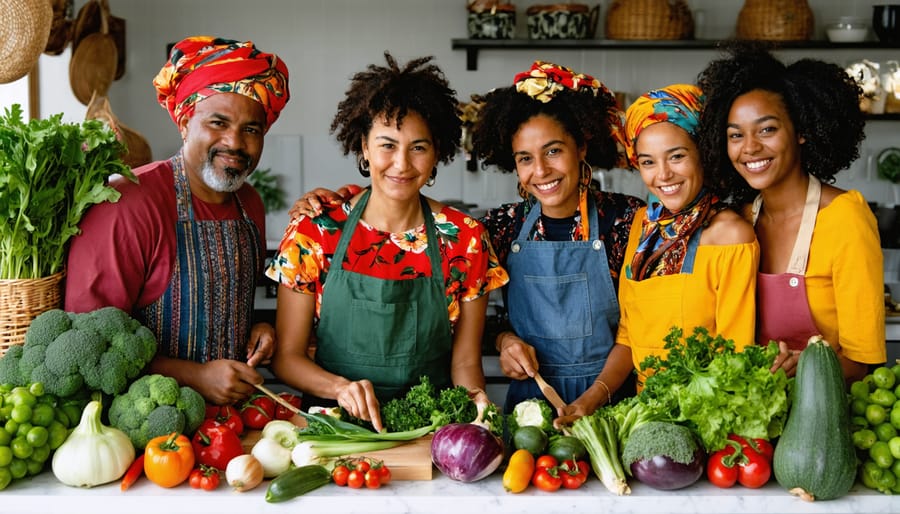
Cultural collaboration transforms Community Supported Agriculture (CSA) programs from simple food distribution systems into vibrant hubs of cultural exchange and community enrichment. By integrating diverse farming traditions, celebrating multicultural harvest festivals, and sharing ancestral growing techniques, CSAs create spaces where food becomes a bridge between cultures. This approach to building stronger community connections yields both tangible and intangible benefits: enhanced crop diversity, increased member engagement, and deeper cultural understanding among participants.
When farmers and members from different cultural backgrounds share their agricultural heritage, CSA programs flourish with innovative growing methods, unique crop varieties, and rich storytelling traditions. This collaborative spirit not only strengthens food security but also preserves valuable agricultural knowledge that might otherwise be lost to time. The result is a more resilient, inclusive, and culturally rich local food system that nourishes both body and soul.
Building Bridges Through Food Traditions
Recipe Sharing Programs
Recipe sharing programs offer a wonderful opportunity to enhance the CSA member experience while celebrating diverse culinary traditions. Start by inviting members to submit their favorite family recipes that showcase seasonal produce from their shares. Create a digital recipe database where members can browse, rate, and comment on shared recipes, fostering community engagement and cultural exchange.
Organize monthly themed cooking challenges focusing on different cultural cuisines that incorporate current harvest items. Encourage members to document their cooking adventures and share photos and stories on your CSA’s social platforms or newsletter. Consider hosting virtual or in-person cooking demonstrations where members can teach others how to prepare traditional dishes from their heritage.
To make recipe sharing more structured, develop a simple template for members to follow, including sections for ingredient substitutions, cultural significance, and personal stories behind the dish. This approach not only helps members make the most of their produce but also creates meaningful connections through shared culinary experiences and cultural understanding.
Heritage Crop Integration
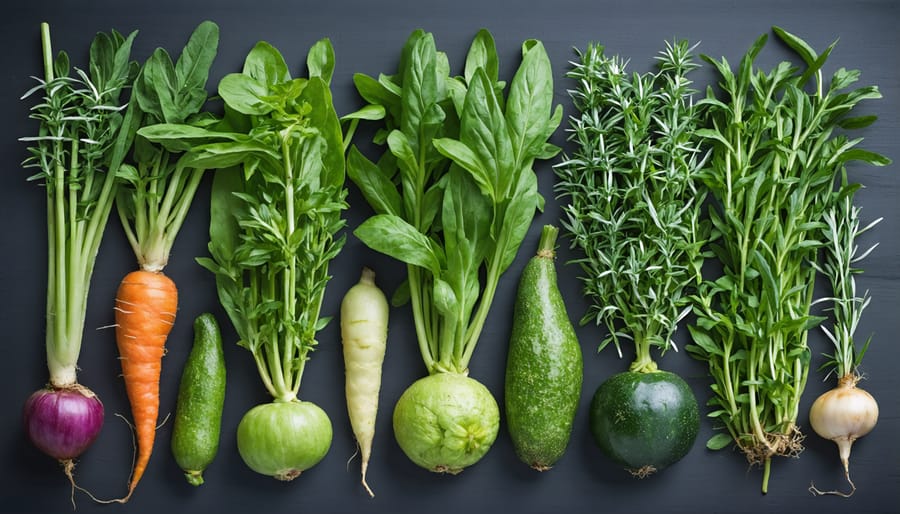
Heritage crop integration offers CSA programs a unique opportunity to celebrate cultural diversity while expanding their agricultural offerings. By incorporating traditional vegetables and herbs from various cultural backgrounds, farms can create meaningful connections with diverse community members and preserve important cultural foodways.
Many successful CSA programs now include crops like bitter melon from Asian traditions, callaloo from Caribbean cuisine, and epazote from Mexican cooking. These culturally significant plants not only diversify the harvest but also help immigrant communities maintain their culinary traditions and share their food heritage with others.
Farmers often collaborate with community members to identify desired heritage crops and learn traditional growing methods. This exchange of knowledge benefits both the farm and its members, creating a more inclusive and culturally rich CSA experience. Some programs even include recipe cards and cooking tips from community members, helping shareholders explore new ingredients with confidence.
The integration of heritage crops has shown to increase CSA membership among diverse populations while educating the broader community about different food cultures and traditions.
Community Education Events
Cooking Classes
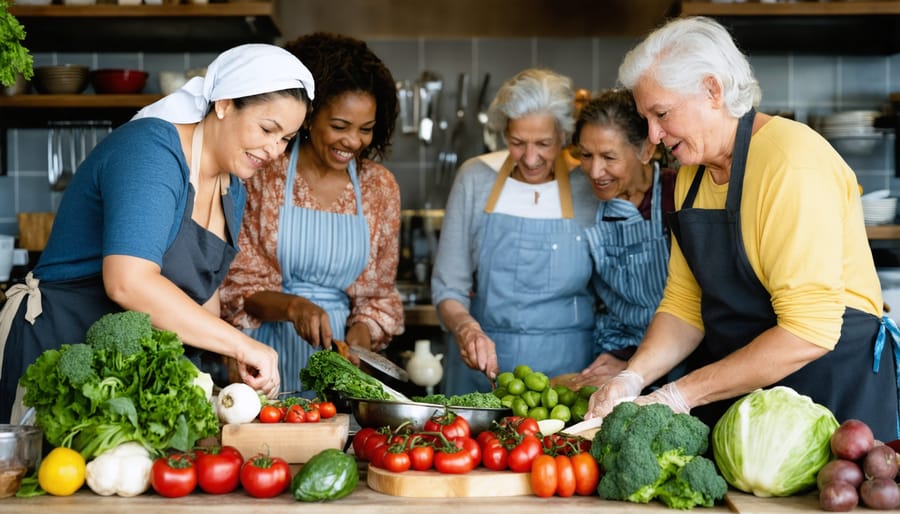
Our cooking demonstration program brings together CSA members from diverse cultural backgrounds to share traditional recipes and cooking techniques using seasonal produce. Local home cooks and professional chefs from various communities lead hands-on workshops, teaching participants how to incorporate unfamiliar vegetables into both traditional and fusion dishes.
These monthly gatherings have become a cornerstone of our cultural exchange efforts, with participants learning everything from Korean kimchi-making with CSA cabbage to Mexican salsa verde using tomatillos from our fields. The demonstrations not only help members make the most of their CSA shares but also foster cross-cultural understanding through food.
Participants frequently report discovering new favorite vegetables and cooking methods, while instructors gain exposure to ingredients they hadn’t previously worked with. The resulting recipe collections, featuring dishes like Ethiopian-spiced roasted root vegetables and Indian-inspired kale subzi, showcase the incredible versatility of locally grown produce.
To make these classes accessible to all members, we offer translation services and sliding-scale pricing, ensuring our diverse community can fully participate in these enriching cultural exchanges.
Cultural Harvest Festivals
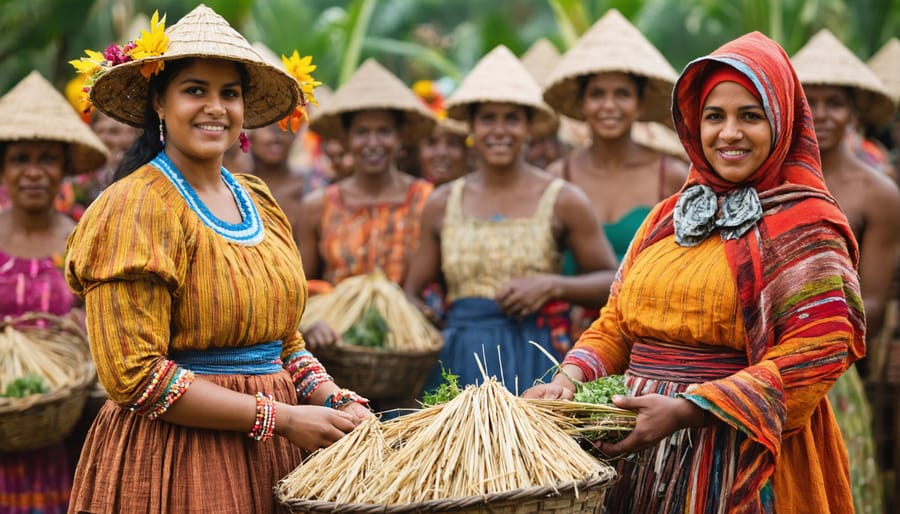
Harvest festivals offer a vibrant opportunity to celebrate the diverse cultural traditions within your CSA community. By organizing seasonal celebrations that honor different cultural harvesting practices, you create meaningful connections while educating members about various agricultural heritage traditions.
Consider hosting events that feature traditional harvest ceremonies from multiple cultures, such as the Mexican Día de la Cosecha or Korean Chuseok. Include authentic music, dance performances, and cooking demonstrations using freshly harvested produce. Invite community elders to share stories about their cultural farming practices and traditional preservation methods.
Create interactive stations where members can learn hands-on skills like making kimchi, preparing traditional corn masa, or crafting harvest wreaths from different cultures. Set up educational displays explaining the significance of various crops in different cultural contexts and their traditional growing methods.
These festivals not only celebrate diversity but also strengthen community bonds and create lasting memories. Encourage member participation by inviting them to share their own cultural harvest traditions and recipes, fostering a collaborative learning environment that enriches everyone’s farming experience.
For maximum impact, schedule these celebrations around peak harvest times and coordinate with local cultural organizations to ensure authentic representation and respectful cultural exchange.
Partner Organizations
Local Cultural Centers
Building relationships with local cultural centers can significantly enhance your CSA program’s reach and impact. These partnerships create opportunities for authentic cultural exchange through food and farming practices. Consider reaching out to cultural centers in your area to organize joint events, such as cooking demonstrations featuring traditional recipes using your CSA produce, or educational workshops about heritage farming methods.
Many successful CSA programs have found that cultural centers can serve as valuable distribution points, making fresh produce more accessible to diverse communities. These collaborations often lead to expanded membership and enriched programming that reflects the community’s cultural makeup. Through these partnerships, farmers can learn about culturally significant crops and growing methods, while members gain deeper appreciation for different food traditions.
To establish these connections, start by attending cultural center events and engaging with community leaders. Focus on building genuine, long-term relationships that benefit both organizations and create meaningful cultural exchange opportunities for all participants.
Language Access Programs
Language accessibility plays a vital role in creating truly inclusive CSA programs. Many successful farms now offer materials and communications in multiple languages, reflecting their diverse community members. For example, weekly newsletters, recipe cards, and growing guides are often translated into languages commonly spoken in the area, such as Spanish, Mandarin, or Vietnamese.
Some CSAs have taken this further by hiring bilingual staff members who can assist during pickup times and farm events. These team members help bridge communication gaps and ensure all members feel welcome and understood. Digital solutions, like multilingual websites and messaging apps, have also made it easier for farms to reach broader audiences.
Farm tours and workshops conducted in different languages have proven particularly successful, allowing members to learn about farming practices and food preparation techniques in their preferred language. This linguistic inclusivity has led to higher member retention rates and more engaged community participation.
Measuring Success
Measuring the success of cultural collaboration initiatives requires both quantitative and qualitative approaches. Start by tracking participation rates and attendance at cultural events, noting any increase in CSA membership from diverse communities. Survey members regularly to gauge satisfaction levels and gather feedback about cultural programming.
Consider monitoring the variety of cultural crops being grown and their adoption rates among existing members. Keep records of recipe shares, cooking demonstrations, and cultural exchange events, noting which activities generate the most engagement. Social media metrics and community forum participation can also indicate how well your cultural initiatives resonate with members.
Document stories and testimonials from participating families, focusing on how cultural collaboration has enhanced their CSA experience. Track the number of new partnerships formed with cultural organizations and the resulting community projects. Measure the economic impact by analyzing whether cultural additions have increased farm revenue or created new market opportunities.
Success indicators might include:
– Growing membership diversity
– Increased event participation
– Higher member retention rates
– New crop varieties successfully introduced
– Positive feedback from cultural community leaders
– Enhanced community partnerships
– Greater social media engagement
– Improved member satisfaction scores
Remember that building meaningful cultural connections takes time. Set realistic goals and celebrate small wins while working toward larger objectives. Regular evaluation helps refine your approach and ensures your cultural collaboration efforts remain meaningful and sustainable.
Cultural collaboration in CSA programs creates lasting benefits for both farmers and communities. By embracing diverse growing methods, crop varieties, and culinary traditions, we enrich our local food systems while building stronger connections between neighbors. The success stories from farms implementing cultural exchange programs show increased membership retention, broader product offerings, and more resilient farming operations.
To get started with cultural collaboration, begin by surveying your community’s cultural makeup and food preferences. Partner with local cultural organizations and invite community leaders to share their agricultural knowledge. Host cultural cooking demonstrations and organize harvest celebrations that showcase different traditions. Remember that successful collaboration is a gradual process built on mutual respect, open communication, and a willingness to learn from one another.
Together, we can create CSA programs that truly reflect and serve our diverse communities while preserving valuable agricultural heritage for future generations.
