
In a world where seed diversity dwindles and corporate control over our food system tightens, organic seed commons emerge as powerful guardians of agricultural heritage and food sovereignty. These community-managed seed networks represent more than just seed exchanges – they embody a revolutionary approach to preserving genetic diversity, protecting traditional farming knowledge, and ensuring sustainable food security for future generations.
Organic seed commons operate on a simple yet profound principle: seeds are a shared heritage that belongs to everyone, not a commodity to be patented and controlled. By creating decentralized networks of seed savers, farmers, and gardeners who freely share open-pollinated and heirloom varieties, these commons protect thousands of unique plant varieties while building resilient local food systems.
From small neighborhood seed libraries to regional seed-saving cooperatives, these grassroots initiatives are transforming how we think about seed ownership and agricultural biodiversity. As climate change threatens global food production and industrial agriculture continues to narrow the genetic base of our food crops, organic seed commons offer a practical, community-based solution for maintaining the diversity and adaptability essential for sustainable agriculture.
Join this growing movement by learning to save seeds, connecting with local seed-saving networks, and contributing to the collective knowledge that keeps our agricultural heritage alive for generations to come.
What Are Organic Seed Commons?
Community-Based Seed Sharing
Community-based seed sharing networks bring neighbors together to preserve and exchange locally adapted plant varieties. These grassroots initiatives often start small, with gardeners meeting seasonally to swap seeds and share growing tips. Many communities organize through local libraries, community centers, or garden clubs, creating seed libraries where members can “check out” seeds, grow them, and return fresh seeds after harvest.
These networks foster valuable connections between experienced and novice growers while building local food resilience. For example, in Vermont’s Champlain Valley, a group of urban gardeners meets monthly to exchange seeds and knowledge, resulting in a diverse collection of cold-hardy vegetables adapted to their specific climate.
To participate, members typically contribute seeds, maintain careful growing records, and follow basic seed-saving guidelines to ensure seed purity. Many groups also organize workshops on seed saving techniques and host seasonal celebrations around planting and harvest times. This collaborative approach not only preserves genetic diversity but also strengthens community bonds and helps maintain traditional growing practices for future generations.
The Heritage Seed Movement
The story of our food begins with seeds passed down through generations of farmers and gardeners. These traditional and heirloom varieties represent not just our agricultural heritage, but a living library of genetic diversity. Through dedicated heritage seed preservation efforts, communities worldwide are protecting these invaluable crop varieties from extinction.
Unlike modern hybrid seeds, heirloom varieties tell tales of cultural traditions, regional adaptations, and ancestral wisdom. Many of these seeds have been cultivated for hundreds of years, developing unique traits that help them thrive in specific climates and resist local pests naturally. From Cherokee Purple tomatoes to Glass Gem corn, each variety carries its own story and special characteristics.
Seed saving networks and community seed libraries have become vital hubs for preserving these living treasures. Through seed swaps, workshops, and mentorship programs, experienced growers share their knowledge with the next generation. This grassroots movement ensures that diverse, locally adapted crops remain available for future food security while honoring the traditional farming practices that shaped our agricultural heritage.
Building Economic Resilience Through Seed Networks
Supporting Local Farmers
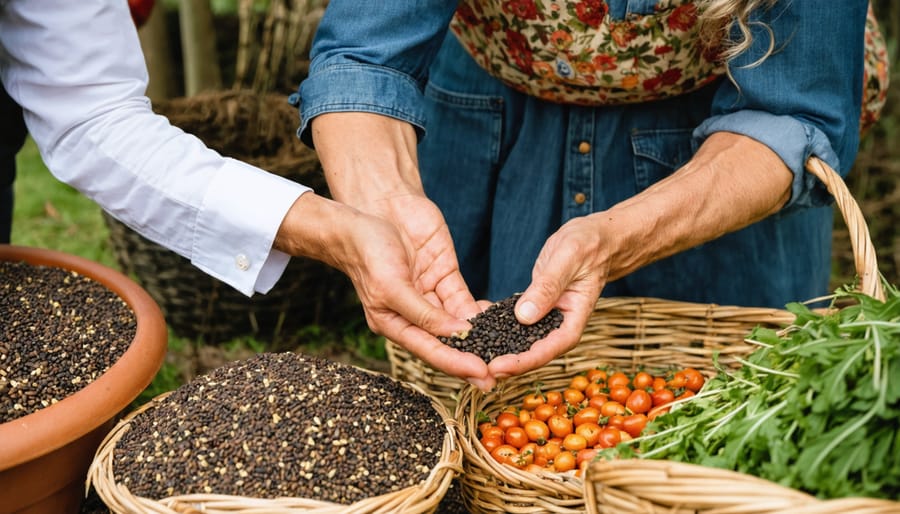
Local seed networks create vital support systems for small-scale farmers, offering both practical and economic benefits that help sustain their operations. By participating in organic seed commons, farmers gain access to diverse, locally-adapted seed varieties without the burden of high costs or restrictive patents.
Take Sarah Martinez, a small-scale organic farmer in Vermont, who discovered that participating in her local seed network allowed her to experiment with heritage tomato varieties perfectly suited to her region’s short growing season. Through seed sharing and collaborative growing efforts, she not only reduced her operational costs but also developed stronger relationships with neighboring farms.
These networks also provide invaluable knowledge-sharing opportunities. Experienced farmers mentor newcomers, exchanging growing tips and helping them navigate challenges specific to their local climate and soil conditions. Regular meetups and workshops foster a supportive community where farmers can troubleshoot problems together and celebrate successes.
Financial benefits extend beyond seed savings. Many farmers find that access to unique, locally-adapted varieties helps them differentiate their products at farmers’ markets. Customers increasingly value produce grown from heritage seeds, creating premium pricing opportunities for small-scale growers.
Additionally, seed networks help preserve agricultural biodiversity by maintaining varieties that might otherwise disappear from commercial circulation. This genetic diversity proves crucial for developing resilient crops that can withstand changing climate conditions and local pest pressures.
Reducing Dependency on Commercial Seeds
Community seed networks offer significant economic benefits by reducing farmers’ reliance on commercial seed companies. When farmers save and share seeds, they avoid the annual expense of purchasing new seeds, which can represent a substantial portion of their operating costs. For example, Sarah Martinez, an organic farmer in Vermont, estimates she saves over $2,000 annually by participating in her local seed exchange network.
These community-based systems also protect farmers from market fluctuations and supply chain disruptions. During the 2020 growing season, many gardeners and small-scale farmers faced seed shortages from commercial suppliers, while those connected to seed-sharing networks maintained reliable access to diverse crop varieties.
The financial advantages extend beyond direct cost savings. By selecting and saving seeds from plants that thrive in local conditions, farmers develop resilient varieties adapted to their specific growing environment. This natural adaptation process leads to better crop yields and reduced losses, improving overall farm profitability.
Seed commons also foster economic independence through skill-sharing and education. Many networks offer workshops on seed saving techniques, helping members develop valuable expertise. As more farmers gain these skills, entire communities become less dependent on external seed sources, creating a self-sustaining agricultural ecosystem that keeps resources within the local economy.
Getting Involved in Your Local Seed Network
Finding Local Seed Libraries
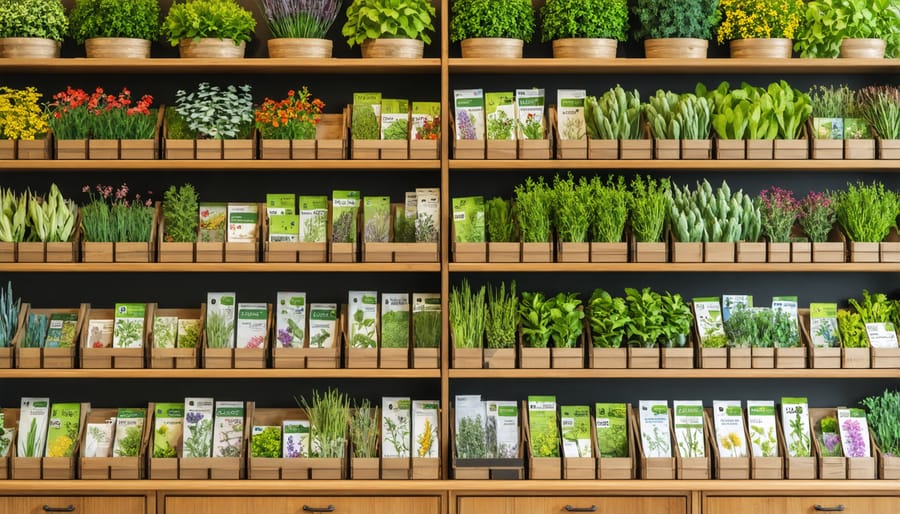
Connecting with seed libraries in your area is easier than you might think. Start by checking with your local public library, as many have established seed-sharing programs. Community gardens, urban farming cooperatives, and botanical gardens often maintain seed collections and welcome new participants.
Online directories like Seed Savers Exchange and the International Seed Library Network can help you locate nearby seed-sharing initiatives. Social media platforms, particularly Facebook groups and Instagram, are valuable resources for finding local seed-saving communities.
Don’t forget to explore agricultural extension offices and master gardener programs in your region, as they frequently coordinate with seed-sharing networks. Farmers markets and organic food co-ops may also have information about local seed libraries or can connect you with seed-saving enthusiasts in your community.
If you can’t find an established network nearby, consider starting one yourself! Local gardening clubs and sustainability groups are often eager to support new seed-sharing initiatives.
Starting a Seed Saving Program
Starting a seed saving program is easier than you might think, and it’s a rewarding way to contribute to agricultural biodiversity. Begin by selecting healthy, open-pollinated plants from your garden that show desirable traits like disease resistance or exceptional flavor. Learn basic seed saving techniques for different plant families, as each type has unique requirements for successful preservation.
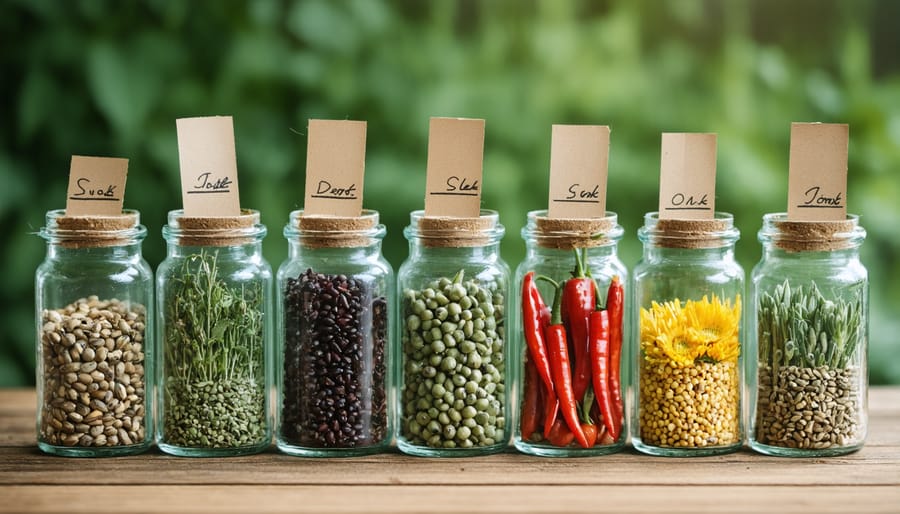
Start with easy crops like tomatoes, beans, or lettuce, which are self-pollinating and make great choices for beginners. Document your seed collection with labels indicating the variety name, harvest date, and any notable characteristics. Clean and dry your seeds thoroughly before storing them in paper envelopes or glass jars in a cool, dark place.
Consider joining a local seed library or exchange group to share your saved seeds and access diverse varieties. This community connection not only expands your collection but also helps preserve regional plant diversity. Remember to save seeds from multiple plants of the same variety to maintain genetic diversity and strengthen future crops.
Success Stories: Thriving Seed Commons
The organic seed commons movement has flourished through numerous successful initiatives worldwide, demonstrating the power of community-driven seed preservation. One standout example is the Rocky Mountain Seed Alliance, which has created a network of over 200 seed stewards across the American West. These dedicated individuals have successfully preserved and propagated more than 500 heritage vegetable varieties, including rare drought-resistant bean varieties unique to the region.
In India, the Navdanya Seed Network has become a beacon of hope for small-scale farmers. This network has established 122 community seed banks, protecting over 4,000 rice varieties and helping farmers maintain their independence from commercial seed companies. Their work has directly benefited more than 500,000 farmers while ensuring food security for countless communities.
The Southern Seed Legacy project in the southeastern United States showcases how traditional knowledge can merge with modern preservation techniques. Working with elderly gardeners and farmers, they’ve documented and saved hundreds of heirloom varieties that might otherwise have been lost. Their seed library now serves as a valuable resource for both home gardeners and small-scale organic farmers.
In Europe, the Irish Seed Savers Association demonstrates how a small grassroots initiative can grow into a national movement. Starting with just a handful of dedicated gardeners in 1991, they now maintain Ireland’s largest private collection of heritage seeds. Their apple tree conservation program has successfully preserved over 180 varieties of heritage Irish apples.
The Great Lakes Seed Alliance offers another inspiring example of regional cooperation. Through their network of seed libraries and annual seed swaps, they’ve created a robust system for preserving cold-hardy varieties specifically adapted to their climate. Their educational programs have trained over 1,000 new seed savers in the past five years.
These success stories share common elements: strong community involvement, careful documentation of growing practices, and a commitment to sharing both seeds and knowledge freely. They demonstrate that seed commons can thrive when supported by dedicated individuals and organizations working together toward the goal of agricultural biodiversity and food sovereignty.
The organic seed commons movement represents more than just a way to preserve and share seeds – it’s a powerful step toward building a more resilient and sustainable food system for future generations. By participating in seed commons, we become stewards of agricultural biodiversity and help ensure that traditional varieties and locally adapted crops continue to thrive.
Whether you’re an experienced gardener or just starting your growing journey, there are numerous ways to get involved. Consider joining a local seed library, participating in seed swaps, or supporting organizations that work to protect heirloom varieties. Even small actions, like saving seeds from your garden and sharing them with neighbors, contribute to this vital movement.
The success of organic seed commons depends on community participation and engagement. As more people recognize the importance of seed sovereignty and food security, these networks continue to grow and evolve. By working together, we can preserve valuable genetic diversity, promote sustainable farming practices, and strengthen our local food systems.
Take the first step today: research seed-saving techniques, connect with local seed-saving groups, or start a small garden using organic, open-pollinated seeds. Remember, every seed saved and shared helps build a more sustainable and democratic food future for all. Your participation matters in this growing movement to protect our agricultural heritage and ensure food security for generations to come.
