
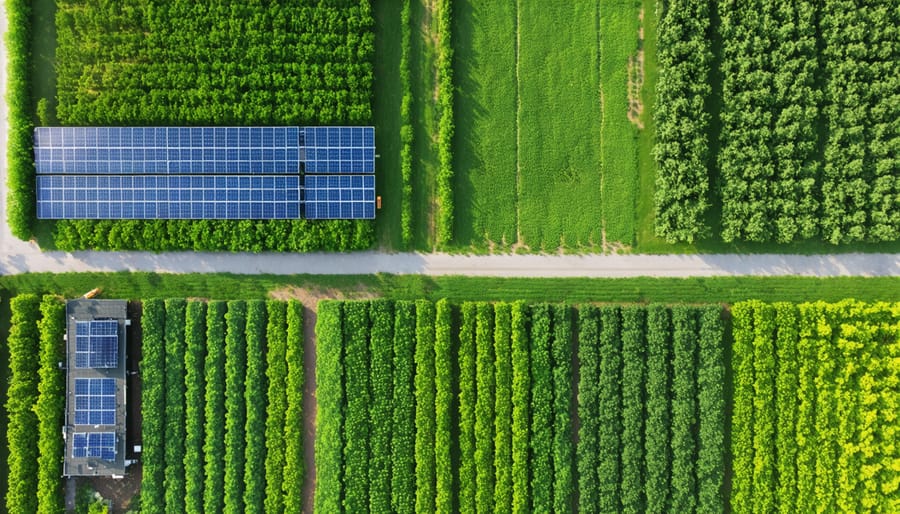
In an era where infrastructure development often clashes with environmental preservation, the Zofnass Program for Sustainable Infrastructure stands as a groundbreaking initiative transforming how we build our world. Developed at the Harvard Graduate School of Design, this innovative framework provides comprehensive tools and metrics that help communities and organizations create environmentally responsible, socially equitable, and economically viable infrastructure projects. From water treatment facilities to transportation networks, the program’s rating system evaluates and guides infrastructure development through a holistic lens, considering everything from climate resilience to community wellbeing. By integrating sustainability at every project stage, from planning to maintenance, the Zofnass Program empowers developers, engineers, and policymakers to make informed decisions that benefit both current and future generations. This systematic approach to sustainable infrastructure has already transformed numerous projects worldwide, proving that environmental stewardship and development can work hand in hand to create lasting positive impact.
Building Better Farms Through Sustainable Infrastructure
Water Management Systems
The Zofnass Program emphasizes sustainable water management as a cornerstone of organic farming success. Through innovative infrastructure solutions, farms can maximize water efficiency while maintaining optimal crop health. These systems typically include precision irrigation methods, rainwater harvesting equipment, and water quality monitoring tools that work together seamlessly.
Local farmers have found success with features like soil moisture sensors that trigger automated irrigation only when needed, reducing water waste while ensuring crops receive adequate hydration. Storage systems capture rainwater during wet seasons, providing a reliable water source during drier periods. Additionally, natural filtration systems, including constructed wetlands and bioswales, help purify water while supporting local biodiversity.
The program also encourages the integration of water-saving technologies with traditional farming wisdom. For example, combining modern drip irrigation with companion planting techniques has helped many farmers reduce water usage by up to 30% while improving crop yields. These practical solutions make sustainable farming more accessible and economically viable for organic producers of all sizes.
Energy-Efficient Structures
The Zofnass Program promotes energy-efficient building practices that help farmers reduce their environmental impact while cutting operational costs. These structures incorporate passive solar design, natural ventilation, and high-performance insulation to minimize energy consumption in agricultural facilities.
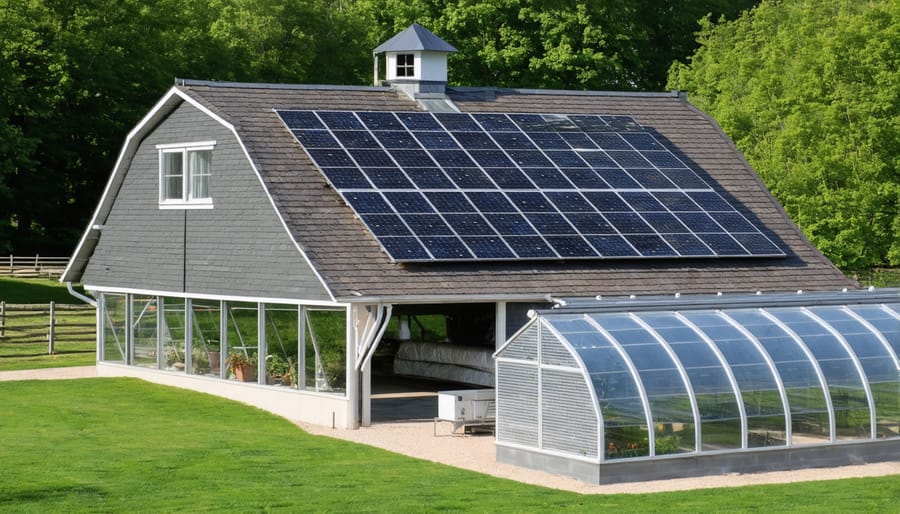
Solar panels and wind turbines are increasingly integrated into farm buildings, providing clean, renewable energy for daily operations. Many successful farms have implemented geothermal systems for greenhouse climate control, resulting in year-round growing capabilities with minimal energy input.
Smart building materials play a crucial role in creating sustainable farm structures. From recycled steel to sustainably harvested timber, these materials reduce the carbon footprint while maintaining durability. Living roofs and walls provide additional insulation while supporting beneficial insects and improving air quality.
Innovative water management systems, including rainwater harvesting and greywater recycling, are incorporated into building designs. These systems help farms conserve water and reduce dependency on municipal supplies. LED lighting systems and automated climate controls further enhance energy efficiency while optimizing growing conditions for crops.
Farmers who’ve implemented these practices report significant reductions in energy costs, often seeing savings of 30-50% on their utility bills.
Real-World Success Stories
Small-Scale Farm Transformations
The Zofnass Program has witnessed remarkable transformations in small-scale farms across the country through its sustainable infrastructure initiatives. These success stories demonstrate how thoughtful planning and organic farming innovations can revolutionize local agriculture.
Take the Green Valley Farm in Vermont, which implemented water-efficient irrigation systems and solar-powered greenhouse operations. Within two years, they reduced water consumption by 40% while increasing crop yields by 25%. Similarly, Fresh Earth Farms in California integrated smart composting systems and pollinator-friendly landscapes, leading to improved soil health and biodiversity.
The program helped these farms design sustainable infrastructure that works in harmony with natural ecosystems. By incorporating features like rainwater harvesting systems, renewable energy solutions, and efficient storage facilities, these small farms have significantly reduced their environmental impact while improving productivity.
What’s particularly inspiring is how these transformations have created ripple effects in their communities, encouraging neighboring farms to adopt similar practices and fostering a growing network of sustainable agricultural operations.
Community Garden Projects
The Zofnass Program has fostered numerous successful community garden initiatives that showcase the power of sustainable infrastructure at a local level. In Boston’s Dorchester neighborhood, residents transformed a vacant lot into a thriving community garden that now produces over 2,000 pounds of organic vegetables annually. The project incorporated sustainable irrigation systems and composting facilities, becoming a model for urban agriculture.
Another notable success story comes from Seattle, where the Green Gateway Project connected three existing community gardens through eco-friendly pathways and shared resource centers. This integration helped reduce water usage by 40% while increasing overall crop yield. The project also implemented solar-powered tool sheds and rainwater harvesting systems.
In Austin, Texas, the Sustainable Roots Initiative partnered with local schools to create educational garden spaces. These gardens feature permeable pathways, native plant species, and innovative water management systems. The program has not only provided fresh produce to school cafeterias but also serves as a living laboratory for students learning about sustainable agriculture and infrastructure design.
These projects demonstrate how the Zofnass Program’s principles can be successfully applied at the community level, creating lasting positive impact on local food systems and environmental sustainability.
Implementing Sustainable Infrastructure on Your Farm
Assessment and Planning
The Zofnass Program provides comprehensive tools and frameworks to help farmers and infrastructure managers assess their current systems and plan for sustainable improvements. The process begins with a detailed evaluation of existing infrastructure using the Envision rating system, which examines environmental, social, and economic impacts across multiple categories.
To effectively transform your farm infrastructure, start by conducting a baseline assessment. This includes evaluating water management systems, energy usage, waste handling, and transportation networks. The program offers user-friendly checklists and assessment tools that help identify areas needing improvement while highlighting existing sustainable practices.
Once the assessment is complete, the planning phase focuses on developing actionable strategies for enhancement. This involves setting realistic goals, establishing timelines, and prioritizing projects based on their potential impact and available resources. The program encourages collaboration with local stakeholders and experts to ensure plans align with community needs and environmental objectives.
Successful planning also considers future challenges like climate change and population growth. The program provides guidance on incorporating resilience into infrastructure designs, ensuring long-term sustainability. Regular monitoring and adjustment of plans help maintain progress toward sustainability goals while adapting to changing conditions and new technologies.
Resource-Efficient Solutions
The Zofnass Program champions innovative solutions that maximize resource efficiency in agricultural infrastructure. By implementing smart irrigation systems with soil moisture sensors, farms can reduce water consumption by up to 30% while maintaining optimal growing conditions. These systems work alongside rainwater harvesting structures, which capture and store precipitation for use during drier periods.
Energy-efficient greenhouse designs incorporate passive solar heating and natural ventilation, cutting electricity costs while extending growing seasons. Many successful farms have integrated solar panels on equipment sheds and processing facilities, generating clean energy to power daily operations. Some farmers report up to 40% reduction in energy expenses after implementing these improvements.
Composting facilities and organic waste management systems create closed-loop nutrient cycles, transforming farm waste into valuable fertilizer. Modern composting infrastructure can process various organic materials, from crop residues to food processing byproducts, reducing landfill waste while building soil health.
Storage solutions designed with natural cooling and ventilation help preserve harvested crops without excessive energy use. Climate-controlled root cellars and naturally ventilated barn designs maintain proper temperature and humidity levels using minimal resources. These improvements not only reduce operational costs but also enhance product quality and shelf life.
The program also promotes modular infrastructure designs that allow farms to scale operations organically, adding components as needed without disrupting existing systems. This approach helps farmers invest strategically while maintaining operational efficiency.
The Zofnass Program for Sustainable Infrastructure represents a groundbreaking approach to creating more resilient and environmentally conscious farming systems. By implementing these guidelines, farmers and agricultural communities can significantly reduce their environmental impact while improving operational efficiency and long-term viability.
Success stories from farms across the country demonstrate how sustainable infrastructure solutions can lead to substantial water savings, reduced energy consumption, and improved soil health. These benefits extend beyond individual farms to strengthen local food systems and build more resilient agricultural communities.
The program’s comprehensive framework offers practical solutions for farms of all sizes, making sustainable infrastructure accessible to both small family operations and larger agricultural enterprises. From water management systems to renewable energy integration, each element of the program contributes to a more sustainable future for farming.
By embracing these sustainable infrastructure practices, farmers can expect to see reduced operational costs, enhanced crop yields, and increased market competitiveness. Moreover, they’ll be contributing to the broader goals of environmental conservation and climate change mitigation.
As we look to the future of agriculture, the Zofnass Program provides a clear roadmap for creating farming operations that are not only profitable but also environmentally responsible. The time to implement these practices is now – our food security and environmental well-being depend on it.
