
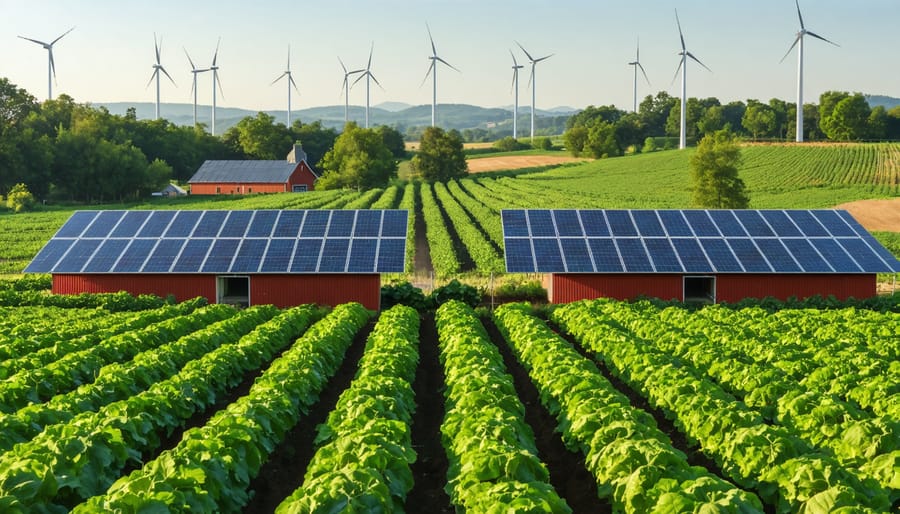
Transform your business or lifestyle with proven sustainability initiatives that deliver measurable environmental impact. Leading organizations worldwide have successfully implemented water recycling systems that reduce consumption by 40%, installed solar panels that slash energy costs by 60%, and created zero-waste programs diverting 90% of materials from landfills. From Fortune 500 companies to small local farms, sustainable practices aren’t just preserving resources – they’re driving innovation and boosting bottom lines.
Consider how Seattle’s Pike Place Market composts 1,000 tons of food waste annually, converting it into rich soil for local farms, while Tesla’s Nevada Gigafactory operates entirely on renewable energy, proving that sustainability scales from community projects to industrial operations. These real-world examples demonstrate how environmental stewardship creates ripple effects across communities, economies, and ecosystems.
Whether you’re a business leader, community organizer, or household decision-maker, implementing sustainability efforts offers immediate benefits and long-term rewards for both planet and profit.
Smart Water Management Solutions That Work
Drip Irrigation Success Stories
Jordan and Sarah Miller’s 15-acre vegetable farm in California’s Central Valley serves as a shining example of drip irrigation success. After switching from traditional sprinkler systems, they reduced their water usage by 60% while increasing crop yields by 25%. Their precision irrigation system delivers water directly to plant roots, minimizing waste and preventing weed growth between rows.
In Arizona, Desert Springs Farm transformed their water management practices by implementing a solar-powered drip system. Owner Maria Rodriguez reports saving 800,000 gallons of water annually while producing the same amount of crops. The system’s moisture sensors ensure optimal water delivery, and the farm’s success has inspired five neighboring properties to adopt similar practices.
Small-scale success stories include the Green Thumb Community Garden in Oregon, where 50 plot holders collectively reduced water consumption by 40% after installing a shared drip irrigation network. The garden now serves as a learning center for sustainable water management, hosting monthly workshops for local growers interested in efficient irrigation techniques.

Rainwater Harvesting Systems
Rainwater harvesting systems have become a cornerstone of sustainable agriculture, offering farmers and homeowners a smart solution for water conservation. These systems typically include gutters, downspouts, and storage tanks that collect rainfall from rooftops and other surfaces. Many successful farms have implemented simple yet effective setups using food-grade plastic tanks connected to greenhouse roofs, capable of storing thousands of gallons of water for dry seasons.
For example, Green Valley Farm in Oregon reduced their water bills by 40% after installing a 5,000-gallon collection system. They use this stored rainwater for irrigation, livestock, and greenhouse operations. The system pays for itself within two to three growing seasons through reduced utility costs.
Beyond storage tanks, some farmers are incorporating swales and retention ponds into their landscape design. These natural collection methods help replenish groundwater and create moisture-rich growing areas. Simple filters and first-flush diverters ensure the collected water remains clean and suitable for agricultural use.
DIY enthusiasts can start small with rain barrels under downspouts, gradually expanding their system as needs grow. This scalable approach makes rainwater harvesting accessible to both small garden plots and larger farming operations.
Waste Reduction Practices That Save Money

Composting Innovation
Modern composting initiatives are revolutionizing how we handle organic waste, going far beyond traditional backyard bins. Innovative farmers are implementing effective composting methods that transform agricultural waste into valuable resources. These include in-vessel composting systems that speed up decomposition and vermiculture setups that use worms to create nutrient-rich castings.
Many farms now use smart sensors to monitor moisture levels and temperature in their compost piles, ensuring optimal conditions for breakdown. Some have even introduced solar-powered aeration systems that maintain proper oxygen levels while reducing the need for manual turning.
Community-scale composting programs are gaining traction, with some farms partnering with local restaurants and markets to process food waste. This collaboration not only diverts waste from landfills but also creates high-quality soil amendments for organic farming. The resulting compost helps improve soil structure, retain water, and boost crop yields naturally, completing a sustainable cycle of waste reduction and soil enrichment.
Package-Free Distribution
Innovative farms are revolutionizing produce distribution by embracing package-free solutions that drastically reduce waste. Many local farms now offer “bring-your-own-container” programs, where customers can fill reusable bags or boxes with fresh produce directly from harvest bins. Some farms have introduced creative solutions like returnable wooden crates or mesh bags that customers can exchange on their next visit.
Community Supported Agriculture (CSA) programs have taken this concept further by delivering produce in reusable bins that members return weekly. Farms like Green Valley Organics save thousands of plastic bags annually by using cloth produce bags and encouraging customers to bring their own containers to farmers’ markets.
Several farms have partnered with local grocery stores to create “loose produce” sections, where fruits and vegetables are displayed without packaging, allowing customers to select exactly what they need. This approach not only eliminates unnecessary packaging but also helps reduce food waste by enabling customers to purchase precise quantities.
Some farms even offer bulk dispensing systems for items like grains, nuts, and dried fruits, completely eliminating the need for pre-packaged portions. These initiatives have shown that package-free distribution isn’t just environmentally friendly – it’s also cost-effective and popular with customers.
Soil Health Revolution
Cover Cropping Success
Cover cropping has become a game-changer for many sustainable farms across the country. Take Sarah’s Heritage Farm in Vermont, where implementing winter rye and crimson clover rotation helped increase soil organic matter by 2.5% in just two growing seasons. The cover crops not only prevented erosion but also naturally suppressed weeds, reducing the need for mechanical cultivation.
In California’s Central Valley, the Martinez Family Farm saw remarkable success with their mustard and vetch cover crop system. Their water retention improved by 30%, while beneficial insect populations doubled, leading to better natural pest control. They also noticed significantly improved tomato yields in fields following their cover crop rotation.
Green Acres Farm in Iowa combines cereal rye with hairy vetch, planting in fall after corn harvest. This practice has cut their nitrogen fertilizer needs by 40% and provides excellent protection against soil erosion during winter months. The farm saves approximately $75 per acre annually on input costs while building healthier soil.
These success stories demonstrate how cover cropping can simultaneously improve soil health, reduce costs, and enhance crop productivity when implemented thoughtfully.
Natural Fertilization Methods
Natural fertilization methods offer sustainable alternatives that nourish soil while protecting the environment. Compost is a cornerstone of organic fertilization, created by recycling kitchen scraps, yard waste, and agricultural byproducts into nutrient-rich soil amendments. Many farmers successfully use cover crops like clover and alfalfa, which naturally fix nitrogen in the soil while preventing erosion.
Green manure, created by turning these cover crops back into the soil, provides essential nutrients and improves soil structure. Vermicomposting, using earthworms to break down organic matter, produces highly effective fertilizer rich in beneficial microorganisms. Local farmer Sarah Chen shares, “Since switching to vermicompost, my vegetable yields have increased by 30%, and soil health has dramatically improved.”
Other natural methods include using bone meal for phosphorus, seaweed extracts for micronutrients, and aged animal manure for balanced nutrition. These alternatives not only reduce dependency on synthetic fertilizers but also build long-term soil fertility. Remember to test your soil regularly to understand its specific needs and adjust your natural fertilization strategy accordingly.
Energy-Smart Farming
Solar-Powered Solutions
Innovative farmers across the country are harnessing the sun’s power to create more sustainable operations. Solar power in agriculture has evolved from simple panel installations to sophisticated systems that power entire farm operations.
Take Fresh Earth Farm in California, where solar panels mounted on barn roofs power irrigation systems, cold storage units, and processing facilities. This setup not only reduces their carbon footprint but saves them $15,000 annually in energy costs. In Vermont, Blue Mountain Organics installed a ground-mounted solar array that doubles as shade protection for grazing sheep, maximizing land use while generating clean energy.
Solar solutions aren’t limited to large operations. Small-scale farmers are using portable solar panels to power electric fencing, water pumps, and greenhouse ventilation systems. Some innovative growers even use solar dehydrators for preserving herbs and vegetables, eliminating the need for electric dryers.
These real-world examples show how solar technology can be both environmentally responsible and economically smart, helping farms reduce operational costs while contributing to a more sustainable future.

Wind Energy Integration
Modern farms are increasingly turning to wind energy as a sustainable power solution, with impressive results for both the environment and their bottom line. Many farmers are installing wind turbines that generate clean electricity for their operations while reducing dependency on the grid. For example, the Peterson Family Farm in Iowa powers their entire dairy operation through two medium-sized turbines, saving over $45,000 annually on electricity costs.
Some farmers are taking it a step further by participating in wind farm cooperatives, where multiple properties host larger turbines and share the energy benefits. These arrangements provide steady income through power company partnerships while maintaining regular farming operations. The Rising Sun Collective in Minnesota demonstrates this dual-purpose approach, using their land for both crop production and wind energy generation.
Small-scale solutions are also gaining popularity, with portable turbines powering irrigation systems and greenhouse climate control. These systems are particularly effective for farms in windy regions, where consistent air movement can be harnessed for practical daily operations. The initial investment in wind energy typically pays for itself within 5-7 years through reduced utility costs and potential energy credits.
The sustainability efforts we’ve explored demonstrate that small changes can lead to significant environmental impact when implemented consistently. From water conservation techniques to renewable energy adoption, these examples show how farms and businesses are successfully balancing ecological responsibility with economic viability. What’s particularly encouraging is that many of these initiatives have resulted in cost savings while reducing environmental footprints, proving that sustainability can benefit both the planet and the bottom line.
These success stories serve as inspiration and practical blueprints for others looking to embrace more sustainable practices. Whether you’re a small-scale farmer, business owner, or individual looking to make a difference, there’s an entry point for everyone. Start small by implementing one or two practices that align with your goals and capabilities, then gradually expand your efforts as you see results.
Remember, sustainability isn’t just about environmental protection—it’s about creating resilient systems that can thrive long into the future. By adopting these proven practices and continuously innovating, we can all contribute to a more sustainable world for generations to come. The time to act is now, and every effort, no matter how small, counts toward our collective goal of a greener future.
