
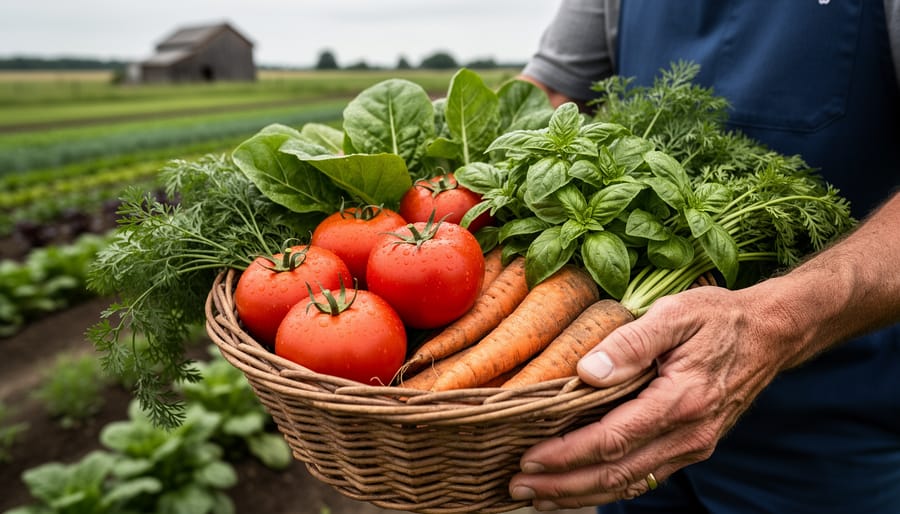
A farm-to-table event brings together local farmers, chefs, and community members for a meal prepared from ingredients harvested within hours of serving. These gatherings celebrate regional agriculture while creating direct connections between growers and consumers, transforming dinner into an experience that showcases seasonal abundance and sustainable food systems. Whether you’re considering hosting your first harvest dinner or attending one to support local agriculture, understanding how local food changes everything helps you appreciate why these events have become cornerstones of community-supported agriculture.
The appeal goes beyond fresh flavors. Farm-to-table events educate attendees about where their food originates, introduce them to the people who grow it, and demonstrate the environmental benefits of eating seasonally. For farmers, these gatherings provide essential revenue streams while building loyal customer relationships that extend well beyond a single meal. A small organic vegetable grower in Ontario, for example, turned quarterly farm dinners into her most effective marketing tool, with 70% of attendees becoming CSA members within three months.
Planning a successful event requires coordination between venue, kitchen, and field, but the logistics become manageable when you focus on seasonal simplicity. The goal isn’t perfection or elaborate presentations. It’s authenticity, freshness, and the storytelling that happens when diners meet the hands that grew their meal.
What Makes a Farm-to-Table Event Different
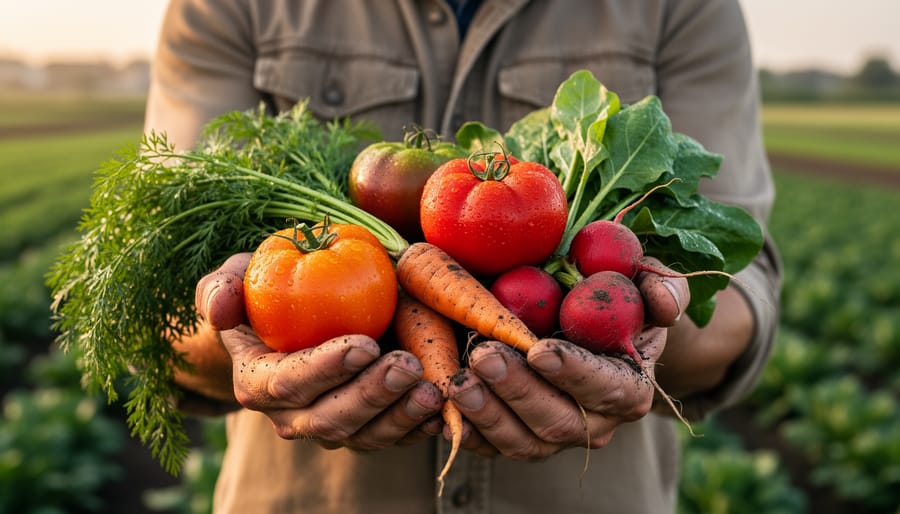
A farm-to-table event is more than just a meal featuring local ingredients. It’s an experience where every dish tells the story of the land it came from and the hands that grew it. Unlike a restaurant that simply sources from local vendors or a farmers market where you buy ingredients to cook at home, these events create a complete narrative from seed to plate, with the farmers present to share their knowledge and the chefs translating the harvest into memorable food.
The authenticity of a farm-to-table event depends on several defining characteristics:
- Sourcing Radius
- Ingredients typically come from within 50-100 miles, with most farms represented at the event itself. This proximity ensures peak freshness and reduces the environmental impact of transportation.
- Farmer Involvement
- Growers actively participate by sharing their farming practices, answering questions, and connecting directly with attendees. Their presence transforms passive dining into meaningful conversation.
- Seasonal Focus
- Menus reflect what’s actually ripe and ready at that moment, not what can be shipped from elsewhere. This constraint becomes creative fuel, showcasing ingredients at their flavor peak.
- Educational Component
- Events include farm tours, cooking demonstrations, or talks about sustainable practices. Guests leave understanding not just what they ate, but how and why it was grown that way.
These events embody sustainable agriculture values through every detail. Transparent sourcing means you can ask the person who harvested your salad greens about their soil health practices or pest management approach. The direct producer-consumer relationship eliminates middlemen, putting more money in farmers’ pockets while giving diners confidence in their food choices.
Perhaps most importantly, farm-to-table events build community in ways that typical dining experiences can’t. They gather neighbors around shared tables, create networks between urban eaters and rural growers, and strengthen the local food web. When you share a meal with the farmer who grew your carrots and the chef who roasted them, you become part of a food system rooted in relationships rather than transactions.
Types of Farm-to-Table Events That Bring Communities Together
Farm Dinner Experiences
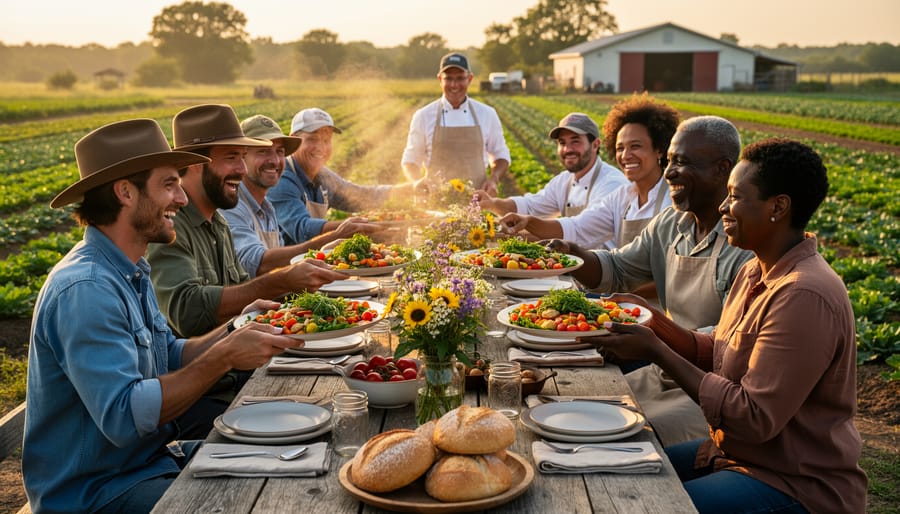
Farm dinner experiences bring guests directly to the source, transforming working farmland into an intimate dining room. Picture long tables set between rows of vegetables or beneath fruit trees, where the carrots on your plate were pulled from the ground that morning and the farmer who grew them shares stories while you eat.
These events strip away the distance between field and fork. Guests watch chefs prepare dishes using ingredients harvested hours, sometimes minutes, before service. The connection becomes visceral when you can walk to the tomato plants that yielded your salad or meet the chickens whose eggs star in your dessert.
The setting matters as much as the food. Dining outdoors among crops creates sensory experiences impossible to replicate elsewhere, the smell of soil after rain, evening light across fields, sounds of farm life continuing around you. This immersion helps diners understand the seasonal rhythms and daily realities that shape their food supply, making fresh-to-fork dining tangible rather than abstract.
Pop-Up Collaborative Meals
Pop-up collaborative meals bring farm-to-table dining to unexpected places, warehouses, art galleries, historic barns, even orchards at sunset. These temporary events thrive on surprise and creativity. A chef might partner with three or four nearby farms, designing a multi-course menu that tells the story of the region’s harvest through each dish. One course features heirloom tomatoes from a family farm ten miles north, the next highlights pastured pork from a regenerative operation just over the county line.
What makes pop-ups special is their flexibility. They happen when ingredients are at their peak, not according to a fixed restaurant schedule. A chef discovers an abundance of sweet corn and chanterelles? That becomes the foundation for next week’s dinner. The temporary nature creates urgency and excitement, tickets sell out quickly because the experience won’t be repeated. These events often draw adventurous eaters willing to explore new venues and ingredients, introducing them to farms they might never have discovered otherwise.
Educational Harvest Celebrations
Educational harvest celebrations transform the simple act of eating into a rich learning experience. These events weave together seasonal meals with hands-on workshops, farm demonstrations, and guided tours that reveal how food travels from seed to plate.
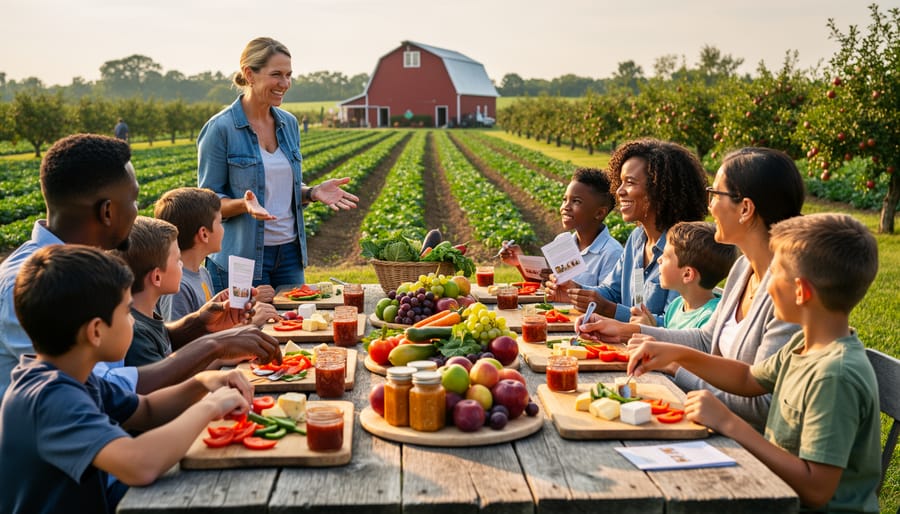
At a typical harvest celebration, attendees might start their day helping farmers gather vegetables, then watch a chef transform those same ingredients into lunch while explaining preservation techniques. Between courses, a farmer demonstrates composting methods or seed-saving practices. Kids often get dedicated stations where they can dig potatoes, press apple cider, or meet livestock up close.
What sets these events apart is their layered approach to education. Rather than simply serving local food, they create moments where people can ask questions directly to the growers, taste heirloom varieties they’ve never encountered, and understand the real work behind their meals. The combination of doing, observing, and tasting makes sustainable agriculture concepts stick in ways that lectures never could.
Planning Your Farm-to-Table Event: A Practical Roadmap
Building the Farmer-Chef Partnership
Successful farm-to-table events start with farmers and chefs understanding each other’s worlds. Chefs need to know what’s actually growing, not what’s theoretically possible, while farmers need insight into kitchen realities like prep time and serving volumes.
Start conversations early, ideally months before the event. Walk the fields together so chefs can see crops at different stages and farmers can explain what’ll peak when. This prevents menu disappointments and sparks creative ideas based on what’s thriving.
Set clear expectations from the beginning. Discuss harvest quantities realistically (accounting for weather, pests, and crop variability), delivery timing, and backup plans if a crop fails. Good partnerships acknowledge that farming involves unpredictable elements.
Create a shared vision for the event’s story. What message do you want attendees to understand about seasonal eating or your farm’s practices? When both partners can articulate this, the event feels cohesive rather than disjointed.
Communication shouldn’t stop after planning. Quick check-ins as harvest approaches help adjust menus to reflect what’s actually ready, turning potential problems into opportunities to showcase adaptability.
Working with Seasons and Harvests
Timing your farm-to-table event around what’s actually ready in the fields transforms a meal into a genuine celebration of place and season. Start planning at least three months ahead, but build flexibility into your menu since Mother Nature doesn’t follow calendars. A late frost or sudden heat wave can shift harvest windows by weeks.
Talk with your farmer partners about their crop schedules, not just what they grow, but when each variety peaks. Early summer strawberries taste completely different from late-season berries, and those nuances matter. Design your menu as a framework (“summer squash preparation,” “leafy green salad”) rather than locking into specific varieties months in advance.
The two weeks before your event, confirm what’ll actually be harvestable. Your chef should visit the farm to see, smell, and taste what’s coming in. Some of the best farm dinners feature a “surprise harvest course” that showcases whatever’s unexpectedly abundant that week, the fifteen pounds of perfect cherry tomatoes nobody anticipated, or the gorgeous greens that came in early.
Shoulder seasons, late spring and early fall, often work beautifully because harvest diversity peaks and weather cooperates better than high summer heat or winter unpredictability.
Logistics That Matter
Hosting outdoors means planning for the unpredictable. Start by checking local requirements, many counties require temporary food service permits even for small gatherings, and liability insurance protects both you and your guests. Don’t wait until a week before; some permits take 30 days to process.
Think through your serving capacity realistically. A 50-person dinner requires more than tables and chairs, you need adequate parking, restroom facilities (portable units if necessary), and enough shade or shelter. Test your setup beforehand; what works for 20 people often falls apart at 40.
Weather contingencies aren’t optional. Have a rain date or backup indoor space identified from the start. If you’re committed to the outdoor experience, invest in quality tent rentals with sidewalls. String lights early in case evening temperatures drop faster than expected.
Create comfort through small details: provide blankets for cool evenings, set up hand-washing stations near dining areas, and ensure pathways are clearly marked and accessible. Your guests should focus on the food and conversation, not logistical discomfort.
Real Success Stories from the Field
When Emma Rodriguez started her 15-acre vegetable farm in North Carolina’s Piedmont region, she struggled to reach enough customers to make her CSA subscription model viable. In 2024, she hosted her first farm dinner for 40 guests, partnering with a local chef who created a five-course meal entirely from her weekly harvest. The event sold out within days, and something unexpected happened: twelve attendees signed up for full-season CSA shares that night, and eight more joined within the week.
“I thought the dinner would just be a nice one-time thing, but people told me it made the farm real for them. They could finally picture where their food came from, and that changed everything about how they valued it.”
Emma now hosts quarterly dinners that consistently draw 60 people and generate enough revenue to cover her spring planting expenses. More importantly, her CSA retention rate jumped from 52% to 84% after members attended at least one event.
Three hours north in Pennsylvania, the Stonebridge Farm Collective took a different approach. This coalition of five small farms couldn’t individually host large events, but together they organized a traveling harvest festival that rotated between their properties throughout the growing season. Each farm showcased their specialty, one focused on heritage grains, another on pastured poultry, a third on medicinal herbs, while a rotation of local food trucks prepared dishes highlighting those ingredients.
The collective model solved the challenge of limited individual capacity while building a regional identity for their shared watershed. After two seasons, the farms reported a combined 35% increase in direct sales and successfully lobbied their county to preserve an additional 200 acres of agricultural land based on demonstrated community support.
Out west, Maria Chen’s half-acre urban farm in Oakland seemed too small for events until she reimagined the format. Her “Soil to Supper” series welcomes just 15 guests for intimate, hands-on experiences where attendees harvest their own dinner ingredients before a communal cooking session. She hosts these micro-events twice monthly during peak season, creating 30 meaningful connections rather than one large gathering.
The personal scale allowed Maria to share her story as a first-generation farmer and educate participants about urban agriculture’s potential. Several attendees became regular volunteer work-traders, and three went on to start their own backyard market gardens, expanding local food access in their neighborhoods. Her waiting list now extends six months, proving that transformative farm-to-table events don’t require acreage or elaborate infrastructure, just genuine connection and good food.
The Ripple Effects: How These Events Strengthen Local Food Systems
When attendees leave a farm-to-table event, they carry something home beyond full bellies, they bring back a fundamentally changed perspective on where food comes from. These gatherings spark conversations that ripple outward through families, neighbourhoods, and entire communities.
The most immediate impact shows up in farm operations. Within weeks of hosting their first dinner, many farmers report CSA membership inquiries jumping by 30 to 50 percent. People who taste heritage tomatoes picked that afternoon want those tomatoes every week. They sign up for shares, visit farm stands regularly, and become vocal advocates who tell friends about their discoveries. This direct financial boost helps farmers invest in infrastructure, hire seasonal workers fairly, and plan for long-term sustainability rather than scrambling year to year.
Beyond individual farms, these events strengthen the interconnected web of local partnerships that make regional food systems resilient. Chefs who collaborate on one dinner often continue sourcing from those farms permanently. Artisan bakers meet grain growers. Cheese makers connect with restaurants. Each relationship creates another thread in the local food economy, reducing dependence on distant supply chains that can break during disruptions.
The educational component matters enormously. Attendees learn that organic farming isn’t just a marketing term, it’s labour-intensive work requiring knowledge and dedication. They understand why local produce costs what it does, and they’re willing to pay it. This informed consumer base becomes farmland’s best protection, supporting land trusts and fighting developments that threaten agricultural spaces.
The local food benefits multiply as more events happen. Towns see new farm-related businesses emerge. Young people consider farming careers they’d never contemplated. Restaurants shift purchasing patterns. What starts as a single meal becomes a movement that fundamentally reshapes how communities feed themselves, building resilience one connection at a time.
Making Your Event Accessible and Inclusive
Farm-to-table events work best when they reflect the full diversity of the community they serve. Economic barriers shouldn’t prevent anyone from experiencing fresh, local food and connecting with farmers who grow it. Consider offering tickets at multiple price points: a standard rate, a higher supporter rate (with proceeds funding reduced-cost tickets), and a limited number of subsidized seats.
Some farms successfully use a “pay what you can” model for certain events, trusting attendees to contribute fairly based on their circumstances.
Dietary needs deserve equal attention. Survey ticket holders in advance about allergies, intolerances, and preferences. Most seasonal menus adapt easily to vegetarian, vegan, and gluten-free requirements when chefs know ahead of time. Label dishes clearly at buffet-style events, listing major ingredients and potential allergens. Religious dietary restrictions and cultural food practices matter too, understanding these considerations helps everyone feel respected and included.
Physical accessibility extends beyond ADA compliance. Evaluate your venue honestly: Can wheelchairs navigate grassy fields after rain? Are tables at appropriate heights? Is seating available for those who can’t stand long periods during tours? Provide clear information about terrain and accessibility features when people register, so they can decide if the event works for them or request accommodations.
Create space for different comfort levels with unfamiliar foods and farming practices. Not everyone grew up knowing what kohlrabi is or feeling comfortable around livestock. Frame the event as a judgment-free learning opportunity where questions are welcomed. Staff and volunteers should receive basic training in cultural sensitivity and inclusive language. When all community members see themselves reflected and welcomed at your table, farm-to-table events fulfill their true purpose: bringing people together around the shared need for nourishing food.
The next farm-to-table event in your area could change how you think about food forever. Whether you attend as a curious diner or step up to organize one yourself, these gatherings offer something no grocery store can: genuine connection to the people growing what you eat and the land that sustains your community.
You don’t need a perfect farm or professional kitchen to start. Begin with a simple harvest potluck for your CSA members, invite a local chef to collaborate on a small dinner series, or visit established events to see what resonates. The farmers in your CSA network already know their seasons, their soil, and their community. They’re often eager partners for anyone willing to help tell their story through food.
These events work because they’re tangible. A single dinner can spark dozens of new CSA memberships, introduce families to vegetables they’ve never tried, and put real income in farmers’ pockets during critical growing months. The farmer community collaborations built around shared tables create resilience that persists long after the dishes are washed.
When you gather people around food grown with intention and prepared with care, something shifts. Conversations deepen. Relationships form. The abstract idea of “supporting local agriculture” becomes a meal you’ll remember, shared with neighbors who become friends, celebrating farmers whose names you now know.
