
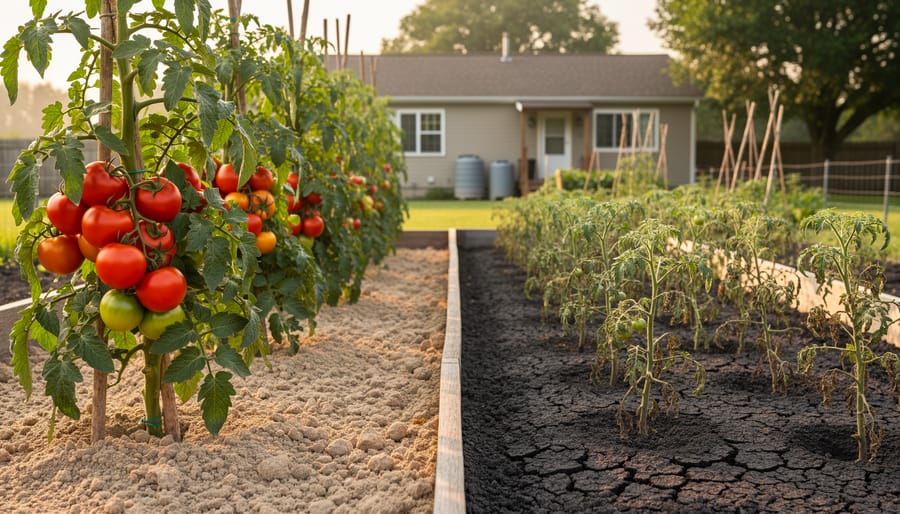
Select tomato varieties based on your specific microclimate and soil conditions rather than relying solely on catalog descriptions. A determinate Roma that thrives in your neighbor’s sandy loam might succumb to blight in your clay-rich garden, while an heirloom Brandywine could flourish where hybrids fail. This phenomenon, called genotype-environment interaction, explains why the same seed performs dramatically differently across farms just miles apart.
Test multiple varieties of the same crop in small plots before committing to full-scale plantings. Plant three different lettuce cultivars in identical conditions and track which ones resist bolting during heat waves, attract fewer aphids, or recover faster from pest damage. Document these observations season after season to build your own variety performance database specific to your land.
Pay attention to how environmental stressors reveal hidden genetic strengths in your crops. That squash variety struggling in optimal conditions might suddenly outperform others when drought hits, or a pepper cultivar weak in full sun could thrive under your shade cloth. These stress responses aren’t random but represent genetic adaptations interacting with your unique growing environment.
Understanding genotype-environment interaction transforms you from a passive seed buyer into an active plant breeder for your farm. Small-scale organic farmer Maria Chen discovered this when her carefully chosen disease-resistant cucumber variety failed spectacularly in her humid coastal valley, while an old-timer variety her grandmother grew thrived without fungicide. The genetics were sound, but the environment told a different story. Learning to read these interactions gives you powerful pest management tools without chemicals, letting you work with nature’s complexity rather than against it.
What Genotype-Environment Interaction Actually Means for Your Garden
Think of genotype-environment interaction as a conversation between your seeds and your soil. The genotype is the genetic blueprint your plants carry—the traits passed down through generations. The environment is everything those plants encounter: your soil type, rainfall patterns, temperature swings, and even the beneficial insects in your neighborhood.
Here’s where it gets interesting for gardeners. A seed isn’t a guarantee—it’s a potential. That heirloom Brandywine tomato that your neighbor raves about might struggle in your backyard just twenty feet away if you have different soil drainage or afternoon shade. The same genetic material responds differently based on the conditions it meets.
Consider Sarah, an organic farmer in Vermont who tried growing three Cherokee Purple tomato plants. She planted one in her greenhouse, one in a raised bed with compost-rich soil, and one in her clay-heavy garden corner. All three had identical genetics, but by harvest time, the differences were striking. The greenhouse plant produced earlier but developed fewer fruits. The raised bed plant thrived with abundant, flavorful tomatoes. The clay-corner plant battled fungal issues and produced modestly. Same genotype, three different outcomes.
This interaction matters tremendously for pest and disease management. A pepper variety that resists aphids beautifully in Arizona’s dry heat might succumb to them in humid Georgia. Understanding this helps you make smarter variety selections for your specific conditions rather than chasing varieties that work elsewhere.
The good news? You don’t need a laboratory to work with these interactions. Start observing which varieties flourish in your microclimate. Keep notes on performance across seasons. Talk with neighboring gardeners about their successes. You’re essentially conducting your own variety trials, matching genetic potential with your environmental reality to grow healthier, more resilient plants naturally.
When Good Seeds Meet Challenging Conditions: Real Farm Stories
Disease-Resistant Varieties That Aren’t Always Resistant
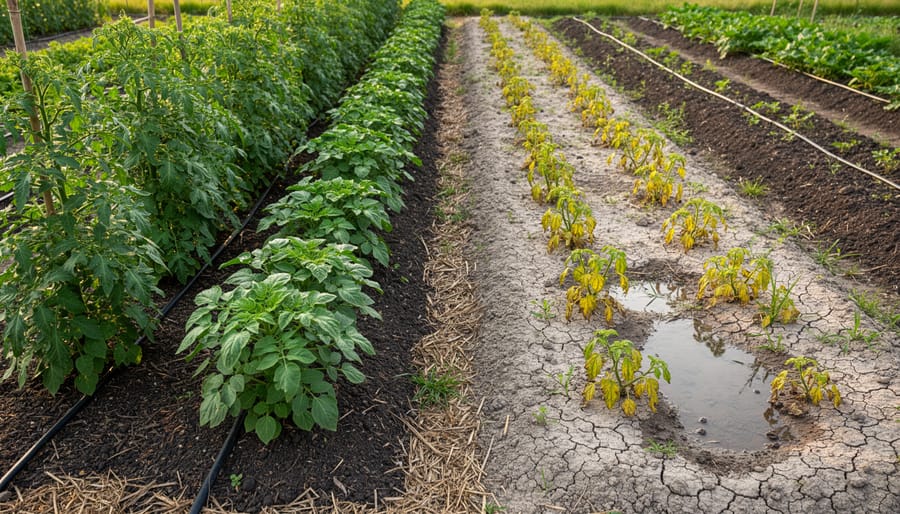
You’ve probably experienced the frustration of planting a disease-resistant variety only to watch it succumb to the very problem it was supposed to avoid. This common scenario perfectly illustrates genotype-environment interaction at work in your garden.
Take blight-resistant tomatoes, for example. Many gardeners have discovered that these specially bred varieties perform beautifully in drier climates but struggle when conditions turn humid and wet. The resistance genes work best when paired with proper airflow and moderate moisture levels. When Oregon farmer Maria Chen planted her blight-resistant heirloom variety during an unusually wet summer, she noticed significant disease pressure despite the variety’s stellar reputation. The following year, with improved spacing and strategic pruning for better air circulation, the same variety thrived.
Powdery mildew-resistant squash varieties show similar environmental sensitivity. While they typically resist infection well in cooler morning temperatures with low humidity, they may still develop powdery mildew during prolonged hot, dry spells with warm nights. The stress from inconsistent watering can actually compromise their natural resistance mechanisms.
Temperature fluctuations also play a crucial role. A cucumber variety resistant to bacterial wilt in consistently warm soil may show symptoms when planted too early in cool, damp conditions. The plant’s immune response simply doesn’t activate as effectively in suboptimal temperatures.
The key takeaway? Disease resistance is rarely absolute. Understanding your specific growing conditions and choosing varieties bred for similar environments gives you the best chance of success. Consider keeping notes about which varieties perform well during different weather patterns to build your own localized knowledge base.
The Aphid Paradox: Why Some Plants Fight Back Better Than Others
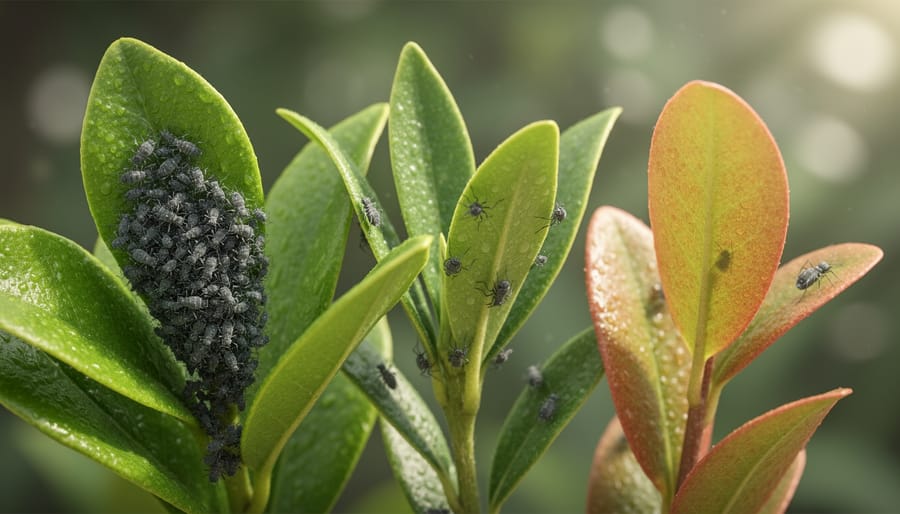
Have you ever noticed how some tomato plants in your garden seem impervious to aphid attacks while their neighbors get overwhelmed? This puzzling phenomenon is a perfect example of genotype-environment interaction at work. Certain plant varieties possess genetic blueprints for producing defensive compounds, but here’s the catch: they only activate these chemical defenses when specific environmental conditions occur.
Take the case of Sarah Martinez, an organic farmer in British Columbia who grows multiple pepper varieties. She discovered that her heirloom jalapeños remained pest-free during cool, dry springs but suffered aphid infestations during warm, humid seasons. The explanation? These plants produce higher levels of capsaicinoids (natural pest deterrents) under moderate stress conditions. When the weather becomes too comfortable, the plants essentially relax their defenses, making them vulnerable.
Temperature fluctuations, soil moisture levels, and even the presence of beneficial insects can trigger or suppress these defensive responses. Some brassica varieties, for instance, ramp up glucosinolate production when nighttime temperatures drop below 15°C, creating a natural barrier against pests.
For home gardeners and small-scale farmers, understanding this interaction means selecting varieties matched to your specific growing conditions. It also suggests that mimicking natural stress patterns through controlled watering or strategic planting times can enhance natural pest resistance without chemicals.
Cover Crops That Work Overtime in the Right Setting
Cover crops do far more than protect soil—when matched to the right conditions, they become powerful allies against pests and diseases. This genotype-environment interaction plays out beautifully in the field, where the same cover crop variety can perform dramatically differently depending on where and when it’s planted.
Take cereal rye, for instance. When planted early in cool climates, it produces allelopathic compounds that suppress weeds and harmful nematodes. However, in warmer southern regions with late planting dates, those same compounds form less effectively, reducing its pest-suppressing powers. Minnesota farmer Sarah Chen discovered this firsthand when she switched from spring to fall rye planting, cutting her weed pressure by nearly 60 percent.
Mustard varieties show similar versatility. Certain cultivars release high levels of glucosinolates—natural fumigants—but only when grown in well-drained, sulfur-rich soils. Plant them in compacted or sulfur-deficient ground, and their disease-fighting potential drops significantly. This is where soil health practices become essential for unlocking cover crop benefits.
Crimson clover demonstrates another fascinating pattern. In humid climates with proper soil moisture, it attracts beneficial insects that prey on aphids and thrips. But in dry conditions, those same beneficials don’t establish, leaving crops more vulnerable.
The lesson? Success with cover crops requires matching specific varieties to your unique growing conditions—climate, soil type, and timing all matter. Understanding these interactions transforms cover cropping from a general practice into a precision pest management tool.
Agroecological Strategies That Work With Nature’s Variability
Creating Microclimate Diversity in Your Growing Space
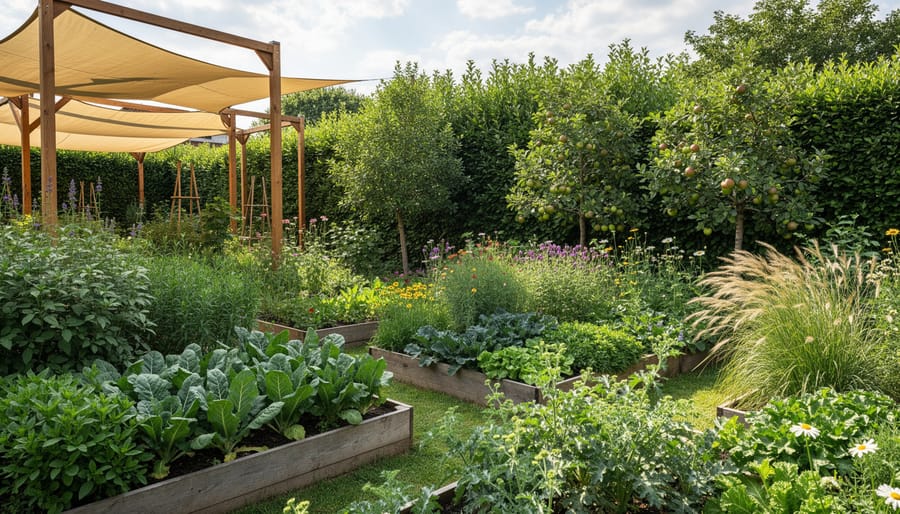
Creating variety within your growing space unlocks each plant’s genetic potential for natural pest resistance. Think of your farm or garden as a collection of mini-ecosystems rather than one uniform environment.
Start by establishing shade structures using trellises, tall companion plants, or shade cloth to create cooler zones. Some tomato varieties that struggle with spider mites in full sun thrive in partial shade, while their genetic resistance to fungal issues kicks in. One Oregon farmer noticed her heirloom lettuce varieties became naturally aphid-resistant when grown under 30% shade cloth, while the same genetics wilted and attracted pests in direct sunlight.
Windbreaks transform your microclimate dramatically. A simple hedgerow of native shrubs or strategically placed fencing reduces wind stress that weakens plants and invites pests. Brassicas with genetic resistance to cabbage worms express this trait more reliably when protected from drying winds that stress their immune systems.
Water management strategies create distinct moisture zones that suit different genetics. Establish well-drained areas for varieties prone to fungal issues, while creating moisture-retentive zones for genetics that resist pests better with consistent water. Drip irrigation allows precise control, letting you match water delivery to each variety’s sweet spot.
Consider elevation changes too. Low-lying areas stay cooler and more humid, perfect for crops whose pest resistance genes activate in those conditions. Higher ground offers warmth-loving varieties the environment they need to express their natural defenses.
Strategic Variety Selection Based on Your Unique Conditions
Choosing the right plant variety for your specific growing conditions is like finding the perfect dance partner – when they’re in sync with your environment, everything flows naturally, including pest resistance. This is genotype-environment interaction at work, and understanding it can transform your garden or farm.
Start by observing your microclimate carefully. Does morning fog linger in your valley? Do you experience dramatic temperature swings between day and night? Is your soil heavy clay or sandy loam? These details matter tremendously. For example, Sarah, a small-scale organic farmer in coastal Oregon, struggled with powdery mildew until she switched to varieties specifically bred for humid conditions. Her tomato yields doubled within a season simply by matching genetics to her foggy environment.
Temperature fluctuations are particularly important for disease resistance. Some pepper varieties that thrive in steady southern heat become stressed and susceptible to aphids when nights drop below 55°F. Meanwhile, cold-hardy selections bred for northern climates maintain their natural defenses through cool snaps.
Don’t overlook soil conditions either. Certain tomato varieties show remarkable fusarium wilt resistance in well-drained soils but struggle in heavy clay where the pathogen persists. Talk with nearby farmers, consult your local extension office, and experiment with trial plots before committing to large plantings.
Remember, the most expensive seeds aren’t always the best choice – the right genetics for your unique conditions will outperform premium varieties that aren’t suited to your environment. Keep detailed notes on which varieties thrive naturally without excessive intervention, and you’ll build a personalized portfolio of winners.
Companion Planting With Genetics in Mind
Smart companion planting goes beyond traditional pairings by leveraging genetic differences between varieties to trigger natural defenses. When you combine plants strategically, one variety can actually modify the microenvironment in ways that activate protective genes in its neighbor.
Consider intercropping tall-statured tomato varieties with compact basil cultivars. The tomato creates shade that stresses the basil just enough to boost its essential oil production, which then repels aphids and whiteflies from both plants. Similarly, certain lettuce genotypes release root exudates that activate disease-resistance genes in neighboring radish varieties, creating a mutually protective relationship.
Maria, an organic farmer in Ontario, discovered this firsthand when pairing her heirloom cucumbers with dill. The dill’s root compounds triggered the cucumber plants’ natural powdery mildew resistance, significantly reducing disease pressure without any sprays. This agroecosystem approach works because different genotypes respond uniquely to environmental shifts like humidity changes or altered light conditions.
Start experimenting by pairing deep-rooted varieties with shallow-rooted ones, or placing moisture-loving plants near those that create humid microclimates through transpiration. Document which combinations activate visible changes like increased leaf thickness, stronger scents, or improved vigor. These visual cues often indicate activated defensive pathways protecting your crops naturally.
Testing and Learning: Your Farm as a Living Laboratory
Your garden or small farm is the perfect place to discover which plant varieties thrive in your unique conditions. Start by treating each season as an experiment, comparing different varieties of the same crop side-by-side. For example, plant two tomato varieties with different disease resistance profiles in similar spots, then observe which one naturally fends off your local pest pressures.
Keep a simple field notebook or smartphone app to track what you see. Record planting dates, weather patterns, first signs of pest or disease activity, and which varieties show resistance. Note microclimates too—that shady corner might favor certain lettuce types, while sun-drenched beds could be perfect for heat-tolerant peppers that also resist specific insects.
Watch for patterns across seasons. Does your heirloom squash consistently attract fewer cucumber beetles than commercial hybrids? Do certain bean varieties planted in early June avoid aphid outbreaks better than late-May plantings? These observations reveal the genotype-environment interactions happening right in your soil.
Local organic farmer Maria Chen started this practice five years ago on her half-acre plot. “I began testing three different kale varieties each year,” she shares. “I discovered that Red Russian kale planted in partial shade had almost no cabbage worm damage, while the same variety in full sun was covered. Meanwhile, Lacinato thrived everywhere. That single discovery changed my whole planting strategy.”
Take photos weekly to document growth and pest activity. Compare notes with neighboring gardeners—their results might differ even a few miles away due to soil type, elevation, or wind patterns. Start small with just two or three variety comparisons per crop, gradually building your knowledge base.
Remember, there’s no failure in this process, only learning. Each season teaches you more about matching the right plant genetics to your specific environment, ultimately creating a naturally pest-resistant growing system tailored perfectly to your land.
Successful organic pest management isn’t about fighting nature—it’s about understanding how your plants and environment work together. Every growing season offers opportunities to observe which varieties thrive in your specific conditions and naturally resist local pest pressures. Start small by experimenting with different cultivars, taking notes on performance, and adapting your selections based on what you learn. Remember that the tomato variety flourishing in your neighbor’s garden might struggle in yours, and that’s perfectly normal.
As you become a more observant steward of your growing space, you’ll discover the unique rhythms and needs of your land. Consider connecting with CSA farms that practice these principles—they’re valuable resources for learning which varieties perform well locally and how farmers adapt their approaches season by season. Your journey toward understanding genotype-environment interactions transforms you from simply growing food to cultivating a deeper relationship with the land, creating resilient gardens that work with nature rather than against it.
