Daily Archives

2 Articles

How Smart CSA Farms Share Resources (And Why It Works)

Posted by darrell on
0
CSA Fundamentals and Benefits
How Smart CSA Farms Share Resources (And Why It Works)

Imagine three farms sharing a delivery truck, pooling their diverse crops, and reaching twice as many customers while cutting costs in half. This collaborative approach to sustainable agriculture isn’t just transforming individual farms—it’s revolutionizing how local food systems operate. From equipment-sharing cooperatives saving small farms thousands in startup costs to multi-farm CSA boxes offering customers unprecedented variety, collaborative models are proving that farmers grow stronger together. Whether you’re an established grower or just starting out, these partnerships offer a practical path to scale operations, reduce risks, and build resilient local food networks that benefit everyone involved.

Resource Sharing Networks: The Foundation of Modern CSAs

Equipment Pooling Systems

Equipment pooling systems are revolutionizing how small farms operate by making expensive machinery accessible through sharing arrangements. Instead of each farm investing in costly equipment that might only be used occasionally, neighboring farms pool their resources to purchase and share vital tools and machinery.

This collaborative approach typically involves creating a detailed schedule for equipment use, establishing maintenance responsibilities, and setting clear guidelines for sharing costs. For example, three farms might jointly own a specialized harvester, taking turns using it during their respective harvest periods and splitting the maintenance expenses.

Many successful equipment pools start small, perhaps with just a couple of farms sharing a tractor or irrigation system, then grow as trust and systems develop. Some pools even create digital calendars for scheduling and maintenance tracking, ensuring smooth operations.

The benefits extend beyond cost savings. Farms can access better quality equipment than they could afford individually, leading to improved efficiency and product quality. Equipment pooling also builds stronger community bonds and creates opportunities for farmers to share knowledge and expertise while working together.

Farmers gathered around shared farm equipment, discussing its features and operation
Group of farmers sharing and inspecting a tractor or specialized farming equipment

Shared Labor Programs

Shared labor programs represent one of the most practical ways farms can support each other while maximizing efficiency. Through worker-sharing arrangements, farms can pool their labor resources during peak seasons, ensuring all participating farms have adequate help during crucial times like planting and harvest. For example, Farm A might send their workers to help Farm B during their tomato harvest, while Farm B’s team reciprocates during Farm A’s busy berry-picking season.

Volunteer coordination programs take this concept further by creating organized systems where multiple farms can tap into a shared pool of community volunteers. These programs often use online scheduling platforms to coordinate volunteer shifts, track hours, and manage special skills or preferences. Many successful farms have found that shared volunteer programs not only provide necessary labor but also strengthen community connections and foster a deeper understanding of local food systems.

Some farms have even developed formal labor-sharing cooperatives, where multiple farms contribute to a paid labor pool, sharing both the costs and benefits of a skilled workforce throughout the growing season. This approach helps stabilize employment for farm workers while ensuring farms have access to experienced help when they need it most.

Colorful display of diverse vegetables and fruits from multiple CSA farm partners
Multiple produce varieties arranged to show diversity from different farm partners

Multi-Farm CSA Models

Crop Specialization Benefits

Specialization allows farms to focus on what they do best while working together to build stronger communities through diverse crop offerings. Instead of each farm trying to grow everything, collaborative models enable farmers to master specific crops that thrive in their unique soil conditions and microclimate.

For example, one farm might excel at growing heirloom tomatoes and peppers in their greenhouse setup, while another specializes in root vegetables and leafy greens in their rich, well-draining soil. By pooling their harvests, farms can offer CSA members a wider variety of high-quality produce than they could achieve individually.

This focused approach leads to better crop quality, reduced waste, and more efficient resource use. Farmers can invest in specialized equipment and develop expertise in particular growing methods, resulting in higher yields and better pest management. They can also plan crop rotations more effectively, improving soil health and sustainability.

Members benefit from receiving expertly grown produce while supporting multiple local farms. This system creates a resilient local food network where each farm contributes its strengths to create a more robust and diverse food system for the community.

Distribution Partnerships

Distribution partnerships form the backbone of successful collaborative farming models, creating efficient networks for getting fresh produce to customers. Many farms work together to establish convenient pickup locations, often called food hubs, where members can collect their shares. These hubs might include local businesses, community centers, or even participating farmers’ markets.

Some collaborative models use a hub-and-spoke system, where one central farm acts as the primary distribution point for several smaller farms. This approach helps reduce transportation costs and minimizes the carbon footprint of deliveries. Other partnerships involve rotating delivery responsibilities among participating farms, with each taking turns handling distribution duties on different weeks.

Mobile delivery services have also become popular, with farms sharing delivery vehicles and coordinating routes to serve wider geographic areas efficiently. Some collaboratives have even developed partnerships with local businesses to create workplace CSA pickup points, making it convenient for busy professionals to access fresh, local produce.

Technology plays a crucial role in modern distribution partnerships, with many collaboratives using shared scheduling software and communication platforms to coordinate deliveries and manage pickup locations. This digital coordination helps ensure smooth operations and improved customer service while maintaining the personal touch that makes CSA programs special.

Knowledge-Sharing Communities

Mentorship Programs

Mentorship programs serve as vital bridges between experienced farmers and newcomers to the agricultural community. These structured relationships help preserve farming knowledge while accelerating the learning curve for beginning farmers. Through regular one-on-one sessions, new farmers gain practical insights into crop planning, soil management, and sustainable farming techniques.

Many successful mentorship programs pair mentees with farmers who share similar growing conditions and market goals. For example, Sarah Miller, a veteran organic farmer in Vermont, mentors three new farmers annually, helping them navigate everything from seed selection to market strategies. “The wisdom passed down through mentorship is invaluable,” she explains. “It’s how we strengthen our farming community and ensure its future.”

These programs often include hands-on training days, where mentees work alongside experienced farmers to learn essential skills. Some mentorship arrangements also incorporate business planning and financial management guidance, helping new farmers develop sustainable business models. This comprehensive approach not only builds agricultural expertise but also creates lasting relationships that benefit the entire farming community.

Senior farmer mentoring young farmers in sustainable agriculture practices
Experienced farmer demonstrating techniques to new farmers in field setting

Collective Problem-Solving

When farmers face challenges, they often find innovative solutions by working together. Local farmers regularly share equipment, reducing individual investment costs while maximizing resource efficiency. Many establish informal knowledge networks, exchanging tips about pest management, soil health, and crop rotation through regular meetups or online forums.

During peak harvest seasons, farms often pool their labor resources through work-share programs. One week, farmers might help harvest tomatoes at one farm, and the next week, they’ll collect apples at another. This collaborative approach ensures all crops are harvested at optimal times without overwhelming individual farm teams.

Storage and distribution challenges are frequently solved through shared facilities. Several small farms might jointly invest in cold storage space or coordinate delivery routes to reduce transportation costs. Some farming communities have even created shared processing facilities, allowing members to transform excess produce into value-added products like jams or pickles.

Weather-related challenges are also tackled collectively, with farmers sharing weather monitoring equipment and coordinating crop planning to ensure market stability throughout the growing season.

Marketing Collaborations

Marketing collaborations among farms have revolutionized how small-scale producers reach their customers. By joining forces, farms can create a more robust market presence while sharing resources and expanding their customer base. Through Community Supported Agriculture networks, farms often pool their diverse products to offer members more variety than they could achieve individually.

Popular collaborative marketing strategies include joint farmers’ market stands, shared delivery routes, and combined CSA boxes. For example, when vegetable farms partner with orchards or dairy producers, they can offer complete meal solutions that satisfy a broader range of customer needs. This diversity not only attracts more customers but also helps retain them through multiple growing seasons.

Social media marketing becomes more impactful when farms work together. By cross-promoting each other’s products and sharing content, they can reach a wider audience while reducing individual marketing costs. Many successful collaborations maintain shared social media accounts or websites, making it easier for customers to find and order from multiple local producers.

Some farms have found success in creating collaborative brands or regional food hubs. These unified marketing approaches help establish stronger regional identities and make it easier for customers to recognize and support local agriculture. For instance, the “Fresh Valley Farms Collective” in Ontario brings together twelve small farms under one recognizable brand, sharing marketing materials, delivery infrastructure, and customer relationships.

Joint promotional events, such as harvest festivals or farm tours, allow collaborative farms to create memorable experiences that single farms might struggle to organize alone. These events not only generate immediate sales but also build lasting connections with the community.

Collaborative farming models represent a powerful path forward for sustainable agriculture, offering solutions to many challenges faced by independent farmers. By pooling resources, sharing knowledge, and distributing risks, farmers can create more resilient and profitable operations while better serving their communities. Success stories from across the country show how partnerships between farms have led to increased crop diversity, extended growing seasons, and improved market access.

These collaborative approaches not only benefit farmers but also strengthen local food systems and promote food security. CSA members enjoy greater variety in their shares, while farmers gain stability through shared infrastructure and labor. The environmental benefits are equally significant, as collaborative models often lead to more efficient resource use and improved land stewardship practices.

Looking ahead, collaborative farming models will likely play an increasingly vital role in sustainable agriculture. As new farmers enter the field and established operations adapt to changing conditions, these partnerships offer a practical framework for success. By working together, farmers can build a more sustainable, equitable, and vibrant local food system that nourishes both people and the planet.


Build a Thriving CSA: Local Partnerships That Supercharge Your Farm’s Success

Posted by darrell on
0
Community Partnerships and Networks
Build a Thriving CSA: Local Partnerships That Supercharge Your Farm’s Success

Transform your local farming initiative into a community cornerstone by building thriving CSA partnerships with neighborhood businesses, schools, and organizations. Local partnership programs create powerful connections that boost farm visibility, increase customer reach, and strengthen community ties while ensuring sustainable revenue streams. Partner with restaurants to supply fresh, seasonal produce, collaborate with schools for educational programs, and join forces with local food banks to reduce waste and serve those in need. These strategic alliances not only expand your market presence but also create a resilient local food system that benefits everyone involved – from farmers to consumers. By fostering these meaningful connections, small-scale farmers can build a robust support network that ensures long-term success while contributing to their community’s well-being.

Why Local Partnerships Matter for Your CSA

Building Community Resilience

Local partnership programs serve as catalysts for building stronger, more resilient communities through food-based connections. When farmers collaborate with schools, restaurants, and community organizations, they create a web of support that extends beyond simple transactions. These partnerships foster educational opportunities, create economic stability, and strengthen food security at the neighborhood level.

Success stories like the Green Valley Farm’s partnership with local schools demonstrate how these relationships can transform communities. Students learn about agriculture through hands-on experiences, while farmers secure reliable income streams. Restaurant partnerships have proven equally valuable, with chefs featuring local produce and creating seasonal menus that celebrate regional agriculture.

These collaborations also help communities weather challenges more effectively. During recent supply chain disruptions, areas with established local food partnerships proved more resilient, maintaining steady food access through their interconnected network of producers and consumers. By investing in these relationships, communities build lasting foundations for sustainable food systems that benefit everyone involved.

Economic Benefits for Farmers

Local partnership programs offer substantial financial advantages for farmers through multiple revenue streams and shared resources. By collaborating with community partners, farmers can significantly reduce operational costs while increasing their income potential. Direct sales through CSA memberships provide steady, predictable income, while partnerships with local restaurants and markets create additional revenue opportunities.

These collaborative relationships often lead to cost-sharing benefits, such as shared equipment purchases, bulk ordering of supplies, and combined marketing efforts. Farmers can also benefit from reduced distribution costs through coordinated delivery systems and shared transportation resources.

Many successful partnerships include value-added opportunities, allowing farmers to transform excess produce into profitable products like preserves or dried goods. Additionally, community partnerships often result in increased brand recognition and customer loyalty, leading to higher profit margins and sustainable business growth. The financial stability gained through these programs enables farmers to invest in farm improvements and expand their operations while maintaining focus on sustainable farming practices.

Essential Partners for CSA Success

CSA farmer and local chef forming partnership at farmers market stand
Farmers shaking hands with local restaurant chef in front of produce display

Local Restaurants and Chefs

Partnering with local restaurants and chefs creates a win-win relationship that benefits both farms and food service professionals. These partnerships often begin with chefs seeking high-quality, fresh ingredients for their menus. By supplying restaurants directly, farms can establish consistent wholesale accounts while providing chefs with peak-season produce that enhances their culinary creations.

Many successful partnerships include regular farm visits by chefs, collaborative menu planning based on seasonal harvests, and special farm-to-table events that showcase local ingredients. Some restaurants even feature farmer profiles on their menus, helping to tell the story behind the food while building customer appreciation for local agriculture.

To initiate these relationships, consider hosting chef tours of your farm, offering sample products, and developing a reliable delivery schedule that aligns with restaurant needs. Remember to maintain open communication about crop availability and pricing throughout the growing season.

Schools and Educational Institutions

Schools and educational institutions play a vital role in local partnership programs by connecting students with fresh, nutritious food and agricultural knowledge. Many CSA farms collaborate with schools to establish farm education programs that bring hands-on learning experiences to students. These partnerships often include school garden projects, cooking demonstrations, and nutrition education workshops. By participating in harvest activities and learning about sustainable farming practices, students develop a deeper understanding of food systems and healthy eating habits. Some farms also work with school cafeterias to supply fresh produce, creating farm-to-school lunch programs that benefit both the educational community and local agriculture.

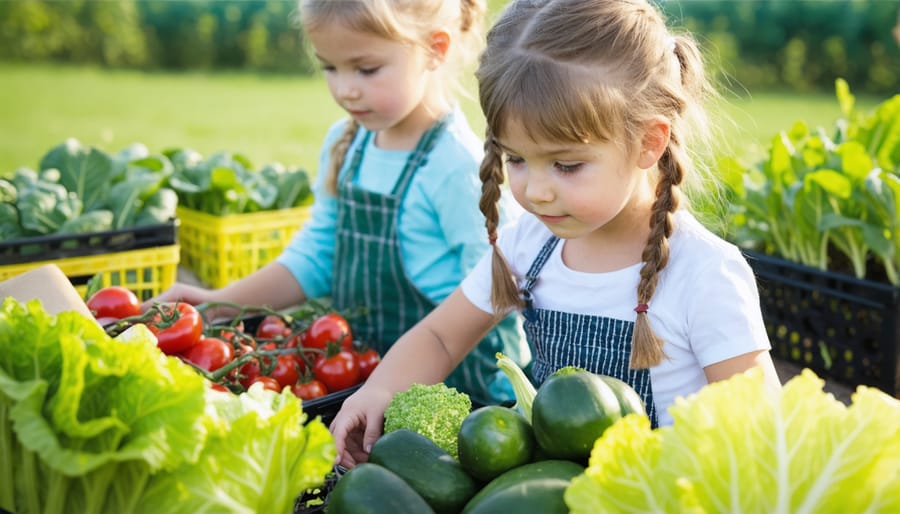
Students participating in hands-on farming education activities
Elementary school children learning about vegetables in a farm education program

Farmers Markets and Food Co-ops

Partnering with farmers markets and food co-ops can significantly expand your local food distribution network. These collaborations create win-win situations where farmers markets provide additional venues to showcase your produce, while food co-ops offer reliable year-round distribution channels. Many successful CSA programs coordinate pickup locations at farmers markets, attracting new members and creating a vibrant community hub. Food co-ops often welcome partnerships with local farms, offering shelf space for excess produce and helping to reduce waste during peak harvest seasons. Consider cross-promotional opportunities, such as featured farmer days at co-ops or special market events where CSA members can sample additional local products. These partnerships strengthen the local food ecosystem and provide valuable networking opportunities with other sustainable agriculture advocates.

Community Organizations

Local partnership programs thrive through collaboration with various community organizations that share a commitment to sustainable food systems. Non-profit organizations often bring valuable resources and volunteer networks to support farming initiatives, while local food banks help distribute surplus produce to those in need. Environmental groups contribute expertise in sustainable practices and often assist with educational workshops.

Community centers and schools make excellent partners, offering spaces for farmers’ markets and educational programs. These partnerships help introduce younger generations to local agriculture through hands-on learning experiences. Religious organizations and civic groups frequently participate by organizing community events, fundraisers, and volunteer days at partner farms.

Working with these organizations creates a robust support network that strengthens local food systems and builds lasting community connections. Successful partnerships often start with identifying shared values and establishing clear communication channels to ensure mutual benefits for all involved parties.

Visual diagram of CSA partnership connections including restaurants, schools, markets, and community organizations
Infographic showing interconnected web of local food system partnerships

Creating Successful Partnership Programs

Starting the Conversation

Initiating a conversation with potential partners doesn’t have to be intimidating. Start by preparing a clear, one-page overview of your program that highlights mutual benefits and opportunities. Reach out through a friendly email or phone call, introducing yourself and your farm’s mission. Local businesses, restaurants, and community organizations are often receptive to collaboration ideas that support local agriculture.

When meeting in person, bring samples of your produce and share your passion for sustainable farming. Listen actively to their needs and concerns, and be ready to discuss flexible partnership options. Remember that successful partnerships often start with small steps – perhaps a trial period or seasonal collaboration before expanding into a longer-term arrangement.

Focus on building genuine relationships rather than just business transactions. Share your vision for community impact and be open to creative suggestions from potential partners. Many successful partnerships have started with a simple conversation at a farmers’ market or community event.

Structuring Win-Win Agreements

Creating successful partnerships hinges on developing agreements that benefit all parties involved. Start by clearly defining expectations, responsibilities, and rewards for each partner. For farmers, this means outlining delivery schedules, produce quality standards, and pricing structures. For community partners, specify promotional commitments, distribution support, or facility usage terms.

Consider incorporating flexible payment options, such as sliding scale fees or work-trade arrangements, to accommodate different partner capabilities. Include clear communication channels and regular check-in schedules to address concerns promptly and maintain strong relationships.

Document everything in writing, but keep agreements straightforward and easy to understand. Include provisions for modifying terms as the partnership evolves, and establish fair conflict resolution procedures. Success stories from our network show that the most enduring partnerships often start with small, manageable commitments that grow naturally over time.

Remember to celebrate shared successes and recognize partner contributions publicly. This builds community goodwill and encourages long-term commitment to the program. Regular partnership reviews help identify opportunities for growth and ensure continued mutual benefit.

Maintaining Long-term Relationships

Maintaining successful long-term partnerships requires consistent effort and dedication. Regular communication is key – schedule monthly check-ins with your partners to discuss progress, address concerns, and share successes. Be transparent about challenges and changes in your operation, as this builds trust and allows for collaborative problem-solving.

Show appreciation for your partners through simple gestures like thank-you notes, special harvest events, or exclusive partner appreciation days. Consider creating a newsletter to keep partners informed about farm activities and upcoming opportunities. Document your shared achievements and celebrate milestones together.

Flexibility is crucial in long-term relationships. Be open to adjusting agreements as needs change, and always honor your commitments. Create opportunities for partners to provide feedback and actively implement their suggestions when feasible.

Remember to invest in relationship-building beyond business transactions. Organize social events, workshops, or farm tours that bring partners together and strengthen community bonds. Consider establishing a partner advisory board to ensure continued engagement and maintain a strong foundation for future growth.

Most importantly, stay true to your shared values and mission, as these form the backbone of lasting partnerships.

Real Success Stories

The transformative power of local partnerships is best illustrated through successful CSA partnership stories from across the country. Take Green Meadows Farm in Vermont, which partnered with three local schools to provide fresh produce for their cafeterias. This collaboration not only secured a steady revenue stream but also introduced thousands of students to locally grown vegetables, resulting in a 40% increase in CSA memberships from participating families.

Another inspiring example is Sun Valley Organics in California, which joined forces with a local restaurant chain. The partnership allowed the farm to supply premium ingredients while the restaurants offered CSA pickup locations and hosted cooking demonstrations using seasonal produce. This symbiotic relationship led to a 65% growth in their CSA program within just one year.

In Michigan, Rolling Hills Farm found success by partnering with local healthcare providers. Their innovative “Prescription Produce” program, where doctors could prescribe fresh vegetables to patients, helped the farm expand their reach while promoting community health. The initiative doubled their membership base and created a model that other farms are now replicating.

These partnerships demonstrate how creative collaboration can strengthen both farms and communities, proving that success in local agriculture often comes through working together rather than going it alone.

Local partnership programs represent a powerful way to strengthen communities while promoting sustainable agriculture and food security. By connecting farmers, consumers, and local businesses, these initiatives create lasting relationships that benefit everyone involved. Whether you’re a farmer looking to expand your reach or a community member eager to support local agriculture, now is the perfect time to get involved. Take the first step by reaching out to local farms, attending community meetings, or joining existing programs in your area. Remember, successful partnerships start with small actions and grow through dedication and mutual support. Together, we can build a more resilient and sustainable local food system that nourishes both our communities and the environment for generations to come.