
How Food Security Agriculture Is Transforming Local Food Systems
 darrell on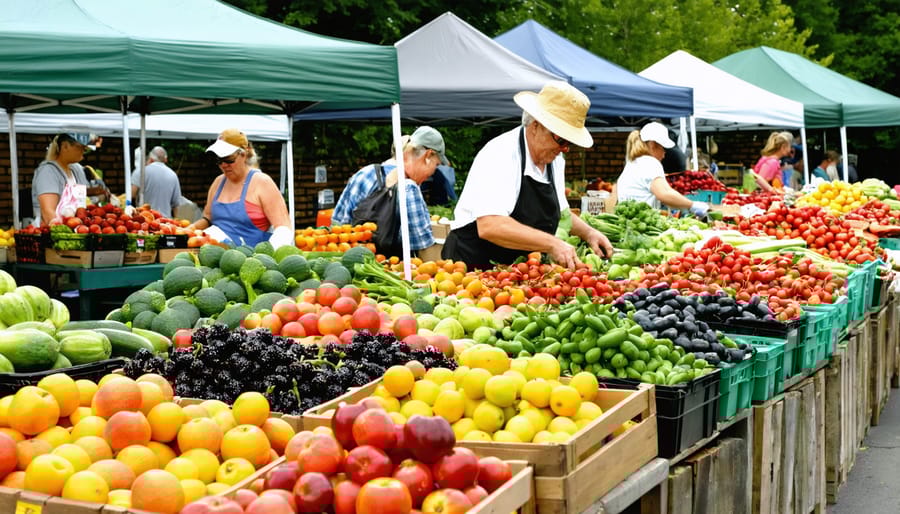
Food security agriculture stands at the intersection of sustainable farming practices and global food accessibility, representing our most powerful tool in the fight against hunger. By combining traditional agricultural wisdom with modern innovation, farmers and communities worldwide are revolutionizing how we grow, distribute, and ensure access to nutritious food for all populations.
Local food systems form the backbone of food security, with small-scale farmers producing over 70% of the world’s food supply through sustainable, climate-resilient methods. These agricultural practices not only enhance food availability but also protect biodiversity, improve soil health, and strengthen community resilience against environmental and economic challenges.
The movement toward secure food systems encompasses diverse strategies: from vertical farming in urban centers to regenerative agriculture in rural communities, from community-supported agriculture (CSA) programs to innovative storage solutions that reduce post-harvest losses. This comprehensive approach ensures that communities can produce, access, and maintain stable food supplies year-round.
As climate change threatens traditional farming methods, food security agriculture adapts through water-efficient irrigation systems, drought-resistant crop varieties, and integrated pest management techniques. These solutions demonstrate how sustainable agriculture can simultaneously address food security, environmental protection, and economic development goals.
Through collaborative efforts between farmers, researchers, and communities, food security agriculture continues to evolve, offering hope for a future where nutritious food is accessible to all while preserving our planet’s resources for generations to come.
Building Resilient Local Food Systems
Direct-to-Consumer Networks
Direct-to-consumer networks have emerged as powerful tools for enhancing food security while supporting local agriculture. Local farmers markets provide vibrant community hubs where consumers can purchase fresh produce directly from growers, creating meaningful connections between farmers and their neighbors. These markets not only ensure access to nutritious, seasonal food but also help farmers receive fair compensation for their work.
Community Supported Agriculture (CSA) programs offer another innovative approach to direct food distribution. Members purchase shares of a farm’s harvest in advance, receiving weekly boxes of fresh, locally grown produce throughout the growing season. This model provides farmers with stable income and helps them plan their crops more effectively, while giving consumers access to ultra-fresh produce and a deeper understanding of seasonal eating patterns.
Both these distribution channels strengthen local food systems by cutting out middlemen, reducing transportation costs, and ensuring that more food dollars stay within the community. They also serve as educational platforms, helping consumers understand farming practices and seasonal availability while building lasting relationships between producers and consumers.

Year-Round Production Methods
Modern farming techniques have revolutionized how we think about year-round food availability, making local produce accessible beyond traditional growing seasons. Greenhouses and high tunnels create protected environments where crops flourish even during colder months, while hydroponic systems allow for indoor cultivation regardless of weather conditions.
Smart farmers are combining these methods with season-appropriate crop selection. Cold-hardy vegetables like kale, spinach, and root crops thrive in winter greenhouses, while heat-loving plants flourish in summer. Deep winter growing techniques, pioneered by innovative farmers in cold climates, use passive solar heating and thermal mass to maintain growing temperatures naturally.
Vertical farming is gaining traction in urban areas, maximizing space efficiency while providing fresh produce year-round. These systems often incorporate LED grow lights and automated climate control, ensuring optimal growing conditions throughout the seasons. Storage crops and preservation methods complement these production techniques, creating a robust local food system that supports community food security throughout the year.
Sustainable Farming Practices for Food Security

Crop Diversity and Planning
Growing a diverse range of crops is like creating a living insurance policy for your food security. When you plant different varieties of vegetables, fruits, and grains, you’re not just ensuring a more interesting harvest – you’re protecting against crop failure and building a more resilient food system.
Smart farmers know that if one crop faces challenges from pests or weather conditions, others may still thrive. For example, while your tomatoes might struggle during an unusually wet season, your root vegetables could flourish in those same conditions. This diversity helps maintain a steady food supply throughout the growing season.
Succession planting takes this strategy even further by staggering crop plantings throughout the season. Instead of planting all your lettuce at once, you might plant small amounts every two weeks. This approach ensures a continuous harvest and prevents the feast-or-famine cycle that often happens with single-planting methods.
Consider Sarah, a small-scale farmer in Vermont, who transformed her farm’s productivity by implementing a diverse crop rotation system. She now grows over 30 different varieties of vegetables year-round, supplying her local community with fresh produce even during the winter months through careful planning and greenhouse cultivation.
To get started with crop diversity:
– Choose plants that mature at different times
– Mix quick-growing crops with longer-season varieties
– Include both common and unusual varieties
– Plan for seasonal transitions
– Consider companion planting to maximize space and yield
Soil Health Management
Healthy soil is the foundation of successful food production and long-term agricultural sustainability. By implementing proper soil management techniques, farmers and gardeners can maintain fertile growing conditions that support consistent crop yields year after year.
One key practice is crop rotation, which involves changing the types of crops grown in a particular area each season. This natural approach helps prevent soil depletion while reducing pest and disease problems. For example, following nitrogen-hungry corn with nitrogen-fixing legumes helps restore soil nutrients naturally.
Regular soil testing is essential for understanding your soil’s needs. Testing reveals nutrient levels, pH balance, and organic matter content, allowing farmers to make informed decisions about amendments and fertilizers. Many local extension offices offer affordable soil testing services and guidance on interpreting results.
Adding organic matter through composting and cover cropping helps build soil structure and fertility. Compost provides slow-release nutrients while improving water retention and beneficial microbial activity. Winter cover crops like clover or rye protect soil from erosion while adding organic material when tilled under in spring.
Minimal tillage practices help preserve soil structure and beneficial organisms. Many successful farmers use no-till or reduced tillage methods, only disturbing the soil when necessary for planting. This approach maintains natural soil layers while reducing erosion and compaction.
Proper irrigation management prevents soil degradation from excess water or drought stress. Drip systems and moisture monitors help farmers provide consistent water while avoiding oversaturation that can wash away nutrients.
Community Impact and Engagement
Education and Skills Development
Education plays a vital role in building sustainable food security through agriculture. Farmers markets and community gardens often serve as living classrooms, offering hands-on learning experiences for both aspiring farmers and curious community members.
Many successful programs combine traditional classroom learning with practical field experience. Participants learn essential skills like soil preparation, crop rotation, pest management, and sustainable irrigation techniques. These programs also emphasize the importance of seasonal growing, seed saving, and organic farming methods that support long-term food security.
Nutritional education is equally important, teaching communities about the value of fresh, locally grown produce and how to incorporate it into healthy meals. Cooking demonstrations at farmers markets show visitors how to prepare seasonal vegetables, while workshop series help families learn about food preservation and storage techniques.
Youth education programs are particularly effective, introducing children to farming through school gardens and agricultural clubs. These initiatives help create the next generation of informed consumers and potential farmers while fostering an appreciation for sustainable food systems.
Skills development extends beyond farming to include business management, marketing, and food safety certification. This comprehensive approach ensures that participants can not only grow food but also create viable agricultural enterprises that contribute to community food security.
Success stories from program graduates who now run their own farms or lead community initiatives serve as inspiring examples of how education can transform food systems from the ground up.

Economic Benefits
Food security agriculture brings substantial economic benefits to local communities, creating a ripple effect that strengthens the entire regional economy. When farmers sell directly to consumers through farmers markets and community-supported agriculture programs, they retain a larger share of food dollars compared to conventional distribution channels. This increased profit margin allows farmers to reinvest in their operations and hire local workers, contributing to job creation and economic growth.
Local food systems also help keep money circulating within the community. Studies show that every dollar spent at local farms generates approximately twice as much income for the local economy compared to shopping at large chain stores. This multiplier effect supports other local businesses, from farm supply stores to restaurants featuring locally-sourced ingredients.
Farmers markets and food security initiatives often attract tourism and enhance community vitality, bringing additional revenue streams to rural areas. These markets become social hubs where people gather, shop, and connect with local producers, fostering a sense of community while driving economic activity.
The economic resilience of diversified small farms also helps protect communities from large-scale agricultural market fluctuations. By growing various crops and serving local markets, farmers can better weather economic downturns and maintain stable income streams throughout the year. This stability translates into more reliable employment opportunities and consistent support for auxiliary businesses in the agricultural sector.
Success Stories from Local Farms
The heartening stories of successful local farm initiatives across the country demonstrate how food security agriculture can transform communities. Take the story of Green Meadows Farm in Vermont, which started as a small family operation and now feeds over 200 families through their CSA program. By implementing innovative crop rotation techniques and greenhouse farming, they’ve extended their growing season to 10 months of the year.
In California’s Central Valley, the Rodriguez Family Farm has become a model of water conservation and drought-resistant farming. Their transition to drip irrigation and drought-tolerant crop varieties has reduced water usage by 40% while maintaining robust yields. They now share their knowledge with neighboring farms, creating a ripple effect of sustainable practices throughout the region.
Urban farming success stories are equally inspiring. The Detroit Urban Farming Initiative transformed vacant city lots into productive gardens, providing fresh produce to food desert neighborhoods. Their network of 12 urban farms now supplies local food banks and runs educational programs for school children, teaching the next generation about sustainable food production.
In rural Montana, the Prairie Partners Cooperative shows how small farms can thrive through collaboration. Ten family farms joined forces to share equipment, coordinate crop planning, and establish a stronger market presence. Their combined efforts have reduced operational costs by 30% and increased each farm’s income by establishing direct-to-consumer marketing channels.
The Rising Sun Farm in Minnesota demonstrates how technology integration can enhance food security. Using smart sensors and automated irrigation systems, they’ve optimized resource use while increasing crop yields by 25%. Their success has inspired other local farms to embrace similar technologies, creating a more resilient local food system.
These success stories share common elements: community engagement, sustainable practices, and innovative problem-solving. Each farm has found unique ways to address local food security challenges while building economically viable operations. Their experiences prove that small-scale farming can significantly impact food security when supported by community involvement and modern agricultural practices.
Food security agriculture is not just about large-scale farming operations – it starts in our own communities. By supporting local farmers markets, participating in community gardens, and choosing locally grown produce, we each play a vital role in building a more resilient food system. Whether you’re growing herbs on your windowsill or shopping at your neighborhood farm stand, every action contributes to stronger food security.
Consider joining a CSA program, volunteering at a community garden, or starting your own backyard vegetable patch. Share growing tips with neighbors, support policies that protect local farmland, and educate others about the importance of sustainable agriculture. Together, we can create a future where fresh, nutritious food is accessible to all while supporting the farmers who make it possible.
Remember, food security begins at the local level, and your participation makes a difference. Let’s work together to cultivate a more sustainable and secure food future for our communities.


