
Keep Your CSA Livestock Thriving Without Complicated Veterinary Bills
 darrell on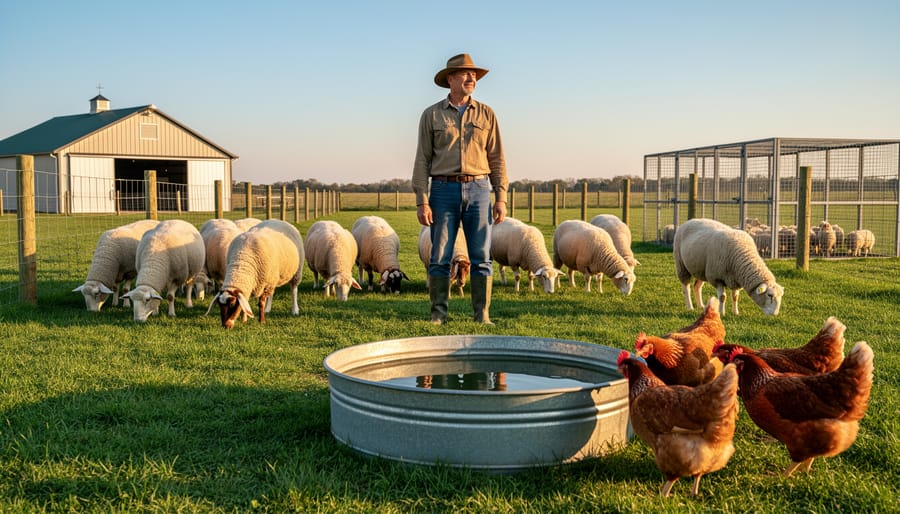
Observe your animals daily for changes in behavior, appetite, or physical appearance—early detection prevents minor issues from becoming costly emergencies. A sheep standing apart from the flock or a chicken with ruffled feathers signals trouble before visible symptoms appear.
Establish a quarantine area of at least 30 feet from your main herd or flock before introducing new animals. Keep newcomers separated for 14-30 days while monitoring for respiratory issues, parasites, or unusual discharge that could spread disease throughout your entire operation.
Create a preventive health calendar that schedules deworming, hoof trimming, and vaccinations based on your region and species. Spring and fall rotations work for most small farms, helping you stay ahead of parasite loads rather than reacting to infestations.
Maintain clean water sources and rotate pastures every 2-4 weeks to break parasite life cycles naturally. Fresh water containers cleaned weekly and strategic grazing patterns reduce medication needs while improving soil health—a win for both animal welfare and sustainable farm management.
Partner with a livestock veterinarian before emergencies arise. Having established care relationships means faster response times and personalized prevention plans suited to your farm’s unique conditions, whether you’re raising three goats or thirty chickens. Healthy animals form the foundation of any successful small-scale farming operation, and prevention always costs less than treatment.
Why Livestock Health Matters for Your CSA Success
Your CSA’s success hinges on more than just growing great vegetables. When you incorporate animals into your farm, their health becomes a cornerstone of your entire operation. Healthy livestock translate directly into thriving business outcomes and satisfied members.
Member confidence forms the foundation of any successful CSA. When your chickens are vibrant, your goats are energetic, and your sheep have glossy coats, members immediately recognize your commitment to quality care. They trust that the eggs, meat, and dairy products they receive come from animals raised with integrity. This trust keeps membership renewals high and generates positive word-of-mouth that attracts new subscribers.
Product quality speaks for itself. Healthy animals produce nutrient-dense eggs with rich, golden yolks, flavorful meat, and creamy milk. These premium products become signature items that distinguish your CSA from grocery store alternatives. Members notice the difference at their dinner tables, reinforcing the value of their investment in your farm.
Today’s CSA members expect more than convenience. They join community-supported agriculture because they care about animal welfare, environmental stewardship, and transparent food systems. By prioritizing livestock health, you’re fulfilling an ethical commitment that resonates deeply with your subscriber base. Many members specifically seek farms where animals receive attentive, humane care.
Beyond individual animal welfare, livestock health impacts your entire farm ecosystem. Healthy animals contribute quality manure for composting, provide natural pest control, and support soil fertility. When mixing livestock species, you create beneficial relationships where different animals complement each other’s grazing patterns and nutrient contributions. This integrated approach strengthens your farm’s resilience while reducing external inputs, making your operation more sustainable and profitable long-term.
The Foundation: Understanding Basic Livestock Wellness
What Healthy Animals Look and Act Like
Knowing what a healthy animal looks like makes spotting problems early much easier. Healthy chickens are alert and active, with bright eyes and glossy feathers that lay smooth against their bodies. They should scratch, peck, and vocalize regularly. Their combs and wattles appear vibrant red (in most breeds), and they move freely without limping. A healthy chicken’s vent area stays clean and dry.
For goats and sheep, look for animals that stand squarely on all four legs, move purposefully, and show curiosity about their surroundings. Their eyes should be clear and bright, not dull or sunken. Healthy small ruminants have shiny coats without bald patches, and they chew their cud peacefully when resting. Body condition matters too—you should feel ribs with light pressure but not see them prominently. These animals should eagerly approach feeding time and maintain steady appetites.
Pigs display health through consistent eating habits, smooth skin (though some wrinkling is normal), and energetic rooting behavior. They should respond to sounds and movement, showing interest in their environment. Healthy pigs breathe quietly without coughing or wheezing, and their manure appears firm and well-formed.
Across all species, watch for consistent daily routines. Animals that suddenly isolate themselves, refuse food, or act lethargic deserve immediate attention. One CSA farmer shares her simple approach: “I spend ten minutes each morning just watching my animals. You’d be amazed what you notice when you’re not rushing through chores—that’s when you catch issues before they become emergencies.”
Red Flags Every Farmer Should Recognize
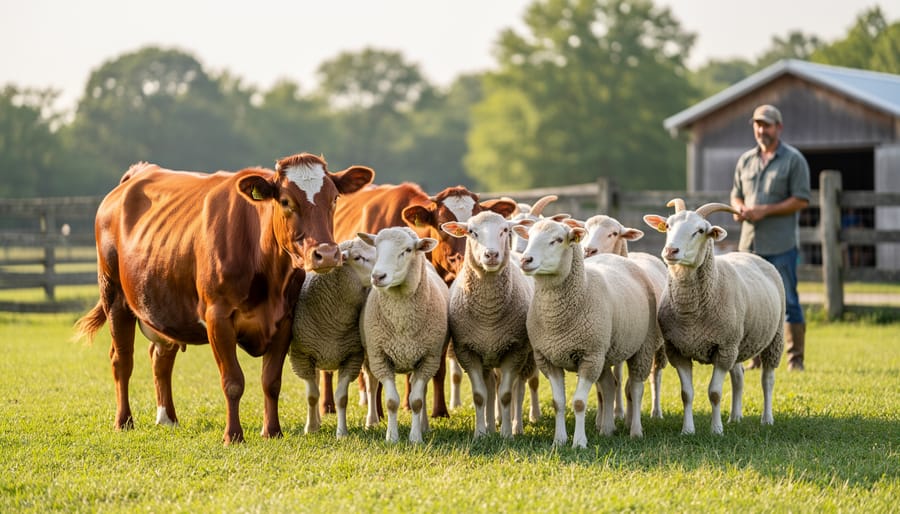
Catching health issues early can mean the difference between a quick recovery and a serious problem. The good news? Your daily observations are your most powerful diagnostic tool, and you don’t need fancy equipment to spot trouble.
Start each morning with a simple walkthrough of your livestock areas. Healthy animals typically greet feeding time with enthusiasm, so the first red flag is often a lack of interest in food or water. One small-scale farmer I know prevented a major outbreak simply by noticing that two goats hung back at feeding time, acting on it immediately.
Pay attention to how your animals move and stand. Lameness, hunched posture, or reluctance to rise can signal pain or illness. Healthy livestock have bright, alert eyes and smooth, glossy coats. Dull eyes, drooping ears, rough hair, or discharge from eyes or nose deserve immediate attention.
Changes in manure consistency matter more than you might think. Diarrhea or unusually hard droppings can indicate digestive issues or parasites. Similarly, labored breathing, coughing, or nasal discharge often signals respiratory problems, which can spread quickly in close quarters.
Watch social dynamics too. Animals that isolate themselves from the herd or flock are often feeling unwell, since healthy livestock are naturally social. Aggressive behavior changes can also indicate discomfort or illness.
Create a simple daily checklist covering appetite, movement, appearance, breathing, and social behavior. Keeping brief notes helps you spot patterns over time. Remember, you know your animals best. Trust your instincts when something seems off. Early intervention is almost always easier and more affordable than treating advanced illness, making these daily observations one of the most valuable investments in your sustainable farming practice.
Prevention Strategies That Actually Work on Small Farms
Nutrition and Clean Water: The Non-Negotiables
Think of nutrition and clean water as the foundation of your entire livestock health program—get these right, and you’re already ahead of the game. Quality feed isn’t just about filling bellies; it’s about providing the specific nutrients each species needs to thrive. Chickens require different protein levels than goats, and dairy animals have vastly different nutritional demands than meat producers. When sourcing feed, look for options free from mold, excessive dust, or rancid smells, which can trigger everything from respiratory issues to digestive problems.
Many successful small-scale farmers find that supplementing commercial feeds with pasture grazing and garden scraps creates healthier animals while reducing costs. One CSA farmer I know significantly improved her flock’s egg quality by adding mineral supplements and ensuring constant access to grit—simple changes that made a real difference.
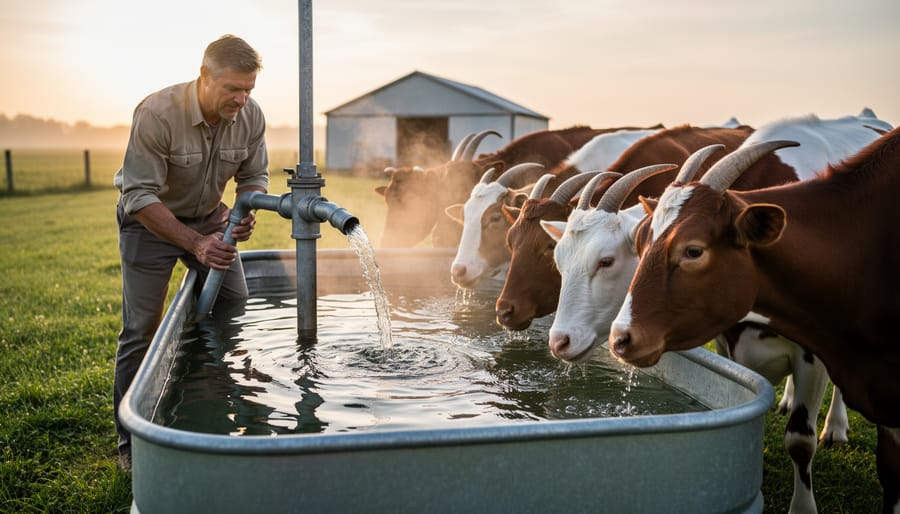
Water systems deserve equal attention. Stagnant, dirty water is a breeding ground for bacteria and parasites that can devastate your herd quickly. Check waterers daily, scrubbing them weekly with a diluted bleach solution to prevent biofilm buildup. During winter, ensure water doesn’t freeze; dehydration stresses immune systems and opens the door to illness. Position water sources away from manure accumulation areas, and consider automatic waterers for larger operations to maintain consistency.
Remember, preventing nutritional deficiencies and waterborne illnesses costs far less than treating sick animals. These non-negotiables truly set the stage for everything else in your livestock health journey.
Housing and Space That Promotes Wellness
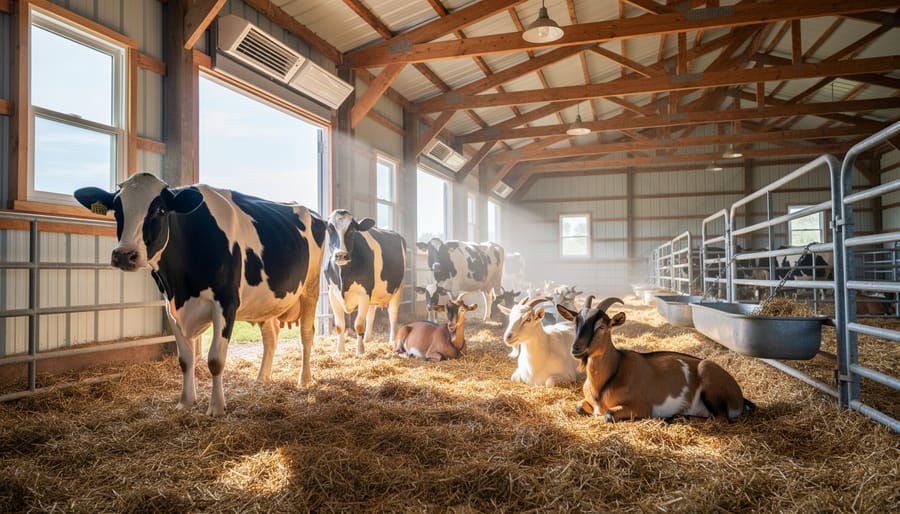
Your animals’ living space directly impacts their health and happiness. Think of their shelter as their sanctuary—a place where they can rest, stay dry, and feel secure from predators and harsh weather.
Start with adequate space. Overcrowding creates stress and allows diseases to spread rapidly between animals. Research species-specific space requirements, but generally, more room is better. Animals need enough space to express natural behaviors like dust bathing, stretching, and establishing comfortable social distances.
Ventilation is your secret weapon against respiratory problems. Poor air quality from ammonia buildup and moisture leads to countless health issues. Design shelters with adjustable openings that allow fresh air circulation without creating drafts. In winter, many new farmers seal buildings too tightly, trapping harmful gases and moisture inside.
Bedding management deserves daily attention. Clean, dry bedding prevents hoof problems, reduces parasite loads, and keeps animals comfortable. Wood shavings, straw, or other absorbent materials should be spot-cleaned regularly and completely refreshed as needed. The “deep litter method” can work well when managed properly, creating beneficial composting action that reduces odors.
Consider how your animals move throughout their day. Systems like rotational grazing and silvopasture systems naturally reduce disease transmission by moving animals to fresh ground regularly.
Sarah, a CSA farmer in Ontario, reduced her flock’s respiratory issues by 80% simply by adding roof vents and improving airflow. Sometimes the simplest changes make the biggest difference in keeping your animals thriving.
Building a Simple Vaccination and Parasite Control Plan
Creating an effective vaccination and parasite control plan doesn’t need to be complicated or expensive. Start by scheduling a consultation with a local veterinarian who understands small-scale farming. They’ll help you identify the essential vaccinations for your specific animals and region, typically focusing on core diseases that pose the greatest risk.
Most livestock benefit from annual vaccinations against common threats like clostridial diseases in sheep and goats, or respiratory infections in cattle. Your vet can create a calendar that spreads costs throughout the year rather than hitting your budget all at once.
For parasite control, the key is strategic deworming rather than automatic monthly treatments. Work with your vet to establish a fecal testing schedule, which identifies actual parasite loads before treating. This targeted approach saves money, reduces medication resistance, and keeps your animals healthier.
Sarah, a CSA farmer in Vermont, reduced her livestock health costs by 40 percent after implementing a vet-guided prevention plan. She rotates pastures regularly, tests fecal samples quarterly, and vaccinates only for documented regional risks. Remember, prevention through good nutrition, clean water, and proper shelter often matters more than medication.
Biosecurity Basics Without the Overwhelm
Simple Steps to Keep Disease From Entering Your Farm
Preventing disease is far easier and less expensive than treating it, and you don’t need fancy equipment to protect your livestock. Start with a simple quarantine system for any new animals before introducing them to your existing herd or flock. A separate pen or paddock at least 30 feet away from your main animals works perfectly. Keep newcomers isolated for at least two weeks, watching for signs of illness like coughing, discharge from eyes or nose, lethargy, or unusual behavior.
Create basic visitor guidelines that protect your animals without being unwelcoming. Ask visitors to avoid stepping in animal areas if they’ve been around other livestock that day. A simple boot-washing station with a tub of soapy water near your barn entrance makes sanitation effortless. Many successful small-scale farmers keep a pair of dedicated farm boots at the gate for regular helpers.
Equipment sanitation doesn’t require specialized products. Regular cleaning of shared tools like hoof trimmers, halters, and feeding buckets with hot soapy water prevents most disease transmission. For items that touch multiple animals, a diluted bleach solution (one tablespoon per gallon of water) provides extra protection after cleaning.
One inspiring farmer shared how her simple quarantine practice caught a respiratory infection in a new goat before it spread to her established herd, saving thousands in veterinary bills and potential losses. These straightforward practices become second nature quickly and form the foundation of excellent livestock care on any scale farm.
When and How to Isolate Sick Animals
Recognizing when an animal needs isolation is your first line of defense against disease spread in your small farm operation. The moment you notice symptoms like lethargy, loss of appetite, discharge from eyes or nose, coughing, diarrhea, or unusual behavior, it’s time to act quickly. Think of isolation as creating a protective bubble around your healthy animals while giving the sick one the focused care it needs.
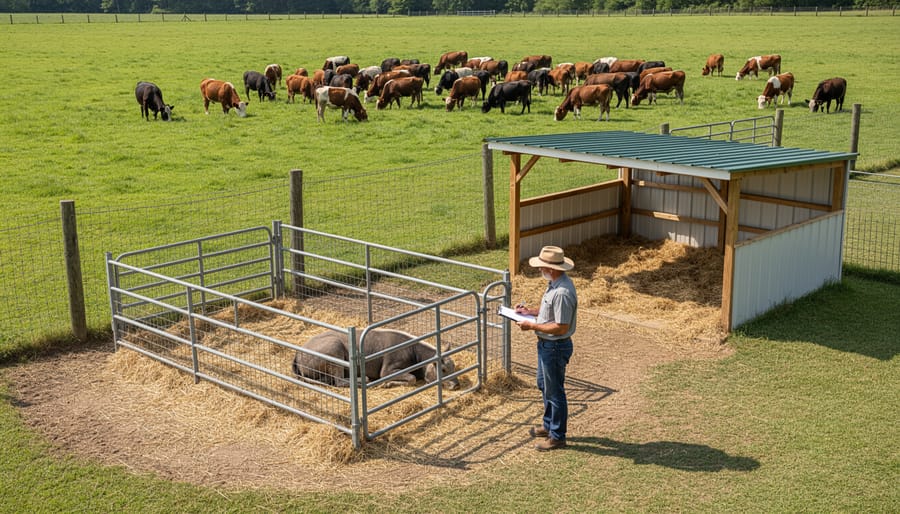
Setting up an effective isolation area doesn’t require a massive investment. Choose a space at least 30 feet away from your main herd or flock, ideally with separate ventilation and drainage to prevent airborne or water-based disease transmission. This could be a spare stall, a corner of your barn with temporary fencing, or even a simple shelter with tarps if weather permits. The key is ensuring the sick animal can’t have nose-to-nose contact with healthy ones.
Before moving any animal, gather your isolation supplies: separate feeding and watering equipment, dedicated tools, disposable gloves, and a footbath with disinfectant solution. These items stay in the isolation area to prevent cross-contamination. Sarah Chen, who runs a diversified farm in Vermont, keeps a “quarantine kit” ready at all times, which saved her flock when she spotted early respiratory symptoms in one sheep.
Handle isolated animals last during your daily routine, always after caring for healthy stock. Change boots or use dedicated footwear for the isolation area, and wash hands thoroughly between animal groups. Keep detailed notes about symptoms, eating patterns, and behavior changes to share with your veterinarian if needed. Most importantly, don’t rush reintegration. Wait until the animal shows no symptoms for at least 48 hours and your vet gives the all-clear before reuniting them with the group.
Building Your Farm’s Health Support System
Finding the Right Veterinarian for Your CSA
Finding the right veterinarian is one of the best investments you can make for your CSA livestock operation. Start by asking fellow small-scale farmers in your area for recommendations, as many large animal vets have experience levels that vary widely with sustainable farming practices. Look specifically for veterinarians who work with pastured animals and understand rotational grazing systems, as they’ll be more aligned with your management style.
When interviewing potential vets, ask about their approach to preventive care and whether they’re comfortable coaching you through minor issues over the phone. Many farm vets appreciate clients who want to learn hands-on skills, which can save you emergency call-out fees down the road. Discuss their availability for routine visits versus emergencies, and be upfront about your budget constraints.
Consider establishing a relationship before you desperately need one. A spring wellness check or consultation about your biosecurity plan gives you both a chance to connect without pressure. Some vets offer herd health plans or discounted rates for preventive visits, which work perfectly for CSA operations focused on keeping animals healthy rather than treating problems after they arise.
Record-Keeping That Saves You Time and Money
Good record-keeping doesn’t need to be complicated. A simple notebook, spreadsheet, or farm app can transform how you manage your animals’ health. Start by recording basic daily observations: who’s eating normally, any changes in behavior, unusual droppings, or signs of distress. When you do treat an animal, note the date, symptoms, what you used, and the outcome.
These records become invaluable over time. You’ll start spotting patterns—maybe your chickens always seem stressed during certain weather, or parasites flare up seasonally. One small-scale farmer discovered through her logs that respiratory issues appeared every spring, leading her to adjust barn ventilation before problems started.
Your records also save money at vet visits. Instead of saying “they’ve been sick for a while,” you can show exactly when symptoms began and what you’ve already tried. This helps your vet diagnose faster and more accurately. Plus, detailed records are essential if you sell products like eggs, as egg safety regulations often require health documentation.
Keep it simple: date, animal ID, observation, action taken. Review monthly to catch trends early and make smarter management decisions.
Real Stories: How CSA Farmers Maintain Healthy Flocks and Herds
Meeting farmers who’ve successfully navigated the learning curve of livestock health offers invaluable insights for those just starting out. These real-world stories demonstrate that maintaining healthy animals doesn’t require a veterinary degree or massive investment.
Take Sarah Chen, who runs Green Valley CSA in Ontario. When she first introduced chickens to her vegetable operation three years ago, she struggled with recurring respiratory issues. “I was panicking every few weeks,” she recalls. Her breakthrough came when she realized her coop ventilation was inadequate. After installing simple ridge vents and adjusting her bedding management routine, respiratory problems virtually disappeared. Sarah now credits this early challenge with teaching her that prevention through proper housing beats treatment every time. She also learned to quarantine new birds for two weeks, a practice that’s saved her flock from potential disease introductions.
Meanwhile, Tom and Linda Rivera at Riverside Farm faced a different challenge when integrating multiple species on their small acreage. Their sheep developed parasites during their first summer, and dewormer costs were mounting. Rather than continuing the treatment cycle, they implemented rotational grazing, moving animals to fresh pasture every five days. They also added a small goat herd, whose different grazing patterns naturally disrupted the parasite lifecycle. Within one season, their parasite load dropped dramatically, and their medication costs fell by 70 percent.
The Riveras emphasize one crucial lesson: observe your animals daily. “We spend fifteen minutes each morning just watching,” Linda explains. “You notice subtle changes in behavior, appetite, or posture that signal problems early.” This simple habit allowed them to catch a sheep with early-stage foot rot before it spread through the flock.
These farmers share common themes in their success: they started small, learned from mistakes without giving up, built relationships with livestock-savvy veterinarians, and joined local farming networks for peer support. Perhaps most importantly, they discovered that consistent daily routines and attention to basic needs like clean water, proper nutrition, and adequate shelter prevent most health issues before they start. Their message to newcomers? Don’t let fear of the unknown stop you from raising animals. Start with one species, master the basics, and grow your confidence from there.
Maintaining healthy livestock doesn’t require expensive equipment or veterinary school knowledge. The practices we’ve covered—clean water, proper nutrition, adequate shelter, and basic observation—are all within reach for small-scale farmers and CSA operators. Start small and build your confidence gradually. Perhaps begin with improving your water system this month, then focus on parasite management next season. Even one or two improvements can make a noticeable difference in your animals’ wellbeing.
Remember, healthy animals are central to sustainable farming. When your livestock thrive, they contribute better to soil health through quality manure, require fewer interventions, and align with the ethical standards your CSA members value. Take inspiration from farmers like Sarah, who transformed her flock’s health simply by implementing a rotational grazing schedule and keeping detailed health records.
Your journey toward better livestock health starts with a single step. Choose one area to improve this week, observe the results, and build from there. Your animals—and your CSA community—will thank you for the commitment to their welfare.