darrell


Ways to Power Outdoor Lighting Without Electricity

Posted by darrell on
Gardening Tips
Ways to Power Outdoor Lighting Without Electricity

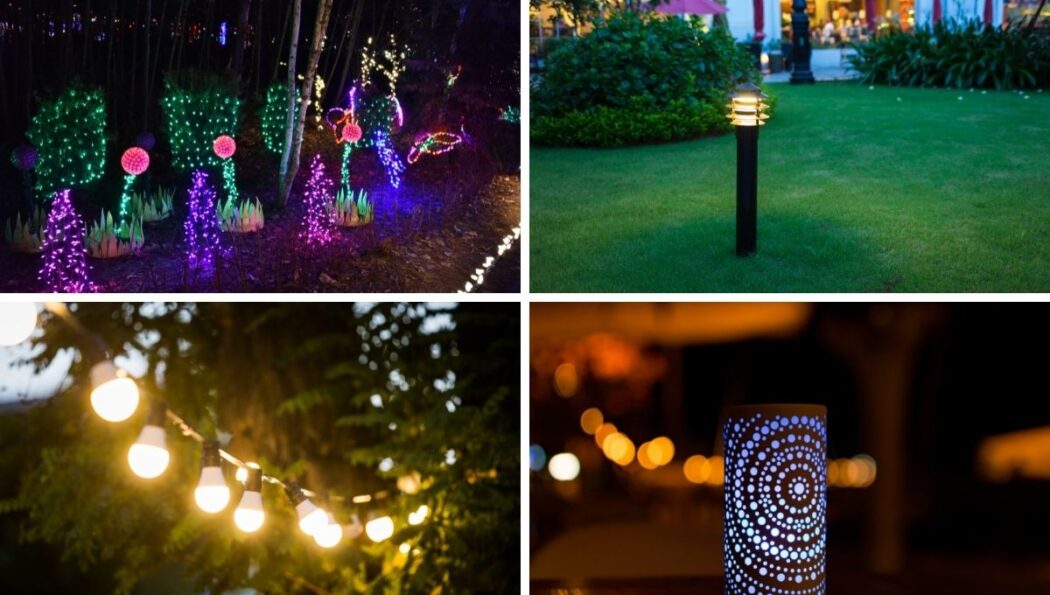
Lighting and electricity go hand in hand. However, there are many ways to have outdoor lighting without electricity. There are wireless outdoor lighting systems such as solar, solar outdoor chandeliers, battery-operated outdoor lights, battery-operated outdoor chandeliers, solar garden globes, etc.

Numerous solar outdoor lighting options are not dependent on conventional electricity. So you don’t have to worry about power outages during the winter season. Aside from convenience and comfort, an outdoor light fixture fulfills other needs.

Outdoor light fixtures provide bright light for the external premises of your home. This illumination serves as a form of security because it can scare away home invaders or burglars. In addition, it enhances the ambiance of your outdoor surroundings for parties. It can also make you feel safe during strolls around your yard at dusk.

After carrying out some research into the subject, we’ve come up with a list of lighting fixtures that can illuminate your surroundings without electricity.

Before we do that, let’s first consider factors that should influence your choice.

Choose the Outdoor Lighting Fixtures

There are some essential factors to consider when choosing outdoor lighting fixtures. They include:

Outdoor Lighting Cost or Budget

Before deciding how to power outdoor lights, consider the cost of light fixtures and how much you can afford to spend on them. Outdoor light fixtures come in different types and have a wide range of prices.

Have a spending plan for your lighting project. Without budgeting, you may buy what you don’t need or spend more than you planned to. Budgeting gives you control over how much you spend and helps you buy what you can afford.

Color and Style of the Outdoor Light Fixture

What color and style of light fixture do you need on your premises? There are cool light fixtures and warm light fixtures. The color and style of your light fixtures influence the mood or ambiance of your premises. So first, determine what kind of ambiance you want.

Some colors provide illumination. On the other hand, other lighting colors provide illumination and give your outdoor settings a relaxing atmosphere. Cool light fixtures are ideal for this.

If you want to use your outdoor space for hosting a party, a warm light fixture will serve you best.

The durability of Outdoor Lights

Certain light fixtures last longer than others. For durability, we recommend going for LED lights. An LED light fixture can provide sufficient outdoor lighting and also save you the cost of frequent replacements.

This helps you save money. LED lighting is also a popular lighting option, and it’s used in many households.

Positioning of Light Fixture

Consider where you’re going to install the wireless outdoor lighting. Placing your light strategically can beautify your outdoor space. It will also add character and make it an appealing sight to onlookers. Good lighting placement also helps in preventing certain accidents.

Depending on where you want to install outdoor lighting systems, you can go for garden lights, path lights, porch lights, etc. First, consider the kind of lights that are ideal for your placement strategy.

Some lights are installed on the ground, some are installed on the wall of your home, and others are hung on tree branches.

Wattage

Outdoor lighting varies in wattage. So go for the one that meets your needs. If you’re installing lighting for decorative, ambiance, or accent purposes, go for lighting with lower wattage.

However, if you aim to light up the dark parts of your premises at night, go for lighting with higher wattage.

How to Power Outdoor Lights Without Electricity?

Solar Stake Lights

Solar Stake Lights

Solar lights are one of the best options to illuminate your premises without increasing your monthly utility bills. It draws its energy from the sun and converts it to electrical power through photovoltaic cells.

During the daytime, it uses its solar panels to accumulate enough power to provide night-time illumination for your premises. A cost-effective solar lighting option is solar garden lights.

Aside from the primary function of providing illumination at night, they also enhance the ambiance of your settings because they are accent lights.

Solar-powered lights are pretty easy to install because they don’t require electrical cords or wires. They are also lightweight, which is an added advantage. We advise you to install your solar-powered lighting where you’re likely to spend more time when you’re outdoors. Good examples are dining and seating areas.

Once the sun sets, your solar power feature lights will detect the absence of the sun and automatically switch on. It’s an intuitive lighting system.

Solar Outdoor Chandeliers

An outdoor chandelier powered by solar energy gives you unlimited options for decorating your patio, deck, gazebo, and other outdoor areas. Outdoor chandeliers are energy-efficient and eco-friendly lights. It’s accent lighting, adding aesthetic effect to your premises. It will also highlight outdoor features as well as your outdoor furniture.

Most outdoor hanging chandeliers are ambient lights. One unique advantage that comes with it is that you can install it anywhere. You can use it to provide lighting for a sculpture and enjoy the view at night. It can even offer aesthetics for an outdoor party.

This ambient light is weatherproof and safe to use during the rainy season. It also comes with rechargeable solar batteries.

Solar String Lights
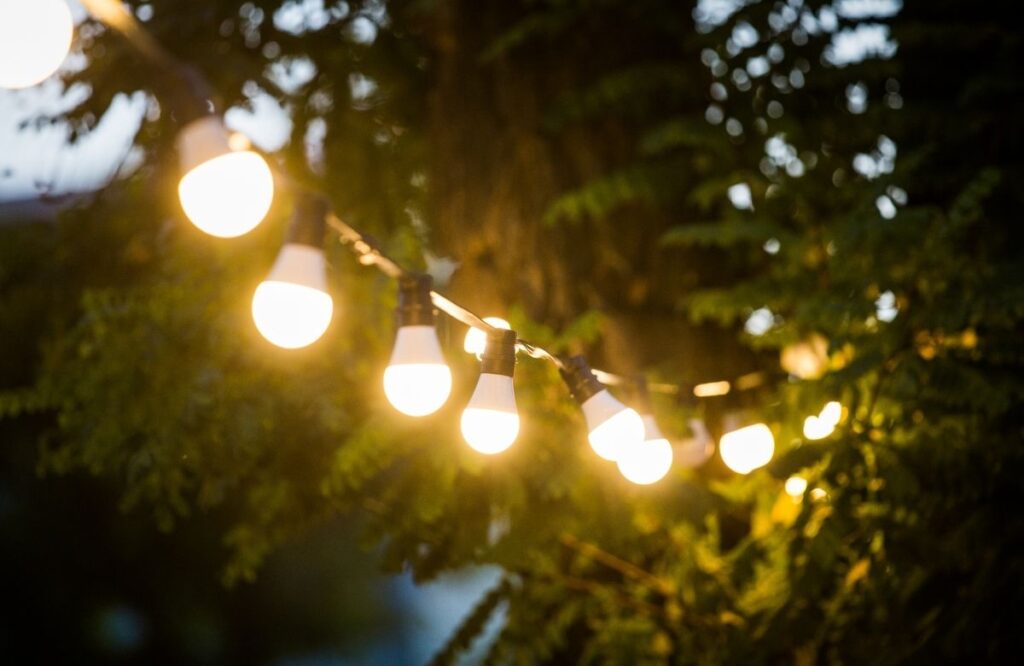
Solar String Lights

If you want to install new light fixtures in your compound, this is an excellent option. String lights provide a warm glow. It’s an ideal outdoor lighting design if you’ll be hosting guests or parties frequently.

You can install this battery-operated outdoor lighting system anywhere. For instance, on your lawn, rooftop, or your furniture. You can choose a light string with LED lights to illuminate far corners of your premises. This way, you won’t need an extension cord.

Also, a light string connects to your phone like a smart home system. This makes it easy for you to operate or configure it. We also recommend you go for waterproof string lights so that illumination won’t be a problem when there is snow or rainfalls.

Battery-Powered Outdoor Lights

This is another ideal option for outdoor lighting without electricity. We recommend going with battery-powered lighting that is durable and can reach expansive areas.

Also, go for brands that use weather-resistant materials to design outdoor lighting. Please consider the duration of illumination, too. Good batteries can last for up to 10 hours for a session.

Some of these lights are equipped with a sensor responsive light. The motion sensor lighting switches on when it detects movements. This wireless functionality is excellent for security purposes.

We recommend switching off the light manually when you’re not using it to make the battery last longer.

Battery-Operated Outdoor Chandelier

This battery-powered outdoor lighting is lightweight and easy to install. It provides purely practical security and ambiance. Furthermore, it’s also cost-effective. With the flip of a switch, it can shine brightly on your outdoor premises.

Several of these battery-powered chandeliers come with teardrop-shaped bulbs to provide aesthetic lighting. They add glamour, style, and class to where you sit and dine outdoors. An added advantage is that you can hang this battery-powered outlet anywhere you choose.

No matter where you install the battery-operated chandelier, it will have a strong aesthetic effect. It’s a great choice if you frequently entertain your guests till the wee hours of the morning.

Solar Garden Globes
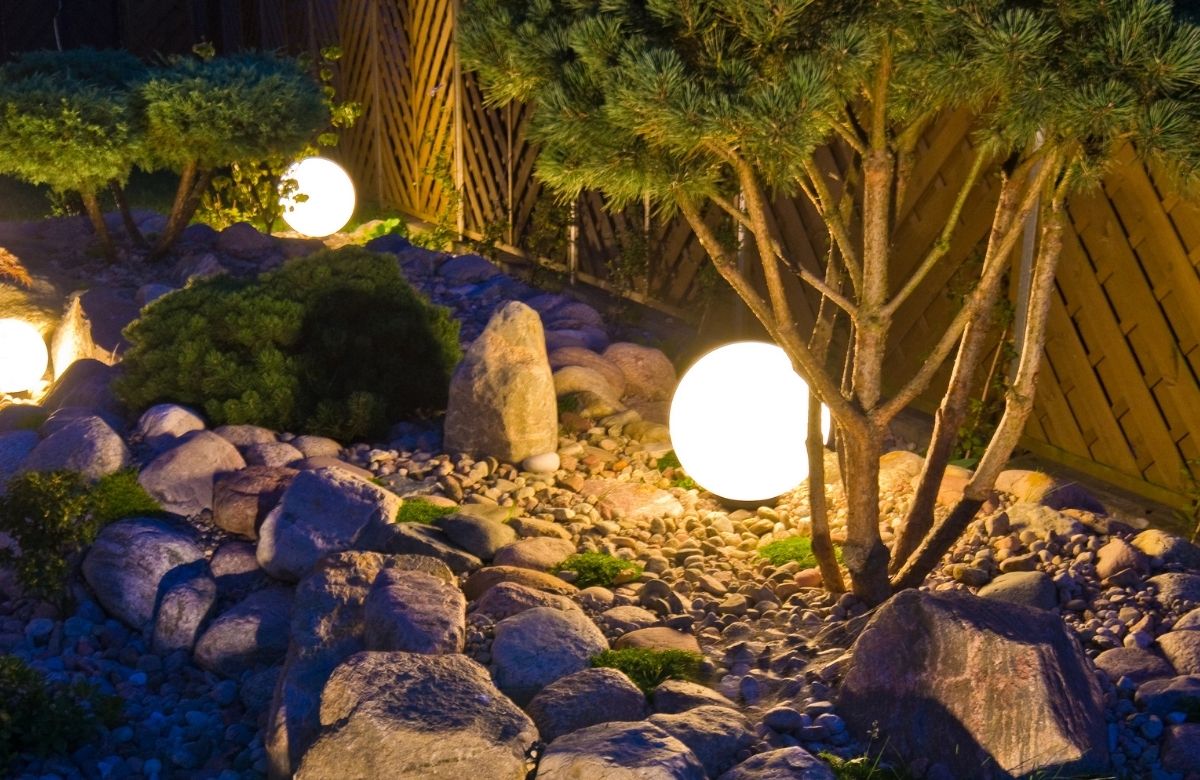
Solar Garden Globes

This is arguably the most aesthetic outdoor lighting option. It can be installed as a permanent fixture in your garden, and it doesn’t require electrical outlets, wires, or even solar panels.

This light comes with replaceable batteries, and it’s a buyers’ favorite because you can create a pattern of your choice. For example, you can decide to spread the globes or clutter them in a particular area.

This lighting is best placed on your patio and deck, besides your swimming pool and garden path. The color emissions from this lighting can make the appearance of your garden a view you can’t get tired of.

They can be installed with screws, and most of them are weatherproof. So you don’t have to worry about the weather when you’re installing them. They are versatile lights and can be installed anywhere on your outdoor premises.

Wax/LED Candles

LED Candles Outdoor Lighting

This is old-fashioned for outdoor lighting, which is precisely where its appeal lies. They are incredibly affordable and easily accessible. Aside from providing illumination, you can use LED or wax candles to enhance the mood or create a romantic setting.

There are house owners who love old-fashioned lighting but don’t want the naked flame. For this category of buyers, we recommend flame-flickering LED candles. They resemble real wax candles, but they’re safer because their wax doesn’t drip.

So you can decide to go for LED or real candles. For wax candles, we recommend going for candles of various sizes. Use old but clean jars to place them, creating homemade lanterns in the process. You can even add some citronella oil to the wax to make a natural mosquito repellent.

8 Plants You Can Cultivate and Harvest in a Month

Posted by darrell on
Gardening Tips
8 Plants You Can Cultivate and Harvest in a Month

There’s this lovely feeling that comes with seeing your garden already blooming. However, let’s face reality. Waiting a long time for your garden to produce can be quite discouraging.

The good news is you can start your gardening experience with some of these fast-growing seeds to fill your empty plant beds.

Is Gardening Worth the Stress?

Owning and tending to a garden can be frustrating. It’s tough to live in an urban area and know you can get these vegetables and flowering plants from the nearest grocery store.

Well, don’t give up yet. Did you know you can cultivate several fast-growing seeds and see results in 30 days? Yes, there are!

So maybe you’ve had to wait for a long time before your garden produces because you’ve been cultivating the wrong plants.

Having a steady supply of produce almost all year round is excellent, especially when you plant seeds that can be grown quickly.

Here are eight plants you can cultivate and harvest in a month.

Radishes

fast growing seeds Radishes

Looking for a plant that starts showing green shoots less than a week after they’ve been planted? Well, you’ve got the radish!

You can choose to cultivate the Heirloom radish for a variety in flavor and colour. They are a great option for short-term produce because they are a fast-growing crop. If planted every week, you’ve got a steady supply of radishes all year.

Lettuce

Everyone knows lettuces are the most common vegetables to plant if you start harvesting in less than two months. If you want a vegetable that can start producing in 30 days or less, you should consider planting lettuce. They grow super-fast and can continue to produce almost all year long.

Sunflowers

Sunflowers are among the most beautiful flowers ever, and seeing a garden of them can be breathtaking.

Luckily, they are one of the fastest flowery plants to grow. All they need is loose soil coupled with adequate sunlight, and in a month, you’ve got yourself a beautiful view of sunflowers scattered around your garden.

Spinach

Spinach is another fast-growing plant that grows almost as soon as it is planted. They are a special staple great for spicing up your meals and salad. Fortunately, this vegetable can be harvested within 30 days after cultivation, so you’ve got yourself a supply of this useful green to spice up your casserole, stew, salads, and other meals.

However, you must use the right water for this plant, as spinach can easily wither and die off if it doesn’t get adequate water.

Marigolds

Something about Marigolds puts you in a cheerful mood, and having a garden filled with these bright beauties is worth it. If you’re looking for a plant that will sprout easily within a month of cultivating, then get yourself some marigold seeds. The sad news is, Marigolds tend to wither and die during the cold season.

Arugula

Arugula is a popular peppery green used in salads, so there is usually a great rush. If you own a garden, you can have your supply of Arugula as they are very easy to grow. When cultivated, you can start harvesting your Arugula as early as 20 – 25days after planting.

Cucumber

Cucumbers are a great choice of vegetables to plant in your garden for quick production. It takes less space when planted, and its growth is so fast that you can start harvesting your blooming cucumbers 30 days after planting. For an extremely quick harvest, you can either plant the Northern Pickler or Picklebush variety of cucumber.

Petunias

If you ever need a flowering plant that would add the perfect blast of bright colours to your garden, then consider getting some petunia seeds. They grow fast and can withstand almost any weather condition. Aside from that, they also add a sweet scent to your garden and make your garden a paradise of colours.

Anxious to see your garden in full bloom all summer? Then these plants are some of the best choices for you if you want to have that perfect garden variety and get instant satisfaction for your planting efforts.

How to Keep Rodents and Wildlife Out of the Chicken Coop

Posted by darrell on
Gardening Tips
How to Keep Rodents and Wildlife Out of the Chicken Coop

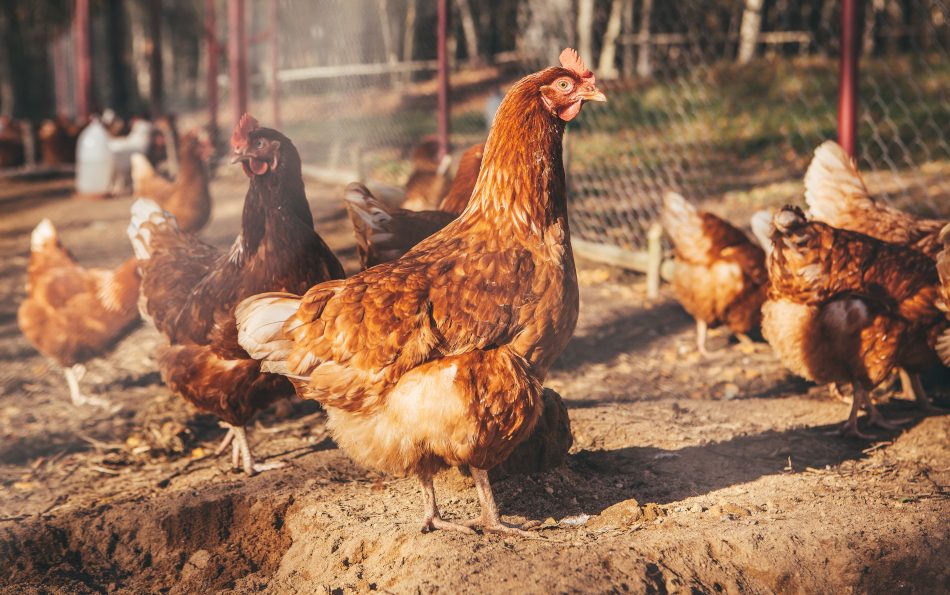
Rodents are a problem for Canadian farmers, gardeners, and keepers of chicken. They are very good at hiding and they reproduce faster than most of us can keep up. Besides the messes they can make, it is important that you keep rodents away from your livestock because they are carriers of disease. Rodents spread harmful pathogens that can infect both humans and animals.

Mice and rats are attracted to barns and chicken coops for their warmth, security, and easy access to food. If you’ve started a hobby farm, you may be wondering how to keep them out. The key is to physically exclude them from the coop and to keep food out of reach. The following lists what you can do to keep rodents and other creatures out of the chicken coop, so your chickens can be safe.

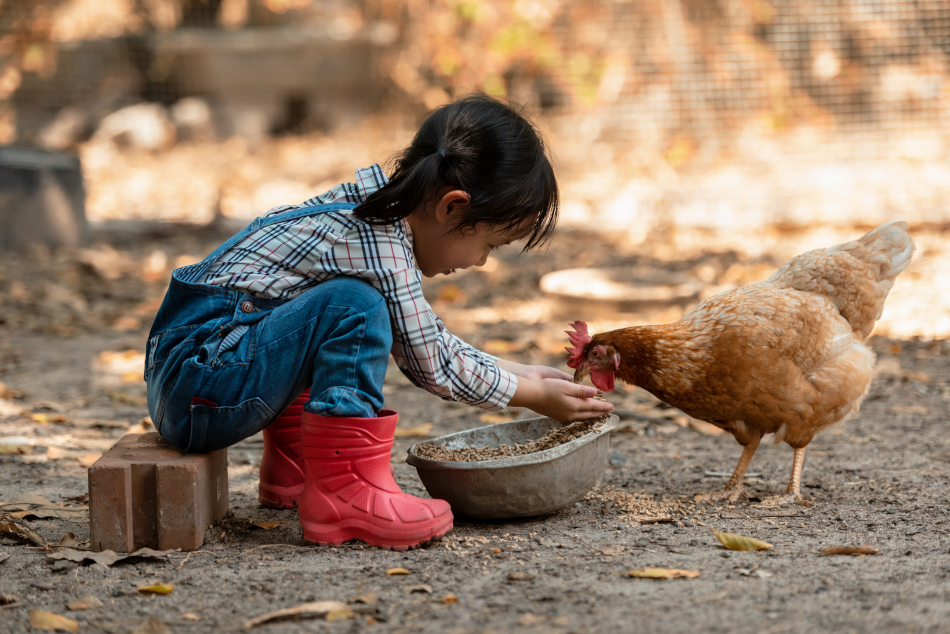
kid feeds chicken

1. Exclude the chicken coop

The first thing you should do when managing rodents is to block the pests out of the coop. Seal up any gaps you find in the structure of the coop so that mice and rats cannot get in. Remember that mice can squeeze through gaps only 6mm wide. Use caulking or mesh to fill in the gaps.

Ideally, your chicken coop should be above ground. Rats are burrowers that dig tunnels to get around. Dig a trench around your chicken run, then secure a mesh along the sides of the fence. Ensure the mesh is at least a foot deep into the ground to prevent rats from digging through. Use a quarter-inch, 16-gauge, galvanized steel mesh or similar. Bury the mesh when you’re done. For bonus protection, you can cover the ground with concrete.

2. Store feed in sealed containers

Proper feed storage is a must. Store feed in airtight containers and keep them in a shed, out of reach. The better the seal, the less it will smell to rodents. Use heavy plastic or metal containers that cannot be chewed through and place the containers above ground, in a cool, dry place. Remove feed from the chicken run at night so you do not attract predators.

3. Switch to an automatic chicken feeder

Some feeders are designed to reduce waste and lessen the risk of a pest problem. Check out covered automatic feeders that open only when they are triggered. It is only when a hen steps onto the platform that the feeder’s lid opens, and the chicken can feed. These feeders require a little training upfront for the chickens to understand, but they will get the hang of it in no time.

4. Clean regularly

Every night, remove wasted and extra feed and throw it out or use it for compost. Pick up spilled feet as best as you can. You should also clean up droppings from your dropping boards every day and clean up the floor of your run if you have one. Rodents are just as likely to eat droppings as they are to eat feed. Deep clean the coop every 6 months and keep it clean.

5. Maintain the yard

Mice and rats love clutter and foliage where they can hide. So, it’s important that you maintain the exterior of the chicken coop as well. Pull weeds, mow the lawn, rake the leaves, and keep the yard and garden as tidy as you can. Keep woodpiles away from the chicken coop. If you grow fruits and vegetables, cover them in an ultra-fine mesh to help keep pests out. Harvest your produce on time and don’t let anything rot on the ground.

6. Use proper fencing

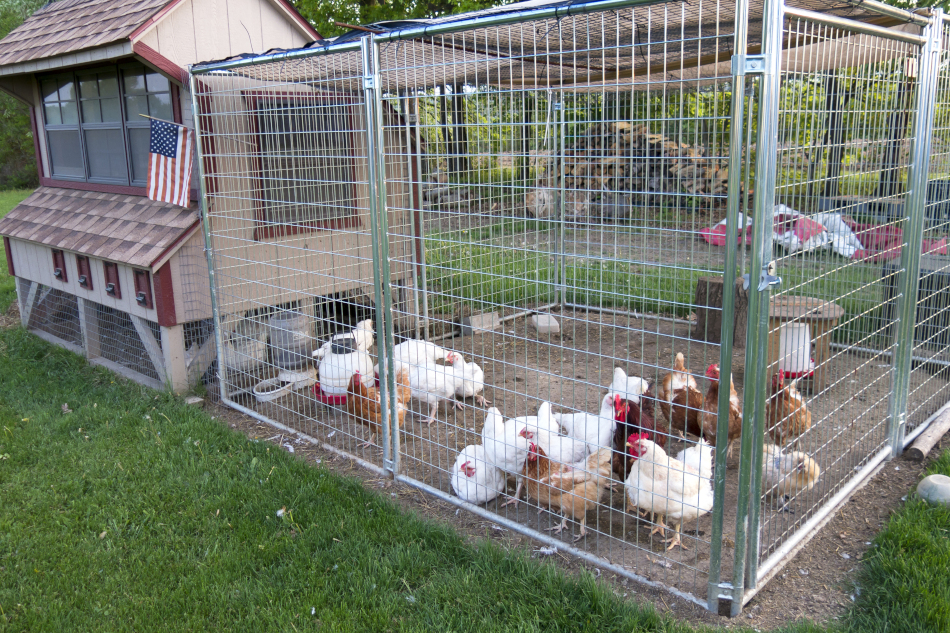
chicken cage

Rodents, raccoons, and other animals can tear through chicken wire. If you want to keep rodents out, the best fencing consists of welded, galvanized steel mesh. Use a 16-gauge, quarter-inch mesh so that rodents cannot chew through. Use this same material to secure the perimeter of the run, one foot underground.

How to Stop Birds From Eating Your Garden Plants

Posted by darrell on
Gardening Tips
How to Stop Birds From Eating Your Garden Plants

A small bird’s beak can cause big trouble in your garden. Just let the feathered reach the tasty plants and seedlings, and you will see. Fortunately, you are already reading this quick guide by Pest Control Hacks experts and will learn how to protect your entire garden from hungry birds’ invasions.

Employ Bird Deterrents

Placing the right bird deterrents in the right places can make your garden a lot less attractive landing surface. Here are some of the best options you have:

  • Repellent disks or reflective scare tape – this humane deterrent uses sunlight to scare small and medium birds with sunlight reflections. It’s also a pretty nice accessory for any garden! If you live in a sunny area, hang repellent disks around the garden for extra protection. Reflective scare tape works the same way, but you can apply it to any landing site to make it unattractive. Both remedies aren’t that effective against large birds, though.
  • Bird spikes – these aggressive deterrent is very effective against those larger birds as it doesn’t let them land without hurting themselves. It’s probably too powerful for small birds, but can be used if you don’t have any other choice but to combat large pests with sharp metal spikes.
  • Gel bird deterrents – gel deterrents can be applied to any surfaces that look like potential pest landing sites. The sticky texture of gel makes them feel uncomfortable and avoid the site in the future. It’s a 100% humane remedy that won’t deal any damage to your property.
  • Fake horned owls – most small birds are very scared of owls. A fake owl can effectively deter smaller species during the day and at night. Look for the owls that can make sounds, turn their heads, and/or flash their eyes as they look more natural to other species. Don’t forget to relocate the decoy regularly to maintain the high grade of realism. You can also try fake snakes, but they might scare you as well!
  • Put garden spinners (wind vanes) and windchimes – spinners can produce sudden movements when the wind blows, which can be quite scary for those smaller birds. Windchimes works the same way but also produce sounds for a better effect.

Cast Garden Netting or Fleece

Garden netting isn’t the most aesthetical solution, but definitely the most effective way to protect plants from pest infringements. You can place hoops of any shape and height above the plant beds and cast butterfly netting over them to create impenetrable protective barriers. The good news is that butterfly netting lets in beneficial insects. You have to keep the netting pulled taunt to ensure that those determined birds don’t get caught in the loose netting.

It’s also not recommended to use standard bird netting as it catches birds very easily due to the larger holes. Finally, the netting must be made of temperature and UV-resistant material. Low-quality materials break and quickly become hazardous for the wildlife and the environment. Alternatively, you can cover some of the smaller greens with garden fleece.

Let the Dogs Out

That’s right, you can train your dog (if it’s big enough) to scare away the birds. Isn’t it a great option?

Relocate the Birds

Some species, including pheasants, feral chickens, and alike, can be live-trapped and relocated if the local population is too large and encroaches on your garden all the time. Unfortunately, this won’t work with pigeons, magpies, or crows as they are clever enough to return.

Don’t Forget About the Benefits

Even though the birds can destroy your garden, many of them are also beneficial and can save the plants from dangerous insects! Analyze what’s more dangerous and make the right moves to protect the greens.

How to Deal with Fallen Leaves in Yard

Posted by darrell on
Gardening Tips
How to Deal with Fallen Leaves in Yard

Fallen leaves can be a serious issue. Especially if you don’t know how to deal with them. Hopefully, you find this guide before your yard drowns in leaves as it will help you prepare in advance. Use our best tips to get rid of leaves effectively and get the most out of them afterward!

Shred (Mulch) The Leaves

If processing the fallen leaves sounds like the best option for you, prepare your leaf shredder to make some high-quality mulch! But are your $100-$200 worth an option to shred leaves into smaller pieces? The answer is yes, regardless of the use case. First, you can mulch leaves to reduce the space they take. It can simplify disposal a lot. Second, you can use the mulch around the garden to:

  • suppress weed growth in the plant beds;
  • prevent plants from frosting in winter;
  • improve soil drainage for plants that require well-drained soil;
  • improve soil nutrient capacity;
  • make the garden bed look more visually appealing in places where lawn cannot be grown.

Compost or Make Leaf Mold

Alternatively, you can use leaf mulch as a brown material for your compost pile or make leaf mold. The first option requires mixing the mulch with other compost materials in the right proportions. It’s a good way to process any organic litter and reuse it for good. Fallen leaves include the important nitrogen component that balances nitrogen levels in the compost.

If your compost pile is full, you can store the leaves in garden composters and take out the brown matter when needed. The second option requires you to rake the leaves into one huge pile. Keep the leaves moist, and you will receive a valuable soil conditioner in 1-3 years. You can later add it to the tired garden or potting soil to supply it with more calcium and magnesium.

Vacuum Them Up

If raking the leaves and mulching them afterward isn’t the best option for you, you can benefit from using a vacuum leaf shredder. These tools let you simply vacuum the leaves from the entire yard and mulch them right away. Once the container gets full, you can easily relocate the leaves into the trash bags for disposal or anywhere else for processing.

Mow the Leaves into Lawn

This may sound crazy, but you can actually mulch the leaves with the mulching lawnmower and leave them right on the lawn as a fertilizer. Set the blades 3” high and mow once a week until the leaves stop falling. Evenly spread mulch will fertilize the soil and add up the strength to your lawn. However, you should avoid thick layers of leaves as they may block oxygen and destroy entire patches of the lawn. Use rakes to spread the mulch more evenly if needed.

Use Leaves to Store Root Vegetables

Root vegetables, such as kale, carrots, and kale can be stored between the layers of fresh, crisp leaves. Blow or rake some leaves into a bag, relocate them to a cool humid spot and put all your carrots, beet, and any other root veggies to keep them fresh for months. You can sprinkle the layers of leaves with some water to make the environment more humid if it’s too dry.

Use Leaves as Insulation

Unmulched fallen leaves can be used as winter insulation for trees and shrubs. You have to circle plants with wire fencing and fill the space inside with leaves. They will keep the temperature higher up until spring. When the warmer days come, simply remove the fences and relocate the leaves to the compost bin.

The Most Underrated Crops

Congratulations! Your gardening skills are now much more advanced. You can give a second life to the fallen leaves in your yard and save up on fertilizers and disposal. The power of the fallen leaves is underrated, but it is all under your control now!

Tips to Keep Rodents and Wildlife Out of the Garden

Posted by darrell on
Gardening Tips
Tips to Keep Rodents and Wildlife Out of the Garden

Gardening is a rewarding pastime that requires a lot of hard work. It takes months of tender loving care for your fruits and vegetables to ripen. Finding that your plants have been eaten or damaged by wildlife after so much time is a truly disheartening experience. Try implementing the following tips to stop animals from raiding your garden.

Cover Your Plants

Covering your plants with row covers or netting will help prevent flies and wildlife from getting inside. They will also continue to let the sunshine in. You can purchase these in hardware stores or online. Ultrafine mesh covers are great for keeping rodents out.

For bonus protection, consider building a raised garden bed. The higher it is off the ground, the better. Skunks will have a hard time climbing into the bed, and you can stop rodents from digging underneath by lining them with mesh. You can also install hinged covers that you can open and close when gardening. Raised beds are great for city gardening and extend the length of the growing season by keeping the soil warm.

Build a Fence

Like raised beds, you can help keep animals out of the garden by surrounding your plants with a fence. A soft, mesh fence is difficult for skunks and raccoons to climb and can be set up temporarily. If rabbits, deer, or marmots are giving you trouble, you can alternatively set up an electric fence. You can find electric wires that emit just enough voltage to scare away wildlife in most hardware stores. These can also be set up temporarily.

Get Rid of Other Food Sources

Skunks, rats, raccoons, and other animals are drawn to yards where they can find food. Get rid of the bird feeder and store your seeds and gardening materials in a shed. Make your garbage cans and recycling bins inaccessible, as well. Use lidded receptacles and store them in the garage or shed until collection day. You should also clean them out with vinegar every few weeks to make them unappealing to wildlife. Always clean up after a meal outside, and don’t leave any pet food out.

Use Apple Cider Vinegar and Spices

Pests dislike the smell of apple cider vinegar because it is similar to predator urine. It is also effective at repelling ants because it covers up their scent trails. Soak some rags in apple cider vinegar and place them in sandwich bags, then poke holes in the bags and place them around the garden. Next, try mixing one part apple cider vinegar with one part water and spraying the sides of the garden to keep bugs out. You can also spray your plants directly by diluting the vinegar further. This works best when the weather is warm, sunny, and dry.

Mice and rats especially dislike cayenne pepper and red pepper flakes. Sprinkle some of these spices in the garden to ward them off. You can also make a hot pepper spray by mixing one tablespoon of hot sauce with a gallon of water and a drop of dish soap. Spray the mixture around the edges of the garden.

Set Up Motion-activated Deterrents

There are all kinds of electronic deterrents out there. Some flashlights make high-pitched sounds or spray water when an animal comes near. Try installing one or two motion-activated repellents in the garden to encourage the animals to leave. These can be purchased from hardware stores, home supply stores, or online retailers.

Hire a Wildlife Remover or Pest Control Professional

If there is an animal living on your property and you want it removed, call a professional for help. They have the tools and know-how to remove them safely. Attempting to remove an animal yourself could result in injury and risks separating a mother from her young. And you definitely don’t want to get sprayed by a skunk!

If you have been dealing with rats, the problem won’t go away without professional intervention. Rats are common in city gardens and spread from one area to the next. Call The Exterminators in Peterborough or near you. A technician can set up bait stations for you and service them regularly to keep the rodent population under control. This won’t harm your garden or the other species in the neighborhood.

Conclusion

Growing produce without attracting wildlife is a bit tricky, but it can be managed with a combination of the tricks above. Remember to restrict the animals’ access to food – keep as much as you can out of reach. If it’s too much, call a professional for help. They can get rid of pests and help keep them out by excluding the garden for you.

How to Deal with Mosquitoes in Your Garden

Posted by darrell on
Projects
How to Deal with Mosquitoes in Your Garden

Almost 700 million people become ill because of illnesses caused by mosquitoes every year, while more than a million of them die. Therefore, it’s not surprising why many people are adamant about figuring out ways to eliminate mosquitoes in their gardens and around their homes.

Still, prevention proves to be the best way since it can be hard to control mosquitoes if they have a very large population. If you’re wondering how to manage mosquitoes in the garden, then we’ve got just the right tips for you.

How to Protect Yourself

When working in the yard, make sure that you protect your exposed skin. You can cover it by wearing a long-sleeved shirt and long pants. Wearing shoes, socks, a hat, and gloves can also provide extra protection.

You can even use different mosquito killer sprays on your clothes. For this, you can choose a spray with diethyltoluamide, a chemical known as Deet in different concentrations. Though further research is still needed on how safe Deet is, it is generally safe to use low concentrations. However, rather than applying it to the skin, you have to apply it to your clothing for mosquito protection instead.

You can also purchase shirts that have a fabric infused with mosquito repellent. You don’t have to worry about washing these shirts since the repellent will be effective even if you launder them many times. You can also use lotions and sprays for mosquito protection on your skin. Get ones with citrus oil, such as wipes that you can rub on your skin.

If you don’t want to use chemicals, you can opt for a Bug Baffler shirt which can cover you from the head down to your waist. It is also made from a very fine mesh material to help prevent mosquitoes and flies from coming near you. Moreover, it is more comfortable than a long-sleeved shirt as you can move more freely when working in your garden.

How to Prevent Mosquitoes

Mosquito prevention is more effective and important than protection. Just keep in mind that you don’t have to protect yourself too much if you can control the mosquito population even before they invade your garden.

You can remove standing water from drain outlets everywhere and anywhere in your house to get rid of their breeding sites. You can also use citronella since it is known to protect you from mosquitoes. You can opt to get citronella torches with oil or candles and place them in small areas in your home, such as the patio, when you have guests over.

Placing an electric fan on your patio or porch also works because mosquitoes and flies hate wind.

Conclusion

Always remember to also practice protective and preventive measures even inside your home. Don’t wait before it’s too late before you start acting. As early as possible, get rid of their breeding grounds to ensure they won’t multiply. This way, you can enjoy a mosquito-free backyard and property.

How to Attract Hedgehogs into Your Garden

Posted by darrell on
Projects
How to Attract Hedgehogs into Your Garden

Hedgehogs are innocent little furry creatures that are not harmful to humans. Generally, hedgehogs will get scared and will run away from humans, or they will curl up into a spiky ball. However, their spikes can penetrate the skin and may cause a little discomfort.

Despite their timid demeanor, the hedgehog population has been declining. According to a report in Britain, the population of hedgehogs has fallen by about 50 percent. With this knowledge, we should take certain actions to increase the hedgehog population. This can be done by attracting them to friendly gardens and giving them a home.

However, hedgehogs don’t just wander around your garden normally. There are things you must do to make your garden hedgehog-friendly. Here are some tips that will certainly help attract hedgehogs into garden hedgehog houses.

Before we dive deeper into the different ways of how to attract hedgehogs into your garden, let’s watch some interesting watch about these little animals.

5 Ways to Attract Hedgehogs into Your Garden

1. Create Pathways for The Hedgehogs

While you may want to fence your property to ensure privacy, this may keep the hedgehogs out. So, how do you invite them in? First, you need to create a pathway that will allow your hedgehogs to get into your garden.

Also, by creating hedgehog holes, you are allowing these furry little creatures to enter your garden. A hedgehog hole allows the hedgehog to travel from garden to garden. At night, hedgehogs usually travel around 1 mile. They like to stay near the edges as they feel much safer. Nonetheless, they will also wander around from time to time. During the breeding season, males can go about 2 miles.

The best way to create these pathways is to set up a meeting with your neighbors and devise a plan or come up with an agreement to create hedgehog pathways. The right pathways will undoubtedly attract hedgehogs to your garden.

2. Build a Hedgehog Home

You can also attract hedgehogs into garden hedgehog houses by building one for them.

You can build hedgehog houses by yourself, or you can buy hog houses from different online shops. If you opt to go DIY, you can randomly pile logs and add some leaves to the box.

For an average size garden, perhaps 2 to 3 hedgehog houses are best. Place the box in your garden under the garden shed or thick vegetation. Ultimately, you need to create a safe nesting for your hedgehog. Although these shelters are specifically made for hedgehogs, they can add any aesthetic to your garden. These hedgehog houses can be very decorative, depending on your creativity.

3. Avoid Noisy Places

If you are looking to attract hedgehogs, you should know that they require peace. This is especially true during the day since this is their sleeping time, and they need some quiet.

Therefore, when creating a good hedgehog home, make sure that it is far from busy roadways, businesses, or construction sites. Also, children and noisy dogs can scare them away.

4. Supplement Them with Food and Water

This is very obvious, but this is still worth noting. Hedgehogs need a lot of water, and supplying enough will attract them into your garden. For food, you can use cat or dog pellets to supplement their natural diet. Also, make sure that you put a bowl of water in your garden.

If you already have a hedgehog house, you can leave it somewhere close to it. This is also to encourage them to stay there. During the cold months, you may have to change the water supply regularly as it may get frozen if it gets too cold.

5. Do Not Disturb Them During Hibernation

This is pretty tricky since it is very hard to determine whether a hedgehog is hibernating in your garden or not. However, you need to resist the temptation to disturb the hedgehog if you find that it is hibernating in your garden. Just leave them be and let them hibernate. Usually, hedgehogs hibernate during November and March.

Final thoughts

Being at the top of the food chain, human beings are quite unchallenged by most species. However, this does not mean that we should pay attention to other living things, especially those declining in population. Hedgehogs are not harmful and deserve to live well and populate. The above tips can help you attract hedgehogs into garden hedgehog houses.

How to Make Natural Paint Using Leftover Fruits and Veggies

Posted by darrell on
Projects
How to Make Natural Paint Using Leftover Fruits and Veggies

Did you know that you can turn your food leftovers into natural paint? According to The experts you heard it right! By simply adding a little bit of creativity plus patience, you can convert every leftover fruits and veggies to an art material your toddlers would love. Let’s get started.

Things You Need:

  • For green dye, prepare Swiss chard, kale, and spinach
  • For orange dye, prepare orange peels, carrot, and onion skins (yellow)
  • For red dye, prepare beets, strawberry, raspberry, or grenade
  • For blue dye, prepare blackberry, red cabbage, or blueberry

To make a fruity paint, here’s what you need to do:

First, get a small saucepan then mix each cup of vegetable or fruit along with two cups of water. Set the heat to medium. Wait for it to simmer within an hour. Don’t forget to switch off the cooker. Let the water cool down. After that, pour and filter the juice in a container.

On the other hand, to make a veggie paint, you need to blend a teaspoon of dye with 6 tablespoons of sugar. Repeat the second and third procedures.

Improve Your Room’s Curb Appeal With This Paint

Now that you have a new set of natural paint, you can grab this opportunity to bond with your kids. Improve your room’s curb appeal with a personalized and dramatic result by giving your interior a fresh coat of paint.

It can also bring harmony in your room spaces by complementing the color of your furniture, paintings, floors, ceiling, and other things inside your abode. Furthermore, an appealing room paint does not only boost the visual aesthetic of your home, but it also has the capability to promote positive and relaxing moods.

On top of that, it will give your kids a chance to show off their creative side through house painting. Let them draw to their heart’s content.

Natural Paint Can Help Keep Surfaces Protected

Aside from covering up stains, marks, and other imperfections, room paint can excellently protect your walls from further damages. Both your exterior and interior walls are subject to corrosion and detrimental effects of aging despite your best effort to maintain them. To cover up these imperfections and touch up your room’s surfaces, painting will be a good choice.

Final Words

There you have it – quick and easy ways on you can turn your food leftovers to good art materials. This may not just save you extra cash, but it will also help you enhance your child’s skills.

Don’t just limit yourself to making beautiful paintworks. As much as you could, try experimenting with your own way of decorating your furniture. Begin with applying your favorite colors or by mixing this natural paint that will add dimension to your furniture surface.

For cabinets, for example, make your personal blend of colors by applying a light color on the exterior & dark shade inside or vice versa. You can either use a dark-colored shade on its interior. However, the color preference still depends on your own choice – you just need to freely do it yourself.

Farmers Market Convention

Posted by darrell on
Projects
Farmers Market Convention

On a quarterly basis, we host an event where farmers, partners, and customers can exchange information about how to buy, sell, and trade their products. We provide booths, snacks and refreshments, and a safe, comfortable space for the public. These are organized in different venues around the area, and people of all ages are welcome to join.

We also partner with professionals from all over the country to host workshops/seminars or sponsor our event. The event is free of charge and is open to the public. For concessionaire applications or partnership proposals, contact us to discuss your ideas.