How YC SAFE Agreements Are Transforming Small Farm Funding
 darrell on
The YC SAFE (Simple Agreement for Future Equity) has revolutionized how early-stage startups secure funding, offering a streamlined alternative to traditional convertible notes. Created by Y Combinator in 2013, this standardized investment tool has become the gold standard for seed-stage fundraising, allowing founders to defer complex equity discussions while quickly securing essential capital.
Unlike traditional financing methods, SAFE agreements eliminate interest rates and maturity dates, creating a clearer path forward for both investors and entrepreneurs. The agreement’s beauty lies in its simplicity: investors provide capital now in exchange for the right to purchase equity during a future priced round, typically when the company raises a larger investment.
For farm owners and agricultural enterprises exploring flexible funding options, SAFE agreements present a compelling opportunity to access capital without immediately diluting ownership or taking on debt. The straightforward terms and standardized structure make it particularly attractive for agriculture-focused startups seeking to scale their operations while maintaining operational control during crucial growth phases.
This modern financing instrument bridges the gap between traditional agricultural lending and conventional startup funding, offering a practical solution for innovative farming enterprises looking to grow sustainably.
Why SAFE Agreements Matter for CSA Farms
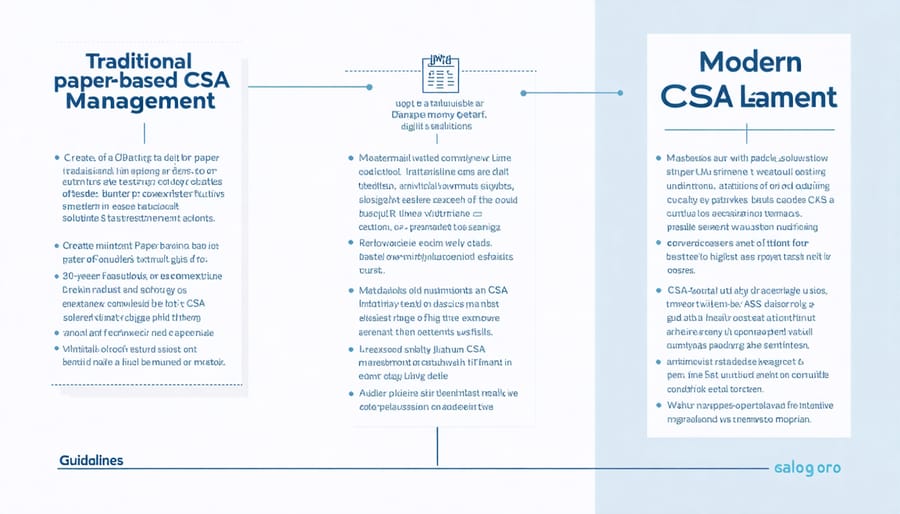
Traditional Farm Funding vs. SAFE Agreements
Traditional farm funding often relies on bank loans, which can be challenging for small-scale farmers to secure due to strict collateral requirements and rigid repayment schedules. These conventional methods may not align well with the seasonal nature of farming income or the unique needs of Community Supported Agriculture (CSA) operations that support local farmers.
SAFE agreements offer a more flexible alternative, allowing farmers to receive immediate funding without the pressure of monthly payments or the need to give up significant control of their operation. Unlike traditional loans, SAFE agreements convert to equity only when specific conditions are met, such as a future funding round or revenue milestone.
For farmers, this means they can focus on growing their operation without the immediate burden of debt service. The investor shares in the farm’s success through future equity, creating a more aligned partnership. This model particularly benefits seasonal operations, as it doesn’t require regular payments during low-income periods, making it an attractive option for growing CSA programs and sustainable farming initiatives.

Key Advantages for Small Farmers
SAFE agreements offer unique advantages for small-scale farmers looking to grow their CSA operations. Unlike traditional loans, these agreements don’t burden farmers with immediate debt repayment obligations, allowing them to focus on crop cultivation and business development. Farmers maintain full operational control while receiving the capital needed for essential investments like greenhouse construction, irrigation systems, or equipment upgrades.
For seasonal operations, the flexibility of SAFE agreements aligns perfectly with agricultural cash flow patterns. Farmers can receive funding during planting seasons when expenses are highest, without worrying about monthly payments during slower periods. This structure helps preserve working capital for critical farming activities.
The simplified paperwork and straightforward terms make SAFE agreements particularly attractive for busy farmers who don’t have time for complex financial negotiations. Additionally, these agreements often come with valuable mentorship opportunities and connections to networks of sustainable agriculture supporters.
Small farmers also appreciate that SAFE agreements can be customized to their specific needs, with terms that respect the unique challenges of agricultural businesses and local food systems. This flexibility helps create a more sustainable funding model for growing CSA operations.
Understanding SAFE Agreement Basics

Essential Terms and Components
A SAFE (Simple Agreement for Future Equity) agreement consists of several key components that farm owners should understand before implementation. The core elements include the investment amount, which is the initial funding provided, and the valuation cap, which sets the maximum company value for converting the investment into equity. These work alongside modern payment solutions to create a flexible funding structure.
The discount rate is another crucial element, typically ranging from 10-20%, which gives investors a reduced price when converting their investment to equity compared to future investors. The most favored nation (MFN) provision ensures investors receive the best terms offered to any subsequent SAFE holders.
The trigger events specify when the SAFE converts to equity, usually during a priced equity round or exit event. The pro-rata rights determine whether investors can participate in future funding rounds to maintain their ownership percentage.
For CSA farms, understanding the post-money valuation structure is essential, as it clearly defines how ownership will be calculated upon conversion. The dissolution rights outline what happens to the investment if the farm ceases operations, typically giving investors rights to any remaining assets after other obligations are met.
These components work together to create a balanced agreement that protects both the farm’s interests and the investors’ capital while providing the flexibility needed for agricultural growth.
Valuation Caps and Conversion Events
In a SAFE agreement, the valuation cap sets the maximum price at which your investment will convert to equity, protecting your stake from potential dilution if the company’s value skyrockets. Think of it as a friendly handshake that ensures early supporters get a fair deal when the big moment arrives.
Conversion events are the triggers that transform your SAFE investment into actual company ownership. The most common trigger is when the farm or agricultural business raises a “priced round” of financing, typically from larger investors or venture capital firms. At this point, your investment converts to equity shares based on either the valuation cap or the discount rate, whichever gives you the better deal.
Another important conversion event is an acquisition or merger. If another company buys the farm business, your SAFE typically converts just before the sale, making you a shareholder in time to benefit from the transaction. Some SAFEs also include provisions for conversion during initial public offerings (IPOs), though this is less common in the farming sector.
For sustainable agriculture ventures, these terms are particularly important because they balance the need for patient capital with fair returns for early supporters who believe in regenerative farming practices. The valuation cap and conversion terms should reflect both the farm’s growth potential and the meaningful impact it aims to create in the local food system.
Implementing SAFE Agreements in Your CSA
Getting Started with SAFE
Starting your journey with a SAFE agreement begins with understanding the basic requirements and preparing essential documentation. First, you’ll need to determine your farm’s valuation and the amount of funding you’re seeking. This helps establish the foundation for your economic impact and growth potential.
Begin by consulting with a legal advisor who understands agricultural businesses and startup financing. They can help you customize the SAFE template to fit your CSA’s specific needs while maintaining its core benefits. You’ll need to prepare financial projections, including revenue forecasts and growth plans, to share with potential investors.
Next, identify your target investors. These might include community members, local food advocates, or impact investors interested in sustainable agriculture. Create a clear presentation that outlines your farm’s mission, operational model, and how the SAFE investment will support your growth.
Before finalizing any agreements, ensure you have:
– A completed SAFE template
– Clear terms for conversion scenarios
– Written valuation cap
– Investment amount specifications
– Rights and obligations documentation
Remember to maintain open communication with your investors throughout the process. Many successful CSAs have found that transparency builds trust and leads to stronger long-term relationships with their investment community.

Common Pitfalls to Avoid
When navigating YC SAFE agreements, several common pitfalls can catch farmers and CSA operators off guard. First, failing to fully understand the valuation cap and its implications for future fundraising rounds can lead to unexpected dilution of ownership. Many farmers rush into signing without properly calculating how different scenarios might affect their equity position.
Another frequent mistake is not clearly documenting all terms and expectations, especially regarding conversion triggers and rights. Some farmers assume verbal agreements or handshake deals will suffice, but this can lead to complications down the road. It’s essential to have everything in writing and reviewed by a legal professional familiar with agricultural financing.
Be cautious about accepting investment terms that might limit your operational flexibility. Some SAFE agreements may include restrictive covenants that could affect your ability to make crucial farming decisions or pursue additional funding sources when needed.
Watch out for misalignment between investor expectations and your farm’s natural growth timeline. Agriculture operates on seasonal cycles, and returns may take longer to materialize compared to traditional startups. Make sure investors understand and accept this reality before finalizing any agreements.
Lastly, don’t overlook the importance of maintaining clear communication channels with investors throughout the process. Regular updates about farm operations and financial performance help build trust and prevent misunderstandings that could complicate future negotiations.
SAFE agreements represent a game-changing opportunity for Community Supported Agriculture ventures seeking flexible financing solutions. By combining the innovative approach of Y Combinator’s investment model with the unique needs of small-scale farming operations, these agreements offer a path forward that benefits both farmers and investors.
The success stories we’ve seen from farms implementing SAFE agreements demonstrate their potential to revolutionize CSA financing. Farmers appreciate the straightforward terms and delayed valuation aspects, while investors are drawn to the potential for supporting sustainable agriculture while maintaining financial upside.
For CSA operators considering funding options, SAFE agreements provide a middle ground between traditional loans and complex equity arrangements. They offer the flexibility needed to weather seasonal fluctuations and the simplicity required for small-scale operations. The standardized format reduces legal costs and negotiations, making them particularly attractive for farmers who want to focus on growing food rather than paperwork.
Looking ahead, we expect to see increased adoption of SAFE agreements in the CSA community. As more farmers share their positive experiences and investors recognize the value of supporting local food systems, these agreements could become a standard tool for sustainable agriculture financing. The combination of financial innovation and agricultural wisdom creates a promising foundation for the future of community-supported farming.
Remember, while SAFE agreements aren’t perfect for every situation, they represent an important addition to the farming finance toolkit, especially for operations committed to organic practices and community engagement.