Category Archives

55 Articles

CSA Health Benefits: How Fresh Farm-to-Table Food Transforms Your Wellness

Posted by darrell on
0
CSA Fundamentals and Benefits
CSA Health Benefits: How Fresh Farm-to-Table Food Transforms Your Wellness

Transform your health and local food system by joining Community Supported Agriculture (CSA) programs, where farm-fresh produce meets sustainable living. Access just-harvested organic vegetables, fruits, and herbs bursting with peak-season nutrients and flavor profiles impossible to find in conventional grocery stores. Beyond personal health benefits, CSA membership creates a direct connection to local farmers, ensuring transparency in growing practices while supporting regenerative agriculture that enriches soil health and biodiversity. Research shows that CSA participants consume 60% more fruits and vegetables than non-members, leading to improved dietary habits and stronger immune systems. This revolutionary food system doesn’t just nourish bodies—it builds resilient communities, reduces carbon footprints, and guarantees farmers fair compensation for their essential work.

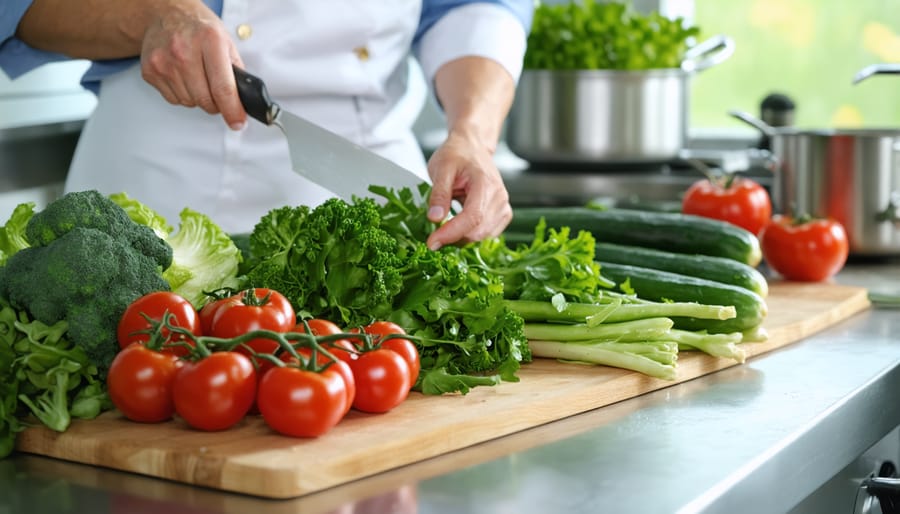
Colorful assortment of fresh seasonal vegetables in a wooden CSA box including carrots, tomatoes, and leafy greens
Fresh vegetables arranged in a rustic wooden CSA box, showing vibrant, just-harvested produce

Fresh Matters: The Nutritional Edge of CSA Produce

Peak-Season Harvesting

The timing of harvest plays a crucial role in the exceptional nutritional quality of CSA produce. When fruits and vegetables are allowed to fully ripen on the plant, they develop their complete spectrum of vitamins, minerals, and beneficial compounds. Unlike conventional produce that’s often picked early for long-distance shipping, CSA farmers can harvest at precisely the right moment to maximize nutritional value.

For example, tomatoes picked at peak ripeness contain significantly more lycopene and vitamin C than their prematurely harvested counterparts. Leafy greens harvested in the cool morning hours retain more nutrients and stay crisp longer. Many CSA farmers use traditional methods like checking fruit firmness, color, and aroma to determine optimal harvest times.

This careful attention to timing means CSA members receive produce when it’s not only at its tastiest but also at its nutritional peak. The quick turnaround from field to table – often within 24 hours – ensures these nutrients are preserved until they reach your kitchen. It’s one of the many ways CSA farming prioritizes quality over convenience, delivering the healthiest possible produce to members.

The Local Advantage

When you choose local CSA produce, you’re getting fruits and vegetables at their nutritional peak. Studies show that locally harvested produce contains significantly higher levels of essential nutrients compared to items shipped long distances. This is because fruits and vegetables begin losing their nutritional value immediately after harvest, with some nutrients declining by up to 30% within just three days.

Local CSA produce typically travels from farm to table within 24 hours of harvest, preserving vital nutrients like vitamin C, folate, and antioxidants. In contrast, conventional produce often spends 7-14 days in transit and storage before reaching grocery store shelves. During this time, exposure to temperature changes, artificial lighting, and mechanical handling can further decrease nutritional content.

Additionally, local farmers can choose varieties based on flavor and nutrition rather than shipping durability. This means you’ll find unique, nutrient-rich heirloom varieties through your CSA that aren’t available in typical grocery stores. Many CSA farmers also harvest their produce at peak ripeness, allowing natural sugars and nutrients to fully develop, resulting in better taste and higher nutritional value.

Seasonal Eating Benefits

Natural Nutrition Cycles

Nature has a remarkable way of providing exactly what our bodies need through the changing seasons. In spring, tender leafy greens and sprouts offer detoxifying nutrients that help us shake off winter sluggishness. Summer brings antioxidant-rich berries and hydrating vegetables like cucumbers and tomatoes to keep us cool and energized during hot weather.

As autumn approaches, root vegetables and winter squashes become abundant, providing the complex carbohydrates and fiber our bodies crave for sustained energy in cooler weather. Winter’s harvest of citrus fruits delivers immune-boosting vitamin C just when we need it most to ward off seasonal illness.

CSA memberships naturally align with these seasonal cycles, delivering produce at peak nutritional value. When vegetables and fruits are harvested at their prime and eaten soon after, they retain maximum nutrients compared to produce that travels long distances or sits in storage. This synchronization with nature’s rhythms helps ensure our bodies receive optimal nutrition throughout the year while working in harmony with local growing seasons.

Getting your produce through a CSA means eating in tune with these natural cycles, supporting both your health and local agricultural systems.

Diverse Diet Benefits

CSA boxes are like a surprise gift of seasonal variety that naturally encourages members to expand their dietary horizons. Each weekly delivery introduces you to new vegetables, fruits, and herbs you might not typically pick up at the grocery store, leading to a more diverse and nutrient-rich diet.

This variety isn’t just about trying new foods – it’s about supporting your overall health. Different colored produce provides various vitamins, minerals, and antioxidants. Red tomatoes offer lycopene, dark leafy greens provide iron and calcium, and orange carrots deliver beta-carotene. When you eat a rainbow of fresh produce, you’re giving your body a complete spectrum of nutrients.

Many CSA members report becoming more adventurous in their cooking, experimenting with unfamiliar ingredients like kohlrabi or tatsoi. This exploration often leads to discovering new favorite foods and healthier eating habits. Plus, because the produce is harvested at peak ripeness, it typically contains higher nutrient levels than store-bought alternatives that may have traveled long distances.

Local farmers often include recipe cards and cooking tips with their boxes, helping members make the most of each item and ensuring nothing goes to waste. This educational component helps develop sustainable eating habits that can last a lifetime.

Mental and Social Wellness Impact

Connection to Your Food

There’s something deeply satisfying about knowing exactly where your food comes from and who grows it. When you join a CSA, you’re not just receiving a box of vegetables – you’re gaining a direct connection to your food source. Meeting your farmer, learning their story, and understanding their growing practices creates a meaningful relationship with your meals that supermarket shopping simply can’t match.

This connection has profound effects on mental well-being. Studies show that people who know their farmers and understand their food’s journey tend to make healthier eating choices and feel more positive about their meals. Many CSA members report feeling less anxious about food quality and safety, knowing they can trust their local farmer’s methods.

The simple act of unpacking your weekly CSA box becomes a mindful moment, fostering gratitude and appreciation for the seasonal rhythms of nature and the hard work that brings food to your table. This enhanced awareness can lead to more mindful eating habits and a deeper appreciation for sustainable farming practices.

Community Building

CSA memberships foster meaningful connections that extend far beyond the weekly produce pickup. By participating in a CSA program, you become part of a vibrant network dedicated to building stronger communities through sustainable food practices. Members often share recipes, cooking tips, and preservation techniques, creating a supportive environment for exploring new ingredients and cooking methods.

Regular farm events, harvest celebrations, and volunteer opportunities bring members together, creating lasting friendships among people who share similar values about food and sustainability. These gatherings provide chances to learn directly from farmers, exchange experiences, and develop a deeper understanding of local agriculture.

Many CSA communities also organize meal-sharing events, cooking classes, and educational workshops, helping members develop new skills while strengthening social bonds. This sense of belonging and shared purpose contributes significantly to members’ overall well-being, proving that CSA benefits extend far beyond the dinner table.

Community members interacting at a farm CSA pickup point, exchanging cooking tips and socializing
Diverse group of people gathering at a local farm for CSA pickup, sharing recipes and conversation

Environmental Health Benefits

Reduced Chemical Exposure

When you join a CSA program, you’re not just getting fresh produce – you’re also reducing your exposure to potentially harmful agricultural chemicals. Most CSA farmers prioritize organic or low-chemical farming methods, meaning the fruits and vegetables you receive contain fewer pesticide residues compared to conventional produce.

Many CSA farmers use natural pest control methods like companion planting, beneficial insects, and crop rotation to maintain healthy crops without relying heavily on synthetic pesticides. This approach not only protects your health but also supports a more sustainable farming ecosystem.

Local organic farmer Sarah Thompson explains, “We use integrated pest management techniques and natural solutions whenever possible. Our members often tell us they can taste the difference in our produce, and they feel better knowing their food isn’t coated in chemicals.”

Research suggests that reducing exposure to agricultural pesticides may lower risks of certain health issues, particularly in children and pregnant women. By choosing CSA produce, you’re making a conscious decision to minimize your family’s chemical exposure while supporting farmers who prioritize environmental stewardship.

Additionally, because CSA produce is typically harvested and delivered within 24-48 hours, there’s less need for post-harvest treatments and preservatives commonly used on conventional produce to extend shelf life during long-distance transportation.

Side-by-side comparison of sustainable small-scale farming methods versus large-scale conventional agriculture
Split image comparing sustainable farming practices with conventional agriculture

Ecosystem Health Connection

When you support local sustainable agriculture through CSA membership, you’re not just investing in your personal health – you’re contributing to the overall health of our ecosystem. Sustainably grown produce relies on farming practices that protect and enhance soil quality, maintain water purity, and support beneficial insects and wildlife. These methods create a virtuous cycle where healthier soil produces more nutritious food, which in turn supports better human health.

Local farms that practice sustainable agriculture typically avoid harmful pesticides and synthetic fertilizers, helping to preserve beneficial soil microorganisms that are crucial for growing nutrient-dense foods. These farming practices also promote biodiversity, which creates natural pest control and reduces the need for chemical interventions that could end up in our food and water supply.

By choosing locally grown food, you’re also reducing the carbon footprint associated with long-distance food transportation. This means fewer greenhouse gas emissions and less pollution affecting our air quality and climate. Fresh produce from nearby farms typically requires minimal packaging, further reducing environmental impact and plastic waste.

Many CSA farmers also implement water conservation techniques and protect local watersheds, ensuring clean water for both farming and community use. This holistic approach to agriculture creates a resilient local food system that supports both environmental and human health for generations to come.

Joining a CSA program offers a transformative approach to health and wellness that extends far beyond just accessing fresh, seasonal produce. From enjoying nutrient-rich vegetables harvested at peak ripeness to fostering meaningful connections with local farmers, CSA membership nourishes both body and spirit. The benefits ripple outward, supporting sustainable farming practices, strengthening local food systems, and promoting environmental stewardship in your community.

Ready to experience these incredible benefits firsthand? Take the next step in your wellness journey by connecting with a local CSA farm. Your health, your community, and our planet will thank you. Whether you’re seeking better nutrition, stronger community ties, or a more sustainable lifestyle, CSA membership offers a powerful pathway to achieve these goals while supporting local agriculture. Don’t wait – discover the transformative power of farm-fresh, seasonal eating by joining a CSA today.

CSA Food: Your Direct Connection to Farm-Fresh Living

Posted by darrell on
0
CSA Fundamentals and Benefits
CSA Food: Your Direct Connection to Farm-Fresh Living

Transform your relationship with food through Community Supported Agriculture (CSA), a revolutionary farm-to-table movement that connects local farmers directly with consumers. By purchasing a CSA share, you receive weekly boxes of fresh, seasonal produce straight from nearby farms while providing vital early-season capital to farmers. This direct partnership ensures premium-quality, nutrient-rich vegetables, fruits, and sometimes eggs, meat, or flowers, harvested at peak freshness. Unlike traditional grocery shopping, CSA members experience the authentic rhythm of seasonal eating, discover new ingredients, and become active participants in their local food system. Whether you’re passionate about sustainable agriculture, seeking the freshest possible produce, or looking to support local farmers, CSA membership offers an authentic connection to your food’s journey from seed to table.

How CSA Food Programs Transform Your Kitchen

Weekly Farm Boxes Explained

CSA farm boxes offer an exciting journey through the seasons, delivering fresh, locally grown produce directly from farm to table. Each week, members receive a thoughtfully curated selection of vegetables, fruits, and sometimes herbs that reflect what’s currently thriving in the fields. During spring, expect tender greens, asparagus, and early radishes. Summer brings an abundance of tomatoes, peppers, and cucumbers, while fall harvests feature squashes, root vegetables, and hearty greens.

Box sizes typically range from small shares perfect for couples to large family portions. Most farms offer weekly or bi-weekly delivery options throughout their growing season, which usually spans 20-25 weeks. While the exact contents vary based on growing conditions and seasonal availability, farmers often include recipe suggestions and storage tips to help members make the most of their produce.

Some CSAs also offer add-on options like farm-fresh eggs, locally made bread, or seasonal flowers. Many farmers communicate weekly about what to expect in upcoming boxes, helping members plan their meals and reduce food waste. This direct connection to your food source provides not just fresh produce, but also valuable insight into seasonal eating patterns and local agriculture.

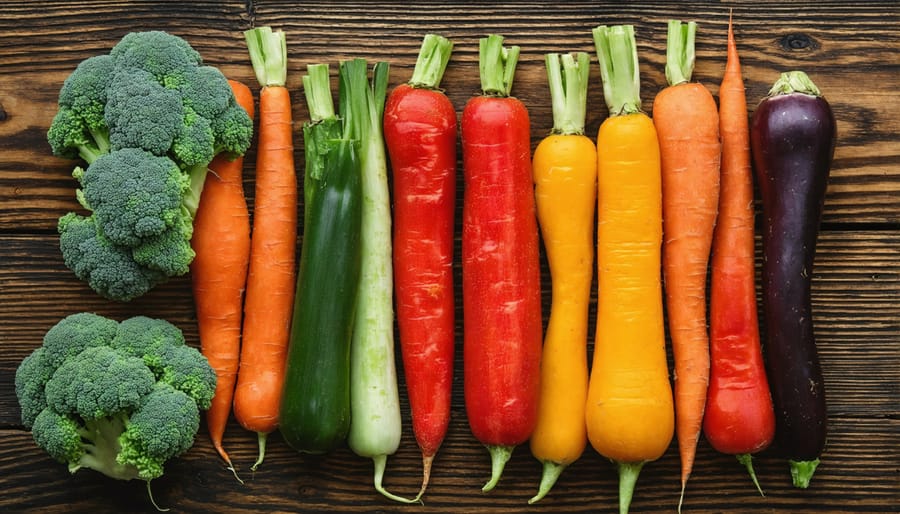
Weekly CSA share box filled with seasonal vegetables including carrots, lettuce, tomatoes, and herbs
Colorful array of fresh vegetables arranged in a wooden CSA box

From Farm to Family Table

Joining a CSA transforms the way families approach cooking and meal planning. Instead of starting with recipes and shopping for specific ingredients, CSA members begin with their weekly harvest box and creatively build meals around available seasonal produce. This “backwards” meal planning encourages culinary creativity and helps families discover new vegetables and cooking methods they might not have tried otherwise.

Many CSA members report developing a deeper connection with their food through this process. When fresh, colorful vegetables arrive each week, families often gather in the kitchen to unpack their share, discuss meal possibilities, and cook together. Children become more engaged with their food, learning about different vegetables and developing healthier eating habits.

The seasonal nature of CSA boxes also promotes adaptability in the kitchen. Members learn to preserve excess produce through freezing, canning, or fermenting, reducing food waste and extending the harvest’s benefits throughout the year. This weekly rhythm of cooking with farm-fresh ingredients not only supports local agriculture but also helps families establish sustainable, healthy eating patterns that celebrate the natural growing season.

Building Food Literacy Through CSA Participation

Seasonal Eating Education

One of the most enriching aspects of joining a CSA program is learning about nature’s harvest cycles and transforming health through seasonal eating. When you receive your weekly CSA share, you’re connecting with the natural rhythm of your local growing season, discovering which fruits and vegetables thrive in different months.

Spring brings tender greens, asparagus, and early radishes. Summer explodes with tomatoes, peppers, and fresh herbs. Fall delivers hearty squashes, root vegetables, and cruciferous crops like broccoli and cauliflower. This natural progression helps you develop a deeper understanding of your local food system while expanding your culinary horizons.

Eating seasonally not only provides peak-flavor produce but also ensures you’re getting the most nutritional value from your food. Vegetables and fruits harvested at their prime contain higher levels of vitamins and minerals compared to those picked early for long-distance shipping.

Many CSA farmers provide harvest calendars and seasonal recipes, helping members plan meals and preserve excess produce. This education extends beyond the kitchen, fostering appreciation for sustainable farming practices and the environmental benefits of eating locally. As you learn to work with seasonal ingredients, you’ll discover new cooking techniques and develop a more sustainable approach to meal planning that benefits both your health and the planet.

Local farmer explaining crop cultivation to a small group of CSA members in a field
Farmer teaching CSA members about seasonal growing practices

Hands-On Learning Opportunities

CSA memberships offer numerous hands-on learning experiences that go beyond simply receiving fresh produce. Many farms organize regular member visits where you can tour the fields, learn about different crops, and even participate in harvesting activities. These farm days provide invaluable insights into sustainable farming practices and help members understand the seasonal nature of food production.

Many CSA programs host cooking workshops throughout the growing season, teaching members creative ways to prepare unfamiliar vegetables and preserve abundant harvests. These sessions often feature seasonal recipes, food preservation techniques, and tips for reducing food waste. Some farms partner with local chefs to demonstrate innovative cooking methods and share meal planning strategies for CSA shares.

Community events are another enriching aspect of CSA membership. Potluck dinners, harvest festivals, and farm-to-table gatherings create opportunities to connect with fellow members and farmers while celebrating local food culture. Some CSAs offer educational programs for children, including farm camps and gardening workshops, fostering the next generation’s understanding of sustainable agriculture.

Members can also participate in volunteer days, learning practical skills like seedling care, composting, and natural pest management. These experiences provide deeper appreciation for the farming process and often inspire members to start their own garden projects. Through these interactive opportunities, CSA members gain valuable food knowledge and develop lasting connections with their local agricultural community.

Making the Most of Your CSA Membership

Storage Solutions for Fresh Produce

Making the most of your CSA share starts with knowing how to keep your CSA produce fresh longer. Start by sorting your vegetables as soon as you get home. Remove rubber bands and twist ties, and separate items that need different storage conditions.

For leafy greens, wrap them loosely in slightly damp paper towels and store in reusable plastic bags in the crisper drawer. Root vegetables like carrots and beets should have their greens removed (these can be used in pestos or sautés!) before storing in the refrigerator.

Store herbs upright in a glass of water with a loose plastic bag over them, like a mini greenhouse. Tomatoes, potatoes, and onions prefer cool, dark spots on your counter rather than the fridge. For squash and pumpkins, find a dry, well-ventilated area away from direct sunlight.

Check your produce regularly and use the “first in, first out” method. Place newer items behind older ones in your fridge. Consider batch cooking or freezing extras when you have abundance. Don’t forget that slightly wilted vegetables are perfect for soups and stews, helping you minimize food waste while maximizing your CSA investment.

Various produce storage methods including mesh bags, glass containers, and root vegetable storage bins
Kitchen counter with organized storage solutions for fresh produce

Creative Cooking with Unexpected Items

Getting a CSA box can feel like being a contestant on a cooking show’s mystery basket challenge – and that’s part of the fun! When you find yourself holding an unfamiliar vegetable like kohlrabi or garlic scapes, consider it an opportunity to expand your culinary horizons. Start by researching simple preparation methods and gradually experiment with more creative combinations.

A great approach is to substitute unfamiliar items for similar vegetables in your favorite recipes. For example, use turnip greens in place of spinach, or try roasting rutabaga instead of potatoes. Social media and cooking blogs are excellent resources for seasonal recipe inspiration, and many CSA farmers provide recipe cards with their weekly shares.

Keep a few versatile cooking methods in your back pocket: roasting, sautéing, and adding items to soups are foolproof ways to handle most vegetables. When in doubt, remember that many unusual vegetables taste great simply roasted with olive oil, salt, and pepper. For an abundance of leafy greens, consider batch-processing them into pesto or adding them to smoothies.

Don’t be afraid to freeze excess produce for later use, especially when dealing with peak-season abundance. Many vegetables can be blanched and frozen, ensuring nothing goes to waste while extending your seasonal eating experience throughout the year.

Participating in a CSA program offers far more than just a weekly box of fresh produce. It creates a meaningful connection between consumers and their food sources, fostering a deeper understanding of seasonal eating, agricultural practices, and local food systems. Members often report improved cooking skills, expanded palates, and a greater appreciation for fresh, wholesome ingredients. The educational aspect of CSA participation naturally enhances food literacy, as members learn to identify new varieties of produce, understand harvest seasons, and develop creative ways to use unfamiliar ingredients.

Beyond personal benefits, CSA membership strengthens local food security, supports small-scale farmers, and promotes environmentally sustainable farming practices. The direct farmer-to-consumer relationship ensures fair compensation for producers while providing members with the freshest possible produce at competitive prices. As more people embrace CSA programs, communities become more resilient, environmentally conscious, and food-literate.

Whether you’re a cooking enthusiast, health-conscious consumer, or someone looking to make more sustainable food choices, CSA participation offers a practical and rewarding way to transform your relationship with food while supporting local agriculture.

How the QC Community Foundation Is Transforming Local Food Systems Through CSA

Posted by darrell on
0
CSA Fundamentals and Benefits
How the QC Community Foundation Is Transforming Local Food Systems Through CSA

Transform your local food system by joining the QC Community Foundation’s groundbreaking community supported agriculture initiatives. Since 1964, this visionary organization has channeled over $25 million into sustainable farming projects, connecting farmers directly with families hungry for fresh, local produce. By bridging the gap between urban consumers and rural producers, the Foundation empowers both communities to thrive through innovative grant programs, educational workshops, and farmer mentorship opportunities.

Operating at the intersection of food security and community development, the QC Community Foundation serves as a vital catalyst for agricultural innovation across the region. Their signature Farm-to-Table Grant Program has launched 50+ successful farming enterprises, while their Youth in Agriculture initiative introduces the next generation to sustainable farming practices through hands-on training and apprenticeships. Whether you’re a budding farmer seeking startup support or a community member passionate about local food systems, the Foundation offers concrete pathways to strengthen our regional food security.

Diverse group of farmers harvesting seasonal produce from community-supported agriculture fields
Local farmers working in their CSA fields harvesting fresh vegetables

Building Stronger Communities Through CSA Partnerships

Grant Programs for Local Farmers

The QC Community Foundation’s grant programs serve as vital lifelines for local farmers, fostering sustainable partnerships between farmers and communities. Through their Agricultural Innovation Fund, farmers can access grants ranging from $2,500 to $10,000 to enhance their operations, implement sustainable farming practices, or expand their CSA programs.

These grants have helped numerous local farmers like Sarah Mitchell, who used the funding to install a solar-powered irrigation system, and Marcus Rodriguez, who established a greenhouse for year-round growing. The foundation also offers mentorship opportunities, connecting experienced farmers with newcomers to share knowledge and best practices.

Additional resources include educational workshops, equipment-sharing programs, and marketing support to help farmers build their customer base. The foundation’s commitment extends beyond financial assistance, creating a supportive ecosystem that encourages sustainable farming practices while ensuring fresh, local produce remains accessible to community members.

To apply for grants, farmers must demonstrate their commitment to sustainable practices and community engagement. Applications are accepted twice yearly, with deadlines in March and September.

Community Education Initiatives

The QC Community Foundation hosts a variety of educational workshops throughout the year, empowering local residents with sustainable agriculture knowledge and skills. Their flagship “Grow Your Own” workshop series teaches participants everything from soil preparation and composting to seed saving and organic pest management. These hands-on sessions take place at their demonstration garden, where experienced farmers share practical tips and real-world experience.

Local farmer Mary Johnson, who started with a backyard garden and now runs a successful urban farm, leads the popular “Urban Farming 101” course. This six-week program covers essential topics for aspiring farmers, including season extension techniques, water conservation, and small-scale organic farming methods.

The Foundation also partners with local schools to implement garden-based learning programs. Students get hands-on experience growing vegetables while learning about nutrition and environmental stewardship. Their youth summer program, “Farm to Future,” introduces teenagers to agricultural career paths through mentorship opportunities with established organic farmers.

For those interested in food preservation, monthly workshops teach canning, fermentation, and other traditional food storage methods, helping community members extend their harvest and reduce food waste.

Making Fresh Produce Accessible to All

Subsidy Programs for Low-Income Families

The QC Community Foundation offers several financial assistance programs to help make CSA memberships more accessible to low-income families, transforming community health through CSA participation. Through their Farm Share Support Program, eligible families can receive up to 75% off their CSA membership costs, making fresh, local produce more affordable.

Families earning below 185% of the federal poverty level can apply for subsidies during the annual enrollment period, typically running from January through March. The foundation also offers flexible payment plans and accepts SNAP/EBT benefits, allowing participants to spread costs throughout the growing season.

Additional support includes cooking classes, recipe guides, and food preservation workshops to help families make the most of their CSA shares. The foundation partners with local nutrition educators to provide these resources at no extra cost to subsidy recipients.

To apply, interested families can complete a simple online application or visit the foundation’s office for assistance. Bilingual staff members are available to help with the application process and answer questions about the program.

Partnership Success Stories

The Smith family’s urban farming initiative, supported by our foundation’s micro-grant program, has blossomed into a thriving community garden that now feeds over 50 local families. Through mentorship and resources provided by the foundation, they transformed an empty lot into a vibrant growing space that hosts weekly farmers’ markets and educational workshops.

Local entrepreneur Maria Rodriguez partnered with us to launch her organic honey business. With initial funding and business development support, her operation now supplies honey to three local schools and multiple restaurants while providing valuable pollination services to nearby farms.

The Youth Agriculture Program, another success story, has helped high school students like James Chen develop practical farming skills. James started with a small herb garden and now manages a quarter-acre plot, selling his produce at our weekly markets. His success inspired the school district to incorporate agricultural education into their curriculum.

These partnerships demonstrate how community support and sustainable agriculture can create lasting positive change in our region, improving both food security and economic opportunities for local residents.

Happy family picking up their weekly CSA vegetable share from a community center
Family receiving their CSA share at a local distribution point

Growing a Sustainable Future

Youth Agricultural Programs

The QC Community Foundation actively nurtures the next generation of farmers through comprehensive youth agricultural programs designed to inspire and educate. Students aged 12-18 can participate in hands-on farming experiences through the Young Farmers Initiative, where they learn essential skills from seasoned local farmers. This program includes practical workshops on organic growing methods, soil health management, and sustainable farming practices.

During summer months, the Foundation hosts week-long Agricultural Youth Camps, providing immersive experiences in farming, animal care, and farm-to-table food preparation. Participants engage in daily activities like planting, harvesting, and preparing healthy meals using fresh produce they’ve grown themselves.

The Foundation also partners with local schools to establish educational gardens, helping students understand the importance of local food systems and environmental stewardship. Through these school gardens, children develop practical skills while learning about nutrition, biodiversity, and sustainable agriculture.

Additionally, the Junior Farmer Mentorship Program pairs high school students with experienced organic farmers for year-round learning opportunities, creating pathways for future careers in agriculture.

Group of children participating in hands-on agricultural education program
Young students learning about sustainable farming in a community garden

Expanding Local Food Networks

The QC Community Foundation is taking bold steps to expand its CSA program, reaching more families and strengthening local food networks throughout the region. Building on the success of existing partnerships, the foundation plans to add five new farm collaborations in the coming year, potentially doubling the number of weekly produce shares available to community members.

To make fresh, local produce more accessible, the foundation is introducing a flexible payment system and expanding its subsidized share program for low-income families. The new “Pay What You Can” initiative ensures that financial constraints don’t prevent anyone from participating in the CSA program.

Education remains a cornerstone of expansion efforts, with monthly workshops connecting experienced farmers with aspiring growers. These sessions cover everything from seasonal planting schedules to sustainable farming techniques, fostering knowledge exchange and building a stronger agricultural community.

The foundation is also launching a mobile market program, bringing fresh produce directly to neighborhoods with limited access to healthy food options. This innovative approach combines traditional CSA distribution with the convenience of a traveling farmers market, making local food more readily available to all community members.

The QC Community Foundation has become a cornerstone of sustainable agriculture and community development in our region, touching countless lives through its innovative programs and unwavering commitment to local food security. Through partnerships with local farmers, educational initiatives, and grant programs, the foundation has helped create a more resilient and interconnected food system that benefits everyone in our community.

The impact of the foundation’s work can be seen in the thriving network of CSA programs, the increasing number of new farmers entering the field, and the growing awareness of sustainable agriculture practices among residents. From helping families access fresh, organic produce to supporting beginning farmers with crucial resources, the foundation continues to nurture positive change throughout our region.

You can become part of this transformative movement in several ways. Consider becoming a monthly donor to support ongoing programs, volunteer at foundation events, or participate in educational workshops. Farmers can apply for grants and mentorship opportunities, while community members can join CSA programs or attend seasonal farmers’ markets. For businesses, partnership opportunities are available to help expand the foundation’s reach and impact.

Together, we can build an even stronger, more sustainable local food system. Visit the foundation’s website or stop by their office to learn more about how you can contribute to this vital community resource.

How Rural Partnerships Are Transforming Local Food Communities Through CSA

Posted by darrell on
0
CSA Fundamentals and Benefits
How Rural Partnerships Are Transforming Local Food Communities Through CSA

Rural communities thrive when local organizations forge meaningful partnerships between farmers and communities, creating sustainable networks of support and growth. These vital collaborations connect agricultural producers with essential resources, technical expertise, and funding opportunities while strengthening food security and economic development in America’s heartland. Through strategic assistance partnerships, small towns and farming communities gain access to infrastructure improvements, sustainable agriculture programs, and capacity-building initiatives that might otherwise remain out of reach. From water quality enhancement projects to renewable energy installations, these partnerships have transformed countless rural landscapes while preserving the unique character and cultural heritage that defines our countryside. By bringing together local government agencies, nonprofit organizations, and private sector partners, rural community assistance programs create lasting positive change that ripples through generations of farming families and their neighbors.

Building Stronger Communities Through Local Food Networks

Bird's eye view of a working CSA farm showing diverse crops and community gathering space
Aerial view of a diverse CSA farm with multiple crop rows and a distribution center where community members gather

Creating Sustainable Food Systems

Rural community assistance partnerships play a vital role in building sustainable food systems by connecting local farmers with essential resources and support networks. These partnerships help establish crucial infrastructure like food hubs, processing facilities, and distribution channels that enable small-scale farmers to reach broader markets.

Through collaborative efforts, these initiatives provide farmers with access to shared equipment, cold storage facilities, and transportation services that might otherwise be cost-prohibitive for individual producers. Local food advocates work alongside agricultural experts to develop training programs, offering guidance on sustainable farming practices and business management skills.

The partnerships also foster connections between farmers and community institutions like schools, hospitals, and restaurants, creating stable markets for locally grown produce. This integrated approach strengthens regional food security while supporting economic growth in rural areas, making fresh, healthy food more accessible to all community members.

Economic Benefits for Rural Communities

Rural community assistance partnerships create significant economic ripples throughout local areas. Farmers receive direct support through grants, low-interest loans, and equipment-sharing programs, enabling them to expand operations and hire local workers. These partnerships also facilitate connections between farmers and nearby restaurants, schools, and markets, creating stable income streams through guaranteed purchase agreements.

Local businesses benefit from increased foot traffic as farmers’ markets and food festivals draw visitors from surrounding areas. Studies show that every dollar spent at local farms generates an additional $2.50 in local economic activity. Small-scale food processors, distributors, and agricultural supply stores see growth as farming operations expand.

The partnerships also help communities attract tourism dollars through agritourism initiatives like farm tours, harvest festivals, and educational programs. This diversification of income sources strengthens the overall economic resilience of rural areas while preserving traditional farming heritage and creating sustainable employment opportunities for future generations.

Resources and Support for CSA Farmers

Training and Education Programs

The Rural Community Assistance Partnership offers comprehensive training programs designed to empower farmers and rural communities. These educational initiatives include hands-on workshops in sustainable farming practices, business management courses, and technical assistance for agricultural operations.

Local farmers can participate in seasonal workshops covering topics like organic certification, soil health management, and water conservation techniques. The partnership also provides mentorship opportunities, connecting experienced farmers with newcomers to share knowledge and best practices.

Financial literacy programs help farmers understand budgeting, loan applications, and grant writing, while marketing workshops teach effective strategies for selling produce locally. Online resources and webinars make education accessible to remote communities, covering everything from crop planning to food safety regulations.

Success stories include Sarah Miller, who transformed her small family farm into a thriving organic operation after completing the partnership’s business development program. The partnership also offers specialized training for women farmers and veterans interested in agricultural careers, ensuring inclusive support for all community members.

Regular farm tours and field days provide practical demonstrations and networking opportunities, fostering a collaborative learning environment within the rural farming community.

Group of farmers attending an educational workshop on sustainable farming practices
Farmers participating in a hands-on training workshop, learning sustainable farming techniques

Financial and Infrastructure Support

Rural community assistance partnerships offer vital financial support through various grants, low-interest loans, and matching fund programs designed specifically for small-scale farmers and local food initiatives. These partnerships often connect farmers with federal and state funding opportunities, including USDA grants and regional development funds. Additionally, they facilitate resource sharing in CSA farms, helping reduce operational costs through shared equipment programs and cooperative purchasing arrangements.

Infrastructure support typically includes access to essential farming equipment, cold storage facilities, and distribution networks. Many partnerships maintain tool libraries where members can borrow expensive equipment they might not otherwise be able to afford. They also provide shared processing facilities and food safety testing equipment, making it easier for small farms to meet regulatory requirements.

Some partnerships even offer shared greenhouse space, irrigation systems, and packaging facilities. This collaborative approach helps farmers minimize startup costs while maximizing their production capacity. Educational resources and technical assistance are often bundled with these physical assets, ensuring farmers can effectively utilize available infrastructure while building sustainable agricultural businesses.

Community Engagement and Education

Consumer Education Programs

Rural community assistance partnerships offer comprehensive educational programs designed to help community members understand and maximize the benefits of Community Supported Agriculture (CSA). These initiatives include hands-on workshops where participants learn about seasonal eating, food preservation techniques, and creative ways to use their weekly produce shares.

Monthly cooking demonstrations showcase practical methods for preparing unfamiliar vegetables and reducing food waste. Experienced CSA members often lead these sessions, sharing their tips and favorite recipes with newcomers. The partnerships also organize farm visits, allowing subscribers to see firsthand how their food is grown and connect with local farmers.

Educational resources extend beyond the kitchen, covering topics like sustainable living, composting, and the economic impact of supporting local agriculture. Many programs offer bilingual materials and classes to ensure accessibility for diverse community members. Special focus is given to helping families with children develop healthy eating habits through fun, interactive activities and kid-friendly recipe collections.

Digital resources, including newsletters and online tutorials, complement in-person learning opportunities, making CSA education available to all community members regardless of their schedules.

Building Long-term Food Partnerships

Building successful food partnerships requires dedication, clear communication, and a shared vision between farmers and community members. The key lies in establishing regular touchpoints through seasonal meet-and-greets, farm tours, and harvest celebrations that bring producers and consumers together in meaningful ways.

Many thriving partnerships start with simple initiatives like monthly farmer newsletters or social media updates that keep community members informed about crop progress and upcoming harvests. Farmers can foster deeper connections by offering workshops on food preservation or cooking demonstrations using seasonal ingredients.

Community members can strengthen these bonds by volunteering during peak harvest times, participating in work-share programs, or joining advisory committees that help shape farm planning decisions. Success stories like the Green Valley Farm Collective show how consistent engagement leads to lasting relationships – they’ve maintained a 90% member retention rate through their innovative community involvement programs.

Creating flexible payment options, including sliding-scale pricing and work-trade opportunities, helps ensure partnerships remain accessible to all community members while supporting farm sustainability. Regular feedback sessions and annual surveys help both parties adapt and grow together, ensuring partnerships evolve to meet changing needs.

Success Stories from Rural Communities

Farm Spotlight: Growing Together

The Growing Together initiative in Millbrook County stands as a shining example of how rural community partnerships can transform local agriculture. What started as a small collaboration between three family farms has blossomed into a thriving network of 15 sustainable farming operations supporting over 200 families through their CSA programs.

Sarah Chen, one of the founding farmers, explains how the partnership helped her transition from traditional farming methods to organic practices: “The shared knowledge and resources made it possible for us to take that leap. We couldn’t have done it alone.”

The program’s success stems from its innovative approach to resource sharing. Participating farms share equipment, bulk-order supplies, and coordinate planting schedules to ensure year-round produce availability. They’ve also established a mentor system where experienced organic farmers guide newcomers through certification processes and sustainable farming techniques.

The impact extends beyond the farms themselves. Local schools now source 40% of their cafeteria produce from Growing Together farms, while the partnership’s community education programs have inspired dozens of backyard gardens throughout the county.

“What makes this partnership special is how it brings people together,” says Tom Martinez, the county’s agricultural extension officer. “It’s not just about growing food – it’s about growing relationships and building a resilient local food system that benefits everyone.”

Smiling farmer distributing fresh produce to CSA members at a weekly pickup
Happy farmer and community members at a CSA pickup point exchanging produce and conversation

Community Impact Stories

The Rural Community Assistance Partnership has transformed countless communities across America through targeted support and sustainable development initiatives. In Montana’s Bitterroot Valley, a small farming collective received guidance and funding to establish a food processing facility, enabling local farmers to extend their selling season and increase income by 40% through value-added products.

In rural New Mexico, the partnership helped the Torres family launch a community-supported agriculture program that now serves over 200 families with fresh, organic produce. Their success inspired neighboring farms to adopt sustainable practices, creating a ripple effect throughout the region.

A particularly inspiring story comes from coastal Maine, where the partnership assisted in developing a cooperative seafood market. Local fishermen now have direct access to consumers, eliminating middlemen and increasing their profits while providing the community with fresh, sustainable seafood at fair prices.

In Kentucky’s Appalachian region, the partnership facilitated the creation of a mobile farmers’ market that brings fresh produce to food desert areas. This initiative not only improved access to healthy food but also created six new jobs and established valuable connections between rural farmers and urban consumers.

These success stories demonstrate how targeted assistance and community collaboration can create lasting positive change in rural areas, strengthening local food systems and building more resilient communities.

Rural community assistance partnerships play a vital role in the success and sustainability of CSA programs across America’s heartland. By connecting farmers with essential resources, technical support, and community networks, these partnerships help create thriving local food systems that benefit everyone involved. Through collaborative efforts, small-scale farmers gain access to valuable knowledge, equipment sharing programs, and marketing assistance that might otherwise be out of reach. These partnerships also strengthen rural economies by keeping food dollars local and creating jobs in agriculture. As more communities embrace this model, we see increased food security, improved farmer livelihoods, and stronger connections between producers and consumers. The future of sustainable agriculture depends on these vital partnerships that bridge gaps and build resilient local food systems for generations to come.

JAS Wellness: Why This Japanese-Inspired CSA Program Transforms Health

Posted by darrell on
0
CSA Fundamentals and Benefits
JAS Wellness: Why This Japanese-Inspired CSA Program Transforms Health

Transform your approach to local, sustainable agriculture by embracing Japanese Agricultural Standards (JAS) within CSA programs. Integrate mindful farming practices like crop rotation based on seasonal energy flows, implement natural pest management through companion planting, and cultivate soil health using traditional Japanese composting methods. These time-tested techniques not only enhance produce quality but also promote environmental harmony and personal wellbeing.

Drawing from centuries of Japanese agricultural wisdom, JAS wellness principles elevate modern farming beyond mere food production into a holistic practice that nourishes both land and community. By combining ancient Eastern agricultural philosophy with contemporary sustainable farming methods, growers can create resilient, productive systems that yield exceptional organic produce while maintaining ecological balance.

This innovative approach transforms traditional CSA relationships into dynamic wellness partnerships, where members receive not just fresh, seasonal produce, but also participate in a time-honored system of agricultural practices that promote both environmental and personal health. The result is a more meaningful connection to our food, our farmers, and our natural environment.

The Core Principles of JAS Wellness

Japanese farmer examining JAS-certified organic produce in traditional farming setting
Traditional Japanese farmer inspecting organic vegetables in a well-organized field with certification seal overlay

Seasonal Harmony

At JAS Wellness, we embrace the ancient wisdom of eating in harmony with nature’s cycles. By following seasonal eating patterns, we align our bodies with the natural rhythms of the earth, maximizing both nutritional benefits and environmental sustainability. During spring, we focus on tender leafy greens and early vegetables that help cleanse and rejuvenate after winter. Summer brings an abundance of cooling fruits and vibrant vegetables, perfect for maintaining energy during hot days.

As autumn approaches, we transition to root vegetables, squashes, and warming foods that prepare our bodies for the cooler months ahead. Winter emphasizes hearty, nutrient-dense produce and preserved foods that support our immune systems during the cold season. This cyclical approach not only ensures peak freshness and flavor but also supports local farmers and reduces the carbon footprint associated with out-of-season produce transportation.

By eating seasonally, we connect more deeply with our local environment while receiving the specific nutrients our bodies need during each season. This practice helps maintain optimal wellness throughout the year while supporting sustainable agricultural practices.

Quality Standards

JAS certification represents Japan’s stringent organic and wellness standards, ensuring products meet the highest quality benchmarks for health and sustainability. To achieve JAS certification, farmers and producers must adhere to strict guidelines that prohibit the use of synthetic pesticides, chemical fertilizers, and genetic modification while promoting soil health and biodiversity.

These standards require comprehensive documentation of farming practices, regular soil testing, and maintaining buffer zones between organic and conventional farming areas. Products must be grown in soil that has been free from prohibited substances for at least three years before certification.

The health benefits of JAS-certified products are significant. They typically contain higher levels of antioxidants, vitamins, and minerals compared to conventional produce. Studies have shown that organic foods grown under JAS standards have lower levels of pesticide residues and heavy metals, making them safer for consumption.

For wellness-focused consumers, JAS certification provides assurance that products are produced with environmental stewardship in mind, supporting both personal health and ecological balance. Regular audits and inspections ensure ongoing compliance, maintaining the integrity of the certification system.

Health Benefits of JAS Wellness CSA

Seasonal Japanese vegetables arranged in four quadrants representing spring, summer, fall, and winter harvests
Colorful seasonal produce arrangement showing four distinct seasons of Japanese vegetables

Nutritional Excellence

JAS certification ensures that your produce delivers exceptional nutritional value through strict quality control measures and superior growing practices. When you choose JAS certified products, you’re investing in food that consistently offers higher levels of essential nutrients compared to conventional alternatives.

Research has shown that JAS certified organic produce typically contains more antioxidants, vitamins, and minerals, maximizing the health benefits of fresh produce. For example, JAS certified vegetables often show increased levels of vitamin C, polyphenols, and other beneficial compounds that support overall wellness.

The certification’s emphasis on soil health plays a crucial role in nutrient density. By requiring farmers to maintain optimal soil conditions through natural methods, JAS ensures that plants can access and absorb a full spectrum of minerals and nutrients. This translates to more flavorful and nutritious food on your plate.

What sets JAS certified produce apart is the careful attention to harvest timing and post-harvest handling. Farmers wait until fruits and vegetables reach peak ripeness before harvesting, allowing for maximum nutrient development. Combined with careful handling practices, this ensures that the nutritional value remains intact from farm to table, delivering the full wellness benefits you expect from premium organic produce.

Mindful Consumption

JAS wellness takes a mindful approach to eating, encouraging participants to develop a deeper connection with their food and its origins. This philosophy emphasizes the importance of being present during meals and understanding the journey from farm to table. By engaging with local farmers and receiving fresh, seasonal produce, members naturally develop more conscious eating habits.

The program promotes several key practices for mindful consumption. First, it encourages members to plan meals around their weekly CSA box, reducing food waste and inspiring creativity in the kitchen. Participants learn to appreciate the natural rhythms of seasonal eating, understanding that certain vegetables and fruits taste best when harvested at their peak.

Members are also guided to practice intentional eating by taking time to observe, smell, and savor their meals. This approach helps develop a greater appreciation for fresh, whole foods while fostering better digestion and satisfaction. The program includes educational resources about proper food storage, preparation techniques, and creative ways to use unfamiliar vegetables.

Through community gatherings and cooking workshops, JAS wellness creates opportunities for members to share experiences and learn from each other. These events often feature demonstrations on preserving seasonal bounty through fermentation, canning, and freezing methods, ensuring that nothing goes to waste and members can enjoy local produce year-round.

By embracing these mindful consumption practices, participants often report improved eating habits, reduced stress around food choices, and a stronger sense of connection to their local food system.

Implementing JAS Wellness Principles

Seasonal Menu Planning

Planning meals around your CSA box can be both exciting and challenging. The key is to embrace seasonal eating patterns while maintaining flexibility in your menu planning. Start by examining your weekly CSA newsletter to anticipate upcoming produce, then build your meal plans around these fresh, seasonal ingredients.

Create a basic framework for each season, incorporating staple vegetables that appear regularly. For example, spring menus might feature asparagus, pea shoots, and tender greens, while summer plans could revolve around tomatoes, peppers, and zucchini. Keep a running list of adaptable recipes that work well with various vegetables, such as stir-fries, grain bowls, and roasted vegetable medleys.

Consider batch cooking and preservation methods to manage abundance during peak seasons. When you receive multiple bunches of herbs or greens, prepare pesto or dried herb blends for future use. Root vegetables can be roasted in large quantities and incorporated into different meals throughout the week.

To maximize nutrition and minimize waste, organize your meal plan with a “first in, first out” approach. Use delicate items like lettuce and herbs early in the week, saving hardier vegetables for later. Keep a few “rescue recipes” in your arsenal – soups, smoothies, and veggie-packed pasta dishes that can help use up produce before it spoils.

Remember to stay flexible and creative. Some weeks might bring surprise items or abundant harvests, so be prepared to adjust your plans accordingly.

Storage and Preparation

To maximize the benefits of your CSA produce, understanding proper produce storage techniques is essential. Start by sorting your vegetables as soon as you receive them, removing rubber bands and twist ties that can speed up decay. Store leafy greens in airtight containers lined with slightly damp paper towels to maintain optimal humidity.

Root vegetables like carrots and potatoes prefer cool, dark spaces and should be kept separate from ethylene-producing fruits like apples and pears. For herbs, trim the stems and place them in a glass of water with a loose plastic bag over the top, storing them in the refrigerator. This method can extend their freshness for up to two weeks.

Temperature control is crucial – most vegetables do best in the crisper drawer at around 40°F (4°C). However, tomatoes, onions, and winter squash should be kept at room temperature. When preparing your produce, wash it just before use rather than all at once to prevent premature spoilage.

Consider batch-prepping some items for quick meal assembly throughout the week. Chop hardy vegetables like carrots and celery in advance, storing them in airtight containers with a paper towel to absorb excess moisture. This preparation method not only saves time but also helps you stay committed to using your fresh, nutritious produce regularly.

Infographic demonstrating Japanese methods for storing different types of vegetables
Step-by-step visual guide showing proper vegetable storage techniques in traditional Japanese style

JAS wellness through your local CSA program offers a unique opportunity to embrace both physical health and environmental sustainability. By participating in these community-supported agriculture initiatives, you’re not just receiving fresh, organic produce – you’re becoming part of a movement that promotes better farming practices and healthier communities.

The benefits of JAS wellness extend far beyond the dinner table. From supporting local farmers who adhere to strict Japanese Agricultural Standards to enjoying seasonally appropriate vegetables that align with traditional wellness principles, this approach creates a harmonious relationship between consumer health and agricultural sustainability.

Consider reaching out to your local CSA program today to learn more about their JAS-certified offerings. Many programs offer flexible membership options, allowing you to choose the level of participation that best suits your lifestyle. Some even provide educational resources and community events where you can learn more about sustainable farming practices and seasonal eating patterns.

Remember, every time you choose JAS-certified produce through your CSA, you’re making a positive impact on both your personal wellness journey and the environment. The combination of traditional Japanese agricultural wisdom with modern sustainable practices creates a powerful framework for better living.

Start your JAS wellness journey today by connecting with local CSA programs in your area. Your body, your community, and our planet will thank you for making this conscious choice toward a healthier, more sustainable future.

How CSA Farm Wellness Programs Transform Your Health (With Real Results)

Posted by darrell on
0
CSA Fundamentals and Benefits
How CSA Farm Wellness Programs Transform Your Health (With Real Results)

Transform your relationship with food and well-being through Community Supported Agriculture (CSA) programs that can revolutionize your health and kitchen. Connect directly with local farmers to receive weekly boxes of fresh, seasonal produce harvested at peak nutrition. Beyond just organic vegetables, CSA memberships offer a holistic approach to wellness by fostering mindful eating habits, reducing environmental impact, and building meaningful connections within your community. The farm-to-table journey becomes personal as you learn to cook with unique heritage varieties, discover the rhythm of seasonal eating, and support sustainable agricultural practices that nourish both body and soul. This direct partnership with farmers not only ensures access to the freshest possible produce but also creates a sustainable cycle of health that extends from soil to table.

The Farm-to-Table Wellness Connection

Fresh Harvest Benefits

When you choose fresh-harvested produce, you’re getting nature’s nutrition at its peak. Fruits and vegetables begin losing their nutritional value immediately after harvest, which means locally grown, just-picked produce offers maximum health benefits. Fresh-picked vegetables contain higher levels of vitamins, minerals, and beneficial compounds that can boost your immune system and energy levels.

Studies show that produce harvested at peak ripeness has up to 30% more antioxidants compared to items that have traveled long distances. These powerhouse nutrients help fight inflammation, support heart health, and promote cellular repair. Plus, fresh-harvested foods simply taste better – their natural sugars and flavors are at their prime, making healthy eating more enjoyable.

Local harvest benefits extend beyond nutrition. When you eat seasonally fresh produce, you’re also supporting sustainable farming practices and reducing your carbon footprint. The emotional satisfaction of knowing exactly where your food comes from adds another layer of wellness to your dining experience.

Fresh organic produce including colorful vegetables and herbs in a wooden CSA share box
A vibrant array of freshly harvested organic vegetables arranged in a wooden CSA box

Seasonal Eating Impact

Eating seasonally isn’t just a trend – it’s a natural way to sync our bodies with nature’s rhythms. When we consume fruits and vegetables at their peak harvest times, we’re getting them at their highest nutritional value. Winter squashes and root vegetables provide the warming, grounding energy we need during colder months, while summer’s lighter fare like cucumbers and berries help keep us cool and hydrated.

Our ancestors naturally ate this way, and our bodies are still programmed to thrive on this cycle. Seasonal eating supports local farmers, reduces environmental impact from long-distance transportation, and ensures we get a diverse range of nutrients throughout the year. Studies show that produce picked and eaten at peak ripeness contains more vitamins, minerals, and antioxidants than out-of-season alternatives.

This natural eating pattern also helps us stay connected to our local environment and develop a deeper appreciation for the changing seasons.

Mental Health Benefits of CSA Participation

Community Connection

CSA membership offers more than just fresh produce – it creates meaningful connections within your local community. When you join a CSA, you become part of a vibrant network of like-minded individuals who share your values about sustainable food and healthy living. Regular pickup days become social gatherings where members exchange recipes, gardening tips, and stories while collecting their weekly shares.

Many CSA farms host seasonal events, potlucks, and harvest celebrations that bring members together in celebration of food and community. These gatherings help combat the isolation that’s become increasingly common in our digital age, replacing screen time with face-to-face interactions centered around shared meals and agricultural experiences.

Children particularly benefit from these community connections, learning about where their food comes from while forming bonds with other families. Some CSAs even offer volunteer opportunities, allowing members to work alongside farmers and fellow subscribers, deepening their understanding of sustainable agriculture while building lasting friendships.

Through these social interactions, CSA members often report feeling more connected to their community and experiencing improved mental well-being, proving that sustainable agriculture nourishes not just our bodies, but our social lives too.

Diverse group of people connecting and sharing experiences at a community farm event
Group of CSA members gathering at a local farm, sharing cooking tips and socializing

Nature’s Therapeutic Effect

Spending time on a local farm can be a transformative experience for both mind and body. The simple act of connecting with nature through farm visits has been shown to reduce stress levels and improve overall mental well-being. When you engage directly with your food source, whether by picking fresh vegetables or learning about cultivation methods, you create a deeper appreciation for the natural world and its rhythms.

Farm environments offer unique sensory experiences that can’t be replicated elsewhere. The feel of rich soil beneath your fingers, the fresh scent of herbs and flowers, and the gentle sounds of nature working in harmony all contribute to a sense of peace and groundedness. These experiences trigger the release of mood-enhancing hormones while lowering cortisol levels, nature’s own stress-relief mechanism.

Many visitors report feeling more centered and refreshed after spending just a few hours in an agricultural setting. Regular farm visits can become a form of eco-therapy, providing a welcome escape from urban environments and digital screens while fostering a stronger connection to our food systems and the earth that sustains us.

Physical Wellness Through CSA Participation

Nutrient-Dense Diet

When you join a CSA program, you’re not just getting fresh produce – you’re investing in superior nutrition for you and your family. The nutritional benefits of CSA programs are substantial, thanks to the incredibly short time between harvest and consumption.

Unlike conventional produce that may spend days or weeks in transit and storage, CSA vegetables often reach your table within 24 hours of being picked. This quick turnaround preserves vital nutrients that typically decrease over time. Studies show that freshly harvested produce contains significantly higher levels of vitamins, minerals, and beneficial compounds compared to their supermarket counterparts.

CSA farms also tend to grow a diverse range of heritage varieties selected for flavor and nutrition rather than shelf life. These heirloom vegetables often contain higher concentrations of antioxidants, vitamins, and minerals than modern hybrid varieties. Plus, organic growing methods used by most CSA farmers result in produce with fewer pesticide residues and higher nutrient density.

The seasonal nature of CSA shares naturally guides members toward eating a varied diet rich in different nutrients throughout the year. This diversity not only supports overall health but also introduces families to new vegetables and cooking methods, creating lasting healthy eating habits.

Cooking and Lifestyle Changes

Joining a CSA program naturally transforms your relationship with food and cooking. When you receive a weekly box of fresh, seasonal produce, you’re inspired to experiment with new ingredients and cooking methods. Many members report that their eating habits shift organically towards more plant-based meals, simply because they have an abundance of fresh vegetables at their fingertips.

The weekly rhythm of CSA pickups creates a natural meal planning cycle. You’ll find yourself building meals around what’s in season rather than shopping for specific recipe ingredients. This approach not only promotes healthier eating but also develops creativity in the kitchen. Members often share that they’ve discovered new favorite vegetables they’d never tried before, from watermelon radishes to purple cauliflower.

CSA participation typically leads to cooking more meals at home, reducing reliance on processed foods and takeout. Many farms provide recipe suggestions and cooking tips with their weekly shares, helping members make the most of unfamiliar ingredients. The connection to your food source also tends to inspire more mindful eating habits – when you know the farmer who grew your food, you’re more likely to appreciate and savor each meal.

These lifestyle changes extend beyond the kitchen. Many CSA members report spending more quality time with family during meal preparation and developing a deeper appreciation for seasonal eating patterns.

Making CSA Wellness Work for You

Weekly Meal Planning

Planning meals around your CSA share doesn’t have to be overwhelming. Start by unpacking your weekly box and taking inventory of your fresh produce. To maximize your CSA produce freshness, sort items by their storage needs and expected shelf life.

Create a flexible weekly menu based on what’s in season. Begin with versatile base recipes that can accommodate different vegetables, like stir-fries, grain bowls, or hearty salads. Keep pantry staples like whole grains, legumes, and healthy proteins on hand to complement your fresh produce.

Consider batch cooking on weekends, preparing vegetables for easy weekday use. Roast root vegetables, wash and chop greens, or blend extra herbs into freezer-friendly pestos. This approach saves time and ensures nothing goes to waste.

Get creative with preservation methods for abundance. Quick pickle extra vegetables, freeze berries for smoothies, or dehydrate herbs for later use. Remember to stay flexible – some of the best meals come from improvising with what’s available in your CSA box.

Family Engagement

Transform your CSA experience into a family adventure by involving every member in wellness activities. Create a cooking roster where each family member takes turns preparing meals using the week’s fresh produce. Kids can participate in age-appropriate tasks like washing vegetables, sorting ingredients, or helping to plan meals. Make it fun by organizing family taste-testing sessions for unfamiliar vegetables or hosting mini cooking competitions using seasonal ingredients.

Consider starting a small kitchen garden together, letting children choose what to grow and taking responsibility for their plants. This hands-on experience helps them understand where food comes from and encourages healthier eating habits. Family harvest visits to your CSA farm can become exciting monthly outings, where everyone learns about farming practices and connects with nature.

Share the joy of meal planning by involving the whole family in recipe selection. Create a family cookbook featuring favorite CSA-inspired dishes, and encourage everyone to contribute their creative combinations. These shared experiences not only promote healthy eating habits but also strengthen family bonds while supporting local agriculture.

Parents and children preparing healthy meal together using fresh CSA vegetables
Family cooking together in kitchen with fresh CSA produce spread across counter

Participating in a CSA program offers a holistic approach to wellness that extends far beyond just accessing fresh, organic produce. By connecting directly with local farmers and seasonal harvests, members experience improved nutrition through diverse, nutrient-rich foods while developing healthier eating habits. The weekly ritual of collecting farm-fresh produce creates a meaningful connection to the land and farming community, reducing stress and enhancing mental well-being. CSA participation also promotes environmental stewardship, physical activity through food preparation, and a deeper understanding of sustainable food systems. This direct farm-to-table relationship not only nourishes our bodies but also strengthens community bonds, supports local agriculture, and contributes to a more sustainable and healthier future for all. The comprehensive benefits make CSA membership a powerful tool for achieving personal wellness while making a positive impact on our local food ecosystem.

How CSA Programs Are Revolutionizing Healthcare Through Fresh, Local Food

Posted by darrell on
0
CSA Fundamentals and Benefits
How CSA Programs Are Revolutionizing Healthcare Through Fresh, Local Food

Community Supported Agriculture (CSA) programs are revolutionizing healthcare delivery by bridging the gap between fresh, local produce and preventive medicine. Healthcare providers across the country are prescribing CSA memberships as part of their treatment plans, recognizing that access to nutrient-rich, seasonal vegetables directly impacts patient outcomes. From hospital systems partnering with local farms to provide weekly produce boxes for staff and patients, to insurance companies offering CSA membership reimbursements as wellness benefits, this farm-to-medicine approach is creating a powerful new paradigm in holistic healthcare.

The integration of CSAs into healthcare settings has shown remarkable results: reduced medication needs for chronic disease patients, improved dietary habits among participating families, and strengthened connections between medical professionals and local farming communities. This innovative approach not only supports sustainable agriculture but also addresses social determinants of health by making fresh, organic produce accessible to diverse patient populations through healthcare channels.

The Healthcare-CSA Connection

Prescription Produce Programs

Healthcare providers are increasingly recognizing the powerful connection between fresh, local produce and improved health outcomes. Many hospitals and clinics now offer CSA shares for better health as part of their treatment plans, particularly for patients managing chronic conditions like diabetes, heart disease, and obesity.

These innovative programs typically involve healthcare providers writing actual prescriptions for weekly produce boxes from local CSA farms. Patients receive seasonal fruits and vegetables, along with nutrition education and cooking tips. Some insurance providers have begun covering the cost of these prescriptions, making fresh, organic produce more accessible to those who need it most.

Success stories from participating hospitals show impressive results. Patients report improved dietary habits, better medication adherence, and increased engagement with their overall health journey. Many programs also include cooking demonstrations and nutrition workshops, helping participants make the most of their prescribed produce.

The movement has gained particular traction in communities with limited access to fresh foods, effectively bridging the gap between healthcare and sustainable agriculture while supporting local farmers.

Healthcare provider prescribing fresh vegetables and fruits to a patient through a CSA program
Doctor handing a CSA produce box to a patient in a clinical setting

Hospital-Farm Partnerships

Several healthcare facilities across the country have successfully partnered with local farms to bring fresh, nutritious produce directly to patients and staff. Vermont’s Fletcher Allen Healthcare collaborates with the Intervale Food Hub, providing weekly CSA shares to over 200 employees while supporting local farmers.

Boston Medical Center operates its own rooftop farm and partners with local agricultural producers to supply their cafeteria and food pantry. The program not only provides fresh produce but also offers nutrition education and cooking demonstrations for patients.

Pennsylvania’s St. Luke’s University Health Network works with the Rodale Institute to manage an organic farm on hospital grounds. This partnership supplies the hospital’s cafeterias with fresh produce while creating educational opportunities for both staff and patients about sustainable farming practices and healthy eating.

Johns Hopkins Hospital in Baltimore has established relationships with several local farms through their “Farm to Hospital” program, allowing employees to receive CSA shares through payroll deduction. This convenient arrangement has increased participation in local food programs while supporting regional farmers.

These partnerships demonstrate how healthcare facilities can promote community health while sustaining local agriculture.

Nutrition Education Through CSA

Cooking Classes and Demonstrations

Many healthcare-focused CSA programs now include hands-on cooking classes and demonstrations to help patients make the most of their fresh produce. These educational sessions bridge the gap between receiving wholesome ingredients and creating nutritious meals at home. Experienced chefs and nutritionists guide participants through simple, healthy recipes using seasonal vegetables and fruits from their CSA shares.

During these interactive sessions, patients learn essential cooking techniques, knife skills, and food preservation methods. The classes often focus on family-friendly recipes that appeal to all age groups, making it easier for parents to introduce new vegetables to their children. Participants discover creative ways to prepare unfamiliar produce items and learn how to incorporate more plant-based meals into their daily routines.

Many programs also offer specialized cooking demonstrations for specific health conditions, such as diabetes-friendly meals or low-sodium cooking techniques. These targeted classes help patients manage their health conditions through diet while making the most of their CSA produce. Take-home recipe cards, nutrition information, and storage tips ensure participants can successfully replicate dishes in their own kitchens, leading to lasting dietary improvements and better health outcomes.

Nutritionist teaching patients how to prepare seasonal vegetables from their CSA share
Cooking demonstration in a hospital teaching kitchen with fresh CSA produce

Seasonal Meal Planning

Planning meals around your CSA share can be both exciting and nutritious. Start by assessing your weekly produce delivery and organizing items by shelf life. Hearty vegetables like squash, potatoes, and carrots can be stored longer, while leafy greens should be used first.

Create a flexible meal template that adapts to seasonal changes. For example, stir-fries work well year-round – use tender spring peas and asparagus in spring, colorful peppers and tomatoes in summer, and root vegetables in fall. Soups and salads can similarly evolve with the seasons.

Batch cooking is your friend when managing abundant CSA produce. Dedicate time to prepping vegetables for multiple meals, and consider preserving extras through freezing or fermenting. Keep a collection of versatile recipes that can accommodate different vegetable combinations.

Remember to balance your plates with appropriate proteins and whole grains. Many CSA members find success by planning three major meals weekly around their share, then using remaining produce for healthy snacks and side dishes. This approach ensures nothing goes to waste while maintaining nutritional variety in your diet.

Measurable Health Impacts

Split image showing patient health metrics before and after participating in a healthcare CSA program
Before and after comparison showing health improvements through CSA participation

Success Stories

The integration of CSA programs into healthcare settings has led to remarkable community health transformation across various regions. At Memorial Hospital in Denver, patients with type 2 diabetes who participated in their CSA program reported an average 12% decrease in blood sugar levels after six months. The program provided fresh, seasonal produce along with cooking demonstrations and nutritional education.

In Boston, the Children’s Health Initiative partnered with local CSA farms to serve families in pediatric care. Within one year, participating families reported a 40% increase in vegetable consumption, and children showed improved dietary habits. Parents particularly appreciated learning new ways to prepare unfamiliar vegetables through weekly recipe cards.

The Veterans Health Center in Portland launched a successful CSA prescription program, where veterans received weekly produce boxes as part of their mental health treatment plan. Participants reported reduced stress levels and improved mood, with 85% continuing their CSA memberships independently after the initial program period.

These success stories demonstrate how CSA integration can create lasting positive impacts on patient health outcomes while supporting local agriculture.

The integration of CSA programs into healthcare settings represents a powerful step forward in promoting preventive health and sustainable nutrition. By connecting local farmers directly with healthcare facilities and patients, these partnerships create a win-win situation that benefits the entire community. Healthcare providers report increased patient engagement in nutrition education programs, while participants enjoy better access to fresh, seasonal produce and develop lasting healthy eating habits.

Looking ahead, the potential for CSA integration in healthcare continues to grow. More insurance providers are considering coverage for produce prescriptions, and innovative payment models are making these programs increasingly accessible to diverse populations. Healthcare facilities are also expanding their CSA offerings to include cooking classes, nutrition workshops, and farm visits, creating comprehensive wellness programs that address both physical health and community connection.

As success stories continue to emerge from existing programs, we can expect to see more healthcare institutions adopting similar initiatives. This evolution in healthcare delivery not only supports local agriculture but also represents a meaningful shift toward food-based approaches to health and wellness, creating lasting positive impacts for both patients and farmers alike.

Natural BCAA Benefits That Boost Your Farm-to-Table Lifestyle

Posted by darrell on
0
CSA Fundamentals and Benefits
Natural BCAA Benefits That Boost Your Farm-to-Table Lifestyle

Transform your daily nutrition with BCAAs (Branched-Chain Amino Acids), nature’s powerful building blocks for muscle growth, recovery, and overall wellness. These essential compounds, found abundantly in CSA shares like fresh legumes and whole grains, play a crucial role in supporting everything from athletic performance to metabolic health. While supplement stores prominently display BCAA products, understanding how to obtain these vital nutrients from natural, farm-fresh sources empowers you to make informed dietary choices. Whether you’re an athlete seeking enhanced recovery, a wellness enthusiast focusing on sustainable nutrition, or someone looking to improve their overall health, BCAAs offer scientifically-backed benefits that make them worth incorporating into your daily meal planning.

BCAAs in Your CSA Box: Nature’s Performance Boosters

Colorful assortment of fresh legumes and vegetables in a wooden CSA box
Fresh harvest of BCAA-rich vegetables including beans, lentils, and leafy greens arranged in a wooden CSA box

Plant-Based BCAA Powerhouses

Nature provides an abundance of plant-based BCAA sources, perfect for those following a vegetarian or vegan lifestyle. Lentils lead the pack as BCAA powerhouses, offering a complete protein profile while being incredibly versatile in the kitchen. These humble legumes are particularly rich in leucine, which plays a crucial role in muscle recovery.

Chickpeas and kidney beans, staples in many traditional farming communities, pack a powerful BCAA punch while also providing fiber and essential minerals. Quinoa, often called a complete protein, contains all three branched-chain amino acids and can be easily grown in home gardens.

Soybeans and their products, including tempeh and tofu, are excellent BCAA sources that have been cultivated for generations. For those growing their own produce, edamame (fresh soybeans) makes a protein-rich garden addition.

Green peas, both fresh and dried, offer surprising amounts of BCAAs, making them an excellent choice for sustainable protein sources. Many local organic farmers include these nitrogen-fixing crops in their rotation, benefiting both the soil and their communities’ health.

Remember to source these plant-based proteins from local farmers when possible, ensuring the freshest, most nutrient-dense options while supporting sustainable agriculture.

Seasonal BCAA Planning

Planning your BCAA intake through seasonal CSA offerings is a fantastic way to maintain optimal nutrition while supporting local agriculture. In spring, focus on young leafy greens like spinach and microgreens, which are excellent sources of branched-chain amino acids. As summer arrives, incorporate protein-rich legumes and fresh peas from your CSA box.

Fall brings a bounty of BCAA-rich options, including various squash seeds and Brussels sprouts. Many local farmers also offer dried beans and legumes during this season, which are perfect for storing and using throughout winter. Winter CSA boxes often include stored root vegetables and preserved items that can be combined with locally sourced eggs and fermented products to maintain your BCAA intake.

Consider working with your CSA farmer to plan ahead for specific BCAA-rich crops. Many farmers are happy to include certain varieties of vegetables or legumes if requested in advance. Keep a seasonal calendar of available produce and plan your meals accordingly to ensure a steady supply of natural BCAAs throughout the year.

Remember to preserve excess seasonal produce through freezing, drying, or fermenting to maintain access to these valuable nutrients year-round.

Farm-Fresh BCAA Benefits for Your Health

Side-by-side comparison of active lifestyle and natural BCAA food sources
Split screen showing a person exercising outdoors and farm-fresh ingredients rich in BCAAs

Muscle Recovery and Growth

Farm-fresh BCAAs play a vital role in supporting muscle recovery and growth, making them essential for anyone leading an active lifestyle. When you consume BCAAs through health benefits of farm-fresh produce, your body receives these amino acids in their most bioavailable form, allowing for optimal absorption and utilization.

Local, organically grown vegetables like legumes, beans, and leafy greens provide natural BCAAs that help reduce muscle soreness after exercise and support the building of lean muscle mass. Unlike synthetic supplements, these whole-food sources offer additional nutrients that work synergistically to enhance recovery.

Sarah Miller, a local organic farmer, shares how her customers often report improved workout recovery after incorporating her farm’s protein-rich crops into their diets. “The beans and peas we grow are packed with BCAAs, and customers tell me they notice a real difference in their muscle recovery when eating fresh from the farm,” she explains.

For the best results, try incorporating a variety of BCAA-rich produce into your post-workout meals. Farm-fresh soybeans, lentils, and chickpeas are excellent sources that not only support muscle recovery but also provide sustainable energy for your next workout session. These natural sources offer the added benefits of fiber, vitamins, and minerals that you won’t find in isolated BCAA supplements.

Energy and Endurance

BCAAs play a vital role in maintaining energy levels and boosting endurance during both daily activities and exercise. These essential amino acids help prevent muscle fatigue by reducing the production of serotonin in the brain, which can make you feel tired during long workouts. When you consume BCAAs, particularly from natural food sources, your body can better sustain energy levels throughout the day.

For farmers and active individuals who spend long hours working outdoors, BCAAs help maintain muscle energy and reduce physical fatigue. They work by decreasing the breakdown of protein during exercise and supporting the body’s natural energy production processes. This means you can work in your garden or complete your daily tasks with sustained vigor.

Many athletes and fitness enthusiasts appreciate how BCAAs help them push through challenging workouts. These amino acids are particularly beneficial during endurance activities, as they can be used directly by muscle cells for energy when other fuel sources become depleted. This makes them especially valuable for activities like harvesting or long days of physical work.

The beauty of getting BCAAs through whole foods is that you’re also receiving additional nutrients that support energy production. Fresh, locally grown legumes, nuts, and seeds provide a perfect combination of BCAAs and other essential nutrients that work together to maintain optimal energy levels naturally.

Maximizing BCAA Benefits From Your CSA Share

Storage and Preservation

To maintain optimal BCAA levels in your farm-fresh produce, it’s essential to know how to preserve fresh produce properly. Different vegetables and legumes require specific storage conditions to retain their nutritional value, including their BCAA content.

Leafy greens rich in BCAAs should be stored in the crisper drawer of your refrigerator, wrapped loosely in slightly damp paper towels. This method helps maintain moisture while allowing proper air circulation, preserving both nutrients and texture for up to a week.

For legumes like beans and lentils, store them in airtight containers in a cool, dark place. These protein-rich foods can maintain their BCAA content for several months when kept away from heat, light, and moisture. If you’ve sprouted your legumes, keep them refrigerated and consume within 3-5 days for maximum nutritional benefits.

Root vegetables containing BCAAs, such as sweet potatoes and carrots, should be stored in a cool, dark place with good ventilation. Avoid plastic bags, which can trap moisture and lead to spoilage. Instead, use paper bags or natural fiber storage containers.

Fresh soybeans and other BCAA-rich beans can be frozen immediately after harvesting to lock in their nutritional content. Blanch them briefly before freezing, and they’ll maintain their BCAA levels for up to six months.

Remember to check your stored produce regularly and remove any items showing signs of spoilage to prevent affecting the rest of your harvest. By following these storage guidelines, you’ll ensure your farm-fresh foods retain their valuable BCAA content and other nutrients for longer periods.

Visual guide demonstrating proper storage techniques for fresh produce
Step-by-step food preservation methods showing proper storage of BCAA-rich vegetables

Simple Preparation Methods

Getting the most from your BCAAs is simple with these easy preparation methods. For those using BCAA powder supplements, mix one scoop with 8-12 ounces of cold water, shake well, and enjoy before, during, or after your workout. Add a squeeze of lemon or lime for a refreshing twist.

For natural food sources, try these quick recipes to boost your BCAA intake. Create a protein-rich smoothie by blending Greek yogurt, a banana, and organic milk with a handful of farm-fresh berries. This makes for a perfect post-workout recovery drink.

For a savory option, prepare a quinoa bowl with locally sourced eggs and seasonal vegetables. Quinoa provides all essential amino acids, while eggs are packed with BCAAs. Top with fresh herbs from your garden for added flavor and nutrients.

Make a nutrient-dense salad using organic chicken or sustainably caught fish, mixed greens, and legumes. Dress it with olive oil and apple cider vinegar to enhance nutrient absorption. This combination provides a complete protein profile rich in BCAAs.

Here’s a farmer’s tip: sprouted legumes contain higher levels of available BCAAs. Try sprouting organic lentils or chickpeas at home – simply soak overnight, drain, and rinse twice daily until sprouts appear.

For vegetarians and vegans, combine different plant proteins like brown rice and beans or nuts and seeds to ensure you’re getting all essential amino acids. Consider making a trail mix with organic almonds, pumpkin seeds, and dried fruits for a convenient BCAA-rich snack.

Remember to store your prepared BCAA-rich foods in airtight containers and consume them within a few days to maintain optimal nutritional value.

Nature provides us with an abundance of BCAAs through fresh, whole foods, and participating in a CSA program is an excellent way to access these nutritional powerhouses. By sourcing your BCAAs naturally through local, organic produce, you’re not only supporting your health but also contributing to sustainable farming practices in your community.

The benefits of natural BCAAs are clear: improved muscle recovery, enhanced energy levels, better appetite control, and supported immune function. When you get these amino acids through farm-fresh vegetables, legumes, and other whole foods, you’re also receiving additional nutrients, fiber, and antioxidants that work synergistically to boost your overall health.

Consider joining a CSA to access these benefits while supporting local farmers. You’ll receive regular deliveries of seasonal produce rich in BCAAs and other essential nutrients, ensuring you’re getting the freshest, most nutritious foods possible. Plus, you’ll be part of a community that values sustainable agriculture and healthy living. Start your journey toward better health today by exploring CSA options in your area.

CSA Farm Shares: Your Prescription for Better Health and Wellness

Posted by darrell on
0
CSA Fundamentals and Benefits
CSA Farm Shares: Your Prescription for Better Health and Wellness

Transform your health journey through Community Supported Agriculture, a revolutionary approach to accessing farm-fresh, nutrient-dense foods that delivers profound benefits for both body and mind. Beyond simply providing organic produce, CSA membership creates a direct connection to local farmers, ensuring access to peak-season vegetables harvested at their nutritional prime. Recent studies show that people who participate in CSAs consume 60% more fruits and vegetables than the average consumer, while experiencing reduced stress levels through meaningful community connections. This sustainable food system not only provides unparalleled freshness and flavor but also supports immune function through higher concentrations of beneficial compounds found in just-picked produce. Whether you’re seeking better nutrition, environmental sustainability, or a stronger connection to your food source, CSA membership offers a powerful pathway to enhanced wellbeing.

Fresh Food, Better Nutrition

Peak-Season Harvesting

CSA farms excel at maximizing the nutritional benefits of CSA programs through strategic peak-season harvesting practices. Unlike conventional produce that’s often picked early for long-distance shipping, CSA farmers harvest fruits and vegetables at their optimal ripeness, ensuring maximum nutrient density and flavor.

Farmers carefully time their harvests to coincide with early morning or late evening hours when temperatures are cooler, helping preserve delicate nutrients that can degrade in intense heat. Many CSA farmers practice succession planting, which means crops are harvested and delivered to members within hours of picking, preserving vital nutrients that begin declining immediately after harvest.

Local CSA farmers also select varieties specifically for their nutritional content rather than shipping durability. They can grow more nutrient-dense heirloom varieties that might be too delicate for conventional distribution. This focus on peak-season harvesting means members receive produce when it’s not only most flavorful but also at its nutritional prime, packed with essential vitamins, minerals, and antioxidants.

Variety Equals Vitality

One of the most exciting aspects of CSA membership is the ever-changing variety of produce you receive throughout the growing season. Each weekly share brings a colorful array of fruits and vegetables that naturally align with your body’s seasonal nutritional needs. This diversity ensures you’re getting a wide spectrum of vitamins, minerals, and antioxidants that might be missing from a more limited grocery store diet.

When you receive different types of produce each week, you’re naturally encouraged to experiment with new recipes and cooking methods. This culinary adventure not only makes healthy eating more enjoyable but also helps you develop a broader palate and better eating habits. Many CSA members report that they eat more vegetables and try new foods they wouldn’t typically purchase.

The seasonal variety also supports gut health through diverse fiber sources and different beneficial plant compounds. From spring’s tender greens to summer’s juicy tomatoes and fall’s hearty squashes, each season brings its own nutritional profile that works in harmony with your body’s changing needs. This natural rotation of produce helps maintain a healthy microbiome and supports overall immune function.

Diverse collection of fresh CSA produce including colorful vegetables and herbs
Colorful array of freshly harvested seasonal vegetables laid out on a rustic wooden table

Mental Health Benefits

Community Connection

Joining a CSA isn’t just about accessing fresh produce – it’s about becoming part of a vibrant community that shares your values and passion for sustainable food. Through building stronger communities through CSAs, members often develop meaningful relationships with their farmers and fellow subscribers.

Weekly pickup days become social gatherings where neighbors exchange recipes, share cooking tips, and discuss their latest kitchen adventures. Many CSAs host seasonal events like harvest festivals, farm tours, and cooking demonstrations that bring members together to celebrate local food culture.

Children especially benefit from this community aspect, learning where their food comes from and developing positive associations with healthy eating through hands-on experiences at the farm. The regular interaction with farmers and other members creates a support network that encourages sustainable living practices and healthy eating habits.

This sense of belonging and shared purpose contributes significantly to mental well-being, as members feel connected to both their food source and their local community. Many CSA members report feeling more grounded and satisfied knowing they’re part of a movement that supports local agriculture while fostering meaningful social connections.

Group of CSA members interacting with farmers and each other while collecting their weekly shares
Smiling community members gathering at a local farm during CSA pickup day

Seasonal Mindfulness

Eating seasonally through a CSA membership does more than nourish your body – it nurtures your mind too. By connecting with the natural rhythm of harvest seasons, you develop a deeper appreciation for nature’s cycles and the food on your plate. This mindful approach to eating helps reduce stress and anxiety while fostering a sense of connection to your local environment.

The anticipation of weekly CSA boxes creates a positive ritual that many members look forward to. Opening your share becomes a moment of discovery and joy, encouraging mindful eating practices and greater awareness of your food choices. This seasonal connection can help combat the disconnection many feel in our fast-paced world.

Members often report feeling more grounded and present when preparing meals with their seasonal produce. The process of cleaning, preparing, and cooking fresh vegetables becomes a form of meditation, offering a peaceful break from daily stresses. Additionally, knowing the story behind your food – who grew it and where it came from – creates a sense of community and belonging that contributes to overall emotional well-being.

The seasonal eating pattern also helps you stay present and engaged with the current moment, rather than always rushing ahead to the next thing.

Physical Wellness Impact

Immune System Support

Fresh, locally grown produce from CSA farms packs a powerful punch when it comes to supporting your immune system. These fruits and vegetables are harvested at peak ripeness, meaning they retain maximum nutritional value and immune-boosting compounds that can help keep you healthy year-round.

The quick journey from farm to table ensures that vital nutrients like vitamin C, beta-carotene, and antioxidants remain intact. Unlike produce that travels long distances, CSA vegetables don’t lose their nutritional potency during extended storage and transportation. This means you’re getting the highest possible levels of immune-supporting nutrients with every bite.

CSA shares typically include a diverse range of colorful vegetables and fruits, each offering unique immune-enhancing properties. Dark leafy greens provide folate and vitamin K, while orange and red vegetables deliver beta-carotene and vitamin A. Many CSA farms also include immunity-boosting herbs and allium vegetables like garlic and onions, known for their natural antimicrobial properties.

Seasonal eating through a CSA also aligns with your body’s natural nutritional needs throughout the year. Winter shares often feature storage crops rich in vitamin C and zinc, helping to ward off seasonal illness, while summer produce provides hydrating foods packed with protective antioxidants.

Local farmers often use organic or low-spray growing methods, reducing your exposure to pesticides while maximizing the beneficial compounds in your produce that support immune function.

Composite image showing organic farming on one side and health metrics like blood pressure and heart rate on the other
Split image showing organic farming practices and common health indicators

Chronic Disease Prevention

Consuming fresh, organic produce through CSA memberships can significantly impact long-term health outcomes and help prevent various chronic diseases. Regular intake of diverse, seasonal vegetables and fruits provides essential nutrients, antioxidants, and fiber that work together to boost your body’s natural defense systems.

Studies have shown that people who consistently eat organic produce have lower risks of developing heart disease, type 2 diabetes, and certain types of cancer. The higher levels of antioxidants found in organic fruits and vegetables help combat inflammation, a key factor in many chronic conditions. Additionally, the absence of synthetic pesticides in organic farming reduces exposure to potentially harmful chemicals linked to various health issues.

CSA members often report making more home-cooked meals and eating a wider variety of vegetables, which naturally leads to better portion control and reduced consumption of processed foods. This dietary shift can help maintain healthy blood pressure, cholesterol levels, and blood sugar balance.

Local farmer Sarah Martinez shares, “Many of our long-term CSA members have told us how their health has improved since joining. One member reversed her pre-diabetes diagnosis after two years of incorporating our seasonal produce into her daily meals.”

The variety of nutrients in seasonal produce also supports immune system function, helping your body ward off illnesses and maintain optimal health throughout the year. Plus, knowing exactly where your food comes from and how it’s grown provides peace of mind about your dietary choices.

Making the Most of Your CSA Share

Getting the most value from your CSA share starts with smart planning and storage. When your weekly bounty arrives, sort produce by ripeness and storage needs. Keep delicate greens in sealed containers with a paper towel to absorb excess moisture, while root vegetables can go in a cool, dark place. This simple organization helps prevent food waste and ensures you’re enjoying everything at peak freshness.

Create a flexible meal plan based on what’s in your share. Start with the most perishable items early in the week, saving hardier vegetables for later. Don’t be afraid to freeze excess produce – many CSA vegetables freeze well when properly prepared, extending their usefulness well beyond the growing season.

Get creative with unfamiliar items by exploring new recipes and cooking methods. Many CSA farmers provide recipe suggestions and cooking tips with their shares. If you receive an abundance of one item, consider batch cooking and freezing prepared dishes for later use. Transform extra vegetables into soups, stews, or stir-fries that can be enjoyed throughout the week.

Make the most of every part of your produce. Many vegetable parts that often get discarded are actually edible and nutritious. Beet greens can be sautéed, carrot tops make excellent pesto, and broccoli stems can be peeled and eaten raw or cooked.

Connect with other CSA members to share recipes and tips. Many farms have social media groups or newsletters where members exchange ideas. This community aspect not only helps you discover new ways to use your produce but also enhances the overall CSA experience through shared knowledge and inspiration.

Consider splitting a share with another household if you’re new to CSA or have a smaller family. This can help you manage the quantity while still enjoying the benefits of fresh, local produce.

Joining a CSA program offers a wealth of health benefits that extend far beyond just fresh produce. From accessing nutrient-rich, seasonal vegetables to fostering mental wellness through community connections, CSA membership can transform your approach to healthy living. The direct farm-to-table relationship ensures you receive the freshest possible produce, packed with essential vitamins and minerals that may be lost in conventional supply chains. By committing to a CSA share, you’re not only investing in your health but also supporting sustainable farming practices that benefit our environment and local communities. Take the first step toward better health today by connecting with a local CSA farm – your body, mind, and local farming community will thank you for it.

Essential Health Benefits Under ACA: What CSA Members Need to Know

Posted by darrell on
0
CSA Fundamentals and Benefits
Essential Health Benefits Under ACA: What CSA Members Need to Know

The Affordable Care Act revolutionized healthcare access by mandating ten Essential Health Benefits (EHBs) that every marketplace insurance plan must cover. Understanding how CSA health benefits integrate with these EHBs empowers consumers to maximize their wellness coverage while supporting local agriculture. From preventive services to chronic disease management, the ACA’s comprehensive approach ensures Americans receive robust healthcare that includes nutrition counseling, wellness programs, and preventive screenings. This intersection of farm-fresh produce and mandated health benefits creates a powerful foundation for holistic wellness, allowing individuals to combine the natural benefits of seasonal eating with essential medical coverage. By leveraging both EHBs and CSA participation, members can build a more comprehensive approach to their health while ensuring compliance with ACA requirements.

How CSAs Support Essential Health Benefits

Preventive Health Through Fresh Produce

Regular access to fresh produce through CSA programs plays a vital role in preventive health, aligning perfectly with the ACA’s emphasis on wellness and prevention. Studies have shown significant nutrition and community health impact when individuals have consistent access to seasonal fruits and vegetables.

Fresh produce provides essential nutrients that help maintain healthy weight, boost immunity, and reduce the risk of chronic diseases like diabetes and heart conditions. By receiving weekly boxes of locally grown vegetables and fruits, CSA members naturally incorporate more plant-based foods into their diet, supporting the preventive health goals outlined in essential health benefits.

The direct farm-to-table connection ensures maximum nutritional value, as produce is harvested at peak ripeness and typically reaches consumers within 24-48 hours. This freshness factor means higher levels of vitamins, minerals, and antioxidants compared to produce that travels long distances or sits in storage.

Moreover, CSA participation often includes educational resources about healthy meal preparation and seasonal eating, helping members develop sustainable healthy eating habits that support long-term wellness goals.

Colorful assortment of fresh CSA vegetables and fruits including leafy greens, tomatoes, and seasonal produce
Fresh produce from a CSA share arranged on a wooden table, showing seasonal vegetables and fruits

Wellness Program Integration

Under the Affordable Care Act, many employers are incorporating CSA memberships into their workplace wellness programs as an innovative approach to promoting employee health. These programs align perfectly with the ACA’s emphasis on preventive care and healthy lifestyle choices. When employers offer CSA memberships as part of their wellness initiatives, employees gain direct access to fresh, seasonal produce while participating in activities that support their overall wellbeing.

Some companies provide partial reimbursement for CSA shares or offer payroll deductions to make memberships more accessible. These benefits can often be bundled with other wellness incentives, such as fitness programs or health screenings. Employees who participate in CSA programs frequently report improved eating habits and increased consumption of vegetables, directly supporting the ACA’s goals for preventive health measures.

To maximize these benefits, many workplaces organize CSA pickup points at their facilities, host healthy cooking demonstrations, and create community bulletin boards for recipe sharing. This integration helps transform individual CSA memberships into collaborative wellness experiences that foster both physical health and workplace community building.

Maximizing Your CSA Benefits for Better Health

Seasonal Nutrition Planning

Planning your nutrition around seasonal produce not only supports local agriculture but can also help you meet essential health requirements throughout the year. Spring offers nutrient-rich leafy greens and asparagus, packed with vitamins A and K, while summer brings antioxidant-rich berries and vine-ripened tomatoes loaded with lycopene. These seasonal choices often cost less and retain more nutrients than out-of-season alternatives.

Fall harvest provides beta-carotene-rich squashes and immune-boosting root vegetables, perfect for maintaining health during cold and flu season. Winter citrus fruits deliver vital vitamin C when we need it most. By following nature’s calendar, you can create a diverse nutritional profile that aligns with your body’s seasonal needs.

Consider creating a seasonal meal planning calendar that incorporates local produce availability. Many CSA members find success by batch-cooking and preserving seasonal bounty for year-round use. For example, freezing summer berries ensures access to their nutritional benefits during winter months when fresh options are limited.

Remember to document your seasonal eating patterns when discussing wellness programs with your healthcare provider. Many insurance plans now recognize the preventive health benefits of consuming fresh, seasonal produce, and some even offer incentives for participating in CSA programs or maintaining a produce-rich diet.

Individual preparing healthy meals using fresh CSA produce on a kitchen counter
Person meal prepping with CSA vegetables in a home kitchen

Building Healthy Habits

Building healthy habits with your CSA produce starts with simple, sustainable changes to your daily routine. Begin by dedicating time each week to plan meals around your fresh vegetables and fruits. Set aside an hour after receiving your CSA share to wash, prep, and store produce properly, making it easier to grab nutritious ingredients during busy weekdays.

Create a produce-first mindset by incorporating vegetables into breakfast – try adding spinach to smoothies or using sweet potatoes in morning hash. Keep cut vegetables visible in clear containers at eye level in your refrigerator, making healthy snacking more convenient and appealing.

Consider batch cooking on weekends, preparing multiple vegetable-based dishes that can be enjoyed throughout the week. This approach helps reduce food waste and ensures you’re maximizing the nutritional benefits of your CSA share.

Get the whole family involved by letting children help choose recipes and prepare meals. This engagement creates positive associations with healthy eating and builds lasting wellness habits. Start a garden journal to track which produce you receive, noting favorite recipes and seasonal patterns.

Remember that building healthy habits takes time. Start small by incorporating one new vegetable-based meal each week, gradually expanding your repertoire of nutritious recipes. Join your CSA’s community events or cooking classes to learn new preparation techniques and stay motivated on your wellness journey.

CSA Programs and Healthcare Cost Reduction

Preventive Care Savings

One of the most significant advantages of the ACA’s essential health benefits is its emphasis on preventive care through improved nutrition and lifestyle choices. Studies show that communities with active CSA memberships and access to fresh, organic produce tend to have lower healthcare costs over time. This is particularly evident in areas where families regularly incorporate fresh vegetables and fruits into their diets.

By making nutrition education and healthy food access a priority, many healthcare providers have seen reductions in chronic disease management costs. For example, some insurance providers offer wellness program discounts to members who participate in local farm shares or community gardens, recognizing the long-term health benefits of consuming fresh, seasonal produce.

The savings extend beyond individual households. Healthcare systems that implement nutrition-based preventive care programs report decreased emergency room visits and lower medication costs for conditions like type 2 diabetes and heart disease. Some innovative insurance plans have even started covering portions of CSA memberships as part of their preventive care benefits, acknowledging that investing in healthy eating habits today can significantly reduce healthcare expenses tomorrow.

Remember, while these programs vary by provider and location, the trend toward nutrition-based preventive care continues to grow under the ACA framework.

Visual chart comparing healthcare costs between individuals with and without regular access to fresh produce
Infographic showing healthcare cost savings through preventive nutrition

Wellness Program Benefits

Under the ACA, workplace wellness programs offer exciting opportunities for employees to earn financial rewards while improving their health. These programs can provide incentives of up to 30% of the total cost of health insurance coverage, with smoking cessation programs allowing rewards up to 50%. Many organizations are incorporating innovative approaches, including CSA memberships and farm-to-table initiatives, as part of their wellness benefits.

Employees can earn rewards through various activities like completing health risk assessments, participating in nutrition education, joining fitness challenges, and maintaining healthy lifestyle habits. Some companies offer reduced insurance premiums, cash bonuses, or health savings account contributions as incentives. Recent wellness program success stories show that organizations integrating local farm partnerships into their benefits see higher participation rates and improved health outcomes.

To maximize these benefits, employees should review their workplace wellness offerings during open enrollment and throughout the year. Many programs now include digital tracking tools and mobile apps to help participants monitor their progress and earn rewards more efficiently. Remember that participation in wellness programs is voluntary, and alternative standards must be available for those who might find it unreasonably difficult to meet certain health-related standards due to medical conditions.

Joining a CSA program offers far more than just a weekly box of fresh, seasonal produce – it’s an investment in your health and well-being that aligns perfectly with the preventive care emphasis of the Affordable Care Act’s essential health benefits. Through regular access to nutrient-rich, locally grown foods, CSA members naturally incorporate more fruits and vegetables into their diets, supporting better nutrition and overall wellness goals. Many healthcare providers and wellness programs now recognize CSA participation as a positive step toward preventive health, with some even offering incentives or reimbursements as part of their wellness initiatives.

The combination of fresh, organic produce and the connection to sustainable farming practices creates a holistic approach to health that extends beyond individual wellness to community and environmental health. By supporting local farmers while gaining access to premium produce, CSA members contribute to a healthier food system while taking concrete steps toward their personal health goals. This alignment between individual wellness and community health exemplifies the broader objectives of essential health benefits, making CSA membership a valuable component of a comprehensive approach to healthcare and preventive wellness.