Category Archives

55 Articles

Simple Steps to Ensure Your CSA Farm Thrives for Generations

Posted by darrell on
0
CSA Fundamentals and Benefits
Simple Steps to Ensure Your CSA Farm Thrives for Generations

Sustainable farming stands at the intersection of environmental stewardship, economic viability, and social responsibility. Today’s successful CSA farmers understand that true sustainability requires mastering six interconnected factors: ecological balance, resource efficiency, economic resilience, community engagement, soil health, and climate adaptation. By integrating these elements, farmers create operations that not only survive but thrive across generations while regenerating the land they steward.

Think of these six factors as the pillars of a sturdy barn – each one essential, supporting the others to create a structure that withstands time and challenges. Whether you’re launching a new CSA or strengthening an existing operation, understanding and implementing these sustainability factors determines your farm’s long-term success.

From building living soil that produces nutrient-dense crops to developing diversified income streams that weather market fluctuations, these principles transform good farming practices into regenerative systems that benefit both land and community. Let’s explore how each factor contributes to creating an agricultural operation that’s not just sustainable for today, but vital for tomorrow’s food system.

This practical guide will equip you with actionable strategies to implement all six factors while building a resilient farm business that serves your local community for years to come.

Economic Viability: Building a Sustainable Business Model

Fair Pricing Strategies

Fair pricing in sustainable agriculture requires striking a delicate balance between farmer sustainability and consumer accessibility. Successful CSA programs often implement sliding scale payment options, allowing lower-income families to access fresh, organic produce while ensuring farmers receive fair compensation for their work.

Many sustainable farms use transparent pricing models, clearly showing how costs break down between labor, materials, and overhead. This builds trust with customers and helps them understand the true value of their food. Some farms offer early-bird discounts for season-long CSA commitments, providing them with crucial early-season capital while giving customers better value.

Work-trade programs present another innovative solution, where members can exchange labor for reduced pricing on produce. Additionally, partnerships with local food assistance programs help farms extend their reach while securing guaranteed income through institutional buying.

The key is finding creative solutions that maintain farm profitability while serving the community’s needs. When done right, fair pricing creates a win-win situation for both producers and consumers.

Diversifying Income Streams

While CSA shares form the backbone of many farm operations, successful farms often develop multiple income streams to ensure year-round sustainability. Consider offering value-added products like jams, pickles, or dried herbs made from excess produce. Many farms boost revenue through on-site farm stands, farmers’ market participation, and restaurant partnerships. Educational workshops and farm tours can generate additional income while building community connections.

Agritourism opportunities, such as harvest festivals, farm-to-table dinners, and seasonal events, not only create memorable experiences but also diversify revenue. Some farms find success with specialty products like cut flowers, honey, or heritage breed eggs. Corporate wellness programs and workplace CSA deliveries represent emerging opportunities for expansion.

Remember that each new venture should align with your farm’s core values and available resources. Start small, test market demand, and gradually expand successful initiatives while maintaining focus on your primary CSA operation.

Environmental Stewardship: Protecting Natural Resources

CSA farmer displaying colorful seasonal produce at a local farmers market stand
Farmer standing at a farmers market booth with diverse produce and a CSA pickup station

Soil Health Management

Healthy soil is the foundation of sustainable agriculture, acting as a living ecosystem that supports plant growth and maintains environmental balance. Successful farmers know that nurturing soil health involves multiple complementary practices. Start by regularly testing your soil to understand its composition and needs. Implement crop rotation to prevent nutrient depletion and break pest cycles, while cover cropping protects soil during off-seasons and adds organic matter.

Composting is another vital practice, transforming farm waste into nutrient-rich soil amendments. Local farmer Sarah Miller shares, “Since implementing our composting system, we’ve seen dramatic improvements in soil structure and crop yields.” Minimize tillage to preserve soil structure and beneficial organisms, and consider mulching to retain moisture and suppress weeds naturally.

Building organic matter through these practices creates resilient soil that better retains water, supports beneficial microorganisms, and naturally resists erosion. Remember that healthy soil not only produces better crops but also sequesters carbon, contributing to climate change mitigation while ensuring long-term farm sustainability.

Water Conservation Methods

Water conservation is at the heart of sustainable farming, and implementing efficient irrigation methods can dramatically reduce water usage while maintaining healthy crop yields. Drip irrigation systems deliver water directly to plant roots, minimizing waste through evaporation and ensuring optimal moisture levels. Many successful CSA farmers combine these systems with soil moisture sensors and weather monitoring to fine-tune their watering schedules.

Rainwater harvesting provides another valuable water source, with collection systems ranging from simple rain barrels to sophisticated storage tanks. This captured water can be used during dry spells, reducing dependence on municipal water supplies. Mulching plays a crucial role too, helping soil retain moisture and reducing watering frequency.

Smart scheduling is equally important – watering during early morning or evening hours minimizes evaporation losses. Some farmers have found success with drought-resistant crop varieties and companion planting techniques that create natural shade and moisture retention. By implementing these methods, many CSA operations have reported water usage reductions of 30-50% while maintaining or even improving their crop quality.

Comparison of traditional and modern soil health monitoring methods in sustainable farming
Split image showing traditional soil testing alongside modern soil monitoring technology

Social Responsibility: Building Community Connections

CSA farms play a vital role in creating vibrant, connected communities through their unique ability to strengthen community ties and foster social relationships. When members gather for weekly pickups, these interactions create natural networking opportunities and lasting friendships among neighbors who might otherwise never meet.

Beyond providing fresh produce, CSA farms often serve as educational hubs, hosting workshops, farm tours, and harvest festivals that bring people together while sharing valuable knowledge about sustainable agriculture. These events help bridge the gap between urban and rural communities, creating a deeper understanding of food systems and farming practices.

Many CSA farms partner with local food banks and charitable organizations to donate surplus produce, ensuring that fresh, nutritious food reaches those in need. Some farms offer sliding-scale payment options or work-share programs, making healthy, organic produce accessible to families across different income levels.

Youth engagement is another crucial aspect of CSA social responsibility. School programs and youth internships provide hands-on learning experiences that inspire the next generation of sustainable farmers and conscious consumers. These educational initiatives help young people understand the importance of local food systems and environmental stewardship.

By creating volunteer opportunities and hosting community events, CSA farms become gathering spaces that foster a sense of belonging and shared purpose. Members often develop a deeper connection to their food, their farmers, and their neighbors, creating a resilient social fabric that supports local agriculture while building stronger, more sustainable communities.

Cultural Preservation: Maintaining Agricultural Heritage

Traditional farming methods, passed down through generations, hold invaluable wisdom about sustainable agriculture and local ecosystems. These time-tested practices often work in harmony with nature, requiring minimal external inputs while maintaining soil health and biodiversity. However, the key to agricultural sustainability lies in finding the sweet spot between preserving these traditional methods and incorporating modern innovations.

Many successful CSA farms demonstrate how this balance can be achieved. For instance, some farmers combine traditional companion planting techniques with modern drip irrigation systems, or use ancient crop rotation principles alongside soil testing technology. This hybrid approach helps preserve cultural farming heritage while improving efficiency and yield.

Traditional seed saving practices are particularly important for maintaining genetic diversity and regional crop adaptability. Many CSA farmers work with local seed banks and participate in seed exchanges, ensuring these heirloom varieties continue to thrive. These efforts not only preserve agricultural heritage but also contribute to food security and regional resilience.

Educational programs and mentorship opportunities between experienced farmers and newcomers help transfer this valuable knowledge to the next generation. By documenting traditional methods and sharing them through hands-on workshops, farm tours, and apprenticeships, we can ensure these sustainable practices continue to evolve and adapt while maintaining their cultural significance.

Remember, preserving agricultural heritage isn’t about refusing change – it’s about learning from the past to build a more sustainable future.

Technological Integration: Smart Farming Practices

Modern farming has evolved beyond traditional methods, embracing smart farming practices that enhance sustainability while maximizing efficiency. Today’s CSA farms utilize precision agriculture tools like soil moisture sensors, automated irrigation systems, and weather monitoring stations to optimize resource usage. These technologies help farmers make data-driven decisions about watering schedules, planting times, and crop rotation.

Digital platforms now enable farmers to track crop yields, monitor pest pressures, and manage inventory with greater accuracy. Mobile apps provide real-time insights about soil health and growing conditions, allowing for quick adjustments to maintain optimal growing environments. Some CSA farms have even implemented drone technology for aerial field mapping and crop health assessment.

Smart greenhouse systems with automated climate control help extend growing seasons while minimizing energy consumption. Solar-powered equipment and energy-efficient LED growing lights reduce environmental impact while maintaining productivity. Resource-sharing platforms connect local farmers, allowing them to pool equipment and share technological resources cost-effectively.

These innovations aren’t just about efficiency – they’re about creating sustainable systems that benefit both farmers and the environment. By integrating technology thoughtfully, CSA farms can reduce water usage, minimize waste, and maintain soil health while producing abundant, high-quality crops for their communities.

Three generations of farmers working together in their CSA fields
Multi-generational family working together on their CSA farm, showing knowledge transfer

Long-term Planning: Future-Proofing Your CSA

Future-proofing your CSA involves thoughtful planning and adaptability to ensure your farm’s longevity. Start by developing a comprehensive succession plan that outlines how your operation will transition to the next generation of farmers. This might include mentoring potential successors, documenting your farming practices, and creating detailed operational manuals.

Consider implementing a diverse range of sustainable practices that can withstand various climate challenges. This might mean experimenting with drought-resistant crops, investing in water-efficient irrigation systems, or developing greenhouse facilities for year-round production. Many successful CSAs are also incorporating technology to streamline operations, from farm management software to automated irrigation systems.

Financial sustainability is crucial for long-term success. Build multiple revenue streams beyond traditional CSA shares – consider value-added products, educational workshops, or agritourism opportunities. Maintain strong relationships with your community by regularly gathering feedback and adapting your offerings to meet changing customer needs.

Stay informed about emerging agricultural trends and sustainable farming innovations. Join farmer networks, attend conferences, and participate in agricultural education programs. Many CSAs find success in partnering with local organizations and other farms to share resources and knowledge.

Remember to regularly review and update your long-term plans, taking into account changing climate patterns, market demands, and technological advances. This flexible approach ensures your CSA remains resilient and relevant for years to come.

The six factors of sustainability work together like a well-orchestrated symphony, each element supporting and enhancing the others to create a harmonious and resilient system. When environmental stewardship aligns with economic viability, social responsibility naturally follows. Similarly, cultural preservation strengthens community engagement, while technological innovation enables more efficient resource management.

To implement these sustainability factors effectively, start by assessing your current practices and identifying areas for improvement. Begin with small, manageable changes like implementing water conservation methods or supporting local suppliers. Consider joining a community garden or farmers’ market to connect with like-minded individuals and share sustainable practices.

Success stories from our farming community show that sustainability isn’t just about environmental protection – it’s about creating lasting, profitable operations that benefit everyone involved. Take inspiration from farmers like Sarah Miller, who transformed her small plot into a thriving organic farm by gradually implementing each sustainability factor, starting with soil health management and expanding to community education programs.

Remember that sustainability is a journey, not a destination. Stay informed about new developments, participate in workshops, and share your experiences with others. By taking consistent steps toward implementing these six factors, you’re contributing to a more sustainable future while building a stronger, more resilient agricultural system for generations to come.

Let’s work together to create positive change, one sustainable practice at a time.

How Local Farms Transform Communities: Real Success Stories from CSA Programs

Posted by darrell on
0
CSA Fundamentals and Benefits
How Local Farms Transform Communities: Real Success Stories from CSA Programs

Transform communities through community supported agriculture and grassroots initiatives that create lasting change. From urban farming cooperatives in Detroit revitalizing abandoned lots into thriving food hubs, to Indigenous communities in British Columbia establishing seed-saving networks, everyday citizens are revolutionizing local food systems. These success stories demonstrate how collective action builds resilience, creates economic opportunities, and strengthens neighborhood bonds. Whether it’s a community garden providing fresh produce to food banks, youth mentorship programs teaching sustainable farming practices, or weekly farmers’ markets connecting producers directly with consumers, empowered communities are crafting innovative solutions to food security challenges. By working together, residents transform passive consumers into active participants in their local food system, building healthier, more connected, and economically vibrant neighborhoods.

Bustling farmers market with colorful produce stands and community members shopping
Aerial view of a vibrant farmers market with vendors and customers interacting around produce stands

Farmers Markets That Changed Their Neighborhoods

The Green Valley Connection

The Green Valley Connection began as a grassroots initiative in a struggling urban neighborhood where fresh produce was virtually nonexistent. Local resident Maria Rodriguez, along with a small group of dedicated neighbors, transformed three vacant lots into a thriving community-supported agriculture (CSA) project that now feeds over 200 families.

Starting with just 15 members in 2018, the initiative quickly grew as residents recognized the value of fresh, locally grown produce. The project now employs six full-time community members and offers apprenticeships to local youth interested in urban farming. Weekly markets have become neighborhood gathering spots, where members exchange recipes, gardening tips, and build lasting friendships.

Beyond providing access to nutritious food, the Green Valley Connection has sparked wider community development. Local restaurants now source ingredients directly from the garden, and the project hosts monthly workshops on sustainable living and healthy cooking. The success has inspired similar initiatives in neighboring communities, creating a network of urban farmers committed to food security and community empowerment.

Most importantly, what was once a food desert has become a model of community resilience and self-sufficiency, proving that positive change can grow from the ground up.

From Empty Lot to Community Kitchen

What started as a vacant lot in downtown Millbrook transformed into a vibrant community hub when local CSA members identified a shared challenge: plenty of fresh produce but limited knowledge of how to prepare it. Sarah Chen, a CSA member and retired chef, proposed the idea of converting the empty space into a community kitchen and teaching center.

Through collaborative fundraising efforts and volunteer work, CSA members renovated an abandoned storefront, creating a welcoming space equipped with commercial-grade appliances. Today, the Millbrook Community Kitchen hosts weekly cooking classes where CSA members learn to prepare seasonal vegetables, preserve harvest bounty, and create nutritious meals from scratch.

The kitchen has become more than just a cooking space. It serves as a gathering spot where families share meals, seniors teach traditional recipes to younger generations, and food entrepreneurs test new products. Local schools now bring students for hands-on nutrition education, while the facility’s commercial license allows small-scale food producers to legally prepare goods for local markets.

This transformation showcases how CSA programs can spark initiatives that strengthen community bonds while promoting healthy eating habits.

Educational Initiatives That Grow Communities

Youth Farming Programs

Youth farming programs have emerged as powerful catalysts that build stronger communities through hands-on agricultural education. The Growing Minds CSA program in Vermont partners with local schools, engaging students in every aspect of farm operations. Students from grades 6-12 participate in planting, harvesting, and managing farm stands, while learning valuable lessons about nutrition and environmental stewardship.

In California, the Youth Farm Project connects teenagers with experienced farmers through summer internships. Participants learn sustainable farming techniques, business management, and leadership skills. The program has seen remarkable success, with several graduates starting their own small-scale farming operations or pursuing agricultural degrees.

The Urban Sprouts initiative in Chicago brings farming directly to school grounds, transforming unused spaces into productive gardens. Students manage these gardens year-round, supplying fresh produce to school cafeterias and local food banks. This program has not only improved access to healthy food but has also sparked interest in agricultural careers among urban youth.

These programs demonstrate how involving young people in farming creates lasting connections to agriculture while developing crucial life skills and environmental awareness.

Young students working with an experienced farmer in an educational garden setting
Diverse group of students learning gardening techniques from a farmer in a community garden

Senior Gardening Mentorship

In many CSA communities, senior farmers have become invaluable mentors, sharing decades of agricultural wisdom with younger generations. These experienced gardeners bring traditional growing techniques, weather prediction skills, and time-tested crop management strategies to the table, creating a rich learning environment for novice farmers.

Through structured mentorship programs, seniors work alongside younger members in community gardens, teaching everything from seed selection to natural pest control methods. This knowledge exchange not only preserves important agricultural heritage but also helps new farmers avoid common pitfalls while building confidence in their growing abilities.

The benefits flow both ways: senior mentors remain actively engaged in meaningful work, maintaining physical activity and social connections, while younger participants gain practical skills and deep agricultural knowledge. Many CSAs have reported stronger community bonds and improved crop yields after implementing these intergenerational partnerships.

Success stories include senior mentors helping young farmers develop drought-resistant growing techniques and teaching traditional food preservation methods. These partnerships often extend beyond the garden, fostering lasting friendships and creating a support network that strengthens the entire community. The resulting knowledge transfer ensures sustainable farming practices continue for generations to come.

Economic Impact Success Stories

Farm employees using modern farming equipment to harvest fresh produce
Local farm workers harvesting vegetables with new agricultural equipment

Job Creation Through Local Agriculture

Community Supported Agriculture (CSA) programs have become powerful engines for local job creation, offering diverse employment opportunities that extend far beyond traditional farming roles. Small-scale farmers who might otherwise struggle to compete in conventional markets can now create sustainable livelihoods through direct-to-consumer relationships.

Take Sarah Miller’s story from Green Valley Farm, who started with just two acres and now employs six full-time workers managing her thriving CSA operation. The program not only supports farm workers but has created positions for delivery coordinators, marketing specialists, and customer service representatives who handle member communications and weekly distributions.

CSA programs also spark entrepreneurial opportunities in related sectors. Local food processors transform excess produce into value-added products like jams and pickles, while tech-savvy members have launched apps and platforms to help manage CSA distributions. Some communities have seen the emergence of CSA-focused educational consultants who help new farmers establish their programs.

The multiplier effect extends to supporting businesses too. Local packaging suppliers, delivery services, and bookkeeping professionals all benefit from the growing CSA movement. Many programs have partnered with local schools and community centers to create paid internships and youth employment programs, teaching valuable skills while ensuring program sustainability.

Most importantly, these jobs stay within the community, creating a robust local economy that’s more resilient to external market pressures.

Small Business Growth Around CSAs

Community Supported Agriculture (CSA) programs do more than just connect farmers with consumers – they create ripple effects that spark local business growth and entrepreneurship. When CSA hubs establish themselves in communities, they often become catalysts for related small business development.

Take Sarah’s Organic Farm CSA in Vermont, for example. What started as a single farm operation now supports a network of local enterprises. A commercial kitchen rental space opened nearby, allowing CSA members to process and preserve their seasonal bounty. This led to the emergence of several artisanal food businesses, from jam makers to pickle producers, all using local CSA ingredients.

CSA pickup locations frequently transform into mini-markets, where complementary businesses flourish. Local bakers offer fresh bread on distribution days, coffee roasters set up shop nearby, and food truck operators coordinate their schedules with CSA pickups. These symbiotic relationships strengthen the local food economy while providing additional income streams for entrepreneurs.

Educational opportunities also spawn business growth, with CSA farmers offering workshops that inspire new ventures. Former CSA members have launched composting services, garden supply stores, and farm-to-table catering businesses. Some even start their own micro-farms after gaining experience through CSA volunteering.

The success of CSA hubs demonstrates how sustainable agriculture can foster economic growth while building stronger, more resilient local food systems.

Health and Wellness Transformations

Communities participating in CSA programs are witnessing remarkable transformations in their residents’ well-being, with numerous examples of improving health outcomes through fresh, nutrient-rich produce access. In Vermont, the Burlington Community Health Center partnered with local CSA farms to provide weekly vegetable shares to diabetic patients, resulting in better blood sugar management and reduced medication dependency among participants.

The Healthy Harvest initiative in Milwaukee demonstrates another success story, where CSA memberships provided to low-income families led to increased fruit and vegetable consumption among children and improved dietary habits across entire households. Participating families reported cooking more meals at home and experiencing better energy levels throughout the day.

In California’s Central Valley, the Farm-to-Family program connects CSA farms with community health clinics, offering subsidized produce boxes to patients with chronic health conditions. After one year, participants showed significant improvements in blood pressure levels and reported reduced stress through connection with their local food system.

These programs also foster mental wellness through community building and outdoor activities. Many CSA farms host harvest days and cooking workshops, creating spaces for social connection while teaching valuable nutrition skills. Members often report feeling more connected to their food sources and experiencing increased satisfaction with their dietary choices.

Community Supported Agriculture programs have proven to be powerful catalysts for positive change, transforming neighborhoods into thriving food-conscious communities. Through CSAs, we’ve seen farmers achieve financial stability, families gain access to fresh, healthy produce, and communities develop stronger social bonds. These programs have empowered countless individuals to take control of their food choices while supporting local agriculture and environmental sustainability.

You too can be part of this transformative movement. Whether you’re interested in becoming a CSA member, starting your own farm share program, or simply supporting local agriculture, your participation matters. By joining a CSA, you’re not just subscribing to a produce delivery service – you’re investing in your community’s future, supporting sustainable farming practices, and helping create a more resilient local food system. Take the first step today by reaching out to local farms or existing CSA programs in your area.

Transform Your CSA: How Integrated Nutrition Education Boosts Community Health

Posted by darrell on
0
CSA Fundamentals and Benefits
Transform Your CSA: How Integrated Nutrition Education Boosts Community Health

Transform your CSA’s impact by integrating comprehensive nutrition education that empowers members beyond just receiving fresh produce. Modern integrated nutrition programs create lasting community health impact through hands-on learning experiences and practical knowledge sharing.

Successful CSA farms now combine traditional farm shares with seasonal cooking workshops, personalized meal planning assistance, and interactive field-to-fork demonstrations. This holistic approach addresses a critical gap in food literacy while strengthening member engagement and retention. By connecting the dots between sustainable agriculture and personal wellness, integrated nutrition education programs help CSA members develop lifelong healthy eating habits while deepening their connection to local food systems.

The most effective programs leverage both digital and in-person learning opportunities, from recipe apps featuring current harvest items to on-farm cooking classes that bring families together. This multi-channel strategy ensures nutrition education reaches members where they are, making healthy eating accessible and enjoyable for diverse communities.

[Word count: 127]

Building the Bridge Between Farm and Kitchen

From Harvest to Health

Community Supported Agriculture programs offer a unique opportunity to bridge the gap between fresh produce and nutritional knowledge. When members receive their weekly harvest boxes, they’re not just getting vegetables – they’re gaining access to a wealth of information about the health benefits of seasonal eating.

Many successful CSAs now include nutrition fact sheets with each delivery, highlighting the vitamins, minerals, and other beneficial compounds found in that week’s produce selection. For example, members learning about the high vitamin C content in fresh bell peppers or the omega-3 fatty acids in purslane can make more informed decisions about their meals.

Farm educators often organize workshops where members can learn about maximizing the nutritional value of their produce through proper storage and preparation methods. These hands-on sessions might include cooking demonstrations, food preservation techniques, and tips for incorporating unfamiliar vegetables into family meals.

Some CSAs have partnered with local nutritionists to create seasonal meal plans that help members make the most of their share while meeting their dietary needs. This educational approach transforms the weekly harvest from a simple grocery alternative into a comprehensive tool for healthier living.

Fresh CSA harvest box displaying seasonal produce with educational nutrition labels
Diverse collection of seasonal vegetables and fruits arranged in a CSA box with nutrition fact labels

Seasonal Eating Education

Our program emphasizes the importance of understanding and embracing seasonal eating benefits through hands-on workshops and interactive cooking demonstrations. Members learn to identify which vegetables are naturally abundant during different times of the year and discover creative ways to prepare them. The education series includes practical tips for storing seasonal produce, preserving techniques for extending harvest enjoyment, and recipe sharing sessions that build community while expanding culinary horizons.

Participants develop skills to adapt their meal planning according to nature’s calendar, making the most of peak-season flavors and nutrients. Through seasonal cooking challenges and tasting events, members gain confidence in experimenting with unfamiliar vegetables and learn to appreciate the unique characteristics of each growing season. The program also highlights how eating seasonally supports local farmers, reduces environmental impact, and connects consumers more deeply with their food sources.

Our seasonal guides and weekly newsletters provide ongoing support, ensuring members can successfully incorporate seasonal produce into their daily meals while maximizing nutritional benefits and minimizing food waste.

Practical Implementation Strategies

Weekly Newsletter Components

Creating engaging newsletter content for your CSA members helps build a strong connection between farm and table while educating about nutrition. Start by featuring a “Vegetable of the Week” spotlight that includes nutritional benefits, fun facts, and creative preparation tips. Include simple, seasonal recipes that showcase current box items and focus on maximizing their health benefits.

Add a “Storage Corner” with tips for storing seasonal produce to help members reduce waste and maintain nutritional value. Feature farmer stories that connect members to their food’s journey, explaining growing practices that enhance nutrient density.

Consider including a “Nutrition Quick Tip” section that offers practical advice for incorporating more vegetables into daily meals. Share meal planning strategies that help members use their entire box while meeting dietary goals. Add seasonal wellness tips that align with current harvest items, such as immune-boosting foods in winter or hydrating produce in summer.

Make the content visually appealing with bright photos of produce and finished dishes. Keep the writing style conversational and encouraging, avoiding complex terminology. Include interactive elements like seasonal cooking challenges or nutrition-focused member spotlights to build community engagement. Remember to maintain a consistent publication schedule and gather feedback to continuously improve content relevance.

Hands-On Learning Sessions

Organizing hands-on learning sessions brings nutrition education to life through engaging cooking demonstrations and interactive workshops. Start by creating a welcoming environment with ample workspace and proper food safety measures in place. Set up cooking stations with essential equipment and pre-measured ingredients to maximize learning time.

For cooking demonstrations, focus on simple, seasonal recipes using produce from your CSA boxes. Begin each session by introducing ingredients and their nutritional benefits, then demonstrate basic cooking techniques while explaining how they preserve nutrients. Encourage participants to ask questions and share their experiences throughout the demonstration.

Workshop planning should incorporate both practical skills and nutritional knowledge. Consider themes like “Meal Prep with Seasonal Vegetables” or “Healthy Snacks from the Garden.” Include activities like knife skills practice, label reading exercises, and food preservation techniques. Make sessions interactive by having participants work in small groups to create dishes or plan weekly menus using CSA ingredients.

Document each session with photos and participant feedback to continuously improve the program. Create take-home materials including recipe cards, nutrition fact sheets, and shopping guides. Consider offering specialized workshops for different age groups or dietary needs, such as family-friendly cooking classes or vegetarian meal planning.

Remember to maintain a casual, supportive atmosphere where participants feel comfortable experimenting with new ingredients and techniques. Success stories from previous participants can inspire and motivate newcomers to embrace healthy cooking habits.

Chef demonstrating cooking techniques to CSA members in a community kitchen setting
Cooking demonstration showing a chef teaching CSA members how to prepare seasonal vegetables

Digital Resource Library

Our digital resource library serves as a dynamic hub for nutrition education materials, making information accessible to CSA members 24/7. We’ve carefully curated a collection of engaging content including seasonal recipe cards, cooking demonstration videos, and interactive meal planning tools that members can access through our user-friendly online portal.

The library features downloadable guides about different vegetables and fruits, complete with storage tips, nutritional benefits, and creative preparation methods. Members particularly enjoy our “Farm to Kitchen” video series, where local chefs demonstrate innovative ways to prepare less familiar produce items.

We regularly update our digital collection with weekly meal plans, shopping lists, and preservation guides that align with current CSA box contents. Interactive elements include nutrition tracking tools, seasonal eating calendars, and family-friendly activities that make learning about healthy eating fun and engaging.

To support different learning styles, we offer multimedia resources including podcasts, infographics, and printable worksheets. Our mobile-friendly platform ensures members can access these materials wherever they are, whether at home or at the grocery store.

The resource library also includes community features where members can share their own recipes, tips, and success stories, creating a collaborative learning environment that strengthens our CSA community while promoting sustainable, healthy eating habits.

Measuring Success and Community Impact

Health Outcome Tracking

Tracking health outcomes in integrated nutrition education programs helps demonstrate the tangible benefits of these initiatives while providing valuable data for program improvement. Recent studies on health outcomes of CSA participation show promising results when combined with educational components.

Key metrics for monitoring program success include:
– Changes in fruit and vegetable consumption
– Improvements in cooking confidence and frequency
– Reduction in processed food intake
– Weight management progress
– Blood pressure and cholesterol levels
– Overall dietary diversity scores

Successful tracking methods combine both quantitative and qualitative approaches. Pre- and post-program surveys help measure changes in eating habits and food preparation skills. Food diaries and photo journals enable participants to document their journey while providing valuable insights for educators. Regular health screenings can track physical improvements, while participant interviews capture personal success stories and areas for growth.

Digital tools like mobile apps and online platforms make it easier for participants to log their progress and for program coordinators to analyze data. Many CSAs now use simple wellness tracking systems that participants can access through their smartphones, creating a seamless experience that encourages consistent participation and documentation.

To ensure accurate measurement, establish clear baseline metrics at program start and schedule regular check-ins throughout the season. This approach allows for timely adjustments to educational content and support services while maintaining participant engagement and motivation.

Data visualization of CSA program health benefits and member participation statistics
Infographic showing health outcomes and engagement metrics from a CSA nutrition program

Member Engagement Metrics

Tracking member engagement is crucial for the success of any integrated nutrition education program. Our experience shows that successful programs typically maintain a participation rate of 70-80% across educational activities, with particularly high engagement in hands-on cooking demonstrations and farm tours.

To evaluate program effectiveness, we recommend implementing a multi-faceted tracking system. This includes monitoring attendance at workshops, collecting post-event feedback surveys, and measuring digital engagement through newsletter open rates and online resource downloads. Many successful CSAs report that interactive elements, such as seasonal recipe exchanges and harvest celebration events, consistently draw the highest participation rates.

Member satisfaction surveys reveal that participants especially value personalized learning experiences. For example, the Thompson Family Farm saw a 40% increase in member retention after introducing small-group cooking classes focusing on less common vegetables from their weekly shares. Similarly, Green Meadows CSA reported that 85% of members felt more confident in using unfamiliar produce after participating in their educational programs.

Digital engagement metrics also provide valuable insights. Programs utilizing mobile apps for sharing recipes and farming updates typically see 60-75% active monthly users. Social media engagement, particularly through member-shared meal photos and cooking tips, creates a supportive community atmosphere while providing measurable interaction data.

Regular feedback loops help fine-tune educational offerings. Quarterly surveys, informal chat sessions during pickup times, and online polls help identify which topics resonate most with members. This adaptive approach ensures that educational content remains relevant and engaging throughout the growing season.

Integrating nutrition education into CSA programs creates a powerful ripple effect that benefits both farms and communities. By combining hands-on learning with fresh, local produce, these programs help members develop lasting healthy eating habits while deepening their connection to local agriculture. Success stories from farms across the country show that educated CSA members are more likely to continue their memberships, try new vegetables, and share their knowledge with friends and family.

The beauty of these programs lies in their ability to transform simple food boxes into gateways for healthier living. When members understand the nutritional value of their weekly shares and know how to prepare them effectively, they’re more likely to incorporate fresh produce into their daily meals. This leads to improved dietary habits and better health outcomes for entire families.

For farmers, implementing nutrition education doesn’t have to be complicated. Starting with simple recipe cards, seasonal newsletters, or monthly cooking demonstrations can make a significant impact. The investment in education often pays off through increased member retention and word-of-mouth marketing.

We encourage all CSA operators to consider adding educational components to their programs. The benefits – from improved community health to stronger farm-member relationships – make it a worthwhile endeavor. Remember, every small step toward better nutrition education helps build a more sustainable and health-conscious food system for everyone.

YMCA’s Farm-to-Fitness Program Transforms CSA Benefits into Wellness Success

Posted by darrell on
0
CSA Fundamentals and Benefits
YMCA’s Farm-to-Fitness Program Transforms CSA Benefits into Wellness Success

Discover a holistic approach to wellness through the YMCA’s innovative health programs, now transforming community health through CSA partnerships. Beyond traditional gym equipment, YMCA wellness centers integrate personalized fitness coaching, nutrition education, and community-based programs that make healthy living accessible to everyone. Whether you’re a fitness beginner or wellness enthusiast, these facilities offer evidence-based programs designed to improve physical strength, mental well-being, and social connections. Group exercise classes, aquatic programs, and youth sports create an inclusive environment where members of all ages and abilities can thrive. The YMCA’s commitment to whole-person health extends beyond facility walls through outreach initiatives, health education workshops, and partnerships with local organizations to create lasting positive change in community wellness outcomes.

Fresh From Farm to YMCA: A Wellness Revolution

CSA Pickup Points at YMCA Locations

The YMCA has partnered with local farms to establish convenient CSA (Community Supported Agriculture) pickup points at select locations, making fresh, locally grown produce more accessible to community members. These designated pickup spots serve as weekly collection points where members can gather their seasonal harvest shares while connecting with fellow health-conscious individuals.

Members who participate in the CSA program can collect their fresh produce boxes during flexible hours that align with their YMCA facility visits. This integration of wellness services makes it easier for busy families to maintain healthy eating habits while supporting local agriculture. Each week brings a new variety of seasonal vegetables, fruits, and herbs, often accompanied by recipe cards and preparation tips.

The pickup points also foster community engagement through regular “meet your farmer” events and cooking demonstrations. These gatherings provide opportunities to learn about sustainable farming practices, share healthy recipes, and build connections with others who prioritize wellness through local food consumption. Many locations also offer nutritional education sessions and cooking workshops to help members make the most of their seasonal produce.

Community members gathering fresh vegetables and fruits at YMCA CSA distribution center
Group of diverse YMCA members collecting fresh produce at a CSA pickup point

Nutrition Education Through Fresh Produce

The YMCA’s nutrition education program brings the farm-to-table concept directly to members through innovative CSA partnerships. Skilled nutritionists and wellness coaches use fresh, seasonal produce as teaching tools in hands-on workshops and cooking demonstrations. Members learn about the nutritional benefits of different fruits and vegetables while gaining practical knowledge about food preparation and storage.

These educational sessions often feature seasonal recipe tastings, where participants can experience new ways to prepare unfamiliar vegetables and learn about their health benefits. The program emphasizes the connection between local agriculture and personal wellness, teaching members how to incorporate more fresh produce into their daily meals.

Nutritionists also provide personalized guidance on meal planning and creating balanced diets using CSA ingredients. Weekly produce boxes become conversation starters for discussing topics like portion control, nutrient density, and the importance of eating a rainbow of colors. This practical approach helps members develop sustainable healthy eating habits while supporting local farmers.

The program has successfully helped many members transition to healthier eating patterns, with participants reporting increased consumption of vegetables and greater confidence in preparing nutritious meals.

Cooking Classes and Wellness Workshops

Farm-Fresh Recipe Demonstrations

Get hands-on experience with fresh, seasonal ingredients through our weekly Farm-Fresh Recipe Demonstrations. Every Wednesday afternoon, our skilled nutrition educators partner with local CSA farmers to showcase creative and healthy ways to prepare the week’s harvest. These interactive cooking sessions help members make the most of their CSA shares while learning valuable culinary skills.

Each demonstration focuses on simple, nutritious recipes that highlight the natural flavors of seasonal produce. Whether you’re wondering what to do with kohlrabi or looking for new ways to prepare familiar vegetables, our experienced instructors provide step-by-step guidance and practical tips. Participants learn proper cutting techniques, cooking methods, and storage recommendations to help reduce food waste and maintain freshness.

The sessions accommodate both beginners and experienced cooks, with recipes ranging from quick weeknight meals to more elaborate dishes perfect for special occasions. Attendees receive recipe cards, nutrition information, and shopping tips to help incorporate more local, seasonal produce into their daily meals.

These demonstrations create a supportive community environment where members can share cooking ideas, ask questions, and develop confidence in the kitchen while supporting local agriculture. Space is limited to ensure personal attention, so early registration is recommended.

Professional chef teaching a cooking class using fresh CSA produce at YMCA kitchen
YMCA nutrition instructor demonstrating healthy cooking techniques with seasonal vegetables

Family Nutrition Workshops

The YMCA’s Family Nutrition Workshops bring healthy eating education to life through hands-on learning experiences designed for the whole family. These interactive sessions, led by certified nutritionists and local farmers, help families discover the joy of cooking with fresh, seasonal ingredients while building lasting healthy habits together.

Each workshop combines practical cooking demonstrations with essential nutrition education, teaching families how to prepare delicious, budget-friendly meals using locally sourced produce. Parents and children work side by side, learning valuable skills like meal planning, smart grocery shopping, and understanding food labels.

Workshop participants explore creative ways to incorporate more fruits and vegetables into their daily meals, with special emphasis on kid-friendly recipes that make healthy eating fun and engaging. Families also learn about seasonal eating patterns and the nutritional benefits of various produce items available in their community.

To complement the cooking sessions, workshops include guided tours of local farms and community gardens, helping families understand where their food comes from and inspiring them to make more conscious food choices. The program also offers take-home resources, including recipe cards, shopping guides, and seasonal meal planning templates to support families in maintaining their healthy eating journey beyond the workshop.

Health Benefits of Combined YMCA-CSA Programs

Physical Health Improvements

Incorporating fresh, local produce into your YMCA fitness routine can significantly enhance your physical health outcomes. Members who participate in the Y’s wellness programs while consuming locally sourced fruits and vegetables report increased energy levels during workouts and better post-exercise recovery times.

Local produce offers superior nutritional value since it’s harvested at peak ripeness and doesn’t lose vital nutrients during long-distance transportation. This translates to better muscle recovery and improved endurance during YMCA fitness classes. Members particularly notice the difference when consuming seasonal greens and berries before their morning workouts.

The combination of regular exercise and fresh produce intake has shown remarkable results in weight management efforts. YMCA participants who incorporate local vegetables into their meal plans report feeling fuller longer and experiencing fewer cravings, making it easier to stick to their fitness goals.

Many members have noticed improved digestive health and reduced inflammation when pairing their workout routines with local, organic produce. The high fiber content in fresh vegetables supports better gut health, while antioxidant-rich fruits help combat exercise-induced oxidative stress.

The YMCA’s partnership with local farms has made it convenient for members to access nutrient-dense foods that complement their fitness journey. Whether you’re strength training, doing cardio, or participating in group classes, incorporating local produce can help optimize your physical performance and recovery.

Families engaging in healthy eating workshop while exercising at YMCA facility
Multi-generational group participating in a YMCA wellness activity with fresh produce

Mental Wellness and Community Connection

The YMCA’s community-based wellness programs offer far more than just physical fitness – they create valuable social connections and support mental health in powerful ways. Members often discover that the holistic wellness benefits extend well beyond the gym floor, creating lasting positive impacts on their overall wellbeing.

Group fitness classes and wellness activities naturally foster friendships and peer support networks. Whether you’re joining a morning yoga session or participating in a meditation workshop, you’ll find yourself surrounded by like-minded individuals who share your wellness goals. These social connections can help combat isolation and create a strong sense of belonging within the community.

The YMCA’s inclusive environment welcomes people from all walks of life, creating opportunities for meaningful cross-cultural connections and mutual understanding. Regular participants often report reduced stress levels, improved mood, and enhanced emotional resilience thanks to the combination of physical activity and social interaction.

Special programs like senior wellness groups and youth mentoring initiatives further strengthen community bonds while supporting mental health. Members can access stress management workshops, mindfulness sessions, and wellness coaching to develop practical tools for maintaining emotional balance and psychological wellbeing.

By participating in these programs, you’re not just investing in your personal health – you’re becoming part of a supportive community that celebrates and encourages wellness in all its forms.

Getting Started with YMCA-CSA Programs

Getting started with YMCA-CSA programs is a straightforward process that can revolutionize your health with CSA benefits while supporting local farmers. Begin by visiting your local YMCA facility and inquiring about their CSA partnership programs. Many locations offer flexible membership options that combine traditional Y facilities access with seasonal produce subscriptions.

During registration, you’ll choose your preferred share size – typically ranging from individual to family portions. The YMCA staff will guide you through payment options and explain the convenient pickup schedule, usually weekly or bi-weekly at your nearest Y location.

To maximize your program benefits, take advantage of the complementary wellness resources. Many YMCAs offer cooking demonstrations, nutrition workshops, and meal-planning sessions specifically designed for CSA members. These educational opportunities help you make the most of your seasonal produce while building healthy habits.

Don’t forget to download the YMCA mobile app to track pickup dates, access recipes, and connect with other members. Many locations also host community events where you can meet local farmers and learn about sustainable farming practices.

Consider starting with a trial period to ensure the program fits your lifestyle. Most YMCAs offer short-term commitments, allowing you to experience the benefits before making a longer-term investment in your health and community.

The combination of YMCA wellness programs and CSA benefits creates a powerful foundation for holistic community health. By connecting physical fitness with access to fresh, locally grown produce, participants experience enhanced nutrition alongside their exercise routines. Members report feeling more energized, making healthier food choices, and developing lasting wellness habits that extend beyond the gym. The partnership between local farmers and the YMCA strengthens community bonds while supporting sustainable agriculture practices. This innovative approach to wellness not only improves individual health outcomes but also contributes to environmental sustainability and local economic growth. As more YMCAs adopt this integrated wellness model, communities nationwide are discovering the transformative power of combining physical activity with farm-fresh nutrition, creating a blueprint for sustainable health and wellness programs that benefit everyone involved.

Smart Storage Secrets That Keep Your CSA Produce Fresh Longer

Posted by darrell on
0
CSA Fundamentals and Benefits
Smart Storage Secrets That Keep Your CSA Produce Fresh Longer

Transform your kitchen into a zero-waste zone with smart planning and simple habits that make a real difference. Through Community Supported Agriculture and local markets, Canadians throw away over 2.2 million tonnes of edible food annually – but you can break this cycle. Proper meal planning, creative leftover recipes, and strategic storage techniques not only reduce environmental impact but also save the average household up to $1,500 per year. Whether you’re managing a weekly CSA box or simply looking to maximize your grocery purchases, these five practical strategies will help you transform food waste into sustainable abundance while keeping your produce fresh and your budget intact. Let’s dive into actionable solutions that make food waste reduction a natural part of your daily routine.

Master Your Weekly CSA Planning

The Sunday Prep Method

The key to managing your weekly produce bounty starts the moment you unpack your CSA box. Begin by spreading everything out on a clean counter and sorting items by storage needs. Group quick-spoiling items like berries and leafy greens separately from hardier vegetables like carrots and potatoes.

Next, give your produce a quick inspection. Remove any rubber bands or twist ties, and gently clean items that need immediate attention. For leafy greens, wrap them in slightly damp paper towels and store them in partially open plastic bags. Root vegetables can go in the crisper drawer, while tomatoes and fruits should stay at room temperature until ripe.

Create a simple inventory list on your phone or refrigerator, organizing items by “use first” and “can wait” categories. This visual reminder helps you plan meals around items that need immediate attention. Set aside 30 minutes to prep certain vegetables – washing herbs, cutting carrots into sticks, or portioning out salad greens – making them ready-to-use during busy weekdays.

Finally, designate clear zones in your refrigerator for different produce types, ensuring good airflow and visibility. This organized approach helps prevent forgotten items from spoiling in the back of your fridge.

Creating Your Flexible Weekly Menu

Creating a flexible weekly menu is key to making the most of your seasonal produce while reducing waste. Start by conducting a quick inventory of your produce when it arrives, then build your meal plan around items that need to be used first. Consider planning three “anchor meals” that use the bulk of your vegetables, leaving room for adjustment as the week progresses.

Keep your menu adaptable by designating certain meals as “flex meals” – these can incorporate whatever produce needs using up. For example, stir-fries, soups, and salads can easily accommodate different vegetable combinations. When planning, think in terms of cooking methods rather than specific recipes: roasting night, soup night, or salad night can help you stay flexible while maintaining structure.

Match your cooking schedule to your produce’s shelf life. Plan to use delicate greens and soft fruits early in the week, saving hardier vegetables like root crops and winter squash for later. Always keep a few “rescue recipes” in your back pocket – think vegetable stock, quick pickles, or freezer-friendly soups – to save produce that’s approaching its peak.

Remember to review and adjust your plan mid-week. This helps you stay on top of any produce that’s ripening faster than expected and prevents last-minute food waste.

Well-organized refrigerator with separate compartments for different types of produce and clear storage containers
Organized refrigerator showing proper produce storage zones with clear containers and labels

Smart Storage Solutions

The Root Vegetable Zone

Root vegetables are the workhorses of your CSA share, and with these smart food storage techniques, you can keep them fresh for weeks or even months. Create a dedicated cool, dark storage space – think basement or garage – where temperatures stay between 45-50°F (7-10°C). Line vegetable bins with clean paper towels to absorb excess moisture, which helps prevent rot.

Different root vegetables have specific storage needs. Store carrots and beets unwashed in perforated plastic bags, removing their leafy tops first to prevent moisture loss. Potatoes and sweet potatoes should be kept away from onions and apples, as these emit gases that can cause premature sprouting. Place them in paper bags or cardboard boxes with good air circulation.

For turnips, parsnips, and rutabagas, wrap them individually in newspaper before storing. Check your root vegetables weekly for any soft spots or sprouting, and remove affected pieces promptly. Remember: most root vegetables prefer high humidity but need air circulation to prevent mold growth. A simple humidity trick: sprinkle a few drops of water in your storage containers, but never let vegetables sit in standing water.

Leafy Green Preservation

Keep your leafy greens crisp and fresh by creating the perfect storage environment. Start by gently washing your greens in cold water, then dry them thoroughly using a salad spinner or clean kitchen towels. One game-changing trick is to wrap your greens in slightly damp paper towels before storing them in a reusable container or plastic bag with a few small holes for airflow.

For hardy greens like kale and collards, trim the stems and store them upright in a container with an inch of water, just like a bouquet of flowers. Cover loosely with a plastic bag and refrigerate. For delicate greens like lettuce and spinach, layer them between paper towels in an airtight container to absorb excess moisture while maintaining humidity.

Check your stored greens every few days and remove any leaves that show signs of wilting or yellowing. Most properly stored greens can last 1-2 weeks when following these methods. For maximum freshness, keep your refrigerator temperature between 35-40°F and store greens away from ethylene-producing fruits like apples and pears, which can speed up spoilage.

A bonus tip from experienced CSA members: revive slightly wilted greens by soaking them in ice-cold water for 15-20 minutes.

Transform Surplus Into Savings

Quick Preservation Methods

When it comes to reducing food waste, quick preservation methods can be your best friend. Freezing is one of the simplest techniques – just wash, chop, and store your excess produce in freezer-safe containers or bags. Most vegetables benefit from a quick blanching before freezing, while fruits can go straight in. For leafy greens, try creating convenient “smoothie packs” by portioning them into individual servings.

Dehydrating is another excellent option, whether using a dedicated dehydrator or your oven on its lowest setting. Herbs, tomatoes, and fruit slices are perfect candidates for this method. Simply spread them out and dry until crisp.

Quick pickling offers a delicious way to extend vegetable life. Mix equal parts vinegar and water with salt and your favorite spices, then pour over sliced vegetables in clean jars. These quick pickles will keep in your refrigerator for several weeks.

For herbs, create flavor-packed ice cubes by chopping them finely and freezing in olive oil or water. You can also hang bundles to air-dry in a well-ventilated space.

Batch Cooking Basics

Batch cooking is your secret weapon against food waste, especially when dealing with abundant CSA shares. Set aside a few hours each weekend to prep multiple meals at once, focusing on versatile dishes that can be easily frozen. Create base ingredients like roasted vegetables, grain bowls, and homemade soups that can be mixed and matched throughout the week.

When freezing, portion your meals into serving sizes that make sense for your household. Use freezer-safe containers or bags, and always label them with the contents and date. Most cooked vegetables, soups, and casseroles will keep well for up to three months in the freezer.

Pro tip: Freeze ingredients at their peak freshness. If you can’t use all your greens right away, blanch them quickly and freeze in portions perfect for future smoothies or stir-fries. For herbs, blend them with olive oil and freeze in ice cube trays – these flavor bombs are perfect for future cooking.

Remember to maintain a simple inventory of your frozen meals and rotate them regularly. This system ensures nothing gets lost in the depths of your freezer and helps you plan future meals effectively.

Hands demonstrating vacuum sealing of fresh vegetables for freezer storage
Step-by-step photo of vacuum-sealed vegetables being prepared for freezing

Share The Abundance

Diverse group of people sharing and exchanging fresh produce from their CSA boxes
Group of CSA members exchanging produce at a community gathering

Building a Produce Exchange Network

Building a produce exchange network with fellow CSA members can transform potential food waste into shared abundance. Start by creating a simple group chat or social media group where members can post their excess items and desired trades. Meet-ups can be arranged at CSA pickup locations or neighborhood spots for convenient swapping.

Consider organizing a weekly “swap box” at your pickup site where members can leave items they won’t use and take what they need. Keep track of exchanges using a simple spreadsheet or app to ensure fairness. Some successful CSAs have even created “share splitting” arrangements where two households split a full share and coordinate their preferred items.

To make your exchange network thrive, establish clear guidelines about produce quality and communication expectations. Many CSA communities also use these networks to share recipe ideas and storage tips, helping everyone make the most of their shares. Remember to keep things flexible and fun – the goal is to build community while reducing waste.

Local Donation Options

When you find yourself with more produce than you can use, consider donating to local food banks, soup kitchens, or community centers. Many organizations welcome fresh produce donations and can quickly distribute them to families in need. Contact nearby food pantries to learn their specific acceptance policies and drop-off times. Some even offer pickup services for larger donations.

Local schools and senior centers often appreciate fresh produce for their meal programs. Connect with your neighborhood churches or religious organizations, as they frequently coordinate food distribution efforts. Community fridges and mutual aid networks have also become popular options for sharing excess produce directly with neighbors.

Before donating, ensure your produce is still fresh and clean. Remove any spoiled items and gently wash the produce if needed. Package items separately and label them with harvest dates when possible. Remember that your excess food can make a significant difference in someone else’s life while preventing unnecessary waste.

Reducing food waste isn’t just good for your wallet – it’s essential for our planet’s health. By implementing these five strategies, you can make a significant impact on both your household waste and the environment. Start with meal planning and smart shopping to prevent overbuying, then master proper storage techniques to extend produce life. Get creative in the kitchen by using all parts of your ingredients and transforming leftovers into exciting new dishes. Learning to preserve excess produce through freezing, canning, or fermenting ensures nothing goes to waste. Finally, sharing abundance with neighbors or local food banks creates meaningful community connections while preventing waste.

Remember, small changes add up to big results. Start with one strategy that feels most manageable and gradually incorporate others into your routine. Track your progress by monitoring your weekly food waste – you’ll likely be amazed at how quickly these habits become second nature. Together, we can create a more sustainable food system, one kitchen at a time. Your efforts not only benefit your household but inspire others to join the movement toward a waste-free future.

Make Your CSA Farm Profitable: A Real-World Economic Analysis

Posted by darrell on
0
CSA Fundamentals and Benefits
Make Your CSA Farm Profitable: A Real-World Economic Analysis

Economic viability in farming demands a laser-focused approach to balancing costs, revenue, and sustainable growth. Like many successful CSA operations, profitability hinges on maximizing resource efficiency while meeting market demands. Calculate your break-even point by analyzing fixed costs, variable expenses, and projected sales volume before launching operations. Track key performance indicators including customer retention rates, crop yields, and profit margins per acre to measure financial health. Implement diverse revenue streams through value-added products, educational workshops, and strategic partnerships to create year-round income stability. Local food systems are evolving rapidly, making economic viability both challenging and achievable for farms that combine smart financial planning with innovative marketing approaches. Success requires treating your farm as both a mission-driven enterprise and a business that must generate sustainable profits to serve your community long-term.

Essential Components of CSA Economic Viability

Farmer analyzing CSA financial data and membership records on computer and paper
Farmer reviewing financial spreadsheets and CSA membership records at their desk

Revenue Streams and Pricing Models

Successful CSA farms typically employ diverse CSA pricing strategies to maintain economic stability throughout the year. The most common model is the upfront seasonal payment, where members pay for their entire share before the growing season begins. This provides farmers with essential operating capital when they need it most for seeds, equipment, and labor costs.

Many farms now offer flexible payment plans, including monthly installments or sliding-scale options to make shares more accessible to different income levels. Some CSAs complement their core produce shares with add-on products like eggs, honey, or flowers, creating additional revenue streams.

Value-added products, such as preserved goods or ready-to-eat meals, can help maintain income during slower growing seasons. Farm events, workshops, and agritourism activities often provide supplementary income while building stronger community connections.

Successful CSAs typically price their shares to reflect both the true cost of production and the local market’s capacity, ensuring fair compensation for farmers while remaining competitive with other food sources.

Cost Management and Resource Allocation

Managing costs effectively is crucial for a successful CSA operation. Start by categorizing your expenses into fixed costs (like land lease, equipment, and infrastructure) and variable costs (such as seeds, labor, and utilities). Create a detailed budget that accounts for seasonal variations and unexpected expenses, maintaining a buffer of 10-15% for emergencies.

Resource allocation requires careful planning throughout the growing season. Implement systems to track labor hours, water usage, and material costs for each crop. This data helps identify which products provide the best return on investment and where adjustments might be needed. Many successful CSA farmers use scheduling tools and crop planning software to optimize resource distribution.

Consider creative cost-sharing arrangements with neighboring farms for expensive equipment or bulk supply purchases. Some farms reduce costs by involving members in harvest days or offering work-share programs. Regular analysis of your resource allocation helps identify areas where efficiency can be improved, such as implementing water-saving irrigation systems or investing in season-extension infrastructure that can increase crop yields and extend the growing season.

Remember that proper cost management often requires initial investment in quality tools and systems that will save money in the long run.

Measuring Your CSA’s Financial Health

Break-Even Analysis

Break-even analysis is a crucial tool that helps farmers determine exactly how much they need to produce and sell to cover their costs. To calculate your break-even point, start by listing all your fixed costs (like land lease, equipment, and insurance) and variable costs (such as seeds, water, and labor). Add these together to get your total costs.

Next, determine your average selling price per unit (whether that’s per CSA share, per pound of produce, or per box). Divide your total costs by the price per unit to find out how many units you need to sell to break even.

For example, if your total annual costs are $40,000 and you sell CSA shares for $500 each, you’ll need to sell 80 shares to break even. This simple calculation helps you set realistic production goals and pricing strategies.

To achieve your break-even point more quickly:
– Optimize your crop selection based on local demand
– Reduce waste through proper planning and storage
– Consider value-added products to increase revenue
– Build strong customer relationships to ensure consistent sales
– Track expenses meticulously to identify cost-saving opportunities

Remember that breaking even is just the starting point. Aim to exceed this threshold by at least 20% to build a sustainable profit margin and account for unexpected challenges like weather events or equipment repairs.

Break-even analysis chart showing intersection of total costs and revenue lines
Infographic showing break-even analysis chart with costs, revenue, and break-even point clearly marked

Profit Margins and Growth Indicators

Understanding your profit margins is crucial for determining economic viability in your farming operation. A healthy CSA farm typically aims for a gross profit margin of 40-50% on produce sales, though this can vary based on your specific circumstances and market conditions.

Key growth indicators to monitor include customer retention rates, subscription renewal percentages, and year-over-year revenue growth. Successful CSA farms often see customer retention rates of 60-70%, with some achieving even higher numbers through excellent service and quality produce.

Consider the story of Green Meadows Farm, which increased their profit margins from 30% to 45% by analyzing their most profitable crops and adjusting their growing plans accordingly. They focused on high-value crops like heirloom tomatoes and specialty greens, which their customers were willing to pay premium prices for.

To track your farm’s economic viability, maintain detailed records of:
– Cost per share vs. revenue per share
– Labor costs as a percentage of revenue
– Seed and supply expenses
– Equipment maintenance costs
– Marketing expenses

Look for steady improvement in these metrics over time. A sustainable operation should see gradual increases in efficiency and profitability. Many successful farms find that diversifying income streams through value-added products or educational programs can help stabilize revenue and improve overall economic viability.

Strategies for Enhancing Economic Viability

Diversification Opportunities

One of the most effective ways to enhance economic viability is through strategic diversification of revenue streams. Successful CSA farms often complement their core subscription model with additional income-generating activities. On-farm events like harvest festivals, cooking classes, and educational workshops can create memorable experiences while generating extra revenue. Many farmers have found success by offering value-added products such as homemade jams, pickles, or dried herbs using excess produce.

Market expansion opportunities include partnering with local restaurants, schools, and food cooperatives. These relationships can provide stable bulk sales channels alongside regular CSA memberships. Some farms have successfully integrated agritourism activities, offering farm stays or guided tours that appeal to urban visitors seeking authentic agricultural experiences.

Take Sarah’s Fresh Farm as an example. What started as a traditional CSA operation now includes a popular farm-to-table dinner series, preserving workshops, and a small farm store. These additions have increased their annual revenue by 40% while creating deeper connections with their community.

E-commerce presents another avenue for growth, with many farms now offering online ordering systems and home delivery services. This digital presence can help reach younger, tech-savvy customers who value convenience alongside quality. Some farmers have even found success through social media channels, selling specialty items or exclusive seasonal offerings to their followers.

Remember that diversification should align with your farm’s core values and operational capacity. Start small with one or two additional revenue streams, and expand based on customer feedback and market demand. The key is finding the right balance between maintaining quality CSA service and exploring new opportunities for growth.

Multiple revenue streams for CSA farms including produce boxes, market sales, and processed goods
Collage of diverse farm income streams including CSA boxes, farmers market stand, and value-added products

Efficiency Improvements

Maximizing efficiency is crucial for maintaining economic viability in CSA farming operations. Through implementing smart resource optimization techniques, farmers can significantly reduce operational costs while maintaining high-quality produce delivery.

One effective approach is adopting season extension methods like row covers and high tunnels, which allow farms to extend their growing season and maximize land usage. This means more harvests per year and steady income flow even during traditionally off-peak periods.

Time management improvements, such as streamlined harvest schedules and efficient packing systems, can reduce labor costs while ensuring fresh delivery to CSA members. Many successful farms have implemented mobile washing stations and sorting systems that cut processing time by up to 40%.

Energy efficiency plays a crucial role too. Installing solar panels for irrigation systems, using gravity-fed water distribution, and implementing drip irrigation can substantially reduce utility costs. Some CSA farms report saving up to 30% on water usage through these methods.

Equipment sharing among neighboring farms has become increasingly popular, helping reduce individual farm investment costs. For example, the Thompson Valley Farm Collective saved each participating farm an average of $5,000 annually by sharing specialized harvesting equipment.

Storage optimization is another key factor. Using root cellars and proper storage techniques can extend produce shelf life and reduce waste, directly impacting the bottom line. Modern inventory management systems help track produce movement and prevent overproduction, ensuring resources are used efficiently throughout the season.

Economic viability in farming is more than just calculating profits and losses – it’s about creating a sustainable business model that supports both your agricultural dreams and financial needs. By focusing on diverse revenue streams, efficient resource management, and strong community relationships, you can build a thriving CSA operation that stands the test of time.

Remember to start small and scale gradually, keeping detailed records of your costs and income along the way. Consider implementing value-added products, hosting farm events, or offering educational workshops to supplement your CSA income. Stay connected with your members through regular communication and feedback sessions to ensure you’re meeting their needs while maintaining profitable pricing structures.

Success stories from established CSA farmers show that economic viability is achievable with careful planning and adaptation. Take the first step by creating a detailed business plan, reaching out to local farming networks for guidance, and exploring available grants or funding opportunities. With dedication to sustainable practices and smart business management, your farming venture can become both environmentally and economically sustainable.

The journey to economic viability is ongoing – keep learning, adapting, and growing alongside your crops.

Smart Food Storage Secrets That Cut Waste and Save Money

Posted by darrell on
0
CSA Fundamentals and Benefits
Smart Food Storage Secrets That Cut Waste and Save Money

Transform surplus food into nutritious meals by partnering with local food banks and community kitchens to redistribute perfectly edible items before they spoil. Plan weekly menus and shopping lists meticulously, tracking household consumption patterns to prevent overbuying and reduce the growing food waste crisis that sends one-third of global food production to landfills each year.

Store produce properly using ethylene-sensitive groupings, keeping apples separate from leafy greens, and utilizing preservation techniques like freezing, canning, and fermenting to extend shelf life. Convert vegetable scraps, coffee grounds, and fruit peels into rich compost for garden beds, creating a closed-loop system that returns nutrients to the soil while diverting organic waste from landfills.

Embrace “ugly” produce at farmers’ markets and grocery stores, understanding that cosmetic imperfections don’t affect nutritional value or taste. Connect with local farmers to purchase surplus crops at reduced prices, supporting sustainable agriculture while preventing perfectly good food from going to waste. Build community sharing networks through apps and social media groups to redistribute excess garden harvests and pantry items before they spoil.

Why Your Food Storage Methods Matter More Than You Think

Temperature Control: The Golden Rule

Maintaining proper storage temperatures is your most powerful ally in the fight against food waste. Your refrigerator should stay between 35-38°F (1.7-3.3°C) to maximize food preservation while preventing freezing damage. The freezer works best at 0°F (-18°C) or slightly below.

Fresh produce has varying temperature needs. Store potatoes, onions, and garlic in a cool, dark place around 50-60°F (10-15.5°C). Most fruits and vegetables belong in the crisper drawer at about 40°F (4°C), but keep bananas, tomatoes, and avocados at room temperature until ripe.

For proteins, maintain strict temperature control. Store raw meat, fish, and dairy products at 40°F (4°C) or below. When cooking, use a food thermometer to ensure proper internal temperatures: 165°F (74°C) for poultry, 160°F (71°C) for ground meats, and 145°F (63°C) for whole cuts.

Remember the “2-Hour Rule”: don’t leave perishable foods at room temperature for more than two hours, or one hour if it’s above 90°F (32°C) outside. When in doubt, use this simple motto: “When in doubt, throw it out.”

Well-organized refrigerator with clearly labeled temperature zones and properly stored fresh produce, dairy, and meat
Organized refrigerator interior showing proper food storage zones and temperature control

Storage Container Solutions That Actually Work

Investing in the right storage containers can dramatically extend the life of your produce and reduce food waste. Glass containers with snap-tight lids are excellent for storing prepared meals and leftovers, as they’re airtight and allow you to easily see what’s inside. For fresh produce, consider containers with built-in ventilation systems that regulate moisture and airflow – these can keep your greens crisp for up to two weeks.

Reusable silicone bags are perfect for storing herbs and smaller portions, while mesh produce bags help fruits and vegetables breathe while keeping them organized. A game-changer for many home cooks is the set of stackable containers with adjustable dividers, letting you customize storage space based on your needs.

Don’t overlook the power of proper packaging methods. Using paper towels to absorb excess moisture in greens containers, storing herbs upright in water like flowers, and separating ethylene-producing fruits from other produce can significantly extend shelf life. Remember to label containers with contents and dates to keep track of what needs to be used first.

Smart Shopping Strategies That Prevent Waste

Smartphone screen showing a meal planning app with weekly calendar, shopping list, and food inventory tracking
Digital meal planning calendar with shopping list and ingredient inventory

The Meal Planning Method

Effective meal planning is a cornerstone of reducing food waste while helping you save money on fresh produce. Start by conducting a weekly kitchen inventory before planning your meals. Take note of items that need to be used soon, especially perishables like fresh vegetables and fruits.

Create a flexible weekly menu that incorporates ingredients you already have, focusing on using items with shorter shelf lives early in the week. When planning portions, be realistic about how much your household actually eats rather than preparing excess amounts.

Consider implementing a “cook once, eat twice” strategy by planning meals that can utilize leftover ingredients. For example, roasted vegetables from dinner can become part of tomorrow’s lunch salad or soup. Keep a running list of “flexible meals” – recipes that can accommodate various ingredient substitutions based on what you have on hand.

When shopping, stick to your meal plan list and avoid impulse purchases. Store your ingredients properly and organize your fridge with “eat first” sections for items that need to be used quickly. Review your meal plan mid-week and adjust as needed – it’s okay to swap meals around based on changing schedules or leftover ingredients.

Remember to factor in occasional dining out or unexpected events that might affect your meal schedule. This realistic approach helps prevent over-purchasing and ensures your meal plan serves as a practical guide rather than a rigid structure.

Shopping List Success

A well-planned shopping list is your secret weapon in the fight against food waste. Start by conducting a thorough kitchen inventory before heading to the store – check your pantry, refrigerator, and freezer to avoid buying duplicates. Create your list based on specific meals you plan to prepare for the week, considering portion sizes and any upcoming events that might affect your dining schedule.

Consider organizing your shopping list by store layout or food categories to shop more efficiently and avoid impulse purchases. Include quantities next to each item to prevent overbuying, and always note when you’ll use each ingredient in your meal plan. Keep a running list throughout the week as you notice items running low, rather than trying to remember everything at once.

Before finalizing your list, check for seasonal produce availability and local market schedules. This helps you plan around fresh, seasonal ingredients that typically last longer and offer better value. Use your phone to take photos of your pantry or keep a digital list that you can easily update and share with family members.

Remember the “shop the perimeter” rule – most fresh, perishable items are located along the store’s outer edges. This helps you focus on whole foods first and ensures you’re mindful of items that need to be used quickly. Finally, never shop hungry – it leads to impulsive purchases that often end up as waste.

Creative Ways to Use ‘Imperfect’ Produce

Beyond the Compost Bin

Don’t let aging produce go to waste! Those spotty bananas can transform into delicious banana bread, while overripe berries make perfect smoothie ingredients or homemade jam. Wilting herbs can be dried or blended into flavorful pestos and sauces. Even vegetable scraps have potential – carrot tops, beet greens, and broccoli stems can become nutritious additions to soups and stir-fries.

Create your own “use it up” recipes by combining aging produce with pantry staples. Soft tomatoes are perfect for homemade sauce, while wrinkled bell peppers add wonderful flavor to fajitas. Bruised apples make excellent applesauce or can be added to morning oatmeal. Stale bread becomes croutons, breadcrumbs, or the base for a savory bread pudding.

Consider preservation methods like pickling, dehydrating, or freezing to extend produce life. Pickle those cucumber extras, dehydrate fruit for healthy snacks, or freeze herb cubes in olive oil for future cooking. Remember that many “imperfect” vegetables can still shine in dishes where appearance isn’t crucial – think soups, casseroles, or blended dips.

Get creative and experiment with new recipes. Sometimes the most delicious dishes come from finding innovative ways to use what you already have.

Preservation Techniques

Proper preservation techniques can significantly extend the life of fresh produce and reduce food waste in your home. Start by understanding the optimal storage conditions for different types of fruits and vegetables. Some produce, like apples and bananas, release ethylene gas that can speed up ripening in other foods, so store them separately.

For longer-term preservation, consider traditional methods like canning, pickling, and fermentation. These techniques not only prevent waste but also create delicious preserved foods that can be enjoyed throughout the year. Freezing is another excellent option – blanch vegetables briefly before freezing to maintain their quality and nutritional value.

Dehydrating fruits and vegetables is an energy-efficient preservation method that creates portable, long-lasting snacks. Modern food dehydrators make this process simple, but you can also use your oven on its lowest setting or even sun-dry certain items.

Root cellaring is a time-tested technique for storing hardy vegetables like potatoes, onions, and winter squash. A cool, dark, and slightly humid environment can keep these items fresh for months. Even without a dedicated root cellar, you can create similar conditions in a basement or garage.

Remember to check stored produce regularly and use the “first in, first out” principle to minimize spoilage.

Community-Level Solutions

Food Sharing Networks

Food sharing networks are revolutionizing the way communities tackle food waste while strengthening local connections. These grassroots initiatives, often emerging from community supported agriculture programs, create efficient systems to redistribute surplus food to those who can use it.

Popular apps like OLIO and Too Good To Go make it easy to connect with neighbors and share excess food that might otherwise go to waste. Whether it’s garden vegetables, pantry items, or prepared meals, these platforms help ensure good food finds a home rather than a landfill.

Community fridges are another innovative solution gaining traction. These publicly accessible refrigerators allow anyone to donate or take food, operating on a simple “give what you can, take what you need” principle. Local businesses, restaurants, and individuals can contribute surplus food, creating a sustainable cycle of sharing.

Starting a food sharing initiative in your neighborhood is surprisingly simple. Begin by creating a social media group or joining existing platforms. Partner with local grocery stores, restaurants, and farmers for regular donations. Remember to establish clear guidelines for food safety and quality standards.

For maximum impact, coordinate with local food banks and shelters to ensure surplus food reaches those who need it most. Regular community events like “share fairs” can also help normalize food sharing while building stronger neighborhood connections.

Diverse group of volunteers sorting and sharing rescued food items at a community food sharing event
Community food sharing event with volunteers distributing surplus food

Local Food Recovery Programs

Local food recovery programs serve as vital bridges between surplus food and communities in need. These grassroots initiatives work directly with farms, restaurants, and grocery stores to rescue perfectly good food that would otherwise go to waste. By participating in food sharing initiatives, community members can make a significant impact in reducing food waste while helping neighbors in need.

To get involved, start by connecting with local food banks and community organizations that already have recovery networks in place. Many CSA farms participate in these programs, donating excess produce that doesn’t meet retail standards but is still perfectly nutritious. Volunteers can help with gleaning – collecting leftover crops from fields after commercial harvest – or assist with transportation and distribution.

Consider starting a neighborhood food rescue group using social media or community bulletin boards to coordinate collection and distribution. Restaurant owners can partner with recovery programs to donate prepared foods that haven’t been served, while following proper food safety guidelines.

Technology plays an increasingly important role, with apps connecting donors to nearby recipient organizations in real-time. These platforms make it easier for small businesses and individuals to participate in food recovery while ensuring quick distribution of perishable items.

Success stories from local programs show that even small-scale efforts can yield impressive results, with some communities reducing food waste by up to 30% through coordinated recovery efforts.

Reducing food waste is a journey we can all embark on today, and every small step counts toward creating a more sustainable future. By implementing smart shopping practices, proper food storage techniques, and creative cooking methods, we can significantly decrease the amount of food that ends up in landfills. Remember that meal planning, portion control, and understanding food labels are powerful tools in our waste-reduction toolkit.

Community-level initiatives like food sharing programs, composting networks, and educational workshops have shown remarkable success in reducing waste across neighborhoods and cities. Local farmers and food banks are valuable partners in this effort, helping to redistribute surplus food to those in need.

The time to act is now. Start with one simple change this week, whether it’s creating a meal plan, setting up a composting bin, or connecting with local food rescue organizations. As more people embrace these practices, we create a ripple effect that transforms how our society values and handles food. Together, we can build a future where food waste becomes the exception rather than the norm.

CSA Health Benefits: Your Fresh Path to Better Living

Posted by darrell on
0
CSA Fundamentals and Benefits
CSA Health Benefits: Your Fresh Path to Better Living

Discover the life-changing impact of health and welfare benefits through Community Supported Agriculture (CSA) programs that are actively transforming health and nutrition in communities across the country. These comprehensive wellness programs deliver fresh, seasonal produce directly to your doorstep while supporting local farmers and sustainable agriculture practices. Beyond just fruits and vegetables, CSA health and welfare benefits encompass mental well-being through connection to local food systems, enhanced nutritional education, and direct access to farmers who share valuable insights about sustainable living. For families and individuals seeking to improve their overall health, CSA programs offer a practical, community-centered approach that combines immediate nutritional benefits with long-term wellness support, making it easier than ever to embrace a healthier, more sustainable lifestyle.

Fresh Food, Fresh Benefits: Understanding CSA Health Advantages

Assorted fresh vegetables and fruits arranged in a wooden CSA delivery box
Vibrant display of fresh, seasonal produce from a CSA box including colorful vegetables and fruits

Nutritional Excellence

Fresh, seasonal produce from local farms offers superior nutritional benefits compared to conventional store-bought alternatives. When fruits and vegetables are harvested at peak ripeness and consumed shortly after, they retain their maximum nutritional value. This means higher levels of essential vitamins, minerals, and antioxidants that support overall health and wellness.

Seasonal produce naturally aligns with our body’s nutritional needs throughout the year. For instance, summer vegetables like tomatoes and cucumbers provide hydration and cooling properties, while winter root vegetables offer dense nutrients and warming comfort. Local farmers often grow diverse varieties of crops, including heritage varieties known for their exceptional nutritional profiles.

The short journey from farm to table ensures minimal nutrient loss, unlike produce that travels long distances and sits in storage. Additionally, small-scale farmers frequently use organic or low-intervention growing methods, resulting in produce with higher concentrations of beneficial compounds. Many farmers also focus on building healthy soil, which directly correlates to the nutritional density of the crops they grow.

Research shows that people who regularly consume fresh, local produce tend to have more varied and nutritionally complete diets.

Peak-Season Harvesting

Enjoying produce at its peak ripeness offers incredible health and flavor benefits that simply can’t be matched by off-season alternatives. When fruits and vegetables are harvested at their optimal maturity, they contain higher levels of essential nutrients, vitamins, and minerals. Local farmers can pick their crops at exactly the right moment, ensuring maximum nutritional value and taste.

Peak-season produce doesn’t need to travel long distances or sit in storage, which means less nutrient loss between harvest and consumption. For example, tomatoes picked at their peak contain significantly more vitamin C and antioxidants than those harvested early for long-distance shipping. Similarly, freshly picked greens offer superior levels of folate and iron compared to their store-bought counterparts.

The enhanced flavor of peak-season produce also encourages increased consumption of healthy foods. When vegetables and fruits taste their best, families are more likely to incorporate them into meals and snacks, naturally boosting their daily intake of essential nutrients. This direct connection to seasonal eating helps establish healthier dietary habits while supporting local agricultural communities.

Wellness Beyond the Plate

Mental Health Connection

The connection between farm-fresh eating and mental health is becoming increasingly clear, as research shows that participating in a CSA program can revolutionize your kitchen and health, including your psychological well-being. When you receive your weekly box of vibrant, locally grown produce, you’re not just getting nutrients – you’re gaining a mindful connection to your food that can boost your mood and reduce stress.

Many CSA members report feeling a sense of joy and accomplishment in preparing meals with fresh, seasonal ingredients. This creative process of cooking with farm-fresh produce can be therapeutic, offering a welcome break from daily stresses. The ritual of unpacking your CSA box, planning meals, and connecting with your food source creates mindful moments that contribute to emotional well-being.

Additionally, knowing where your food comes from and supporting local farmers can provide a sense of community and purpose. This social connection, combined with the satisfaction of making healthy choices, has been linked to reduced anxiety and improved overall mental outlook. Regular exposure to fresh, colorful produce also supports brain health through essential nutrients that regulate mood and cognitive function.

The seasonal eating patterns encouraged by CSA membership help create a natural rhythm to your diet and lifestyle, which many find grounding and stabilizing. This connection to nature’s cycles can help reduce the mental fatigue often associated with decision-making around food choices.

Community Health Integration

CSA programs create powerful ripple effects throughout local communities, fostering connections and promoting collective well-being. When members gather at pickup locations or farm events, they naturally form bonds with fellow participants who share their values for healthy, sustainable living. These social connections often evolve into recipe exchanges, shared meals, and lasting friendships that enhance mental and emotional wellness.

Many CSAs organize community events like harvest festivals, cooking demonstrations, and educational workshops that bring people together while promoting healthy eating habits and sustainable living practices. Children especially benefit from these gatherings, learning about food origins and developing positive relationships with fresh produce through hands-on experiences.

The community aspect extends beyond just social benefits. CSA members often report feeling more connected to their local food system and agricultural heritage. This enhanced awareness typically leads to more mindful consumption habits and increased support for other local food initiatives, creating a healthier food environment for everyone.

Some CSAs partner with local schools and community organizations to provide educational programs and donate surplus produce to food banks, extending their health benefits to the broader community. This collaborative approach helps address food security issues while promoting nutrition education and sustainable farming practices across different demographic groups.

Parents and children preparing a healthy meal with fresh CSA produce
Family cooking together with CSA vegetables in a bright kitchen setting

Making the Most of Your CSA Health Benefits

Seasonal Cooking Strategies

Eating seasonally isn’t just good for your wallet – it’s a delicious way to maximize the nutritional value of your meals. When fruits and vegetables are harvested at peak ripeness, they contain their highest levels of vitamins, minerals, and antioxidants. To make the most of seasonal produce, start by familiarizing yourself with local growing calendars and planning your meals accordingly.

In spring, incorporate tender greens like spinach, arugula, and fresh herbs into salads and pestos. Light stir-fries with asparagus, peas, and early root vegetables make perfect transitional meals. Summer brings an abundance of tomatoes, peppers, and zucchini – ideal for grilling, fresh salsas, and vegetable-forward pasta dishes.

Fall harvest calls for hearty soups and roasted vegetable medleys featuring squash, sweet potatoes, and Brussels sprouts. Winter cooking can focus on stored root vegetables, hardy greens like kale, and preserved summer bounty. Consider batch cooking and freezing seasonal ingredients when they’re plentiful.

Get creative with preservation methods like pickling, canning, and dehydrating to extend the seasonal bounty. Join a local cooking class or community kitchen to learn new techniques for preparing unfamiliar vegetables. Remember that eating seasonally connects you not just to better nutrition, but to the natural rhythms of your local food system.

Storage and Preservation

To maximize the nutritional benefits of your CSA produce, implementing proper storage methods is essential. Start by sorting your vegetables as soon as you receive them, removing rubber bands and twist ties that can speed up deterioration. Store leafy greens in airtight containers with a paper towel to absorb excess moisture, extending their freshness for up to a week.

Root vegetables like carrots and potatoes prefer cool, dark environments and can last several weeks when stored properly in your pantry or cellar. For herbs, treat them like fresh flowers by trimming the stems and placing them in water, covered loosely with a plastic bag in your refrigerator.

Fruits generally need different storage conditions than vegetables. Keep ethylene-producing fruits like apples and pears separate from other produce, as they can cause premature ripening. Most berries should be stored unwashed in the refrigerator and cleaned just before eating to prevent mold growth.

Consider investing in produce-saving containers or bags designed to extend shelf life. Many CSA members find success using beeswax wraps as an eco-friendly alternative to plastic. Remember to check your stored produce regularly and use items that ripen first to minimize waste and maintain the highest nutritional value.

Visual guide demonstrating storage techniques for various fruits and vegetables
Infographic showing proper storage methods for different types of produce

Joining a CSA program offers a wealth of health and wellness benefits that extend far beyond just having fresh produce delivered to your doorstep. From accessing nutrient-rich, seasonal vegetables to becoming part of a vibrant community of health-conscious individuals, CSA membership can transform your approach to eating and living well. The direct connection to your local farm ensures you’re getting the freshest possible produce, packed with essential vitamins and minerals that are often diminished in store-bought alternatives.

Remember, investing in a CSA isn’t just about improving your personal health – it’s about supporting a sustainable food system that benefits everyone. By participating in a CSA, you’re making a conscious choice to nourish your body with clean, wholesome food while supporting local farmers and environmental stewardship. Whether you’re looking to enhance your nutrition, reduce your environmental impact, or simply enjoy better-tasting food, CSA membership offers a practical and rewarding path to achieving these goals.

Take the first step toward better health by exploring CSA options in your area. Your body, local farmers, and the planet will thank you for it.

How Prairie Sun Farm Transformed Local Food Access (A Real CSA Success Story)

Posted by darrell on
0
CSA Fundamentals and Benefits
How Prairie Sun Farm Transformed Local Food Access (A Real CSA Success Story)

Picture a thriving 10-acre farm where 200 local families receive weekly boxes of fresh, seasonal produce straight from their farmer’s fields. Community Supported Agriculture transforms the traditional food system, creating direct partnerships between growers and consumers. At Green Meadows Farm, Sarah Chen turned her small family operation into a vibrant CSA hub that now supports three full-time farmers and feeds hundreds of community members. Members pay $600 upfront each spring, securing 24 weeks of organic vegetables, fruits, and herbs while sharing in both the abundance and challenges of local farming. This model not only ensures financial stability for farmers but also reconnects urban dwellers with their food source, fostering a deeper understanding of seasonal eating and sustainable agriculture practices. Through weekly pickup events, farm tours, and harvest celebrations, Green Meadows exemplifies how modern CSAs build more than just food security—they cultivate lasting community bonds.

Prairie Sun Farm: A Model CSA Operation

Aerial photograph of Prairie Sun Farm's layout with multiple cultivated fields and facilities
Aerial view of Prairie Sun Farm showing diverse crop fields, greenhouses, and distribution center

From Traditional Farm to Thriving CSA

The Willow Creek Farm’s transformation from a traditional family farm to a thriving CSA began in 2015 when Sarah and Mike Thompson realized they needed to adapt to changing agricultural markets. Their 50-acre property, which had primarily grown corn and soybeans for three generations, was struggling to compete with large-scale industrial farms.

Inspired by the growing demand for locally grown organic produce, the Thompsons gradually converted 15 acres to diverse vegetable production. They started small, with just 25 CSA members in their first season, offering a basic selection of seasonal vegetables. Through careful planning and community engagement, they learned what their members wanted and adapted their growing practices accordingly.

Today, Willow Creek Farm serves over 200 CSA members with a vibrant array of organic vegetables, fruits, and herbs. They’ve added educational workshops, farm-to-table events, and a pick-your-own flower garden. The transformation hasn’t just been about crops – it’s created a sustainable business model that connects directly with consumers while preserving the farm’s family heritage.

Their success demonstrates how traditional farms can evolve to meet modern community needs while maintaining sustainable farming practices.

Current Membership Structure

Our farm offers flexible membership options designed to accommodate different household sizes and preferences. Members can choose between full shares, ideal for families of 4-5 people, and half shares, perfect for couples or smaller households. Each share provides weekly boxes of seasonally available produce from June through October.

Full shares are priced at $650 for the 22-week season, while half shares cost $375. We’ve structured these prices to ensure fair compensation for our farmers while maintaining accessibility for our community. The benefits of CSA membership extend beyond just fresh produce delivery.

Members enjoy exclusive perks, including:
• First access to limited harvest items like heirloom tomatoes and specialty herbs
• Weekly newsletter with recipes and storage tips
• Two farm tours per season
• 10% discount on additional farm stand purchases
• Invitation to members-only harvest events
• Option to add on specialty items like eggs and honey

We also offer a flexible payment plan, allowing members to spread their investment across four monthly installments. For those interested in getting more involved, we provide a work-share option where members can reduce their share cost by contributing 4 hours of farm work monthly during the growing season.

To maintain a sustainable operation while ensuring abundant harvests for all members, we cap our membership at 150 full-share equivalents each season.

Season-by-Season Operation

Growing Calendar

Our CSA follows a carefully planned growing calendar to ensure a steady supply of fresh produce throughout the season. Starting in January, we begin seeding cold-hardy crops in our greenhouse, including kale, spinach, and early lettuce varieties. By March, we’re planting peas, radishes, and other cool-season vegetables directly in the ground.

The peak planting season kicks off in May when we transplant tomatoes, peppers, and other warm-season crops. June through August brings continuous succession planting of beans, cucumbers, and summer squash to maintain consistent harvests. We plant fall crops like Brussels sprouts and winter squash in July, while August sees the start of root vegetables for autumn shares.

September through November focuses on harvesting storage crops and maintaining cold-hardy greens in our hoop houses. December is dedicated to planning next year’s growing schedule and reviewing crop performance. This calendar ensures our members receive diverse, seasonal produce boxes for 30-32 weeks of the year.

Throughout the season, we adjust our planting schedule based on weather conditions and member feedback, maintaining flexibility while staying true to our core growing plan.

Visual timeline showing planting and harvesting schedule for different crops throughout the year
Seasonal growing calendar infographic showing crop rotation and harvest schedules

Distribution Methods

Our farm employs flexible distribution methods for CSA farms to ensure members receive their fresh produce conveniently. Members can choose between two primary options: on-farm pickup or neighborhood hub collection points.

On-farm pickups occur every Wednesday and Saturday from 2-7 PM, allowing members to select their preferred time slot through our online scheduling system. This option gives members the chance to visit the farm, chat with farmers, and even participate in occasional U-pick opportunities for certain crops like berries and flowers.

For those unable to visit the farm, we’ve established five neighborhood hubs throughout the city. These pickup locations include local coffee shops, community centers, and partner businesses, making it convenient for members to collect their shares close to home or work. Each hub has specific pickup windows, typically in the late afternoon to early evening.

We also offer home delivery within a 15-mile radius for an additional fee, perfect for busy families or those with limited transportation options. All produce is carefully packed in reusable bins to maintain freshness and reduce packaging waste.

Happy farm members collecting fresh vegetables from organized produce displays
CSA members picking up their weekly produce shares at the farm’s distribution center

Community Impact and Member Experience

“Since joining River Valley CSA three years ago, our family’s relationship with food has completely transformed,” shares Sarah Martinez, a long-time member. “We’ve learned to cook with seasonal ingredients and appreciate the true taste of fresh vegetables. My kids now get excited about trying new produce!”

The impact of this CSA extends far beyond individual households. Through their weekly share pickups, members have formed lasting friendships and created an informal recipe exchange network. The farm hosts monthly community events, including harvest celebrations and educational workshops, which bring together diverse groups of local residents.

Farm owner Maria Thompson notes, “We’ve seen remarkable changes in our community. Members volunteer during busy seasons, bringing their children to learn about farming. This connection to their food source has inspired many to start their own gardens.”

The CSA’s sliding scale payment system has made fresh, organic produce accessible to lower-income families. Additionally, their partnership with local food banks ensures surplus produce reaches those in need. Member surveys consistently show 92% satisfaction rates, with most citing improved eating habits and a stronger sense of community connection.

“It’s more than just a weekly vegetable box,” explains Tom Chen, a retired teacher and CSA member. “We’re supporting sustainable agriculture while building meaningful relationships. The farm has become our community’s gathering place, where we share meals, stories, and agricultural knowledge.”

Community-supported agriculture represents a powerful way to connect with local farmers, access fresh organic produce, and support sustainable farming practices in your community. As we’ve explored throughout this article, CSAs offer numerous benefits for both farmers and consumers, creating a win-win relationship that strengthens local food systems.

Getting involved with a CSA is easier than you might think. Start by searching online directories or visiting your local farmers’ market to find CSA programs in your area. Many farms offer flexible share options, from full seasonal shares to bi-weekly boxes, making it possible to find an arrangement that suits your household’s needs and budget.
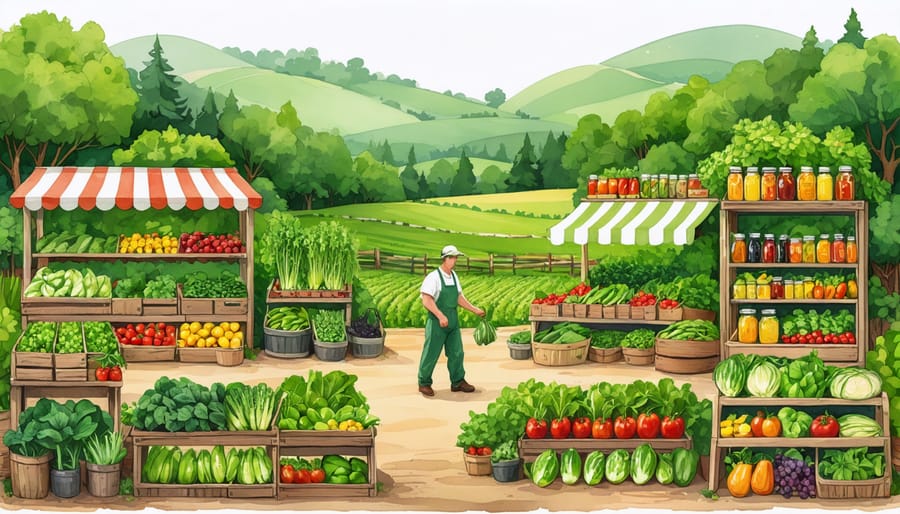
Before joining, consider visiting potential CSA farms during their open house events or volunteer days. This gives you a chance to meet the farmers, understand their growing practices, and get a feel for the community you’ll be joining. Remember that participating in a CSA means sharing both the bounty and risks of farming, creating a meaningful connection to your food source and the people who grow it.

Take the first step today by reaching out to local farms and discovering the rewarding experience of becoming a CSA member.

CSA Farm Shares: A Win-Win Partnership Between Farmers and Communities?

Posted by darrell on
0
CSA Fundamentals and Benefits
CSA Farm Shares: A Win-Win Partnership Between Farmers and Communities?

Imagine picking up a box of farm-fresh vegetables, knowing exactly who grew them and how your purchase directly supports local agriculture. Community supported agriculture has emerged as a powerful solution bridging the gap between farmers and consumers, but it comes with distinct advantages and challenges worth considering. As urban communities increasingly seek connections to their food sources, CSA programs offer a unique model that transforms the traditional farmer-consumer relationship into a partnership based on shared risk and reward.

This direct farm-to-table approach revolutionizes how we think about food security, sustainable agriculture, and community resilience. Whether you’re a health-conscious consumer, an advocate for local food systems, or simply curious about alternative food sourcing, understanding the full spectrum of CSA benefits and limitations helps make an informed decision about participation. From guaranteed fresh produce and environmental sustainability to scheduling challenges and seasonal limitations, let’s explore how CSA programs impact both individual participants and their broader communities.

Direct Community Benefits of CSA Programs

Fresh, Seasonal Food Access

One of the most compelling advantages of joining a CSA is the unparalleled access to fresh, locally grown produce throughout the growing season. Members receive a regular supply of vegetables, fruits, and herbs harvested at peak ripeness, ensuring maximum nutritional value and flavor. These seasonal produce benefits extend beyond just taste – you’ll discover new varieties of vegetables and learn to cook with ingredients you might not typically find at the grocery store.

CSA members often report feeling more connected to the natural growing cycles of their region, as their weekly shares reflect what’s currently thriving in local fields. This direct farm-to-table connection means produce typically reaches your kitchen within 24-48 hours of harvest, compared to the week or longer it takes for conventional grocery store produce to arrive on shelves.

The variety and abundance of fresh produce often encourage members to adopt healthier eating habits and experiment with new recipes. Many CSA farmers also provide storage tips and recipe suggestions, helping members make the most of their seasonal bounty while reducing food waste.

Fresh CSA box contents including colorful seasonal produce and leafy greens
Diverse array of seasonal vegetables and fruits in CSA box being unpacked

Economic Support for Local Farmers

CSAs provide crucial financial stability for local farmers through upfront payments at the start of the growing season. This advance funding helps farmers purchase seeds, equipment, and supplies without taking on substantial debt. When community members invest in CSA shares, they essentially become partners in the farm’s success, sharing both the rewards and risks of agriculture.

Many small-scale farmers report that CSA programs have been instrumental in keeping their farms viable. The guaranteed income stream allows them to focus on growing quality produce rather than worrying about marketing and sales. This model also helps farmers better plan their crops and manage resources efficiently, knowing exactly how many members they need to feed.

Beyond direct financial support, CSAs often create lasting relationships between farmers and consumers. These connections can lead to additional business opportunities, such as special orders, farm events, and educational workshops. Some CSA farmers have even expanded their operations to include value-added products like jams, pickles, and baked goods, further diversifying their income streams.

The steady support from CSA members also enables farmers to employ sustainable farming practices that might be too risky or costly under traditional market-driven agriculture.

Educational Opportunities

CSA memberships offer unique learning opportunities that extend beyond just receiving fresh produce. Many farms welcome members for educational visits, where you can witness firsthand how your food is grown and learn about sustainable farming practices. Farm newsletters typically include seasonal recipes, growing tips, and insights into agricultural challenges and successes. Children especially benefit from these experiences, gaining hands-on knowledge about food production through farm tours and harvest celebrations. Some CSAs even offer workshops on food preservation, cooking demonstrations, and gardening classes, helping members develop valuable skills while fostering a deeper connection to their food source. These educational components create an interactive experience that transforms members from passive consumers into knowledgeable participants in their local food system.

Challenges and Considerations

Community members helping local farmer harvest vegetables in field
Farmer and CSA members working together during harvest day

Share Management Responsibilities

Being part of a CSA program involves more than just receiving fresh produce – it requires active participation in food planning and time management. Members need to set aside time each week to pick up their shares, often during specific hours at designated locations. This commitment can be challenging for those with unpredictable schedules or frequent travel plans.

Food planning becomes a weekly adventure as members learn to work with seasonal ingredients and varying quantities. While exciting for cooking enthusiasts, it can feel overwhelming when you receive unfamiliar vegetables or larger quantities than expected. Some weeks might bring an abundance of tomatoes and zucchini, requiring quick decisions about preserving, sharing, or incorporating them into multiple meals.

Many CSA members find success by developing weekly meal planning routines around their expected share contents. Some farms provide advance notice of upcoming produce, making it easier to plan accordingly. However, weather conditions and crop yields can affect what actually arrives in your box, requiring flexibility and creativity in the kitchen.

Storage management is another crucial aspect. Members need adequate refrigerator space and knowledge of proper storage techniques to keep their produce fresh throughout the week. Some CSAs offer storage tips and recipe suggestions, helping members maximize their share’s potential and minimize food waste.

The time investment extends beyond pickup and storage. Processing and preparing fresh produce takes more time than using pre-cut vegetables from the grocery store, but many members find this hands-on connection with their food deeply satisfying.

Cost and Accessibility Factors

CSA memberships typically require an upfront payment for the entire growing season, which can range from $300 to $1,000 depending on share size and location. While this initial investment might seem steep, it often breaks down to $20-40 per week for fresh, locally grown produce – comparable to or less than organic grocery store prices.

Many CSAs offer flexible payment plans to make shares more accessible, including monthly installments or sliding-scale pricing based on income. Some farms accept SNAP benefits (food stamps) and offer scholarship programs for low-income families. Work-share opportunities are also common, allowing members to reduce costs by contributing labor on the farm.

The payment structure benefits farmers by providing crucial early-season capital for seeds, equipment, and operating expenses. However, members should understand they’re sharing both the bounty and risks of farming. If crops fail due to weather or pests, the weekly share quantity might decrease.

Share pickup logistics can affect accessibility. Most CSAs offer convenient pickup locations at farmers’ markets, community centers, or workplace delivery. Some farms provide home delivery for an additional fee. However, members need reliable transportation and must commit to picking up their share during designated times to avoid food waste.

For budget-conscious consumers, splitting a share with another household can make CSA participation more manageable while maintaining the benefits of fresh, seasonal produce.

Long-term Community Impact

Environmental Sustainability

Community Supported Agriculture significantly reduces the environmental impact of food production through several key mechanisms. One of the most notable benefits is the dramatic reduction in food miles – the distance food travels from farm to plate. When you participate in a CSA, your produce typically travels just a few miles rather than thousands, substantially decreasing transportation-related carbon emissions.

CSA farms generally embrace sustainable farming practices that protect and enhance the local ecosystem. These methods often include crop rotation, natural pest management, and soil conservation techniques that maintain soil health without relying heavily on synthetic fertilizers or pesticides. Many CSA farmers also implement water-saving irrigation systems and use renewable energy sources for farm operations.

The seasonal nature of CSAs naturally promotes biodiversity, as farmers grow various crops suited to local climate conditions. This diversity helps create resilient agricultural systems that better withstand climate challenges while providing habitat for beneficial insects and wildlife. Additionally, CSA farms often maintain buffer zones and hedgerows that further support local ecosystems.

CSA programs also reduce packaging waste significantly. Unlike supermarket produce wrapped in plastic, CSA shares typically come in reusable boxes or bags. Many CSA farms also compost organic waste on-site, creating a closed-loop system that minimizes environmental impact while enriching their soil naturally.

Visual comparison of traditional vs CSA food distribution environmental impact
Infographic showing reduced food miles and environmental impact of CSA

Community Building

CSA programs create vibrant social networks that extend far beyond simple food distribution. When you join a CSA, you become part of a close-knit community of people who share your values about sustainable agriculture and healthy eating. Regular pick-up days become social events where members exchange recipes, share cooking tips, and forge lasting friendships.

These programs are instrumental in building stronger communities through various shared activities. Many CSAs host harvest festivals, farm dinners, and educational workshops where members can learn about sustainable farming practices while connecting with their neighbors. Children particularly benefit from these gatherings, developing an early understanding of where their food comes from and forming positive associations with healthy eating.

The community aspect of CSAs also creates a resilient local food system. When members invest in local farms, they help preserve agricultural land and support farming families who become integral parts of the community. This mutual support system proves especially valuable during challenging times, such as natural disasters or economic downturns, when communities can rely on their established local food networks.

Additionally, CSA members often develop a deeper appreciation for seasonal eating and local food traditions, leading to the sharing of cultural knowledge and cooking practices across different community groups. This exchange of ideas and experiences enriches the community’s collective understanding of sustainable living and food security.

Food System Transformation

Community Supported Agriculture (CSA) programs are playing a pivotal role in reshaping our local food systems from the ground up. By creating direct connections between farmers and consumers, CSAs help build a more resilient and sustainable food network that benefits both rural and urban communities.

Through CSA programs, farmers can better predict their income and plan their crops with confidence, leading to reduced food waste and more efficient land use. This stability allows them to focus on sustainable farming practices and crop diversity rather than just high-yield commercial crops. Many CSA farmers report being able to experiment with heritage varieties and innovative growing techniques, knowing they have a guaranteed market for their produce.

The impact extends beyond individual farms to create ripple effects throughout the local economy. When consumers spend their food dollars on CSAs, more money stays within the community, supporting local businesses and creating agricultural jobs. This economic model has inspired many young farmers to start their own operations, helping to preserve farmland and agricultural knowledge for future generations.

CSAs also serve as educational hubs, teaching members about seasonal eating, food preparation, and sustainable agriculture. This knowledge sharing helps create more informed consumers who make environmentally conscious food choices. Many communities have seen CSA programs spark interest in other local food initiatives, from farmers’ markets to school gardens, creating a more connected and sustainable food system.

Community Supported Agriculture represents a powerful model for strengthening local food systems while fostering meaningful connections between farmers and consumers. While CSA participation comes with its share of challenges, including seasonal variability and the need for meal planning flexibility, the benefits often extend far beyond the dinner table.

By joining a CSA, members become active participants in their local food economy, directly supporting small-scale farmers and helping preserve agricultural land. This partnership creates resilient communities where farmers can focus on sustainable growing practices without the pressures of traditional market forces.

The impact of CSAs ripples through communities, from creating local jobs to reducing food miles and environmental impact. Members often report feeling more connected to their food sources, developing new cooking skills, and sharing in both the bounty and challenges of seasonal farming.

For those considering CSA membership, success often lies in understanding and accepting both the rewards and responsibilities. While it may require adapting to seasonal eating patterns and occasionally dealing with produce surplus, many members find the experience transforms their relationship with food and their local community.

Whether you’re a seasoned cook or just beginning to explore local food options, CSA participation offers a unique opportunity to support sustainable agriculture while enjoying fresh, nutritious produce. The key is finding the right program that aligns with your household needs and values, creating a mutually beneficial relationship between you and your local farmer.