
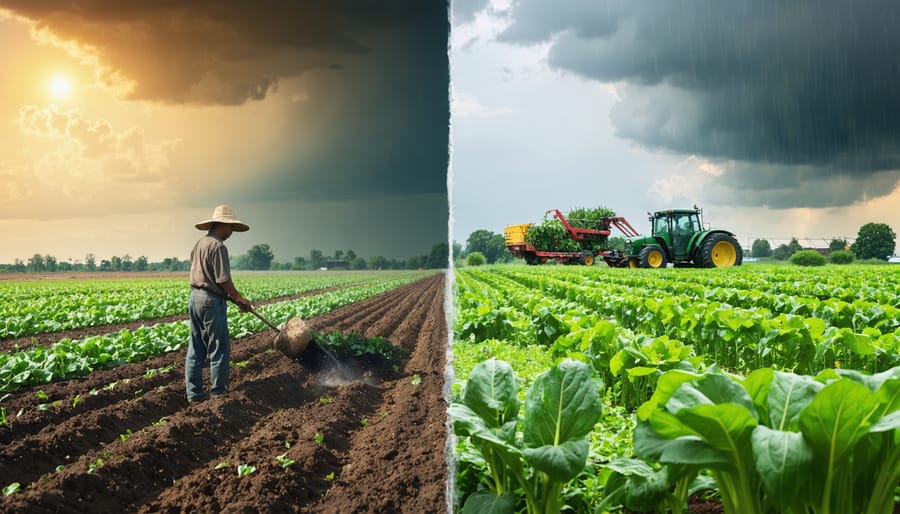
Climate change is radically reshaping modern agriculture, threatening food security for billions while forcing farmers to adapt centuries-old growing practices. From shifting growing seasons and unpredictable rainfall patterns to emerging pest pressures and extreme weather events, farmers worldwide face unprecedented challenges in maintaining crop yields and food quality. Small-scale organic farmers and large agricultural operations alike must navigate these new realities, implementing innovative solutions from drought-resistant crop varieties to advanced irrigation systems. Yet within these challenges lie opportunities for agricultural transformation – including the adoption of regenerative farming practices that not only help farms survive climate impacts but potentially help mitigate climate change itself through carbon sequestration and reduced emissions. Understanding these evolving dynamics is crucial for farmers, consumers, and policymakers as we work to build a more resilient and sustainable food system for future generations.
How Climate Change Affects Your Local CSA Farm
Shifting Growing Seasons
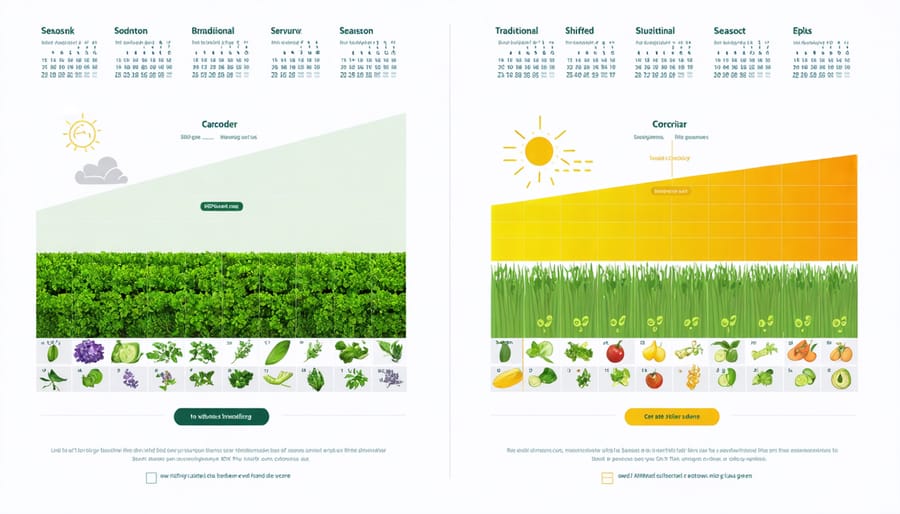
As our climate continues to warm, farmers are experiencing significant local food supply changes due to shifting growing seasons. Spring arrives earlier, fall extends longer, and traditional planting calendars no longer align with actual weather patterns. While this might sound promising at first, these changes bring unique challenges for farmers.
Many crops now require earlier planting dates, sometimes by several weeks compared to just a decade ago. However, this earlier start comes with risks – late frosts can still damage tender young plants, forcing farmers to replant and potentially disrupting harvest schedules. Summer crops like tomatoes and peppers may need to be planted later to avoid spring cold snaps, while fall crops might extend well into what used to be considered winter months.
These seasonal shifts also affect crop planning and succession planting, requiring farmers to adapt their growing schedules constantly. Some farmers are experimenting with season extension techniques, using row covers and high tunnels to protect crops from unpredictable weather patterns. This flexibility in planting and harvesting dates helps ensure a steady supply of fresh produce throughout the changing growing season.
Water Challenges
Climate change has dramatically altered traditional rainfall patterns, creating significant challenges for farmers worldwide. Many regions now experience extended dry spells followed by intense downpours, making it difficult to maintain consistent crop growth cycles. These irregular patterns often lead to either water scarcity or flooding, both of which can devastate crops and soil health.
Farmers are increasingly facing longer and more severe drought periods, forcing them to adapt their growing practices. Some have reported needing to drill deeper wells or invest in expensive irrigation systems just to maintain basic crop production. In traditionally rain-fed farming areas, unpredictable rainfall has led to decreased crop yields and, in some cases, complete crop failure.
The impact extends beyond just plant growth – water stress affects soil microbial activity, nutrient absorption, and overall soil structure. Many farmers have started implementing water-conservation techniques like drip irrigation, mulching, and drought-resistant crop varieties. While these solutions help, they often require significant investment and careful planning to implement effectively.
Community support becomes especially crucial during these challenging times, with CSA members understanding that seasonal yields may vary based on water availability.
Innovative Adaptations in CSA Farming
Climate-Resilient Crop Selection
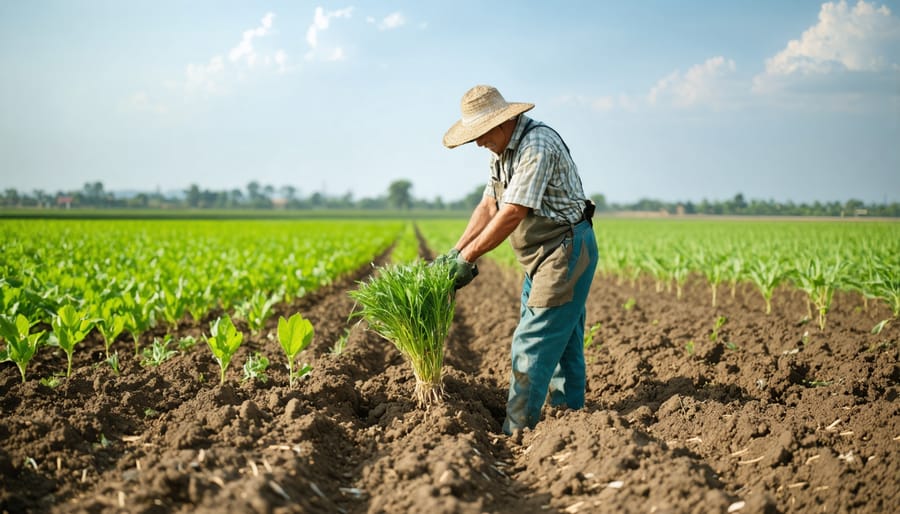
As climate patterns shift, farmers are increasingly turning to sustainable farming practices that include selecting crops better suited to changing conditions. Many CSA farmers are experimenting with drought-resistant varieties and heat-tolerant cultivars that can withstand extreme weather events.
Popular climate-resilient choices include heritage tomato varieties, heat-loving sweet potatoes, and drought-resistant legumes like cowpeas. These crops not only survive challenging conditions but also help maintain soil health and biodiversity. Some farmers are incorporating indigenous crops that have naturally adapted to local conditions over centuries.
Success stories from CSA farms show that diversifying crop selection helps buffer against climate uncertainties. For example, the Parker Family Farm in Vermont switched to growing more heat-tolerant berry varieties and saw a 30% increase in summer yields despite rising temperatures.
Modern plant breeding has also developed new varieties specifically designed for climate resilience. These include vegetables that require less water, fruits with enhanced disease resistance, and greens that can tolerate temperature fluctuations. Many CSA farmers are finding success with these adaptable varieties while maintaining organic growing methods.
For CSA members, this shift means access to exciting new produce options while supporting farms that actively address climate challenges through thoughtful crop selection.
Smart Water Management
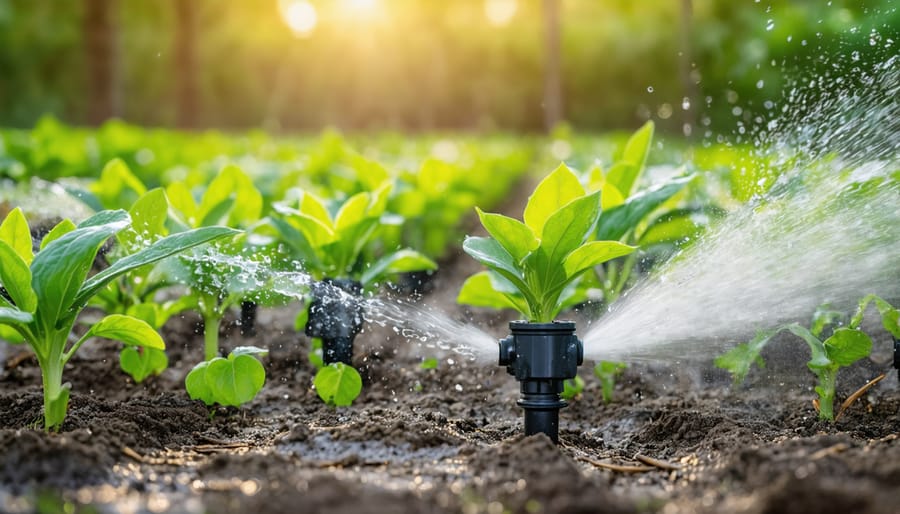
As climate change brings more unpredictable weather patterns, smart water management has become crucial for farm sustainability. Modern farmers are embracing innovative irrigation techniques that maximize water efficiency while maintaining crop health. Drip irrigation systems, for instance, deliver water directly to plant roots, reducing waste through evaporation and ensuring optimal moisture levels.
Soil moisture sensors and weather monitoring systems now allow farmers to make data-driven irrigation decisions. These smart devices communicate real-time information about soil conditions and weather forecasts, helping farmers adjust watering schedules accordingly. Some farms have even implemented automated systems that respond to these readings, providing precise amounts of water exactly when needed.
Water conservation extends beyond irrigation technology. Many farmers are adopting drought-resistant crop varieties and implementing water-retention strategies like mulching and cover cropping. Rainwater harvesting systems, including collection ponds and storage tanks, help capture precious rainfall for later use during dry spells.
Success stories abound, like Sarah’s Green Acres in Colorado, which reduced water consumption by 40% after installing a smart irrigation system combined with soil moisture monitoring. They maintained crop yields while significantly lowering their water bills and environmental impact. These water-smart practices not only help farms survive during drought conditions but also contribute to long-term environmental sustainability.
What This Means for CSA Members
Changes in Share Contents
Climate change is reshaping what grows in our fields and gardens, directly impacting the variety of produce in CSA shares throughout the seasons. Farmers are adapting by introducing heat-tolerant varieties and experimenting with new crops that thrive in changing conditions. For example, many Northeast farms now successfully grow traditionally Southern crops like sweet potatoes and okra, while some cool-weather crops like spinach and peas require additional planning and protection.
These shifts mean CSA members might notice changes in their weekly shares compared to previous years. While some familiar favorites may become less frequent, members often discover exciting new varieties and learn to embrace seasonal adaptations. Many farmers are turning this challenge into an opportunity by introducing members to diverse heritage varieties that show better resilience to extreme weather events.
To maintain consistent share contents, farmers are implementing innovative solutions like high tunnels, shade cloth, and improved irrigation systems. These adaptations help extend growing seasons and protect sensitive crops, ensuring members continue receiving diverse, nutrient-rich produce despite climate challenges. The evolving share contents reflect not just environmental changes, but also the remarkable adaptability of local food systems.
Supporting Farm Resilience
Supporting your local CSA farm in building climate resilience starts with understanding and embracing sustainable living practices. Consider flexible harvest expectations and be open to trying new crop varieties that your farmer introduces as they adapt to changing conditions. Participate in farm events and workdays to help with climate-smart projects like installing rain catchment systems or building high tunnels for weather protection.
Financial support through early-season payments and multi-year CSA commitments gives farmers the security to invest in climate adaptation strategies. Share feedback about crop preferences and storage methods, helping farmers adjust their growing plans. Consider volunteering during extreme weather events when extra hands are needed for harvest or protection of crops.
Join your farm’s community forums or social media groups to stay informed about climate challenges and adaptation efforts. Many CSA farms also welcome member input on resilience planning and appreciate help spreading awareness about local food system challenges and solutions. Your engagement and support make a real difference in building stronger, more resilient farms for the future.
As we’ve explored throughout this article, climate change poses significant challenges to farming communities worldwide, but Community Supported Agriculture (CSA) programs continue to demonstrate remarkable resilience and adaptability. Through innovative farming practices, seasonal crop diversification, and strong community partnerships, CSA farmers are finding creative solutions to weather-related challenges while maintaining their commitment to sustainable agriculture.
The success of CSA farms in adapting to climate change relies heavily on continued community support and engagement. By participating in CSA programs, members not only secure access to fresh, locally grown produce but also contribute to a more climate-resilient food system. Each share purchased helps farmers invest in adaptive technologies, implement sustainable practices, and maintain the financial stability needed to weather uncertain growing conditions.
Looking ahead, the role of CSA farming in building climate resilience will only become more crucial. Through education, collaboration, and shared responsibility, CSA communities are proving that small-scale, sustainable agriculture can thrive even in the face of environmental challenges. Whether you’re a current CSA member or considering joining a program, your support helps create a more sustainable and resilient local food system for future generations.
Together, we can continue to nurture and grow the CSA movement while adapting to our changing climate. Every season brings new lessons and opportunities for innovation, making this an exciting time to be part of the local food movement.
